
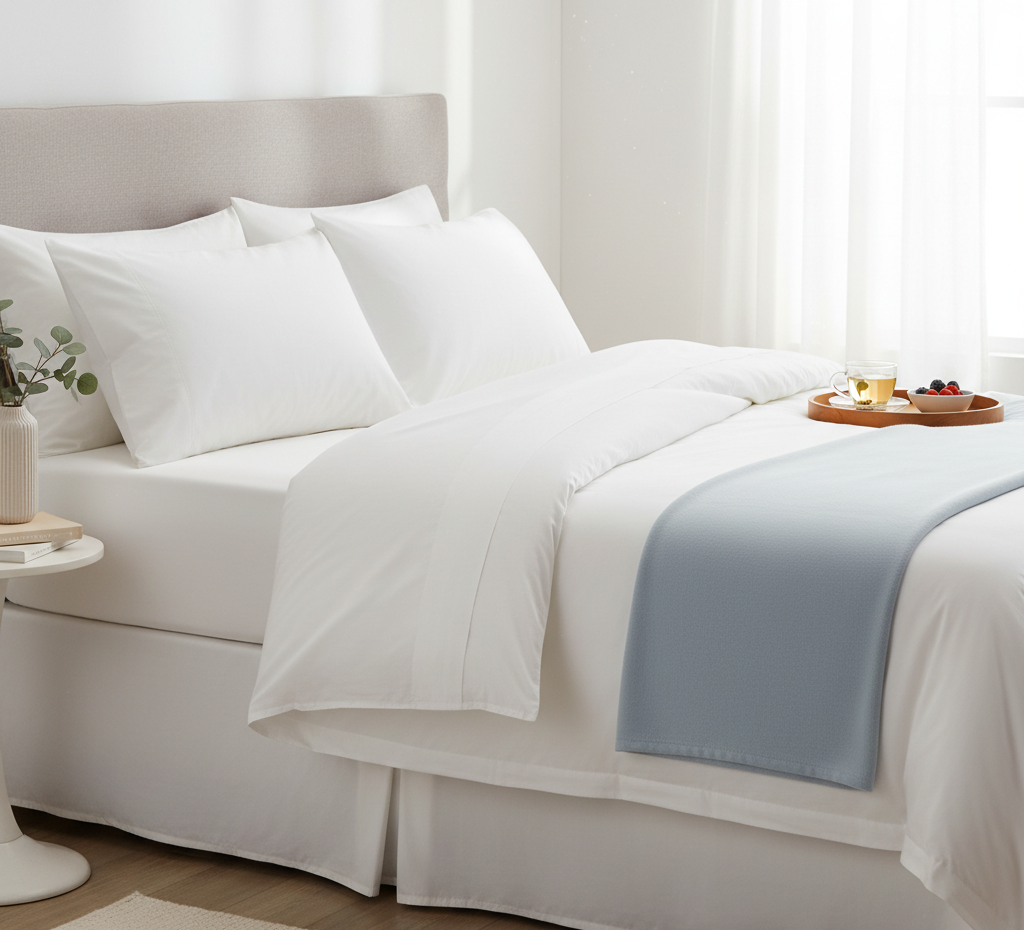
How to Clean and Sanitize Bedding for a Healthy Sleep Environment
Bedding is one of the most intimate and influential components of our daily lives, directly impacting the quality of our sleep, the health of our skin, and the overall hygiene of our homes. We spend approximately a third of our lives in bed, wrapped in sheets, resting on pillows, and tucked under comforters. During those hours of rest, our bodies are active, shedding millions of microscopic dead skin cells, releasing body oils, and producing a significant amount of sweat. This organic residue accumulates night after night, settling deep into the fibers of our bedding. If left unmanaged, this accumulation transforms our beds into a highly receptive ecosystem for dust mites, bacteria, and allergens, contributing to skin irritation, respiratory issues, and a general sense of stale mustiness. Properly caring for, washing, and maintaining your bedding is not merely an aesthetic choice; it is a vital, health-focused routine that preserves the materials, protects your well-being, and ensures your bed remains a fresh, restorative sanctuary. Mites To understand the necessity of regular bedding maintenance, it is helpful to look at the biology of the bedroom environment. Dust mites are microscopic organisms that do not bite, but feed almost exclusively on the dead skin cells shed by humans and pets. A warm, humid mattress covered in unwashed sheets is the absolute environment for these organisms to thrive and multiply. The primary allergen is not the mites themselves, but their waste products, which can accumulate in pillows and mattresses over time, triggering allergic reactions, morning congestion, sneezing, and even eczema flare-ups. The only reliable way to control dust mite populations and break down these allergens is through regular, high-temperature washing. 1.Water Temperature The most active layer of our bedding is the sheets and pillowcases, which are in direct, constant contact with our skin. For proper hygiene, these items should be stripped and washed at least once a week, or more frequently if you sweat heavily at night, have oily skin, or allow pets on the bed. When washing sheets, water temperature is a critical variable. For durable white and light-colored sheets made of natural fibers like cotton or linen, hot water, typically defined as sixty degrees Celsius or one hundred and forty degrees Fahrenheit, is highly recommended. This temperature is necessary to effectively melt away body oils, dissolve sebum, and kill dust mites and their eggs. For dark or brightly colored sheets, warm water is a safer choice to prevent color bleeding and fading, though you may occasionally want to run a hot wash to ensure thorough sanitization. 2.Laundry Detergent The choice of laundry detergent is also important when caring for your bedding. Because your skin is in contact with the fabric for hours at a time, opt for a gentle, unscented, or hypoallergenic detergent. Harsh chemical fragrances and optical brighteners can leave behind residues that cause contact dermatitis or respiratory irritation during the night. It is also essential to avoid using too much detergent. An excess of soap will not get the sheets cleaner; instead, it will fail to rinse out completely, leaving a sticky residue on the fibers that acts like a magnet for dead skin and oils, making the sheets feel stiff and encouraging bacterial growth. 3.Dishcloths and Towels Just as with dishcloths and towels, the use of liquid fabric softeners or dryer sheets should be avoided when laundering bedding. These products work by depositing a thin, waxy, chemical film over the fabric fibers to make them feel artificially soft. On bed sheets, this waxy layer is highly detrimental. It clogs the weave of the fabric, drastically reducing its breathability and its ability to absorb moisture. This means the sheets will trap heat and sweat, creating a hot, clammy sleeping environment that actually increases nighttime sweating and skin irritation. To keep your sheets naturally soft and highly breathable, skip the fabric softener entirely and add half a cup of white vinegar to the rinse cycle. The vinegar naturalizes the water, strips away any soap residue, and leaves the sheets feeling soft, fresh, and completely odorless once dry. 4.Pillows and Pillowcases Pillows and pillowcases are the most critical zone for skin and respiratory health. A pillowcase acts as a shield, but sweat, saliva, hair oils, and facial creams will inevitably penetrate the fabric and settle into the pillow itself. Over time, a pillow can double in weight due to the accumulation of dead skin, dust mites, and moisture. This is why using zippered pillow protectors is a highly recommended practice. These protectors create a machine-washable barrier that keeps the pillow interior clean. The protectors should be washed every few weeks along with your sheets. The pillows themselves should be deep cleaned at least twice a year. The washing method for pillows depends entirely on their fill. Down and feather pillows, as well as those with synthetic down alternative fill, can generally be machine-washed. To maintain balance in your washing machine, always wash two pillows at a time. Use a gentle cycle, cool or warm water, and a very small amount of a mild detergent. The rinsing step is crucial; run the pillows through an extra rinse cycle to ensure all soap is completely flushed out of the dense filling. The true challenge of cleaning pillows is the drying process, which must be meticulous. A damp pillow is a major mold hazard, as moisture trapped inside the dense filling will quickly mildew and produce a foul, musty smell. Dry the pillows on a low heat setting, and include several clean tennis balls or wool dryer balls in the dryer drum. As the dryer spins, these balls will physically beat the pillows, breaking up the clumps of wet feathers or synthetic fibers and helping to restore their loft and fluffiness. Be prepared for this process to take several hours and multiple cycles. Check the pillows frequently, squeezing them firmly to feel for any remaining damp clumps in the center. Only when they are completely dry and fluffy should they be returned to the bed.
How to Clean and Sanitize Bedding for a Healthy Sleep Environment Read More »