Does Bleach Kill Enzymes? How Enzyme Cleaners Work
On this page
Yes, bleach kills enzymes. Chlorine bleach destroys both the enzymes and the live cultures in a bio-enzymatic cleaner, so the two products can never be mixed, layered or used one after the other on the same spot.
Why the two products cancel each other out
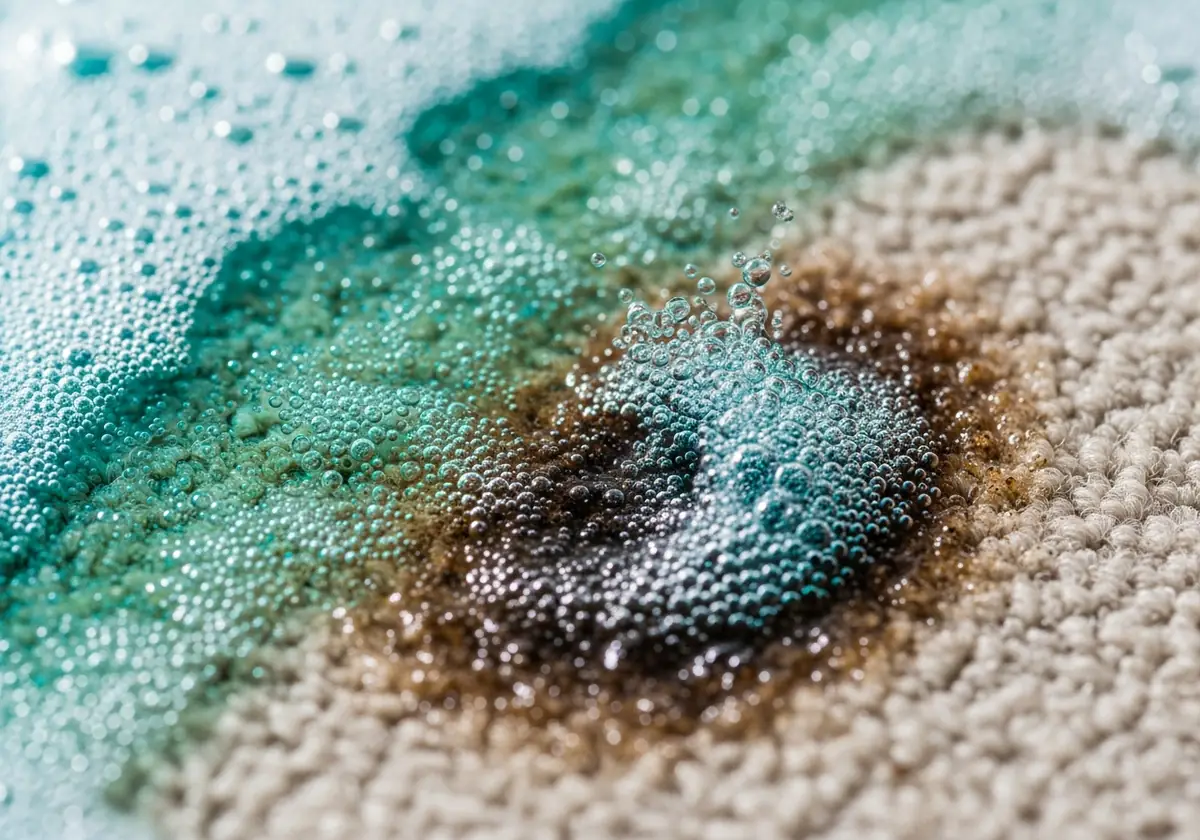
Enzymes are proteins, and chlorine bleach is an oxidizer built to destroy microorganisms and organic material. Spray the two together and the bleach attacks the enzyme proteins and kills the live culture in the cleaner before it can digest anything. The mix cleans nothing and does a poor job of killing microorganisms, because each product has neutralized the other.
The problem goes beyond deliberate mixing. Bleach residue left on a surface keeps deactivating fresh applications of an enzymatic product, so if you pre-treated a stain with bleach yesterday, today’s enzyme treatment is working against a poisoned surface. The same logic applies to other residues: leftover detergent or cleaner residue on the spot weakens the culture before it starts. Heat is the other enzyme killer, which we will get to below.
The practical rule is simple: never pre-treat a stain with bleach or another harsh chemical and then spray enzymes over it. Rinse the area thoroughly with clean water and let it dry before you apply the biological product.
When you genuinely need both, order matters. The enzymatic treatment goes first and digests the organic matter; the other product goes second, on the now-clean surface, because soil neutralizes it. One more caution: never bleach a urine stain. Health Canada warns that bleach reacts with any cleaning product containing ammonia or an acid, including common cleaners, and can create toxic gases such as chloramine (never mix bleach with other cleaning products). Urine gives off ammonia, so the combination belongs nowhere near each other.
Is bleach an enzyme cleaner?
No. Bleach is a chlorine-based germ killer and whitener. It contains no enzymes and no live cultures; its chemistry changes the colour of a stain and destroys microorganisms, and that is all it does. An enzymatic cleaner is the opposite kind of product: a live culture that digests organic stains instead of bleaching them.
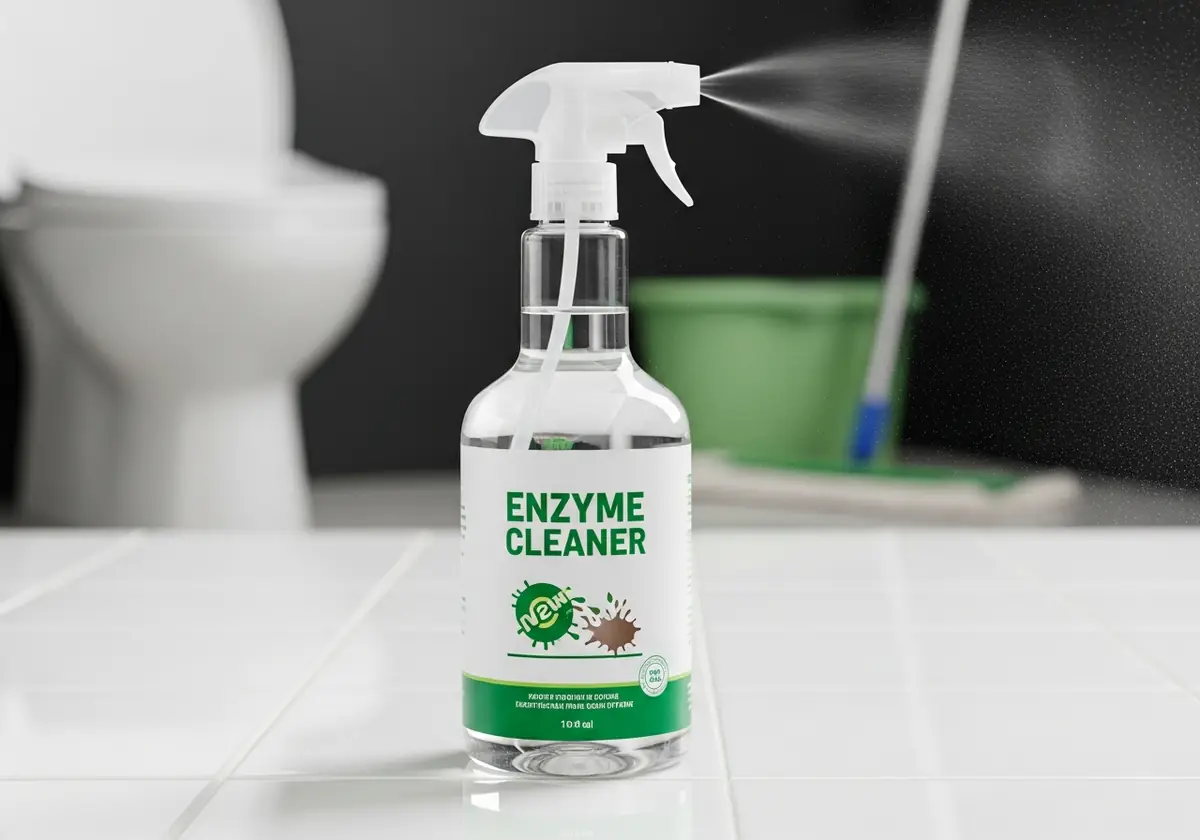
There is a distinction worth knowing when you shop. Some products contain enzymes only, harvested and bottled. Bio-enzymatic products contain beneficial microorganisms plus the enzymes those organisms produce, so the culture keeps making fresh enzymes as long as there is food to digest. To spot a genuine product, read the label: real enzymatic cleaners name their enzymes or cultures on the bottle, and they never contain bleach. A generic “oxy” or “colour-safe” claim is not the same thing.
Inside the bottle, each enzyme targets a type of mess: protease breaks down proteins like blood and sweat, lipase handles fats and grease, amylase digests starches, and uricase goes after urine crystals.
That last one is why bleach fails on pet urine. Uric acid in urine forms crystals that do not dissolve in water and that cling tightly to carpet fibres, wood and concrete. Detergent removes the colour, and bleach or perfume only masks what is left, so on a humid day the crystals re-release ammonia and the smell returns. Enzymatic products remove the source of the stain and odour; the bleach changes a colour. Different tools for different jobs.
How to Use an Enzyme Cleaner on a Carpet Stain
Read the video transcript
Give enzymes time, not a quick wipe. For a carpet spot, gather plain water, enzyme cleaner and a damp towel. Patch-test a hidden corner first. Never mix or layer bleach and enzymes. Never bleach a urine stain. Enzyme cleaners are not disinfectants. Blot the mess, then rinse with plain water. If another cleaner was used, rinse it away and let the spot dry. For urine in carpet, saturate through to the pad. Use room-temperature or lukewarm water, never boiling. Cover with a damp towel. Keep it moist for several hours; deep urine may need a full day or more. Blot again rather than scrubbing. Old, set-in stains may need repeat applications. Buy fresh. Store cool and dark, and plan on repeat treatments for older stains. Beyond the spot treatment, our regular home cleaning covers kitchens, bathrooms and floors, with vetted, background-checked cleaners and professional supplies and equipment. See your price, choose your time. Tell us how to enter and lock up. We take it from there. No contracts. No upfront payment. You'll love your clean, or we'll make it right. See your price at torontoshinecleaning.ca.
How do you use an enzyme cleaner so it works?
Dwell time is everything. Enzymes need hours, not seconds: leave the product several hours on surface stains, and up to a full day or more on urine that soaked through to the carpet pad. Spraying and wiping ten seconds later accomplishes nothing.
Work through it in order:
- Pre-clean first. Blot up the mess and rinse the spot with plain water so the enzymes reach the residue rather than a puddle.
- If the spot was ever treated with bleach or another cleaner, rinse that residue away and let the surface dry before you start.
- Saturate urine stains all the way through the carpet to the pad, where urine pools, and cover the area with a damp towel. Enzymes stop working once they dry, so the area has to stay moist the whole time.
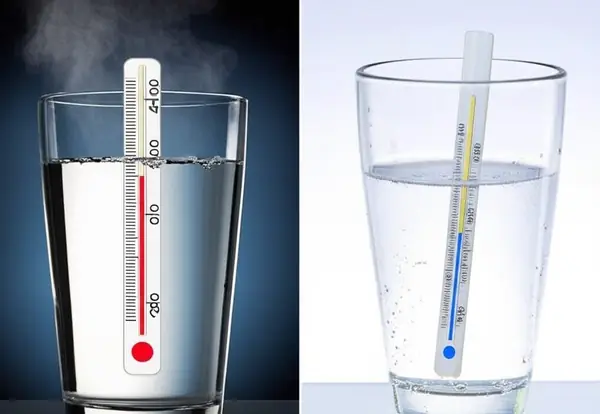
- Use room-temperature or lukewarm water only. Boiling water destroys the enzymes, and very cold water leaves the culture dormant. For the science behind this across the whole house, see water temperature for cleaning.
- Patch-test on a hidden corner of carpet or upholstery first, and check for colour change before treating the whole area.
Two more things set expectations. First, the smell can get briefly worse: as the crystals break down, a bloom of ammonia is a sign the product is working, not failing. Second, plan on repeat applications for old set-in stains rather than one heroic pass.
Laundry follows the same rules: pre-soak blood, sweat, grass and formula stains in cold water with enzymatic cleaner, since hot water can set protein stains into fabric, and keep chlorine bleach out of that wash entirely. For drains and disposals, run the enzymatic product through at night, let it sit, and flush with warm water in the morning to clear grease coating the pipes.
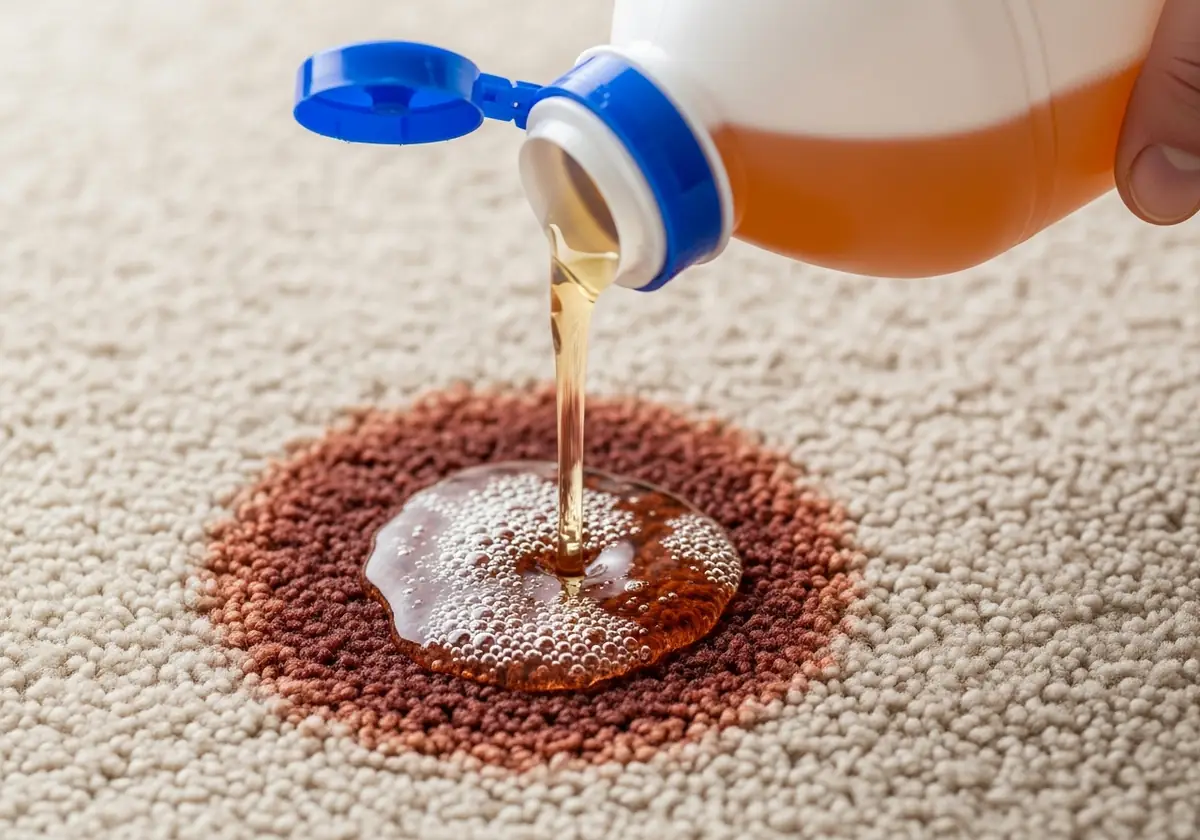
Buy fresh and store cool and dark. These are living products that lose potency over the years, so check the manufacture date before you buy rather than after. When a bottle does reach the end of its life, the City of Toronto lists household cleaning products such as bleach among hazardous waste that must not go in the garbage, Blue Bin or Green Bin or be poured down the drain or toilet (City of Toronto household hazardous waste guide); keep it sealed in its original container and take it to a Drop-Off Depot or a Community Environment Day instead.
Which messes need an enzyme cleaner instead of bleach?
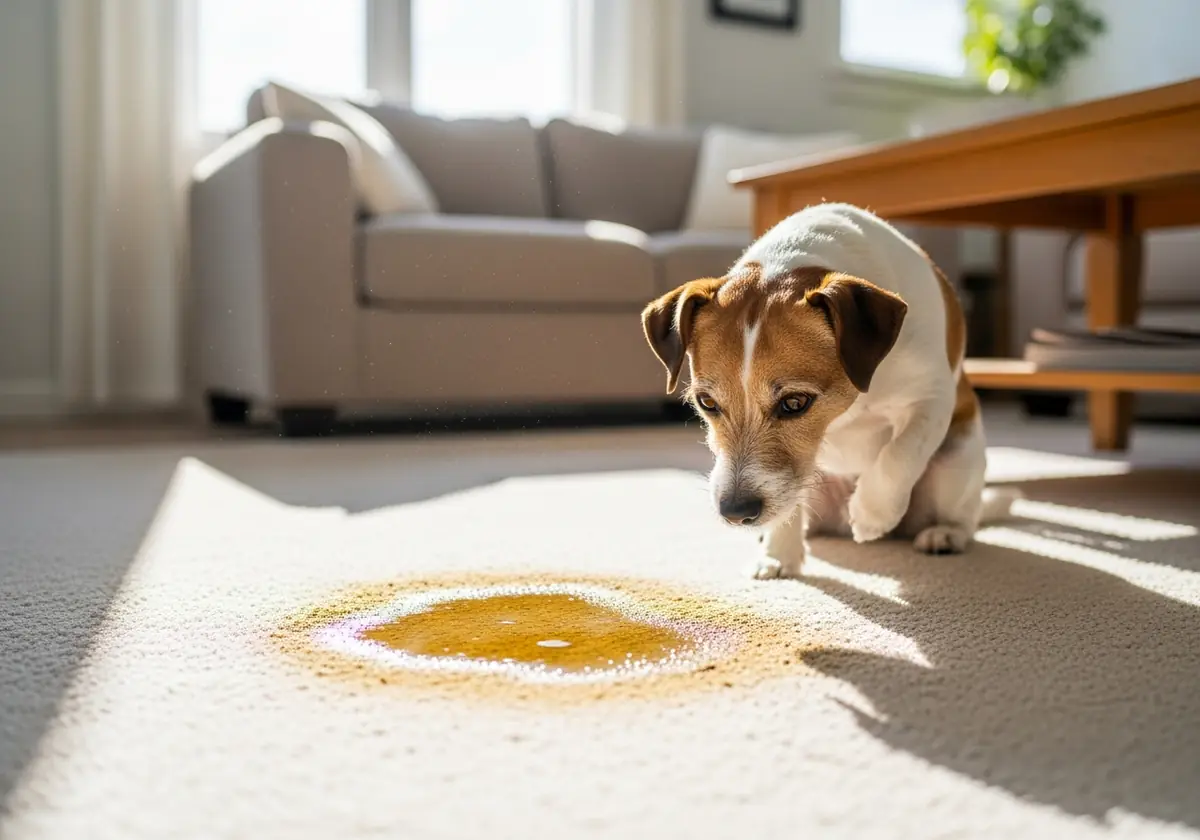
Pet urine on carpet and floors is the classic case: uricase targets the crystals detergent and bleach leave behind, removing the odour at its source. This matters for more than your own nose. Pets re-soil spots they can still smell, so until the scent trace is digested away, your dog or cat keeps getting the message that this spot is the bathroom. Air fresheners and fragranced sprays never fix this, because masking a smell is not removing it: the source is still there, still re-releasing ammonia. For the rest of the routine, these cleaning hacks for pet owners save time between treatments.
Shower grout and biofilm come next. The pink or grey slime in shower corners is a colony feeding on soap scum and body oils, rooted in porous grout that surface scrubbing barely touches. Enzymes seep into the pores and break down the scum and oils binding the grime. It is slower than bleach but without chlorine’s harshness on grout and natural stone.
In the kitchen, regular lipase treatments digest cooled grease coating the drain pipes and stop sink odour, though a solid hair clog still needs a snake. On laundry, enzymatic soaks also lift trapped body oils from synthetic athletic wear, the ones that survive a normal wash.
Outdoors, enzymes clean decks and patios without the chlorine that can harm surrounding landscaping, and they are septic-safe because they add microorganisms to the tank instead of wiping out its ecosystem.
Bleach still has its jobs: whitening laundry and germ-freeing sealed, non-porous surfaces. Keep it off carpets, finished wood and natural stone, where it can discolour fibres and damage finishes. Lina DaSilva, cleaning expert and owner of Toronto Shine Cleaning, told Homes & Gardens that bleach should be kept away from natural wood surfaces such as hardwood floors because it can damage the finish and cause discolouration and wear, with a mild detergent in warm water the better choice for wood.
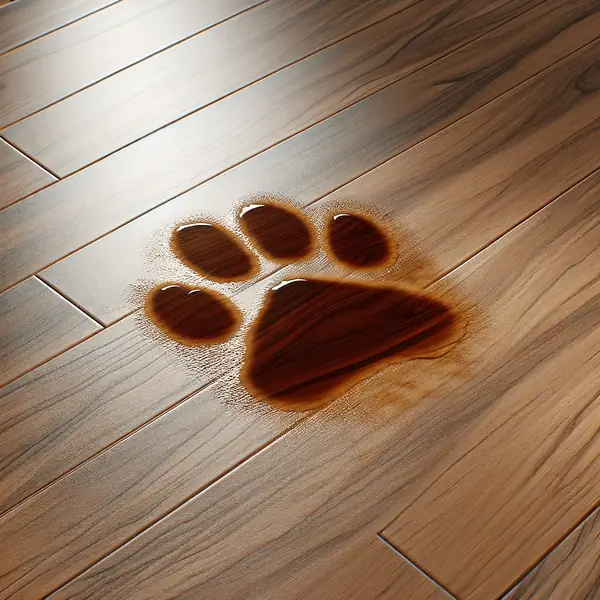
For pet accidents on hardwood and laminate, apply the enzymatic product to a cloth or mist it lightly rather than flooding the floor, and wipe the surface dry afterwards so moisture never sits in the seams.
Do enzyme cleaners disinfect?
No. Enzymatic cleaners remove organic soil and odour; they are not disinfectants and they do not kill viruses or harmful microorganisms on contact. In plain words: cleaning removes dirt and grime from a surface, sanitising lowers the number of germs on it, and disinfecting kills them outright. An enzymatic cleaner makes no such promise and was never meant to.
That makes the order of a hygiene routine straightforward. Enzyme-clean first to strip away the organic matter, then disinfect the clean surface, because doing so over soil wastes the product: the soil neutralizes it before it finishes the job. Rinse between the two steps, and never spray a disinfectant on top of a wet enzyme treatment, for the same reason you never mix the two in a bottle.
This matters most in households with babies, elderly members or someone ill. Treat enzymatic cleaning as step one and a proper disinfectant as step two, each doing the job it was built for. For everyday messes in a healthy home, the enzyme step alone takes care of the situation.
When to bring in a professional deep clean
When urine odour keeps returning after repeated home treatments, the accident has likely soaked into the carpet padding or the subfloor, where surface sprays cannot reach. The same goes for grout biofilm, grease buildup and accumulated grime that need more dwell time and detail work than your schedule allows. A deep clean covers baseboards, vents, bathrooms and floors in one top-to-bottom reset. We clean households across Toronto and the GTA, and you can reach us any time at (647) 424-0355.
Frequently asked questions
Can I use an enzyme cleaner on a mattress?
Yes, if the care label allows it. Blot up as much of the accident as you can, mist the area lightly rather than soaking it, and let the mattress dry completely before making the bed, ideally with a fan on it. Slip a waterproof protector over the mattress afterwards, since urine that soaked deep into the quilting is hard for any surface treatment to reach.
Does vinegar work as well as an enzyme cleaner on pet urine?
No. Vinegar can rinse away sticky residue and dull the smell for a night, but it does not break down the uric acid crystals that hold the odour, so the smell comes back when the weather turns humid. It is a poor pre-treatment too: its own acid residue becomes one more layer the enzymes have to work through. Plain water is the better rinse before you treat.
Can I put an enzyme cleaner in my carpet cleaning machine?
Only if the label says so. Some products are formulated for extraction machines and give dilution ratios for the tank, while others are meant to be sprayed and left to dwell, which a machine vacuums up too soon. Using the wrong type wastes the product, and the heat from some machines can also work against the live culture.
Will an enzyme cleaner remove a blood stain from carpet?
Yes, and it is one of the better tools for it, since protease digests protein. Blot with cold water first, never hot, because heat can set protein into the fibres the way it does in laundry. Then apply the product, keep the spot moist for several hours, and blot again rather than scrubbing, which spreads the stain into the surrounding pile.