How to Make Your Home Smell Amazing Without Synthetic Fragrances
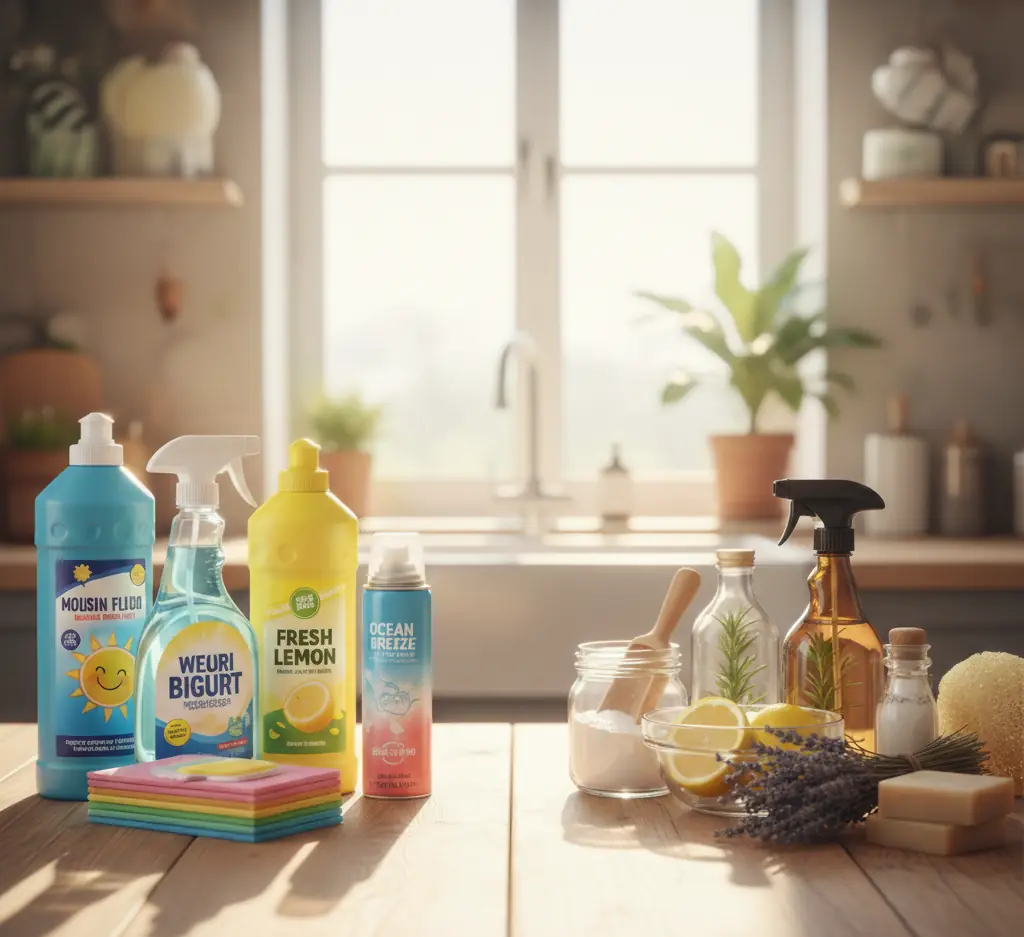
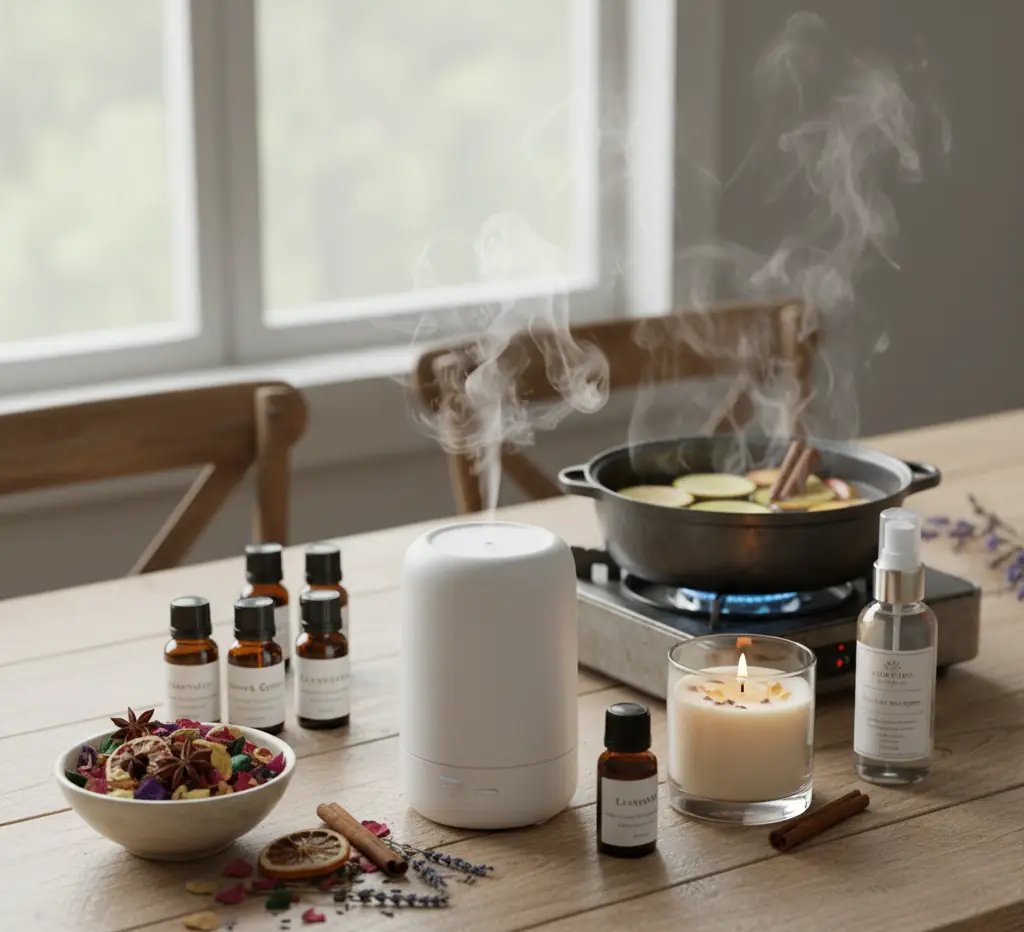
The quest for a fresh-smelling home is a universal desire, a fundamental part of creating a welcoming and comfortable living space. In pursuit of this freshness, we often turn to a vast and colorful arsenal of products promising to fill our homes with the scent of ocean breezes, linen fields, or tropical flowers. We use aerosol sprays, plug-in diffusers, and scented candles, all designed to mask unpleasant odors with a more appealing fragrance. This approach, however, is fundamentally flawed. It is the equivalent of using perfume to cover up the need for a shower; it does not solve the underlying problem, and in many cases, it makes the air quality worse. True deodorization is not about adding a scent to the air; it is a scientific process of neutralizing and removing the source of the odor, creating an environment that is not just scented, but genuinely clean.
Eliminating vs. Masking
The crucial difference lies in understanding what modern air fresheners actually do. Most of these products do not eliminate odor molecules; they simply overwhelm them with stronger, more pleasant chemical fragrances. The term “fragrance” on an ingredient list is often a proprietary catch-all that can hide a complex cocktail of hundreds of different chemicals, including volatile organic compounds (VOCs) and phthalates. These compounds are released into the air we breathe, and while they may smell nice, they can contribute to a host of indoor air quality issues, from headaches and respiratory irritation to more long-term health concerns. A truly fresh home is not one that smells like artificial lavender; it is one that smells like nothing at all—a neutral, clean slate. The path to achieving this involves two key strategies: using natural agents that absorb and neutralize odors, and, most importantly, performing a deep clean to remove the source of the smell completely.
Baking Soda
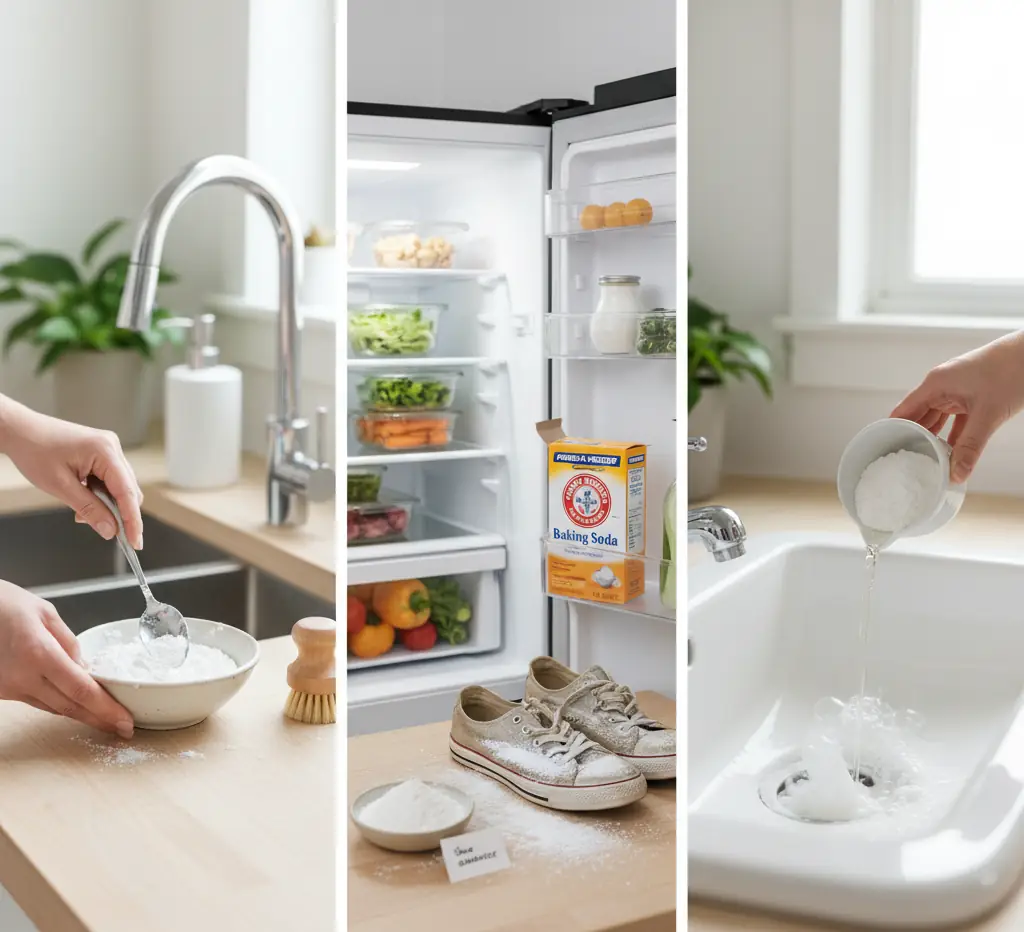
The humble box of baking soda, or sodium bicarbonate, is one of the most powerful and versatile deodorizing agents you can have in your home. Its magic lies in its chemical properties. Baking soda is a weak alkali, and many of the most common unpleasant odors—like those from spoiled food or pet accidents—are acidic in nature. When baking soda comes into contact with these acidic odor molecules, it reacts with them, neutralizing them into a non-odorous state. Furthermore, it is excellent at absorbing moisture, which helps to combat the musty smells associated with dampness.
Its applications are vast. For textiles like carpets, rugs, and upholstered furniture that can trap odors deep within their fibers, baking soda is a phenomenal tool. Before vacuuming, sprinkle a liberal and even layer of baking soda over the entire surface. Do not be shy; you want a visible coating. Let it sit for at least thirty minutes, but for more persistent odors, letting it dwell for several hours, or even overnight, will yield dramatically better results. During this time, the baking soda is working to neutralize odors and absorb the oils that trap them. Then, vacuum the area thoroughly, making slow, overlapping passes to ensure you pull up all the powder and the odors it has trapped.
In confined spaces, baking soda acts as a passive odor absorber. The classic open box in the back of the refrigerator is a time-tested method for a reason. As air circulates, the baking soda traps and neutralizes airborne odor particles from foods like onions or leftover fish. This same principle can be applied elsewhere. A small bowl of baking soda can be placed in a musty closet, at the bottom of a garbage can under the bag, or in a smelly gym bag to keep things fresh. It can also be used to freshen drains. Pour about a half-cup of baking soda down the drain, followed by a half-cup of white vinegar. The fizzing reaction will help to dislodge grime while the baking soda neutralizes the odors that waft up from the P-trap.
White Vinegar
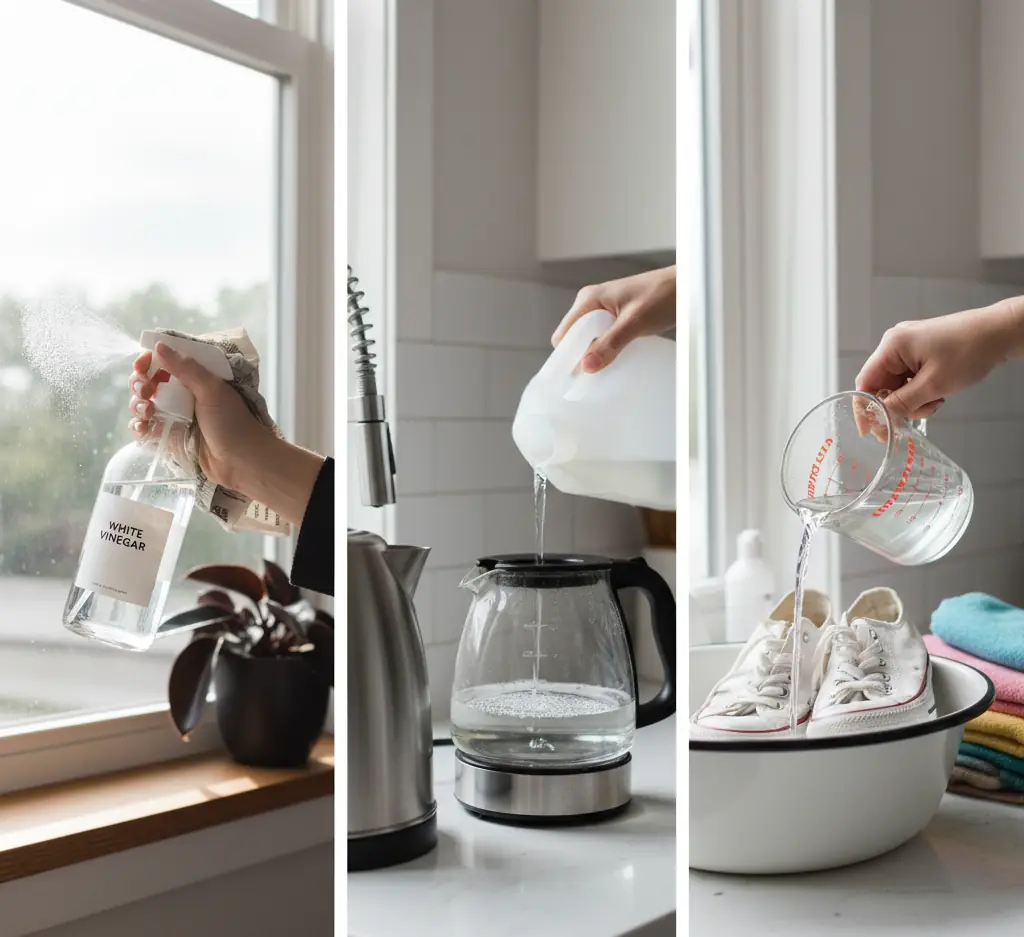
If baking soda is the great absorber, plain white vinegar is the great neutralizer, particularly for airborne odors. Its power comes from its main component, acetic acid. This mild acid works by bonding with and neutralizing volatile alkaline odor molecules, effectively removing them from the air. While vinegar has a strong smell of its own, this smell is temporary and dissipates completely as it dries, taking the unpleasant odors with it.
The most famous application is the simple bowl of vinegar. If you have just cooked something with a strong, lingering smell, like fish or bacon, or if you are dealing with stale smoke odors, place a few small bowls of white vinegar around the room and let them sit for several hours. As the vinegar evaporates, the acetic acid molecules will work to neutralize the odor molecules in the air. It is a slow but incredibly effective process that truly cleans the air rather than just perfuming it.
Vinegar is also a powerhouse in the laundry room, particularly for combating the musty, mildewy smell that can plague bath towels. This smell is caused by a buildup of detergent residue and body oils that trap bacteria. Adding one cup of white vinegar to the rinse cycle of your wash will strip away this residue, allowing the towels to get truly clean and eliminating the source of the smell. Your towels will not smell like vinegar once they are dry.
Other Natural Tools
Beyond these two workhorses, other natural tools can be deployed for specific, persistent problems. Activated charcoal is perhaps the most powerful passive odor absorber available. Its incredible porosity gives it an enormous surface area on a microscopic level, making it like a super-sponge for trapping a wide range of odor molecules, especially those associated with mold and mildew. Small bags of activated charcoal can be placed in damp basements, musty closets, or areas with persistent pet odors for long-lasting, continuous odor control.
Fresh coffee grounds are another effective, albeit more temporary, neutralizer. The nitrogen in coffee helps to neutralize odors, particularly strong sulfurous smells. A small bowl of fresh, dry coffee grounds can be placed in a refrigerator or freezer to absorb strong smells, and rubbing your hands with them is a classic trick for removing the smell of garlic or onion after cooking.
Deep Cleaning
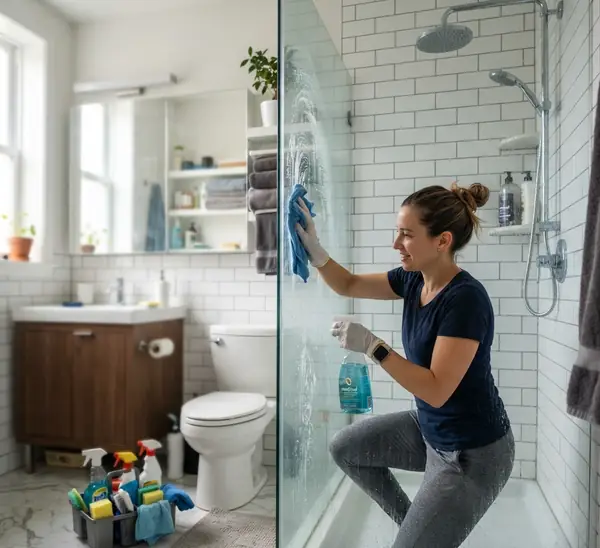
While all these tools are fantastic for treating the symptoms of household odors, the ultimate and only true way to deodorize your home is to find and remove the source of the smell. This requires a deep, methodical clean that targets the hidden areas where odors are born.
The kitchen is a primary source. The garbage disposal can become a foul-smelling pit of decomposing food particles. A deep clean involves flushing it with boiling water, followed by grinding up a handful of ice cubes and coarse salt to scour the blades, and finishing with grinding up a few lemon or lime peels to release their fresh, deodorizing oils. The trash can itself needs to be periodically emptied, taken outside, and washed thoroughly with soap and water. Hidden spills under the refrigerator or stove can also be a source of mysterious, persistent odors.
In the laundry room, the gasket of a front-loading washing machine is a notorious breeding ground for black, slimy, musty-smelling mildew. A deep clean of this component with a vinegar or diluted bleach solution is essential for fresh-smelling laundry.
In the bathroom, the P-trap under the sink can accumulate a sludge of soap scum and hair that produces a sewer-like gas. The base of the toilet and the shower curtain liner are other common sources of unpleasant smells that only a thorough scrubbing can eliminate.
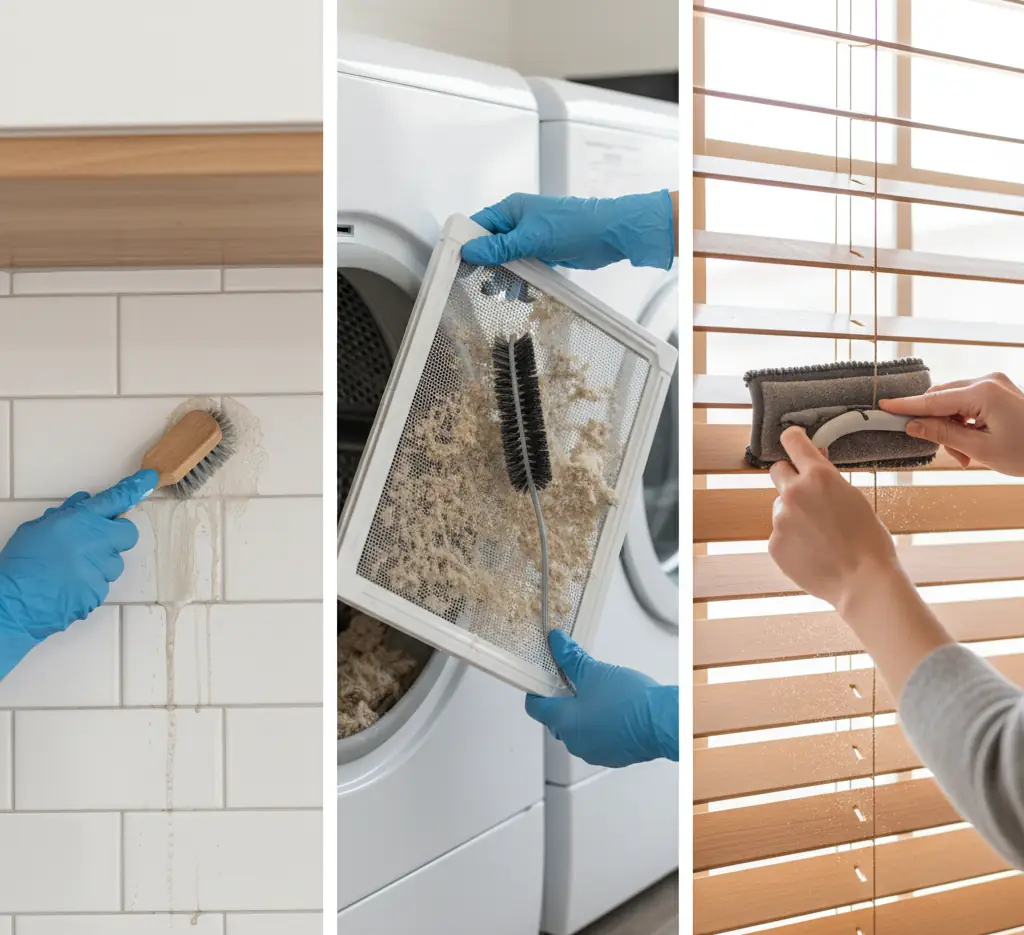
Throughout the home, textiles are the great sponges for ambient odors. Pet beds must be washed regularly. Curtains, upholstered furniture, and carpets absorb the smells of cooking, pets, and stale air. A deep, restorative cleaning of these items is the only way to release those trapped odors and truly freshen the space. A home that smells genuinely clean is a home that is genuinely clean, from the inside out.
A truly fresh home comes from eliminating the source of odors, not just masking them. Toronto Shine Cleaning provides a comprehensive deep cleaning service that removes the hidden grime, mildew, and dust that cause persistent household odors, leaving your home smelling genuinely clean and fresh.