7 Bathroom Cleaning Mistakes You’re Probably Making (And How to Fix Them)
On this page
- The Ultimate Guide to Residential and Commercial Bathroom Cleaning in Canada
- The Science of Bathroom Cleaning
- Residential Bathroom Cleaning
- Commercial Bathroom Cleaning
- Tackling Canadian Winters
- 7 Practical Tips for Flawless Bathroom Cleaning
- Common Bathroom Cleaning Mistakes to Avoid
- Conclusion: When to Call the Professionals
The Ultimate Guide to Residential and Commercial Bathroom Cleaning in Canada
When it comes to maintaining a building, bathroom cleaning demands more hygienic rigor and consistent attention than any other room. It is the ultimate intersection of biological activity, high humidity, and chemical residue. Whether you are managing a high-traffic corporate facility in downtown Toronto or maintaining a peaceful family sanctuary in the suburbs, effective bathroom cleaning is a non-negotiable aspect of property maintenance. It goes far beyond simply creating a space that smells pleasant; it is about establishing a microbiologically safe environment and protecting expensive fixtures from permanent degradation.
In Canada, bathroom cleaning presents a unique set of challenges. Our heavily insulated, energy-efficient buildings often trap humidity during the long winter months, creating the perfect incubator for fungal growth. Furthermore, the harsh winter climate means that road salt, calcium chloride, and slush are frequently tracked indoors, wreaking havoc on restroom floors. To master both residential and commercial bathroom cleaning, one must approach the task not just with elbow grease, but with an understanding of surface chemistry, proper tooling, and disciplined routines.

The Science of Bathroom Cleaning
To clean effectively, you must first understand the nature of the soil you are trying to remove. Applying a generic, all-purpose spray to every surface in a bathroom is a recipe for frustration. Different messes require opposing chemical reactions to break their bonds.
Soap Scum and Hard Water Scale
Across many Canadian municipalities, the water supply is “hard,” meaning it contains high levels of dissolved calcium and magnesium. When this water evaporates on your shower doors or chrome faucets, it leaves behind rock-hard mineral deposits known as limescale. When these minerals interact with the fatty acids found in traditional bar soaps, they create a waxy, stubborn film called soap scum (calcium stearate).
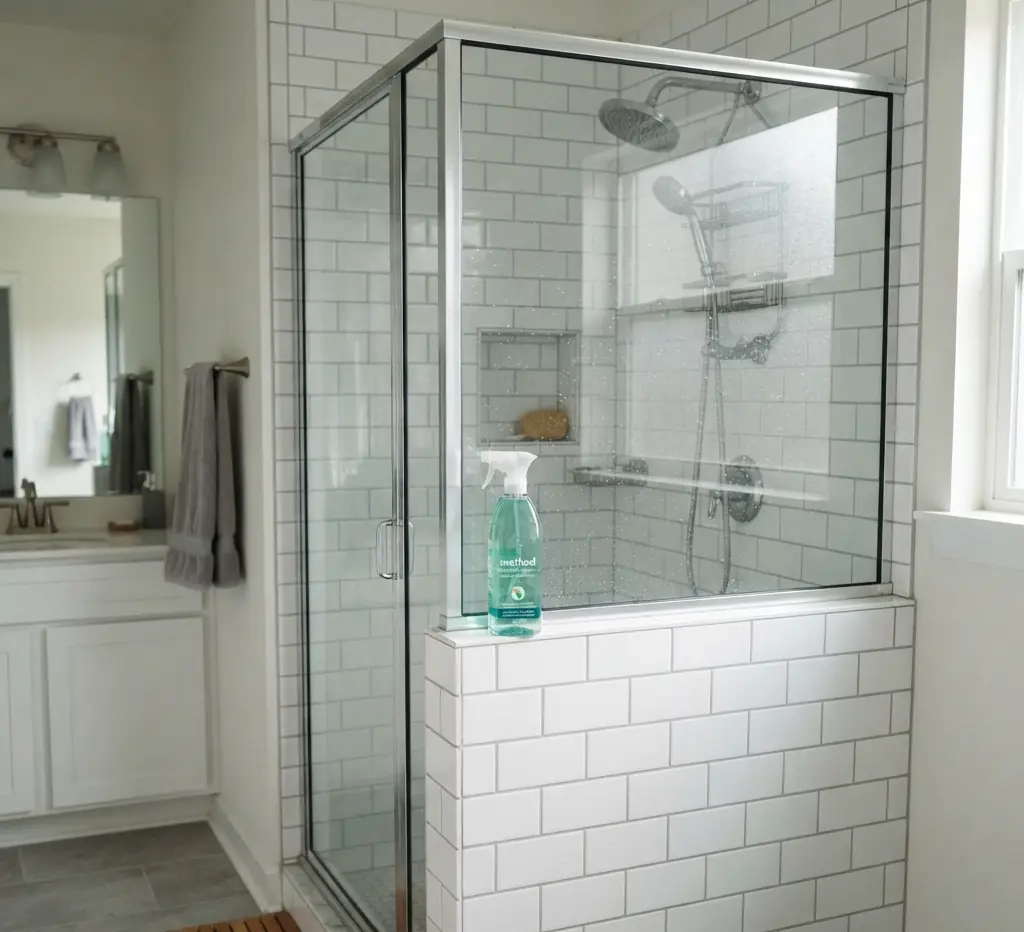
Because these deposits are highly alkaline, standard pH-neutral cleaners cannot remove them. Effective bathroom cleaning requires a mildly acidic cleaner—such as those containing citric or phosphoric acid—to break down the mineral bonds. For more on tackling specific shower issues, read our detailed guide on how to clean shower glass and mold.
Biological Contaminants and Biofilms
Bathrooms are prime real estate for bacteria and fungi. The pink, slimy discoloration often found around drains and grout lines is typically a bacteria known as Serratia marcescens, which feeds on the fats in your shampoo. In the toilet and surrounding floor areas, uric acid crystals can dry into surfaces, creating persistent, foul odors that reactivate whenever the room gets humid. Furthermore, bacteria in wet environments secrete a protective glue-like matrix called a biofilm, which shields them from superficial wiping. Breaking through this biofilm requires both mechanical agitation (scrubbing) and chemical disinfectants with proper dwell time.
Residential Bathroom Cleaning
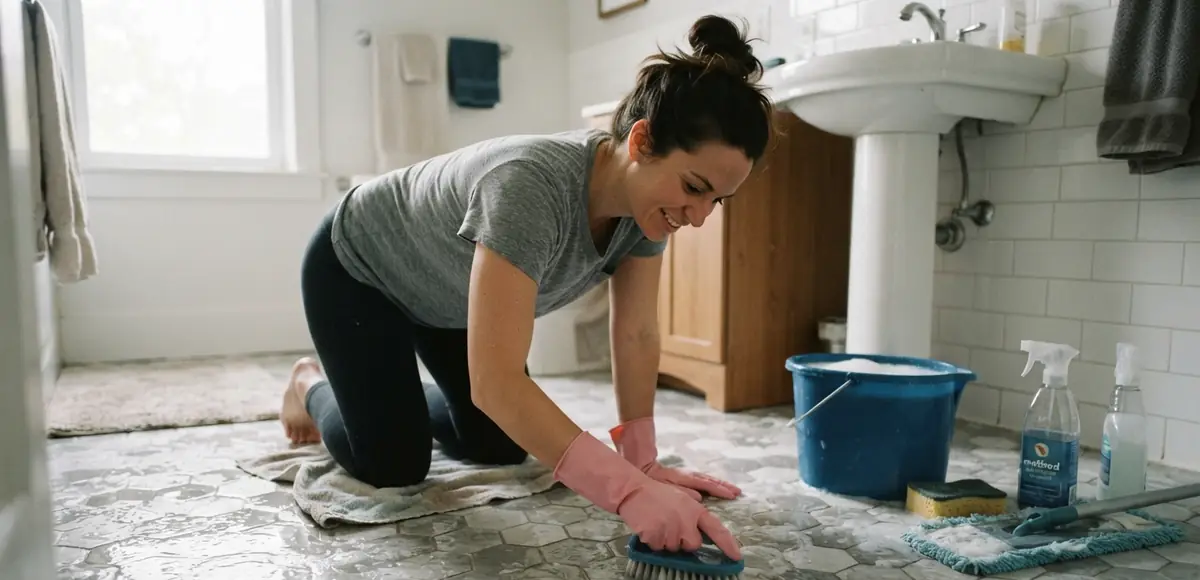
In a residential setting, the bathroom is a place of refuge and self-care. However, the materials used in modern homes are often delicate and require a nuanced approach to bathroom cleaning.
Protecting Delicate Surfaces
Homeowners frequently install luxurious but porous materials, such as Carrara marble, travertine, or unsealed natural slate. While acidic cleaners are great for removing limescale from glass, spraying an acidic cleaner on marble will instantly “etch” the stone, dissolving the top layer and leaving a permanent, dull chemical burn.
Similarly, acrylic bathtubs and fiberglass shower pans are easily scratched. Using abrasive scouring powders or stiff green scrubbing pads will create micro-scratches in the finish. Over time, these scratches trap dirt and oils, making the tub look permanently grey and dirty. Residential bathroom cleaning requires a delicate balance: using pH-neutral cleaners for natural stone and non-abrasive tools for acrylics, while reserving the heavy-duty descalers strictly for porcelain and glass.
Step-by-Step Residential Bathroom Cleaning Routine
Clear the Canvas: Remove all toiletries, bathmats, and towels from the room. You cannot clean effectively if you are constantly picking up and moving bottles.
Dust First: Bathrooms accumulate a surprising amount of dust, largely comprised of lint from towels and toilet paper. Use a dry microfiber cloth to dust the top of the mirror, light fixtures, and exhaust fan grille before introducing any water.
Apply Cleaners and Wait: Spray your toilet bowl cleaner inside the rim. Apply your shower cleaner to the tub and glass. Walk away. This is known as “dwell time.” Chemicals need 5 to 10 minutes to break down hard water and kill bacteria.
The Top-Down Scrub: Start at the highest points (the showerhead and upper tiles) and work your way down. This ensures that dirty water doesn’t drip onto areas you have already cleaned.
Detail the Vanity: Wipe down the sink basin, paying special attention to the base of the faucet where grime collects. Polish the mirror using a dedicated glass cloth and a streak-free cleaner.
Floor Care: Always save the floor for last. Vacuum or sweep up hair and debris, then mop using a neutral floor cleaner. Hand-wipe the area directly behind the toilet, as mops rarely reach this high-contamination zone effectively.
Commercial Bathroom Cleaning
Commercial bathrooms in offices, retail spaces, and restaurants operate on a completely different scale. A commercial restroom might see hundreds of users daily. The primary focus here shifts from delicate aesthetics to aggressive pathogen containment, odor eradication, and public health compliance.
Cross-Contamination and Color-Coding
The gravest error in commercial bathroom cleaning is cross-contamination. Using a cloth to wipe a urinal and then using that same cloth to wipe the sink counter transfers dangerous intestinal pathogens directly to a surface where people place their hands and personal items.
To combat this, the commercial cleaning industry relies on strict color-coding systems. For example:
Red Cloths/Mops: Strictly reserved for high-risk zones—toilets, urinals, and the floor immediately surrounding them.
Yellow Cloths: Designated for lower-risk porcelain and ceramic fixtures, such as sinks and tiled walls.
Blue/Green Cloths: Used only for general surfaces, mirrors, and glass.
Protocol for High-Traffic Canadian Bathrooms
Commercial bathroom cleaning must be systematic to ensure efficiency and safety:
Safety Signage: Always deploy wet floor signs and block access to the restroom before beginning work to prevent slip-and-fall liabilities.
Consumable Restocking: Empty all sanitary bins, replace trash liners, and restock toilet paper, hand towels, and soap. Doing this first prevents clean hands from getting dirty later.
High-Touch Disinfection: In commercial spaces, the focus must be on fomites (objects likely to carry infection). Door handles, stall latches, flush valves, and soap dispenser buttons must be saturated with hospital-grade disinfectants and allowed proper dwell time.
Heavy-Duty Floor Maintenance: Commercial floors are usually ceramic or epoxy, designed to withstand heavy chemicals. Using a dual-bucket mopping system (which separates clean solution from dirty rinse water) is essential. For large facilities, mechanized scrubbing is required quarterly to lift impacted soil from the grout lines.

Tackling Canadian Winters
The Canadian climate dictates how we approach bathroom cleaning, particularly from November through April.
Salt, Slush, and Floor Maintenance
In commercial settings, and even in residential entry-level powder rooms, winter footwear brings road salt and calcium chloride directly onto the bathroom tile. When this wet slush dries, it leaves a stubborn, white alkaline crust. If you attempt to mop this with a standard floor cleaner, you will merely spread the brine around, leaving the floor looking permanently hazy.
During the winter, floor cleaning protocols must include a neutralizing rinse. Adding a small amount of white vinegar or a commercial neutralizer to the mop water breaks the chemical bond of the salt, allowing it to be lifted cleanly from the tile and grout.
Managing Winter Humidity and Mold
Canadian homes are sealed tight in the winter to conserve heat. Because we cannot open bathroom windows to vent steam after a hot shower, the mechanical exhaust fan carries the entire burden of humidity control. If that fan is covered in dust, it cannot operate efficiently. Moisture condenses on the cold exterior walls and ceiling, providing the perfect habitat for black mold. A critical part of winter bathroom cleaning involves vacuuming the exhaust fan grille and ensuring the room is well-ventilated for at least 30 minutes after bathing.
7 Practical Tips for Flawless Bathroom Cleaning
Whether you are cleaning a small apartment ensuite or a massive office bathroom, these practical tips will elevate your results:
Adopt the Daily Squeegee Habit: In residential showers, using a squeegee to wipe water off the glass and tile after every use prevents hard water spots and soap scum from forming. It cuts deep-cleaning time by 80%.
Respect the Dwell Time: Disinfectants do not kill germs on contact. Read the label; most require the surface to remain visibly wet for 3 to 10 minutes to achieve a total microbial kill.
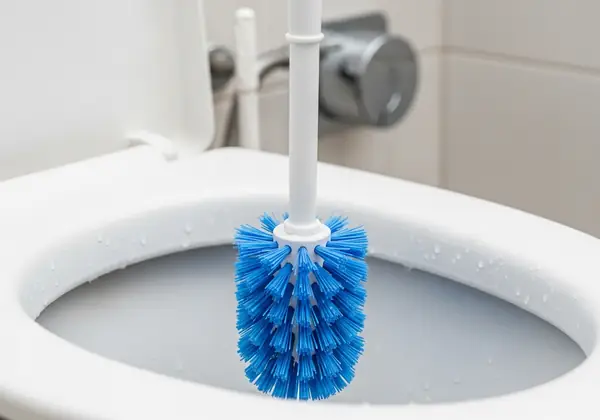
Clean Your Toilet Brush: Putting a wet, dirty toilet brush back into its holder creates a biological hazard. After scrubbing the bowl, trap the brush handle under the toilet seat, suspending the wet bristles over the bowl so it can drip dry completely before putting it away.
Use Enzymatic Cleaners for Odors: If a bathroom smells like urine despite regular cleaning, the culprit is uric acid crystals trapped in the grout or under the toilet base. Use a bio-enzymatic cleaner; the live bacteria will actually digest the uric acid, eliminating the odor at its source.
Descale Faucet Aerators: Unscrew the small mesh aerator at the tip of your sink faucet quarterly. Soak it in vinegar to dissolve the mineral pebbles that disrupt water flow and harbor bacteria.
Mind the Overflow Hole: That small hole near the rim of your bathroom sink prevents flooding, but it also traps moisture and grows black mold, which can cause phantom sewage smells. Spray a foaming cleaner into the hole and scrub with a pipe cleaner.
Never Mix Chemicals: Never mix bleach with ammonia, vinegar, or toilet bowl cleaners. The resulting chemical reactions produce toxic, potentially lethal gases.

Common Bathroom Cleaning Mistakes to Avoid
Using Fabric Softener on Cleaning Cloths: When washing your microfiber cloths, never use fabric softener. It coats the fibers in a waxy residue, destroying their ability to absorb water and pick up dust.
Scrubbing Dry Surfaces: Always lubricate the surface with a cleaning product or water before scrubbing. Scrubbing dry porcelain or glass with a brush can lead to micro-scratching.
Forgetting the Shower Curtain Liner: The bottom hem of a plastic shower liner is a magnet for pink bacteria and black mold. Take it down monthly and run it through the washing machine on a warm cycle with a few old towels (the towels provide friction to scrub the plastic clean). Discover more laundry tips in our laundry detergent guide.
Conclusion: When to Call the Professionals
Executing a flawless bathroom cleaning routine requires an understanding of chemical pH, a dedication to preventing cross-contamination, and the sheer physical stamina to scrub grout lines and polish glass. The bathroom is an unforgiving environment; if you skip a week of maintenance, the biological and mineral buildup compounds, making the task twice as difficult the next time.
For commercial property managers, leaving bathroom hygiene to chance is a risk to your brand’s reputation and your employees’ health. For homeowners, spending hours of your precious weekend bent over a bathtub fighting soap scum is a drain on your energy and peace of mind.
This is where Toronto Shine Cleaning steps in as your ultimate partner in property maintenance. We understand the specific demands of the Canadian climate and the complex chemistry required to keep bathrooms pristine. Our trained teams utilize commercial-grade, color-coded microfiber systems and hospital-grade disinfectants to ensure your space is not just visually sparkling, but microbiologically safe.
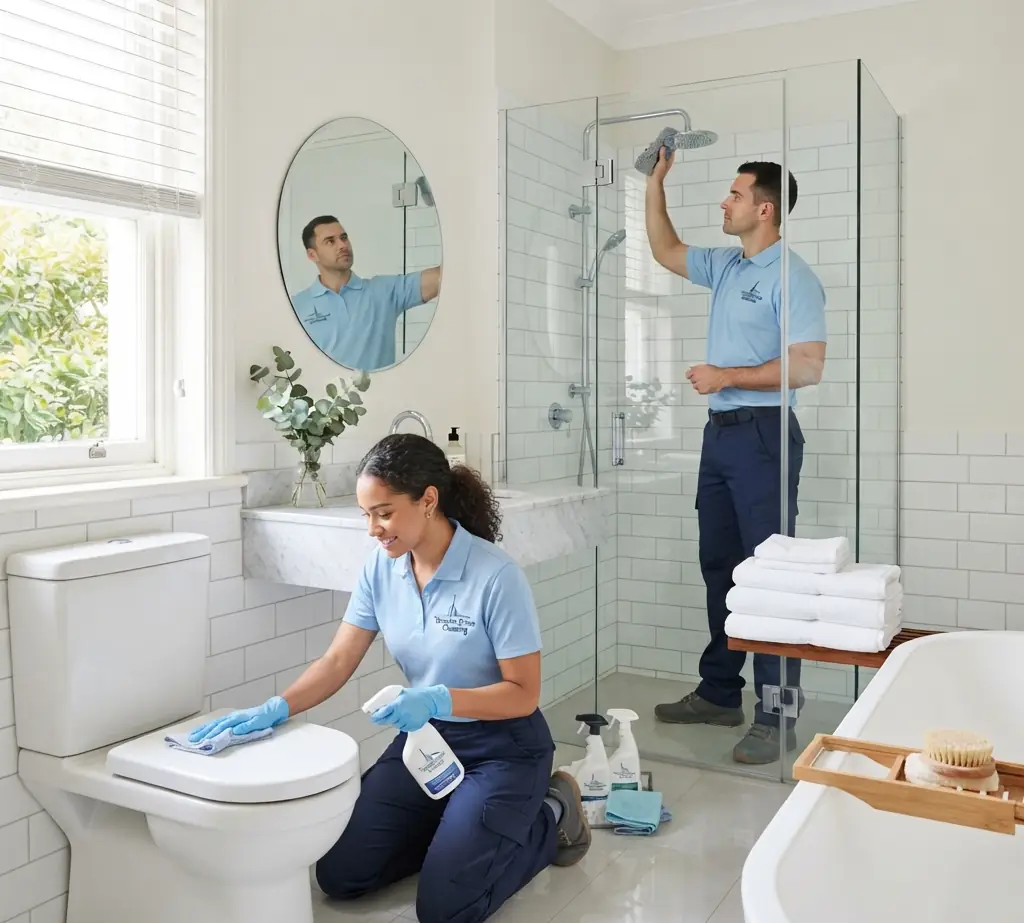
Whether you require rigorous, daily commercial bathroom sanitization for a high-rise office building, or a restorative deep clean for your luxury residential ensuite, Toronto Shine Cleaning has the expertise, equipment, and dedication to deliver unparalleled results. Reclaim your time and ensure your environment is flawlessly hygienic. Let Toronto Shine Cleaning handle the heavy lifting, so you can enjoy a space that truly shines.