How To Use Vinegar For Cleaning, Do You Know? – 6 Expert Tips

Here today to shine a spotlight on one of the most versatile, effective, and surprisingly simple cleaning agents available: plain old vinegar. Tucked away in most kitchen pantries, this humble liquid, often associated primarily with salad dressings and pickling, harbors an impressive array of cleaning capabilities that have been relied upon for generations. Long before the advent of specialized chemical cleaners, vinegar was the go-to solution for a multitude of household chores, and its popularity endures for very good reasons. We’re going to explore the remarkable benefits of incorporating vinegar into your cleaning routine, demonstrating how this readily available and inexpensive product can tackle grime, banish odors, and leave your home sparkling, all without the harshness of many modern concoctions.
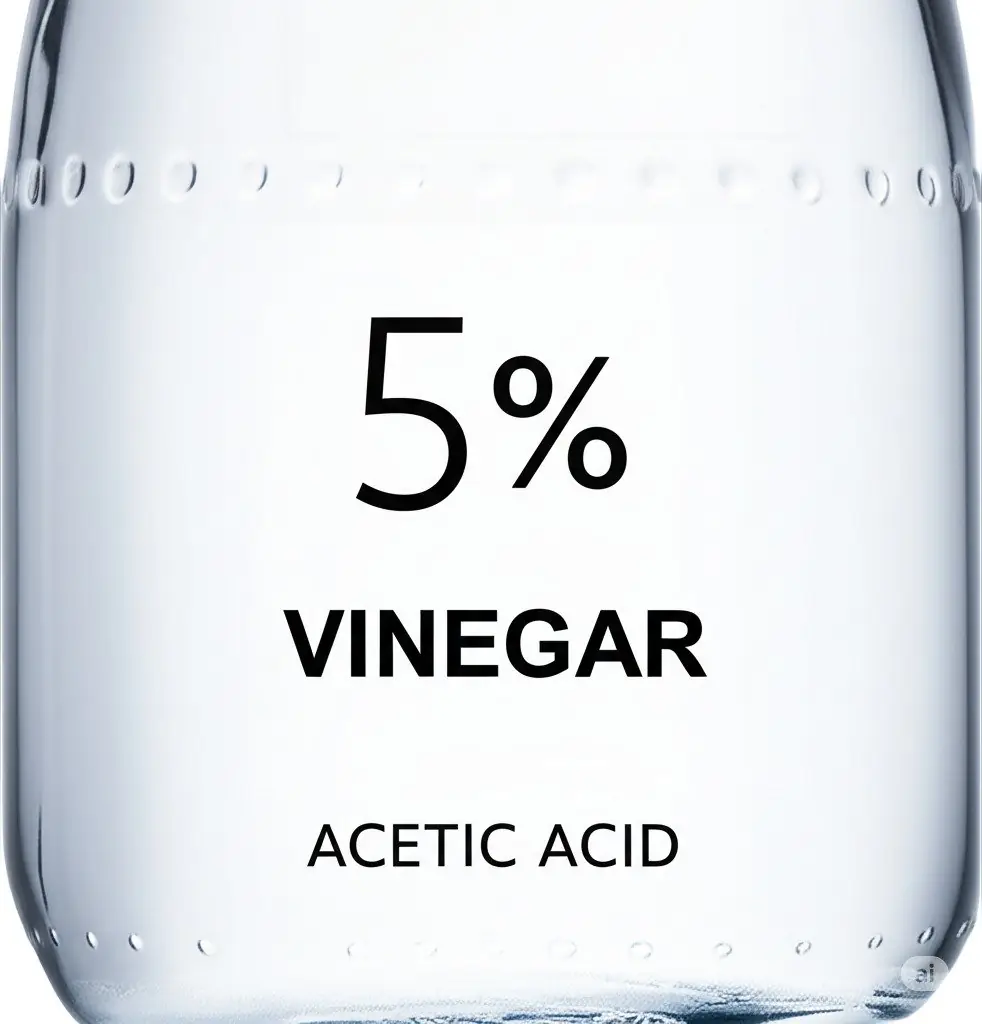
As a cleaner, the main reason for this is its composition. Most household white vinegar, the kind we typically recommend for cleaning, contains about 5% acetic acid. It’s this acetic acid that gives it its characteristic tart smell and, more importantly, its cleaning ability. Acetic acid is a mild acid, but it’s strong enough to dissolve mineral deposits, remove grease, and even act as a mild disinfectant on many surfaces. Its acidic nature allows it to break down the molecular structure of many types of dirt and buildup, making them easier to clean. Understanding this basic principle helps us understand why it’s so effective at tackling such a wide range of cleaning challenges throughout the home, from the kitchen to the bathroom and beyond.
One of its most celebrated benefits is its remarkable degreasing abilities. In the kitchen, where grease inevitably builds up, vinegar can be a real winner. Splatters on the stove, greasy residue on the backsplash, or that sticky film that can build up on range hoods and cabinet doors often yield to a simple solution. When sprayed onto a greasy surface and left to sit for a few moments, the acetic acid begins to break down the grease, loosening its grip. A quick wipe with a cloth afterward usually reveals a surprisingly clean surface. This makes it an excellent choice for everyday kitchen cleaning, helping to prevent grease from building up into a more formidable cleaning task over time. Its effectiveness on grease means that you can often reduce your reliance on stronger solvent-based degreasers for everyday kitchen cleaning.
In addition to cutting through grease, it also offers valuable benefits as a gentle disinfectant and sanitizer. While it’s not a hospital-grade disinfectant that can kill all pathogens, acetic acid does have antimicrobial properties. It can effectively kill a variety of common household bacteria and mold spores on a variety of surfaces. This makes it a useful ally for wiping down countertops, especially after food preparation, or for cleaning the inside of your refrigerator. In the bathroom, it can help inhibit the growth of mold and mildew in shower stalls or on tile grout. When used properly, usually diluted with water in a spray bottle, it can help maintain a more hygienic environment throughout your home. It’s important to remember to rinse surfaces after using the disinfectant, especially food preparation areas, to remove any residue and odor.
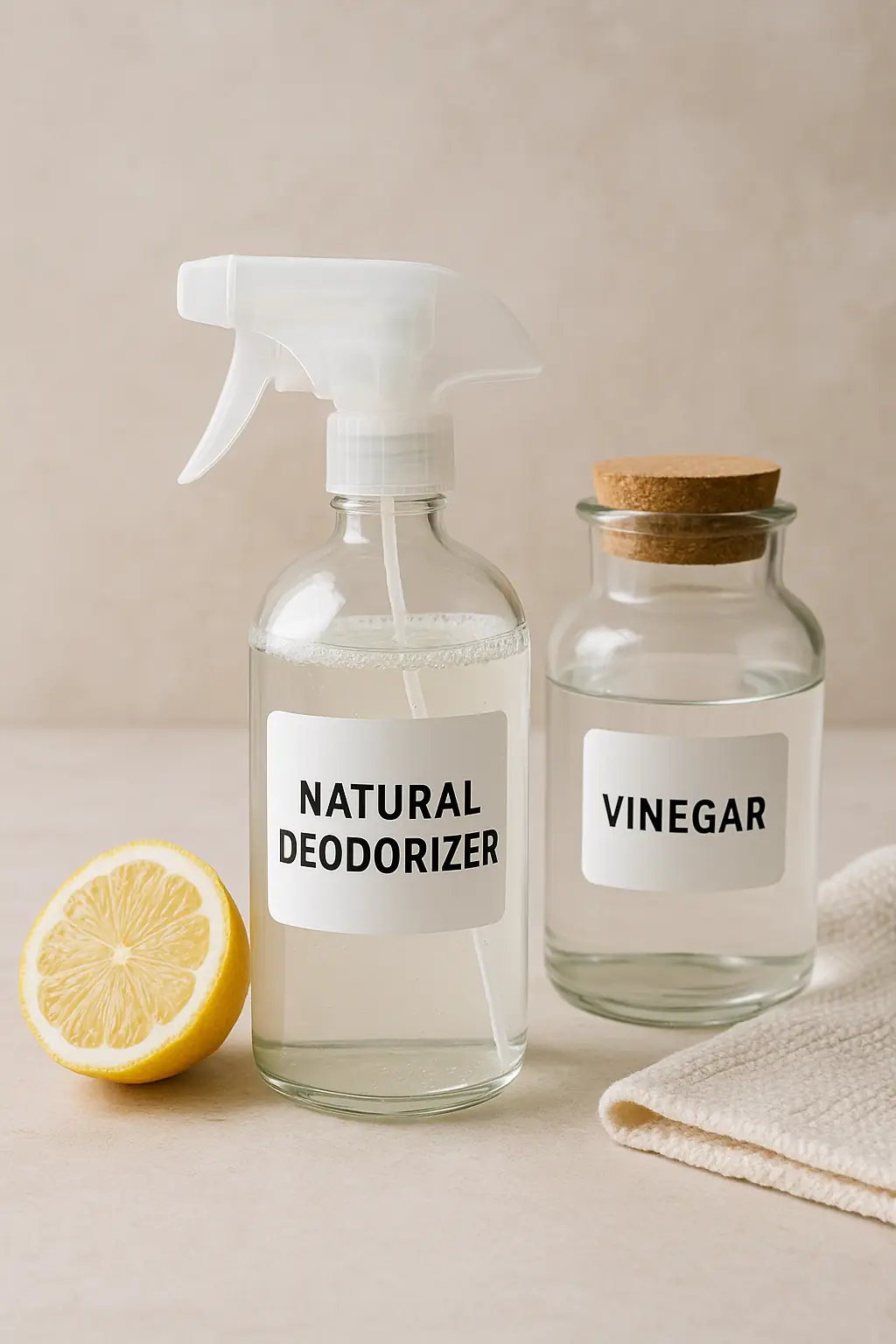
Another significant advantage of using vinegar in your cleaning arsenal is its power as a natural deodorizer. Unlike many commercial air fresheners that simply mask unpleasant smells with strong perfumes, vinegar works by neutralizing odor-causing bacteria and molecules. If you have a lingering cooking smell in the kitchen, placing a small bowl of vinegar on the counter for a few hours can help absorb and eliminate the odor. It can be used to freshen up drains by pouring a cup down, followed by hot water after about 30 minutes. Even musty smells in closets or basements can sometimes be diminished by wiping down surfaces with a vinegar solution or by leaving an open container of vinegar in the area to absorb the airborne odors. The vinegar smell itself dissipates relatively quickly once dry, leaving behind a genuinely fresher, neutral scent.
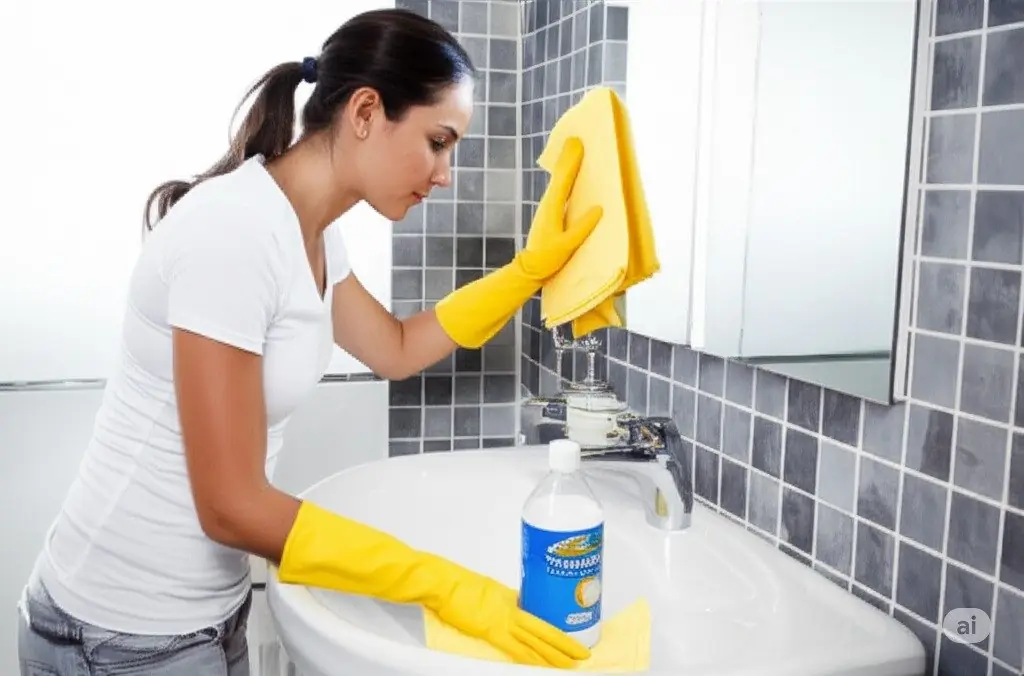
Perhaps one of vinegar’s most well-known cleaning talents is its efficacy as a mineral deposit remover and descaler. Households with hard water are all too familiar with the unsightly white, chalky build-up that can appear on faucets, showerheads, and inside appliances. This is lime scale, primarily calcium carbonate, and vinegar’s acetic acid is excellent at dissolving it. You can soak a showerhead in a bag filled with vinegar to unclog its nozzles, or run a cycle with vinegar in your coffee maker or kettle to remove internal scale build-up, which can improve their efficiency and longevity. Faucets can be wrapped with a vinegar-soaked cloth for a few hours to dissolve deposits around the base and spout. This ability to tackle mineral stains makes vinegar an indispensable tool for keeping bathroom fixtures and kitchen appliances looking their best and functioning properly.
For those seeking a streak-free shine, vinegar is a time-tested solution, particularly for glass and other reflective surfaces. When diluted with water, typically in a 50/50 solution, and sprayed onto windows, mirrors, or even stainless steel appliances, vinegar effectively cuts through grime and fingerprints without leaving behind the streaks that some commercial glass cleaners can. The acetic acid helps to break down residues, and as it evaporates, it leaves the surface clear and sparkling. Many people find that wiping with a microfiber cloth or even crumpled newspaper after spraying with a vinegar solution yields the best streak-free results on glass surfaces, making it a simple and economical way to achieve crystal-clear views and gleaming reflections.
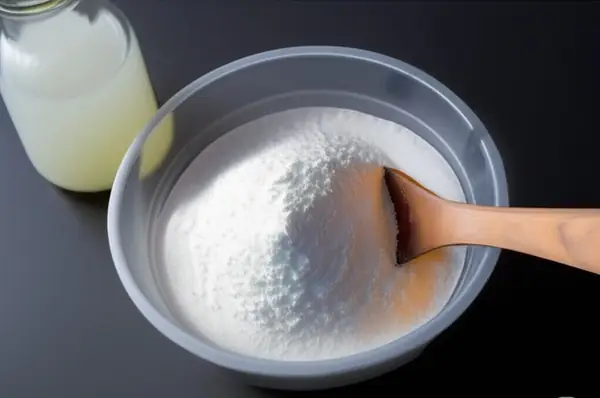
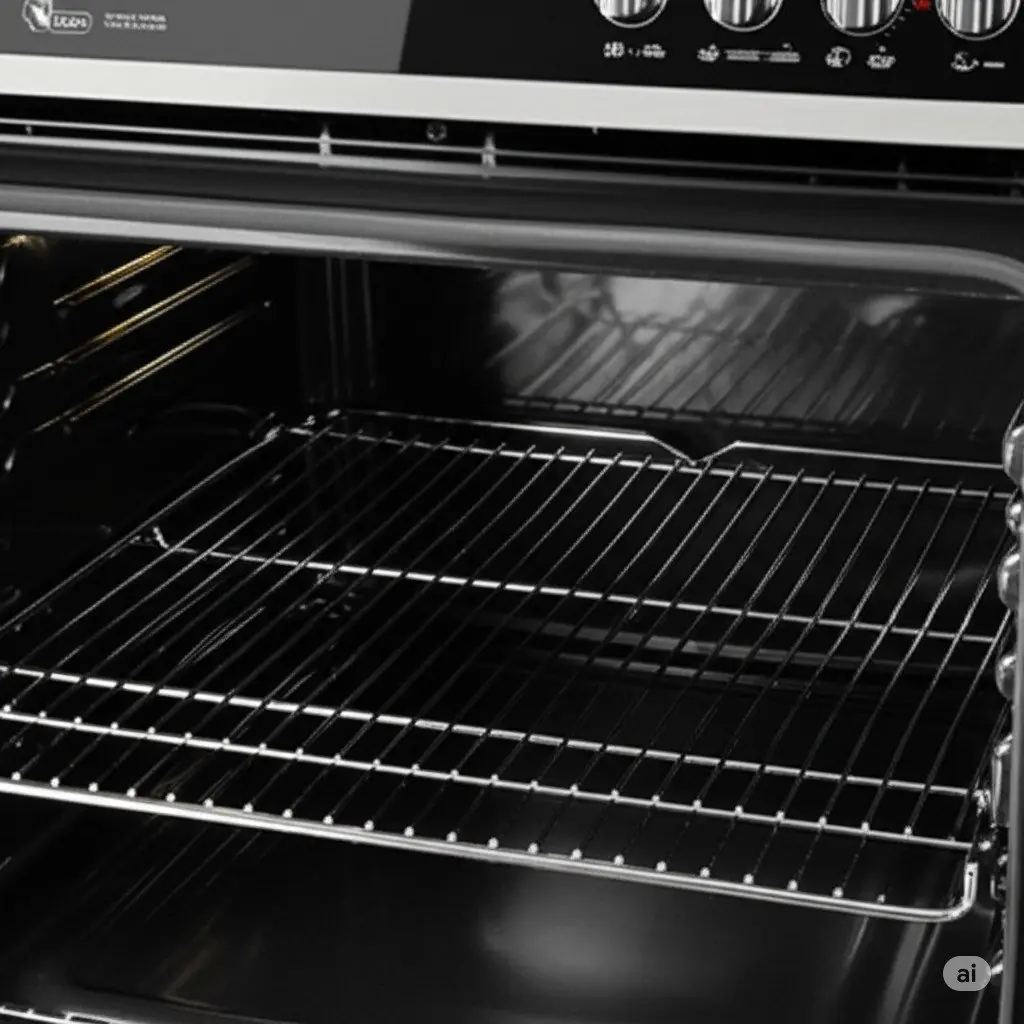
Furthermore, while vinegar itself is not an abrasive, it can contribute to a gentle scrubbing action when combined with other natural ingredients, most notably baking soda. When vinegar (an acid) is mixed with baking soda (an alkali), they react to create carbon dioxide gas, which results in a satisfying fizzing action. This fizzing can help to lift and loosen grime from surfaces, providing a gentle scouring effect without being harsh. This combination is popular for cleaning oven interiors, stained sinks, or tile grout, where the paste can be applied, allowed to fizz and work, and then scrubbed gently and rinsed away.
One of the overarching benefits of using vinegar for cleaning is its profile as an eco-friendly and generally safe option. Derived from natural sources through fermentation, white distilled vinegar is biodegradable and does not introduce harsh, persistent chemicals into your home environment or waterways. When used correctly and often diluted, it is generally considered safe for use in homes with children and pets, reducing concerns about toxic residues on surfaces they might touch or lick. This makes it an appealing alternative for individuals looking to reduce their chemical footprint and create a healthier indoor environment. However, it’s important to note that because it is an acid, undiluted vinegar should be used with care, and it is not suitable for all surfaces. It can etch or damage natural stone surfaces like marble, granite, and travertine, as well as unsealed grout or waxed wood floors. Always test on an inconspicuous area if unsure.
Finally, the sheer versatility and cost-effectiveness of vinegar cannot be overstated. A single, inexpensive bottle of white vinegar can replace a multitude of specialized, often more expensive, cleaning products. From descaling the kettle to cleaning windows, deodorizing the fridge, and tackling bathroom grime, its wide range of applications makes it an incredibly economical and space-saving choice for any household cleaning cupboard.

The numerous benefits of vinegar clearly demonstrate its value as a powerful, natural, and versatile cleaning agent. It empowers individuals to maintain a clean and fresh home using a simple, readily available product. While vinegar is a fantastic tool for many everyday cleaning tasks and helps maintain a certain level of cleanliness, achieving that truly deep, comprehensive sparkle throughout your entire home sometimes requires a more concerted effort and specialized knowledge. Life in a vibrant city like Toronto can be demanding, and finding the time and energy for extensive cleaning can be challenging.
This is where the professional expertise of a dedicated cleaning service can be invaluable. If you appreciate the principles of effective and thorough cleaning but prefer to entrust the detailed work to seasoned experts, Toronto Shine Cleaning is here to help. Our experienced teams understand how to best utilize a range of cleaning methods and products, including harnessing the power of effective solutions, to ensure every surface in your home is meticulously cleaned and cared for. We pride ourselves on delivering a consistently high standard of cleanliness, allowing you to enjoy a pristine living environment without the personal time commitment.

Topics