Germ-Free Home: 6 Top Cleaning Hacks
On this page
Keeping your home germ-free is essential for a healthy living environment. With the right cleaning hacks, you can eliminate bacteria and viruses while maintaining a fresh and spotless home. Here are six top cleaning hacks to keep your space germ-free and hygienic.
1. Disinfect High-Touch Surfaces Daily
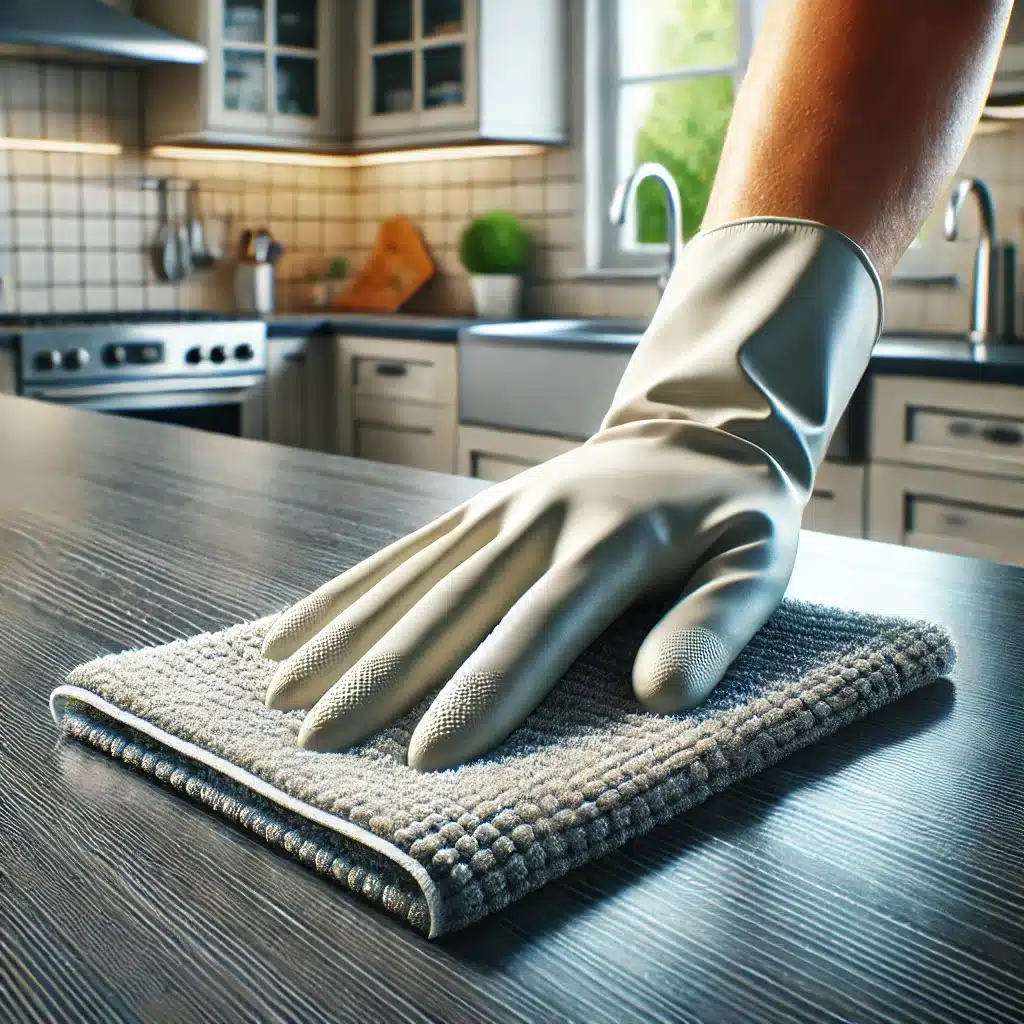
High-touch surfaces like doorknobs, light switches, countertops, and remote controls harbor germs. Use a disinfectant spray or wipes with at least 70% alcohol to kill bacteria and viruses effectively. Wipe down these surfaces daily to minimize the spread of germs, especially during flu season. Regular disinfection of these areas can significantly reduce the presence of harmful pathogens in your germ-free home.
Additionally, consider using disposable wipes or a microfiber cloth designated only for high-touch areas to prevent cross-contamination. Keeping a small bottle of disinfectant near entry points can remind household members to clean surfaces frequently. Be mindful of electronics, using a disinfectant safe for screens when cleaning devices like phones and tablets.
Another effective method is incorporating UV sanitizers for objects that are frequently touched but difficult to clean, such as keys and wallets. UV light has been proven to eliminate bacteria and viruses effectively, providing an extra layer of protection for your germ-free household.
2. Use Hydrogen Peroxide for Deep Cleaning
Hydrogen peroxide is an excellent disinfectant that eliminates bacteria, mold, and viruses. Pour some into a spray bottle and use it to sanitize kitchen counters, bathroom sinks, and cutting boards. Let it sit for a few minutes before wiping clean for maximum effectiveness. Unlike harsh chemical cleaners, hydrogen peroxide is a safer, non-toxic alternative that is just as effective in maintaining a germ-free home.
Besides sanitizing surfaces, hydrogen peroxide is also great for tackling stains and eliminating mildew. It can be used to remove tough stains on white fabrics, clean tile grout, and even disinfect toothbrushes. Simply soak your toothbrush in a small cup of hydrogen peroxide overnight to kill bacteria and ensure a germ-free start every morning.
For an added boost, mix hydrogen peroxide with baking soda to create a powerful paste that helps scrub away stubborn grime in the kitchen and bathroom. This combination is highly effective for breaking down grease, whitening surfaces, and leaving your home sparkling clean and germ-free.
3. Steam Clean Your Upholstery and Carpets
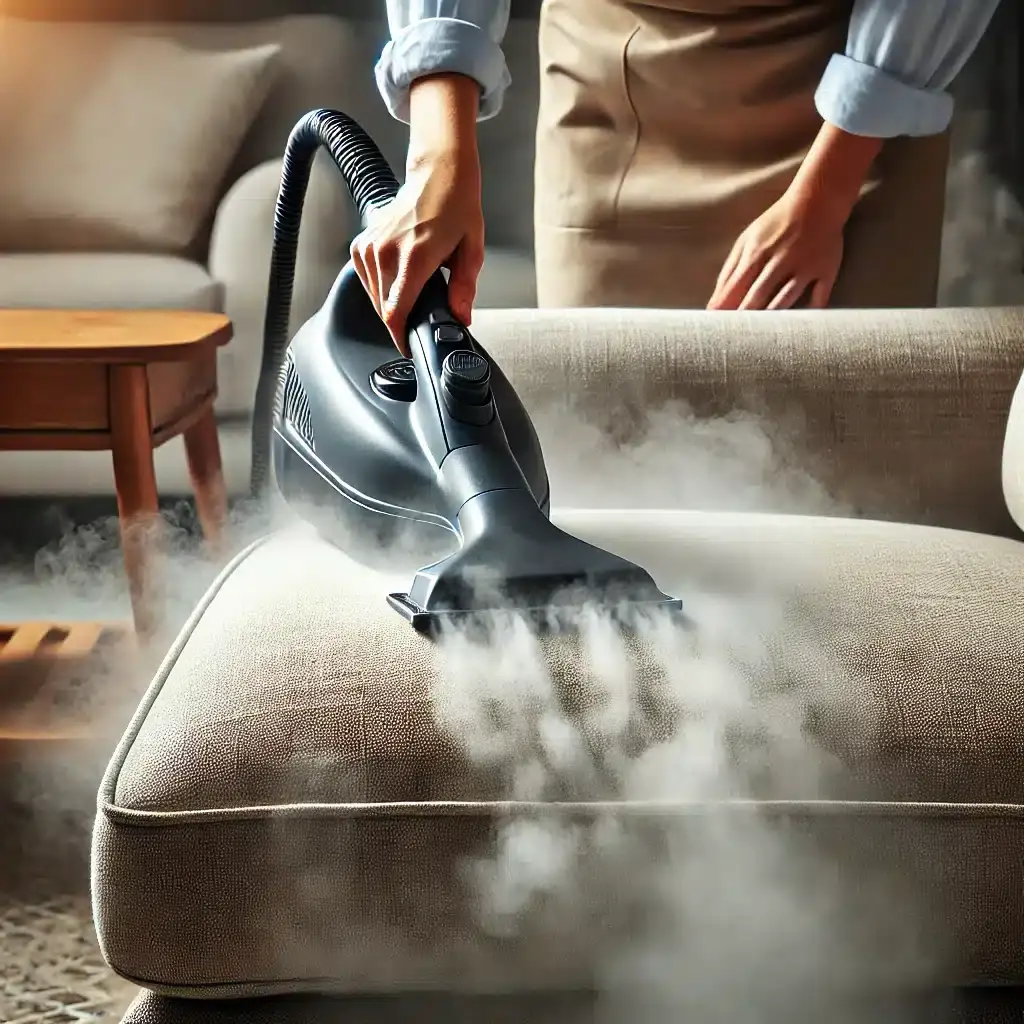
Soft surfaces like carpets, curtains, and sofas can trap dust, dirt, and bacteria. A steam cleaner helps kill germs and allergens without harsh chemicals. Use steam cleaning regularly to maintain a fresh and germ-free home environment, particularly if you have pets or allergies. The high temperature of steam effectively removes hidden bacteria and dust mites, reducing allergens in your living space.
Additionally, using a steam cleaner can help refresh upholstery, making it look and smell new. Steam penetrates deep into fibers, lifting out embedded dirt and neutralizing odors. This is particularly beneficial in homes with pets, as it removes pet dander and eliminates lingering smells while keeping your space germ-free.
For an extra layer of protection, consider using a HEPA-filtered vacuum before steam cleaning to remove surface dirt. This ensures that your steam cleaner can focus on deeper sanitation rather than just lifting superficial debris, providing a more thorough and germ-free clean.
4. Keep Your Sponges and Cleaning Cloths Bacteria-Free
Kitchen sponges and cleaning cloths can harbor harmful bacteria if not properly maintained. Disinfect sponges by microwaving them for a minute or soaking them in hydrogen peroxide. Wash cleaning cloths frequently in hot water with detergent to keep them germ-free. Using disposable alternatives, such as biodegradable wipes, can also help reduce the risk of spreading germs and maintaining a germ-free home.
It’s also a good practice to replace sponges regularly, as they tend to accumulate bacteria over time despite frequent disinfection. Instead of traditional sponges, consider using silicone scrubbers, which are more resistant to bacteria buildup and easier to clean, ensuring a germ-free kitchen.
Furthermore, store sponges in a well-ventilated area to dry between uses. A constantly damp sponge is a breeding ground for bacteria, so ensuring proper drying can significantly reduce germ accumulation and keep your cleaning tools effective for longer, helping to maintain a germ-free environment.
5. Sanitize Your Bathroom Regularly
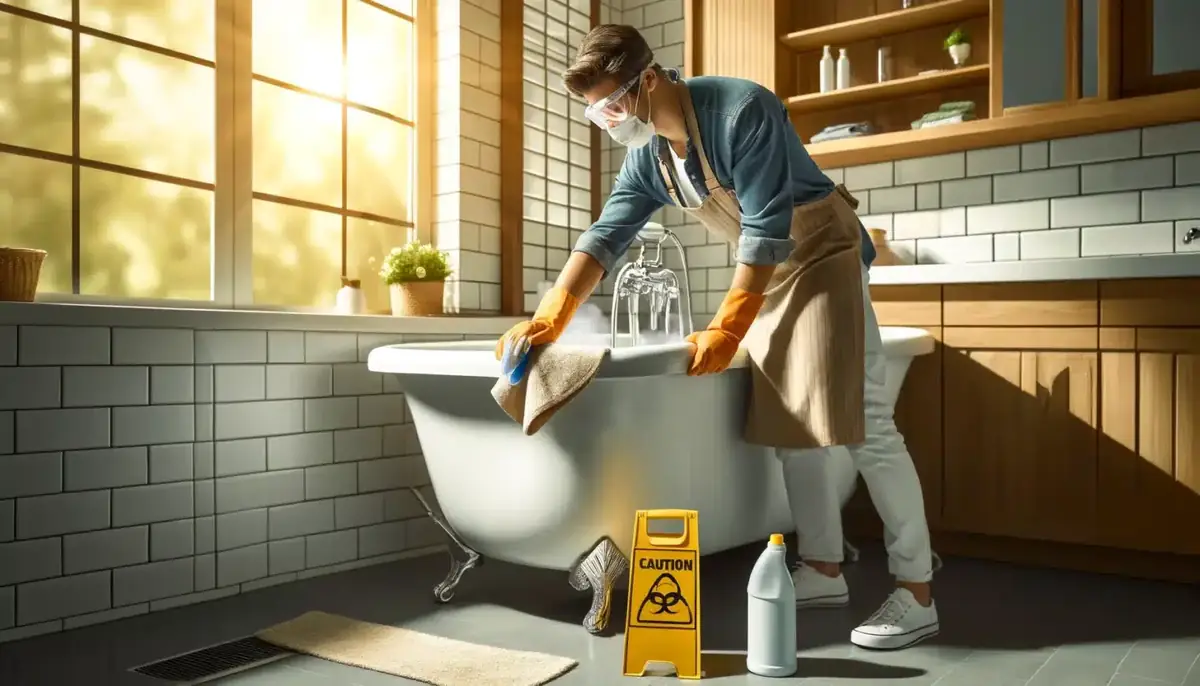
Bathrooms are breeding grounds for bacteria and mold. Use a disinfecting cleaner on sinks, toilets, and shower surfaces to prevent germ buildup. Scrub grout with a paste of baking soda and water to remove mold and mildew effectively. Keep your bathroom well-ventilated to reduce moisture buildup, as humidity encourages bacterial growth and makes it harder to maintain a germ-free space.
For added protection, consider using a squeegee on shower walls after each use to minimize soap scum and mildew formation. Regularly replace bath mats and towels, washing them in hot water to eliminate germs. Maintaining a clean shower curtain or glass door by wiping it down weekly can also help reduce mold growth and maintain a germ-free bathroom.
Using a toilet brush with a built-in disinfecting solution can make cleaning easier and more effective. Consider applying a toilet bowl cleaner that contains bleach to kill bacteria and prevent stains. Small daily efforts can prevent your bathroom from becoming a hotspot for harmful microbes, keeping it fresh and germ-free.
6. Wash Bedding and Towels Frequently
Bedding, pillowcases, and towels collect sweat, dead skin, and bacteria over time. Wash them weekly in hot water to kill germs and allergens. Using a high-quality laundry detergent with antibacterial properties ensures your linens stay fresh and germ-free. Adding an extra rinse cycle can help remove any remaining detergent and potential irritants.
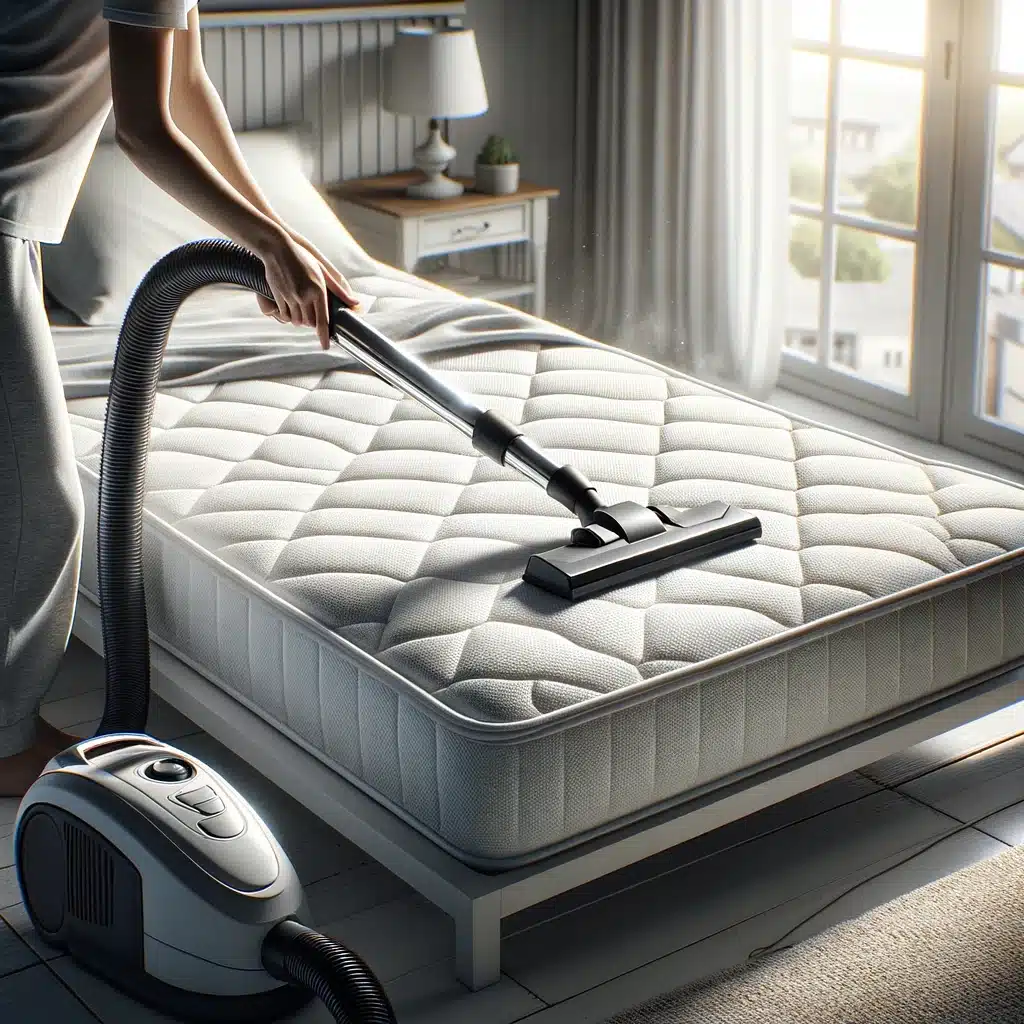
Pillows and mattresses also need occasional deep cleaning. Using a vacuum with a HEPA filter on your mattress helps remove dust mites and allergens. Additionally, consider using mattress protectors that are machine-washable to reduce exposure to bacteria and ensure a germ-free sleeping environment.
For an extra layer of freshness, line-drying your bedding in the sun can naturally kill bacteria and dust mites. The UV rays from the sun have disinfecting properties, making air-drying an effective, chemical-free way to keep your linens germ-free and fresh.
Conclusion
Maintaining a germ-free home requires consistent effort and the right cleaning methods. By disinfecting high-touch surfaces, using effective natural cleaners like hydrogen peroxide, and regularly steam cleaning soft surfaces, you can create a healthier and germ-free living environment. Keeping cleaning tools like sponges and cloths bacteria-free, sanitizing the bathroom, and washing linens frequently further enhances home hygiene.
A clean and germ-free home not only looks and smells fresh but also provides peace of mind by reducing the risk of illness. Implementing these six cleaning hacks into your routine ensures that you and your family stay safe and comfortable. If you want professional help in maintaining a germ-free environment, consider hiring Toronto Shine Cleaning. Their expert cleaning services ensure your home remains spotless, hygienic, and germ-free at all times.