Clean-Looking House vs. Sanitized House: Why It’s More Important Than You Think
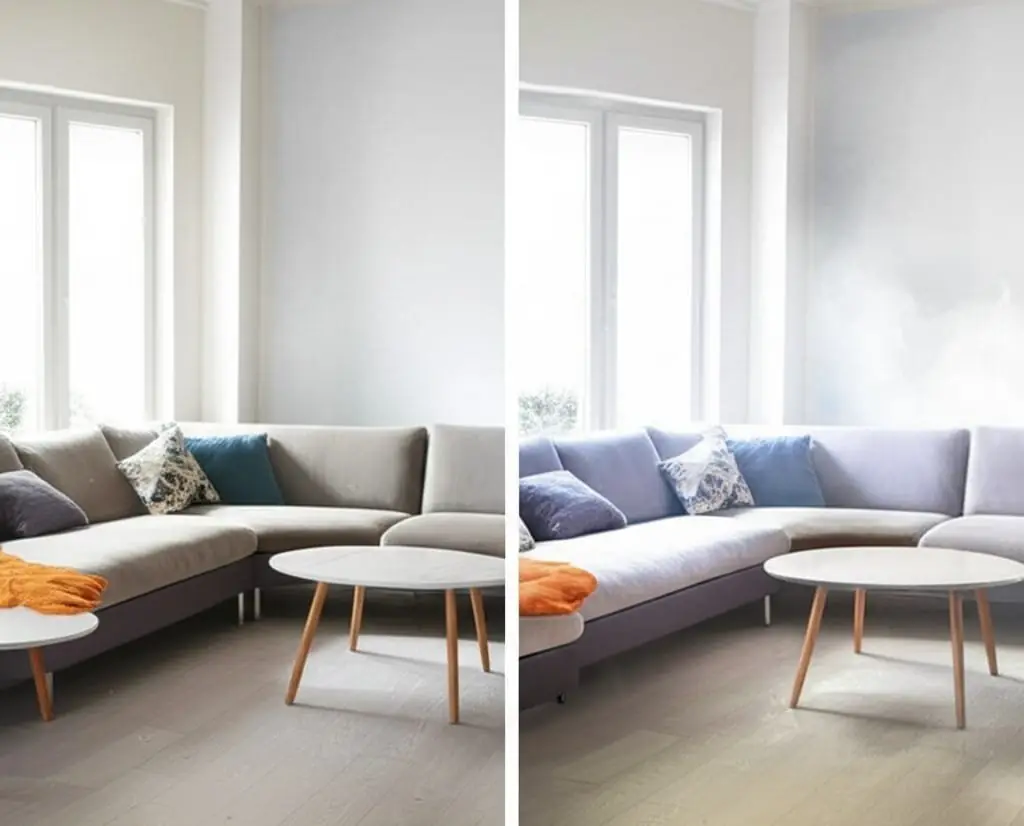
What’s the difference between a sanitized house and a clean house? A tidy home can be a deceptive space. Surfaces gleam under the lights, countertops are clean, cushions are fluffed, and the floor is free of visible debris. To the eye, this is the very picture of cleanliness. It brings a sense of calm, of order, and of accomplishment. This is the goal for most people when they embark on their weekly cleaning routine: to restore visual harmony to their environment. This is the clean-looking house. It is an aesthetic achievement, a curated space that feels organized and pleasant to inhabit. The methods used to achieve this look are often focused on speed and appearance. A quick wipe with a damp cloth, a swift pass of the vacuum, the stowing away of objects into closets and drawers. The primary function of this type of cleaning is to manage clutter and remove surface-level dust and dirt. It addresses what is immediately apparent to our senses. A pleasant scent from a candle or air freshener might be employed to complete the illusion, masking any underlying odors and signaling to our brain that the area is fresh and therefore clean.
Psychological Benefits
This pursuit of a clean-looking house is not without merit. Living in a cluttered, visibly dirty environment can contribute to stress and a feeling of being overwhelmed. The act of tidying and organizing has psychological benefits, creating a space that feels more manageable and restful. However, it is crucial to understand that this visual state of order has very little to do with the actual hygienic condition of the home. The clean-looking house is a stage set for daily life, but it often conceals a microscopic world that is far from pristine. The very tools used to create this appearance can be part of the problem. A sponge used to wipe down the kitchen counter may effectively remove crumbs, but if it is damp and has been used for days, it is simultaneously spreading millions of bacteria across the very surface it is meant to clean. The cloth used to dust the coffee table moves particles around, some of which become airborne, only to settle again later. The vacuum cleaner without a HEPA filter can suck up allergens and dust mites from the carpet and expel them back into the air to be inhaled. The focus is on the macro, the visible, while the micro, the unseen, is allowed to thrive.

Intruders
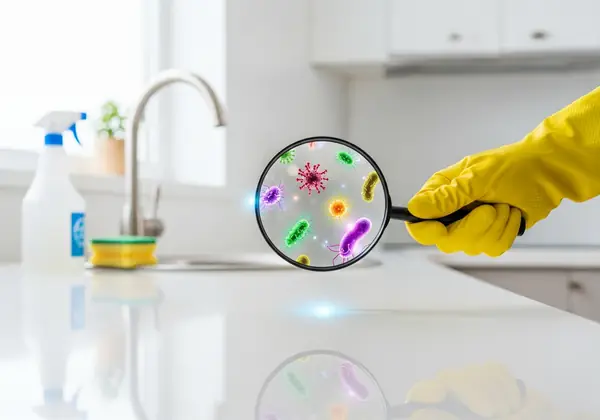
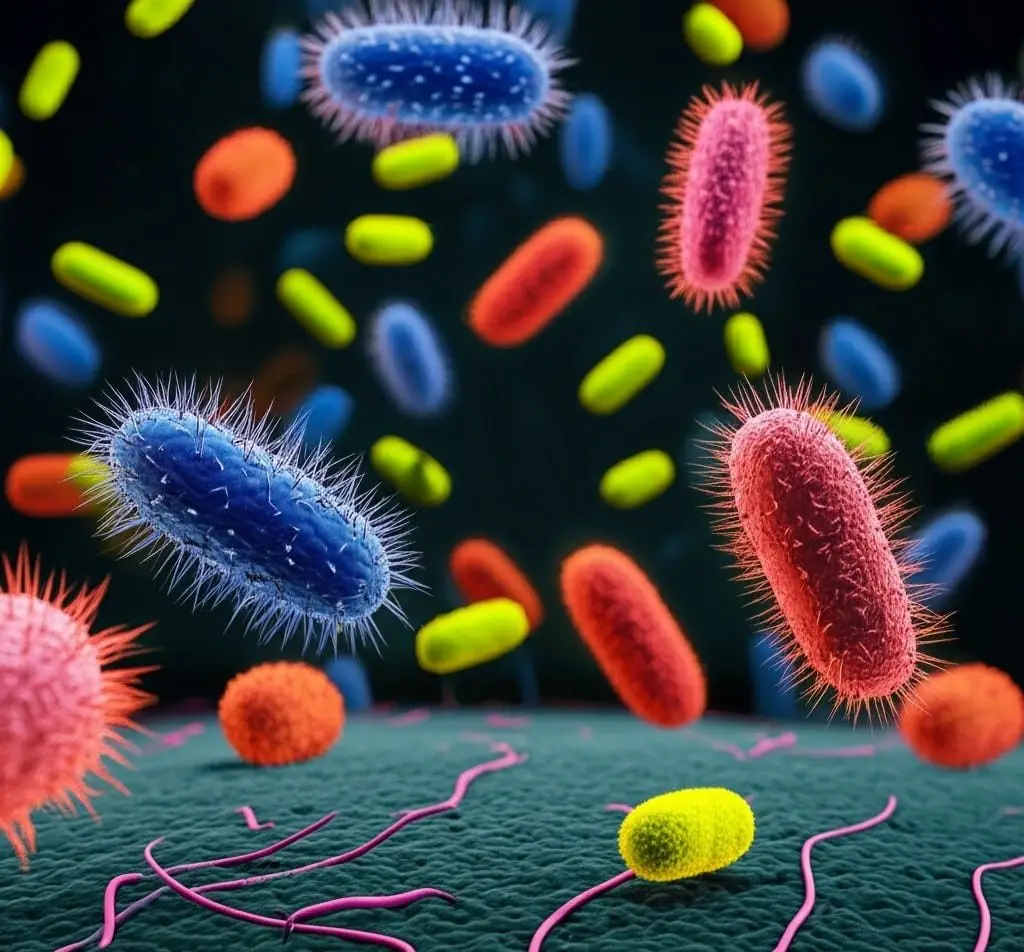
In stark contrast to the clean-looking house is the sanitized house. This state of cleanliness is not defined by aesthetics, but by science. A sanitized house is one where the populations of germs, bacteria, viruses, and fungi, have been reduced to levels that are considered safe for human health. It is a space where the invisible threats have been systematically addressed. This requires a completely different mindset, a different set of tools, and a more thorough methodology. The goal is not just to make a surface look clean, but to ensure that what remains on that surface is not a threat to the well-being of the inhabitants. This process goes far beyond a simple wipe-down. It involves understanding the difference between cleaning, sanitizing, and disinfecting, and knowing when and where to apply each process.
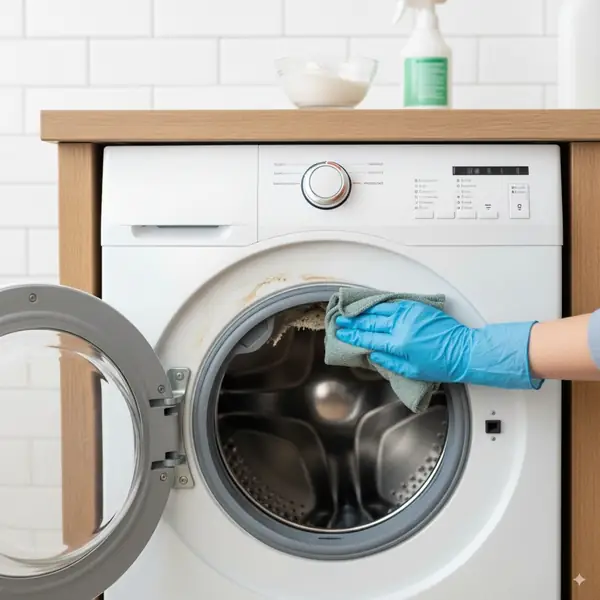
Cleaning is the foundational step. It is the removal of visible soil, dirt, and organic matter from a surface. You cannot sanitize a dirty surface. The dirt itself provides a place for germs to hide and can neutralize the effectiveness of sanitizing agents. Cleaning is what is done with soap, water, and friction. It is the act of scrubbing the cutting board, washing the dishes, and mopping the floor to lift away the grime. This is an essential first step, and it is where the process for a clean-looking house often ends.
Sanitization
Sanitizing is the next level. It is a chemical process that lowers the number of microorganisms to a safe level, as judged by public health standards. This means killing 99.9% of specified bacteria in a short period of time. Sanitizing is most critical in areas where food is prepared and in bathrooms. When you use a proper sanitizing spray on a kitchen counter after wiping it clean of crumbs, you are actively working to kill bacteria like E. coli and Salmonella that could cause foodborne illness. Sanitizing the sink, where raw meat juices may have splashed, is another critical step. This is a targeted action, designed to mitigate a specific health risk.
Disinfecting is the most potent of the three processes. It involves using chemicals to kill virtually all microorganisms, including hardy viruses and fungi, on a surface. Disinfection is less about daily maintenance and more about targeted intervention. It is what you do after a family member has been sick with the flu, using a disinfectant on doorknobs, light switches, and remote controls to prevent the illness from spreading. It is the process used to treat a toilet bowl or an area contaminated with bodily fluids. A crucial component of both sanitizing and disinfecting that is almost always overlooked in the pursuit of a merely clean-looking home is dwell time. This is the amount of time a chemical product must remain wet on a surface in order to effectively kill the germs it claims to kill. Simply spraying and immediately wiping is often ineffective. The product needs to sit for several minutes—the specific time is always listed on the product label—to do its job. This patient, methodical approach is a hallmark of a truly sanitized environment.
Small Details
The areas where a clean-looking house most dangerously diverges from a sanitized house are the high-touch surfaces and hidden spots. Think of all the items handled by multiple people throughout the day: doorknobs, cabinet pulls, faucet handles, the refrigerator door, remote controls, keyboards, and cell phones. These items may look perfectly clean. They are not sticky, they have no visible dirt, but they can be teeming with microorganisms transferred from unwashed hands. A quick dusting or a passing wipe with a dry cloth does nothing to address this bio-load. These surfaces require regular attention with a disinfecting wipe or spray to break the chain of germ transmission within a household.
The kitchen is a primary battleground in the war between appearance and hygiene. A stainless-steel sink might be polished to a mirror shine, but the drain and the faucet aerator can be breeding grounds for biofilm and bacteria. A wooden cutting board that looks clean after a quick rinse can harbor deep-set bacteria in its knife grooves, leading to cross-contamination between raw meats and fresh vegetables. The handle of the microwave, the buttons on the coffee maker, and the knobs on the stove are all touched frequently, often during food preparation, yet are rarely part of a standard tidying routine.
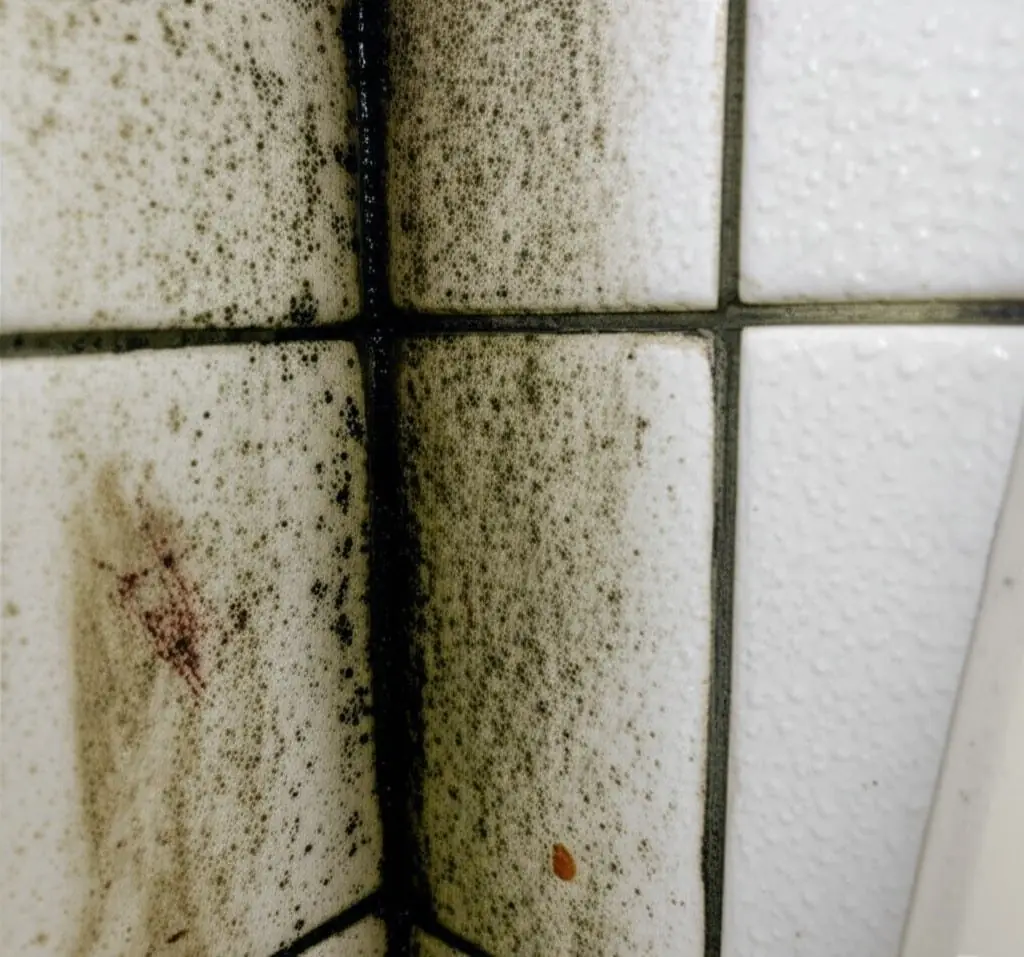
Similarly, the bathroom can be deceptively clean. A toilet bowl scrubbed with a blue-tinted cleaner may look and smell fresh, but the base of the toilet, where moisture and dust collect, can be a hotspot. The toothbrush holder is another notorious culprit, often accumulating a sludge of water and toothpaste residue that fosters bacterial growth. The shower curtain or door, constantly exposed to moisture, is a prime location for mold and mildew to develop, which can release spores into theair and impact respiratory health. These are not issues that a quick tidy-up will ever resolve.
Soft Surfaces
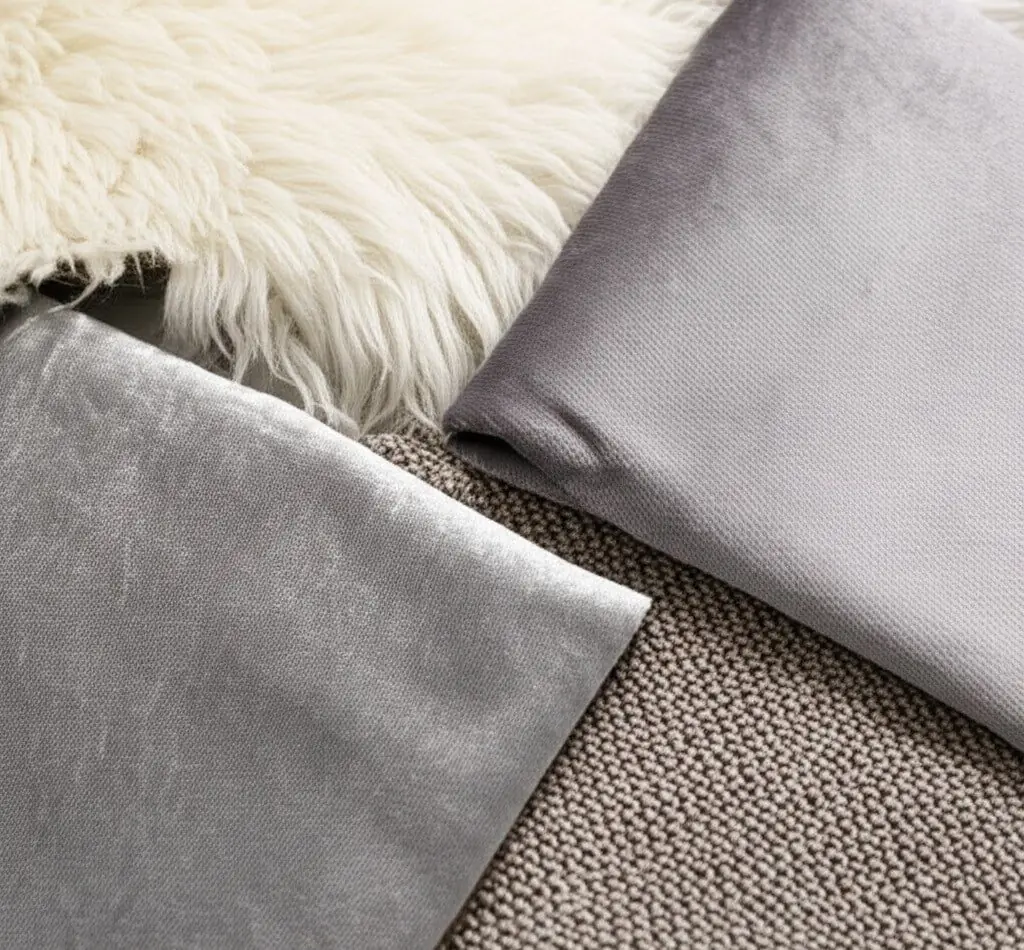
Achieving a sanitized home also requires paying attention to soft surfaces, which are often completely ignored in a visual cleaning sweep. Carpets, upholstery, and curtains act as giant filters, trapping dust, pollen, pet dander, and microscopic organisms. A carpet can look clean after being vacuumed, but a standard vacuum may lack the power and filtration to remove the deep-down grit and the allergens that can trigger asthma and other respiratory issues. A truly deep clean involves a vacuum with a HEPA filter that traps these microscopic particles, preventing them from being recirculated into the air. Periodically, these surfaces require professional steam cleaning or hot water extraction, which uses high temperatures to kill dust mites and bacteria and remove deeply embedded soil. Fluffing a pillow makes it look inviting, but inside, it could be harboring years of dead skin cells and dust mites.
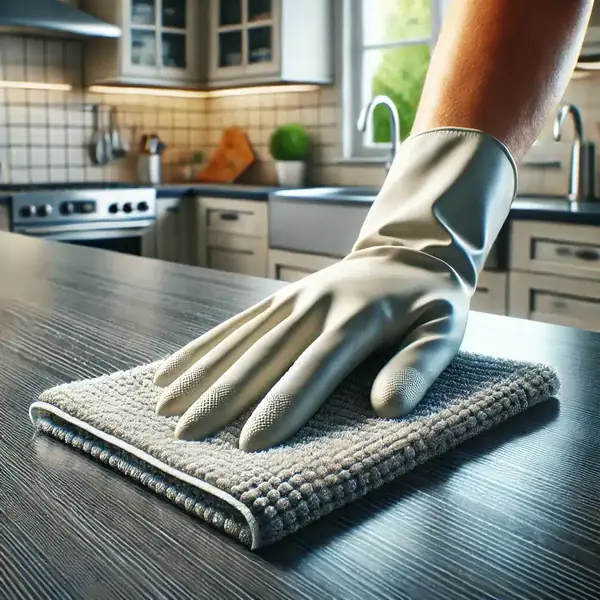
The air itself is a component of a sanitized home. Air quality is affected by the cleaning methods used. Harsh chemical cleaners can release volatile organic compounds (VOCs) into the air, while dry dusting can send allergens and particulates airborne. A sanitized approach involves using microfiber cloths, which are designed to trap dust rather than just move it around, and damp-wiping surfaces to prevent particles from becoming airborne. It means ensuring good ventilation during and after cleaning, and potentially using an air purifier with a HEPA filter to continually scrub the air of contaminants.
Ultimately, the transition from maintaining a clean-looking house to cultivating a sanitized house is a shift in perspective. It is the move from a reactive, appearance-based approach to a proactive, health-based one. It requires an understanding that the greatest threats to our health at home are often the ones we cannot see. It demands more time, more knowledge, and more intention. It means reading product labels, understanding dwell times, and focusing on hotspots rather than just broad, visible surfaces. It is not about creating a sterile, laboratory-like environment, which is neither practical nor desirable. It is about intelligently managing the microbial world within our living spaces to create an environment that actively supports health and well-being, rather than one that merely looks the part. The peace of mind that comes from a sanitized home is deeper and more lasting than the fleeting satisfaction of a temporarily tidy room.
A regular house cleaning plan can provide the routine cleaning layer before any separate sanitizing tasks.
Understanding the distinction between a visually tidy space and a genuinely sanitized one is key, as it is the foundation of a truly healthy home. Toronto Shine Cleaning specializes in bridging that gap. Our professional services go beyond surface-level tidiness to deliver a deep, hygienic clean that addresses the unseen elements, ensuring your home isn’t just clean-looking, but thoroughly sanitized for your health and peace of mind.