
5 Tricks How To Prevent Mold And Mildew In Your Home
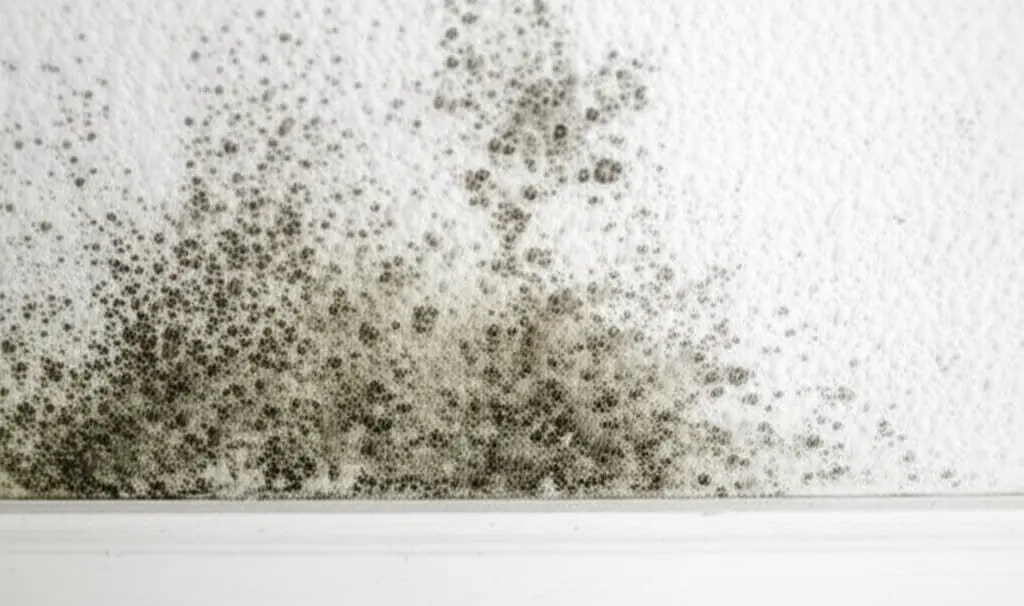
Preventing mold and mildew in your home is a continuous effort, primarily centered on controlling moisture and maintaining an environment where these fungi cannot gain a foothold. Mold and mildew are more than just unsightly; they can release spores and volatile organic compounds that may affect respiratory health and exacerbate allergies or asthma, and they can cause significant damage to building materials over time. Vigilance and proactive measures are essential.
1. Ventilation
The cornerstone of mold and mildew prevention is careful moisture management. In bathrooms, steam from showers and baths creates an ideal environment for mold to grow. An exhaust fan is not a luxury, but an essential tool. It should be turned on before the water starts running and left running for at least 20 to 30 minutes after the shower is finished to ensure that all moist air is vented to the outside. If an exhaust fan is not present or is underpowered, opening a window, even briefly, can help remove moisture, weather permitting. Kitchens present similar challenges. Cooking activities, particularly boiling, steaming, or frying, release significant amounts of moisture and grease particles into the air. A range hood, with adequate ventilation to the outside, should be used whenever cooking occurs. Regular cleaning or replacement of hood filters is crucial to its effective operation. Opening a window can supplement mechanical ventilation, especially during intensive cooking. Laundry areas are another common source of excess moisture. Clothes dryers should always vent directly to the outside. Venting a dryer into an attic, crawl space, or any other interior room will introduce a significant amount of moisture, creating the perfect environment for widespread mold growth. Make sure the dryer vent hose is securely connected, free of kinks, and not excessively long, as this can impede airflow. The dryer’s internal lint trap should be cleaned after each cycle, and all vent ductwork requires periodic professional cleaning to remove accumulated lint, which is not only a food source for mold but also a serious fire hazard. In addition to these specific high-humidity zones, general ventilation throughout the home plays an important role. Periodically opening windows on opposite sides of the home to create cross-ventilation that exchanges stale, potentially humid indoor air with cooler outdoor air can help prevent mold and mildew, as long as outdoor humidity levels are not excessively high. Strategic use of ceiling fans or portable fans can also promote air circulation, discouraging moisture from accumulating in stagnant pockets where mold spores can germinate.

2. Leaks
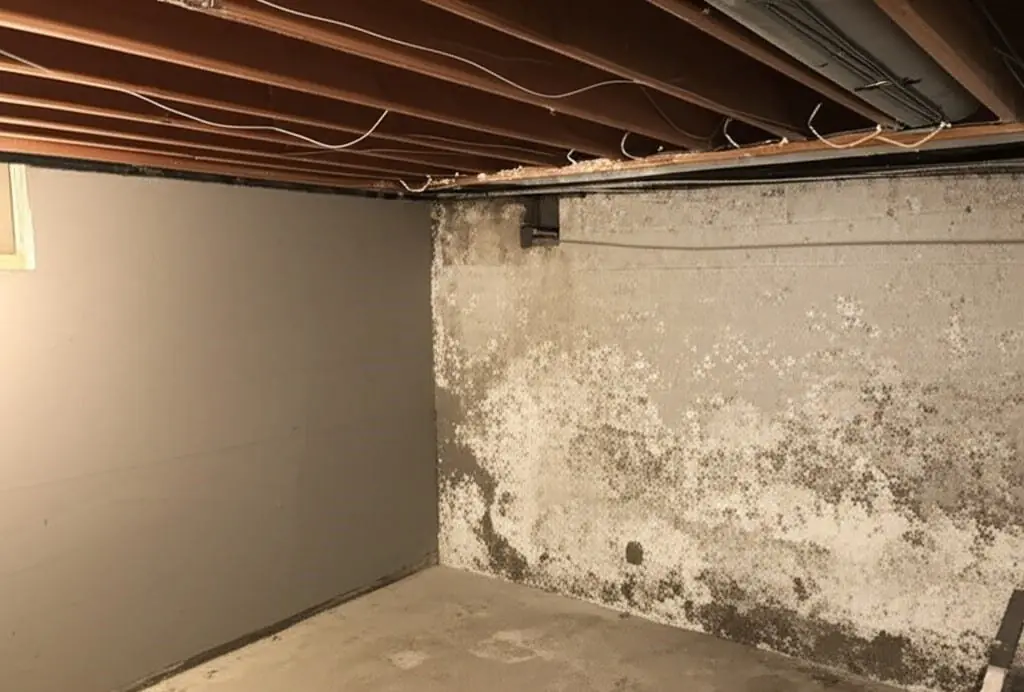
Addressing water leaks promptly is paramount. Even small, persistent leaks can provide sufficient moisture for mold to flourish. Roof leaks, often indicated by water stains on ceilings or in attics, demand immediate attention. Regular visual inspections of the roof, especially after severe weather events, can help identify potential issues like damaged shingles or flashing before significant water intrusion occurs. Plumbing systems are another frequent source of leaks. Routinely check under sinks in kitchens and bathrooms for any signs of dampness, drips, or water stains on anity bottoms. Inspect the areas around toilets, shower and tub connections, and washing machine supply hoses. Refrigerator icemaker lines can also develop slow leaks. Insulating cold water pipes can prevent condensation from forming on them, which can drip and create damp conditions. Windows and doors must be properly sealed to prevent water infiltration. Look for condensation between double-paned windows, which indicates a failed seal, or signs of water staining, peeling paint, or softness in the wood around window frames and sills. Foundation leaks can introduce significant moisture into basements and crawl spaces. Examine foundation walls for cracks, efflorescence (a white, powdery deposit), or damp patches. Ensure the ground around your home slopes away from the foundation to direct rainwater and meltwater away, rather than allowing it to pool against the walls and potentially seep inwards.
Maintaining appropriate indoor humidity levels is another critical aspect of mold prevention. The ideal relative humidity in a home is generally between 30% and 50%. Levels consistently above 60% create an environment conducive to mold. A hygrometer, an inexpensive instrument, can be used to monitor humidity levels in various parts of the home. In areas prone to high humidity, such as basements, crawl spaces, or poorly ventilated rooms, a dehumidifier can be an effective solution. Choose a unit appropriately sized for the space and ensure it is emptied regularly, or arrange for it to drain directly. Air conditioning systems also help to reduce indoor humidity as part of their cooling process. Ensure your air conditioner is properly maintained, with clean filters, to operate efficiently in this dual role.
When materials do get wet, drying them quickly is essential. Mold can begin to grow on damp porous surfaces within 24 to 48 hours. Clean up spills immediately and dry the affected area thoroughly. In the event of more significant water intrusion, such as from a burst pipe or minor flooding, swift action is crucial. Remove standing water using wet-vacs or pumps, and then employ fans, dehumidifiers, and, if necessary, heaters to dry out carpets, drywall, insulation, and furnishings as rapidly as possible. Porous materials like carpet, upholstered furniture, and drywall that have been saturated and cannot be dried within this critical window may need to be discarded and replaced, as mold growth within them can be difficult to eradicate completely. Do not leave wet clothes in the washing machine or damp towels in a pile; hang them to dry promptly or transfer them to the dryer.
3. Isolation
Condensation control is closely linked to humidity management and ventilation. Condensation occurs when warm, moist air comes into contact with a cooler surface, causing water vapor to revert to liquid. This is commonly seen on windows, especially single-paned ones, during colder weather. Wipe down condensation from windows and sills regularly. Improving window insulation, such as by upgrading to double or triple-glazed units, can reduce this problem. As mentioned, insulating cold water pipes prevents condensation from forming on their surfaces. Condensation can also occur on poorly insulated exterior walls, particularly in corners or behind furniture where air circulation is restricted. Improving wall insulation and ensuring adequate airflow can mitigate this.
Reducing the availability of “food” for mold is another preventative strategy. Mold feeds on organic materials. Regular and thorough cleaning plays a vital role. Dust frequently using a damp cloth or microfiber duster to capture dust particles, which often contain mold spores and organic debris. Vacuum carpets and upholstered furniture with a HEPA-filter vacuum cleaner to remove spores and food sources. Pay particular attention to cleaning surfaces in kitchens and bathrooms where organic residues can accumulate. Grout lines between tiles and caulk around tubs, showers, and sinks are common mold hotspots. Clean these areas regularly with effective cleaning solutions. Consider using grout sealers to make grout less porous and easier to clean.
Proper storage practices can also deter mold. Avoid storing items in cardboard boxes directly on concrete floors in basements or garages, as cardboard readily absorbs moisture and provides a food source. Use airtight plastic containers instead, and elevate stored items off the floor using shelving or pallets to allow for air circulation underneath. Do not over-pack closets or storage areas; allow air to move freely around stored belongings. Large pieces of furniture should not be pushed tightly against exterior walls; leave a small gap to permit airflow and prevent moisture buildup.
4. Mold-Inhibiting Paint
Managing other organic materials within and around the home is important. If you use firewood, store it outdoors, well away from the house, and elevate it off the ground. Bring in only what you intend to burn in the near future. For indoor plants, avoid overwatering, as constantly damp soil can harbor mold. Ensure pots have good drainage, and inspect the soil surface periodically for any signs of mold growth. Dispose of household organic waste, such as food scraps, regularly and keep trash containers clean.
Enhancing air circulation throughout your home helps to keep surfaces dry and disperses moisture concentrations. As noted, leaving space between furniture and walls, especially exterior walls, allows air to circulate, reducing the chance of condensation and mold growth in these hidden areas. In closets, avoid packing items too tightly. Consider using louvered closet doors or leaving closet doors slightly ajar periodically to improve ventilation. Ceiling fans, set to run at a low speed, can help maintain gentle air movement even when windows are closed. Portable fans can be strategically placed to target areas with poor natural airflow.
The choice of materials used in your home, particularly in moisture-prone areas, can influence mold resistance. When painting bathrooms, kitchens, basements, or other areas susceptible to dampness, consider using mold-inhibiting paints that contain antimicrobial agents. For new construction or renovations in these areas, mold-resistant drywall (often called green board or purple board) offers enhanced protection compared to standard drywall. When selecting building materials, generally opt for those that are less hospitable to mold. For instance, inorganic materials are less likely to support mold growth than organic ones.

Maintenance of existing materials is also key. Inspect caulk and grout lines in bathrooms and kitchens regularly. If caulk is cracked, peeling, or missing, remove the old caulk completely, clean the area thoroughly, and apply new, high-quality, mold-resistant caulk. Damaged or crumbling grout should be repaired or replaced, and grout can be sealed periodically to make it more water-resistant. Flooring choices in damp areas like basements and bathrooms matter significantly. Avoid installing carpet in these locations, as it can trap moisture and become a large reservoir for mold growth. Hard, non-porous flooring options such as ceramic or porcelain tile, vinyl, or sealed concrete are much better choices for moisture-prone environments.
External factors significantly impact indoor moisture levels. Your home’s gutter and downspout system plays a crucial role in managing rainwater. Gutters must be kept clean of leaves and debris to ensure water can flow freely to the downspouts. Downspouts should be in good repair and extend well away from the foundation, ideally discharging water at least five to ten feet from the house to prevent it from soaking the ground near foundation walls. The landscaping around your home also influences moisture. Ensure the soil grades away from the foundation on all sides to promote proper drainage. Avoid planting dense shrubs or garden beds directly against the house, as these can trap moisture against the siding and restrict airflow. If you have an irrigation system, check that sprinkler heads are not spraying water directly onto the siding or foundation of your home.
Crawl spaces, if present, require careful management. A dirt crawl space floor can be a major source of moisture wicking up into the home. Covering the ground with a heavy-duty plastic vapor barrier is essential. Crawl space ventilation is also important, though current building science sometimes favors sealed and conditioned crawl spaces, depending on the climate and construction. If your crawl space is vented, ensure vents are not blocked.
Finally, regular inspection of your home for any early signs of mold or conditions conducive to its growth is a critical preventative habit. Be aware of musty or earthy odors, which often indicate hidden mold. Visually inspect common problem areas frequently: bathrooms (around showers, tubs, sinks, toilets, on tiles and grout, behind and under vanities), kitchens (under sinks, around dishwashers and refrigerators, near windows), basements and crawl spaces (especially near foundation walls, pipes, and any areas with past water damage), attics (checking for roof leaks or inadequate ventilation), around windows (sills and frames), laundry rooms, inside closets (especially those on exterior walls or rarely used), and anywhere water damage has previously occurred. Early detection allows for prompt remediation, preventing a small issue from becoming a larger, more costly problem.
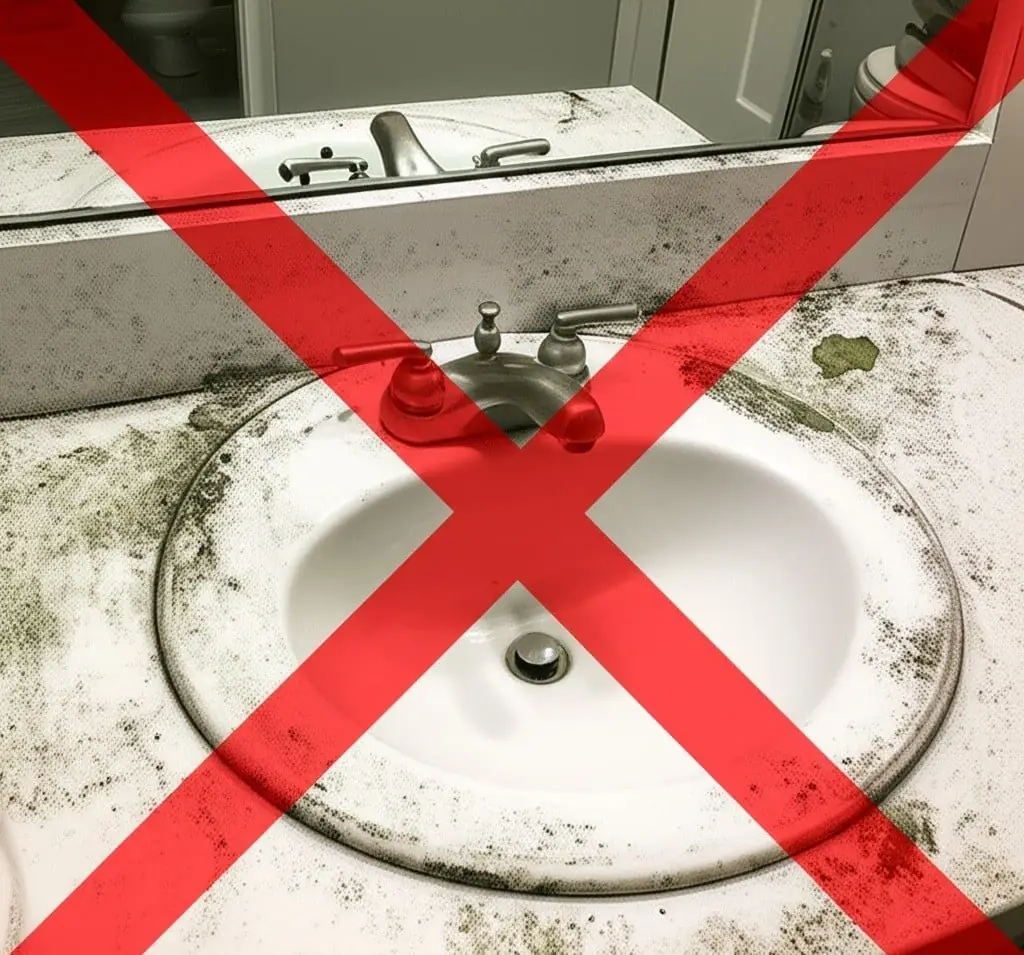
Vigilance and proactive measures are your strongest defenses. By consistently managing moisture, maintaining cleanliness, ensuring good airflow, making smart material choices, controlling external water sources, and regularly inspecting your home, you create an environment inhospitable to mold and mildew.
Alongside ventilation and moisture control, regular house cleaning can support everyday surface upkeep.
Maintaining a clean home is a foundational step in preventing mold and mildew by reducing potential food sources and allowing for early detection of moisture issues. For comprehensive cleaning solutions that support a healthy, mold-resistant living space through diligent moisture control, attention to detail in high-risk areas, and thorough surface cleaning, consider Toronto Shine Cleaning. We assist in upholding the cleanliness crucial for effective mold prevention.