Preventing Shower Mold: Daily Habits You Should Adopt to Fight Fungi

On this page
The bathroom is intended to be a sanctuary of hygiene, a bright and tiled space where we wash away the grime of the day. However, this room is also the site of a relentless biological siege. The combination of high humidity, warmth, and organic matter creates an environment that is hostile to cleanliness but perfectly suited for the growth of fungi. The appearance of dark, fuzzy spots on the grout or a slimy film on the tiles is not just an aesthetic failure; it is the arrival of shower mold. This invader is tenacious, unsightly, and potentially hazardous to your health. Unlike the dust in a living room that sits passively on a shelf, shower mold is a living organism that eats into the surfaces of your home. Removing it requires more than just a quick wipe; it demands a strategic understanding of what allows it to thrive and the chemical weapons necessary to destroy it at the root.
Fungi
To effectively combat this enemy, one must first understand what shower mold actually is. It is a fungus that reproduces by releasing microscopic spores into the air. These spores are everywhere, floating dormant until they find a hospitable surface. In a bathroom, they find everything they need: moisture from the steam, low light, and a food source. The food source for shower mold is often the soap scum, dead skin cells, and body oils that accumulate on the walls and floor. When you see a colony establishing itself, you are witnessing a complex biological system that has taken root in the porous materials of your bathroom. Ignoring shower mold allows it to spread rapidly, moving from the surface of the tile into the drywall and insulation behind it, where it can cause structural damage that costs thousands to repair.

What does mold look like?
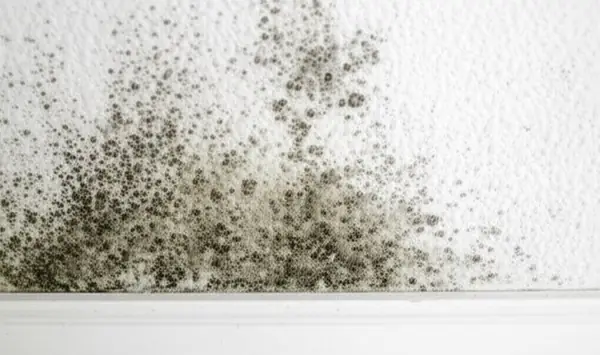
A common point of confusion arises between true shower mold and the pinkish-orange slime that often appears around drains and shampoo bottles. This pink substance is technically not a mold; it is a bacterium known as Serratia marcescens. While it thrives in the same damp conditions as shower mold, it is generally easier to clean. True shower mold is usually black, dark green, or brown, and it possesses a root structure known as hyphae. These roots dig deep into porous surfaces like grout and silicone caulk. This is why you can scrub a black spot until it disappears, only to see the shower mold return in the exact same spot three days later. You removed the visible “bloom,” but you left the roots alive and intact beneath the surface.
Bleach
The instinct for most homeowners when faced with shower mold is to reach for a bottle of chlorine bleach. There is a pervasive belief that bleach is the ultimate fungicide. This is a dangerous misconception. Bleach is highly effective at killing surface mold on non-porous materials like glass or glazed tile. However, on porous surfaces like grout and caulk, bleach cannot penetrate deep enough to reach the roots of the shower mold. Instead, the chemical structure of bleach prevents it from soaking in. It effectively bleaches the color out of the mold, making it invisible, but it leaves the root structure alive. Furthermore, the water component of the bleach solution soaks into the grout, actually feeding the roots that remain. The shower mold then regenerates, often coming back stronger and more resistant than before.
Vinegar
For a truly deep kill, the chemistry must be different. White distilled vinegar is often a superior weapon against shower mold in porous areas. Vinegar is a mild acid that penetrates porous materials. It does not just bleach the color; it attacks the membrane of the fungal cells, causing them to rupture and die. To treat shower mold effectively, one should spray undiluted vinegar onto the affected grout and let it sit for at least an hour. This dwell time is critical. It allows the acid to seep into the microscopic holes of the cement. Following the soak, a paste made of baking soda and water can be applied. The scrubbing action of the baking soda, combined with the foaming reaction from the vinegar, helps to physically lift the dead shower mold out of the pores.
Hydrogen Peroxide
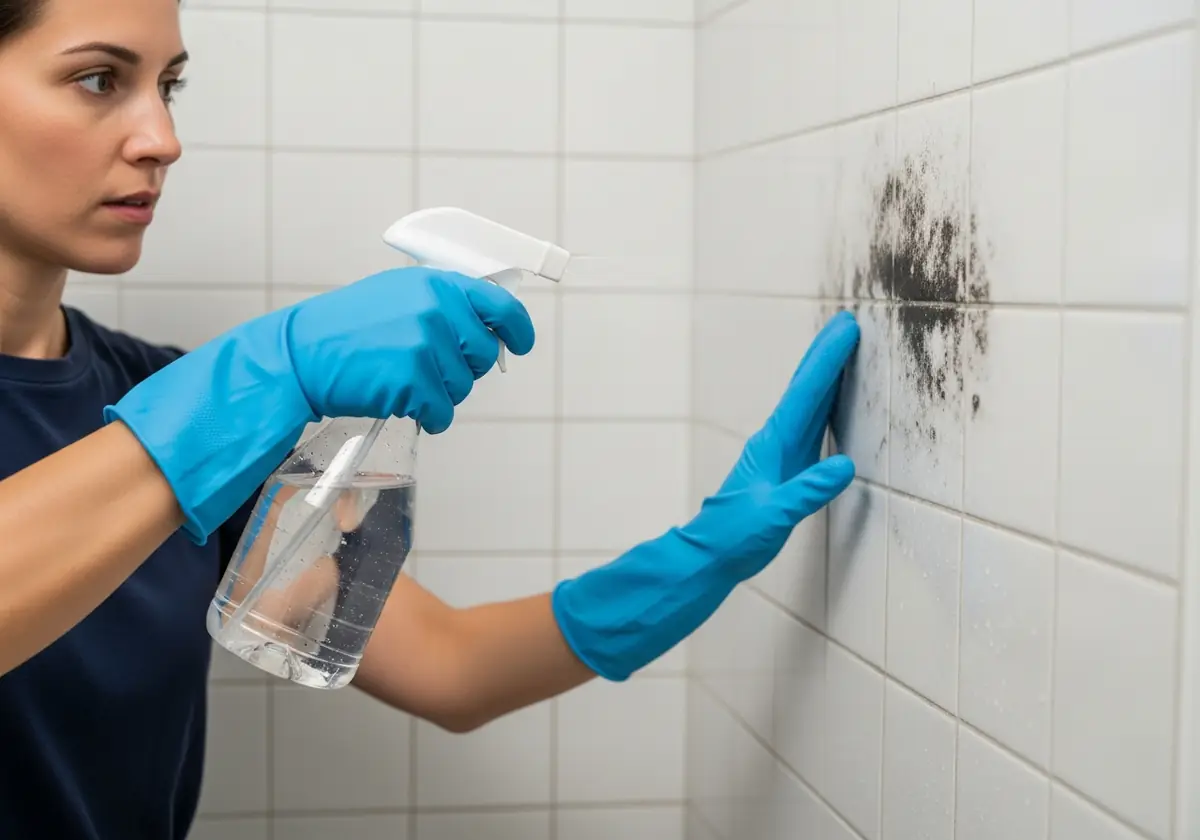
Another powerful alternative for battling shower mold is hydrogen peroxide. Like vinegar, it is an antifungal agent that penetrates better than bleach. A three percent solution can be sprayed directly onto the moldy areas. It will fizz upon contact with organic matter, a visual signal that it is reacting with the fungal proteins. For those who dislike the smell of vinegar, peroxide is a scent-free option that effectively oxidizes the shower mold, killing it and helping to whiten the stains it leaves behind. However, one must be careful not to mix these chemicals. Mixing vinegar and bleach creates toxic chlorine gas, a deadly hazard that is far worse than the shower mold itself.
Silicone Caulk
The hardest battleground in the war on shower mold is the silicone caulk. Caulk is used to seal the joints between the tub and the wall, or the corners of the shower stall. Over time, the adhesion of the silicone can fail, creating microscopic pockets between the caulk and the wall. Water gets trapped in these pockets, and shower mold begins to grow from the back. If you see black spots that seem to be inside the clear or white silicone, surface cleaning will be futile. No amount of scrubbing or chemical soaking can reach shower mold that is encapsulated within or behind the waterproof sealant. In this scenario, the only effective cleaning method is removal. The infected caulk must be cut out completely using a razor knife, the area must be sterilized and dried thoroughly, and new, mold-resistant silicone must be applied. It is a maintenance task that many avoid, but leaving compromised caulk allows water to leak into the wall studs, inviting rot alongside the shower mold.
Safety Equipment
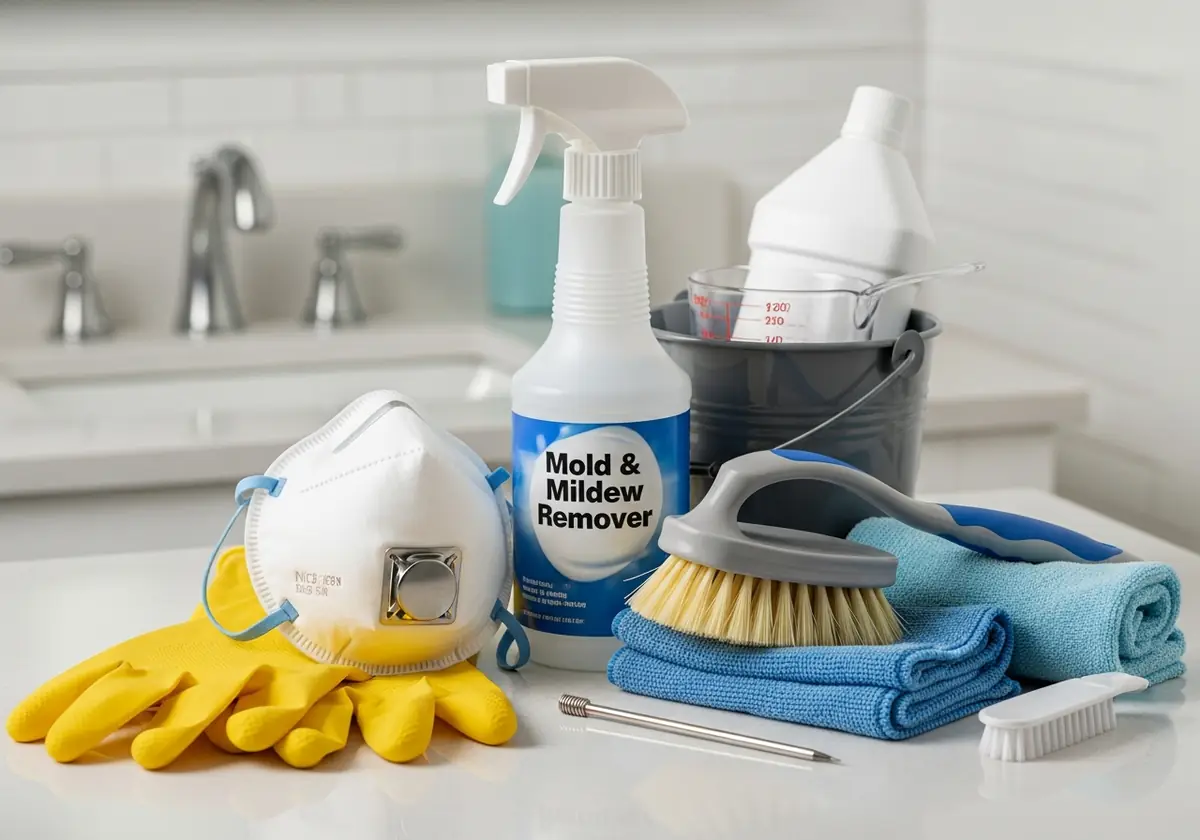
Safety is paramount during this cleaning process. When you scrub dry shower mold, you release thousands of spores into the air. In a small, enclosed space like a bathroom, the concentration of spores can become high enough to trigger asthma attacks, allergic reactions, and respiratory inflammation. It is essential to wear a mask, preferably an N95 respirator, and gloves when tackling a significant infestation of shower mold. Ventilation is also non-negotiable. The bathroom exhaust fan should be running, and windows should be open if possible, to create an airflow that carries the disrupted spores and chemical fumes out of the house.
Humidity
Preventing the return of shower mold is just as important as the cleaning itself. The fungus requires moisture to survive. Depriving it of water is the most effective control strategy. The habit of using a squeegee after every shower to remove standing water from the walls and glass can reduce the moisture load significantly. If water is allowed to evaporate naturally, it keeps the humidity in the room high for hours, feeding the shower mold. Furthermore, the bathroom exhaust fan is often underutilized. It should be run during the shower and for at least thirty minutes afterward to fully exchange the humid air for dry air. If a bathroom lacks a fan, a dehumidifier is a mandatory appliance to keep the relative humidity below fifty percent, a level at which shower mold struggles to reproduce.
Bathroom Accessories
The storage of shower accessories also contributes to the problem. Bottles of shampoo, razors, and loofahs that sit on the ledge or the floor trap water underneath them. These stagnant puddles are breeding grounds for shower mold. Using a hanging caddy or wire racks that allow water to drain away from bottles keeps the surfaces dry. Additionally, the shower curtain is a frequent victim. The bottom hem of a plastic liner often sits in the wet tub, turning pink and black with biofilm and shower mold. These liners should be washed in the washing machine with hot water and towels (to provide scrubbing action) or replaced regularly. A moldy curtain can spread spores to the clean tiles you just scrubbed.
It is also important to address the food source. Shower mold does not eat tile; it eats the organic residue on the tile. Soap scum acts as a buffet for fungi. Switching from bar soap, which contains talc and fatty acids that create heavy scum, to liquid body wash can reduce the amount of residue left on the walls. Regular weekly cleaning with a pH-neutral cleaner removes the body oils and skin cells before the shower mold has a chance to feed on them. This preventative cleaning is much faster and less toxic than the heavy restorative cleaning required once an infestation takes hold.
Uncomfortable
There is a psychological weight to living with shower mold. It makes the home feel dirty and neglected, regardless of how clean the rest of the house is. It can be embarrassing when guests use the bathroom. Eliminating it restores the bathroom to its intended purpose: a place of renewal. The brightness of clean, white grout and the clarity of mold-free caulk change the atmosphere of the room. It transforms a source of stress into a source of comfort.
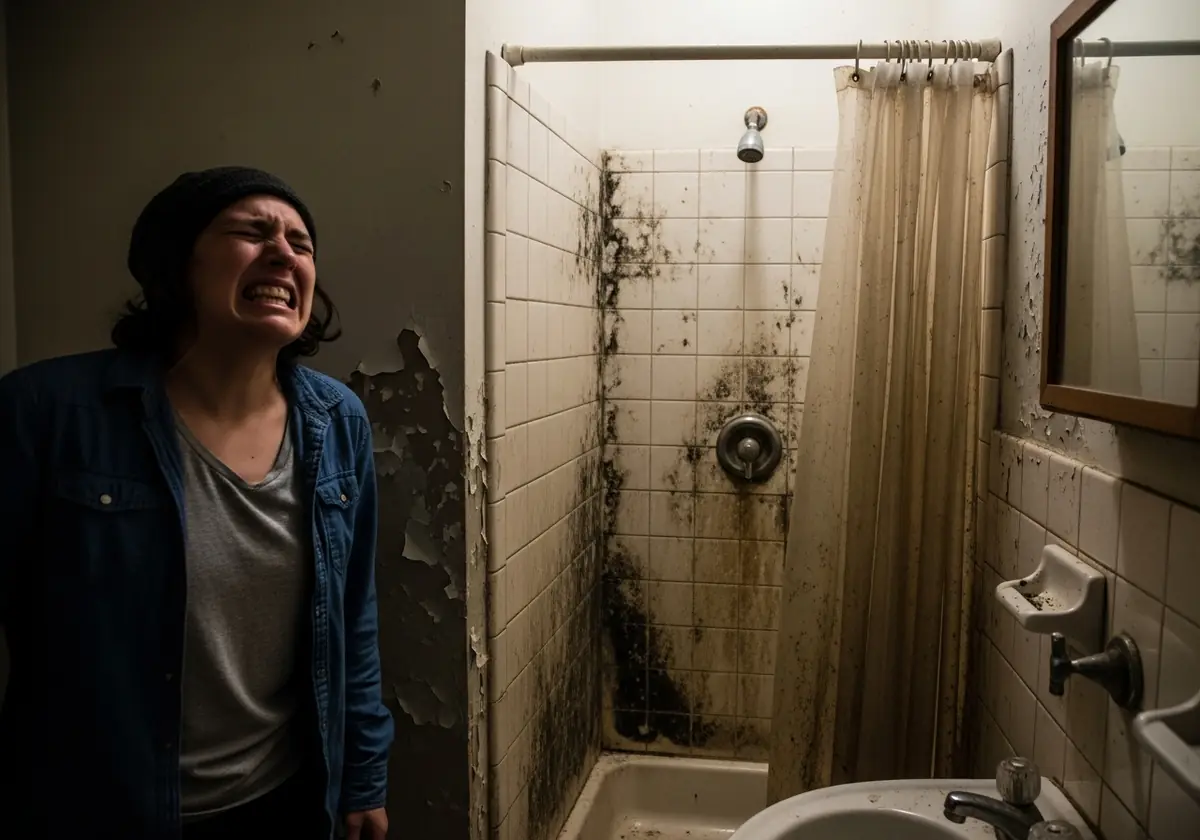
However, the battle against shower mold can sometimes feel overwhelming, especially if the infestation has spread to the ceiling or if the grout is deeply stained. The physical effort of scrubbing overhead and the chemical knowledge required to treat different surfaces without damaging them can be a barrier for many homeowners. If the shower mold covers a large area, typically defined as more than ten square feet, the EPA suggests that professional remediation might be necessary to handle the spore load safely. Even for smaller but persistent issues, professional cleaners have access to industrial-grade steamers and enzymatic cleaners that are more potent than consumer products.
This is where Toronto Shine Cleaning serves as a vital ally in your home maintenance. We understand the biology of shower mold and the specific challenges of the Canadian climate, where sealed homes in winter create humidity traps. Our professional team goes beyond the surface wipe. We have the expertise to identify the type of mold, the tools to scrub deep into the grout lines, and the protocols to sanitize your bathroom safely. We can remove the biofilm that feeds the fungus and restore your shower to a state of pristine hygiene. Whether you need a deep seasonal clean to eradicate a stubborn colony of shower mold or regular maintenance to prevent it from ever taking root, Toronto Shine Cleaning provides the thorough, expert service that protects your home and your health. Let us handle the scrubbing and the spores, so you can step into a shower that is truly, deeply clean.