After a Renovation: Which Clean Do You Need?
On this page
After dusty work like drywall, sanding or new floors, book a post-construction clean: it clears the fine dust and light debris the work leaves behind. After a small, low-dust job in one room, a deep clean is enough.
Post-construction clean vs deep clean at a glance
The two cleans are built for different jobs. Deep cleaning is a top-to-bottom reset for a lived-in home: the built-up household grime that everyday cleaning misses, in the baseboards, vents, door frames and corners. The post-construction option is built for fine renovation dust on surfaces, including rooms where no work happened.
Here is the short version side by side:
| Deep clean | Post-construction clean | |
|---|---|---|
| Built for | Lived-in grime and neglected corners | Dust and debris left by the work |
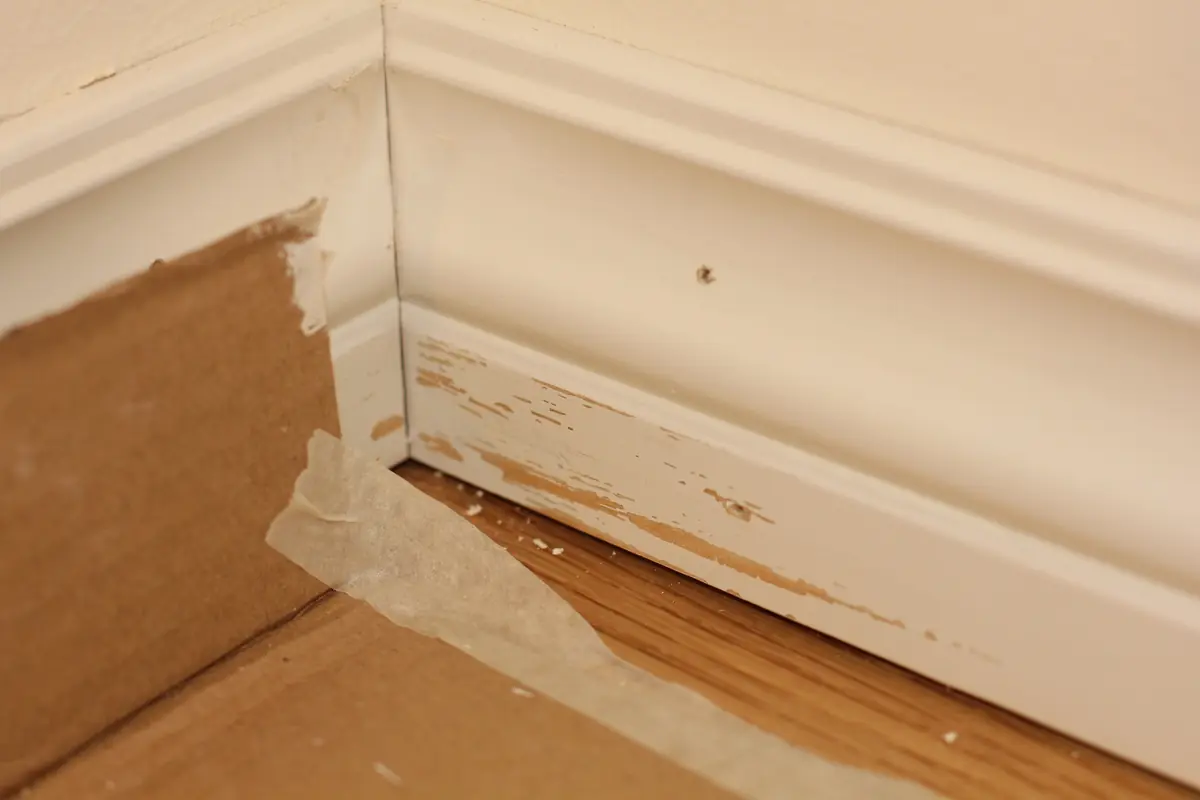
| Paint splatter, sticker glue, tape marks | No | Paid extra on post-renovation and post-construction cleans |
| Vents, baseboards, trim, door frames, switch plates | Yes | Yes, with construction dust in mind |
| Floors | Vacuumed and mopped last | By type (carpet, hardwood, tile), always last |
| Window sills and frames | Included | Included |
| Window tracks, inside cabinets and drawers | Add-ons | Add-ons |
If sanding, drywall or new flooring was involved, the answer is the construction clean. If the work was a fixture swap that barely raised dust, the deep clean covers it.
Why renovation dust is different
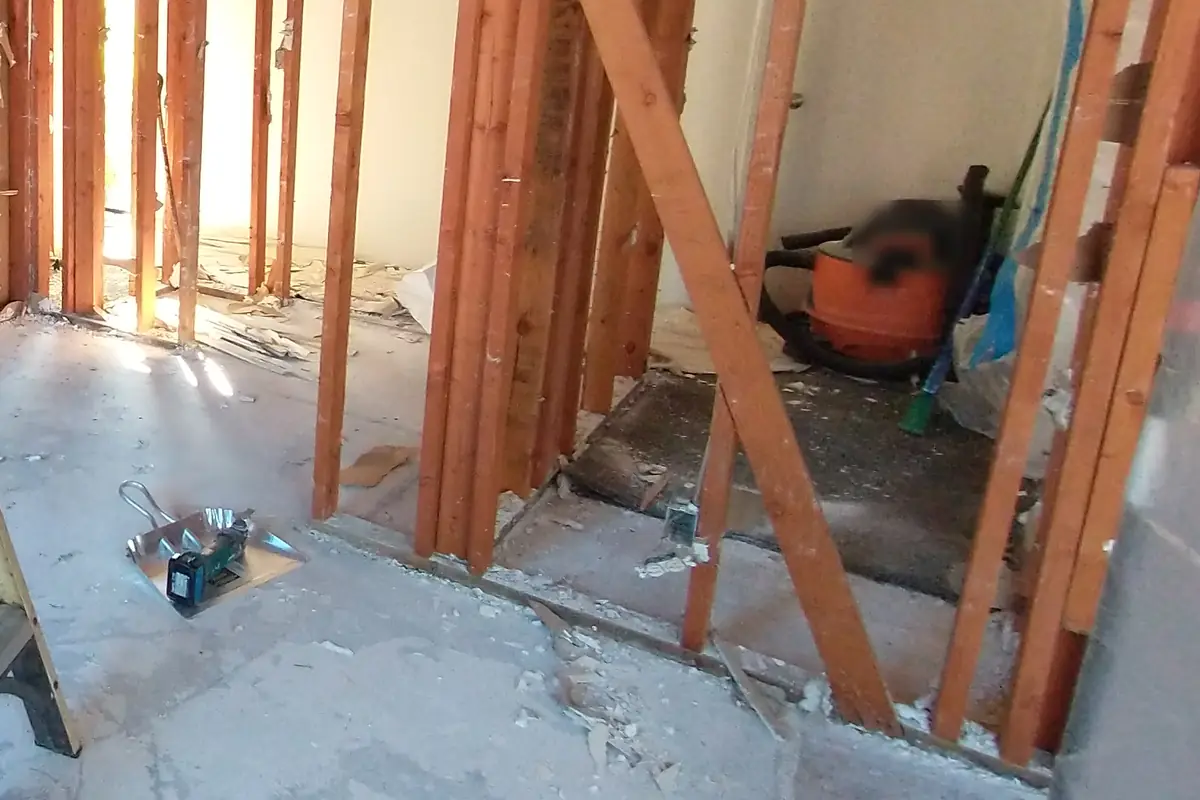
Renovation dust is finer than everyday household dust, and it does not stay where the work happened. Health Canada advises sealing off the work area to reduce the movement of dust and fumes into other parts of the house, and ventilating well during and after renovations, because that dust drifts into rooms that were never touched. It settles into vent covers and return grilles, and it keeps settling out of the air for days after the tools are gone.
Soft furnishings are the other hiding place. Curtains, upholstery and bedding hold fine dust long after the hard surfaces look clean, so wash what you can and vacuum upholstery with an upholstery attachment before the room is considered done.
One caution for older Toronto homes: Health Canada says homes built before 1991 may have lead paint, and asbestos was common in building materials before 1990, so don’t sand or scrape suspected lead paint yourself; have materials tested by a professional before work continues (Health Canada’s renovation safety advice). Neither you nor a cleaner should disturb suspect materials.
What a post-construction clean covers
This clean clears dust and debris top to bottom: reachable surfaces, fixtures, baseboards, trim, door frames, switch plates, high ledges like the tops of door frames, and vents, followed by floors. You can see the full cleaning after construction checklist on the service page. The details that set it apart:
- Residue removal. Paint & residue spot removal is a paid extra on post-renovation and post-construction cleans; your cleaner removes what comes off safely.
- Vents and grilles. Vent covers and return grilles are wiped, because they collect the finest dust and push it back into the air.
- High and low edges. Baseboards, trim, door frames and switch plates, plus the ledges drywall dust loves.
- Floors last, by type. Carpet is vacuumed, hardwood and tile are cleaned for their finish, always after the dust above them has been removed.
New finishes need gentle products. Fresh paint, new hardwood and new tile grout are all vulnerable to the wrong cleaner; Lina DaSilva, our founder, has warned readers at AOL that vinegar used regularly on hardwood can strip the protective finish, and that repeated use on grout can break it down over time (AOL’s interview with Lina DaSilva).
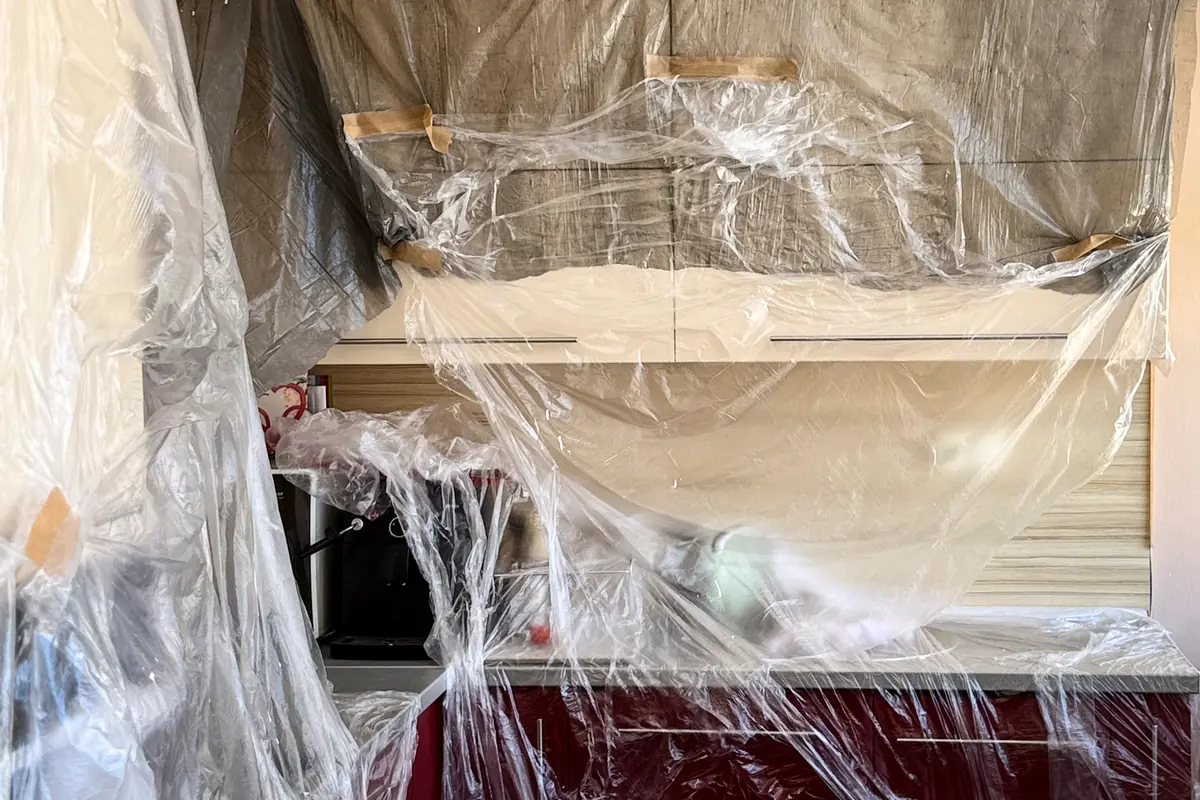
The construction clean is the right choice after drywall, sanding, flooring or a gut job. One more thing worth knowing: because dust keeps settling, some homeowners book a second, smaller clean once the last of it has come down, and that follow-up visit is booked separately.
When a deep clean is enough
Deep cleaning handles the aftermath of small, low-dust work: a fixture swap, new countertops, painting a single room with good containment. Three questions decide it:
- What work was done? Cutting, sanding and drywall send dust airborne; a fixture swap or painting done under drop cloths may not.
- How many rooms were affected? Dust travels; a one-room job with dust on faraway sills was not a one-room job.
- Did dust reach the vents? A film on vent covers or return grilles means the whole house needs the post-construction approach.
The deep clean can’t stand in after genuinely dusty work: it resets a home, but it isn’t built around construction dust that has migrated room to room. If your home also needs the reset, for example after months of living through a renovation, book both: post-construction first, then a deep or regular clean afterwards.
Before the cleaners arrive: waste, filters and air
The cleaning comes last in a sequence, and a few things need to happen first. Your contractor should clear debris, offcuts, tools and leftover materials before anyone starts detailing; cleaners work on the surfaces, not around a pile of drywall. In Toronto, that waste doesn’t go to the curb: the City’s Drop-Off Depots accept renovation waste such as baseboards, cabinets, doors, drywall and tiles, with fees applying, and drywall only at the Bermondsey, Ingram and Commissioners depots, or you can use a private disposal company (the City’s depot guide).
Dust control is a city matter too. The City of Toronto’s Dust Bylaw requires residential construction and landscaping to limit dust and its impact on neighbouring properties, with measures like wetting materials and tarping the source.
Then handle the air itself. Open windows or run exhaust fans to keep the home ventilated, and if the work was particularly dusty, Health Canada suggests changing the furnace filter and cleaning work clothes and shoes right after the job. For more on the air in a home that was just renovated, see improving air quality after a renovation. Timing matters: book the clean for after the last trade has left and before furniture and people move back, so freshly cleaned surfaces stay clean.
That sequence applies in any Toronto home, from a downtown condo tower to the older brick houses and side-splits of homes in Etobicoke, or any of the house cleaning across Toronto we do.
When to bring in help
Whether to do it yourself comes down to the size of the job, the tools you have (a HEPA vacuum makes a real difference) and your time. If the dust is everywhere, book cleaning after construction; for the smaller jobs, a deep clean is $259 before HST for a studio or 1-bedroom home under 600 sq ft, with larger sizes on the pricing page, and the post-construction price appears on the booking form. Call us at (647) 424-0355 with questions.
Frequently asked questions
Do I need a post-construction clean after replacing one bathroom?
Not always. A single-room job that made little dust can often be handled by wiping everything down with a damp cloth, working top to bottom and vacuuming last. If drywall was cut or sanded, or you can see a film of dust on vents, window sills and the tops of door frames in rooms beyond the bathroom, the dust has travelled and a post-construction clean is the safer fit.
Should I wipe again if dust is still settling a few days after the clean?
Yes, wipe again. Fine particles keep coming out of the air onto freshly cleaned surfaces, so a second pass with a damp microfibre cloth over the sills, ledges and vents a few days later catches the remainder. Washing curtains and bedding that were in the work zone also removes what the first pass missed.
Can I book the clean before my renovation is completely finished?
You can book ahead and adjust: free changes with 48 hours’ notice means you can hold a slot and move it if the trades run long. Aim for after the final work ends but before furniture and people move back in, and if small jobs are still planned, a follow-up clean can be booked separately.
What does a post-construction clean do that a regular clean doesn’t?
A regular clean keeps a lived-in home on top of everyday mess. A post-construction clean targets fine dust on high ledges, vents and new finishes, working from the top of each room down to the floors last. Paint & residue spot removal is a paid extra on post-renovation and post-construction cleans.
Who takes away the leftover drywall and flooring from my renovation?
Renovation waste is not collected at the curb in Toronto. The City’s Drop-Off Depots accept items like drywall, lumber, doors and tiles for a fee, with drywall limited to the Bermondsey, Ingram and Commissioners locations, or a private disposal company can take it. Your contractor usually handles this as part of the clear-out.