Moving Into a Toronto Rental: Check, Then Clean
On this page
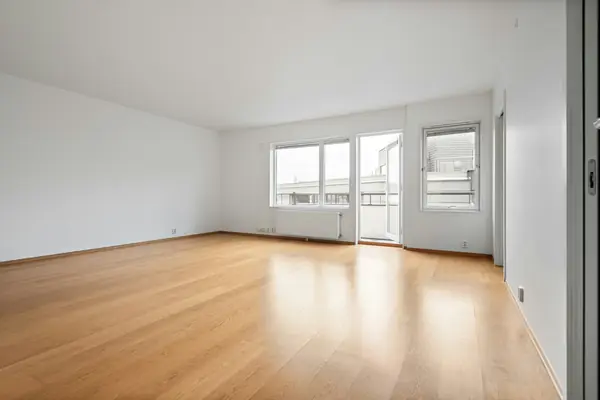
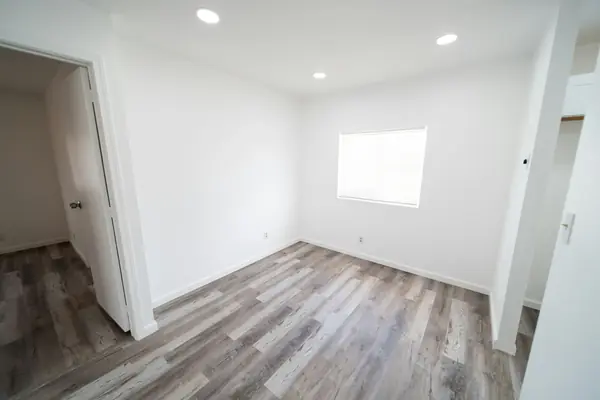
Before moving into a rental, walk through the empty unit, take photos and send a written repair list. Then clean storage spaces, kitchen and bathroom surfaces, and finally the floors before unpacking.
The first walk-through: what to look for
Walk every room before furniture or boxes come in. Start at the entrance and follow the same route through the unit, opening doors, checking windows and looking across walls and floors rather than heading straight to unpacking.
In her Business Insider interview, Lina DaSilva, founder of Toronto Shine Cleaning, identifies water damage and mould as the first and most common red flags, advising checks under the sink, behind the bathtub and inside closets, and for cracked or bubbling walls or uneven floorboards in the bathroom, laundry room and basement; she recommends a pocket torch for dark corners, flags stained carpets as possible signs of pests or water damage and cracked or missing caulk around windows and bathtubs as red flags, and says a musty smell can indicate water damage or pests, so ask for a full report on its origin.
Use that inspection advice to guide your route, checking the spaces you can see without dismantling anything. Record concerns for the landlord rather than treating them as cleaning jobs.
- Doors and windows: Open and close them, try the handles and locks, and note sticking, gaps or broken fittings.
- Walls and floors: Look along edges and corners as well as open surfaces. Record marks, lifting flooring and stained carpet.
- Taps, drains and toilet: Run the taps, watch how the drains empty and flush the toilet. Look inside the sink cabinet while checking it.
- Fans and appliances: Switch on the bathroom fan and range hood. Test every appliance using its instructions and note anything that does not work.
Keep a separate heading in your notes for each room. This makes it easier to match the issue to a photograph and explain exactly where it is.
Photograph it and report it before you unpack
Photograph every room before cleaning or unpacking. Take an overall view, then close-ups of existing marks, including scratches, chips and stains; photograph inside appliances and cupboards too. If you make a video, pause at each concern rather than sweeping past it.
Give each issue a plain description, such as “kitchen, cupboard beneath sink, stain on back panel.” Send the landlord a dated written list of repairs, attach the relevant pictures and keep a copy of the message and original files. Separate items needing repair from surfaces you simply intend to wipe, using the landlord rental preparation checklist to organise any questions about the handover.
The Government of Ontario’s Residential Tenancies Act requires the landlord to maintain the unit in a good state of repair, fit for habitation and compliant with health, safety, housing and maintenance standards, even if you knew about a problem before signing.
The City of Toronto’s renter information says landlords must fix things that break or do not work properly and get rid of pests, while tenants must fix damage they or their guests cause. Put those repair or pest concerns in the landlord’s list rather than folding them into your cleaning checklist.
The move-in clean, before the boxes
The Government of Ontario’s Residential Tenancies Act makes the tenant responsible for ordinary cleanliness, except where the tenancy agreement requires the landlord to clean. Keep that ongoing responsibility separate from the repair issues you have documented.
Gather cloths, a vacuum, mop and cleaners appropriate to the surfaces, checking product and appliance instructions before use. Work top down: reachable light fixtures and fans first, storage and counters next, floors last. Keep finished cupboards empty until their interiors are dry and ready for your belongings.
Kitchen
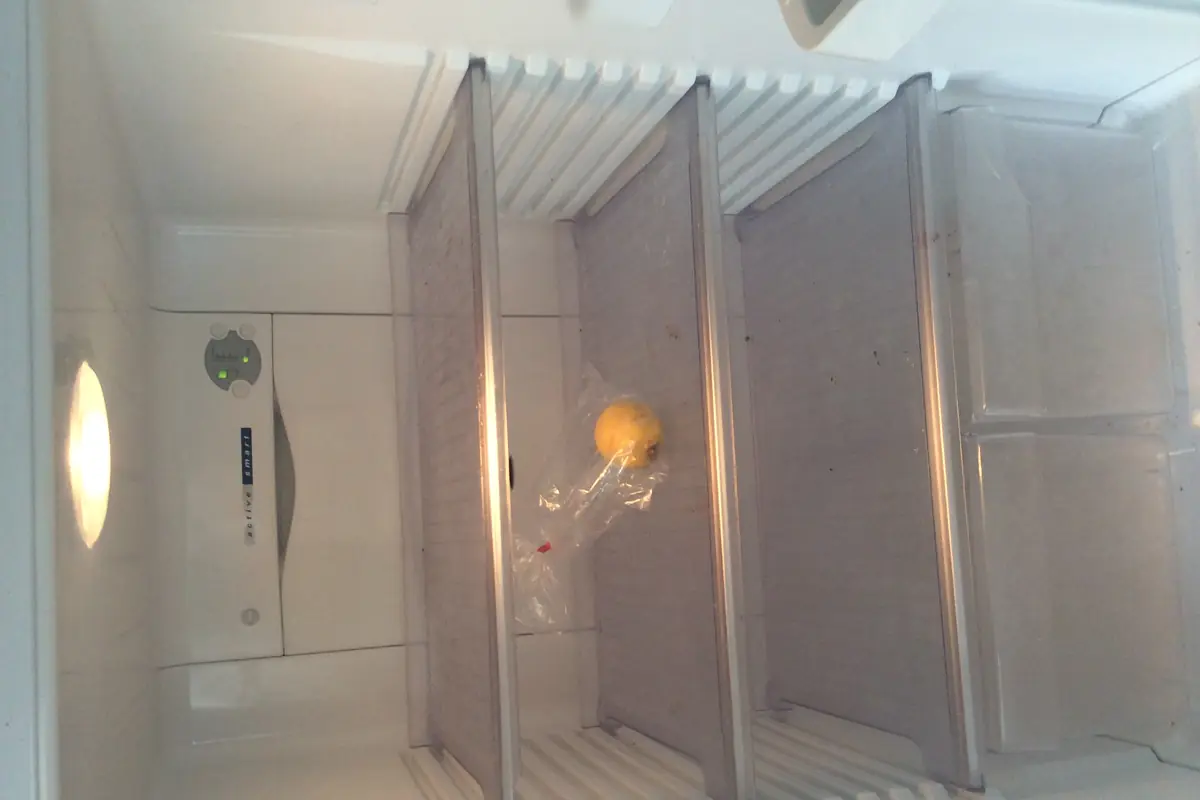
Clean inside the fridge, oven and cupboards before food and dishes go in, following this checklist:
- Fridge and freezer: Remove loose crumbs, wipe shelves, drawers and door compartments, and clean accessible seals according to the appliance instructions. Finish the inside before food goes in.
- Oven: Check its cleaning instructions before choosing a method. Clean the interior and removable parts as directed, then wipe the door and exterior controls.
- Cupboards and drawers: Vacuum loose debris from corners, wipe the interiors and handles, and check the back of each shelf before storing dishes.
- Counters, sink and range hood: Clear loose debris, clean the backsplash and counters, then the sink and taps. Follow the hood’s instructions for its surfaces and filter.
- Behind the stove: Clean the accessible floor behind it. If reaching that space requires moving or disconnecting the appliance, ask the landlord to arrange access.
Finish food-storage areas before unpacking groceries. Keep your inspection photos separate from any pictures you take to track cleaning progress.
Bathrooms
Clean the mirror, vanity shelves and sink before working down to the tub, shower glass and toilet. Wipe inside the vanity before putting toiletries away, including the corners around the plumbing.
Clean the toilet exterior and base as well as the bowl, and reach the floor edges behind it. Look at the caulk around the tub and shower as you go; add cracked or missing sections to your written report rather than trying to repair the seal yourself.
Closets, windows and floors
Wipe closet shelves and rods before hanging clothes. Vacuum loose debris from window tracks, then clean the accessible tracks, sills and interior glass with a method suitable for the finish.
Dust baseboards and wipe accessible vent covers without taking them apart. Work around door frames, handles and light switches before vacuuming floors, including room edges and closet corners. Mop suitable hard floors according to their care instructions, ending at the exit so you do not walk back over the finished area.
Toronto apartments, deposits and building rules
Keep your lease and payment records with your condition notes. Use separate headings for deposits, building information and repairs so questions about one do not obscure the others.
The City of Toronto’s renter and landlord information says a rent deposit can be up to one rental period’s rent and is used for your final month’s or week’s rent; a key deposit cannot exceed the key’s replacement cost, and charging a damage deposit or other additional charges is illegal. Compare the deposit descriptions in your paperwork with those categories and keep a record of what each payment is for.
For buildings in the program, the City of Toronto’s RentSafeTO owner requirements say landlords must tell new tenants about RentSafeTO and the building’s latest evaluation score and details when signing the lease; units cannot be rented with outstanding property standards orders or pests, and landlords must take measures to eliminate pests once aware of them.
Ask for the building information relevant to your unit, including move arrangements and any instructions for service-provider entry. Keep those instructions available when planning deliveries or a clean.
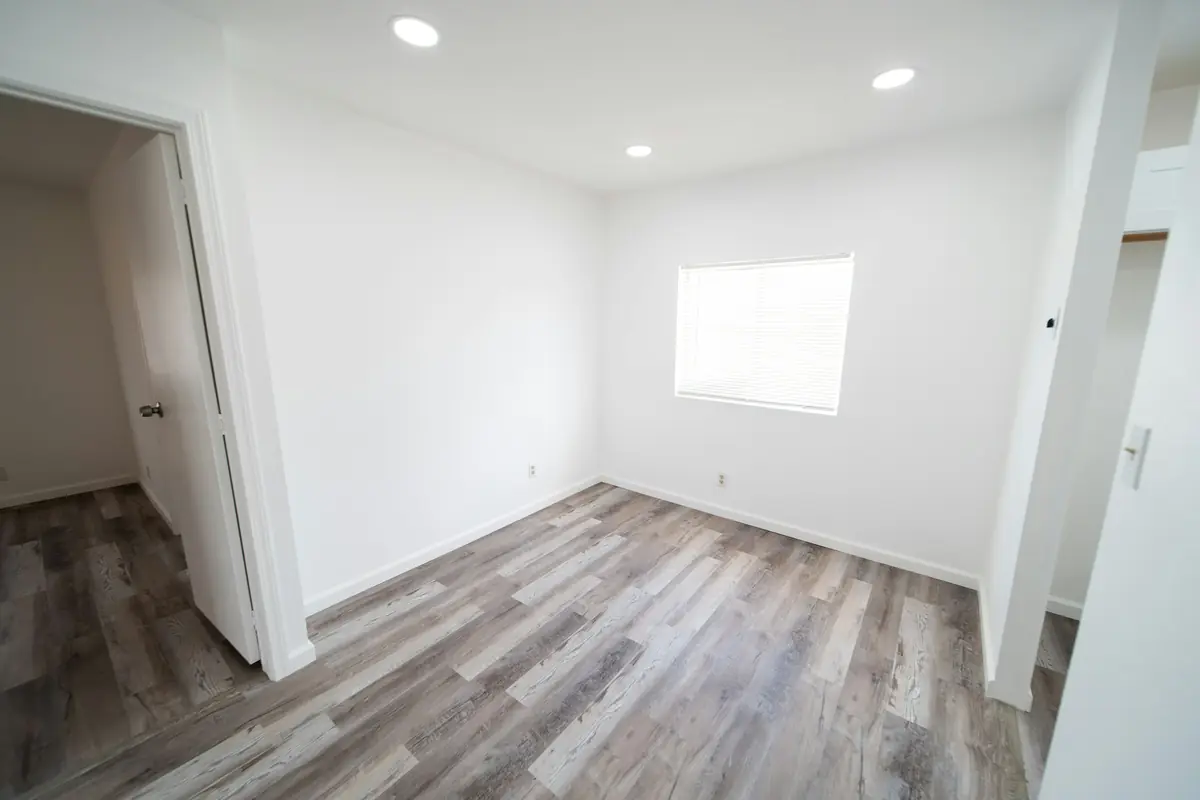
The mix of homes in Downtown Toronto includes rental high-rises and condo towers as well as row houses and lofts. Match your checklist to the actual layout: add a line for each closet, appliance and storage space rather than assuming the same room list fits every rental.
When to bring in help
Clean yourself if you can finish before furniture arrives; book help when that work competes with the move. Toronto Shine Cleaning’s move-in cleaning service covers an empty home’s kitchen, bathrooms, baseboards, vents and fans. Add your checklist to booking notes; inside appliances and cabinets are add-ons.
Move-in cleaning base rates:
- Move-in cleaning for Studio or 1 bedroom, 1 bath, under 600 sq ft: $224 before HST.
- Move-in cleaning for 2 bedrooms, 1 bath, 600 to 1,199 sq ft: $287 before HST.
- Move-in cleaning for 3 bedrooms, 2 baths, 1,200 to 1,999 sq ft: $367 before HST.
- Move-in cleaning for 4 bedrooms, 3 baths, 2,000 to 2,499 sq ft: $458 before HST.
Call (647) 424-0355.
Frequently asked questions
What should I keep together for rental move-in day?
Make a move-in folder with your lease, landlord’s contact details, inspection notes and appliance instructions. Add a simple room checklist you can mark as you go, and keep cleaning supplies separate from packed household goods so you can reach them without opening moving boxes.
How can I plan the first clean around furniture delivery?
Map furniture positions first, then keep those floor areas accessible until cleaning is finished. Set aside a landing area for deliveries rather than spreading boxes through every room, and label boxes by their destination so unpacking follows the rooms you have prepared.
How do I arrange cleaner entry during a move?
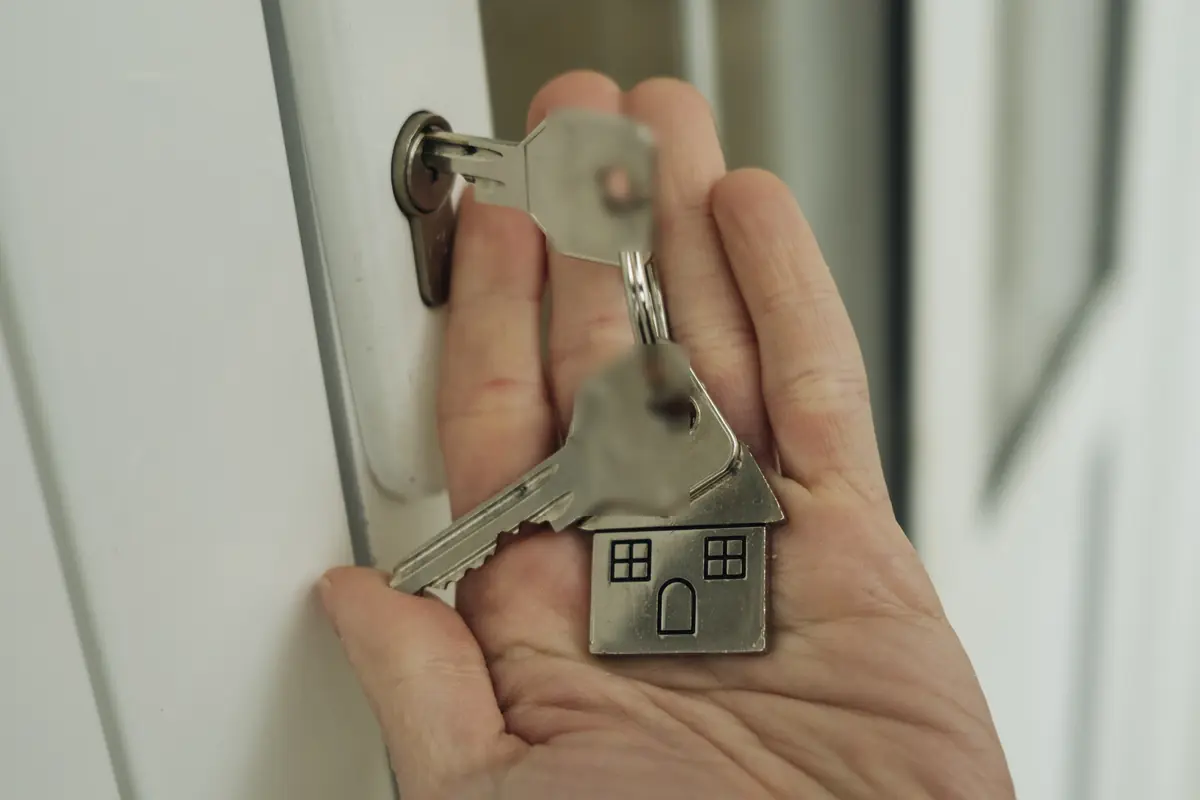
It’s up to you. Many clients are out: leave a key with your concierge or in a lockbox, add entry details to your booking notes, and tell us how to lock up.