5 Best Ways to Use a Kitchen Degreaser for Kitchen and Home Cleaning
On this page
- 1. Stovetops and Cooktops Need a Degreaser for Deep Cleaning
- 2. Use a Degreaser on Range Hoods and Filters
- 3. Degrease Kitchen Cabinets Without Damaging the Finish
- 4. Degreaser Works Great for Cleaning Trash Cans
- 5. Garage Floors and Utility Areas Benefit From a Strong Degreaser
- Let Toronto Shine Cleaning Handle the Dirty Work
Using a degreaser can seriously upgrade how you clean around the house—especially in the kitchen. Regular cleaners don’t always cut through layers of grease, but a degreaser is built to break it down fast. Whether you’re dealing with stovetop splatter, sticky cabinets, or greasy garage floors, knowing how to clean with a degreaser makes your job a whole lot easier. Here are five ways to use it right and get better results every time you clean.
1. Stovetops and Cooktops Need a Degreaser for Deep Cleaning
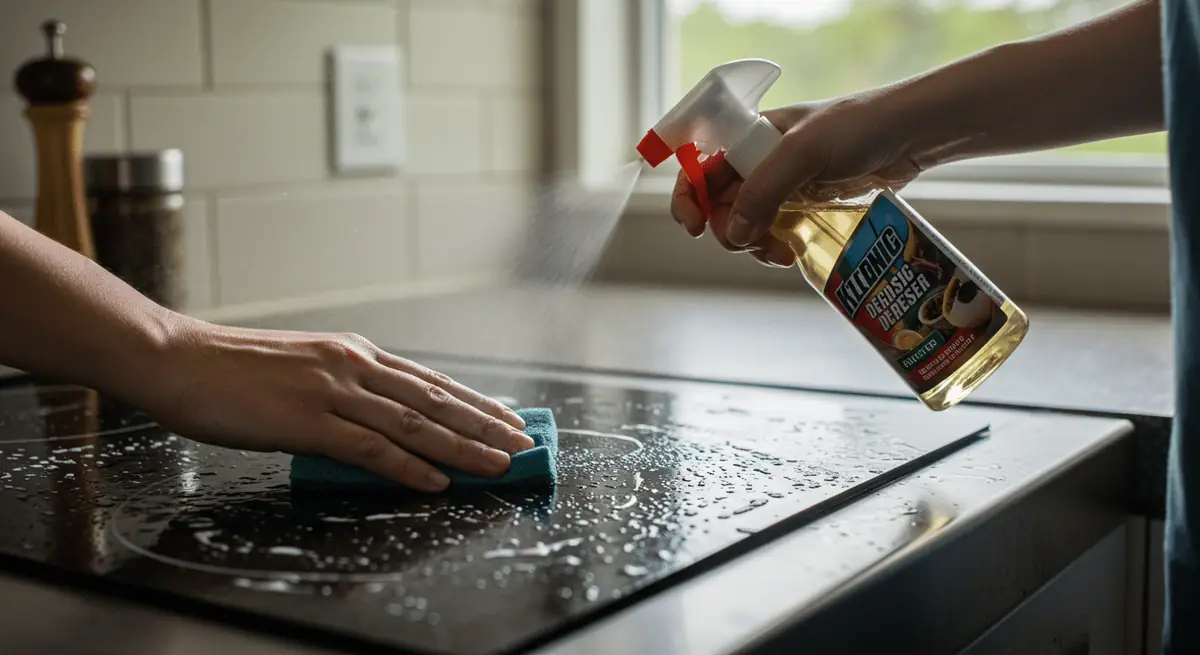
Stovetops collect everything from bubbling sauces to frying oil, and it doesn’t take long before they start looking grimy. Cleaning with a degreaser makes it easy to cut through thick grease. Spray the surface when it’s cool, let the product sit for a few minutes, and wipe it clean with a damp cloth. You’ll see a big difference right away.
To keep your stovetop looking fresh, you can make this part of your weekly kitchen cleaning routine. The key is to let the degreaser work before scrubbing. That “wait time” allows it to break down buildup so you don’t have to scrub hard or risk scratching the surface.
For gas stovetops, don’t forget to remove the burner grates and soak them in degreaser too. They often get overlooked but can build up the most grease. After everything is rinsed and dry, you’ll have a clean, smooth cooking surface ready for your next meal.
2. Use a Degreaser on Range Hoods and Filters
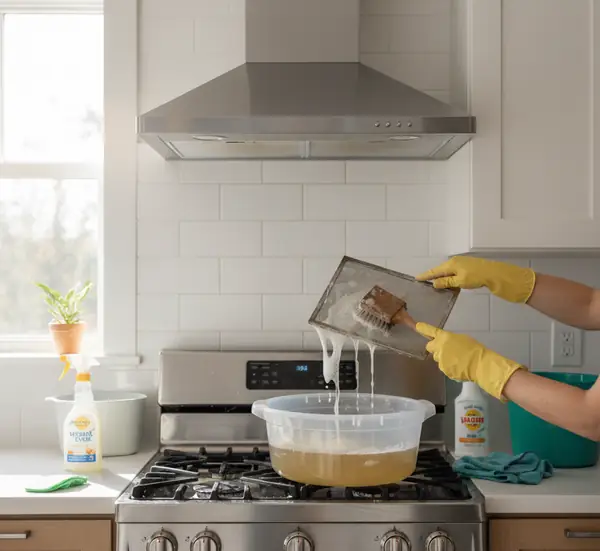
Range hoods are grease magnets—especially if you cook with oil often. Over time, steam and grease combine into a sticky mess that clings to the hood and clogs the filter. Cleaning with a degreaser helps remove that grime quickly and keeps your kitchen air cleaner. Spray the surface and use a cloth to wipe it down after 5 minutes.
If your hood has a metal filter, take it out and soak it in hot water mixed with a degreaser. Leave it in the sink for 10–15 minutes. Once the grease lifts, scrub it gently and rinse thoroughly before putting it back. You’ll be surprised how much better the fan works.
Not only does a clean range hood work more efficiently, but it also helps prevent lingering kitchen smells. Regular degreaser cleaning keeps the fan blades, motor cover, and light covers in better shape too. It’s one of those areas most people forget—until they can’t unsee the buildup!
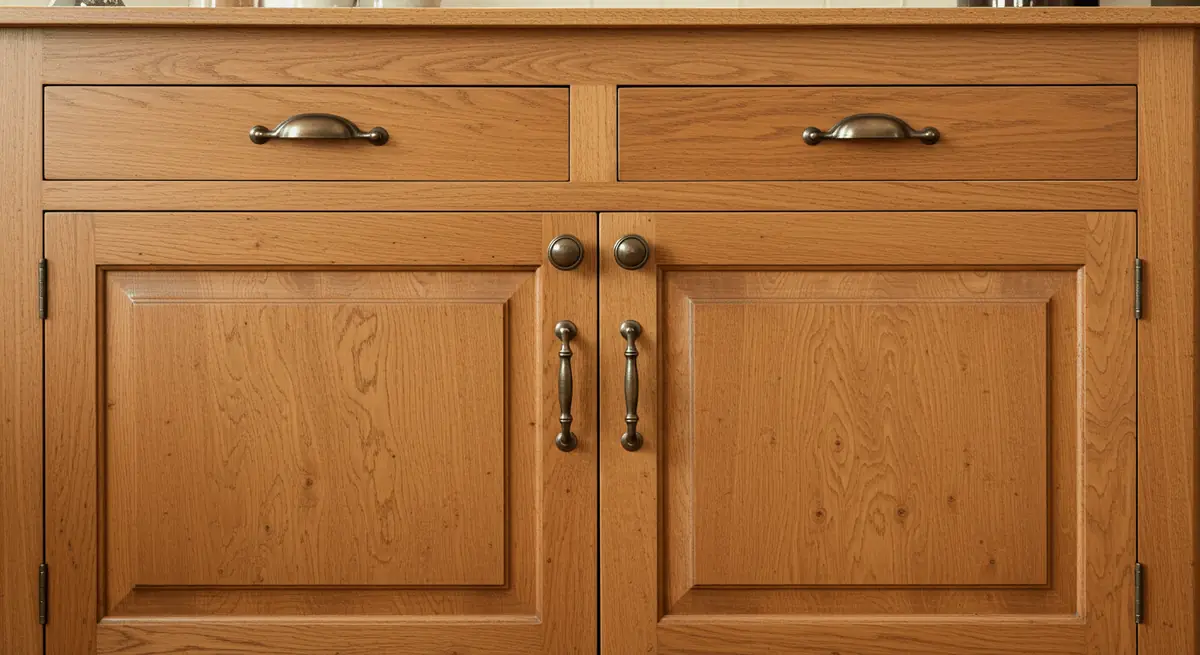
3. Degrease Kitchen Cabinets Without Damaging the Finish
Kitchen cabinets may look clean, but they often hold onto invisible grease from cooking and handling. Over time, cabinet doors can feel sticky or look dull. Cleaning with a degreaser is a simple fix. Spray a cloth—not the cabinet itself—and gently wipe along the surface. Rinse with a clean damp cloth afterward.
Always test the degreaser on a hidden spot first to avoid any damage. Some cabinet finishes are delicate, but most quality degreasers won’t harm the surface if you use the right amount and rinse it off. This quick step helps keep your kitchen looking well-kept and inviting.
Use this method especially around cabinet handles and above the stove where grease tends to collect. Even white cabinets, which show grime easily, can be cleaned this way without discoloring the surface. It’s one of the most satisfying degreaser cleaning jobs you can do in the kitchen.
4. Degreaser Works Great for Cleaning Trash Cans
Trash cans in the kitchen take a beating. Between spills, leaky bags, and everyday use, grease and grime can build up fast. Cleaning with a degreaser helps sanitize and remove stubborn stains. Spray the interior and exterior and let it sit for 10 minutes before scrubbing with a sponge or brush.
If your trash can has a lid or foot pedal, don’t forget those areas too. They get touched constantly and are easy to forget during quick cleanups. A good degreaser dissolves the gunk in no time, making the can smell better and look new again.
Rinse the trash can thoroughly and let it dry before using it again. Doing this once a week can prevent bacteria, odors, and that annoying sticky feeling around the rim. It’s a small task that makes your kitchen feel cleaner overall, and a degreaser really does most of the heavy lifting.
5. Garage Floors and Utility Areas Benefit From a Strong Degreaser
If you’ve got a garage, laundry area, or utility space with oil stains or greasy footprints, this is the perfect place to use a degreaser. These spots get dirty quickly, and regular floor cleaners won’t always do the trick. Spray the degreaser over the affected area, wait at least 10 minutes, then scrub and rinse.
For tougher stains, you might need to repeat the process, but the degreaser will loosen up the grime way better than soap alone. It works great on concrete, tile, or sealed floors. Just make sure to ventilate the area if you’re working inside.
After rinsing, you’ll notice the surface not only looks cleaner but also feels safer—less slippery and sticky. Keeping these utility spaces clean with a degreaser cuts down on tracking grease back into your home. It’s a quick task with big results, especially if you have kids or pets running in and out.

Let Toronto Shine Cleaning Handle the Dirty Work
Between tougher degreasing jobs, a regular cleaning service can help with the everyday kitchen mess.
Using a degreaser is a smart way to keep your kitchen and home clean, but let’s be real—sometimes there just isn’t enough time in the day. That’s where Toronto Shine Cleaning comes in. We know the best degreaser cleaning methods and bring all the right products to get your home spotless without the stress.
Whether it’s greasy kitchen cabinets, a grimy garage floor, or a range hood that hasn’t been touched in months, our team knows how to clean it right. Don’t waste hours scrubbing—book Toronto Shine Cleaning today and enjoy a fresher, cleaner home without lifting a finger.