6 Tricks to Get Rid of Kitchen Smells After Cooking

On this page
- 1. Ventilate Right Away to Stop Kitchen Smells from Settling
- 2. Boil Lemon Peels and Cinnamon Sticks After Cooking
- 3. Take Out the Garbage and Food Scraps Right Away
- 4. Wipe Down Counters and Stovetops Immediately
- 5. Use Coffee Grounds or Baking Soda to Absorb Kitchen Smells
- 6. Clean Out Your Sink and Garbage Disposal
- Conclusion: Let Toronto Shine Cleaning Handle the Tough Kitchen Smells
Cooking at home is awesome—until the smell of last night’s dinner hangs around like an uninvited guest. If you’re wondering how to get rid of kitchen smells after cooking, you’re not alone. Whether it’s fish, garlic, or fried food, certain kitchen smells love to linger. But don’t worry—we’ve got six easy tricks to freshen up your kitchen fast.
1. Ventilate Right Away to Stop Kitchen Smells from Settling
Proper ventilation is the first step to keep kitchen smells under control. Always turn on your range hood or fan before you even start cooking. This helps direct steam, grease, and food particles out of your home before they can settle onto cabinets, curtains, and other surfaces. The sooner you start ventilating, the better.
If you don’t have a range hood or a powerful fan, crack open a few windows to get air circulating. You can even place a box fan near a window to push the cooking air outside. Cross-ventilation is a simple way to flush out unwanted kitchen smells while you’re still cooking.
After you’re done, leave the fan or windows open for a bit longer. This helps clear out any lingering kitchen smells that didn’t escape during the cooking process. It may seem like a small step, but it makes a big difference in how your kitchen smells later.
2. Boil Lemon Peels and Cinnamon Sticks After Cooking
Want to replace bad kitchen smells with something fresh? Boiling lemon peels and cinnamon sticks is a quick and natural way to do it. Just fill a pot with water, add the peels and cinnamon, and let it simmer on low heat for 10–20 minutes. It works like a natural air freshener without any synthetic fragrances.
This method doesn’t just mask kitchen smells—it helps neutralize them. The natural oils from lemon and cinnamon break down lingering odors in the air, making your space smell clean and cozy. It’s a great little trick to have up your sleeve, especially after cooking fish, onions, or anything fried that causes strong kitchen smells.
You can even try adding cloves or orange peels for a different scent. This trick is easy, budget-friendly, and chemical-free, which makes it perfect for everyday use. Plus, your kitchen ends up smelling like a cozy bakery instead of last night’s stir-fry.

3. Take Out the Garbage and Food Scraps Right Away
The trash can is one of the biggest reasons kitchen smells hang around. After you cook, especially if you’ve used meat or dairy, make sure to toss all scraps and food packaging right away. Don’t leave them sitting overnight—they’ll stink up the place fast.
Even if your trash doesn’t look full, it might be holding onto a lot of hidden kitchen smells. It’s always a good idea to tie the bag up and take it outside after a big cooking session. You’ll notice the difference almost immediately, especially if you cook with strong spices or oils.
Also, don’t forget about compost bins or food waste containers. These can build up kitchen smells just as quickly. Rinse them out regularly and use liners when possible to prevent odors from soaking into the plastic. Clean bins mean a fresher kitchen.
4. Wipe Down Counters and Stovetops Immediately
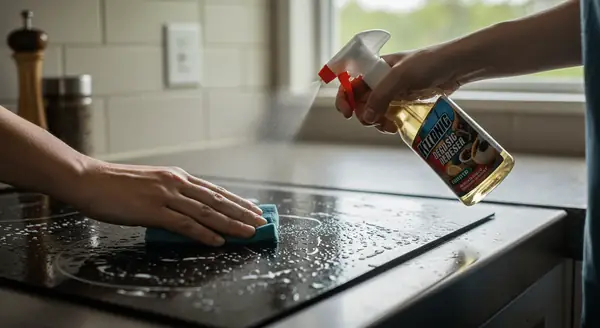
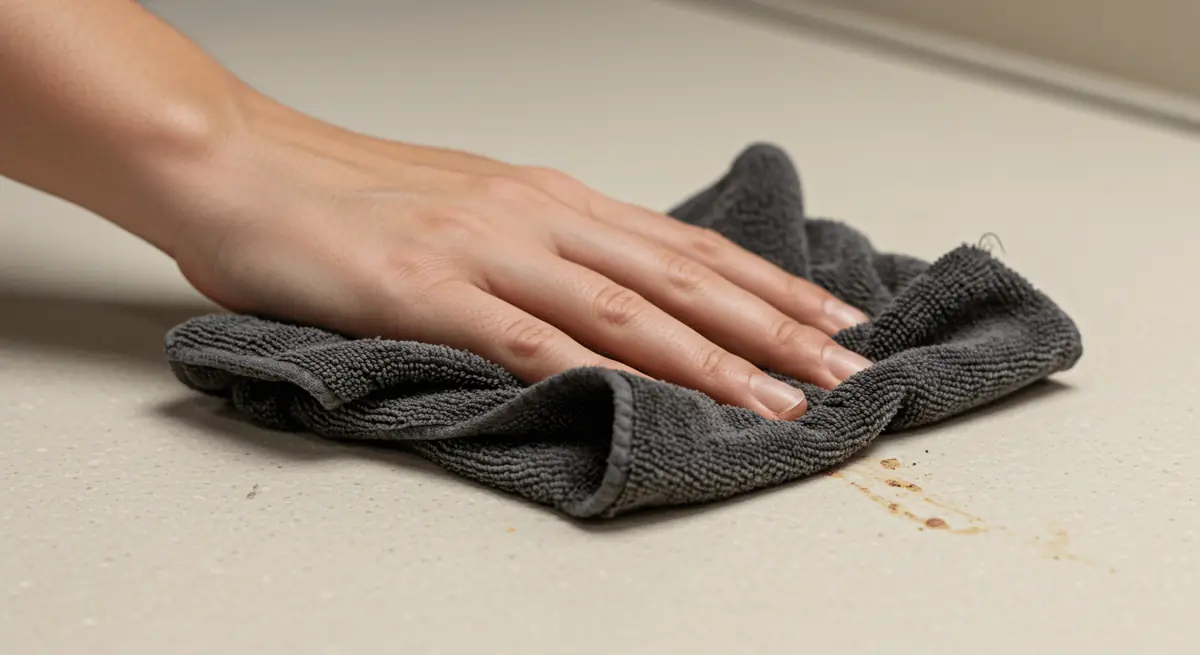
Grease and food splatter love to cling to your counters and stove. After you’re done cooking, take a couple of minutes to wipe everything down with a good all-purpose cleaner. This stops kitchen smells from settling into sticky surfaces and keeps things looking fresh too.
Make sure to get into corners, behind knobs, and under burners. These areas tend to trap tiny bits of food and oil, which can start to smell if not cleaned up right away. A quick wipe now saves you from dealing with lingering kitchen smells later.
Don’t forget your backsplash, microwave exterior, and even cupboard handles. Kitchen smells don’t just come from what’s in the air—they stick to every surface. The more you clean up immediately, the less your kitchen will smell hours later.
5. Use Coffee Grounds or Baking Soda to Absorb Kitchen Smells
Both coffee grounds and baking soda are excellent at absorbing kitchen smells. Just place a bowl of either one on the counter overnight after cooking a strong-smelling meal. By morning, most of the lingering odor will be gone or drastically reduced.
Coffee grounds work well because they contain nitrogen, which helps neutralize kitchen smells in the air. Baking soda is also highly effective because it traps odor molecules. You can even sprinkle some in your garbage can or near your sink for extra freshness.
Make sure not to mix baking soda with vinegar, though. That combo might look foamy, but it stops working once the fizz is over. Stick to dry methods like coffee or plain baking soda for best results, especially when you’re dealing with strong kitchen smells.
6. Clean Out Your Sink and Garbage Disposal
Your sink might look clean, but food particles can hide in the drain and garbage disposal, causing stubborn kitchen smells. After cooking, give your sink a quick rinse and scrub it down with dish soap. Pay attention to the edges and the drain opening.
For your garbage disposal, toss in a few ice cubes and lemon peels, then run it for 30 seconds. The ice helps knock off stuck-on bits inside the disposal, and the lemon peels leave a fresh scent behind. It’s simple, but super effective at fighting kitchen smells.
Do this at least a few times a week, especially if you cook often. A clean drain and disposal can go a long way in keeping your entire kitchen smelling fresh. Kitchen smells can build up in places you can’t see, so regular maintenance is key.

Conclusion: Let Toronto Shine Cleaning Handle the Tough Kitchen Smells
Keeping your kitchen smelling fresh can feel like a full-time job, especially if you’re cooking every day. While these tips definitely help, sometimes you need a deeper clean to get rid of stubborn kitchen smells for good. That’s where we come in.
At Toronto Shine Cleaning, we take care of all the details—from deep-cleaning your kitchen surfaces to tackling those hard-to-reach spots you don’t have time for. We use safe, effective products that actually work, and we leave your home smelling fresh every time.
Ready for a kitchen that looks and smells amazing? Book your professional cleaning with Toronto Shine Cleaning today. We’re here to make your life easier and your home cleaner—so you can spend more time cooking and less time scrubbing away kitchen smells.