Does Indoor Air Quality Affect Your Health? How to Improve Your Home’s Indoor Air Quality

On this page
The Air Inside May Be Dirtier Than You Think
Air pollution conjures images of smog and smokestacks, yet the air inside your home can be as polluted as outdoor air, sometimes worse. Carpets, pets, candles, cleaners, and even fresh paint all feed pollutants into the rooms where you sleep and eat. Understanding what floats through your indoor air, and what quietly does damage, is the first honest step toward breathing better at home.
Why Indoor Air Quality Matters for Your Health
Hidden pollutants in plain sight
Your cozy living room hosts a quiet cast of airborne troublemakers. Dust mites flourish in bedding, upholstered furniture, and carpets. Pet dander from beloved animals circulates freely and provokes allergy symptoms. Mold colonizes bathrooms and kitchens wherever moisture lingers, releasing spores that irritate the respiratory system. And volatile organic compounds, or VOCs, given off by paints, finishes, and scented products, evaporate at room temperature and have been linked to headaches, dizziness, and other problems.
A round the clock exposure
Toronto winters and summers keep us indoors for most of the year, so every waking and sleeping hour is an hour of breathing whatever your indoor air contains. For allergy and asthma sufferers, that constant exposure can mean symptoms that never fully let up, while everyone else may absorb a slow, unnoticed toll. The CDC asthma resources explain how indoor triggers such as dust mites, pet dander, and mold factor into asthma attacks and how reducing them eases daily life.
The long term account
Poor indoor air rarely announces itself immediately. Years of consistent exposure can worsen respiratory conditions, contribute to chronic respiratory disease, and, as research suggests, even affect cardiovascular health. The air in your home is quietly booking charges against your lungs and heart.
Let Fresh Air In
Opening windows remains the simplest upgrade available: fresh outdoor air dilutes and displaces pollen, dust, and chemical residues trapped indoors. Pair it with exhaust fans in kitchens and bathrooms, the two humidity and odor hotspots of any house. Cooking releases particles and gases worth ejecting quickly, and steamy bathrooms invite mold and mildew, so running the fan during meals and hot showers cuts moisture and removes harmful cooking byproducts before they settle. The combination costs almost nothing and changes how your rooms feel within an afternoon.
Clean in a Way That Helps the Air
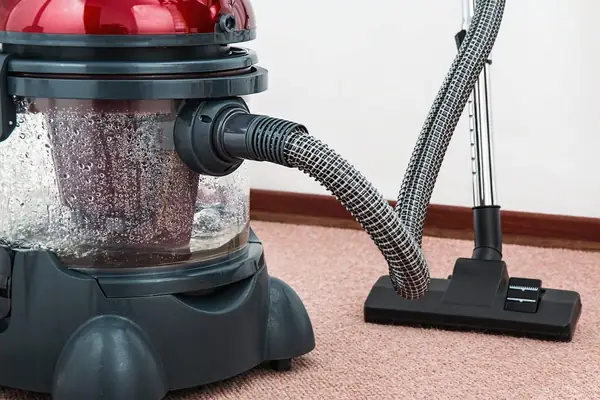
Cleaning is not only cosmetic; it is air management. Dust carries pet dander, pollen, and dust mite debris, all classic allergy triggers, so regular dusting and vacuuming pull them out before they resuspend. A quality vacuum, preferably fitted with a HEPA filter, matters because fine particles pass straight through weaker machines and blast back into the room. Vacuum carpets, rugs, and upholstery consistently to keep the allergen load low.
Your product choice shapes air quality too. Many conventional cleaners release VOCs with every spray, so switching to natural, non toxic options protects the very air you are trying to clean. A vinegar, baking soda, and lemon juice rotation handles most household jobs safely. Health Canada’s page on household chemical safety offers practical guidance on reading labels, ventilating while you clean, and storing products properly.
Green It Up, Mind Your Moisture
Plants such as spider plants and peace lilies absorb common indoor pollutants, including formaldehyde, benzene, and trichloroethylene, through their leaves and roots, and they photosynthesize away carbon dioxide while releasing oxygen along the way. Both species shrug at neglect, making them realistic companions for busy households rather than guilt trips in pots.
Moisture control does the heavier lifting. Dehumidifiers extract excess water from the air, denying mold the damp it needs and making life uncomfortable for dust mites as a bonus, especially in basements, laundry rooms, and bathrooms. Equally critical is fixing leaks the day you find them, whether from pipes, roofs, or window seals, because a small unchecked drip matures into a full mold problem and structural damage.
Filter, Purify, and Renovate Wisely
Your HVAC system circulates all your indoor air through its filters, where dust, pollen, and dander collect until the filter clogs and effectiveness collapses. Swapping filters on schedule keeps captured pollution out of your lungs. Air purifiers add a second line of defense: units with HEPA filters scrub microscopic particles from the air they cycle, and they earn their keep in bedrooms, where sleep hours add up, and in high traffic living areas.
Renovations deserve forethought as well. Traditional paints, adhesives, and finishes off gas VOCs for a long time after the work ends. Choosing low VOC products preserves your indoor environment, and ventilating during the project, with doors and windows open and fans pushing air outward, plus continued airflow afterward, minimizes your exposure while materials cure.
Your Indoor Air Action Plan
| Pollutant or Trigger | Where It Hides | What To Do |
|---|---|---|
| Dust mites | Bedding, upholstery, carpets | Weekly HEPA vacuuming and dusting |
| Pet dander | Furniture, soft furnishings, airborne | Regular vacuuming plus purifiers in bedrooms |
| Mold spores | Bathrooms, kitchens, leak sites, basements | Exhaust fans, dehumidifiers, prompt leak repair |
| VOCs | Paints, finishes, conventional cleaners | Low VOC products, natural cleaners, ventilation |
| Cooking fumes | Kitchen air and surfaces | Run the exhaust fan whenever you cook |
Small habits keep the air honest between deep cleans:
- Open windows on opposite sides for ten minutes a day
- Run exhaust fans while cooking and showering
- Vacuum carpets and upholstery weekly with a HEPA filter
- Dust with a damp cloth so particles do not resuspend
- Check HVAC filters monthly during heating season
Frequently Asked Questions
How often should HVAC filters be changed?
Check monthly and change at least every few months, more often with pets or during heavy heating and cooling seasons. A clogged filter both stops trapping particles and strains your system.
Do houseplants really purify air?
Plants such as spider plants and peace lilies absorb pollutants like formaldehyde, benzene, and trichloroethylene through leaves and roots, and they add oxygen through photosynthesis. They help, though they work slowly, so treat them as a pleasant supplement to ventilation and filtration rather than a replacement.
What humidity level discourages mold and dust mites?
Keeping indoor air drier with dehumidifiers in naturally damp spaces such as basements, laundry rooms, and bathrooms makes your home inhospitable to both, and it is the single cheapest insurance policy against mold.
Can cleaning alone meaningfully improve my air?
Cleaning removes the reservoirs that continuously re-pollute your air, so it is foundational. Pairing a deep clean to reset accumulated dust and grime with ongoing regular cleaning keeps the load permanently low, a combination Toronto clients across the city rely on, as our locations page shows.
Breathe Easier Starting Today
Ventilate, clean with gentler products, filter and purify, control moisture, choose low VOC materials, and let a couple of spider plants earn their space on the shelf. Layered together, these habits transform your home into a genuinely healthier place to live. Toronto Shine Cleaning can handle the deep work for you, and we are one call away at (647) 424-0355.