Clothes Cleaning

Sodium Percarbonate

6 Genius Ways to Use Sodium Percarbonate in Your Cleaning Routine

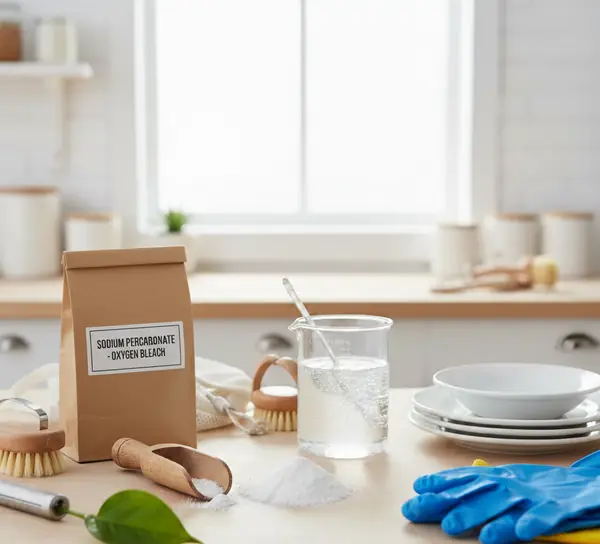
What is Sodium Percarbonate? In the realm of household cleaning, there exists a quiet, unassuming white powder that possesses a truly remarkable power to whiten, brighten, and remove stubborn organic stains. It is not chlorine bleach, with its harsh, corrosive nature and toxic fumes. It is sodium percarbonate, a compound that, when introduced to water, performs a simple and elegant act of chemistry, releasing the cleaning and brightening power of oxygen. This is the ingredient behind the products often marketed as “oxygen bleach,” and understanding its properties unlocks a versatile, effective, and significantly safer way to tackle some of the most persistent cleaning challenges in a home. What is Sodium Percarbonate? At its core, sodium percarbonate is a solid, granulated form of hydrogen peroxide, stabilized with sodium carbonate, also known as soda ash or washing soda. In its dry, powdered state, it is completely inert. The magic begins when it is dissolved in water, particularly hot water. The heat and moisture act as a catalyst, breaking the compound down into its two components: hydrogen peroxide and sodium carbonate. The sodium carbonate is a powerful water softener and cleaning agent in its own right, helping to break down grease and oils. The hydrogen peroxide is where the “oxygen bleach” action comes from. It works as a powerful oxidizer. This means it chemically breaks down the molecules that give organic stains—like coffee, tea, red wine, grass, and blood—their color, effectively making them colorless and allowing them to be easily washed away. Unlike chlorine bleach, which can damage fabric fibers and cause yellowing over time, this process is far gentler on most textiles while being incredibly tough on stains. 1.Whitening The most common and celebrated application for sodium percarbonate is in the laundry room. It is a true champion for restoring dingy whites and brightening light-colored fabrics that have become dull and lifeless. For a general whitening and brightening boost, you can simply add two to three tablespoons of the powder directly to the drum of your washing machine along with your regular detergent. For this method to be most effective, you must use a warm or, preferably, hot water cycle. The heat is essential for fully activating the compound and releasing the maximum amount of oxygen. 2.Stubborn Stain For more targeted and stubborn stain removal, the pre-soak method is unparalleled. This is where the true power of oxygen bleach is revealed. To pre-soak a stained garment, dissolve one to two tablespoons of sodium percarbonate for every gallon of the hottest water the fabric can safely tolerate. It is crucial to dissolve the powder completely in the hot water before adding the garment. Submerge the stained item in this solution and let it soak. The required dwell time can range from one hour for lighter stains to a full eight hours, or even overnight, for deeply set-in, stubborn stains. You will often see the water change color as the stain is lifted from the fabric. After the soak, simply remove the garment, wring it out gently, and launder it as you normally would. This method is incredibly effective for rescuing stained baby clothes, yellowed pillowcases, and dingy dish towels, restoring them to a brightness that regular washing alone cannot achieve. 3.Ceramic and Teacups The wonders of sodium percarbonate extend far beyond the laundry room and into the kitchen, where it can tackle a host of stained and grimy surfaces. One of its most satisfying uses is on ceramic mugs and teacups that have developed a stubborn brown film from years of coffee and tea. To restore them, place one to two teaspoons of the powder in the bottom of the stained mug, then carefully fill it with boiling water. The solution will begin to fizz gently as the oxygen is released. Let it sit for at least thirty minutes. When you pour it out, the brown stains will have vanished, leaving the interior sparkling clean with no scrubbing required. 4.Kitchen Items This same principle can be applied to other kitchen items. Stained plastic cutting boards can be revived by making a paste of sodium percarbonate and a little hot water. Scrub this paste into the surface, let it sit for twenty minutes, and then rinse it clean. It will lift stains from things like berries and tomato sauce while also deodorizing the board. For burnt-on food on stainless steel or ceramic bakeware, a long soak is the answer. Place the dish in a sink, sprinkle it liberally with the powder, and carefully fill it with boiling water. Let it soak for several hours, and the carbonized food that once required intense scraping will soften and lift away with ease. It can also be used to clean and de-gunk the inside of a stained thermos or coffee carafe, following the same soak-and-rinse method as for mugs. 5.Tile Grout In the bathroom, sodium percarbonate is an excellent tool for deep cleaning tile grout. Grout, being porous, easily absorbs soap scum, dirt, and mildew, leading to discoloration. To clean it, create a thick paste of sodium percarbonate and hot water. Apply this paste directly to the grout lines with an old toothbrush or a small brush. Let it sit and work for at least thirty minutes, keeping it moist by occasionally spritzing it with a little water if needed. After the dwell time, scrub the grout lines vigorously with the brush and then rinse the entire area thoroughly with clean water. The oxidizing action will lift the grime from the pores of the grout, leaving it visibly lighter and cleaner. This method is also fantastic for cleaning and whitening shower curtains that have developed mildew spots. A long soak in a hot solution of sodium percarbonate in a tub or large basin can restore them completely. 6.Mildew, Moss, and Algae The power of this compound is not confined to the indoors. It is a highly effective and environmentally friendly cleaner for outdoor surfaces as well, particularly for removing mildew, moss, and algae from wooden decks,

6 Genius Ways to Use Sodium Percarbonate in Your Cleaning Routine Read More »

Remove Nail Polish from Any Surface

6 Tips How to Remove Nail Polish from Any Surface

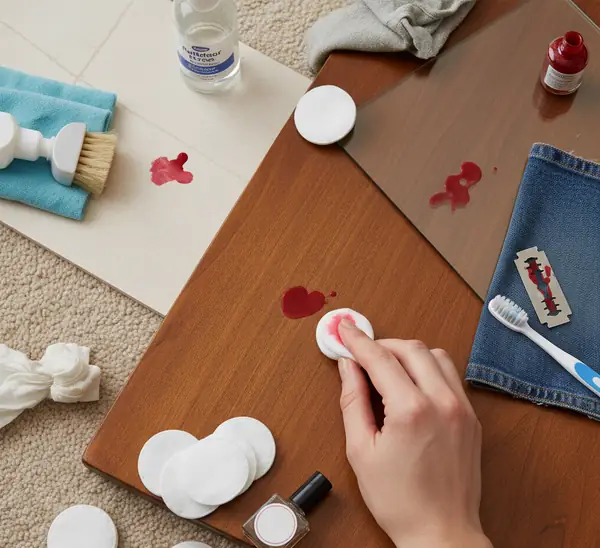
A spilled bottle of nail polish is a moment of pure, heart-stopping panic. That small bottle contains a viscous, intensely pigmented lacquer designed to be durable, hard, and resistant to chipping—all the properties that make it a formidable and terrifying opponent when it lands on your carpet, your wooden floor, or your favorite piece of clothing. Removing a nail polish stain is not like treating a simple food or drink spill; it is a delicate chemical operation that requires patience, precision, and a clear understanding of the interaction between the solvent and the surface. Acting rashly with the wrong product or technique can spread the stain, dissolve the material underneath, and turn a small accident into a permanent disaster. Be Quick Before attempting any removal, there are several golden rules that must be observed. The first and most critical is to act as quickly as is safely possible. Wet nail polish is significantly easier to deal with than polish that has dried and hardened, bonding to the fibers of a fabric or the finish of a floor. Second, your instinct will be to scrub, but you must resist. The correct technique is always to blot, not rub. Rubbing or wiping a wet spill will only smear the polish over a larger area, pushing it deeper into the material and making the problem exponentially worse. Third, regardless of the surface, you must always perform a spot test with your chosen cleaning agent on a hidden, inconspicuous area first. The solvents powerful enough to dissolve nail polish are also powerful enough to dissolve dyes, finishes, and even the fibers of the material itself. Testing on the inside of a hem, a patch of carpet inside a closet, or the underside of a piece of furniture is a non-negotiable step that can save you from irreversible damage. Finally, ensure you are working in a well-ventilated area. Nail polish removers, particularly those containing acetone, produce strong fumes that can be irritating and flammable. The primary weapon in this battle is nail polish remover itself, but it comes in two main forms: acetone-based and non-acetone. Acetone is a powerful, aggressive solvent that is highly effective at dissolving polish quickly. However, it is also highly destructive to many surfaces, including certain plastics, synthetic fabrics like acetate, and virtually all wood finishes. Non-acetone removers are gentler and safer for a wider range of materials, but they work more slowly and may not be powerful enough for a heavy, set-in stain. The wise approach is to always begin with the gentlest method—a non-acetone remover—and only escalate to acetone if necessary, and only after a successful spot test. Surfaces 1.Porous and Delicate Let us begin with the most challenging scenarios: porous and delicate surfaces. If you spill nail polish on a wooden floor or piece of furniture, your first instinct must be to keep the acetone bottle far away. Acetone will strip the lacquer, varnish, or polyurethane finish from wood almost instantly, leaving a permanent, cloudy scar that will require professional refinishing to repair. The correct approach here is a careful and methodical one. If the polish is still wet, gently dab at the very center of the spill with a paper towel to absorb the excess, being extremely careful not to spread the puddle. For dried polish, do not scrape with a metal tool, which will scratch the wood. Instead, try a gentler solvent. Denatured alcohol is a good option. Apply a small amount to a cotton swab and gently dab at the polish, working from the outside edges of the stain inward. You should see the polish begin to dissolve and transfer to the swab. A surprising but effective alternative is aerosol hairspray, which contains solvents that can break down the lacquer. Spray a small amount onto the stain, let it sit for twenty to thirty seconds, and then gently wipe it away with a soft cloth. After using any solvent, you must immediately clean the area with a cloth dampened with a mild soap and water solution to neutralize the solvent, then wipe it completely dry. 2.Carpets Carpet is another common victim of nail polish spills and requires a multi-step, patient approach. First, if the spill is wet, use a spoon or the dull edge of a butter knife to gently scoop up as much of the excess polish as possible. Then, blot the remaining stain with a clean, dry paper towel. Next, begin the solvent treatment. Start with a non-acetone remover. It is crucial that you never pour the remover directly onto the carpet, as this will soak through to the backing and can dissolve the latex that holds the carpet together. Instead, apply a small amount of the remover to a clean, white cloth. Dab the stain with this cloth, again, working from the outside in to prevent the stain from spreading. As the polish transfers to your cloth, continuously move to a clean section of the cloth to avoid redepositing the stain. You will need to repeat this blotting process many times. If the non-acetone remover is not working, you can escalate to acetone, but only after you have tested it on a hidden piece of carpet to ensure it does not cause discoloration or melt the fibers. Once the polish has been lifted, the job is not done. You must now remove the solvent from the carpet fibers. To do this, blot the area with a new cloth dampened with plain, cool water. At the end, clean the spot with a solution of a few drops of clear, non-bleach dish soap mixed in a cup of water to remove any lingering residue from both the polish and the remover. Finish with a final “rinse” by blotting with a water-dampened cloth, and then dry the area by piling a thick stack of clean, dry paper towels on the spot and weighing them down with something heavy for several hours to wick all the moisture out of the carpet and padding. 3.Upholstery The

6 Tips How to Remove Nail Polish from Any Surface Read More »

hot water for cleaning

A Water Temperature Guide: Never Wash These 7 Things in Hot Water

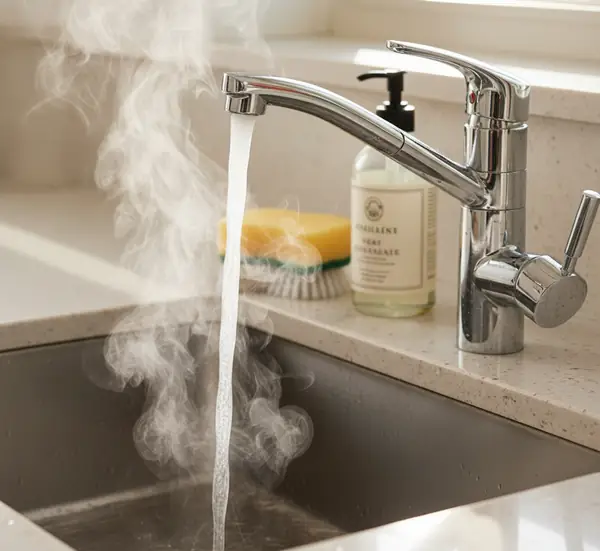
Water temperature is one of the most powerful variables in any cleaning process, acting as a silent catalyst that can either make a task infinitely easier or cause irreversible damage. In both laundry and household cleaning, the choice between hot, warm, and cold water is often made out of habit rather than a deliberate understanding of the science involved. Hot water is frequently associated with a superior clean, credited with the ability to dissolve grease, kill bacteria, and blast away stubborn grime. While this is true in many scenarios, heat is also a highly reactive force that can set stains permanently, shrink delicate fabrics, warp plastics, and ruin expensive flooring. Mastering the proper application of hot water requires understanding the chemical and physical properties of the materials you are cleaning, ensuring you harness the power of heat effectively without causing harm. Aggressive To understand what can and cannot be washed with hot water, it is helpful to look at the molecular level. Hot water possesses significantly more kinetic energy than cold water. Its molecules are moving faster and more aggressively, which allows it to more effectively agitate and break down the bonds holding dirt and oils to a surface. Heat acts as a solvent accelerator, increasing the rate at which detergents dissolve and chemical reactions take place. This increased energy is what makes so effective at melting fats and oils, which is a cornerstone of cleaning in the kitchen and on heavily soiled fabrics. However, this same energy can be too aggressive for materials with weaker structures or those that are sensitive to temperature shifts. Let us first examine the world of laundry, where the question of water temperature is most frequently asked and where the consequences of a mistake are most visible. There is a specific category of items and stains where hot water is not only safe but is the absolute best choice for achieving a hygienic, thorough clean. Heavily soiled white fabrics made from durable natural fibers like cotton and linen are the prime candidates for hot water washing. This includes bed sheets, bath towels, kitchen dishcloths, and durable white undergarments. These items are in constant contact with our bodies, absorbing sweat, dead skin cells, and body oils, or in the case of kitchen cloths, food residue and grease. Typically defined as sixty degrees Celsius or one hundred and forty degrees Fahrenheit, is necessary to effectively melt and wash away these heavy organic oils. Sanitization Furthermore, hot water at this temperature is required for sanitization. It is the only temperature high enough to effectively kill dust mites, which thrive in bedding, and to neutralize many common bacteria and viruses. If someone in your household has been sick, washing their bedding, towels, and clothing in hot water is a crucial step in preventing the spread of illness. The heat provides a level of disinfection that cold or even warm water simply cannot achieve, ensuring that these high-contact items are truly safe and hygienic to use again. However, the list of items that cannot, and should not, be washed with hot water in the laundry room is extensive and requires careful attention. The most notorious victim is wool. Wool fibers are made of protein and possess a microscopic structure of overlapping scales, similar to the scales on a human hair or a pinecone. When wool is subjected to hot water and the mechanical agitation of a washing machine, these scales open up and become interlocked with one another. This process, known as felting, causes the fabric to shrink dramatically and become dense, stiff, and coarse. Once a wool garment has felted and shrunk in hot water, the process is largely irreversible, and the garment is ruined. For this reason, wool, as well as other delicate animal fibers like cashmere and mohair, must always be washed in cool or cold water with minimal agitation. Silk is another delicate natural protein fiber that is highly sensitive to heat. Hot water can dull the natural sheen of silk, weaken the fibers making them prone to tearing, and cause the fabric to lose its soft, smooth texture. Silk should always be treated with the utmost gentleness, washed by hand or on a delicate cycle in cold water with a specialized, gentle detergent. Synthetic Fabrics Moving to synthetic fabrics, hot water poses a different set of problems. Many modern clothes contain elastic fibers like spandex or elastane to provide stretch and comfort, found in everything from athletic wear and leggings to the waistbands of underwear and socks. Heat is the ultimate enemy of elastic. Washing these items in hot water, or drying them on high heat, causes the elastic polymers to break down and become brittle. Over time, the garments will lose their stretch, become misshapen, and effectively wear out long before their time. To preserve the fit and longevity of your activewear and any garment with stretch, cold water is always the recommended choice. Similarly, many synthetic fabrics like polyester and nylon can be sensitive to high heat. While they are more durable than wool or silk, hot water can cause these fabrics to develop permanent wrinkles, can weaken the fibers, and can contribute to the accumulation of static electricity. More importantly, hot water is the primary cause of color bleeding in laundry. The heat opens up the fibers of the fabric, allowing the dyes to escape into the wash water, leading to faded clothes and the dreaded accidental dyeing of other items in the load. To keep your brights bright and your darks dark, washing in cold water is the most effective strategy, as it keeps the fabric fibers closed and the dyes locked inside. Protein-Based Stains The rules for hot water in the laundry are dictated not just by the fabric type, but also by the nature of the stain you are trying to remove. This is where the most common mistakes are made. Hot water is catastrophic for protein-based stains. This category includes some of the most common household

A Water Temperature Guide: Never Wash These 7 Things in Hot Water Read More »

Manage the Spring Thaw Mess

How to Manage the Spring Thaw Mess: A Step-by-Step Guide

The Canadian spring is not a gentle awakening; it is a messy, protracted thaw. The transition from the frozen stillness of winter to the vibrant life of summer is a period defined by melting snow, persistent rain, and the unavoidable consequence of both: mud. For homeowners, the month of April is a constant battle fought at the entryways of the home, a relentless effort to keep the gritty, wet reality of the season from encroaching upon clean interior floors. Managing this seasonal mess is not about a single, grand cleaning effort, but about adopting a systematic, defensive strategy that contains the chaos at its source. Entryway The primary battleground is the entryway or mudroom. This high-traffic zone bears the brunt of the assault from salt-stained boots and muddy paws. The most visible and frustrating damage appears on the floors, particularly in the form of chalky, white salt stains on tile grout and floor mats. These stains are an alkaline residue, and they require a mild acid to be broken down effectively. The most effective tool for this is plain white vinegar. Before introducing any liquid, the first step is always a thorough dry clean. Vacuum the entire area meticulously, using a crevice tool to pull up all the loose salt crystals, sand, and dried dirt from the floor and especially from deep within the grout lines. Once the loose debris is gone, mix a solution of equal parts white vinegar and warm water in a bucket or spray bottle. Apply this solution directly to the salt-stained areas, letting it sit for five to ten minutes to allow the acid to work on dissolving the alkaline salt. Then, using a stiff-bristled scrub brush, agitate the grout lines and stained surfaces. You will see the stains begin to lift. The final, crucial step is to rinse the area with a mop or cloth using only plain, clean water. This removes any lingering vinegar solution, which can leave a sticky residue if left to dry. For general mud and grime on durable flooring like ceramic tile or vinyl, frequent mopping is key. The goal is to prevent layers of mud from being tracked further into the home. For hardwood floors in the entryway, extreme care must be taken. Water is the enemy of wood, so never use a soaking wet mop. Instead, use a microfiber mop that is only lightly dampened with a pH-neutral wood floor cleaner. Any spills or puddles from wet boots should be wiped up immediately to prevent moisture from seeping between the boards and causing them to warp or stain. The walls and baseboards in this area also take a beating, collecting splatters of mud and dirty water. A simple wipe-down with a damp cloth and a drop of mild dish soap is all that is needed to keep these surfaces clean and prevent staining. Doormat A highly effective strategy for managing the thaw is to implement a robust, two-mat system. This is not simply placing a mat at the door; it is creating a two-stage cleaning process for footwear. The first mat should be placed directly outside the door. Its sole purpose is to be a scraper. This should be a coarse, durable mat made of coir, rubber with deep grooves, or another abrasive material designed to shear off the heaviest mud, slush, and grit from the treads of boots. This mat will get filthy, and it should be cleaned regularly by hosing it down and scrubbing it with a stiff brush. The second mat is placed on the inside. Its purpose is absorption. This mat should be made of a highly absorbent fabric with a non-slip rubber backing, designed to trap the remaining fine dirt and moisture. This indoor mat should be vacuumed daily during the messiest weeks of spring and should be machine-washed or hosed down whenever it becomes saturated. This system ensures that by the time a foot steps onto your clean interior floor, it has already passed through two distinct cleaning zones. Winter Gear With the entryway fortified, the next step is to properly deal with the winter gear that is being retired for the season. Storing boots and mats while they are still dirty is a critical mistake. The salt residue will continue to degrade leather and synthetic materials over the long months in storage, and the dirt can attract pests. Every pair of winter boots should be thoroughly cleaned before being put away. Begin by dry-brushing all the caked-on mud from the soles and uppers. Then, wipe down the entire boot with a damp cloth to remove surface dirt. To treat stubborn salt stains, use a cloth lightly dampened with the same 50/50 vinegar and water solution, dabbing gently at the white lines until they disappear. Allow the boots to air dry completely, away from direct heat, before stuffing them with paper to help them hold their shape and storing them in a cool, dry place. The heavy-duty boot trays that have been collecting pools of dirty, salty water all winter should be taken outside, hosed off, and scrubbed clean before being stored. Garage For homes with an attached garage, the garage floor itself is an often-overlooked but significant source of tracked-in grime. Over the winter, the floor becomes a repository for all the salt, sand, and slush that drips off your vehicle. This gritty residue is then easily tracked into the house on the bottom of shoes. Performing a “spring sweep” of the garage is a deeply satisfying task that dramatically reduces the amount of dirt entering your home. Begin by moving the cars and any other large items out of the garage to give you a clear workspace. Using a heavy-duty push broom, start at the back wall and systematically sweep all the loose debris towards the main garage door and out onto the driveway. For a more thorough clean, you can hose down the concrete floor and use a floor squeegee to push the dirty water out. This

How to Manage the Spring Thaw Mess: A Step-by-Step Guide Read More »

Spring Wardrobe

Spring Wardrobe: 5 Simple Steps to a Perfectly Organized Spring Wardrobe

The transition from winter to spring is more than just a change in the calendar or wardrobe; it’s a shift in energy, a collective sigh as the world sheds its heavy layers. This same instinct to lighten and refresh should extend to the most personal of our spaces: the wardrobe. For months, it has served as a dark, crowded barracks for bulky sweaters, heavy coats, and thick fabrics. Now, as the days lengthen and the air warms, it is time to perform the essential ritual of the seasonal wardrobe switch. This is not merely a matter of tidying; it is a strategic reorganization that streamlines your daily routine, protects your clothing, and brings a sense of clarity and ease to the act of getting dressed. Emptying the Wardrobe The first and most crucial step in this transformation is the total empty-out. This is a non-negotiable act that sets the stage for all the work to come. You cannot truly assess or organize what you cannot see. Begin by taking every single item out of your wardrobe and drawers. Every shirt, every pair of trousers, every scarf must be removed and placed onto your bed. This may seem like a daunting and chaotic task, but it is the only way to begin with a truly clean slate and to get an honest, unfiltered look at the sheer volume of what you own. As you empty the wardrobe, take a moment to give the now-vacant space a thorough cleaning. Vacuum out the corners to remove dust bunnies and lint, wipe down every shelf and hanging rod with a damp cloth, and clean any mirrors. Starting with a pristine, empty space is a powerful psychological reset. Clothing Selection With your entire wardrobe laid bare, the most difficult and most liberating phase begins: the edit. This is where you must be practical, honest, and sometimes ruthless. The goal is to create a curated collection of clothes that you actually wear and love, rather than a museum of items from your past. As you pick up each individual piece, ask yourself a series of direct questions. Does this fit me properly right now? Have I worn this in the last year? Do I feel confident and comfortable when I wear it? Is it damaged, stained, or worn beyond repair? Based on your answers, sort every item into one of four distinct piles: keep, store for next season, donate, or discard. The “keep” pile is for spring-appropriate items that you genuinely love and will wear. The “store” pile is for your heavy winter essentials—the wool coats, cashmere sweaters, and flannel shirts that have served you well but have no place in the warmer months. The “donate” pile is for items that are still in good condition but no longer serve you, while the “discard” pile is for anything that is irreparably damaged. Be particularly wary of the “maybe” items. If you find yourself agonizing over a piece, place it in a box and seal it. If you have not felt the need to open that box in six months, you have your answer: it is time to donate it. Before you address the winter items destined for storage, focus on the clothes you are keeping for the current season. This is where the strategic organization begins. The fundamental principle is to group like with like. All of your shirts should be together, all of your trousers together, all of your dresses together. This simple act of categorization immediately creates a sense of order and makes finding specific items infinitely easier. You can then take this a step further by sub-categorizing within these groups. For example, within your shirt category, you can group all the t-shirts together, then the blouses, then the button-down shirts. Once your clothes are categorized, the next layer of organization is to arrange them by color. Working from light to dark within each category creates a visually calming and incredibly functional system. When you are looking for a specific white blouse, you will know exactly where to look instead of hunting through a jumble of different patterns and colors. This visual harmony reduces the mental effort of choosing an outfit and transforms your wardrobe from a source of stress into a space of serene order. Hang up the Clothes The tools you use for organization are as important as the system itself. This is the time to invest in a set of matching, high-quality hangers. A mismatched collection of wire hangers from the dry cleaner, chunky plastic hangers, and old wooden ones creates visual chaos and can damage your clothes. Wire hangers can stretch out the shoulders of garments, while bulky hangers eat up valuable rod space. Opt for slim, velvet-flocked hangers. Their slender profile can nearly double your hanging space, and their non-slip surface ensures that wide-necked blouses and silky fabrics stay put instead of sliding onto the floor. As you begin to reintroduce your spring clothes into the clean wardrobe, be strategic about placement. Your wardrobe has prime real estate—the areas at eye level and within easy reach—and less valuable space, like the high top shelves and the low-to-the-ground areas. Your most frequently worn items, such as your go-to jeans, simple t-shirts, and work blouses, should occupy this prime real estate. Items you wear less often, like formal dresses or special occasion jackets, can be placed in less accessible spots. Not everything should be hung. A general rule of thumb is to hang anything that is delicate, prone to wrinkling, or has a structured shape, such as blouses, dresses, jackets, and trousers. Sturdy items and anything that can stretch out under its own weight should be folded. This includes all of your knitwear, t-shirts, and jeans. For drawers, the most effective folding method is file-folding. Instead of stacking folded items on top of one another, you fold them into neat rectangles and “file” them vertically in the drawer, like papers in a filing cabinet. This allows you to see every

Spring Wardrobe: 5 Simple Steps to a Perfectly Organized Spring Wardrobe Read More »

How to Clean a Front-Loading Washing Machine: A Step-by-Step Guide

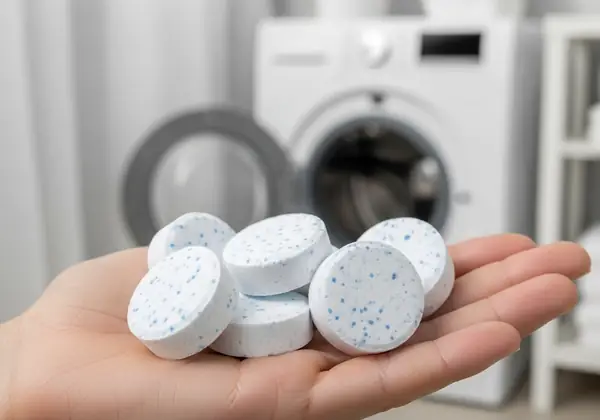
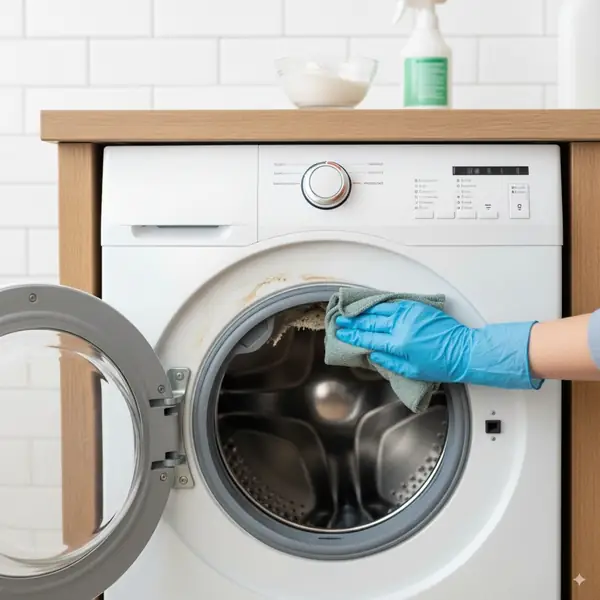
A front-loading washing machine is a marvel of efficiency, using less water and energy to deliver a superior clean. However, this same high-efficiency design creates a unique and persistent challenge: the tendency to develop a musty, mildewy odor. The airtight seal of the door, while essential for preventing leaks during a cycle, also traps moisture inside the machine, creating the perfect dark, damp environment for mold and bacteria to thrive. Keeping your front-loader smelling fresh and performing at its best requires a regular, methodical cleaning routine that addresses the hidden areas where this grime accumulates. The Most Critical Area The most critical area, and the primary source of odors, is the thick rubber gasket that forms the seal around the door. After every wash, water, soap residue, lint, and hair become trapped in its deep folds. Over time, this mixture congeals into a slimy, often black, buildup of mildew. The first step in any deep clean is to confront this gasket. Begin by gently pulling back the gray rubber seal to expose the crevice between it and the drum. Using a cloth or sponge dampened with a solution of equal parts white vinegar and water, thoroughly wipe out the entire interior of the gasket. You will likely be appalled at the amount of black gunk that comes away. For stubborn, set-in mildew spots, you may need to use a more potent cleaner. A cloth dipped in a diluted bleach solution (one part bleach to ten parts water) or hydrogen peroxide will be more effective at killing the mold spores. Use an old toothbrush to scrub deep into the crevices and under the lip of the seal where grime loves to hide. Once you have scrubbed the entire gasket clean, it is essential to wipe it completely dry with a clean cloth. Leaving it wet will only invite the mildew to return immediately. With the gasket clean, the next target is the wash drum itself. Even though it is constantly sloshed with soap and water, the drum can develop a buildup of soap scum and hard water mineral deposits. This film can trap bacteria and contribute to odors, and can even redeposit grime onto your “clean” clothes. The easiest way to clean the drum is to use the dedicated “Tub Clean” or “Self Clean” cycle that most modern machines feature. If your machine has this option, simply follow the manufacturer’s instructions, which may involve adding a specific cleaning tablet or liquid. Manual Cleaning If your machine lacks a self-cleaning cycle, you can perform a highly effective manual version using simple household products. This is a two-step process. The first step uses vinegar to dissolve mineral buildup and soap scum. Pour two full cups of plain white vinegar directly into the detergent dispenser drawer. Do not add any laundry or detergent. Select the longest, hottest wash cycle available on your machine and let it run to completion. The hot water and the mild acidity of the vinegar will work to strip away the scale and residue from the drum and the internal hoses. Disinfection The second step is for disinfection. It is crucial to note that you must never mix vinegar and bleach, as this creates toxic chlorine gas. After the hot vinegar cycle is completely finished and the machine is empty, you can proceed. For a deep sanitization that will kill any lingering mold or mildew spores, pour two cups of chlorine bleach into the dispenser drawer. Again, run the longest, hottest cycle available. This will thoroughly disinfect the interior of your machine, eliminating any remaining bacteria. If you are hesitant to use bleach, a half-cup of baking soda can be used as a gentler alternative, which will help to scrub the drum and neutralize odors. Once this second cycle is finished, open the door and let the drum air dry completely. The detergent dispenser drawer is another often-overlooked source of buildup. Over time, powdered detergent can cake into a solid mass, and liquid fabric softener can congeal into a thick, blue sludge that can harbor mold. Most front-loader dispenser drawers are designed to be removed for cleaning. Look for a small tab or button, often labeled “Push,” in the softener compartment. Pressing this will release the drawer, allowing you to slide it out completely. Take the drawer to a sink and soak it in hot, soapy water to loosen the residue. Use a bottle brush or an old toothbrush to scrub out every compartment, ensuring you remove all the caked-on gunk. While the drawer is soaking, take a damp cloth and wipe out the empty cavity in the machine where the drawer sits, as this area is also prone to mold growth. Rinse the drawer thoroughly and let it dry completely before reinserting it into the machine. Filter Cleaning One of the most important but least-known maintenance tasks for a front-loader is cleaning the drain pump filter. This small trap is designed to catch foreign objects like coins, buttons, hairpins, and excess lint before they can reach and damage the machine’s pump. If this filter becomes clogged, it can cause the machine to drain slowly, leave clothes excessively wet, and create foul odors from the stagnant, trapped water. The filter is typically located behind a small hinged door on the bottom front corner of the machine. Before you open it, be prepared. There will be water. Place a shallow pan or a thick towel directly under the access door. Slowly unscrew the filter plug, turning it counter-clockwise. Water will begin to trickle out. Once it has drained, you can fully remove the filter. You will likely find a surprising and unpleasant collection of debris. Rinse the filter thoroughly under running water, removing all the lint and any foreign objects. Before screwing it back in, use a paper towel to wipe out the filter housing. Reinsert the filter and screw it back in tightly to prevent leaks. With the interior components addressed, the final step is to clean the exterior.

How to Clean a Front-Loading Washing Machine: A Step-by-Step Guide Read More »

Basic Things You Should Get Rid of at Home This Spring

Spring Declutter Checklist: 7 Basic Things You Should Get Rid of at Home This Spring

Spring Declutter Checklist to get you ready for this season, spring arrives with a specific, undeniable energy. It is a season defined by the return of light and the thawing of the earth, a biological signal for renewal that extends into our domestic lives. During the winter, our homes function as bunkers. We stockpile food, we layer ourselves in heavy textiles, and we accumulate items in a subconscious effort to create warmth and security against the cold. However, as the days lengthen and the sun begins to stream through the windows, that accumulated density shifts from being comforting to being suffocating. The light exposes the dust, the piles, and the excess. Spring cleaning is a time-honored tradition, but true restoration cannot begin with a mop or a vacuum. It must begin with subtraction. You cannot clean clutter. Trying to organize excess is a futile exercise in shuffling items from one pile to another. To truly embrace the season, one must engage in a ruthless, systematic purge of the items that have served their purpose and are now merely occupying valuable square footage and mental bandwidth. Entryway The most logical starting point for this seasonal excavation is the entryway, the transitional zone that has likely borne the brunt of winter’s logistical chaos. For months, this space has been a holding cell for bulky parkas, wool scarves, heavy boots, and the grit of road salt. As the temperature rises, the heavy winter gear becomes obsolete, yet it often lingers on hooks and racks well into May, creating a visual bottleneck every time you enter the house. The spring declutter demands a strict audit of this gear before it is packed away. Inspect every coat and pair of boots. If a zipper is broken, a sole is cracked, or a glove is missing its mate, it should not be stored. Storing broken items is simply deferring a decision until next November. Furthermore, the entryway often accumulates a sediment of “homeless” items—flyers, batteries, keys to unknown locks, and dried-out lip balms. Clearing these flat surfaces restores the flow of the home, allowing the energy of the new season to enter without obstruction. Wardrobe Moving from the door to the bedroom, the wardrobe presents the most significant psychological challenge. The “seasonal switch” is not just about moving wool sweaters to the top shelf and bringing linen shirts down; it is an opportunity to confront the reality of your lifestyle. We often hold onto clothes for the person we used to be or the person we aspire to be, rather than the person we are. As you handle each heavy winter garment, ask yourself if you actually wore it this season. If a sweater remained folded in the drawer through the coldest months of January and February, it is highly unlikely to be worn next year. It has become dead weight. Similarly, inspect your spring and summer wardrobe as you unpack it. Elastic degrades over time, and white fabrics often yellow in storage. There is no virtue in keeping a sundress that doesn’t fit or a t-shirt that is permanently stained. By culling the wardrobe now, you reduce the friction of getting dressed every morning, starting each day with a sense of abundance rather than scarcity. The Kitchen The kitchen, the engine room of the home, requires a forensic approach to decluttering, particularly within the pantry and the refrigerator. Winter is the season of comfort cooking and baking. We buy specific spices for holiday meals, bags of specialty flour for cookies, and jars of heavy sauces. By spring, many of these items are stale, expired, or simply forgotten in the dark recesses of the cupboards. An open bag of brown sugar that has turned into a rock, a jar of dried herbs that has lost all scent, or a bottle of festive sprinkles from three years ago are not assets; they are trash. They occupy space that could be used for fresh, seasonal ingredients. The refrigerator door is another common offender, often crowded with the dregs of condiments used for winter roasts. Clearing this space allows for better airflow and makes room for the lighter, fresher produce of spring. The plastic container drawer also demands attention. If a container has no matching lid, or if a lid has no matching bottom, it should be recycled immediately. The daily frustration of searching for a matching set is a micro-stressor that can be completely eliminated in ten minutes of sorting. Bathroom The bathroom medicine cabinet and vanity often escape scrutiny, yet they are repositories for expired chemistry. We tend to accumulate products in a linear fashion, buying new ones before finishing the old. Over the winter, you may have gathered half-empty bottles of heavy moisturizers, cold flu remedies, and chapsticks. Check the expiration dates on everything. Sunscreen from last summer has likely lost its efficacy and should be replaced. Mascara and liquid makeup harbor bacteria and have a short shelf life. Medications that have expired lose potency and can become chemically unstable. Disposing of these items safely clears the visual noise from your morning routine. A streamlined bathroom counter, free of dusty bottles and half-used products, creates a spa-like atmosphere that aligns with the refreshing nature of spring. Living Areas In the living areas, the clutter is often paper and technology. Winter is a time of hibernation, which often leads to the accumulation of “doom piles”—stacks of mail, catalogs, and school papers that we intend to deal with later. Spring, often coinciding with tax season, is the natural deadline for these piles. Be ruthless with paper. Most manuals, bills, and statements are available digitally. Shredding the physical copies liberates physical space and reduces dust, as paper piles are magnets for allergens. Technology clutter is the modern equivalent of the junk drawer. We hold onto cables for devices we no longer own, broken headphones, and old remote controls “just in case.” If you cannot identify what device a cable charges, or if you haven’t used a piece of

Spring Declutter Checklist: 7 Basic Things You Should Get Rid of at Home This Spring Read More »

A woman is at peace while her house is clean and organized during the winter.

Winter Organization: 5 Amazing Daily Habits to Keep Your House Organized During a Snowstorm

Organization is essential during winter to prevent us from going crazy. During the warmer months, the boundaries between the interior and exterior are fluid; windows are open, traffic flows freely, and the gear required to leave the house is minimal. As the temperature drops and the snow begins to accumulate, however, the home undergoes a functional contraction. We seal ourselves in against the elements, and in doing so, we trap a significant amount of life inside a finite square footage. The result is often a rapid accumulation of clutter. Heavy coats, salt-stained boots, layers of wool, and the general debris of hibernation mode can quickly overwhelm a household that does not have a robust organizational strategy in place. Keeping a house organized in winter is not merely about tidiness; it is a logistical operation designed to manage the heavy influx of gear and the increased occupancy hours that define the season. Sturdy Coat Stand The epicenter of the winter organization battle is, without question, the entryway. In summer, this space is a breezeway; in winter, it is a decontamination zone. The primary challenge is the bulk. Winter clothing occupies three times the volume of summer clothing. A closet that comfortably holds ten windbreakers will be bursting at the seams with ten down parkas. The first step in organizing this space is recognizing that the standard coat closet is rarely sufficient for active daily use. Opening a door and fighting with hangers while wearing thick gloves is a friction point that leads to coats being thrown on the nearest chair or banister. To maintain order, you need an accessible, external expansion of your storage. A heavy-duty wall-mounted rack or a sturdy coat stand is essential for the items currently in rotation. This separates the “active” gear from the “storage” gear, preventing the closet from becoming a black hole. Boot Tray Beneath the coats lies the issue of footwear. Winter boots are substantial, wet, and often coated in a slurry of road salt and grit. If these are left on the bare floor, they create puddles that damage the flooring and spread dirt throughout the house. The organizational solution is the boot tray. This is not optional equipment. A high-walled rubber or copper tray creates a designated boundary for wet items. It signals exactly where the shoes stop. To elevate this system, consider filling the tray with river stones. This allows the melting snow to drain away from the soles of the boots, helping them dry faster and preventing them from sitting in a puddle of dirty water. This simple addition preserves the lifespan of the leather and keeps the entryway looking intentional rather than accidental. Baskets or Storage Box Accessories present a unique micro-clutter problem. Winter requires a multitude of small, separable items: left mittens, right mittens, scarves, thick hats, and liners. These items have a tendency to migrate. They end up under the sofa, in the kitchen, or lost in the depths of a jacket pocket. The most effective way to corral this chaos is through a dedicated basket or bin system. Ideally, each member of the family should have their own designated bin on a shelf or under a bench. When you walk in the door, the hat and gloves go immediately into the bin. This “drop zone” philosophy eliminates the frantic morning search for a matching pair of gloves. It compartmentalizes the mess, keeping the visual noise of the entryway to a minimum. Moving inward, the living areas require a shift in strategy. Winter is the season of “cocooning.” We bring out heavy throws, extra pillows, and thick duvets to create warmth. While these items increase comfort, they also increase visual density. A living room covered in draped blankets looks chaotic. To maintain organization without sacrificing comfort, you need designated storage for these soft goods. A large wicker basket, a storage ottoman, or a blanket ladder provides a home for these items when they are not in use. The rule must be that when you leave the room, the blanket goes back to its station. This resets the room, maintaining the balance between cozy and cluttered. The kitchen, too, faces specific winter pressures. We tend to cook differently in the cold months. The salad spinner is retired in favor of the slow cooker, the roasting pan, and the Dutch oven. These are large, heavy appliances and vessels. Organizing the kitchen for winter means rotating your stock. Move the barbecue tools and the picnic ware to the high, hard-to-reach shelves or the basement. Bring the heavy pots and the appliances you use for soups and stews to the prime real estate at waist level. This rotation reduces the friction of cooking. Furthermore, winter is often a time of stocking up. The pantry can easily become overcrowded with canned goods and comfort foods. Using tiered shelf risers and clear bins to categorize these items prevents the “pantry burial” where food is pushed to the back and forgotten until it expires. Clean Surfaces There is also a psychological component to winter organization. The lack of natural light and the grey skies can contribute to a sense of lethargy and low mood. A cluttered environment exacerbates this. Visual noise—piles of paper, scattered toys, disorganized shelves—increases cortisol levels. In winter, when we cannot easily escape outdoors, we are forced to stare at our clutter. Therefore, keeping surfaces clear is a mental health intervention. Adopting a “clean surfaces” policy, where countertops, dining tables, and desks are cleared off every evening, maximizes the reflection of the limited natural light available. It makes the rooms feel larger and airier, counteracting the claustrophobia of the season. Closet The closet requires a ruthless audit. We often hang onto winter clothes that we do not wear because they are expensive or “might be useful” in a blizzard. However, a crammed closet leads to wrinkled clothes and frustration. If a coat has not been worn in two winters, it is taking up valuable space. If a sweater is itchy

Winter Organization: 5 Amazing Daily Habits to Keep Your House Organized During a Snowstorm Read More »

Fabric Softener Sheets: 5 Things You Should Never Put in the Dryer with a Softener Sheet

Fabric softener sheets, commonly known as dryer sheets, have become a staple of the modern household, synonymous with the concept of “freshness.” We are conditioned to believe that our clothes are not truly clean unless they emerge from the machine smelling of “Mountain Rain” or “Lavender Fields,” free of static and soft to the touch. However, this convenience product is often the subject of misunderstanding. While they solve specific problems—namely static cling and roughness—they introduce a layer of chemical complexity to our textiles and appliances that can have unintended consequences. To use them effectively, one must look past the marketing and understand the mechanics of how a dryer sheet actually works, what it leaves behind, and when it should be strictly avoided. How Does it Work? To comprehend the function of a dryer sheet, you must visualize it not as a cleaning agent, but as a delivery system. The sheet itself is merely a carrier, usually made of a synthetic non-woven fiber. It is coated in a heat-activated compound, typically comprised of stearic acid (a fatty acid often derived from animal fats), clay fillers, and heavy fragrances. In the cool air of the laundry room, this coating is solid. However, once introduced to the high heat of the dryer cycle, this waxy layer melts. As the wet clothes tumble, the sheet makes repeated contact with the fabrics, transferring this liquefied coating onto the fibers of your clothing. It is, in essence, a process of lubrication. The primary and most functional benefit of this coating is the elimination of static electricity. Static is the bane of the laundry process, particularly in the dry winter months or in climates with low humidity. It occurs when synthetic fabrics like polyester and nylon rub against each other in the dry heat, exchanging electrons and building up an electrical charge. This results in clothes that cling to the body, crackle when separated, and attract dust and hair. The coating provided by the dryer sheet contains positively charged ions. These ions neutralize the negative charge created by the tumbling fabrics, effectively canceling out the static. For households that wear a significant amount of synthetic clothing, this antistatic property is not just a luxury; it is a necessity for wearable garments. Beyond physics, there is the tactile and olfactory appeal. The fatty acids in the coating reduce the friction between individual fibers. This makes rough fabrics, such as denim or air-dried cotton, feel significantly softer and more pliable against the skin. Simultaneously, the heat activates the encapsulated fragrance molecules, embedding them into the weave of the cloth. This scent lingers far longer than detergent fragrance because it is applied at the end of the process and is not rinsed away. For many, this lingering scent is the primary indicator of hygiene, a sensory signal that the laundry chore is complete. Disadvantages However, the mechanism that provides these benefits—the coating of the fiber—is also the source of the product’s significant downsides. The most detrimental effect of dryer sheets is on absorbency. The waxy layer that makes a fabric feel soft is hydrophobic, meaning it repels water. When you use dryer sheets on bath towels, you are essentially waterproofing them. Over time, the buildup of these fatty acids coats the loops of the terry cloth. You end up with a towel that feels plush to the touch but merely pushes water around on your skin rather than soaking it up. To restore a towel’s absorbency, one often has to strip the fabric using vinegar and hot water to melt away the accumulated softener residue. This blocking of the fiber’s pores is even more catastrophic for modern athletic wear. Performance fabrics are engineered with a specific synthetic weave designed to wick moisture away from the body and allow it to evaporate quickly. This is a mechanical function of the textile. When you dry yoga pants or running shirts with a fabric softener sheet, the residue fills the micropores of the fabric. This traps sweat, dead skin cells, and bacteria inside the weave. The result is twofold: first, the garment loses its ability to wick sweat, leaving you clammy during a workout; second, it develops a “perma-stink.” Because the bacteria are trapped under a layer of silicone or wax, the detergent cannot reach them in the next wash. The clothes begin to smell musty even when they are technically clean. Manufacturers of high-end athletic gear almost universally advise against the use of softeners for this reason. Security There is also a safety concern regarding the flammability of textiles. Children’s sleepwear is legally required to be flame-resistant. This is achieved either through the use of specific synthetic fabrics or chemical treatments. The coating left by dryer sheets, being derived from emulsified fats and oils, is inherently flammable. Coating flame-resistant pajamas in a layer of flammable residue reduces their resistance to fire. Most dryer sheet boxes carry a warning label advising against use on children’s sleepwear or garments labeled as flame-resistant, yet many consumers overlook this fine print, unknowingly compromising the safety features of the clothing. The impact on the dryer itself is a “hidden cost” of dryer sheet usage. As the chemical coating melts, it does not only transfer to the clothes; it transfers to the drum and the filtration system of the machine. The most critical area of concern is the lint trap. The screen of the lint trap is designed to catch fine particles while allowing hot, moist air to pass through. Over time, the invisible waxy film from dryer sheets can coat the mesh of the screen. This blockage is often invisible to the naked eye. The screen looks clean, but air cannot pass through it efficiently. This forces the dryer to work harder, increasing energy bills and the risk of the motor overheating. A simple test is to take the lint screen to the sink and run water over it. If the water pools and beads up rather than flowing through the mesh, the screen is clogged

Fabric Softener Sheets: 5 Things You Should Never Put in the Dryer with a Softener Sheet Read More »

winter work

February Checklist: 5 Cleaning Tasks That are Actually Easier and More Efficient in Winter

February occupies a unique and often challenging position in the Canadian calendar. It is the shortest month of the year, yet psychologically, it frequently feels like the longest. The novelty of the first snowfall has long since evaporated, replaced by the gritty reality of grey slush and biting wind. The “New Year, New Me” energy of January has typically waned, leaving homeowners in a state of maintenance fatigue. We are deep in the heart of winter, a time when our homes are subjected to the maximum stress of the elements. The windows have been sealed tight for months, the furnace has been running relentlessly, and the entryway has become a battleground against road salt. A cleaning checklist for February is not about the optimism of spring cleaning; it is about resilience and defense. It is a strategic intervention designed to protect your property from the specific chemical and physical assaults of the deep freeze, while simultaneously combating the stale, dusty atmosphere that contributes to the mid-winter blues. 1.Entryway Floors The absolute priority for any Canadian home in February is the management of the entryway floors. By this point in the season, the mats are saturated, and the hardwood or tile surrounding the door is likely coated in a chalky, white haze. This residue is not merely dirt; it is a chemical compound, usually calcium chloride or rock salt, tracked in from the municipal plow trucks. These salts are highly alkaline and hygroscopic, meaning they draw moisture from the air and the wood itself. If left to sit, this brine eats through the polyurethane finish of hardwood floors and degrades the sealants in tile grout, leading to permanent staining and pitting. A standard wet mop is often insufficient here, as it merely dilutes the salt and spreads it over a larger surface area. The February protocol requires neutralization. A solution of warm water and white vinegar provides the necessary acidity to dissolve the salt bonds. This must be applied carefully—damp, not soaking—to lift the mineral deposits without waterlogging the wood. Furthermore, the boot trays themselves, often filled with a grim slurry of melted snow and gravel, must be emptied and scrubbed in a utility sink to prevent them from overflowing and damaging the baseboards. 2.Air As we move inward from the door, the focus must shift to the air we breathe. Canadian homes are built to be airtight for thermal efficiency, but in February, this virtue becomes a vice. We are living in a closed-loop system where dust, pet dander, and cooking oils are recirculated endlessly by the HVAC system. The result is a home that feels stuffy and surfaces that become dusty within hours of being wiped. February is the critical month to address the “lungs” of the house. The furnace filter, likely installed in early winter, is now clogged with the debris of the heavy heating season. Replacing it is non-negotiable for maintaining airflow and protecting the furnace motor from overheating. Beyond the filter, the vents and cold air returns require vacuuming. Removing the vent covers and using a hose extension to extract the dust bunnies hiding in the ducts prevents them from being blown back into the room every time the heat cycles on. This simple act significantly reduces the ambient dust load and improves the respiratory health of the household during flu season. The humidity balance in February is a delicate dance that requires cleaning intervention. The furnace dries the air out aggressively, leading to static electricity, dry skin, and cracking wood furniture. To combat this, we run humidifiers. However, a humidifier that has been running constantly since December is a prime breeding ground for mold and bacteria if not maintained. The pink slime often found in the water tank is a bacterial biofilm that, when aerosolized, can cause respiratory irritation. A weekly descaling of the humidifier with vinegar and a thorough disinfection is essential to ensure that the moisture being added to the air is clean. Conversely, on the windows, the clash between the warm interior air and the freezing exterior glass creates condensation. This water pools on the window sills, creating a perfect environment for black mold. Inspecting every window sill and wiping away any black spots with a fungicide or a bleach solution is a vital February task to prevent the mold from rooting into the drywall or wood casing. 3.Bedroom and Bathroom Mid-February brings Valentine’s Day, which offers a thematic excuse to tackle the master bedroom and bathroom with a level of detail usually reserved for guests. We spend more time in bed in winter than in any other season, turning the mattress into a reservoir for sweat and dead skin. February is the time to strip the bed completely, including the mattress protector and the duvet. While the linens wash, vacuum the mattress surface thoroughly to remove dust mites and allergens. If the mattress is flip-able or rotatable, do so now to prevent sagging. In the ensuite bathroom, the focus should be on the tub and shower. The desire for long, hot baths in winter leads to a buildup of soap scum and bath oil residue. A deep restorative clean of the tub, removing the mineral deposits from the faucet and the biological film from the grout, transforms the bathroom from a utility space into a sanctuary. It allows for a moment of relaxation that is actually hygienic. 4. Kitchen The kitchen in February suffers from what can be called “comfort food fatigue.” We tend to cook heavier, greasier meals in the winter—roasts, stews, and fries. This airborne grease settles on the tops of the kitchen cabinets, the top of the refrigerator, and the range hood. This sticky layer attracts dust, creating a stubborn gunk that is difficult to remove if left until spring. Using a degreaser to wipe down these high surfaces now prevents the buildup from hardening. Additionally, the oven likely needs attention. If it was used heavily during the holidays and has been roasting root vegetables ever since,

February Checklist: 5 Cleaning Tasks That are Actually Easier and More Efficient in Winter Read More »