How to Remove Coffee Stains: A Step-by-Step Guide for Every Surface
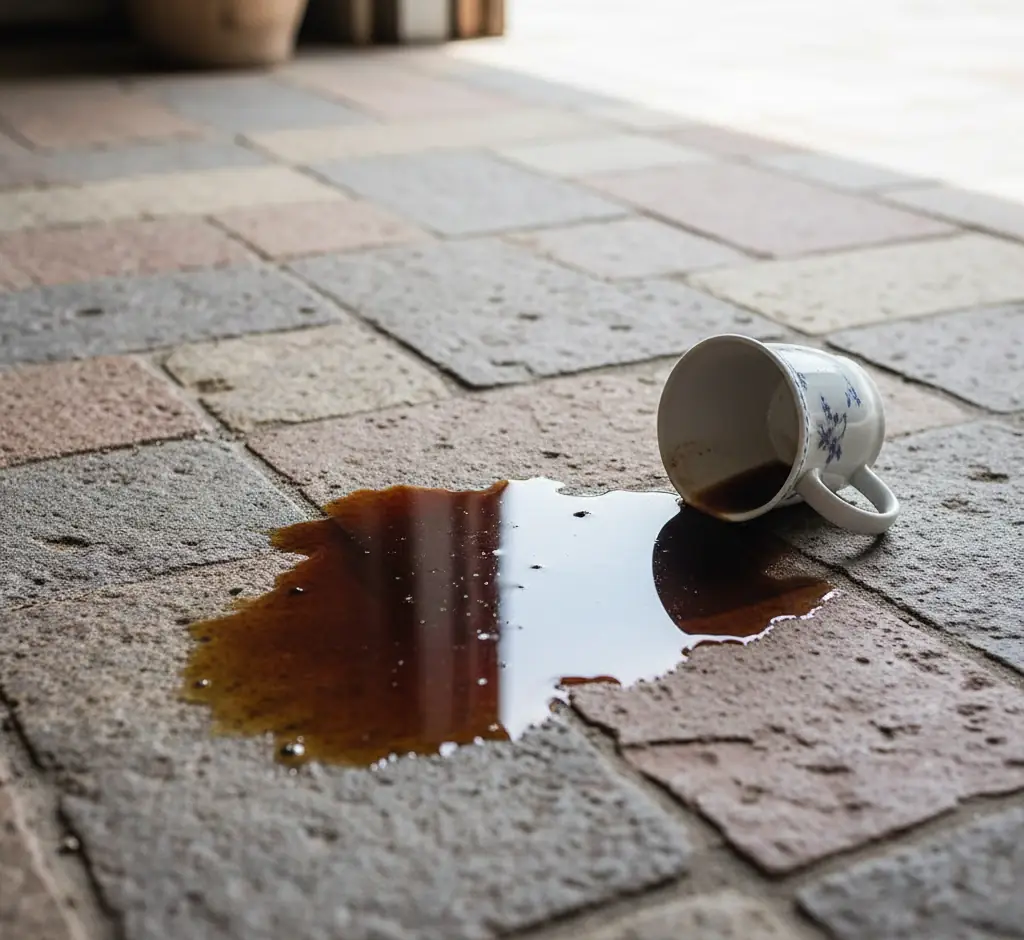
Coffee stains are difficult to remove, aren’t they? the rich, aromatic pleasure of a morning cup of coffee is a daily ritual for millions, but it comes with an inherent risk: the spill. Coffee contains compounds called tannins, which are natural pigments found in many plants. These tannins are what give coffee its dark, rich color, and they are also what make it such a formidable and stubborn stain, capable of leaving its mark on everything from a favorite shirt to a pristine carpet. The key to successfully removing a coffee stain is to act with speed, precision, and an understanding of the surface you are treating. A panicked, incorrect response can often do more harm than the initial spill, setting the stain permanently and turning a minor accident into a lasting blemish.
Be quick
Before addressing any specific surface, there are three universal golden rules that apply to almost every fresh coffee spill. The first and most critical is to act immediately. A wet coffee stain is a suspension of pigments in liquid, making it far easier to lift and remove. As the liquid evaporates, the tannins begin to chemically bond with the fibers or pores of the surface, making the stain exponentially more difficult to treat. The second rule is to blot, never rub. Your first instinct may be to grab a cloth and scrub vigorously, but this is a catastrophic mistake. Rubbing a wet stain only serves to spread the pigments over a larger area while simultaneously pushing them deeper into the material’s fibers. The correct technique is to take a clean, dry, absorbent cloth or paper towel and gently blot the spill, working from the outside edges of the stain inward to prevent it from spreading. This will lift the excess liquid straight up and out of the material. The third rule is to always perform a spot test with any cleaning solution on a hidden, inconspicuous area first. The agents powerful enough to break down a coffee stain can also be powerful enough to break down dyes or damage delicate finishes.
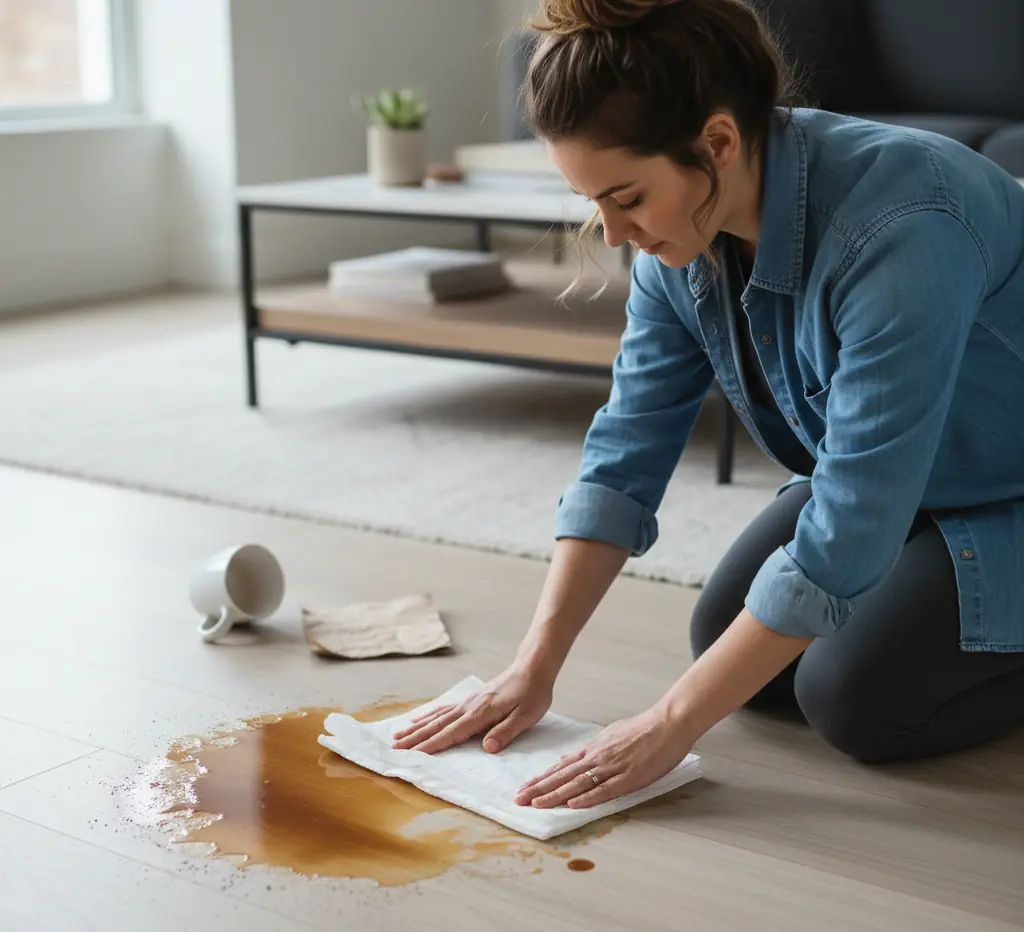
Let us begin with one of the most common scenarios: a coffee stain on washable fabric, such as a cotton shirt or a tablecloth. After blotting away the excess, the most effective immediate action is to flush the stain with cold water. Take the garment to a sink and run a stream of cold water through the back of the stained area. This is a crucial detail; flushing from the back pushes the coffee pigments back out the way they came in, rather than driving them deeper into the fabric’s weave.
For a fresh, light stain, this cold-water flush may be enough. For a more significant spill, a pre-treatment is necessary. A simple and effective solution can be made by mixing equal parts of white vinegar and water with a few drops of a clear, non-bleach dish soap. Apply this solution to the stain, gently work it in with your fingers, and let it sit for at least fifteen minutes. The vinegar’s mild acidity helps to break down the tannins, while the soap helps to lift the stain. For older, more set-in stains, or for spills on durable white fabrics, a pre-soak in a solution of oxygen bleach powder (sodium percarbonate) and hot water is a true miracle worker. Dissolve the powder in the hottest water the fabric can safely tolerate, submerge the garment, and let it soak for several hours, or even overnight. After pre-treating or soaking, launder the garment as you normally would, using the warmest water recommended on the care label. Before you place the item in the dryer, inspect the stained area carefully. If any trace of the stain remains, do not apply heat. The heat of a dryer will permanently set the stain, making it nearly impossible to remove. Repeat the pre-treatment process and wash it again.
Carpet and Upholstery
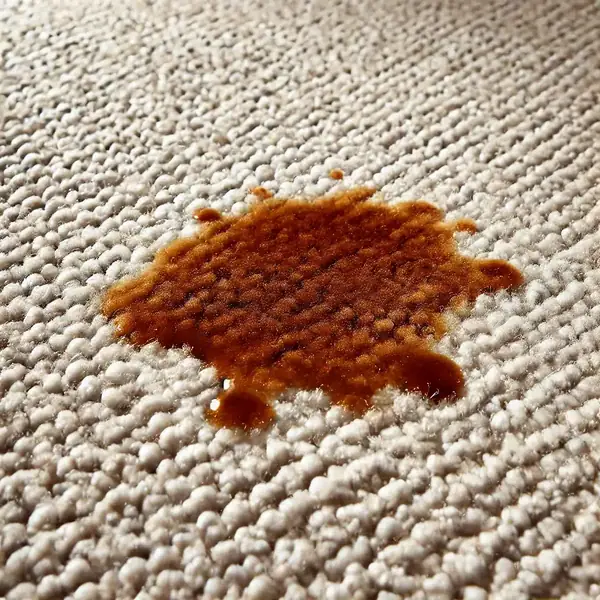
Carpet and upholstery present a higher-stakes challenge, as they cannot simply be tossed in the wash. The principles of speed and blotting are even more critical here. After thoroughly blotting the fresh spill with a clean, dry cloth, you will need to create a cleaning solution. A highly effective and safe mixture for most carpets and upholstery is two cups of cool water, one tablespoon of white vinegar, and one tablespoon of a clear, non-bleach dish soap. It is essential that you never pour this solution directly onto the stain, as this will oversaturate the carpet and its padding, potentially leading to mildew. Instead, dampen a clean, white cloth with the solution and use it to blot the stain. Work from the outside in, dabbing gently. You will see the coffee begin to transfer from the carpet to your cloth. As it does, continuously move to a clean section of the cloth to avoid redepositing the stain. Repeat this process patiently until the stain is no longer visible.
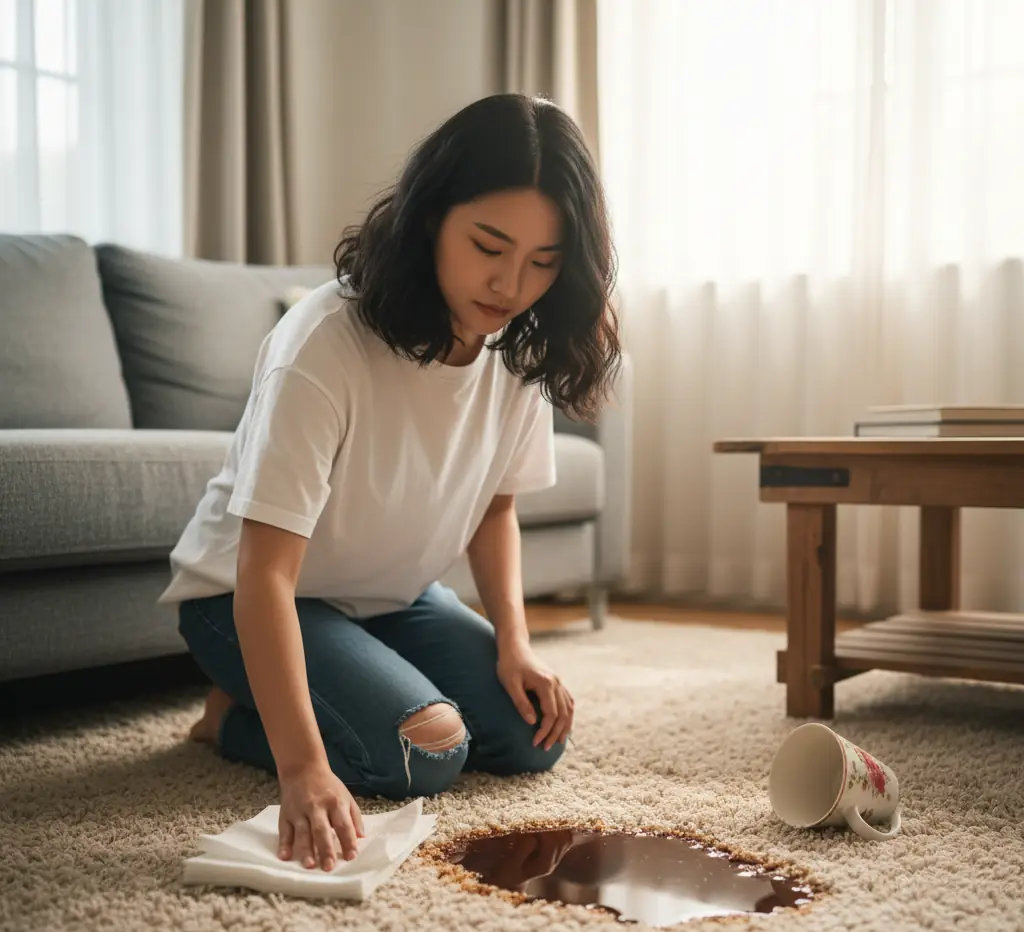
Once the stain has been lifted, the job is not yet finished. You must now “rinse” the area to remove the cleaning solution, as any soap residue left behind will attract new dirt over time. To do this, dampen a new, clean cloth with plain, cool water and blot the area again to lift out the soap and vinegar. The final step is crucial for preventing water marks and mildew. Place a thick stack of clean, dry paper towels or a thick, white towel over the damp spot and weigh it down with something heavy, like a stack of books. Leave it in place for several hours. This will wick the remaining moisture up and out of the carpet fibers and the padding underneath, ensuring the area dries completely and cleanly.
Non-Porous Surfaces
When it comes to hard, non-porous surfaces like ceramic tile, laminate countertops, or vinyl flooring, coffee spills are far less intimidating. For a fresh spill, a simple wipe with a damp cloth or a sponge with a little all-purpose cleaner is all that is needed. If a stain has dried and set, a paste made from baking soda and a little water is an excellent gentle abrasive. Apply the paste to the stain, let it sit for ten to fifteen minutes, and then gently scrub with a non-scratch sponge. The baking soda will lift the stain without scratching the surface.
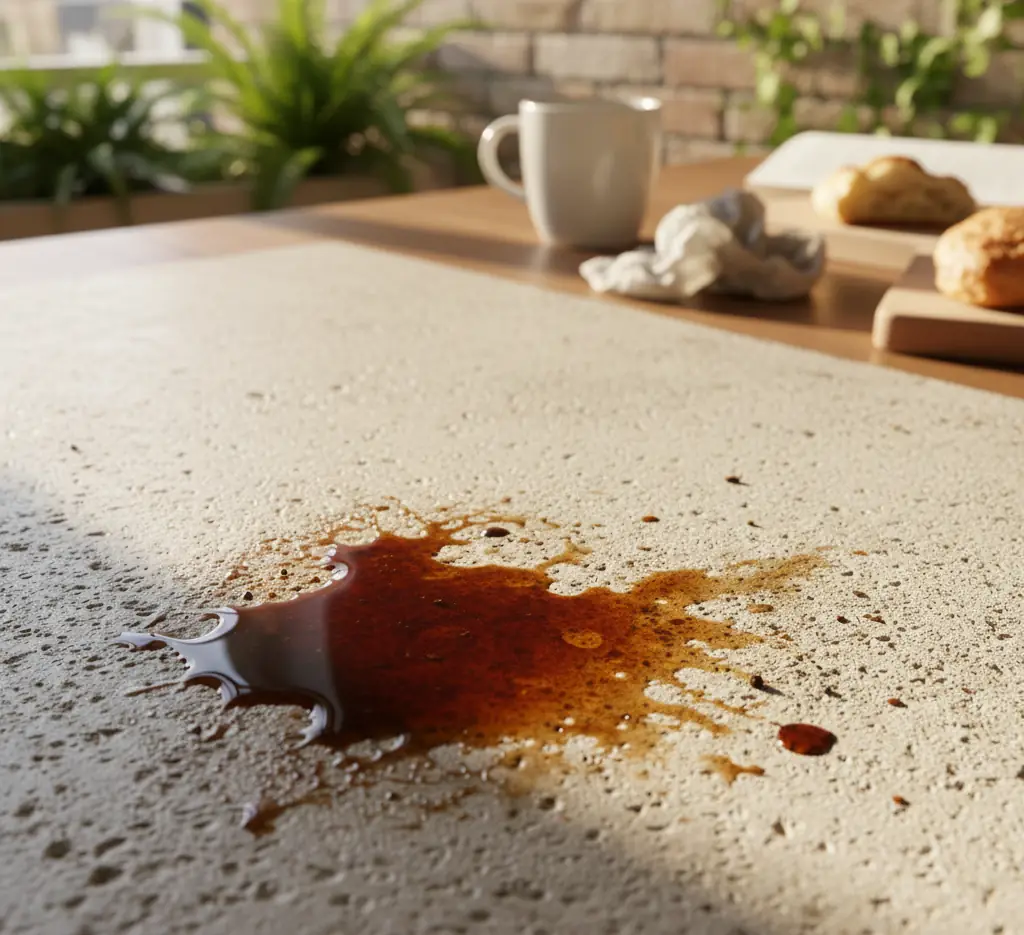
Porous hard surfaces, however, require a much more careful approach. This includes natural stone like marble and travertine, as well as unsealed grout. For these materials, acidic cleaners like vinegar are the enemy, as they can permanently etch and dull the surface. For a coffee stain on marble, the best approach is to create a poultice. A poultice is a thick paste made from an absorbent material, like baking soda or diatomaceous earth, mixed with a gentle liquid cleaner. For coffee stains on light-colored stone, a few drops of hydrogen peroxide mixed with baking soda to form a paste the consistency of peanut butter is ideal. Apply this thick paste over the stain, cover it with plastic wrap, and tape down the edges. Let it sit for 24 to 48 hours. The poultice works by slowly drawing the stain up and out of the pores of the stone and into the paste itself. After the waiting period, remove the plastic, let the paste dry completely, and then gently scrape it away and wipe the area clean. For stained grout, a paste made from oxygen bleach powder and hot water is highly effective. Apply it to the grout lines, let it sit for thirty minutes, scrub with a stiff grout brush, and then rinse thoroughly.
Mugs and Thermoses
At the end, there is the persistent, gradual coffee stain that builds up inside our favorite mugs and thermoses. This brown film is caused by the same tannins and can be resistant to regular washing. The solution is simple and requires no scrubbing. For a stained mug, place one to two teaspoons of baking soda in the bottom, add just enough hot water to form a paste, and let it sit for thirty minutes before washing as usual. For an even more effortless and powerful clean, drop a single denture cleaning tablet into the mug or thermos, fill it with warm water, and let it sit. The effervescent, oxygenating action of the tablet will lift the tannin stains completely, restoring the vessel to its original, pristine condition.

From a fresh splash on a shirt to a forgotten ring on a marble countertop, a coffee stain is a manageable problem when met with the right knowledge and a calm, methodical approach.
While knowing how to tackle a specific coffee stain is a valuable skill, a truly pristine home requires a comprehensive approach to all types of deep-seated grime. For a professional clean that addresses not just accidental spills but the accumulated dirt on every surface, Toronto Shine Cleaning provides expert, methodical services that leave your entire home spotless and refreshed.