Cleaning Tea Kettle: 3 Simple Steps to a Perfectly Clean Tea Kettle

The tea kettle is one of the most constant and comforting appliances in the kitchen. Whether it is a sleek electric model on the countertop or a classic stovetop version, its daily task is simple and essential: to bring water to a boil. Yet, this constant exposure to water, especially in areas with hard water, inevitably leads to a persistent and frustrating problem: the buildup of a chalky, crusty residue on the interior. This is limescale, and it is more than just an unsightly film. It can flake off into your cup, affect the taste of your water, and even reduce the kettle’s heating efficiency. Keeping your tea kettle in pristine condition is a matter of both hygiene and performance, a simple process that restores this daily workhorse to its best.
Vinegar
The most common and most stubborn issue is the interior limescale. These mineral deposits, primarily calcium and magnesium carbonate, are left behind as water evaporates during the boiling process. Over time, they form a hard, layered crust on the heating element and the bottom of the kettle. Attacking this with a scrub brush is an exhausting and often futile effort. The solution is not physical, but chemical, and the most effective tool is a simple, inexpensive household staple: plain white vinegar. The mild acetic acid in vinegar is perfect for dissolving the alkaline mineral deposits.
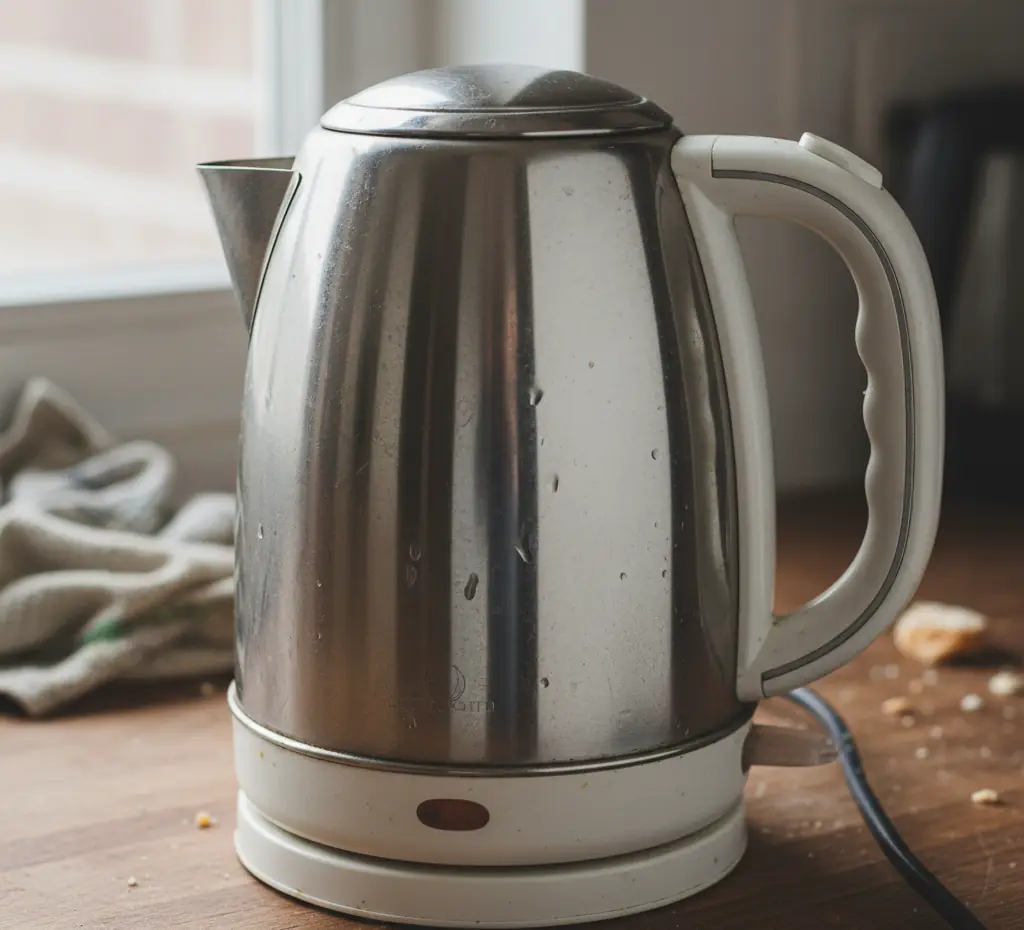
The descaling process is a study in letting chemistry do the work for you. First, ensure the kettle is unplugged or removed from its stovetop burner. Fill the kettle with a solution of equal parts white vinegar and water. You should use enough of the solution to completely submerge all the visible scale, which typically means filling it about halfway to three-quarters full. For an electric kettle, plug it in and bring the solution to a full boil. For a stovetop kettle, place it on the burner and do the same. Once it has boiled, turn off the heat and unplug the kettle. Now, the most crucial step is to let it sit. This is where the principle of dwell time is paramount. The acid needs time to react with and break down the hardened minerals. Let the hot vinegar solution soak in the kettle for at least thirty minutes, but for a kettle with very heavy buildup, letting it sit for several hours, or even overnight, will yield the best results. You will often be able to see the scale fizzing and dissolving. After the soak, pour the solution down the sink. The vast majority of the scale should be gone, revealing the clean metal underneath. Use a long-handled, non-abrasive brush to gently scrub away any remaining softened particles. The final, critical step is to rinse the kettle thoroughly with fresh, clean water several times to remove any lingering vinegar taste or smell. To be absolutely certain, you can boil a full kettle of plain water and discard it before its next use.
Citric Acid
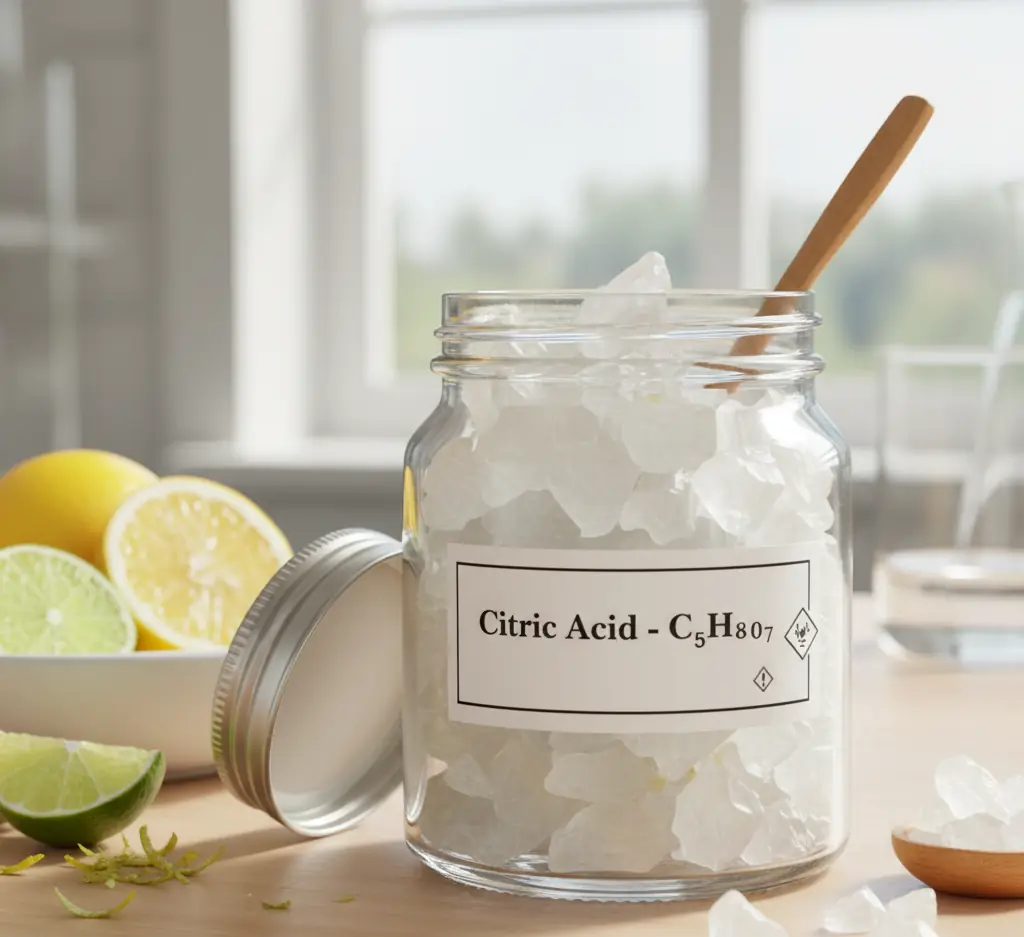
For those who are sensitive to the strong smell of vinegar, citric acid is an excellent, odorless alternative. This food-safe powder, often found in the canning or baking aisle of the grocery store, is a powerful descaler. The process is very similar. Fill the kettle with water to cover the scale, add one to two tablespoons of citric acid powder, and stir to dissolve. Bring the water to a boil, then unplug the kettle and let the solution sit for twenty to thirty minutes. Pour it out, give it a light scrub if needed, and rinse it thoroughly. The result is a perfectly clean interior with no residual odor. In a pinch, fresh lemon juice can also be used, following the same boil-and-soak method.
With the interior restored to its original brilliance, attention can now turn to the exterior, which requires different techniques based on its material. For the vast majority of modern kettles made of stainless steel, the main challenges are fingerprints, water spots, and smudges. For daily cleaning, a soft cloth dampened with warm, soapy water is all that is needed. The key to a perfect, streak-free finish is in the drying. After wiping it clean, immediately buff the entire surface with a completely dry, clean microfiber cloth. Microfiber is exceptional at trapping moisture and oils, leaving the steel gleaming. For more stubborn water spots, you can dampen a cloth with your 50/50 vinegar and water solution, wipe the affected area, and then buff dry. A crucial tip for cleaning stainless steel is to always wipe in the direction of the metal’s grain. Look closely at the surface and you will see fine lines; following these lines will prevent microscopic scratches and ensure a uniform, professional-looking finish.
Baking Soda
1.Colored or Enameled
For kettles with a colored or enameled exterior, gentleness is key. These surfaces can be scratched by abrasive cleaners. Stick to a soft cloth and mild dish soap. For stubborn, stuck-on grime or grease splatters, you can create a gentle scrubbing paste with baking soda and a little water. Apply the paste to the spot, let it sit for a few minutes, and then gently scrub with a non-scratch sponge before wiping it clean.
2. Glass kettles
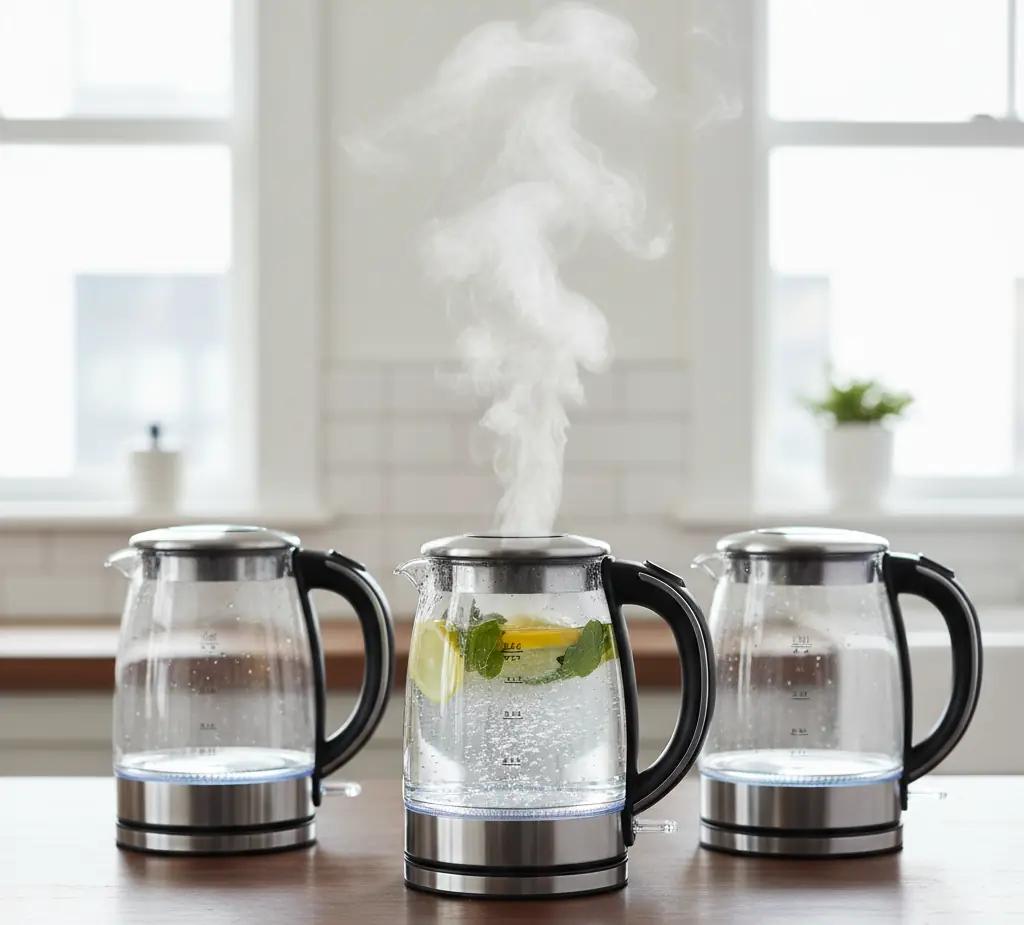
Glass kettles are beautiful for their transparency, but this also means they show every single water spot and mineral film. The interior can be descaled using the same vinegar method as a metal kettle. For the exterior, treat it as you would a window. A spray of your vinegar and water solution, wiped away with a clean microfiber cloth, will leave the glass crystal clear.
3.Copper kettles
Copper kettles require the most specialized care to maintain their fiery luster. Copper naturally tarnishes over time, developing a dull patina. To restore its shine, you can use the classic combination of lemon and salt. The acid in the lemon dissolves the tarnish, while the salt acts as a gentle abrasive. Simply cut a lemon in half, dip it in salt, and scrub the exterior of the kettle. Rinse it thoroughly and, most importantly, dry it immediately and completely to prevent new water spots from forming.
4. Spout
Beyond the main body of the kettle, do not neglect the details. The spout can accumulate dust and grime. Use a small bottle brush or a pipe cleaner to ensure it is clear and clean. Many electric kettles have a small, removable mesh filter just inside the spout, designed to catch any large pieces of scale. This filter can become completely clogged with mineral deposits over time. Carefully pop it out and let it soak in a small bowl of vinegar for about thirty minutes. A light scrub with an old toothbrush will remove all the scale, restoring proper water flow. The lid and handle should also be wiped down regularly to remove fingerprints and residue.
At the end, a few preventative habits can dramatically reduce the need for intensive cleaning. The most important is to never let water sit in the kettle for extended periods after use. Emptying the kettle completely after you have boiled your water prevents the minerals from settling and building up. If you live in a particularly hard water area, using filtered water for your kettle can significantly slow down the formation of limescale. Wiping down the exterior with a dry cloth after each use will prevent water spots from forming and keep it looking its best. By adopting this routine of regular maintenance, you ensure that this simple, essential appliance remains a clean, efficient, and beautiful part of your daily ritual.

With kettle care on your maintenance list, consider regular kitchen and home cleaning for the everyday surfaces around it.
Just as a meticulously descaled kettle is essential for a perfect cup of tea, a professionally cleaned home is essential for daily comfort and peace of mind. For a deep, restorative clean that tackles built-up grime and mineral deposits in every corner, Toronto Shine Cleaning offers comprehensive services that ensure your entire kitchen and home are as pristine as your newly cleaned kettle.