Fall Cleaning

5 Reasons Why Hiring a Cleaning Service is the Best Form of Self-Care

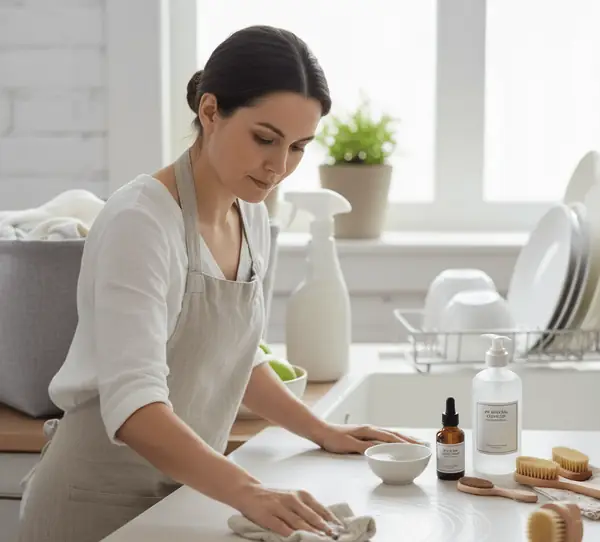
Why hire a specialized cleaning service? The modern home is a hub of activity, a place of work, rest, and family life. Yet, maintaining its cleanliness can feel like a relentless, never-ending task. The dust settles almost as soon as it’s wiped away, the floors seem to attract dirt, and the kitchen and bathrooms demand constant attention. For many, the weekend, which should be a time for relaxation and recharging, is instead consumed by a long list of chores. This constant cycle of cleaning can become a significant source of stress and a drain on our most valuable resource: time. It is in this gap between the desire for a clean, peaceful environment and the reality of a busy life that a residential house cleaning service finds its purpose, offering not just a service, but a solution to a pervasive modern problem. 1.Quality of Life Hiring a professional cleaning service is often viewed as a luxury, but it is more accurately described as an investment in your quality of life. Consider the hours spent each week sweeping, mopping, scrubbing, and dusting. For a moderately sized home, this can easily add up to four, five, or even more hours. A professional service reclaims those hours for you, handing them back to be spent on what truly matters. This could mean more time with family, pursuing a hobby, exercising, or simply enjoying a well-deserved rest. The cumulative effect of this reclaimed time is profound, reducing burnout and allowing for a better work-life balance. It transforms the home from a place of constant obligation into a true sanctuary, a space you can enter after a long day and immediately feel at ease, rather than being confronted with a list of tasks that need doing. 2.Quality of Cleanliness Beyond the gift of time, there is the undeniable difference in the quality of the clean itself. A professional cleaner brings a level of expertise and efficiency that is difficult for the average homeowner to replicate. They are trained in the most effective methods and understand the specific needs of different surfaces. They know which products to use on natural stone versus laminate, how to clean stainless steel without leaving streaks, and the best techniques for removing stubborn soap scum from glass shower doors. This knowledge prevents costly damage that can result from using the wrong chemical or an abrasive sponge on a delicate surface. Furthermore, professional services come equipped with commercial-grade tools and supplies that are often more powerful and effective than standard consumer products. Their high-powered vacuums with HEPA filters can capture a significantly higher percentage of dust, allergens, and pet dander, leading to improved indoor air quality. This is particularly beneficial for households with allergy sufferers, asthmatics, children, or pets. The result is not just a home that looks clean, but one that feels and is, on a microscopic level, healthier. The process of a professional clean is systematic and thorough. Cleaners typically work with a detailed checklist, ensuring that no area is overlooked. They employ methodical strategies, such as cleaning from top to bottom to ensure dust and debris fall downwards before the floors are addressed, and working from one side of a room to the other. This structured approach guarantees consistency and completeness. A standard recurring clean will typically involve a comprehensive dusting of all surfaces, including furniture, shelves, and window sills; cleaning and disinfecting kitchen countertops, sinks, and appliance exteriors; scrubbing toilets, showers, tubs, and bathroom vanities; and vacuuming carpets and mopping hard floors. This regular maintenance keeps the home at a consistent level of cleanliness, preventing the deep buildup of grime. 3.Deep Cleaning For homes that have gone some time without a thorough cleaning or for clients new to a service, a deep clean is often recommended. This is a far more intensive and detailed service that addresses the areas often missed in a regular routine. A deep clean will include all the tasks of a standard clean but will go much further. It can involve washing baseboards and trim, cleaning light fixtures and ceiling fans, wiping down doors and door frames, cleaning behind and underneath furniture and appliances, scrubbing grout lines, and cleaning the interior of windows. This is the reset button for your home, tackling the accumulated dirt and dust in every nook and cranny, and establishing a new baseline of clean that makes subsequent maintenance easier. Specialized services like move-in and move-out cleanings are another critical offering. Preparing a home for sale or ensuring a new home is pristine before you unpack is an enormous task on top of the already stressful process of moving. A move-out clean is designed to leave the property in immaculate condition for the next occupants, often a requirement for retrieving a security deposit. This is the most exhaustive clean of all, performed on an empty home. Every interior surface is addressed, including the inside of all cabinets, drawers, closets, the oven, and the refrigerator. It ensures the home is presented in its best possible light, which can be a significant factor for real estate agents and potential buyers. Conversely, a move-in clean provides immense peace of mind, sanitizing the space and ensuring you are starting your new chapter in a fresh, thoroughly cleaned environment. 4.Trust and Security One of the most significant barriers for people considering a cleaning service is the idea of trust and security. Inviting someone into your personal space requires confidence in their professionalism and integrity. This is why reputable cleaning companies place such a high emphasis on their hiring and training processes. They conduct background checks on their employees and ensure they are thoroughly vetted. Furthermore, professional services are bonded and insured. Bonding provides protection against theft, while insurance covers any accidental damage that might occur to your property during the cleaning process. This comprehensive protection offers homeowners the peace of mind that they are working with a trustworthy organization that stands behind its work and its people. The relationship with a cleaning service is

5 Reasons Why Hiring a Cleaning Service is the Best Form of Self-Care Read More »

humidifier being effective

Humidifier Cleaning: The Hidden Danger in Your Humidifier (And How to Prevent It)

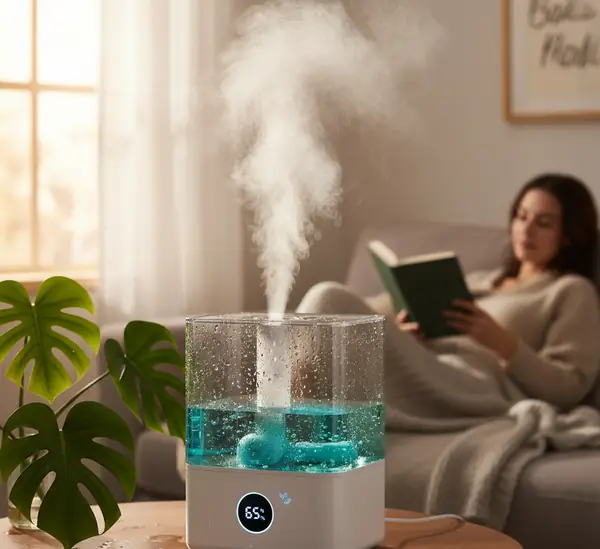
A humidifier is essential because it’s the invisible antagonist of the Canadian winter, an adversary that arrives not with a blizzard, but with the first click of the heater. It’s dry air, and its effects are as predictable as the fall of leaves in October. It manifests as a persistent tickle in the throat, a morning voice that sounds raspy and strained. It is the reason our skin feels tight and itchy, our lips chap, and our knuckles crack. It is the culprit behind the surprising, sharp zap of a static shock from a doorknob and the reason our wooden furniture can creak and even crack over time. In our quest to create warm, sealed sanctuaries against the cold, we inadvertently strip our indoor environment of its most essential atmospheric component: moisture. The Solution The solution to this pervasive dryness is a simple, yet profoundly effective, appliance: the humidifier. It is a machine dedicated to the straightforward task of reintroducing water vapor into the air, and in doing so, it can transform a harsh, uncomfortable indoor climate into a healthy, comfortable, and pleasant one. But a humidifier is not a passive appliance. It is an active participant in the quality of the air you breathe, and its ownership comes with a critical responsibility. A clean, well-maintained humidifier is a powerful tool for health and wellness. A neglected one can become the exact opposite, a device that disperses not soothing moisture, but a plume of microscopic contaminants. To appreciate the importance of a humidifier, one must first understand the concept of relative humidity. This is a measure of the amount of water vapor in the air, expressed as a percentage of the maximum amount the air could hold at a given temperature. Health experts generally agree that the ideal indoor relative humidity for human comfort and health is between 30 and 50 percent. During a cold winter, the air outside holds very little moisture. When we bring that air into our homes and heat it, its relative humidity plummets, often falling into the single digits, creating an environment that is drier than a desert. This parched air acts like a sponge, drawing moisture from every available source. It pulls it from our skin, leading to dryness and exacerbating conditions like eczema. It pulls it from the delicate mucous membranes lining our respiratory tract, from our nose and throat down to our lungs. This can dry them out, impairing their ability to trap viruses and bacteria, which is one reason colds and sinus infections can feel so much worse in the winter. Proper humidity keeps these membranes moist and healthy. It can also help soothe a cough and relieve congestion, making a humidifier an indispensable tool during cold and flu season. The Right Choice The most fundamental choice you will make is the type of humidifier that best suits your needs, and each operates on a different principle. The most common and traditional type is the evaporative humidifier. This device works on a simple principle, using a fan to blow air through a wet, absorbent filter, often called a wick. The water evaporates from the wick and is released into the room as a fine, invisible cool mist. These models are often self-regulating; as the humidity in the room increases, the rate of evaporation from the wick naturally slows down. Their main drawback is that the wick is a consumable item. It must be replaced regularly, as it can become clogged with mineral deposits and can potentially harbor mold if not maintained. A more modern and increasingly popular option is the ultrasonic humidifier. These machines are known for being exceptionally quiet. They use a small, vibrating diaphragm, a nebulizer, that moves at an ultrasonic frequency. These high-frequency vibrations break the water in the reservoir into microscopic droplets, which are then released into the air as a visible, cool mist. A major advantage of ultrasonic models is that they do not use a filter, reducing ongoing replacement costs. However, they have one significant potential downside that is directly tied to your water source, which we will address later. Vaporizer For those who prefer a warm mist, there is the vaporizer, or steam humidifier. This type of machine is the simplest of all. It contains a heating element that boils the water, creating steam that is then released into the room. The primary advantage of a vaporizer is that the boiling process kills any bacteria, mold, or other microorganisms that might be present in the water, ensuring the mist it produces is sterile. This warm mist can be particularly soothing for coughs and congestion. The trade-offs are that these models consume more electricity to heat the water, and they present a potential burn risk, making them a less ideal choice for homes with small children. At the end, there is the whole-house, or central, humidifier. This is not a portable appliance, but a system that is integrated directly into your home’s forced-air heating and cooling system. It automatically adds moisture to the air as it is being heated and distributed throughout your home, maintaining a consistent, pre-set level of humidity in every room. While this is the most convenient and hands-off solution, it is also the most expensive and typically requires professional installation and maintenance. Regardless of which type of humidifier you choose, one non-negotiable truth unites them all: they must be kept scrupulously clean. A humidifier’s reservoir of still, room-temperature water is the perfect environment for the growth of mold, mildew, and bacteria. If the machine is not cleaned regularly, it will aerosolize these contaminants along with the water vapor, broadcasting a plume of potentially harmful microorganisms directly into the air you breathe. This can trigger allergies, and in some cases, lead to a respiratory illness sometimes called “humidifier fever.” Cleaning The cleaning routine is a simple but critical two-part process of descaling and disinfecting. The first step, which should be done weekly, is descaling. This addresses the mineral buildup, or limescale,

Humidifier Cleaning: The Hidden Danger in Your Humidifier (And How to Prevent It) Read More »

Hot Tub Cleaning: Get Perfectly Balanced Hot Tub Water Every Time

The hot tub is a unique and cherished feature of a home, a vessel of relaxation and hydrotherapy that promises to melt away the stresses of the day. It is a place of quiet solitude under the stars or a centerpiece for social gatherings with friends and family. But this luxury comes with a non-negotiable responsibility. A hot tub is not a “set it and forget it” appliance like a refrigerator or a dishwasher. It is a small, self-contained, and highly active body of water, a delicate ecosystem that requires consistent, diligent maintenance to remain a source of pleasure and not become a source of murky, unsanitary, and potentially hazardous problems. The Chemistry of Water To own a hot tub is to become a part-time water chemist. The warm, bubbling environment that is so inviting to us is also the perfect breeding ground for bacteria, algae, and other microorganisms. The key to a clean, safe, and enjoyable hot tub experience is not about performing a massive, hours-long cleaning session once a year. It is about a regular, simple, and consistent routine of testing, balancing, and sanitizing. Understanding the fundamentals of this routine is the most important aspect of hot tub ownership. The foundation of hot tub care is water chemistry, and the three most important pillars of that chemistry are alkalinity, pH, and the sanitizer level. These three elements are interconnected, and a problem with one will inevitably affect the others. The first step for any hot tub owner is to get comfortable with testing the water, which should be done at least two or three times a week, or more often with heavy use. The most common method is with test strips, which are simple, color-coded strips of paper that you dip into the water for a few seconds. The first level you should check and adjust is the total alkalinity. Alkalinity is the water’s ability to resist changes in pH. It acts as a buffer, a stabilizing force that prevents the pH level from swinging wildly. The ideal range for total alkalinity in a hot tub is typically between 80 and 120 parts per million (ppm). If your alkalinity is too low, the pH will be unstable and can drop suddenly, making the water corrosive. If it is too high, it can cause the pH to drift upward, leading to cloudy water and scale formation. You can raise the alkalinity with a product often called “Alkalinity Increaser” (sodium bicarbonate) and lower it with a pH decreaser (sodium bisulfate). Always adjust the alkalinity first, before you address the pH. Alkalinity Once your alkalinity is in the correct range, you can adjust the pH. The pH is the measure of how acidic or basic your water is, on a scale of 0 to 14. A pH of 7 is neutral. The ideal range for a hot tub is between 7.4 and 7.6. This is not an arbitrary number; it is slightly alkaline to match the natural pH of the human eye, which is why it is the most comfortable for bathers. If the pH is too low (acidic), the water can be corrosive to the hot tub’s components, like the heater and the pump seals, and it can be irritating to the skin. If the pH is too high (basic), it will cause the sanitizer to become sluggish and ineffective, lead to cloudy water, and promote the formation of scale on the shell and in the plumbing. You can raise the pH with a “pH Increaser” (sodium carbonate) and lower it with a “pH Decreaser” (sodium bisulfate). Only after both the alkalinity and pH are properly balanced can you effectively manage the sanitizer. The sanitizer is the chemical that actively kills bacteria and other harmful microorganisms in the water. The two most common types of sanitizer are chlorine and bromine. Chlorine is fast-acting and a powerful oxidizer, but it can have a stronger chemical smell and is less stable in the hot, high-pH environment of a spa. Bromine is more stable at higher temperatures and has a less noticeable odor, making it a very popular choice for hot tubs. It also has the unique ability to be reactivated by “shocking” the water. The ideal level for chlorine is between 1 and 3 ppm, and for bromine, it is between 3 and 5 ppm. You must maintain these levels at all times to ensure the water is safe for bathing. Hot Tub Filters Even with a perfectly maintained sanitizer level, the water will accumulate other unwanted waste products over time. Soaps, lotions, deodorants, and organic matter from bathers build up in the water, creating a food source for bacteria and making the water cloudy and unpleasant. To combat this, you need to “shock” your hot tub on a regular basis, typically once a week. Shocking is the practice of adding a large dose of an oxidizer to the water. This does several things: it breaks down all the organic waste, it kills any resistant bacteria, and in a bromine spa, it reactivates the used bromine ions, turning them back into effective sanitizer. Always shock the spa with the cover off and the jets running to allow it to circulate properly and to let the gasses vent. Beyond the daily and weekly chemical maintenance, the hot tub has other physical components that require regular attention. The most important of these is the filter. The filter is the kidney of your hot tub, constantly working to remove small particles, hair, and debris from the water. A dirty, clogged filter cannot do its job, which will result in cloudy water and will put a strain on your pump. The filter cartridges should be removed and rinsed with a garden hose at least once a week. The goal is to spray the debris out from between the pleats of the filter. Every few months, the filter needs a deep clean. This involves soaking it overnight in a specialized filter cleaning solution to break down

Hot Tub Cleaning: Get Perfectly Balanced Hot Tub Water Every Time Read More »

woman giving her friend a cleaning gift card

Cleaning Gift: The Most Thoughtful Thanksgiving Gift You Can Give

Thanksgiving is a holiday centered on the beautiful, simple act of gathering. It’s about the warmth of a crowded table, gifts, the familiar comfort of shared recipes, and the expression of gratitude for the people in our lives. We plan menus, we brine turkeys, and we coordinate who will bring which dessert. But beneath this joyful preparation lies a silent, often stressful, and monumental task that almost always falls on the host: the pre-Thanksgiving deep clean. We have all felt it. The week before the guests arrive is a frantic race against the clock. It is a period of scrubbing, dusting, and mopping, driven by the quiet but intense pressure to present a home that is not just tidy, but impeccably clean. It is a labor of love, but it is labor nonetheless. It is hours spent on hands and knees, wiping baseboards and scrubbing floors, when that time could be spent perfecting a pie crust or simply taking a moment to breathe before the happy chaos begins. This year, consider a different kind of contribution. Instead of offering to bring another side dish that will crowd the refrigerator, think about giving a gift that truly serves the person you are thankful for. Consider giving the gift of a clean home. It may sound unconventional, but a pre-Thanksgiving cleaning, whether performed by you or a professional service, is one of the most thoughtful, practical, and profoundly impactful gifts you can possibly give a friend who is hosting. It is a gesture that transcends a simple present; it is a gift of time, of peace of mind, and of genuine, functional support. The Gift of Time In our busy lives, time is the most precious and non-renewable resource we have. During the holiday season, this becomes acutely apparent. The host of a Thanksgiving dinner is not just cooking a single meal; they are orchestrating a major event. Their to-do list is a marathon of planning, shopping, chopping, and baking. The last thing they have is a surplus of free hours. Let’s be honest about what a true guest-ready clean entails. It is not a quick wipe of the counters. It is a comprehensive, top-to-bottom effort. The Dusting: This means getting not just the coffee table, but the tops of the door frames, the ceiling fan blades, the baseboards, and the window sills. It is a detailed, meticulous job that can easily take an hour or more. The Kitchen Deep Clean: The kitchen is the heart of Thanksgiving, and it needs the most intensive work. This involves scrubbing the stovetop, wiping down the fronts of all appliances, cleaning the microwave, disinfecting the countertops, and making sure the sink is sparkling. This is a solid hour of focused work, at minimum. The Bathroom Scrub: The guest bathroom needs to be pristine. This means scrubbing the toilet, cleaning the sink and faucet, wiping down the mirror until it is streak-free, and washing the floor. The Floors: Every hard-surface floor in the main living areas needs to be thoroughly swept and mopped. Every carpet needs to be vacuumed, including moving furniture to get the dust bunnies hiding underneath. This can easily consume another hour or two, depending on the size of the home. The Final Touches: Cleaning entryway glass, tidying up clutter, and giving everything a final polish. When you add it all up, a proper pre-hosting deep clean can easily take five to eight hours of hard, physical work. By giving the gift of a cleaning, you are handing your friend an entire day of their life back. That is a day they can now use to finalize their menu, to bake a dessert without rushing, to spend time with their children who are excited for the holiday, or, most importantly, to simply sit down with a cup of tea and mentally prepare for the joy of hosting, rather than the stress of it. You are not just saving them a chore; you are giving them the space to enjoy the process. The Gift of Peace of Mind The physical labor of cleaning is only half the battle. For any host, the mental load can be even more exhausting. The pressure to have a “perfect” home is a real and often unspoken source of anxiety. Every dust bunny in the corner, every smudge on the window, and every crumb under the dining table can feel like a personal failing when you are about to welcome people into your home. This “hosting anxiety” creates a mental checklist that runs on a constant loop in a host’s mind. Did I remember to dust the lampshades? Is the guest bathroom clean enough? Does the house smell fresh? This internal monologue is a significant source of stress that detracts from the true spirit of the holiday. When you give the gift of a clean home, you are silencing that nagging voice. You are taking a huge, stressful item off their mental checklist and completely erasing it. Imagine the profound sense of relief your friend will feel, walking into their home a day or two before Thanksgiving to find that it is already done. The floors are gleaming. The kitchen is sanitized and ready for the culinary marathon. The bathroom is sparkling. This gift allows your friend to transition their focus from the presentation of their home to the purpose of the gathering. They can channel all their energy into what truly matters: the food, the conversation, and the connection with their loved ones. They can be a present, relaxed, and joyful host, not a frazzled, exhausted one who is secretly worrying about whether a guest noticed the dust on the baseboards. You are not just cleaning their house; you are clearing their mind. A Foundation for the Entire Holiday Season Thanksgiving in many ways is the official kick-off to the entire winter holiday season. The festivities of November flow directly into the preparations for December. A deep clean for Thanksgiving is therefore not just a gift for a single day; it is a foundational gift that keeps on

Cleaning Gift: The Most Thoughtful Thanksgiving Gift You Can Give Read More »

doormat

5 Reasons Your Doormat Is Your Most Important Cleaning Tool

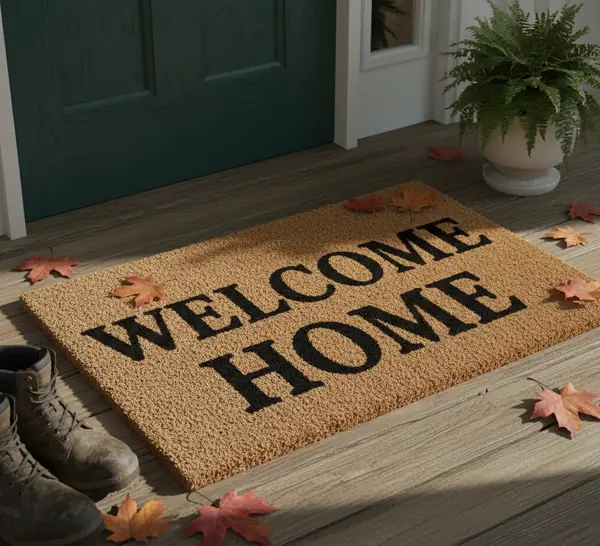
It is the most overlooked and yet one of the most hardworking items in any home. Doormat, it is a humble rectangle, a simple slab of bristly fiber or textured rubber, lying in wait at the threshold. It is the doormat, and its role is far more critical than its modest appearance suggests. The doormat is not a mere decorative accessory; it is the first line of defense in the ceaseless battle to keep a home clean. It is the silent gatekeeper, the unsung hero that single-handedly prevents a significant percentage of the dirt, grime, and pollutants of the outside world from ever crossing into your living space. Understanding the profound importance of a doormat requires an appreciation for what is being carried on the soles of our shoes. A study conducted by the University of Arizona made a startling discovery: the average shoe sole is covered in hundreds of thousands of bacteria per square inch, including E. coli. Beyond the microscopic threats, our shoes pick up everything from lawn chemicals, pesticides, and asphalt residue to common dirt, mud, dust, and pollen. Without a doormat, all of this is tracked directly onto your floors, where it is then circulated throughout your home, embedding itself in carpets and becoming airborne. A good doormat is a simple, passive, yet incredibly effective tool for trapping this unwanted material at the door. 1.Effective Doormat Not all doormats are created equal. An effective doormat is a piece of functional equipment, and its design and material composition are directly related to its performance. A flimsy, decorative mat might offer a cheerful greeting, but it will do little to stop the ingress of dirt. A truly effective doormat excels in two primary functions: scraping and absorbing. Scraping: The first job of a doormat is to physically scrape away solid particles from the bottom of shoes. This includes mud, dirt, sand, gravel, and even snow and ice. To do this, the mat needs a coarse, abrasive texture. The bristles or fibers must be stiff and resilient enough to dig into the treads of a shoe sole and dislodge the debris. Absorbing: The second job is to absorb moisture. Wet shoes are not only a slipping hazard but also track in dirty water that can stain carpets and damage hardwood floors. An effective doormat needs to have absorbent properties to trap rainwater, snowmelt, and moisture from damp ground. For this reason, the most effective entryway strategy often involves a two-mat system: a tough, scraping mat outside the door and a softer, absorbent mat inside the door. 2.Choosing the Right Material The material of a doormat is the most significant factor in its ability to perform its duties. Coir (Coco Fiber): This is the classic, traditional doormat material, and for good reason. Made from the husks of coconuts, coir is a natural, highly durable, and coarse fiber that is exceptional at scraping dirt and mud from shoes. It is also naturally resistant to mold and mildew, making it an excellent choice for an outdoor mat. Its one major weakness is that it can shed fibers and does not absorb a large amount of water, which can lead to it becoming waterlogged in very wet climates if not placed in a covered area. Rubber: Rubber doormats are the heavy-duty workhorses of the mat world. They are extremely durable, weather-resistant, and their weight helps them stay in place. Many rubber mats feature a textured or patterned surface with deep grooves designed to scrape away debris and trap it within the mat. They are excellent for scraping and are very easy to clean—a simple spray with a hose is usually all that is needed. They are not, however, absorbent. This makes them a perfect choice for an outdoor scraping mat, often in combination with an indoor absorbent mat. Synthetic Fibers (Polypropylene, Nylon, Polyester): Doormats made from synthetic fibers are a versatile and popular choice. They can be designed to be both abrasive and absorbent. Polypropylene, in particular, is a fantastic material for an all-around doormat. It is highly resistant to staining, fading, mold, and mildew, and it dries very quickly. This makes it suitable for both indoor and outdoor use. Synthetic mats are often designed with a “bi-level” construction, featuring a coarse scraping surface and deeper channels to trap dirt and water, keeping the top surface cleaner. Cotton and Microfiber: These materials are champions of absorption. A cotton or microfiber mat is the ideal choice for the inside of the entryway. After the outdoor mat has scraped off the solid debris, the indoor mat’s job is to soak up any remaining moisture and trap fine dust particles. They are soft underfoot and are typically machine washable, making them very easy to maintain. They are not, however, suitable for outdoor use, as they would quickly become saturated and take a long time to dry. Wrought Iron: While less common, cast iron or wrought iron doormats are purely functional scraping tools. Their ornate, open-scrollwork designs provide a highly effective surface for scraping mud and snow from boots. They are incredibly durable and last a lifetime. Naturally, they have zero absorbent properties and must be paired with an indoor mat. 3.The Two-Mat System The single best way to maximize the effectiveness of your doormats is to implement a two-mat system. The Outdoor Mat: This is your first line of defense. Its sole purpose is to scrape. It should be coarse, durable, and weather-resistant. Coir, rubber, or a heavy-duty synthetic mat are the best choices here. This is the mat that will take the brunt of the mud, snow, and heavy dirt. The Indoor Mat: This is your second line of defense, located just inside the door. Its primary purpose is to absorb. After the heavy debris has been removed outside, this mat’s job is to trap any remaining moisture and fine dust. Cotton, microfiber, or a softer synthetic mat are ideal for this role. This mat also provides a clean, dry place to stand while removing shoes. This tandem approach ensures that by the time a

5 Reasons Your Doormat Is Your Most Important Cleaning Tool Read More »

Kettle Maintenance: A Step-by-Step Cleaning Guide Get Your Kettle Sparkling Clean for the Autumn Season

The electric kettle is the unsung hero of the modern kitchen. It is an appliance of profound simplicity and efficiency, dedicated to the singular, noble task of boiling water quickly. It facilitates our morning coffee rituals, our afternoon tea breaks, and countless culinary preparations. Yet, for all its utility, the kettle is often subject to a slow, creeping form of internal decay that compromises its performance and the quality of the water it boils. This internal affliction is limescale, and dealing with it is the most critical aspect of kettle maintenance. Understanding Limescale If you live in an area with hard water, limescale is an inevitability. Hard water is simply water that has a high concentration of dissolved minerals, primarily calcium carbonate and magnesium. These minerals are harmless to drink, but when the water is repeatedly heated, they precipitate out of the solution and form a hard, chalky, off-white deposit on surfaces. In a kettle, this deposit builds up layer by layer on the heating element and the interior walls. At first, this buildup might seem like a purely cosmetic issue, but it has several significant and detrimental effects: Impaired Performance and Wasted Energy: Limescale acts as an insulator. The crusty layer on the heating element forces it to work harder and longer to transfer heat to the water. This means your kettle takes noticeably longer to reach a boil, and in doing so, consumes more electricity. A kettle caked in limescale is an inefficient kettle, wasting both time and money. Altered Taste: The minerals in the limescale can leach back into the water, imparting a faint, chalky, or metallic taste. This can ruin the delicate flavors of a high-quality tea or coffee. You might also notice a gritty texture or floating white flakes in your cup, which are small pieces of the scale that have broken off. Potential for Bacterial Growth: The rough, porous surface of thick limescale deposits can create a habitat for bacteria to colonize. While the boiling process will kill most active bacteria in the water, the surface of the scale itself can harbor microorganisms that you do not want in your daily beverage. Reduced Lifespan: Forcing the heating element to consistently overheat to penetrate the limescale can cause it to burn out prematurely, shortening the functional life of your appliance. The Deep Clean Cleaning the inside of a kettle is not about scrubbing. It is about chemistry. You need to use a mild acid to dissolve the alkaline mineral deposits. This process, known as descaling, is simple, effective, and can be done with basic household products. It should be performed regularly, anywhere from once a month to every few months, depending on the hardness of your water. The moment you see a visible white film forming on the bottom, it is time to descale. Method 1: The White Vinegar Method  This is the classic, most effective, and cheapest way to descale a kettle. Step 1: Create the Solution. Fill the kettle with a solution of equal parts distilled white vinegar and water. Do not fill it past the maximum fill line. A 50/50 mix is a strong and effective starting point. Step 2: Let it Soak (Optional but Recommended). For very heavy buildup, let the solution sit in the kettle for an hour before proceeding. This gives the acetic acid in the vinegar time to begin breaking down the limescale. Step 3: Bring to a Boil. Turn the kettle on and let it run through a full boiling cycle. The combination of heat and acidity will accelerate the chemical reaction that dissolves the mineral deposits. As it heats up, you may see the limescale begin to fizz and flake off. Step 4: The Big Soak. Once the kettle has boiled and switched off, leave the hot solution inside to sit for at least 20-30 minutes. For extremely stubborn scale, you can leave it for several hours or even overnight. Step 5: Empty and Inspect. Pour the vinegar solution down the sink. You should see that most, if not all, of the limescale is gone. If some stubborn patches remain, you can use a non-abrasive sponge or cloth to wipe them away. Step 6: Rinse Thoroughly. This is a critical step. Rinse the inside of the kettle with clean, cool water several times to remove any lingering scale and, most importantly, the smell and taste of vinegar. Fill it with fresh water, boil it again, and discard that water. This final boil will remove any final traces of the vinegar. Method 2: The Lemon or Citric Acid Method  For those who dislike the potent smell of vinegar, lemon juice or citric acid provides a more fragrant but equally effective alternative. Step 1: Create the Solution. You can use the juice of one or two fresh lemons or two tablespoons of citric acid powder (available in the baking or canning aisle of most grocery stores). Add this to a kettle filled with water up to the max line. Step 2: Soak and Boil. As with the vinegar method, let the solution sit for about an hour, then bring the kettle to a full boil. Step 3: Sit and Wait. Once boiled, let the hot solution sit for 20-30 minutes to finish its work. Step 4: Rinse and Repeat. Empty the kettle and rinse it thoroughly. Perform a final boil with fresh water and discard it to ensure no lemony taste remains. Cleaning the Exterior While the interior is the functional priority, the exterior also deserves attention. Always unplug the kettle before cleaning the outside. Stainless Steel: The best way to clean a stainless steel exterior is with a damp microfiber cloth and a drop of dish soap. Wipe in the direction of the grain of the steel. To remove fingerprints and add shine, you can put a small amount of white vinegar or a dab of olive oil on a clean, dry cloth and buff the surface, again, following the grain. Plastic: A simple wipe with a damp, soapy cloth is usually sufficient for a plastic kettle. Avoid using abrasive scrubbers, which

Kettle Maintenance: A Step-by-Step Cleaning Guide Get Your Kettle Sparkling Clean for the Autumn Season Read More »

laminate floor cleaning

Best Ways To Clean Laminate Flooring Without Damage

Laminate flooring is a triumph of modern engineering, offering the sophisticated look of hardwood, stone, or tile without the high cost and demanding maintenance. Its popularity in homes across the world is a testament to its durability, versatility, and ease of care. Composed of multiple layers fused together through a lamination process, this flooring is designed to withstand the rigors of a busy household. The top layer is a tough, transparent wear layer that protects the decorative, high-resolution image layer beneath it. Below that, a dense inner core of fiberboard provides stability and impact resistance, and a final backing layer adds moisture resistance. This multi-layered construction is what gives laminate its strength, but it also dictates a very specific set of cleaning and maintenance rules. The greatest vulnerability of laminate flooring lies in its core and seams. While the top wear layer is highly water-resistant, the fiberboard core is not. Excessive moisture that seeps between the planks can cause the core to swell, warp, and buckle, leading to irreparable damage. Therefore, the cardinal rule of laminate floor care is simple: water is the enemy. Understanding how to clean your laminate floors effectively is not about soaking and scrubbing, but about using the right tools and techniques to remove dirt and grime while using the absolute minimum amount of liquid. The Foundation of Laminate Care The best way to keep your laminate floors looking their best is through consistent, preventative cleaning. The goal is to remove the daily accumulation of dust, dirt, and grit before it has a chance to damage the floor’s surface. Small particles of sand and dirt act like fine-grit sandpaper underfoot, creating microscopic scratches in the wear layer that will, over time, dull the floor’s finish. Your Essential Toolkit: A Soft-Bristled Broom or a Dust Mop: This is your first line of defense. A dust mop with a microfiber head is superior to a traditional broom, as it traps dust and pet hair using a static charge rather than just pushing it around. A Vacuum Cleaner with a Hard Floor Setting: A vacuum is excellent for picking up debris from between the planks. Crucially, you must use a vacuum that either has a dedicated hard floor head (with soft bristles) or allows you to turn off the beater bar/brush roll. A stiff, rotating beater bar designed for carpet can scratch and damage the surface of your laminate. A High-Quality Microfiber Mop: This is the most important tool for actually “washing” your laminate floors. Its absorbent pads are designed to clean effectively with very little water. A pH-Neutral Floor Cleaner (or a DIY solution): You need a cleaner that won’t leave a hazy residue or damage the floor’s protective layer. Daily Maintenance The most effective daily habit you can adopt is a quick sweep with a dust mop or a soft-bristled broom. This takes only a few minutes and is the single best thing you can do to prevent long-term wear and tear. Place high-quality doormats at every entrance to your home to trap a significant amount of dirt, grit, and moisture before it even reaches your floors. Weekly Cleaning Once a week, a more thorough cleaning is in order. Dry Clean First: Always begin by thoroughly removing all loose dust and debris. Use your dust mop or vacuum (with the beater bar turned off) to clean the entire floor. This step is crucial; if you start mopping a dirty floor, you are essentially just pushing around a slurry of abrasive grit, which can cause scratches. Spot-Treat Stains: Inspect the floor for any spots or spills and treat them individually before you mop. For most common spots, a damp microfiber cloth is sufficient. For tougher marks like scuffs or ink, you can use a small amount of isopropyl (rubbing) alcohol on a cloth. Prepare Your Mopping Solution: This is where the “less is more” principle is vital. You have several options for a safe and effective cleaning solution: Commercial Laminate Floor Cleaner: This is often the safest bet. Choose a pH-neutral, water-based cleaner specifically formulated for laminate. Always follow the dilution instructions on the bottle. DIY Vinegar Solution: For a simple, inexpensive option, mix a solution of one part white vinegar to ten parts warm water in a spray bottle. The vinegar helps to dissolve grime and won’t leave a residue. (For a very large area, you can use a ratio of a half-cup of vinegar to a gallon of water). DIY Alcohol Solution: For a quick-drying, streak-free clean, mix equal parts water, isopropyl alcohol, and white vinegar in a spray bottle.Important: Never use oil-based soaps (like Murphy Oil Soap), wax, or any product that promises to add a “shine” to your floor. These products will leave a dull, streaky film that is very difficult to remove and can create a dangerously slippery surface. The Damp-Mop Technique: This is the most critical part of the process. Never flood your laminate floor with water. Your microfiber mop pad should be damp, not wet. If you are using a mop and bucket, submerge the mop head in your cleaning solution and then wring it out until it is almost dry to the touch. The superior method is to use a spray bottle. Lightly mist a small section of the floor with your chosen cleaning solution and then immediately wipe it up with your dry microfiber mop. Work in small, manageable sections, misting and wiping as you go. This technique ensures that no standing water is left on the floor to seep between the seams. Dry If Necessary: A properly damp-mopped floor should air-dry in a minute or two. If you see any areas that are still wet, wipe them with a clean, dry microfiber cloth to prevent water spots. Tackling Common Spills and Stains The protective wear layer on laminate flooring makes it highly resistant to stains, but quick action is always the best policy. Liquid Spills (Water, Juice, Soda): Wipe up immediately with a clean, dry cloth. For sticky spills, use a cloth dampened with your regular cleaning solution, then wipe with a clean, water-dampened

Best Ways To Clean Laminate Flooring Without Damage Read More »

5 Mistakes You Need To Stop Making When Using The Duster

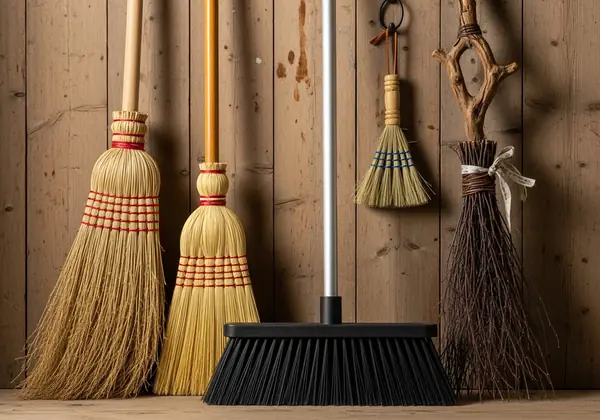
Dust is an unavoidable reality of any indoor space. It is a complex and ever-changing collection of microscopic particles, including dead skin cells, fabric fibers from clothing and furniture, pollen, pet dander, soil particles brought in from outside, and even microscopic meteorite debris. This combination of organic and inorganic matter settles on every horizontal surface, creating a fine gray layer that dulls the appearance of a home and can have a significant impact on indoor air quality. For individuals with allergies, asthma, or other respiratory conditions, dust is not just an aesthetic issue; it is a health concern, as it can harbor dust mites and other allergens that trigger symptoms. Duster The primary tool in the constant battle against this accumulation is the duster. In its simplest form, a duster is any implement designed to remove dust from surfaces. However, the evolution of this humble tool reveals a deeper understanding of what dust is and how it behaves. The goal of effective dusting is not simply to move dust from one surface to another, a common failing of older methods, but to capture and remove it from the environment entirely. The most iconic and traditional image of a duster is the feather duster. Typically made from ostrich, turkey, or chicken feathers attached to a handle, these tools have been used for centuries. Their appeal lies in their softness and ability to get into nooks and crannies of delicate objects. However, the feather duster is fundamentally flawed in its design when it comes to modern standards of cleanliness. The feathers are not particularly effective at trapping dust. Instead, their primary action is to dislodge dust particles, sending them airborne only to settle elsewhere minutes or hours later. While a high-quality ostrich feather duster can perform slightly better due to the fine, interlocking barbules on the feathers creating a minor static charge, it still largely functions by displacing, rather than capturing, dust. For a truly clean environment, the feather duster is more of a decorative antique than a functional tool. A significant step up from the feather duster is the lambswool duster. Made from genuine sheep’s wool, these dusters leverage the natural properties of the fiber. Lambswool contains lanolin, a natural oil that, combined with the static charge generated by the wool fibers, actively attracts and holds onto dust particles. Unlike feathers that merely push dust away, a lambswool duster actually lifts and collects it. The dense, soft fibers are excellent for general dusting on a variety of surfaces and are gentle enough for most furniture. They are particularly effective for dusting large, flat surfaces like tables and shelves. Microfiber The true revolution in dusting technology, however, came with the invention of microfiber. Microfiber is a synthetic material, typically a blend of polyester and polyamide (nylon), that is composed of fibers split into incredibly fine strands. These strands are many times smaller than a human hair, creating a vast surface area within a single cloth or duster head. This structure is what gives microfiber its almost magical cleaning ability. The split fibers create a net-like surface that physically traps dust, dirt, and even bacteria. Furthermore, when used dry, the fibers generate a positive static charge that attracts and holds onto negatively charged dust particles. Microfiber does not require chemical sprays to be effective; it works through its physical and electrostatic properties. It is the pinnacle of dust capture and removal. Microfiber dusters come in a wide array of shapes and sizes, each designed for a specific purpose, making them the most versatile option available. Handheld Microfiber Dusters: These are the workhorses for everyday dusting. With a fluffy head of microfiber strands, they are perfect for cleaning furniture, electronics, picture frames, and general household surfaces. Many have a flexible head that can be bent to clean the tops of ceiling fan blades or the tops of tall bookcases. Extendable Microfiber Dusters: For high and hard-to-reach places, an extendable duster is indispensable. With a telescoping pole that can reach ceilings, light fixtures, high corners, and the tops of cabinets, these tools eliminate the need for a stepladder in most situations. They prevent the neck and shoulder strain associated with trying to reach overhead and ensure that no part of the room is neglected. Slim or Flat Microfiber Dusters: Designed with a long, thin profile, these dusters are made to slide into tight spaces where other tools can’t go. They are perfect for cleaning underneath appliances like the refrigerator and oven, between cabinets, and alongside the washing machine and dryer—areas where thick layers of dust and lint can accumulate unseen. Microfiber Cloths: While not a “duster” in the traditional sense, a simple, high-quality microfiber cloth is one of the most effective tools for detailed dusting. Used dry, it picks up dust from delicate surfaces. Lightly dampened with water, it can remove smudges and more stubborn grime without leaving streaks.  Disposable Duster Another category in the modern dusting arsenal is the disposable duster. These tools typically consist of a reusable handle and disposable heads made from fluffy synthetic fibers designed to trap dust via static electricity. Their primary advantage is convenience. After use, the dirty head is simply thrown away, eliminating the need for cleaning the tool itself. While effective for light, regular dusting, they are less environmentally friendly and can become more expensive over the long term compared to a washable microfiber duster. The technique used for dusting is just as important as the tool itself. Without proper methodology, even the best microfiber duster can be ineffective. The single most important principle of cleaning any room is to work from top to bottom. Gravity dictates that any dust dislodged from a high surface will fall downward. Therefore, dusting should always be the first step in cleaning a room, before wiping down lower surfaces or vacuuming the floor. Start with the highest points: ceiling corners, light fixtures, and the tops of ceiling fans. An extendable duster is essential for this. Next, move to the tops of tall furniture

5 Mistakes You Need To Stop Making When Using The Duster Read More »

Autumn Allergy

Autumn Allergy: 4 Essential Cleaning Plan For a Healthy Home

September brings a welcome stunning display of autumn colours. But this seasonal shift also signals the start of the miserable autumn allergy season, a time of sneezing, itchy eyes, and respiratory discomfort. While the beauty of fall is enjoyed outdoors, inside our homes, a battle against invisible intruders begins. The primary culprits of a Canadian autumn allergy are ragweed pollen, which can travel for hundreds of kilometers on the wind, and mold spores, which thrive in the damp conditions of early fall. These allergens infiltrate our homes, settling on surfaces, embedding in fabrics, and circulating through the air we breathe. Creating a healthy indoor environment is the most effective strategy for finding relief from a persistent autumn allergy. An essential, targeted cleaning plan can dramatically reduce the presence of these allergens, transforming your home from a source of misery into a true sanctuary. This is not about a simple tidy-up; it’s a strategic deep clean focused on eliminating the triggers of your autumn allergy where they live and breed. 1.The Bedroom We spend roughly a third of our lives in the bedroom, making it the most critical area to address for allergy relief. Soft furnishings like bedding, curtains, and mattresses are magnets for allergens. Bedding: Your sheets, pillowcases, and duvet covers accumulate a nightly collection of dust mites, their waste, pet dander, and pollen brought in on your hair and clothes. To combat this, all bedding must be washed weekly. The key is to use hot water, at least 130°F (54°C), as this temperature is required to kill dust mites. If your fabrics are too delicate for hot water, a warm wash followed by a cycle in a hot dryer for at least 15 minutes can achieve a similar result. Don’t forget your pillows and duvets themselves; wash them every few months. Using allergen-proof covers for your mattress and pillows is also a highly effective solution that creates an impermeable barrier against the triggers of an autumn allergy. Curtains and Window Treatments: Curtains act like large filters, trapping airborne dust and pollen that can make allergy symptoms worse. In the fall, take down all curtains and launder them. For non-washable window treatments like blinds, a thorough cleaning is necessary. Use a damp microfiber cloth to meticulously wipe down each slat. This simple step removes a significant amount of settled pollen that would otherwise aggravate your allergies every time you open or close them. Mattresses: Your mattress can harbor millions of dust mites, a year-round problem that exacerbates any autumn allergy. A deep clean in September is essential. Use the upholstery attachment on your vacuum cleaner to go over the entire surface of the mattress. This process is fundamental to creating a low-allergen sleeping environment and finding significant relief. 2.Floors and Air Quality Carpets and rugs can hold up to eight times their weight in dust, dirt, and allergens. Your cleaning method here is crucial for improving the air you breathe and managing your seasonal allergies. Vacuuming with a HEPA Filter: The single most important tool in your allergy-fighting arsenal is a vacuum cleaner equipped with a High-Efficiency Particulate Air (HEPA) filter. Standard vacuums often just stir up fine particles like pollen, making allergy symptoms worse. A HEPA filter, by contrast, is designed to capture 99.97% of tiny particles, ensuring that allergens are trapped and removed from your home. This is non-negotiable for anyone suffering from a severe autumn allergy. Proper Vacuuming Technique: Move slowly and methodically, making multiple overlapping passes over your carpets. This gives the vacuum enough time to pull up allergens from deep within the carpet fibers. Aim to vacuum high-traffic areas at least twice a week during the peak autumn allergy season. 3.Controlling Moisture and Eliminating Mold Mold is a major autumn allergy trigger, and its growth is directly linked to moisture. The cooler, damper weather of early fall can create ideal conditions for mold to thrive. Bathrooms: The bathroom is a prime location for mold growth. Use an exhaust fan during and for at least 20 minutes after every shower to vent moisture outside. Regularly clean tile grout with a mixture of vinegar and water to kill any emerging spores. Controlling moisture here is a critical step in managing mold-related allergies. Basements and Crawl Spaces: These below-ground areas are naturally prone to dampness. Invest in a good dehumidifier to keep the humidity level below 50%. The musty smell often found in basements is a clear sign of a problem that can significantly worsen allergy symptoms. Kitchens: Always use the exhaust fan over your stove when cooking. Regularly check under the sink and around the dishwasher for any leaks. Preventing mold growth is a proactive way to fight these allergies before they start. 4.General Household Cleaning for Autumn Allergy Relief Pollen and dust settle on every surface. A comprehensive cleaning plan must include these often-overlooked areas to provide true allergy relief. Dusting Technique: Dry dusting merely displaces allergens. The most effective method is to use a damp microfiber cloth, which traps dust particles instead of sending them airborne and triggering allergy symptoms. Always work from the top of a room down to the bottom. HVAC System Maintenance: Your home’s HVAC system can either help or hinder your fight against allergies. Before you turn on your furnace for the first time in the fall, replace the filter. Consider upgrading to a high-efficiency filter designed to capture smaller particles like pollen and mold spores. Upholstery and Soft Furnishings: Sofas and armchairs are just as susceptible to allergen buildup as carpets. Vacuum them weekly using the upholstery attachment to minimize allergen buildup. A proactive and thorough cleaning plan is your best defense against the onslaught of the autumn allergy season. By systematically targeting the areas where pollen, mold, and dust mites accumulate, you can significantly improve your home’s indoor air quality and create a healthier, more comfortable living space for your family during the fall season in Canada. A comprehensive cleaning plan is your best defense against the misery of an autumn allergy. To ensure every allergen is thoroughly removed from your home, from washing textiles to deep vacuuming and controlling moisture, consider the expert

Autumn Allergy: 4 Essential Cleaning Plan For a Healthy Home Read More »

Back to School and Home Clean

Back to School: 7 Effective Ways to Keep Your Home From Turning Into Chaos

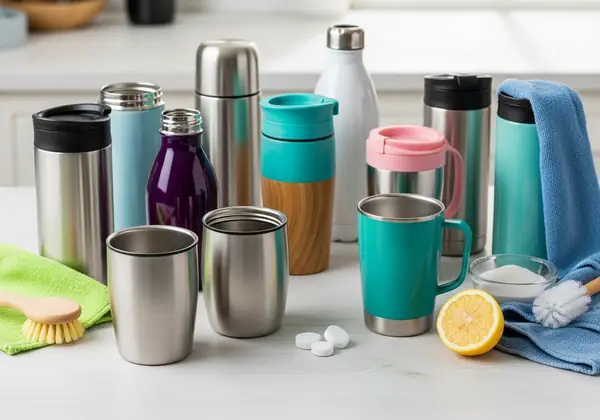
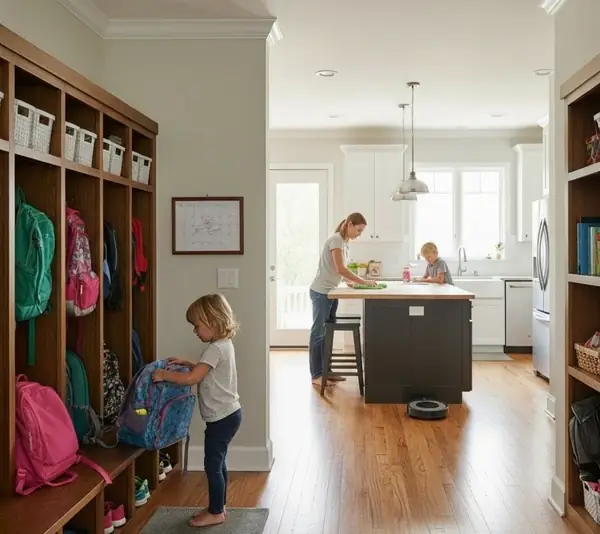
September in Canada is a vibrant month of energy and back to school time. The leaves begin to change color, the air grows crisp, and the country prepares for the autumn season. At the heart of every home, the most significant transition is the much-anticipated Back to School period. Mornings become more hurried, evenings are filled with homework and extracurricular activities, and the constant flow of backpacks, lunchboxes, and outdoor shoes can quickly transform an organized house into chaos. For Canadian families, this Back to School period demands more than just buying school supplies; it requires an adaptation of household routines, especially in cleaning and organizing, to ensure that the home remains a sanctuary of peace and order amidst the bustle of the new Back to School season. A well-managed home during this time is not only more pleasant to live in but also a fundamental pillar for the well-being and productivity of all its members. The Chaos of the Back to School Period The end of summer and the start of the academic year bring with them a host of new challenges for home organization and hygiene. Suddenly, the spaces that once housed summer play now need to accommodate school uniforms, books, art supplies, and gear for countless after-school activities. The increased traffic of children and teenagers entering and leaving the house means more dirt, more germs, and often, more clutter. Backpacks dropped by the entrance, papers scattered across the kitchen table, damp gym clothes on the bedroom floor, these are familiar scenarios for many Canadian families as the Back to School rush begins in September. Furthermore, the school environment is a fertile ground for the spread of germs. Children bring home not only new knowledge but also the viruses and bacteria circulating in classrooms, elevating the importance of cleaning focused on disinfection. Adapting cleaning strategies to face this new rhythm is essential for maintaining health and sanity at home during the Back to School transition. 1.Key Areas of Focus for Back to School Clean-up To combat the chaos of the Back to School season, it’s crucial to concentrate cleaning and organizing efforts in areas most impacted by the school routine: Entrances and Mudrooms: These are the first lines of defense against outdoor dirt. In many Canadian homes, the mudroom or entry area quickly becomes a repository for dirty shoes, coats, backpacks, and lunchboxes as everyone rushes for Back to School. To prevent dirt from spreading throughout the house and to maintain order: Create Designated Zones: Install hooks for coats and backpacks, and trays or shelves for shoes. This prevents items from piling up on the floor. Daily Cleaning: Sweep or vacuum this area daily. In Calgary and other Canadian cities, shoes track in a lot of dirt, especially as the weather begins to change. Regular Disinfection: Wipe down doorknobs and surfaces that hands frequently touch with a disinfectant, vital during Back to School germ season. The Kitchen: The kitchen shifts from a place of relaxed summer meals to a headquarters for lunchbox prep and quick meals, a core part of the Back to School routine. Lunchbox Organization: Dedicate a cupboard or shelf for lunchboxes and water bottles. Wash them immediately after use and allow them to dry. Countertop Cleaning: Wipe and disinfect countertops after each food and snack preparation. Crumbs and spills are inevitable. Refrigerator Organization: With more food being prepared and stored, keep the refrigerator organized and clean up spills immediately. Spotless Sink: Encourage immediate washing of dishes or loading the dishwasher to prevent accumulation. Study Areas and Desks: With homework in full swing, these areas can quickly become disorganized as part of the Back to School workload. Keep It Simple: Encourage a clean and minimalist study space to reduce distractions. Material Storage: Use desk organizers, drawers, and shelves to store pens, papers, books, and school supplies. Regular Cleaning: Dust and wipe down desk surfaces regularly. Encourage children to put away their materials after each study session. Bedrooms: Bedrooms can easily become clutter zones with clothes and personal items, especially with the morning Back to School rush. Make the Bed: The habit of making the bed every day creates a foundation of order for the room. Laundry Hampers: Ensure each bedroom has a laundry hamper to prevent clothes from ending up on the floor. Quick Tidy-Up Routine: Teach children to spend 5-10 minutes before bedtime tidying their rooms, putting away clothes and toys. Bathrooms: With increased exposure to germs at school, bathrooms need extra attention during the Back to School period. Daily Wipe-Down: Quickly wipe down the sink and toilet to remove visible dirt. Frequent Disinfection: Use a disinfectant on doorknobs, faucets, toilets, and light switches several times a week. Clean Towels: Encourage the use of clean face and hand towels daily or every other day. 2.Implementing New Routines The secret to maintaining order during the Back to School season is establishing routines that become habits: Daily Power Clean (15-20 Minutes): At the end of the day, just before the family settles down, do a collective 15-20 minute “power clean.” Each family member can have a task: one tidies the living room, another puts away dishes, another wipes kitchen countertops. This ensures you wake up to a relatively organized home, setting a positive tone for the next day as the Back to School routine begins again. Weekly Zone Cleaning: Instead of trying to clean the entire house in one day, divide the house into “zones” and dedicate one day of the week to each. This approach is highly effective for managing cleaning tasks alongside Back to School schedules. Envolve the Children: Cleaning should not solely be the parents’ responsibility. Assign age-appropriate chores to children. Making cleaning a family effort not only distributes the load but also teaches responsibility and the value of a clean environment, crucial lessons during the Back to School transition. 3.Fighting Back-to-School Germs With increased social interaction at schools, disease prevention becomes a priority. High-Touch Surfaces: Focus on regularly disinfecting doorknobs, light switches, remote controls, cell phones, and other frequently touched surfaces, especially important as children bring home germs during Back to School. Hand Hygiene: Reinforce the habit of frequent handwashing, especially upon returning home from school, before meals, and after using the bathroom. Keep hand sanitizer available in strategic areas. Lunchboxes and Water Bottles: Wash lunchboxes and water

Back to School: 7 Effective Ways to Keep Your Home From Turning Into Chaos Read More »