Winter Cleaning

Air Quality Through Cleaning

Breathe Easy This Winter: Improving Indoor Air Quality Through Cleaning

As the vibrant colors of autumn fade and the Canadian landscape prepares for its blanket of snow, air quality drops because we instinctively close up our homes. Turning up the heat and closing off the crisp, refreshing outdoor air. This natural response to the impending cold, while keeping us warm, inadvertently brings a significant challenge: maintaining good indoor air quality. When windows remain shut for extended periods, dust, allergens, pollutants, and even microbes can become trapped and accumulate, leading to a less-than-ideal breathing environment. Ensuring the air inside your home remains fresh and clean is not just about comfort; it’s crucial for your health and well-being throughout the long, often isolating, winter months. Poor indoor air quality can contribute to a range of issues, from mild irritation like dry eyes and scratchy throats to more severe health problems such as exacerbatedAs allergies, asthma attacks, and even respiratory infections. Understanding the sources the vibrant hues of autumn fade and the Canadian landscape prepares for its snowy blanket, we instinctively seal our homes, turning up the heat and closing off the crisp, refreshing outdoor air. This natural response to the impending cold, while keeping us warm, inadvertently brings a significant challenge: maintaining good indoor air quality. When windows remain shut for extended periods, preventing natural ventilation, dust, allergens, pollutants, and even microbes can become trapped and accumulate, leading to a less-than-ideal breathing environment. Ensuring the air inside your home remains fresh, clean, and healthy of indoor air pollution and implementing effective cleaning strategies is paramount is not just about comfort; it’ for creating a healthy sanctuary during the cold season. Dust One of, this accumulated dust can be circulated throughout your entire the most pervasive culprits affecting indoor air quality home. Each blast of warm is dust. It’s not just air can stir up settled particles, making them airborne and easily an aesthetic nuisance; dust is a complex inhaled. This continuous circulation affects respiratory health, potentially and often unsettling triggering allergies, asthma attacks, or simply causing general mixture of various particles irritation for those without pre-existing conditions. Its composition includes pet d. The key to effective dust control begins with systematicander, microscopic and deliberate dusting practices. Always flakes of human skin begin your dusting routine from the highest points in a room and meticulously work your way downwards, textile fibers from. This logical approach ensures that any dust disturbed from clothes and furnishings higher surfaces settles onto lower ones, which, outdoor pollen that can then be cleaned efficiently. Start with inevitably finds ceiling fans, light fixtures, and the tops of its way inside, mold spores, and even microscopic particles tall furniture like bookshelves and arm from pollution that infiltroires, paying close attention to intricateates from outside. When your heating system kicks into details or gear, especially forced-air systems, this fine textured surfaces where dust loves particulate matter can be continuously to cling. Next, move to circulated throughout your home eye-level surfaces such as window s, becoming airborne and easilyills, picture frames, mirrors inhaled. This constant, and televisions. Finally, address tables, desks, coffee circulation significantly impacts respiratory health and tables, and baseboards. Using a high can be a major trigger for individuals-quality microfiber cloth is highly recommended for dusting. Its suffering unique microscopic from allergies or asthma. The key fibers are designed to effectively trap and to effective dust control begins with systematic dusting hold dust particles, rather than simply pushing, a ritual them around or sending that should them airborne. Micro be performed regularly and thoughtfullyfiber cloths can be used dry for light dusting or slightly damp. Always start from the highest for a points in a room and work your way down. This ensures that any more thorough dust clean, which helps to further disturbed from higher capture particles surfaces settles on lower ones and prevent them from escaping back into the air. For, which can then be cleaned. Begin delicate with ceiling fans, light fixtures, and the tops of tall furniture electronics, such as computer screens or shelves before moving to eye-level surfaces like tables, keyboards, desks, and window sills. Finally, address baseboards and, and stereo equipment floor registers. Using, use specialized anti-static dusters or a very slightly damp microfiber cloth, always ensuring the devices are unplugged first to prevent any potential damage or safety hazards. Ventilation Grilles Beyond visible surfaces, your a microfiber cloth, either dry or slightly home’s air circulation system plays a damp, is highly effective. The profound role in dust distribution and overall indoor air quality. The air vents, unique structure both return and supply, in your heating and cooling system are magnets for dust and can become significant of microfiber’s tiny, conduits for its spread often static-charged fibers is designed to trap and hold. Before winter fully sets in and your dust particles, preventing furnace is working overtime, take the time them from merely being pushed around to meticulously vacuum and wipe down all air return and supply vents throughout your home. You might be surprised by the sheer or resettling amount of dust, pet hair, and debris that accumulates on elsewhere. For electronics, which are notorious dust magnets due to static electricity, use specialized these gr anti-static dustersates. For a more thorough and impactful approach to improving air quality, consider having your home or a very’s air ducts professionally cleaned periodically. This is particularly advisable if you’ve recently moved into an older home where duct history lightly damp cloth, always ensuring devices are unplugged first for safety. Regular cleaning of hard surfaces, at least weekly, significantly reduces the overall dust load in your home. Beyond visible surfaces, your home’s air circulation system plays a profound role in dust distribution and, consequently, indoor air quality is. The air vents in your unknown, if you’ve completed major renovations that generate heating and cooling system, both return a and supply registers, collect dust over time and can become conduits for its spread throughout your living lot of dust, space. Before winter truly sets in and or

Breathe Easy This Winter: Improving Indoor Air Quality Through Cleaning Read More »

Clear Snow Safely and Effectively

Snow Cleaning: How to Clear Snow Safely and Effectively

The serene beauty of a fresh snowfall is quickly followed by the practical necessity of snow cleaning. This essential winter chore is not just about maintaining appearances; it is a fundamental task for ensuring safety, accessibility, and the protection of property. A path left uncleared becomes a hazardous sheet of ice, a driveway blocked by a snowbank can trap a vehicle, and the sheer weight of accumulated snow can pose a structural threat. Proper snow cleaning is a proactive engagement with winter weather, requiring the right tools, a sound strategy, and a respect for the physical demands of the job. Without an effective approach to snow cleaning, the winter season can become a period of constant struggle and potential danger. Shovel The cornerstone of any manual snow cleaning operation is the shovel. Yet, the term “shovel” encompasses a range of tools designed for specific purposes, and choosing the correct one is the first step toward efficiency. The classic scoop shovel, with its deep blade, is built for lifting and throwing snow, making it suitable for clearing out tight spaces or moving deep drifts. For larger, flatter areas like driveways and long sidewalks, a snow pusher is a far superior tool. Its wide, curved blade is designed to skim along the surface, pushing a large volume of snow with each pass, which drastically reduces the need for lifting and alleviates strain on the back. Many modern shovels feature ergonomic designs, with bent shafts that encourage a more upright posture, further mitigating the risk of injury during the strenuous task of snow cleaning. The choice of blade material is also significant. Lightweight plastic blades are less likely to damage wooden decks or stone pavers, while heavy-duty metal blades, often fitted with a steel wear strip, excel at breaking through compacted snow and ice. Snow Blower For those who contend with large areas or consistently heavy snowfall, mechanical assistance in the form of a snow blower transforms the nature of snow cleaning. These machines are broadly categorized into single-stage and two-stage models. A single-stage blower employs a fast-spinning auger that makes direct contact with the pavement, scooping up snow and ejecting it through a discharge chute in a single motion. These units are relatively lightweight and easy to maneuver, making them an excellent choice for paved driveways and moderate snowfalls. In contrast, a two-stage snow blower is a more powerful and complex machine designed for heavy-duty snow cleaning. Its auger breaks up heavy, wet, or compacted snow and feeds it into a separate high-speed impeller, which then propels the snow out of the chute. This dual-action process allows two-stage blowers to handle deep snow drifts and throw the snow much farther, a crucial feature for clearing long driveways where snow placement is a key concern. This level of mechanical power makes the challenge of intensive snow cleaning far more manageable. Ice Chopper Even the most thorough snow cleaning effort can leave behind a slick surface of compacted snow or ice. This is where de-icing becomes a critical final step. An ice chopper, with its heavy steel blade, is invaluable for breaking up thick, stubborn ice that other tools cannot dislodge. After the bulk of the material has been removed, applying a de-icing agent can melt the remaining layer and prevent refreezing. Rock salt, or sodium chloride, is the most common and economical choice. It works by creating a brine solution that lowers the freezing point of water, effectively melting the ice. However, its effectiveness diminishes in very cold temperatures, and it can be corrosive to concrete and harmful to plants. Alternatives like calcium chloride and magnesium chloride work at much lower temperatures and are generally considered safer for concrete and vegetation. For households with pets, it is vital to use a specifically formulated pet-safe ice melt, as common de-icers can be toxic to animals. A comprehensive snow cleaning plan must include a strategy for ice management. Injuries The methodology behind snow cleaning is as vital as the equipment. The timing of your efforts can significantly impact the difficulty of the task. It is far less arduous to clear a few inches of snow two or three times during a major storm than it is to confront a single, deep accumulation of heavy, compacted snow afterward. Waiting too long allows the snow to settle and bond to the surface, making the job much harder. An early and frequent approach is the hallmark of an efficient snow cleaning strategy. When the time comes to shovel, proper physical technique is essential for preventing injury. The power for lifting should come from the legs, not the back. This means bending at the knees and hips while keeping the back straight and core muscles engaged. Whenever possible, push the snow rather than lifting it. If lifting is necessary, keep the shovel close to your body and avoid twisting your torso to throw the snow; instead, pivot your entire body by moving your feet. The repetitive nature of snow cleaning makes taking regular breaks essential to prevent overexertion. Garage A systematic approach to the physical layout of the job is also crucial. Before starting, identify where the cleared snow will be piled. It is imperative that these piles do not obstruct sightlines for drivers at the end of a driveway or at street corners. Piling snow against a building’s foundation can introduce moisture and lead to leaks as it melts. Furthermore, ensure that storm drains are not blocked, as this can cause significant flooding during a thaw. For those using a snow blower, working with the wind is a simple but effective tactic, preventing the discharged snow from blowing back onto cleared areas or into your face. A well-executed snow cleaning job is one that is done with foresight. Roof The responsibility of snow cleaning is not limited to ground-level surfaces. The weight of heavy snow on a roof can pose a serious structural risk. A roof rake, which is a wide blade attached to a long, telescoping

Snow Cleaning: How to Clear Snow Safely and Effectively Read More »

5 Key Areas to Deep Clean Before Winter Sets In

5 Key Areas to Deep Clean Before Winter Sets In

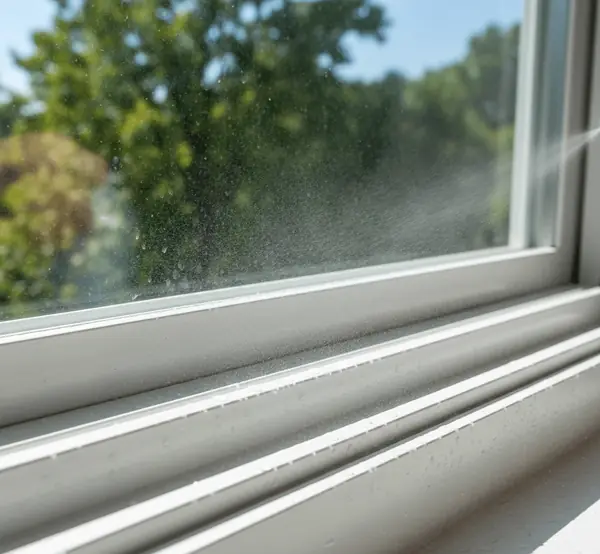
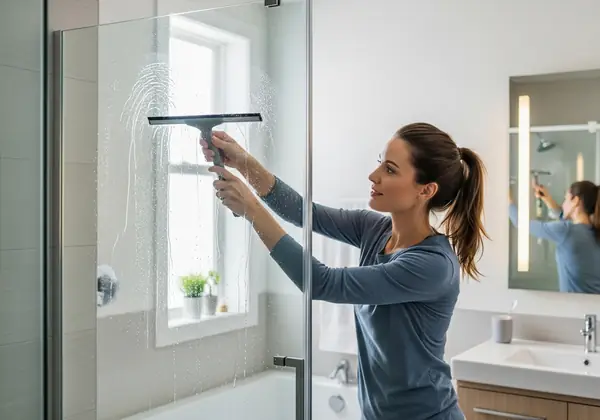
As the days grow shorter and a distinct chill settles in the air, winter is coming, and our homes begin a subtle transformation. Windows are closed, thermostats are turned up, and we instinctively prepare to spend more time within our own four walls. This seasonal shift from the open-air freedom of summer to the enclosed comfort of winter calls for a specific kind of cleaning, a deliberate preparation of our indoor environment. It is more than just a routine tidying; it is a process of ensuring the space we will inhabit so intensely for the next several months is not only clean and orderly but also healthy, efficient, and truly comfortable. This preparation is a foundational act of creating a sanctuary for the colder season ahead. 1.Quality of the air The most critical aspect of winterizing a home’s interior is addressing the quality of the air we will be breathing. For months, the heating system has lain dormant, accumulating a fine layer of dust, pollen, pet dander, and other microscopic particles within the ductwork. When the furnace kicks on for the first time, it blasts this accumulation directly into your living space, which can aggravate allergies and respiratory issues. The first step, therefore, should be to turn off your HVAC system at the thermostat and address the registers and vents in every room. Using the brush attachment on your vacuum cleaner, go over each vent cover, pulling away the surface dust. For a more thorough job, unscrew the covers and wash them in a sink of warm, soapy water, using a small brush to get into the grilles. Before replacing them, use the vacuum’s crevice tool to reach as far into the duct opening as possible to remove any loose debris. The single most impactful task for indoor air quality is to replace the furnace filter. A clogged, dirty filter not only fails to trap airborne particles but also forces your heating system to work harder, increasing energy consumption and a risk of malfunction. A fresh filter is an inexpensive and simple measure that pays significant dividends in both health and efficiency all winter long. 2.Natural Light With the air quality addressed, the next focus should be on maximizing the limited natural light of the season. Dirty windows can significantly reduce the amount of light that enters a room, contributing to a gloomy indoor atmosphere. This is the perfect time to remove and clean your window screens. Lay them on a flat surface outdoors and gently scrub them with a soft-bristled brush and a solution of mild soap and water, then rinse them thoroughly and allow them to dry completely. Storing screens in a garage or basement during the winter not only lets in more light but also protects them from being damaged by snow and ice. With the screens removed, give the interior of your windows a meticulous cleaning. A simple solution of warm water with a few drops of dish soap can cut through grime effectively. Using a high-quality squeegee is the key to a professional, streak-free finish. Do not neglect the window tracks and sills, which are notorious for collecting an unpleasant mix of dirt, dust, and dead insects. A vacuum’s crevice tool is ideal for clearing out the loose debris, followed by a detailed wipe-down with a damp cloth and an old toothbrush for the tight corners. Clean windows make a remarkable difference, making rooms feel brighter, larger, and more cheerful during the darker months. 3.Sanitized fabrics As we prepare to get cozy, the textiles in our home require special attention. The heavy comforters, flannel sheets, wool throws, and decorative blankets that have been packed away in closets or storage chests for half a year need to be properly freshened. Even when stored cleanly, fabrics can absorb a stale, musty odor over time. Launder everything according to its care label before putting it on your bed or draping it over your sofa. This ensures your cozy essentials are fresh, clean, and free of dust mites. This is also the ideal time to deep clean the fabrics that are out year-round but see much more use in the winter. Curtains and drapes are silent collectors of an astonishing amount of household dust. Use your vacuum’s upholstery attachment to go over them from top to bottom. For more durable fabrics, a steam cleaner can be used to sanitize and release wrinkles. If they are machine washable, taking them down for a thorough cleaning will dramatically reduce airborne allergens. Upholstered furniture, from the family sofa to the favorite armchair, should be given a similar treatment. Remove all cushions and use a crevice tool to vacuum every seam, crack, and corner where crumbs, dust, and pet hair accumulate. A thorough vacuuming of the entire piece will refresh it and prepare it for many long winter evenings. 4.Fireplace and Floors The hearth and the floor are central to the feeling of winter comfort. If you have a fireplace, its surrounding area needs to be prepared before its first use of the season. The mantel, hearth, and fireplace tools should be completely cleared and wiped down to remove all settled dust. While the interior of the chimney requires a professional sweep for safety, cleaning the immediate exterior prevents that first fire from sending a plume of dust into the room. With the fireplace ready, turn your attention to the floors. Carpets and area rugs will become the primary surfaces for playing, relaxing, and gathering. A standard, quick vacuuming is not sufficient for a seasonal deep clean. To truly remove the embedded dirt, allergens, and microscopic grit that wears down fibers, you must vacuum slowly and methodically. Make multiple passes over the same area, moving in overlapping, perpendicular directions to agitate the carpet pile from all angles and allow the vacuum’s suction to work most effectively. If possible, move furniture to clean the areas underneath, which are often the dustiest parts of a room. This level of deep vacuuming not only cleans

5 Key Areas to Deep Clean Before Winter Sets In Read More »

5 Reasons Why Hiring a Cleaning Service is the Best Form of Self-Care

Why hire a specialized cleaning service? The modern home is a hub of activity, a place of work, rest, and family life. Yet, maintaining its cleanliness can feel like a relentless, never-ending task. The dust settles almost as soon as it’s wiped away, the floors seem to attract dirt, and the kitchen and bathrooms demand constant attention. For many, the weekend, which should be a time for relaxation and recharging, is instead consumed by a long list of chores. This constant cycle of cleaning can become a significant source of stress and a drain on our most valuable resource: time. It is in this gap between the desire for a clean, peaceful environment and the reality of a busy life that a residential house cleaning service finds its purpose, offering not just a service, but a solution to a pervasive modern problem. 1.Quality of Life Hiring a professional cleaning service is often viewed as a luxury, but it is more accurately described as an investment in your quality of life. Consider the hours spent each week sweeping, mopping, scrubbing, and dusting. For a moderately sized home, this can easily add up to four, five, or even more hours. A professional service reclaims those hours for you, handing them back to be spent on what truly matters. This could mean more time with family, pursuing a hobby, exercising, or simply enjoying a well-deserved rest. The cumulative effect of this reclaimed time is profound, reducing burnout and allowing for a better work-life balance. It transforms the home from a place of constant obligation into a true sanctuary, a space you can enter after a long day and immediately feel at ease, rather than being confronted with a list of tasks that need doing. 2.Quality of Cleanliness Beyond the gift of time, there is the undeniable difference in the quality of the clean itself. A professional cleaner brings a level of expertise and efficiency that is difficult for the average homeowner to replicate. They are trained in the most effective methods and understand the specific needs of different surfaces. They know which products to use on natural stone versus laminate, how to clean stainless steel without leaving streaks, and the best techniques for removing stubborn soap scum from glass shower doors. This knowledge prevents costly damage that can result from using the wrong chemical or an abrasive sponge on a delicate surface. Furthermore, professional services come equipped with commercial-grade tools and supplies that are often more powerful and effective than standard consumer products. Their high-powered vacuums with HEPA filters can capture a significantly higher percentage of dust, allergens, and pet dander, leading to improved indoor air quality. This is particularly beneficial for households with allergy sufferers, asthmatics, children, or pets. The result is not just a home that looks clean, but one that feels and is, on a microscopic level, healthier. The process of a professional clean is systematic and thorough. Cleaners typically work with a detailed checklist, ensuring that no area is overlooked. They employ methodical strategies, such as cleaning from top to bottom to ensure dust and debris fall downwards before the floors are addressed, and working from one side of a room to the other. This structured approach guarantees consistency and completeness. A standard recurring clean will typically involve a comprehensive dusting of all surfaces, including furniture, shelves, and window sills; cleaning and disinfecting kitchen countertops, sinks, and appliance exteriors; scrubbing toilets, showers, tubs, and bathroom vanities; and vacuuming carpets and mopping hard floors. This regular maintenance keeps the home at a consistent level of cleanliness, preventing the deep buildup of grime. 3.Deep Cleaning For homes that have gone some time without a thorough cleaning or for clients new to a service, a deep clean is often recommended. This is a far more intensive and detailed service that addresses the areas often missed in a regular routine. A deep clean will include all the tasks of a standard clean but will go much further. It can involve washing baseboards and trim, cleaning light fixtures and ceiling fans, wiping down doors and door frames, cleaning behind and underneath furniture and appliances, scrubbing grout lines, and cleaning the interior of windows. This is the reset button for your home, tackling the accumulated dirt and dust in every nook and cranny, and establishing a new baseline of clean that makes subsequent maintenance easier. Specialized services like move-in and move-out cleanings are another critical offering. Preparing a home for sale or ensuring a new home is pristine before you unpack is an enormous task on top of the already stressful process of moving. A move-out clean is designed to leave the property in immaculate condition for the next occupants, often a requirement for retrieving a security deposit. This is the most exhaustive clean of all, performed on an empty home. Every interior surface is addressed, including the inside of all cabinets, drawers, closets, the oven, and the refrigerator. It ensures the home is presented in its best possible light, which can be a significant factor for real estate agents and potential buyers. Conversely, a move-in clean provides immense peace of mind, sanitizing the space and ensuring you are starting your new chapter in a fresh, thoroughly cleaned environment. 4.Trust and Security One of the most significant barriers for people considering a cleaning service is the idea of trust and security. Inviting someone into your personal space requires confidence in their professionalism and integrity. This is why reputable cleaning companies place such a high emphasis on their hiring and training processes. They conduct background checks on their employees and ensure they are thoroughly vetted. Furthermore, professional services are bonded and insured. Bonding provides protection against theft, while insurance covers any accidental damage that might occur to your property during the cleaning process. This comprehensive protection offers homeowners the peace of mind that they are working with a trustworthy organization that stands behind its work and its people. The relationship with a cleaning service is

5 Reasons Why Hiring a Cleaning Service is the Best Form of Self-Care Read More »

Perfect Cleaning Schedule

Cleaning Schedule: A Room-by-Room Guide to Your Perfect Cleaning Schedule

For many, cleaning a house is a cycle of chaos and control, and having a daily cleaning schedule becomes essential. It exists in the extremes: either a frantic, multi-hour marathon of scrubbing and scouring in a desperate attempt to reclaim a space that has descended into disarray, or a state of blissful ignorance where the dust bunnies multiply in the corners and the sticky film on the kitchen counter becomes an accepted part of the landscape. We clean in a panic before guests arrive, we clean in a fit of frustration when we can no longer stand the mess, and we clean on the first sunny day of spring with a burst of ambitious energy that quickly fades. This reactive approach to cleaning is exhausting, inefficient, and ultimately, a losing battle. The secret to a consistently clean, calm, and functional home does not lie in more powerful chemicals or more aggressive scrubbing. It lies in a simple, transformative tool: a cleaning schedule. Proactive Maintenance The very idea of a cleaning schedule can feel restrictive, conjuring images of a rigid, joyless routine. But in reality, a schedule is the opposite of a restriction; it is a form of freedom. It is the freedom from the overwhelming feeling of not knowing where to start. It is the freedom from the guilt of a messy home and the freedom from having to sacrifice an entire weekend to a cleaning binge. A schedule transforms the monumental task of “cleaning the house” into a series of small, manageable, and predictable habits. It is the difference between facing a mountain and climbing a single step each day. It is about proactive maintenance, not reactive disaster control. Creating a schedule that works is about understanding the different rhythms of your home and the tasks required to maintain it. These tasks can be broken down into different frequencies: daily, weekly, monthly, and seasonal. By assigning tasks to these categories, you create a system that ensures everything gets done in its own time, preventing the kind of deep-seated grime that requires a marathon session to remove. The daily tasks are the bedrock of the system, the small habits that take no more than fifteen to twenty minutes but have the greatest impact on the daily sense of order in your home. These are the actions that prevent chaos from ever taking root. This includes making the bed each morning, an act that takes less than two minutes but instantly makes an entire room feel more put-together. It means wiping down the kitchen counters and sink after every meal. This simple wipe prevents the buildup of sticky spills and crumbs that become harder to clean the longer they sit. A quick sweep of the kitchen floor at the end of the day catches the daily debris and stops it from being tracked throughout the rest of the house. Another cornerstone of the daily routine is the “one-load” rule for laundry. By doing a single load of laundry from start to finish each day—washing, drying, folding, and putting away—you prevent the dreaded mountain of clothes from ever forming. Cleaning Day From these high-impact daily habits, we move to the weekly core clean. This is the more traditional “cleaning day,” but when broken down and performed consistently, it becomes a much less daunting task. You can choose to tackle all of these tasks on a single day, or you can assign one or two rooms to different days of the week, a method often called “zone cleaning.” The weekly routine is about a more thorough reset of the main living areas. The bathrooms are a primary focus of the weekly clean. This is a matter of hygiene as much as appearance. This means a thorough scrubbing of the toilet, inside and out. It involves cleaning the shower or bathtub, scrubbing away the beginnings of soap scum before it can become a thick, stubborn film. The bathroom sink and countertops should be scrubbed and disinfected, and the mirror should be wiped to a streak-free shine. Finally, the bathroom floor should be swept and mopped. The kitchen, the heart of the home, also requires a weekly deep dive. This goes beyond the daily counter wipe. It means wiping down the exterior of all your appliances—the refrigerator, the dishwasher, the microwave, and the stovetop—to remove fingerprints and splatters. It involves cleaning the inside of the microwave, a task made simple by heating a bowl of water and vinegar to loosen the grime. The kitchen floor, which sees the most traffic and spills, needs to be thoroughly mopped. The rest of the home requires a focus on the universal enemy: dust. The weekly routine should include a thorough dusting of all surfaces in the living areas and bedrooms. This includes furniture, shelves, and any decorative items. Following the dusting, a comprehensive vacuuming of all floors is essential. This includes carpets, rugs, and hard surfaces. Regular vacuuming not only keeps floors looking clean but also improves indoor air quality by removing dust, dander, and other allergens. Deep Cleaning Beyond the weekly routine lies the monthly deep dive, the set of tasks that addresses the slow, creeping grime that is often overlooked. These are the details that separate a tidy house from a truly clean one. This is the time to wipe down all the baseboards in your home, which are magnets for dust and scuffs. Clean your light fixtures and ceiling fans, carefully wiping away the dust that accumulates on bulbs and blades. This is also the time to deep clean some of your hardworking appliances. Run a cleaning cycle on your washing machine to prevent the buildup of soap scum and mildew. Clean the filter in your dishwasher to improve its performance. This is also a good opportunity to clean your window sills and the tracks of your sliding doors, which are notorious for trapping dirt and insects. At the end, we have the seasonal, or quarterly, tasks. These are the major projects, the whole-home

Cleaning Schedule: A Room-by-Room Guide to Your Perfect Cleaning Schedule Read More »

humidifier being effective

Humidifier Cleaning: The Hidden Danger in Your Humidifier (And How to Prevent It)

A humidifier is essential because it’s the invisible antagonist of the Canadian winter, an adversary that arrives not with a blizzard, but with the first click of the heater. It’s dry air, and its effects are as predictable as the fall of leaves in October. It manifests as a persistent tickle in the throat, a morning voice that sounds raspy and strained. It is the reason our skin feels tight and itchy, our lips chap, and our knuckles crack. It is the culprit behind the surprising, sharp zap of a static shock from a doorknob and the reason our wooden furniture can creak and even crack over time. In our quest to create warm, sealed sanctuaries against the cold, we inadvertently strip our indoor environment of its most essential atmospheric component: moisture. The Solution The solution to this pervasive dryness is a simple, yet profoundly effective, appliance: the humidifier. It is a machine dedicated to the straightforward task of reintroducing water vapor into the air, and in doing so, it can transform a harsh, uncomfortable indoor climate into a healthy, comfortable, and pleasant one. But a humidifier is not a passive appliance. It is an active participant in the quality of the air you breathe, and its ownership comes with a critical responsibility. A clean, well-maintained humidifier is a powerful tool for health and wellness. A neglected one can become the exact opposite, a device that disperses not soothing moisture, but a plume of microscopic contaminants. To appreciate the importance of a humidifier, one must first understand the concept of relative humidity. This is a measure of the amount of water vapor in the air, expressed as a percentage of the maximum amount the air could hold at a given temperature. Health experts generally agree that the ideal indoor relative humidity for human comfort and health is between 30 and 50 percent. During a cold winter, the air outside holds very little moisture. When we bring that air into our homes and heat it, its relative humidity plummets, often falling into the single digits, creating an environment that is drier than a desert. This parched air acts like a sponge, drawing moisture from every available source. It pulls it from our skin, leading to dryness and exacerbating conditions like eczema. It pulls it from the delicate mucous membranes lining our respiratory tract, from our nose and throat down to our lungs. This can dry them out, impairing their ability to trap viruses and bacteria, which is one reason colds and sinus infections can feel so much worse in the winter. Proper humidity keeps these membranes moist and healthy. It can also help soothe a cough and relieve congestion, making a humidifier an indispensable tool during cold and flu season. The Right Choice The most fundamental choice you will make is the type of humidifier that best suits your needs, and each operates on a different principle. The most common and traditional type is the evaporative humidifier. This device works on a simple principle, using a fan to blow air through a wet, absorbent filter, often called a wick. The water evaporates from the wick and is released into the room as a fine, invisible cool mist. These models are often self-regulating; as the humidity in the room increases, the rate of evaporation from the wick naturally slows down. Their main drawback is that the wick is a consumable item. It must be replaced regularly, as it can become clogged with mineral deposits and can potentially harbor mold if not maintained. A more modern and increasingly popular option is the ultrasonic humidifier. These machines are known for being exceptionally quiet. They use a small, vibrating diaphragm, a nebulizer, that moves at an ultrasonic frequency. These high-frequency vibrations break the water in the reservoir into microscopic droplets, which are then released into the air as a visible, cool mist. A major advantage of ultrasonic models is that they do not use a filter, reducing ongoing replacement costs. However, they have one significant potential downside that is directly tied to your water source, which we will address later. Vaporizer For those who prefer a warm mist, there is the vaporizer, or steam humidifier. This type of machine is the simplest of all. It contains a heating element that boils the water, creating steam that is then released into the room. The primary advantage of a vaporizer is that the boiling process kills any bacteria, mold, or other microorganisms that might be present in the water, ensuring the mist it produces is sterile. This warm mist can be particularly soothing for coughs and congestion. The trade-offs are that these models consume more electricity to heat the water, and they present a potential burn risk, making them a less ideal choice for homes with small children. At the end, there is the whole-house, or central, humidifier. This is not a portable appliance, but a system that is integrated directly into your home’s forced-air heating and cooling system. It automatically adds moisture to the air as it is being heated and distributed throughout your home, maintaining a consistent, pre-set level of humidity in every room. While this is the most convenient and hands-off solution, it is also the most expensive and typically requires professional installation and maintenance. Regardless of which type of humidifier you choose, one non-negotiable truth unites them all: they must be kept scrupulously clean. A humidifier’s reservoir of still, room-temperature water is the perfect environment for the growth of mold, mildew, and bacteria. If the machine is not cleaned regularly, it will aerosolize these contaminants along with the water vapor, broadcasting a plume of potentially harmful microorganisms directly into the air you breathe. This can trigger allergies, and in some cases, lead to a respiratory illness sometimes called “humidifier fever.” Cleaning The cleaning routine is a simple but critical two-part process of descaling and disinfecting. The first step, which should be done weekly, is descaling. This addresses the mineral buildup, or limescale,

Humidifier Cleaning: The Hidden Danger in Your Humidifier (And How to Prevent It) Read More »

Hot Tub Cleaning: Get Perfectly Balanced Hot Tub Water Every Time

The hot tub is a unique and cherished feature of a home, a vessel of relaxation and hydrotherapy that promises to melt away the stresses of the day. It is a place of quiet solitude under the stars or a centerpiece for social gatherings with friends and family. But this luxury comes with a non-negotiable responsibility. A hot tub is not a “set it and forget it” appliance like a refrigerator or a dishwasher. It is a small, self-contained, and highly active body of water, a delicate ecosystem that requires consistent, diligent maintenance to remain a source of pleasure and not become a source of murky, unsanitary, and potentially hazardous problems. The Chemistry of Water To own a hot tub is to become a part-time water chemist. The warm, bubbling environment that is so inviting to us is also the perfect breeding ground for bacteria, algae, and other microorganisms. The key to a clean, safe, and enjoyable hot tub experience is not about performing a massive, hours-long cleaning session once a year. It is about a regular, simple, and consistent routine of testing, balancing, and sanitizing. Understanding the fundamentals of this routine is the most important aspect of hot tub ownership. The foundation of hot tub care is water chemistry, and the three most important pillars of that chemistry are alkalinity, pH, and the sanitizer level. These three elements are interconnected, and a problem with one will inevitably affect the others. The first step for any hot tub owner is to get comfortable with testing the water, which should be done at least two or three times a week, or more often with heavy use. The most common method is with test strips, which are simple, color-coded strips of paper that you dip into the water for a few seconds. The first level you should check and adjust is the total alkalinity. Alkalinity is the water’s ability to resist changes in pH. It acts as a buffer, a stabilizing force that prevents the pH level from swinging wildly. The ideal range for total alkalinity in a hot tub is typically between 80 and 120 parts per million (ppm). If your alkalinity is too low, the pH will be unstable and can drop suddenly, making the water corrosive. If it is too high, it can cause the pH to drift upward, leading to cloudy water and scale formation. You can raise the alkalinity with a product often called “Alkalinity Increaser” (sodium bicarbonate) and lower it with a pH decreaser (sodium bisulfate). Always adjust the alkalinity first, before you address the pH. Alkalinity Once your alkalinity is in the correct range, you can adjust the pH. The pH is the measure of how acidic or basic your water is, on a scale of 0 to 14. A pH of 7 is neutral. The ideal range for a hot tub is between 7.4 and 7.6. This is not an arbitrary number; it is slightly alkaline to match the natural pH of the human eye, which is why it is the most comfortable for bathers. If the pH is too low (acidic), the water can be corrosive to the hot tub’s components, like the heater and the pump seals, and it can be irritating to the skin. If the pH is too high (basic), it will cause the sanitizer to become sluggish and ineffective, lead to cloudy water, and promote the formation of scale on the shell and in the plumbing. You can raise the pH with a “pH Increaser” (sodium carbonate) and lower it with a “pH Decreaser” (sodium bisulfate). Only after both the alkalinity and pH are properly balanced can you effectively manage the sanitizer. The sanitizer is the chemical that actively kills bacteria and other harmful microorganisms in the water. The two most common types of sanitizer are chlorine and bromine. Chlorine is fast-acting and a powerful oxidizer, but it can have a stronger chemical smell and is less stable in the hot, high-pH environment of a spa. Bromine is more stable at higher temperatures and has a less noticeable odor, making it a very popular choice for hot tubs. It also has the unique ability to be reactivated by “shocking” the water. The ideal level for chlorine is between 1 and 3 ppm, and for bromine, it is between 3 and 5 ppm. You must maintain these levels at all times to ensure the water is safe for bathing. Hot Tub Filters Even with a perfectly maintained sanitizer level, the water will accumulate other unwanted waste products over time. Soaps, lotions, deodorants, and organic matter from bathers build up in the water, creating a food source for bacteria and making the water cloudy and unpleasant. To combat this, you need to “shock” your hot tub on a regular basis, typically once a week. Shocking is the practice of adding a large dose of an oxidizer to the water. This does several things: it breaks down all the organic waste, it kills any resistant bacteria, and in a bromine spa, it reactivates the used bromine ions, turning them back into effective sanitizer. Always shock the spa with the cover off and the jets running to allow it to circulate properly and to let the gasses vent. Beyond the daily and weekly chemical maintenance, the hot tub has other physical components that require regular attention. The most important of these is the filter. The filter is the kidney of your hot tub, constantly working to remove small particles, hair, and debris from the water. A dirty, clogged filter cannot do its job, which will result in cloudy water and will put a strain on your pump. The filter cartridges should be removed and rinsed with a garden hose at least once a week. The goal is to spray the debris out from between the pleats of the filter. Every few months, the filter needs a deep clean. This involves soaking it overnight in a specialized filter cleaning solution to break down

Hot Tub Cleaning: Get Perfectly Balanced Hot Tub Water Every Time Read More »

Cleaning Patios and Decks: 5 Essential Tips for Cleaning Your Patio Before the Snow

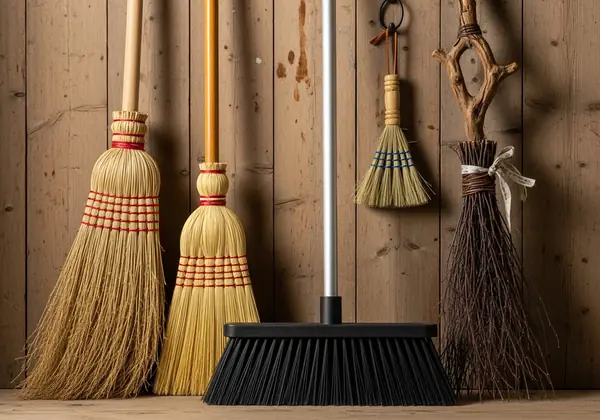
The patio or deck is an extension of the home. It is an outdoor living room, a place for summer barbecues, quiet morning coffees, and evenings with friends. But unlike a living room, it is in a constant battle with the elements. It is exposed to rain, sun, snow, falling leaves, bird droppings, and the slow, creeping advance of mold, mildew, and algae. Over the course of a season, this relentless exposure can transform a beautiful, welcoming space into a grimy, stained, and even hazardous one. Cleaning a patio or deck is not a simple wipe-down. It is a project of reclamation. It is about pushing back against the natural decay and restoring the space to a state of cleanliness, safety, and readiness. Whether you are preparing it for enjoyment in the spring or putting it to bed for the winter, a thorough cleaning is a non-negotiable part of responsible homeownership. The process requires a systematic approach, the right tools, and an understanding that different materials demand different methods. 1.First Step The first step in this project, before a single drop of cleaner is applied, is the great evacuation. You cannot clean a space that is cluttered. Everything must be removed from the deck or patio surface. This means the furniture, the grill, the planters, the umbrellas, and the outdoor rugs. This step is not just about clearing the way; it is a forcing mechanism that reveals the true state of the surfaces underneath. It uncovers the hidden stains, the patches of green algae under a planter, and the full extent of the dirt you are about to tackle. With the space completely clear, the next step is a thorough sweep. Use a stiff-bristled push broom to remove all the loose debris: leaves, twigs, dirt, cobwebs, and anything else that has accumulated. Pay special attention to the corners and the spaces between deck boards where debris loves to hide. This initial sweep is crucial because it removes the abrasive, gritty material that could otherwise scratch the surfaces during the scrubbing phase. Now, with a clear and swept surface, you can properly assess the situation. Look closely at the material. Is it a wooden deck, a composite deck, or a hardscape patio made of concrete, pavers, or natural stone? Identify the specific problems you need to address. Are there dark, blackish spots that indicate mold? Green, slimy patches of algae, which can be a serious slipping hazard? Dark, circular stains under where planters used to be? Grease splatters around the grill area? The answers to these questions will determine your plan of attack and the specific cleaning solutions you will need. 2.Wooden Decks For wooden decks, the approach must balance cleaning power with the need to protect the wood fibers. The wrong cleaner or technique can cause irreparable damage. The gentlest method should always be the first attempt. A simple solution of a mild pH-neutral soap, like dish soap, mixed in a bucket of warm water can be surprisingly effective for light dirt. Apply the solution, scrub gently with a soft-bristle deck brush, and rinse thoroughly. For the more common and stubborn issues of algae, mold, and ingrained dirt, a more powerful solution is needed. The best choice for a wooden deck is a cleaner based on oxygen bleach (sodium percarbonate). Unlike chlorine bleach, which is harsh, can damage wood fibers, and is harmful to surrounding plants, oxygen bleach is a non-toxic alternative that cleans by releasing oxygen ions when mixed with water. This process breaks down dirt, mold, and algae without harming the wood. To use it, mix the powdered oxygen bleach with water according to the manufacturer’s directions. It is critical to wet the entire deck surface with plain water from a hose before you apply the cleaner. A dry deck will absorb the cleaning solution too quickly and unevenly. Apply the oxygen bleach solution with a mop or a garden sprayer and let it sit on the surface for 10-15 minutes, but do not let it dry. This “dwell time” is when the chemical reaction is happening. After it has sat, use a stiff-bristled deck brush, scrubbing in the direction of the wood grain, to agitate the grime. At the end, rinse the deck completely with a hose until all the cleaner and dirt are gone. 3.High Pressure Washer The question of the pressure washer inevitably arises when cleaning decks. A pressure washer is a powerful tool that, in inexperienced hands, can do far more harm than good. A stream of water that is too powerful or held too close can easily gouge the wood, raise the grain, and create a fuzzy, splintered surface. If you choose to use one, you must do so with extreme caution. Use the lowest possible pressure setting (no more than 1200 PSI for most softwoods like pine), and use a wide, 40-degree fan tip. Keep the nozzle at least a foot away from the wood surface at all times, and use long, sweeping motions, never stopping in one spot. A pressure washer should be seen as a tool for rinsing, not for blasting away dirt. The chemical cleaner does the real work of lifting the grime; the pressure washer just washes it away. For composite decks, the cleaning process is generally less intensive. While marketed as “low-maintenance,” they are not “no-maintenance.” They are still susceptible to mold and mildew, which can feed on the organic fillers within the composite material. A gentle scrub with a soft-bristle brush and a mild soap solution is often sufficient for general cleaning. For mold, a solution of one part white vinegar to two parts water can be effective. Avoid using abrasive cleaners or metal brushes, which can scratch and dull the surface. Pressure washing is generally safer on composite than on wood, but the same precautions of low pressure and a wide fan tip should be observed. 4.Concrete, Paving or Stone Patios made of concrete, pavers, or stone present a different set of challenges. These

Cleaning Patios and Decks: 5 Essential Tips for Cleaning Your Patio Before the Snow Read More »

woman giving her friend a cleaning gift card

Cleaning Gift: The Most Thoughtful Thanksgiving Gift You Can Give

Thanksgiving is a holiday centered on the beautiful, simple act of gathering. It’s about the warmth of a crowded table, gifts, the familiar comfort of shared recipes, and the expression of gratitude for the people in our lives. We plan menus, we brine turkeys, and we coordinate who will bring which dessert. But beneath this joyful preparation lies a silent, often stressful, and monumental task that almost always falls on the host: the pre-Thanksgiving deep clean. We have all felt it. The week before the guests arrive is a frantic race against the clock. It is a period of scrubbing, dusting, and mopping, driven by the quiet but intense pressure to present a home that is not just tidy, but impeccably clean. It is a labor of love, but it is labor nonetheless. It is hours spent on hands and knees, wiping baseboards and scrubbing floors, when that time could be spent perfecting a pie crust or simply taking a moment to breathe before the happy chaos begins. This year, consider a different kind of contribution. Instead of offering to bring another side dish that will crowd the refrigerator, think about giving a gift that truly serves the person you are thankful for. Consider giving the gift of a clean home. It may sound unconventional, but a pre-Thanksgiving cleaning, whether performed by you or a professional service, is one of the most thoughtful, practical, and profoundly impactful gifts you can possibly give a friend who is hosting. It is a gesture that transcends a simple present; it is a gift of time, of peace of mind, and of genuine, functional support. The Gift of Time In our busy lives, time is the most precious and non-renewable resource we have. During the holiday season, this becomes acutely apparent. The host of a Thanksgiving dinner is not just cooking a single meal; they are orchestrating a major event. Their to-do list is a marathon of planning, shopping, chopping, and baking. The last thing they have is a surplus of free hours. Let’s be honest about what a true guest-ready clean entails. It is not a quick wipe of the counters. It is a comprehensive, top-to-bottom effort. The Dusting: This means getting not just the coffee table, but the tops of the door frames, the ceiling fan blades, the baseboards, and the window sills. It is a detailed, meticulous job that can easily take an hour or more. The Kitchen Deep Clean: The kitchen is the heart of Thanksgiving, and it needs the most intensive work. This involves scrubbing the stovetop, wiping down the fronts of all appliances, cleaning the microwave, disinfecting the countertops, and making sure the sink is sparkling. This is a solid hour of focused work, at minimum. The Bathroom Scrub: The guest bathroom needs to be pristine. This means scrubbing the toilet, cleaning the sink and faucet, wiping down the mirror until it is streak-free, and washing the floor. The Floors: Every hard-surface floor in the main living areas needs to be thoroughly swept and mopped. Every carpet needs to be vacuumed, including moving furniture to get the dust bunnies hiding underneath. This can easily consume another hour or two, depending on the size of the home. The Final Touches: Cleaning entryway glass, tidying up clutter, and giving everything a final polish. When you add it all up, a proper pre-hosting deep clean can easily take five to eight hours of hard, physical work. By giving the gift of a cleaning, you are handing your friend an entire day of their life back. That is a day they can now use to finalize their menu, to bake a dessert without rushing, to spend time with their children who are excited for the holiday, or, most importantly, to simply sit down with a cup of tea and mentally prepare for the joy of hosting, rather than the stress of it. You are not just saving them a chore; you are giving them the space to enjoy the process. The Gift of Peace of Mind The physical labor of cleaning is only half the battle. For any host, the mental load can be even more exhausting. The pressure to have a “perfect” home is a real and often unspoken source of anxiety. Every dust bunny in the corner, every smudge on the window, and every crumb under the dining table can feel like a personal failing when you are about to welcome people into your home. This “hosting anxiety” creates a mental checklist that runs on a constant loop in a host’s mind. Did I remember to dust the lampshades? Is the guest bathroom clean enough? Does the house smell fresh? This internal monologue is a significant source of stress that detracts from the true spirit of the holiday. When you give the gift of a clean home, you are silencing that nagging voice. You are taking a huge, stressful item off their mental checklist and completely erasing it. Imagine the profound sense of relief your friend will feel, walking into their home a day or two before Thanksgiving to find that it is already done. The floors are gleaming. The kitchen is sanitized and ready for the culinary marathon. The bathroom is sparkling. This gift allows your friend to transition their focus from the presentation of their home to the purpose of the gathering. They can channel all their energy into what truly matters: the food, the conversation, and the connection with their loved ones. They can be a present, relaxed, and joyful host, not a frazzled, exhausted one who is secretly worrying about whether a guest noticed the dust on the baseboards. You are not just cleaning their house; you are clearing their mind. A Foundation for the Entire Holiday Season Thanksgiving in many ways is the official kick-off to the entire winter holiday season. The festivities of November flow directly into the preparations for December. A deep clean for Thanksgiving is therefore not just a gift for a single day; it is a foundational gift that keeps on

Cleaning Gift: The Most Thoughtful Thanksgiving Gift You Can Give Read More »

housekeeper

What Is A Housekeeper – 3 Reasons Why You Should Hire

A housekeeper is far more than just someone who cleans your home. While the primary image that comes to mind might be someone with a vacuum or a dust cloth, the reality of a professional housekeeper’s role is much broader, encompassing a comprehensive approach to home management and the overall well-being of a living space. They are individuals entrusted with maintaining the order, cleanliness, and functionality of a household, often serving as a crucial backbone for busy individuals and families. It’s about creating and sustaining an environment where you can truly thrive, not just exist. Think of a housekeeper not as a visitor who performs a single task, but as a dedicated manager of your domestic environment. Their responsibilities extend well beyond surface-level tidiness. They delve into the intricate details of what makes a house feel like a home  a place of comfort, peace, and efficiency. This often includes a wide array of duties that can be customized to suit specific household needs, but generally covers everything from meticulous cleaning to organizational tasks and even light household management. They are experts in ensuring that every corner of your home is not just clean, but cared for, reflecting an understanding of proper maintenance and the nuances of different materials and surfaces. 1.Light and Heavy Cleaning For instance, their cleaning duties are exhaustive. This isn’t just a quick sweep or a superficial wipe-down. A professional housekeeper engages in deep cleaning protocols for kitchens and bathrooms, sanitizing surfaces, scrubbing grout, polishing fixtures, and ensuring these critical areas are hygienic and sparkling. They handle floor care with precision, knowing the right methods for hardwood, tile, carpet, or laminate, ensuring longevity and shine. Dusting isn’t limited to visible surfaces; it extends to baseboards, light fixtures, ceiling fans, blinds, and intricate decor, preventing the buildup of allergens and maintaining a fresh atmosphere. Vacuuming and mopping are performed thoroughly, reaching under furniture and into corners that are often overlooked in daily tidying. Laundry management is also a common duty, involving washing, drying, folding, ironing, and putting away clothes, linens, and towels, ensuring that your wardrobe and household textiles are always fresh and ready. They make beds with an eye for detail, turning a simple chore into an act of creating a welcoming sanctuary. Beyond the immediate act of cleaning, a housekeeper is also an organizational wizard. They help in reducing clutter, creating systems for storage, and maintaining order in common areas, closets, and pantries. This proactive approach to organization means less time spent searching for items and more time enjoying a harmonious living space. They might assist with tidying up children’s play areas, ensuring toys are stored properly, or organizing bookshelves and filing systems. It’s about creating a flow in the home that makes daily living smoother and less stressful. This often involves an intuitive understanding of how a household operates and anticipating what areas might become disorganized, intervening before chaos takes hold. Furthermore, a housekeeper often takes on light household management responsibilities. This can include managing household supplies, ensuring that cleaning products, toiletries, and even certain pantry staples are always stocked. They might run light errands, such as dropping off dry cleaning or picking up groceries. For homes with pets, they might assist with basic pet care, like feeding or tidying up pet areas. They can also oversee plant care, ensuring your indoor greenery thrives. In some cases, especially in larger homes, a housekeeper might coordinate with other service providers, such as plumbers, electricians, or gardeners, ensuring maintenance schedules are met and issues are addressed promptly. They act as a central point of contact, ensuring the home functions like a well-oiled machine, even when you are not present to manage every detail yourself. The distinction between a “cleaner” and a “housekeeper” is critical. A cleaner typically comes for a few hours, performs specific cleaning tasks, and then leaves. Their focus is solely on the immediate cleanliness of the space. A housekeeper, on the other hand, often has a more encompassing and ongoing relationship with the household. They are involved in the continuous upkeep, proactive organization, and management of the home’s daily rhythm. They build an intimate understanding of the home’s needs, its inhabitants’ preferences, and the specific routines that keep everything running smoothly. This level of dedication and involvement fosters a deeper sense of trust and partnership, where the housekeeper becomes an invaluable asset to the household’s operational efficiency and overall peace. 2.Making Up For Lost Time So, why should you consider hiring a housekeeper? The reasons are multifaceted and profoundly impactful on your daily life. Primarily, it’s about reclaiming your time. In today’s fast-paced world, time is arguably our most precious commodity. Juggling demanding careers, family responsibilities, social obligations, and personal pursuits leaves very little room for the arduous and often relentless demands of household chores. The hours spent on cleaning, organizing, and maintaining a home can quickly accumulate, eating into weekends, evenings, and any potential moments of relaxation. Hiring a housekeeper liberates these hours, allowing you to dedicate them to activities that genuinely enrich your life – spending quality time with loved ones, pursuing hobbies, engaging in personal development, exercising, or simply enjoying uninterrupted rest. Imagine coming home after a long day not to a list of chores, but to a clean, organized, and welcoming sanctuary, ready for you to unwind. This isn’t just about saving time; it’s about investing in your personal well-being and life satisfaction. Beyond time, hiring a housekeeper significantly reduces stress and mental load. The burden of an untidy or disorganized home can weigh heavily on one’s mind, creating a constant hum of anxiety and guilt. The mental energy expended on planning cleaning schedules, remembering what needs to be done, or feeling overwhelmed by accumulated mess is immense. A housekeeper takes this entire burden off your shoulders. The peace of mind that comes from knowing your home is being professionally cared for, consistently and thoroughly, is immeasurable. It eliminates potential arguments or frustrations over chore distribution in shared living spaces and

What Is A Housekeeper – 3 Reasons Why You Should Hire Read More »