The Right and Wrong Way to Use Paper Towels for Cleaning – 6 Best Tips
On this page
The paper towel is a cornerstone of modern household cleaning, a simple tool so deeply integrated into our daily routines that its presence is often taken for granted. Its immediate accessibility and disposability make it the first thing we reach for when faced with a sudden spill on the kitchen counter, a smudge on a window, or a greasy stovetop. This convenience is its primary virtue. There is no need to search for a clean cloth, no worry about laundering a soiled rag, and no hesitation in using it on the most unpleasant messes before tossing it away. The single-use nature of the paper towel provides a psychological and practical clean slate for every task, a guarantee that you are not spreading yesterday’s germs around today’s surfaces.
How to Blot a Spill With Paper Towels (3 Steps)
Read the video transcript
A spill needs blotting, not a chase across the counter. Paper fibers draw up liquid. For a larger spill, layer several sheets. One. Place the paper towel over the spill. Let it absorb instead of wiping the liquid outward. Two. Lift and discard the used sheet, keeping the mess contained. For raw meat juices or pet accidents, contain and discard the mess with a paper towel. Three. Use a damp microfiber cloth for everyday wiping. Paper is not the tool for heavy scrubbing. The spill is lifted instead of pushed over a wider area. Keep cloths for daily tasks. Wash microfiber separately, without fabric softener. Short on time? Regular cleaning covers everyday home upkeep with vetted, background-checked cleaners and professional supplies. Choose your clean. See your price, choose your time. We take it from there. Leave entry and lock-up notes. You’ll love your clean, or we’ll make it right. See your price at torontoshinecleaning.ca.
1. Absorbs and Retains Liquids
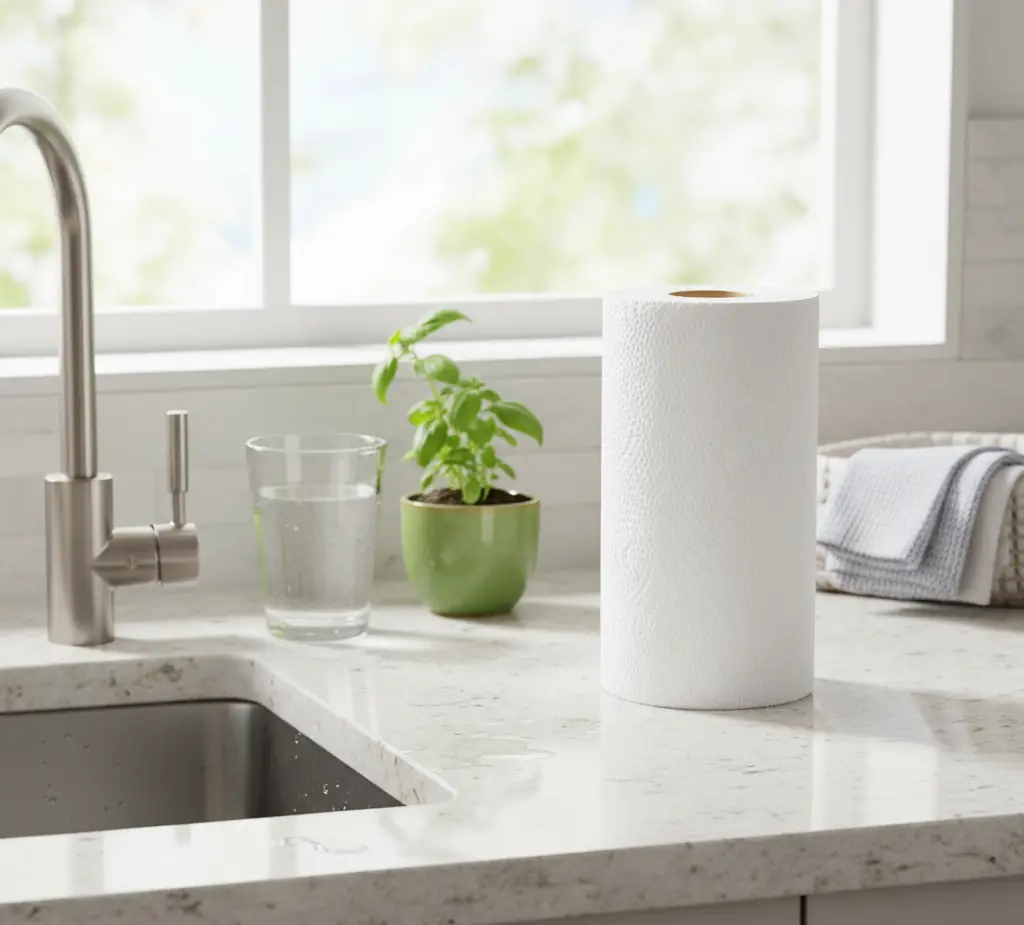
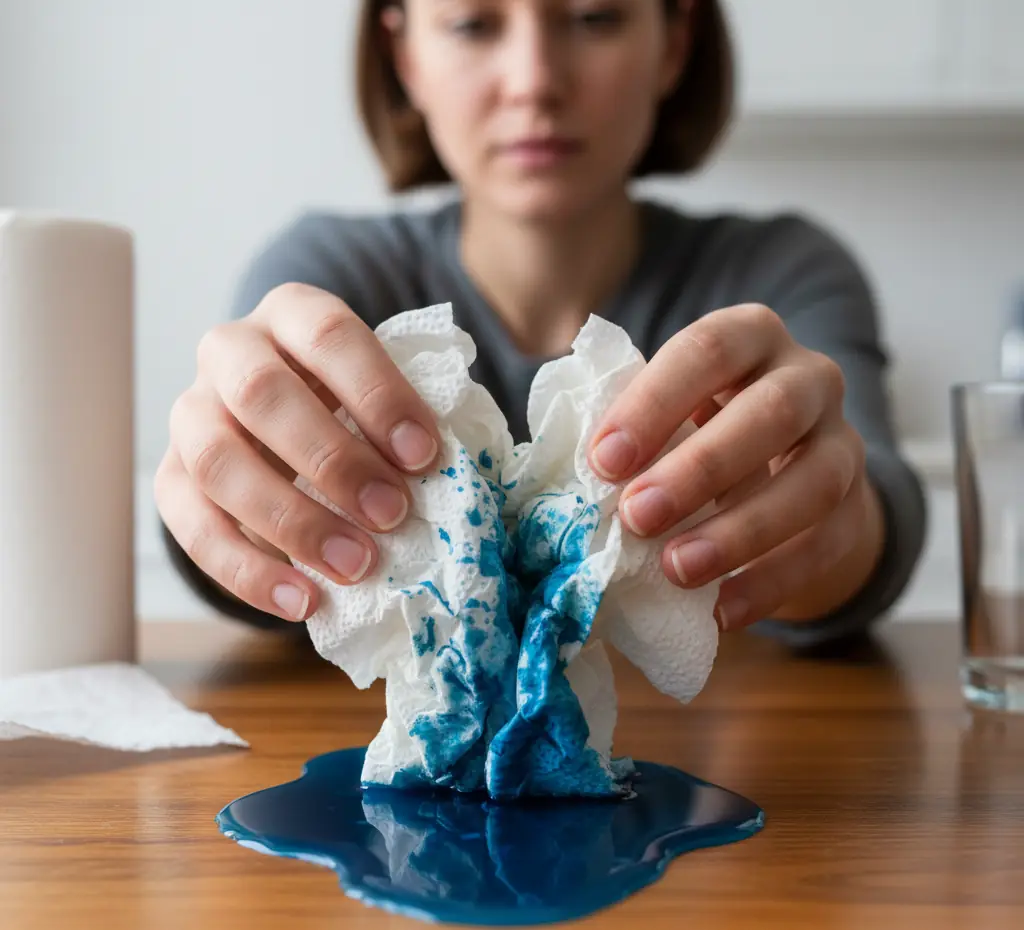
The effectiveness of a paper towel is rooted in its design. Constructed from absorbent cellulose fibers, often derived from wood pulp, its purpose is to wick up and hold liquid. The texture, thickness, and quilting patterns of different brands are all engineered to maximize this absorbency and improve scrubbing strength. For liquid spills, the proper technique is to blot, not wipe. Placing a paper towel over a spill allows the capillary action of the fibers to draw the liquid up and away from the surface, containing the mess. An aggressive wiping motion, by contrast, can spread the liquid over a wider area and push it deeper into porous surfaces like wood or grout, making the stain more difficult to remove. For larger spills, layering several sheets increases the absorptive capacity and provides a thicker barrier between your hand and the mess.
2. Window Cleaner
Beyond spills, the paper towel serves as an excellent vehicle for applying cleaning solutions. When sprayed with a glass cleaner, it becomes the perfect tool for achieving a streak-free shine on windows, mirrors, and other glass surfaces. Its disposable nature is an advantage here; unlike a reusable cloth that might have residual oils or fabric softener from a previous wash, a fresh paper towel is free of contaminants that could cause streaking. For disinfecting surfaces like kitchen counters or bathroom sinks, a paper towel sprayed with an appropriate disinfectant ensures that the cleaning agent is applied evenly and that germs from one area are not transferred to another. After wiping down the surface, the towel and the germs it has collected are discarded, effectively removing them from the home. This stands in stark contrast to a sponge or cloth, which, if not properly and frequently sanitized, can become a breeding ground for bacteria and contribute to cross-contamination.
3. Fat And Oil
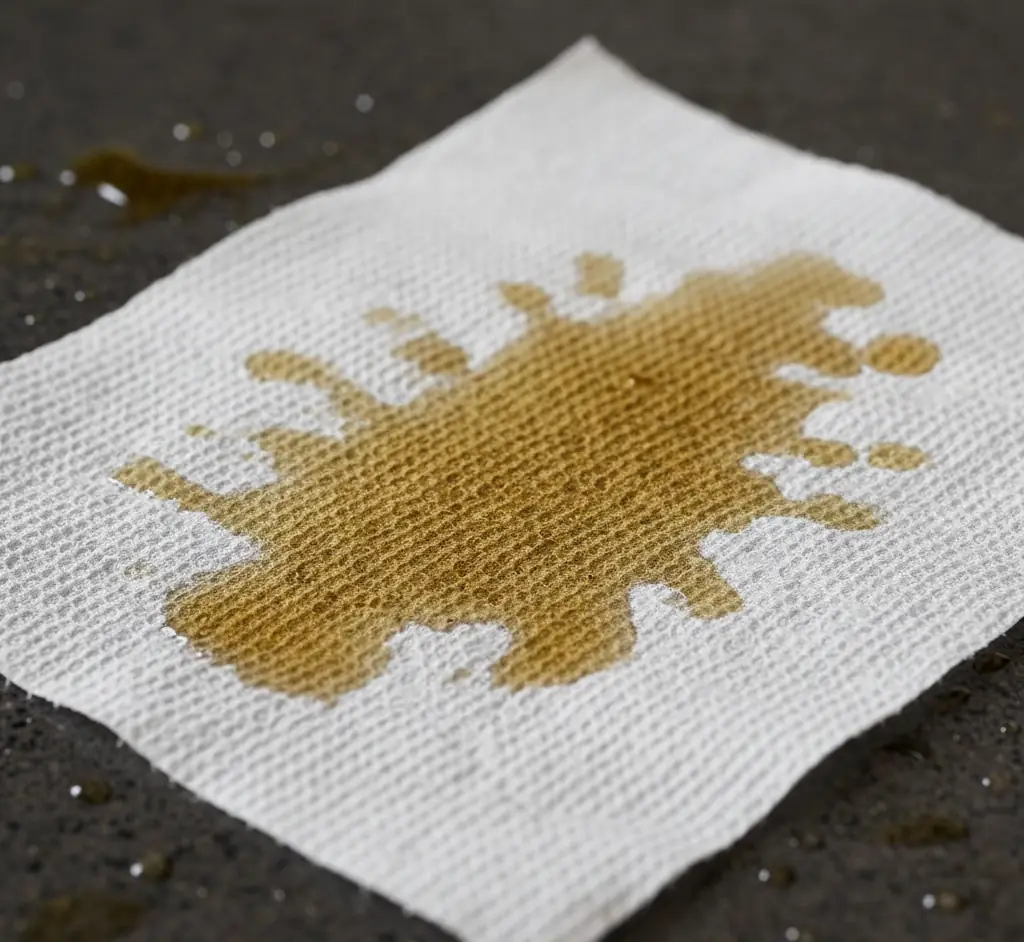
The paper towel’s utility in dealing with grease and oil is particularly notable. In the kitchen, it is indispensable for wiping down greasy stovetops, cleaning the inside of a microwave after a food splatter, or absorbing excess oil from fried foods. The fibers readily trap the grease, lifting it from the surface. A task like this would ruin a reusable cloth, leaving it with a greasy residue that is difficult to wash out and can be transferred to other items in the laundry. For particularly heavy grease, using a dry paper towel first to absorb the bulk of the oil before following up with a cleaning solution is a highly effective two-step process. This method prevents the grease from simply being smeared around and makes the final cleaning much easier.
4. Disadvantages
However, the very qualities that make the paper towel so convenient, its disposability and single-use design, —are also the source of its most significant drawbacks. The environmental impact of paper towel consumption is considerable. The production process requires a vast amount of resources, including trees for pulp and water and energy for manufacturing. After a few seconds of use, these resources are consigned to a landfill, where they contribute to the growing problem of waste. For the environmentally conscious household, the constant cycle of consumption and disposal presents a significant conflict. Furthermore, the recurring cost of purchasing paper towels can add up to a substantial expense over time, far exceeding the one-time cost of reusable alternatives.
Performance limitations also become apparent in certain cleaning scenarios. While excellent for absorption and light wiping, the standard paper towel lacks the durability required for heavy-duty scrubbing. When faced with dried-on food, tough grime, or textured surfaces, a paper towel can shred and fall apart, leaving behind lint and pulp residue that creates a new mess to be cleaned. This lint can be especially problematic on dark surfaces or on screens, where it is highly visible. For tasks that require abrasion to lift a stubborn spot, a paper towel is simply not the right tool. It cannot provide the friction and resilience of a scrub brush or even a well-made reusable cloth.
5. Alternatives
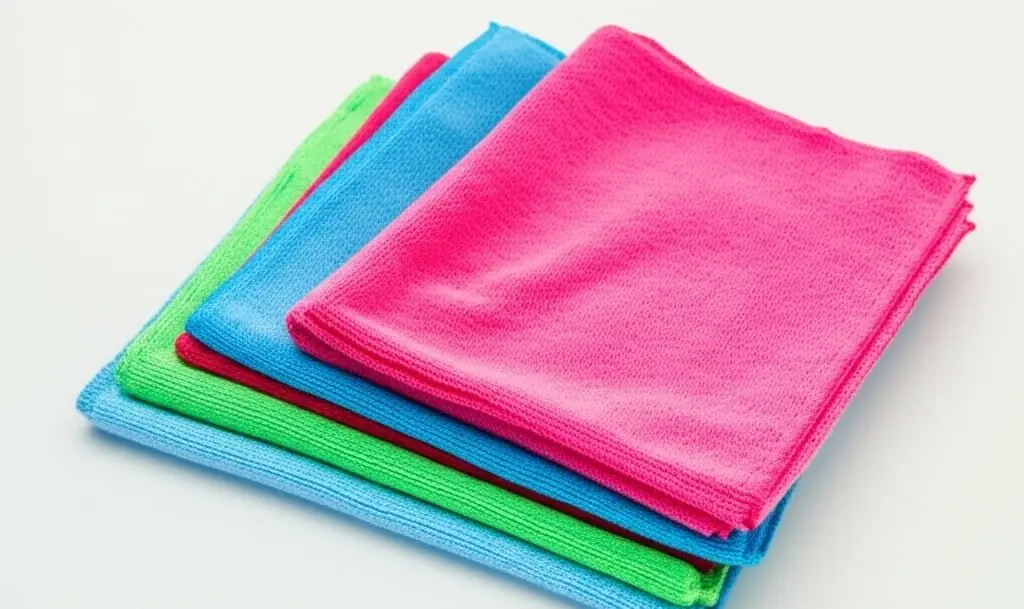
This is where the conversation shifts to alternatives, chief among them the microfiber cloth. Microfiber technology represents a significant advancement in cleaning science. These cloths are made from extremely fine synthetic fibers, often a blend of polyester and polyamide. The fibers are split during the manufacturing process, creating a vast surface area and a positive electrostatic charge that actively attracts and traps dust, dirt, and microbes. When used dry, a microfiber cloth is an exceptional duster, capturing particles rather than just pushing them around. When used damp, the capillary action of the fine fibers allows it to absorb a remarkable amount of water and lift grime with minimal effort.
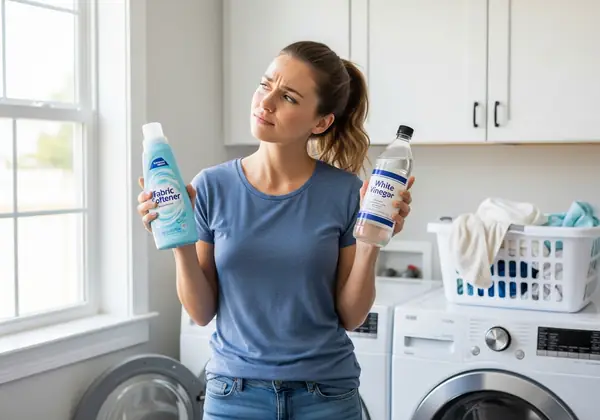
Unlike paper towels, microfiber cloths are highly durable and can be washed and reused hundreds of times, making them a far more sustainable and cost-effective choice in the long run. They are also more effective for a wider range of cleaning tasks. They can scrub without falling apart, polish surfaces to a streak-free shine without leaving lint, and deep clean with just water, reducing the need for chemical cleaners. The key to maintaining their effectiveness is proper care: they should be washed separately from other laundry, without fabric softener, which can clog the fibers and reduce their static cling and absorbency.
6. Advantage
Of course, the primary advantage of the paper towel—its hygienic disposability—remains a powerful argument in its favor, especially for certain tasks. There is a strong case to be made for a hybrid approach in the modern home, one that leverages the strengths of both disposable and reusable options. For cleaning up hazardous or highly unsanitary messes, such as raw meat juices, pet accidents, or illness-related fluids, the ability to contain and discard the mess immediately is paramount for health and safety. In these situations, using and disposing of a paper towel is the most responsible way to prevent the spread of harmful bacteria like salmonella or E. coli. Trying to clean such a mess with a reusable cloth would require immediate and thorough sanitization of the cloth itself, a step that is often impractical and may not be completely effective.
Therefore, the most practical approach is not a complete elimination of paper towels but a mindful reduction in their use. By designating microfiber cloths, old rags, or sponges as the default tools for everyday cleaning tasks—wiping counters, drying hands, cleaning up water spills, dusting furniture—a household can dramatically decrease its paper towel consumption. The paper towel roll can then be reserved for those specific situations where its unique benefits are truly necessary. This balanced strategy respects both the need for effective, hygienic cleaning and the desire for environmental and financial responsibility. It involves a small shift in habit, reaching for a cloth instead of a paper sheet, but it results in a more sustainable and often more effective cleaning routine. The paper towel is not an inherently bad tool; it is simply an overused one. By understanding its specific strengths and weaknesses, we can assign it its proper role in our cleaning arsenal—not as the default for every job, but as a specialist for the messes that demand its particular talents.
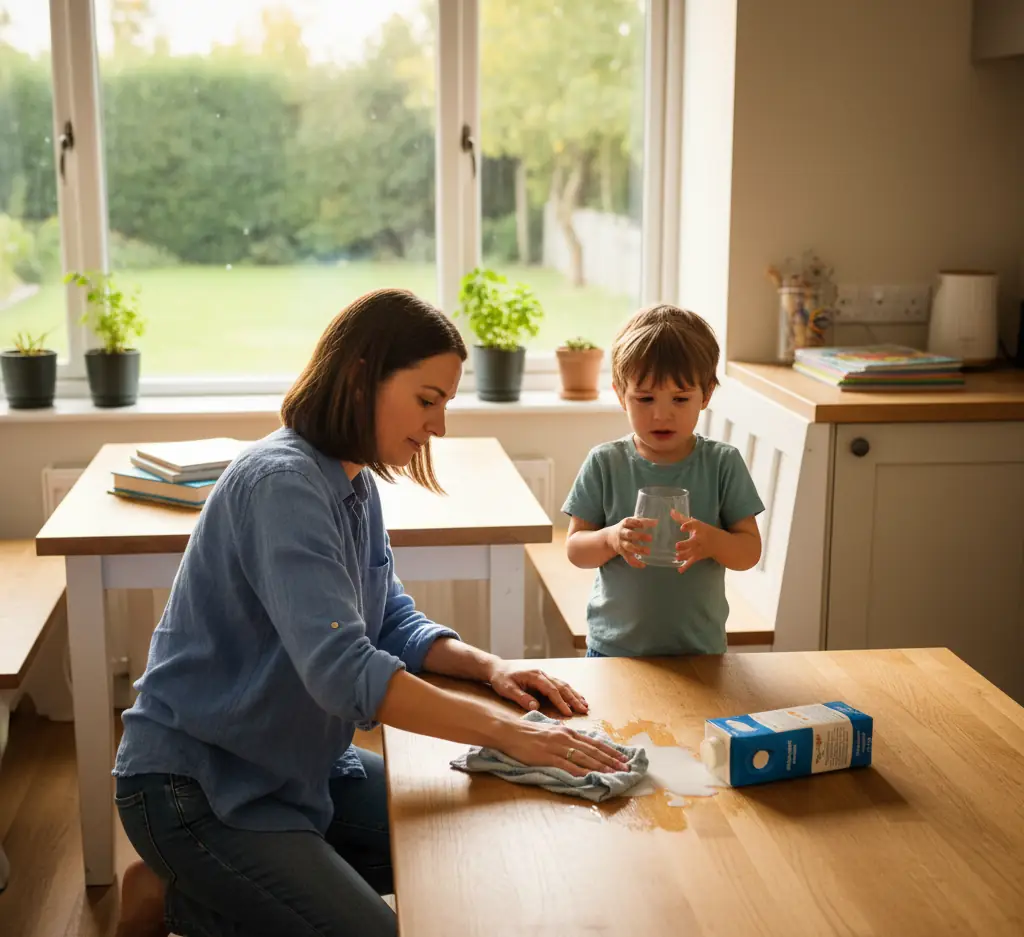
If the bigger challenge is finding time rather than choosing towels, look into regular home cleaning.
While choosing the right tool like a paper towel for a quick, hygienic cleanup or a microfiber cloth for sustainable daily wiping is key to maintaining your home, some jobs require professional power and precision. For a comprehensive clean that addresses everything from surface grime to deep-seated dirt, leaving your entire space refreshed, trust the experts at Toronto Shine Cleaning.