10 Tips on How to Use Sponges That You Should Know
On this page
Learn the difference between different types of sponges and how to use them.
Which Sponge for Which Job?
Read the video transcript
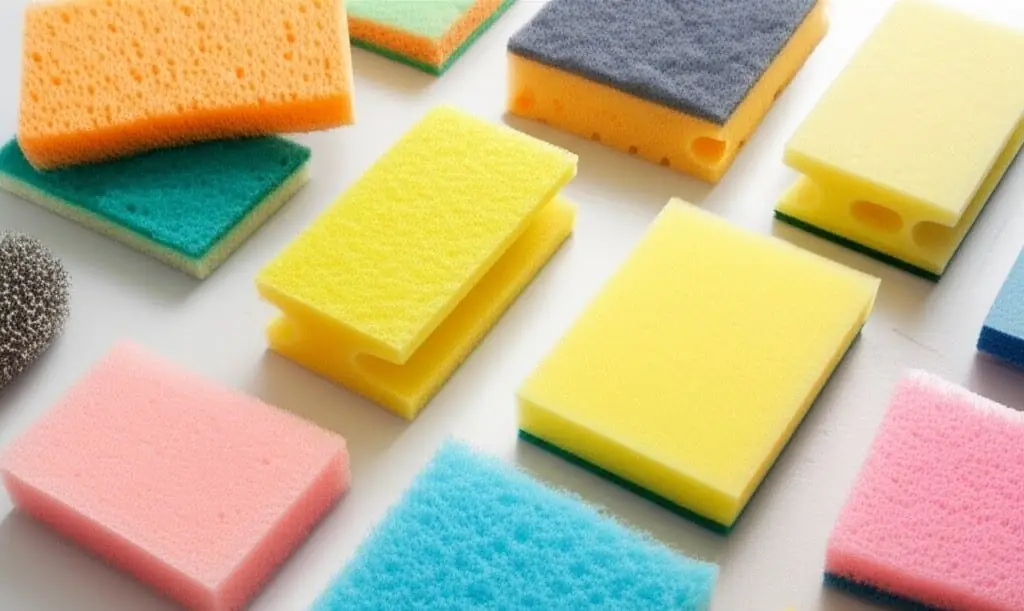
Match the sponge to the job. Cellulose for spills, a non-scratch sponge for cookware, and microfiber for polishing. Choose by surface, not scrubbing force. Use the absorbent cellulose side to lift a spill and gently wipe the counter. A non-scratch sponge lifts food from non-stick cookware without the aggressive scouring side of a standard scrubber. Never use an aggressive scouring pad on non-stick cookware, glass cooktops, polished counters, acrylic tubs or painted surfaces. Microfiber sponges polish chrome and stainless steel, and clean glass. Wash them regularly without fabric softener. The pan is cleared and the tap is polished, each with the right sponge. Cellulose breaks down over time. Replace every two to three weeks, sooner for odour or wear. With the right tools for your surfaces, our regular home cleaning covers kitchens, bathrooms and floors, with vetted, background-checked cleaners and professional supplies and equipment. See your price, choose your time. Include access instructions with your booking. We take it from there. No contracts. No upfront payment. You'll love your clean, or we'll make it right. See your price at torontoshinecleaning.ca.
1.Cellulose Sponge
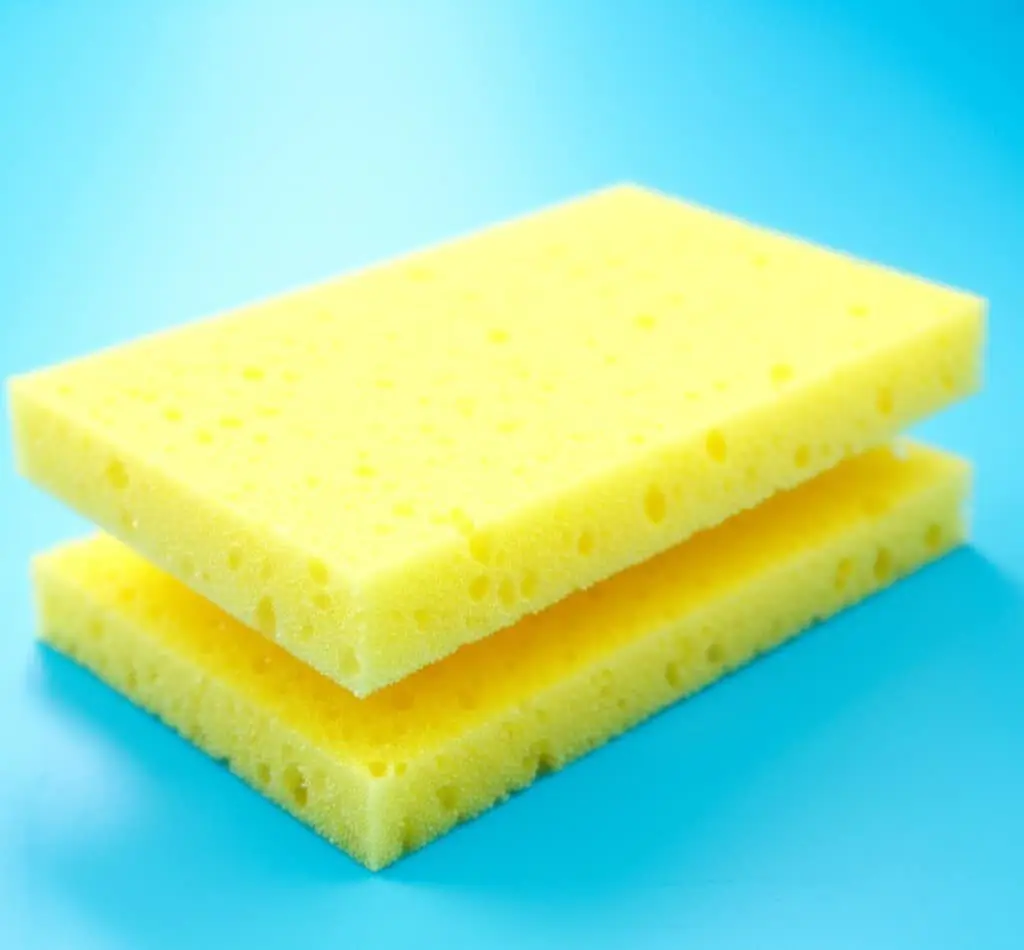
A cellulose sponge is the most common type found in kitchens. It is made from wood pulp and other natural plant fibers, making it highly porous and capable of absorbing and holding a significant amount of liquid often up to twenty times its own weight. This absorbency makes it the ideal tool for soaking up spills from countertops, tables, and floors. When wet, it becomes soft and pliable, suitable for washing dishes, wiping down kitchen surfaces like laminate and sealed granite, and cleaning appliances. Its soft texture ensures it will not scratch most common household surfaces. However, its organic nature and porous structure create a perfect environment for bacteria to grow if it is not properly maintained. To sanitize a cellulose sponge, it can be run through a dishwasher cycle on the top rack or dampened and microwaved for one to two minutes. Be cautious, as the sponge will be extremely hot afterward. Cellulose sponges tend to break down over time, especially when used with harsh chemicals like bleach, which can disintegrate the fibers. They should be replaced every two to three weeks, or sooner if they develop an odor or begin to fall apart.
2.Dual-Sided Scrub Sponge
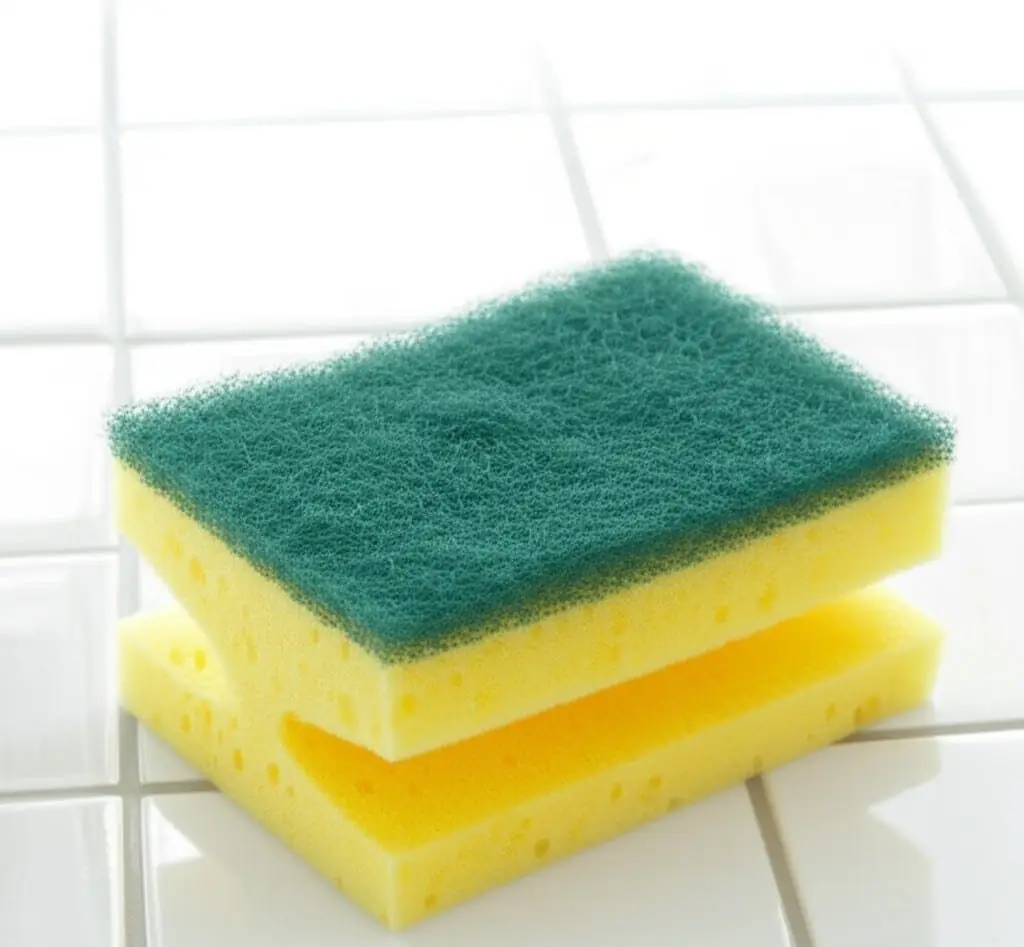
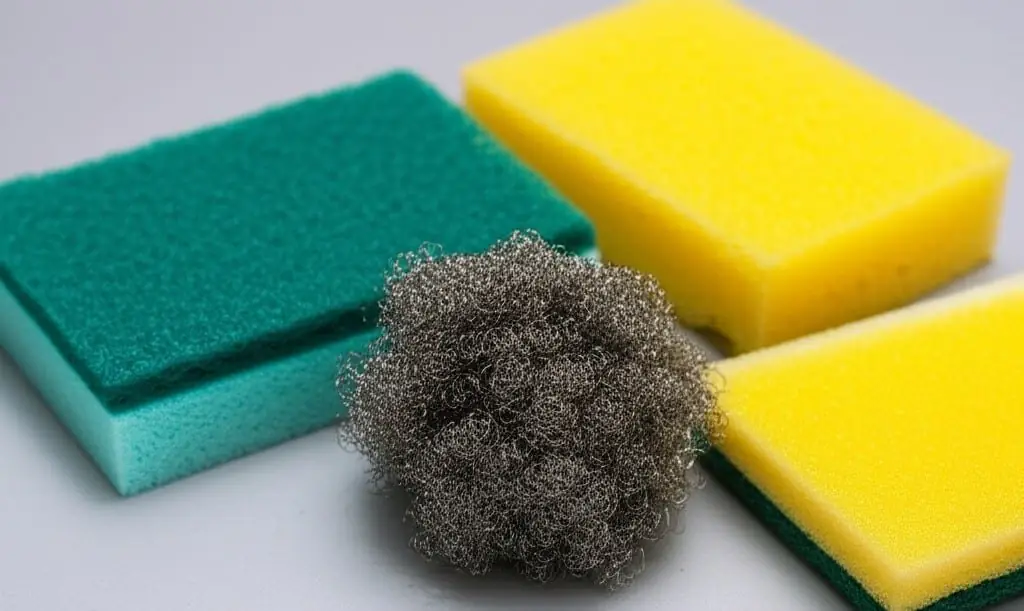
The dual-sided scrub sponge is a versatile workhorse. It combines a standard cellulose sponge on one side with a scouring pad on the other. The cellulose side performs all the functions of a regular sponge absorbing liquids, creating suds with soap, and gently wiping surfaces. The other side, typically green or another dark color, is made of a more aggressive, abrasive nylon or similar synthetic material. This side is designed for tough cleaning jobs that require significant friction. It excels at removing burnt-on food from pots and pans (excluding non-stick varieties), scrubbing oven interiors and racks, cleaning barbecue grills, and tackling stubborn grime on hard, durable surfaces like concrete or unsealed tile. The key is to understand the abrasive nature of the scouring side. It should never be used on delicate surfaces like non-stick cookware, glass cooktops, polished countertops, acrylic tubs, or painted surfaces, as it will leave permanent scratches. Always test the scouring pad on a small, inconspicuous area first if you are unsure about the surface’s durability. Like its cellulose-only counterpart, the scrub sponge needs regular sanitizing and should be replaced frequently to prevent bacterial growth and cross-contamination.
3. Anti-Scratch Scrubbing Sponge
For tasks requiring scrubbing power without the risk of scratches, the non-scratch scrub sponge is the appropriate tool. It looks similar to a standard dual-sided scrub sponge, but its abrasive side is made from a different, gentler material. This side is often a different color, such as blue or white, to distinguish it from its more aggressive green counterpart. The scrubbing material is typically a finer nylon weave or a plastic mesh that is designed to dislodge grime and food particles without gouging or dulling the surface beneath. This makes it the perfect choice for cleaning non-stick pots and pans, as it can remove residue without stripping the delicate coating. It is also safe for use on glass cooktops, ceramic dishes, stainless steel sinks, chrome fixtures, and plastic containers. While it provides more friction than a simple cellulose sponge, it lacks the heavy-duty power of a standard scourer. It will struggle with heavily baked-on or carbonized messes. For daily dishwashing and cleaning of sensitive but durable kitchen and bathroom surfaces, the non-scratch scrub sponge offers the best balance of cleaning effectiveness and safety. Maintenance is the same as for other synthetic sponges: regular sanitizing and prompt replacement are essential for hygiene.
4.Natural Sea Sponges
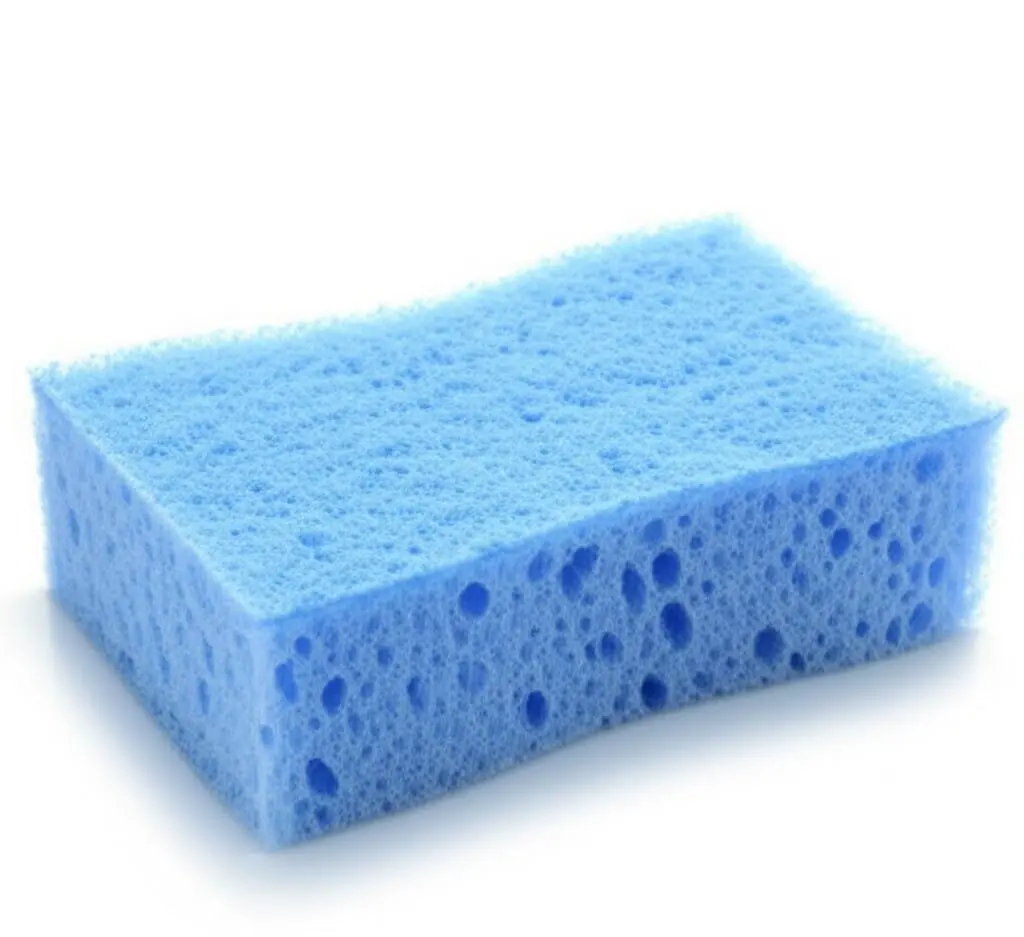
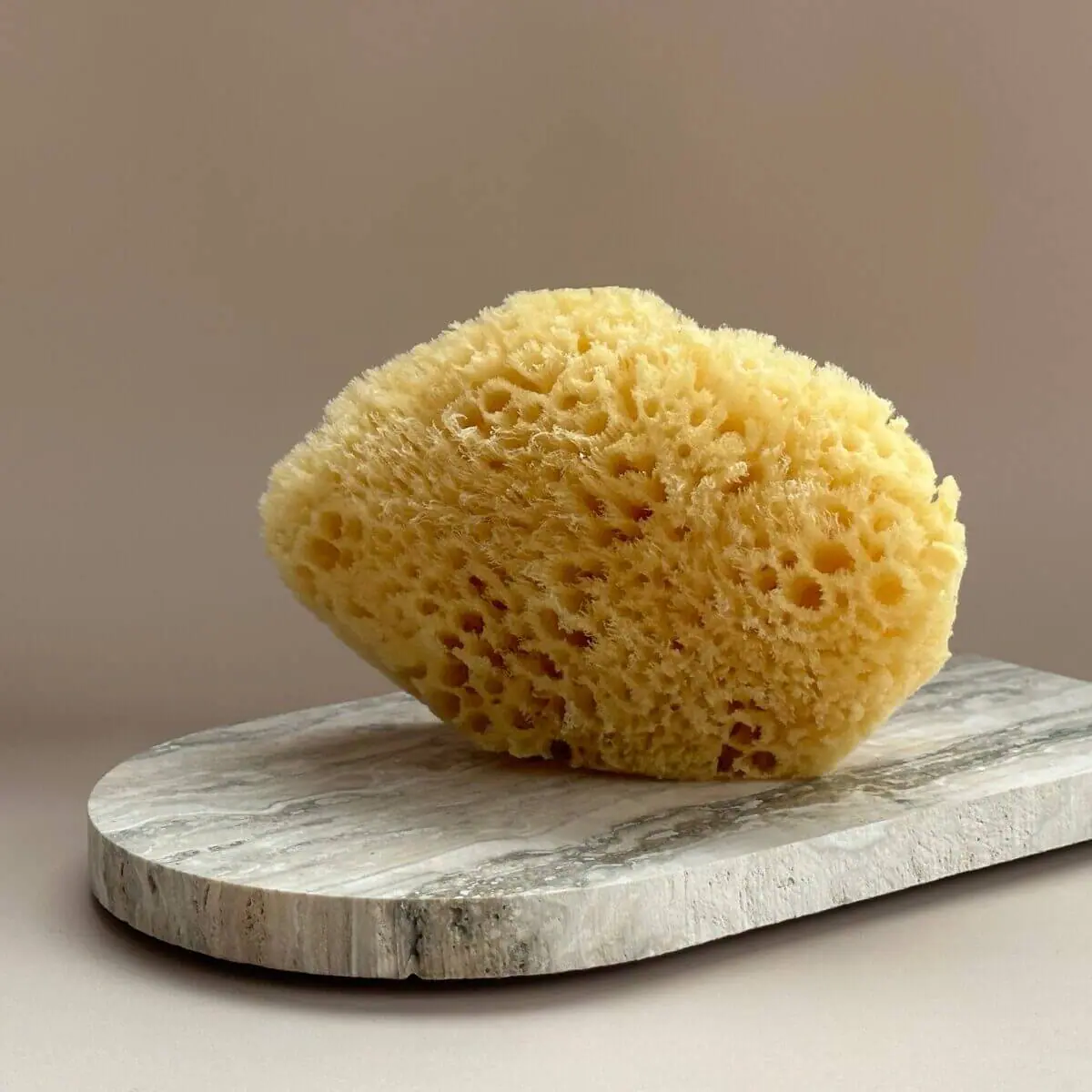
Natural sea sponges are harvested from the ocean floor. They are the skeletons of simple marine organisms. When dry, they are hard and stiff, but once saturated with water, they become incredibly soft and luxurious to the touch. Their structure consists of a complex network of channels, which makes them far more absorbent and durable than their synthetic cellulose counterparts. A key advantage of natural sea sponges is that they contain natural enzymes that inhibit the growth of mold, mildew, and bacteria, making them a more hygienic option that lasts much longer if cared for properly. Because they are so soft, they are the ultimate tool for delicate cleaning tasks. They are ideal for washing fine china, crystal glassware, and silver. Their gentle nature also makes them a favorite for washing cars, boats, and windows, as they lift dirt without leaving swirls or scratches. They are also widely used for personal bathing. To maintain a sea sponge, it should be thoroughly rinsed with clean water after each use and allowed to air dry completely. It should never be twisted or wrung out aggressively, as this can tear its delicate structure. Harsh chemicals and boiling water will damage it. A well-maintained sea sponge can last for several months or even years.
5.Melamine Foam Sponges
Melamine foam sponges, commonly known by the brand name Magic Eraser, operate on a completely different principle from other sponges. They are not absorbent in the traditional sense and do not require soap. The material, melamine foam, acts as a super-fine abrasive. When wet, its microscopic structures become incredibly hard and work like extremely fine sandpaper to scrub away surface stains. This sponge is highly effective at removing marks that other cleaners cannot touch. It can erase crayon, marker, and scuff marks from painted walls (use with care on glossy finishes), lift grime from baseboards and door frames, clean soap scum from shower doors and tile, and remove stains from vinyl flooring and some plastics. It is also useful for cleaning the rubber soles of sneakers. The abrasive nature of melamine foam means it must be used with caution. It can dull glossy surfaces, damage clear coats on wood furniture, and scratch delicate plastics or polished stainless steel. It works by physically wearing away the stain, and with it, a minuscule layer of the surface itself. As it is used, the sponge disintegrates and wears down, much like a pencil eraser. It cannot be sanitized and should be discarded when it becomes too small or worn to be effective.
6.Steel Wool
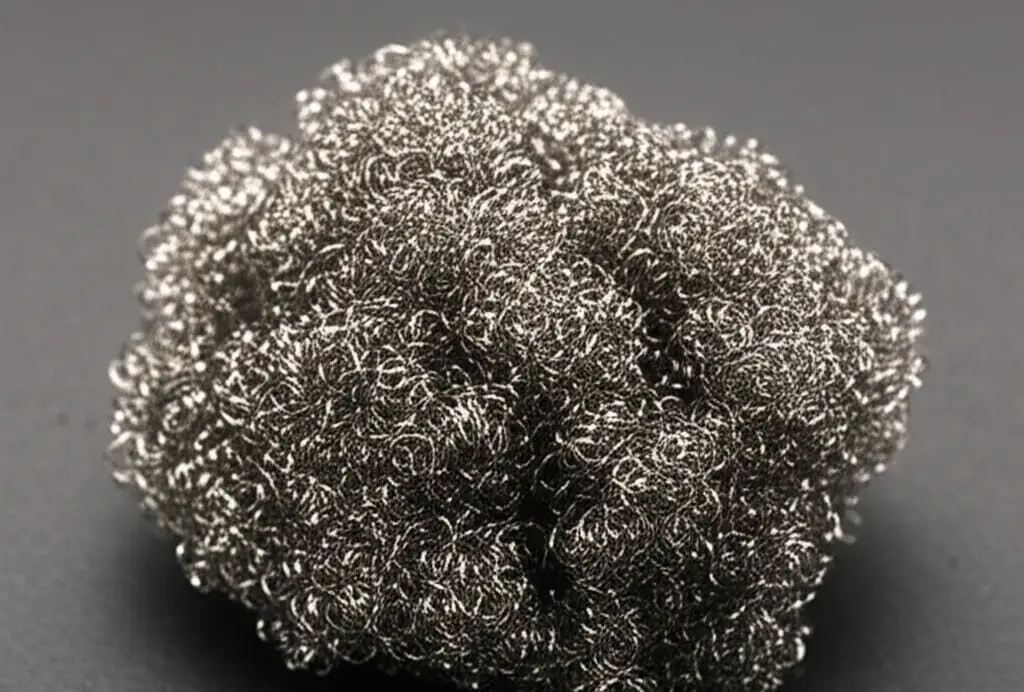
For the most extreme cleaning challenges, steel wool and metal scourers are the tools of last resort. Steel wool is made of fine steel filaments, while metal scourers are often woven from stainless steel ribbons. These are purely abrasive tools designed for maximum friction to remove the most stubborn, baked-on, and burnt materials. Their primary use is on surfaces that can withstand intense scrubbing. They are the best option for cleaning cast iron cookware, removing rust, stripping paint from metal, and cleaning very dirty barbecue grills and oven racks. The immense abrasive power of these tools comes with a significant risk of damage. They should never be used on non-stick surfaces, ceramic, glass, enamel, polished metal, or any surface that is painted or coated. They will leave deep, irreparable scratches. When using steel wool, small metal fragments can break off and rust, so it is crucial to rinse the surface thoroughly afterward. They are not sponges and have no absorbency. They should be handled with care, sometimes with gloves, to avoid splinters. They are difficult to clean and are often disposed of after one or two heavy-duty uses.
7.Silicone Sponges
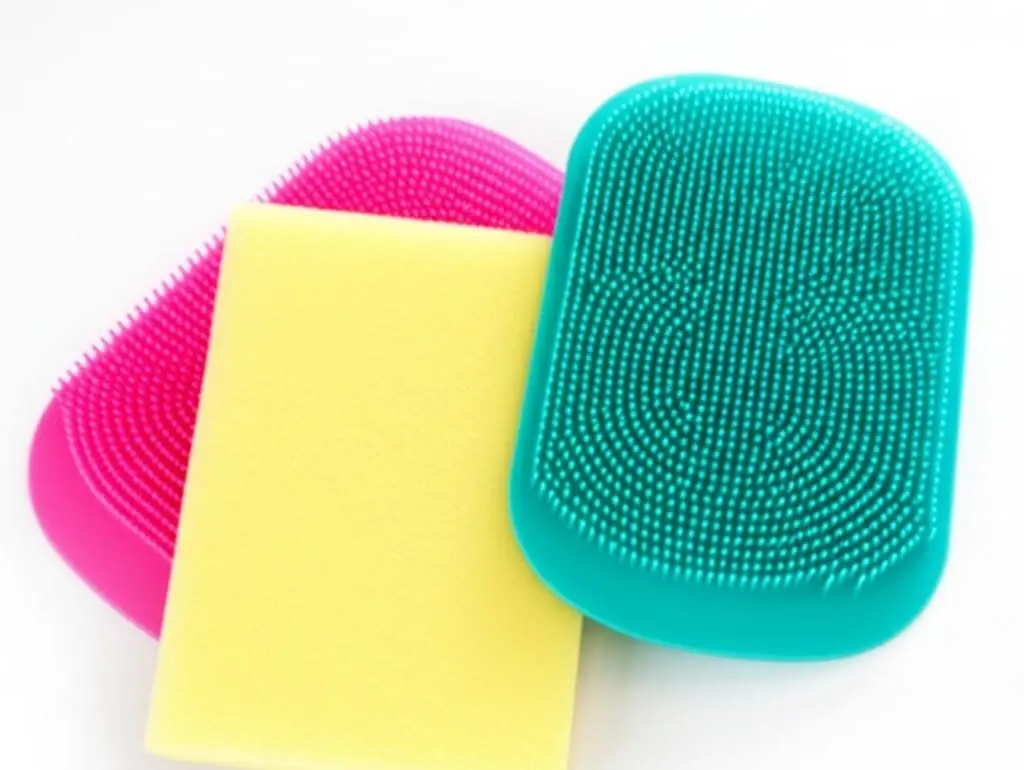
Silicone sponges have emerged as a modern, hygienic alternative to traditional sponges. Made from food-grade, non-porous silicone, their primary advantage is that they do not absorb water. This means bacteria, mold, and mildew have nowhere to grow, preventing the development of odors. They can be easily and effectively sanitized by boiling, microwaving, or placing them in the dishwasher. Silicone sponges typically feature soft bristles on their surface that help to dislodge food particles from dishes and surfaces. However, their lack of absorbency is also their main functional drawback. They cannot soak up spills, and they do not produce a rich lather with dish soap, which many people prefer for cleaning. They are more akin to a flexible scraper than a sponge. They are best suited for light-duty tasks, such as scraping leftover food off plates before they go into the dishwasher, washing lightly soiled dishes, or scrubbing vegetables like potatoes and carrots. They are not effective for heavy scrubbing or for cleaning tasks that require absorbency. Their durability is excellent, and a single silicone sponge can last for years, making it an environmentally friendly option.
8.Microfiber Sponge
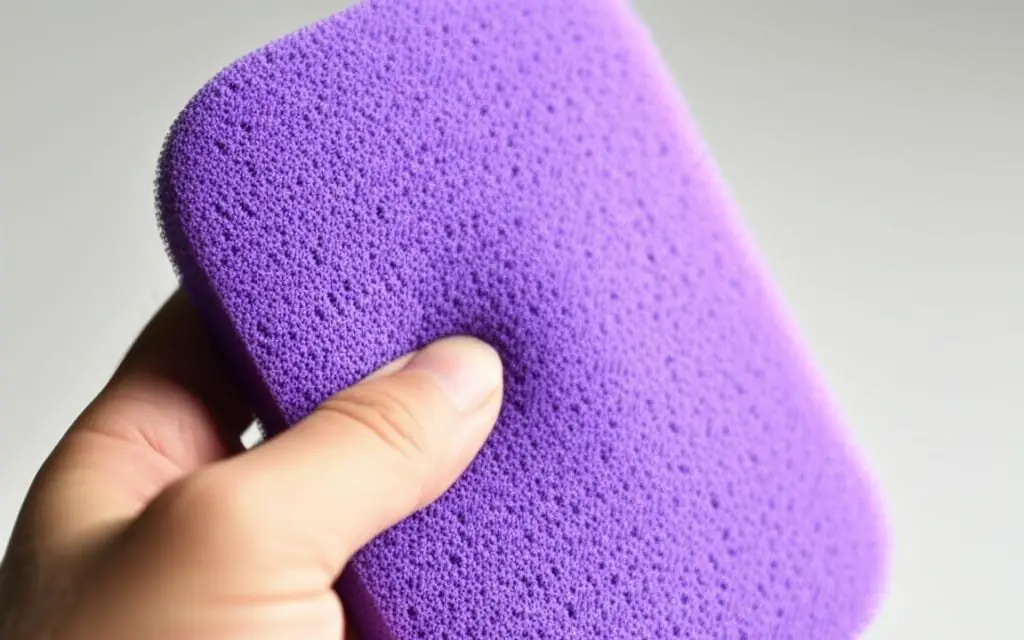
A microfiber sponge combines the benefits of a traditional sponge with the unique cleaning properties of microfiber cloth. It typically consists of a foam or cellulose sponge core encased in a microfiber fabric shell. This design provides the absorbency and sudsing capability of a regular sponge while harnessing the power of microfiber. Microfiber is composed of millions of tiny synthetic fibers that are split into microscopic strands. These strands create a massive surface area and a positive charge that attracts and traps negatively charged dust, dirt, and grime particles. This allows the sponge to clean effectively with little to no chemical assistance. Microfiber sponges are excellent for a wide range of tasks. They are gentle enough for dusting delicate furniture, polishing stainless steel appliances and chrome fixtures without leaving streaks, and cleaning glass and mirrors. They are also highly effective for washing car exteriors and cleaning interiors. The sponge core holds soapy water, while the microfiber exterior lifts away dirt. To maintain their effectiveness, microfiber sponges should be washed regularly. They can be machine washed, but it is crucial to avoid using fabric softener, which clogs the tiny fibers and ruins their cleaning ability.
9.Dry Sponges
Dry sponges, also known as chemical sponges or soot sponges, are a specialized tool designed for cleaning surfaces that cannot tolerate water or liquid cleaners. They are made from vulcanized natural rubber and are used completely dry. Their texture is porous and slightly tacky, allowing them to absorb and lift away fine particles like soot, smoke residue, dust, and pet hair. They work through a process of absorption, where the particles are pulled into the sponge’s pores. A dry sponge is the primary tool used by professionals for fire damage restoration to clean smoke and soot from walls, ceilings, and upholstery without smearing the residue. It is also ideal for cleaning delicate, non-washable surfaces such as fabric lampshades, wallpaper, acoustic ceiling tiles, and the felt on a pool table. To use it, you apply gentle pressure and wipe in a single direction. As the sponge becomes saturated with dirt, its surface turns black. You can then slice off the dirty layer with a knife to reveal a fresh surface underneath. A dry sponge is not meant for wet cleaning; adding water will ruin its effectiveness and can create a smeared mess.
10. Grout Sponges
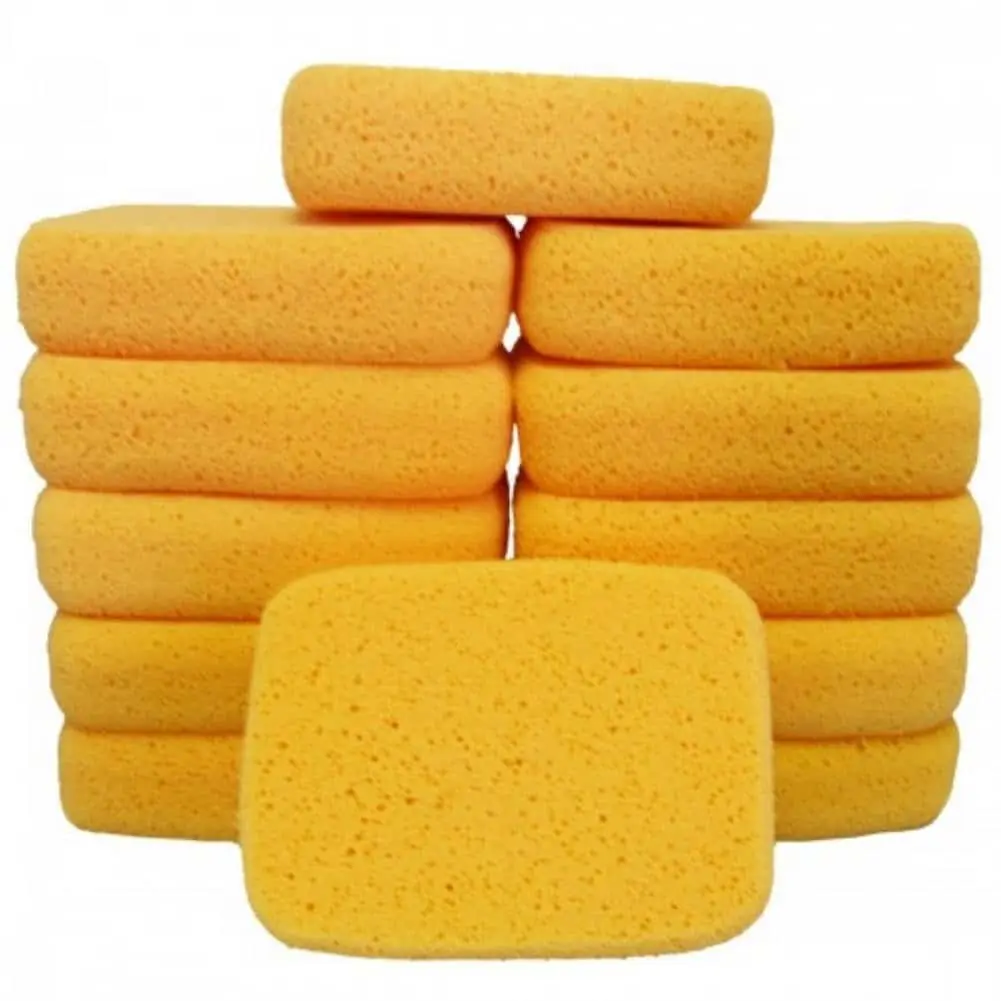
Grout sponges are another specialized type of sponge, designed specifically for tile installation. While they can be used for general cleaning, their features are optimized for working with grout. They are typically larger and much denser than a standard cellulose sponge and have rounded edges. The high density allows the sponge to hold a large amount of water for rinsing away excess grout from the face of tiles without becoming quickly oversaturated. This density also means the sponge won’t collapse or get pushed into the fresh grout lines, which could pull the grout out before it sets. The rounded edges are a critical design feature; they prevent the corners of the sponge from digging into the soft grout lines as you wipe across the tile surface. After the initial grout application, a damp grout sponge is used to carefully clean the grout haze off the tiles, leaving clean lines and a professional finish. For this specific task, no other sponge performs as well.
If choosing tools is simpler than finding time to use them, consider regular home cleaning for ongoing help.
Knowing the difference between a cellulose sponge for spills, a non-scratch scrubber for cookware, a melamine foam eraser for wall scuffs, and a dry sponge for soot is essential for efficient and damage-free cleaning. Using the correct tool protects your surfaces and delivers superior results. For a comprehensive clean where every surface is treated with the right material and technique, trust the experts at Toronto Shine Cleaning.
In the press Lina DaSilva, founder of Toronto Shine Cleaning, was quoted on this topic in Homes & Gardens (“Why every home should have sponge cloths”).