6 Genius Ways to Use Sodium Percarbonate in Your Cleaning Routine
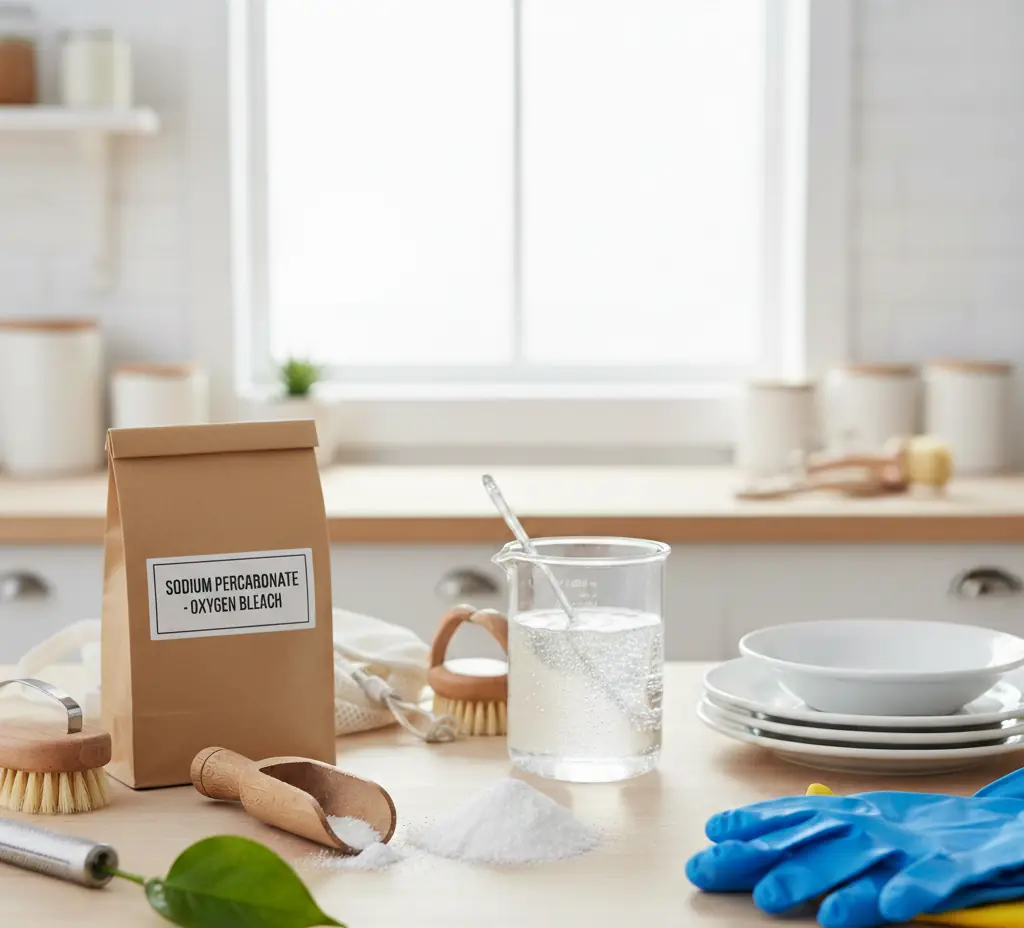
What is Sodium Percarbonate? In the realm of household cleaning, there exists a quiet, unassuming white powder that possesses a truly remarkable power to whiten, brighten, and remove stubborn organic stains. It is not chlorine bleach, with its harsh, corrosive nature and toxic fumes. It is sodium percarbonate, a compound that, when introduced to water, performs a simple and elegant act of chemistry, releasing the cleaning and brightening power of oxygen. This is the ingredient behind the products often marketed as “oxygen bleach,” and understanding its properties unlocks a versatile, effective, and significantly safer way to tackle some of the most persistent cleaning challenges in a home.
What is Sodium Percarbonate?
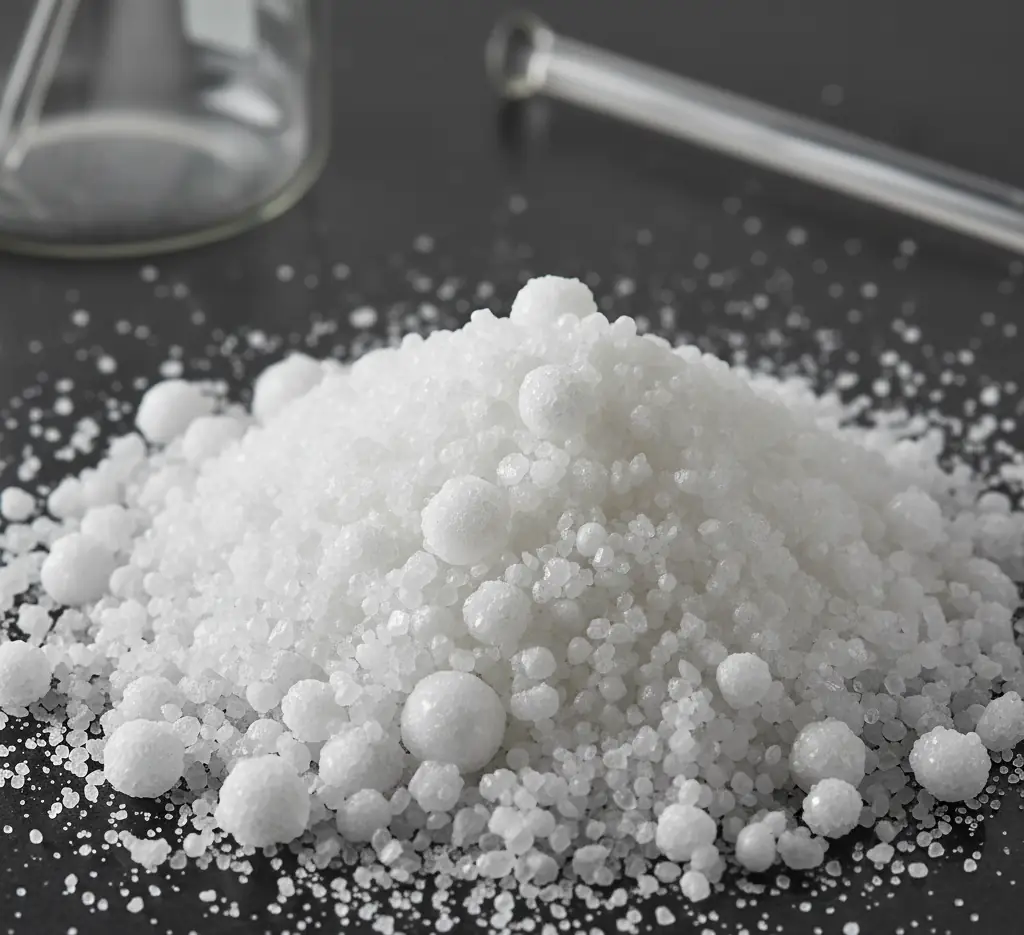
At its core, sodium percarbonate is a solid, granulated form of hydrogen peroxide, stabilized with sodium carbonate, also known as soda ash or washing soda. In its dry, powdered state, it is completely inert. The magic begins when it is dissolved in water, particularly hot water. The heat and moisture act as a catalyst, breaking the compound down into its two components: hydrogen peroxide and sodium carbonate. The sodium carbonate is a powerful water softener and cleaning agent in its own right, helping to break down grease and oils. The hydrogen peroxide is where the “oxygen bleach” action comes from. It works as a powerful oxidizer. This means it chemically breaks down the molecules that give organic stains—like coffee, tea, red wine, grass, and blood—their color, effectively making them colorless and allowing them to be easily washed away. Unlike chlorine bleach, which can damage fabric fibers and cause yellowing over time, this process is far gentler on most textiles while being incredibly tough on stains.
1. Whitening
The most common and celebrated application for sodium percarbonate is in the laundry room. It is a true champion for restoring dingy whites and brightening light-colored fabrics that have become dull and lifeless. For a general whitening and brightening boost, you can simply add two to three tablespoons of the powder directly to the drum of your washing machine along with your regular detergent. For this method to be most effective, you must use a warm or, preferably, hot water cycle. The heat is essential for fully activating the compound and releasing the maximum amount of oxygen.
2. Stubborn Stain
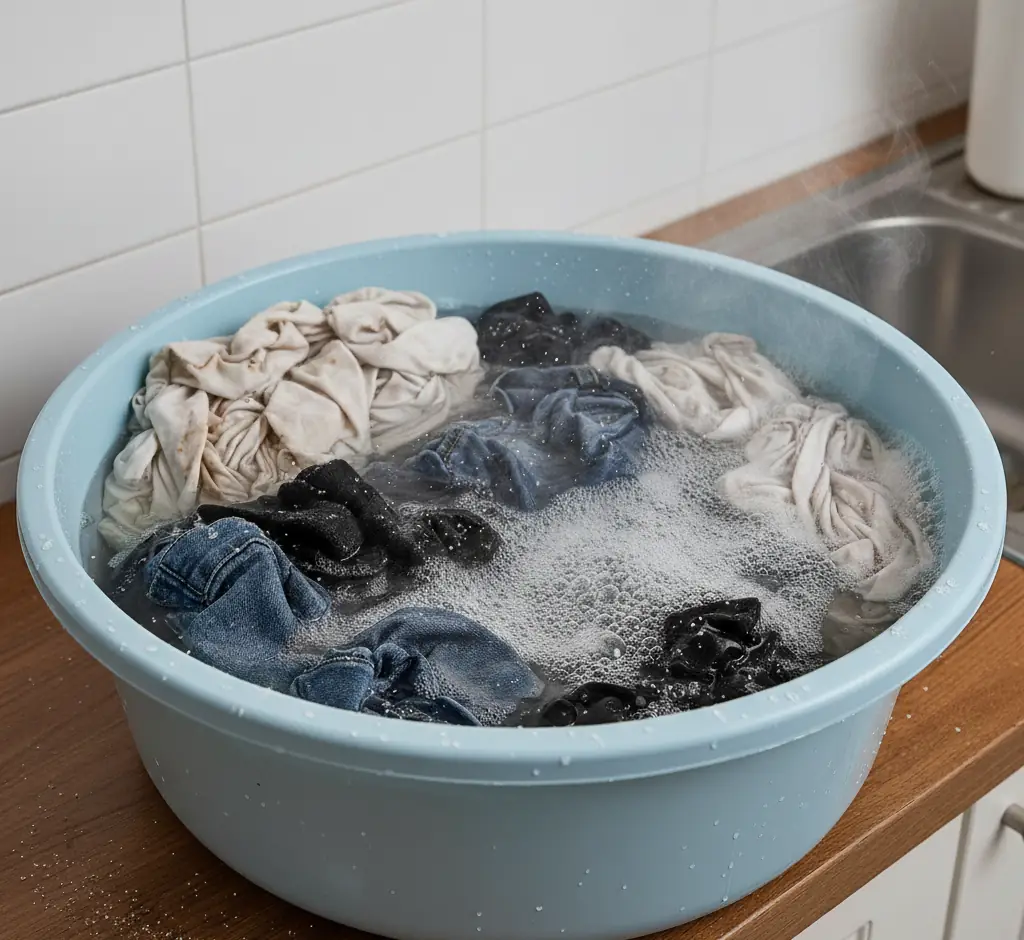
For more targeted and stubborn stain removal, the pre-soak method is unparalleled. This is where the true power of oxygen bleach is revealed. To pre-soak a stained garment, dissolve one to two tablespoons of sodium percarbonate for every gallon of the hottest water the fabric can safely tolerate. It is crucial to dissolve the powder completely in the hot water before adding the garment. Submerge the stained item in this solution and let it soak. The required dwell time can range from one hour for lighter stains to a full eight hours, or even overnight, for deeply set-in, stubborn stains. You will often see the water change color as the stain is lifted from the fabric. After the soak, simply remove the garment, wring it out gently, and launder it as you normally would. This method is incredibly effective for rescuing stained baby clothes, yellowed pillowcases, and dingy dish towels, restoring them to a brightness that regular washing alone cannot achieve.
3. Ceramic and Teacups
The wonders of sodium percarbonate extend far beyond the laundry room and into the kitchen, where it can tackle a host of stained and grimy surfaces. One of its most satisfying uses is on ceramic mugs and teacups that have developed a stubborn brown film from years of coffee and tea. To restore them, place one to two teaspoons of the powder in the bottom of the stained mug, then carefully fill it with boiling water. The solution will begin to fizz gently as the oxygen is released. Let it sit for at least thirty minutes. When you pour it out, the brown stains will have vanished, leaving the interior sparkling clean with no scrubbing required.
4. Kitchen Items
This same principle can be applied to other kitchen items. Stained plastic cutting boards can be revived by making a paste of sodium percarbonate and a little hot water. Scrub this paste into the surface, let it sit for twenty minutes, and then rinse it clean. It will lift stains from things like berries and tomato sauce while also deodorizing the board. For burnt-on food on stainless steel or ceramic bakeware, a long soak is the answer. Place the dish in a sink, sprinkle it liberally with the powder, and carefully fill it with boiling water. Let it soak for several hours, and the carbonized food that once required intense scraping will soften and lift away with ease. It can also be used to clean and de-gunk the inside of a stained thermos or coffee carafe, following the same soak-and-rinse method as for mugs.
5. Tile Grout
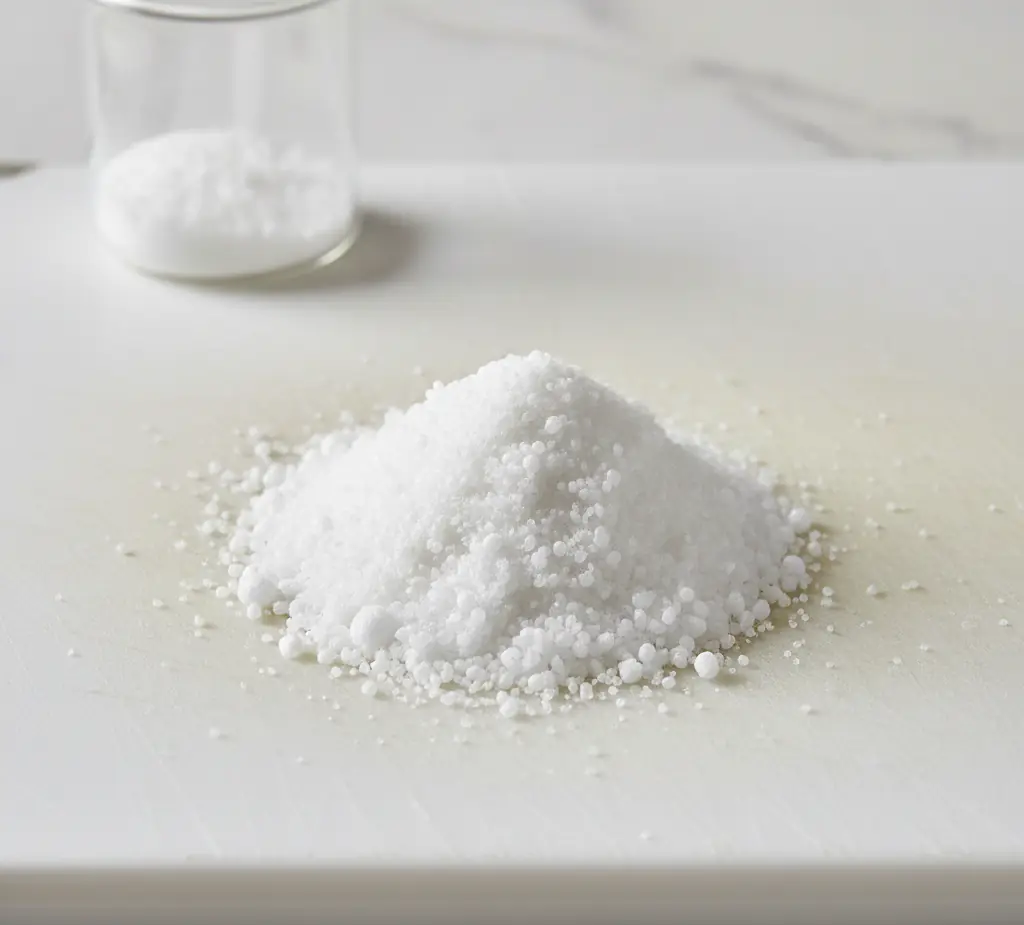
In the bathroom, sodium percarbonate is an excellent tool for deep cleaning tile grout. Grout, being porous, easily absorbs soap scum, dirt, and mildew, leading to discoloration. To clean it, create a thick paste of sodium percarbonate and hot water. Apply this paste directly to the grout lines with an old toothbrush or a small brush. Let it sit and work for at least thirty minutes, keeping it moist by occasionally spritzing it with a little water if needed. After the dwell time, scrub the grout lines vigorously with the brush and then rinse the entire area thoroughly with clean water. The oxidizing action will lift the grime from the pores of the grout, leaving it visibly lighter and cleaner. This method is also fantastic for cleaning and whitening shower curtains that have developed mildew spots. A long soak in a hot solution of sodium percarbonate in a tub or large basin can restore them completely.
6. Mildew, Moss, and Algae
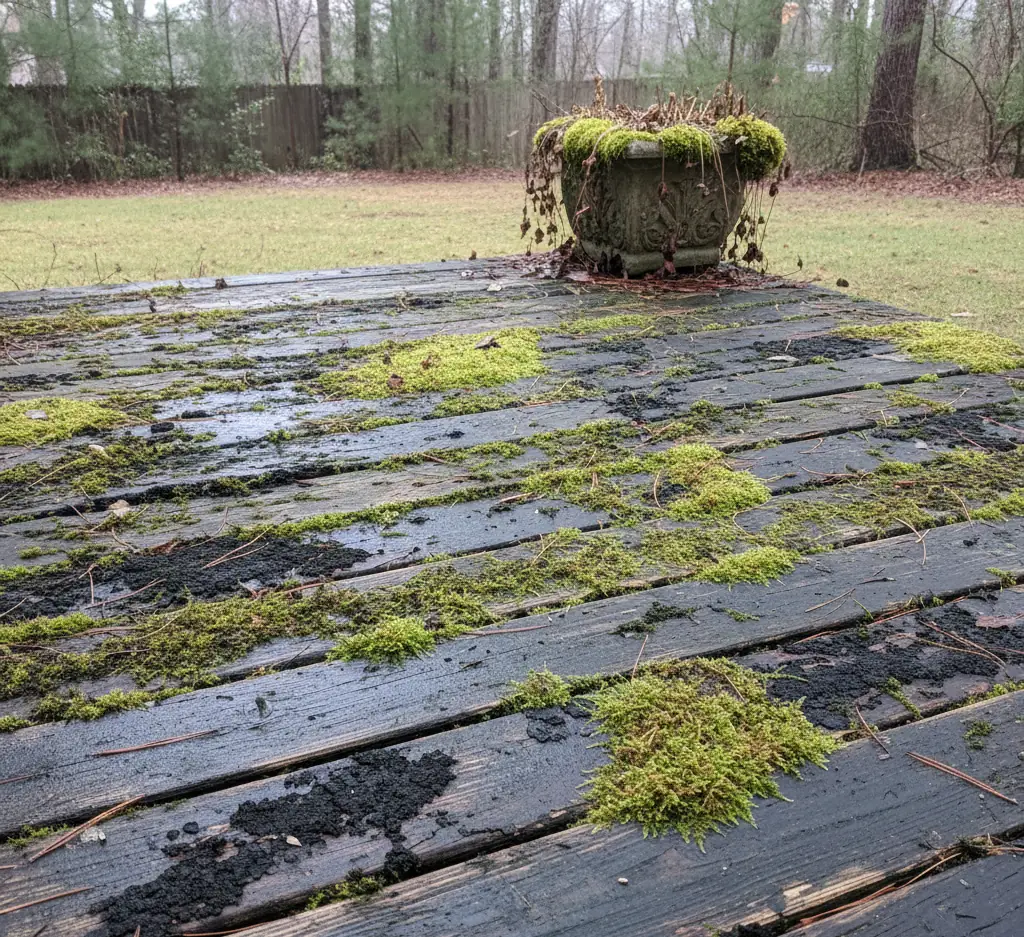
The power of this compound is not confined to the indoors. It is a highly effective and environmentally friendly cleaner for outdoor surfaces as well, particularly for removing mildew, moss, and algae from wooden decks, patios, and outdoor furniture. To create a cleaning solution, dissolve about one cup of the powder in a gallon of hot water in a bucket. Apply this solution liberally to the surface with a deck brush or a mop. Let it sit for about thirty minutes, ensuring the surface stays wet, then scrub with the brush and rinse thoroughly with a garden hose. The oxygen bleach will kill the organic growth and lift the grime without the harshness of chlorine bleach, which can damage wood fibers.
Heat and Dwell Time
To harness the power of sodium percarbonate effectively, it is crucial to understand the two factors that activate it: heat and dwell time. For almost all applications, hot water is required to kickstart the chemical reaction that releases the oxygen. In cold water, the reaction will be sluggish and far less effective. Secondly, the cleaning action is not instantaneous. You must give the product time to work. Whether it is a fifteen-minute soak for a mug or an overnight soak for a stained shirt, this dwell time is what allows the oxidation process to fully break down the stain molecules.
Be Careful
While sodium percarbonate is significantly safer than chlorine bleach, it is still a powerful oxidizer and should be handled with care. It is best to wear gloves when working with it, as a concentrated solution can be irritating to the skin. It is also important to know its limitations. It should not be used on very delicate protein-based fabrics like wool or silk, as it can damage the fibers. It is also not recommended for use on certain metals like aluminum or on finished, painted, or varnished wood surfaces, as it can be too aggressive. And as with all cleaning products, you must never mix it with other chemicals, particularly chlorine bleach or acids like vinegar, as this can create unpredictable and potentially hazardous reactions.
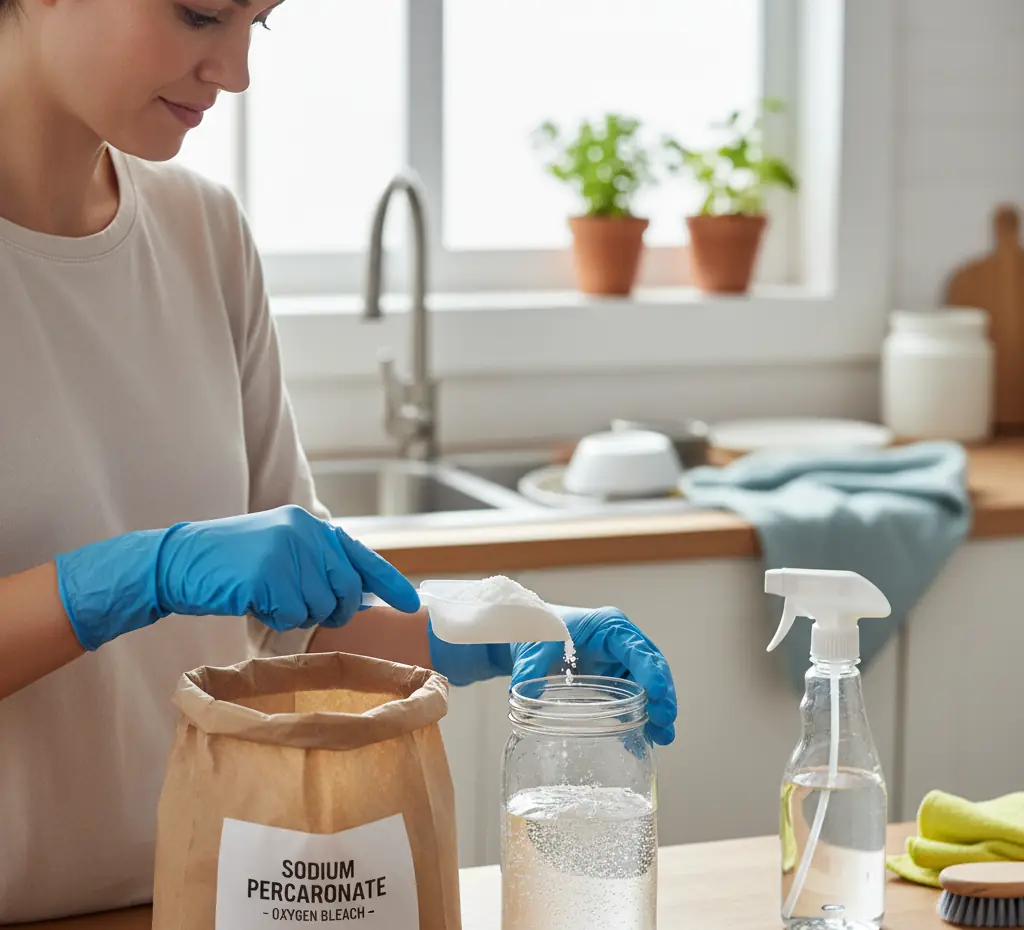
In essence, sodium percarbonate is a versatile, powerful, and more conscious choice for a wide range of cleaning tasks. It is a problem-solver, a restorer, and a brightener, all powered by the simple, clean chemistry of oxygen.
For ongoing chores beyond oxygen-based stain treatments, explore regular home cleaning.
Just as sodium percarbonate works on a molecular level to lift stubborn organic stains and restore brightness to fabrics and surfaces, Toronto Shine Cleaning delves deep to tackle every type of grime in your home. We apply expert knowledge and powerful, effective techniques to achieve a comprehensive, restorative clean, leaving your entire living space spotless and bright.