Cleaning Hardwood Floors: Stop Scratching Your Wood Floors with These Essential Cleaning Habits
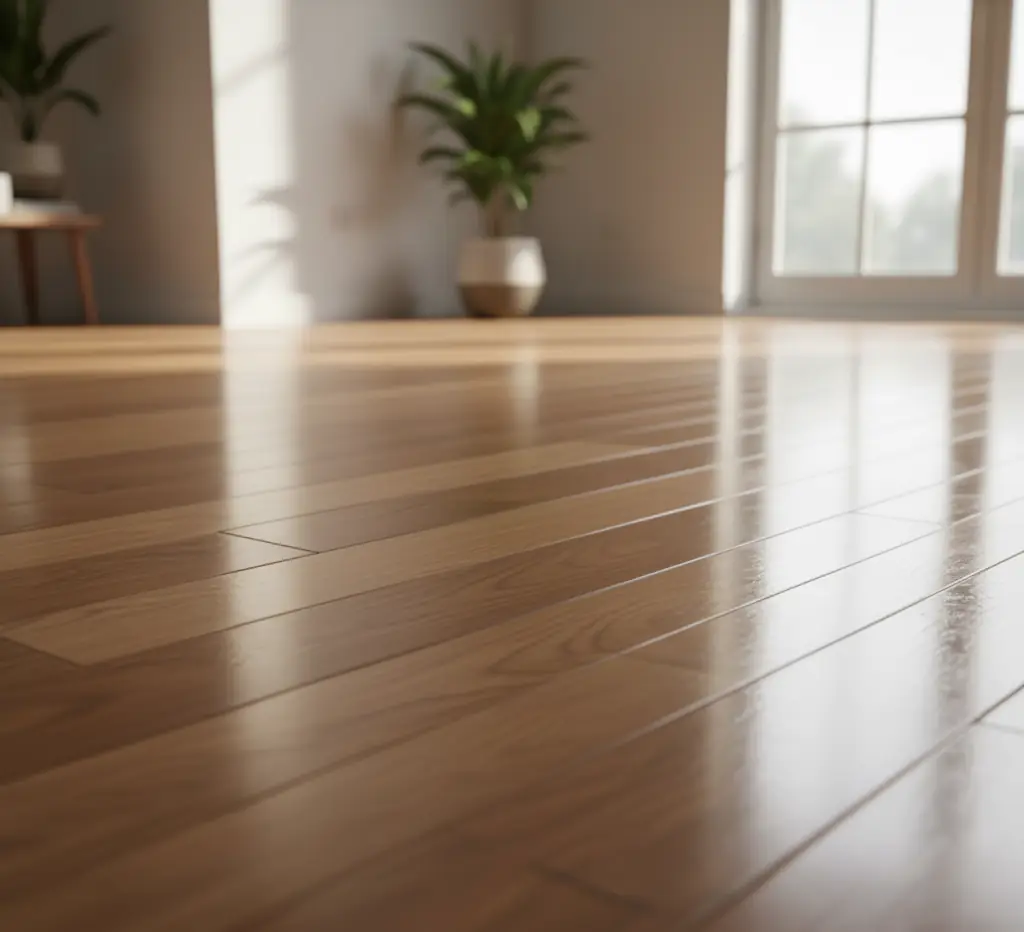
Hardwood floors represent a significant architectural and financial investment within a home. They provide an organic warmth and a timeless visual anchor that synthetic materials simply cannot replicate. However, this beauty is intrinsically tied to the biological reality of the material. Wood is a cellular, once-living entity that continues to respond dynamically to its environment long after it has been milled and installed. Furthermore, the surface that you walk on, clean, and interact with daily is rarely the raw wood itself. In contemporary flooring, it is almost exclusively a microscopic, transparent layer of polyurethane resin. This finish serves as a sacrificial shield, meticulously designed to absorb the intense friction of daily life and protect the highly vulnerable timber underneath. Understanding that your cleaning efforts are primarily directed at preserving this thin layer of plastic resin, rather than the wood itself, completely shifts the paradigm of floor maintenance. When the finish is preserved, the wood remains pristine; when the finish is compromised, the wood degrades rapidly and irreversibly.
The Enemy
1. Silica, Sand, Dirt
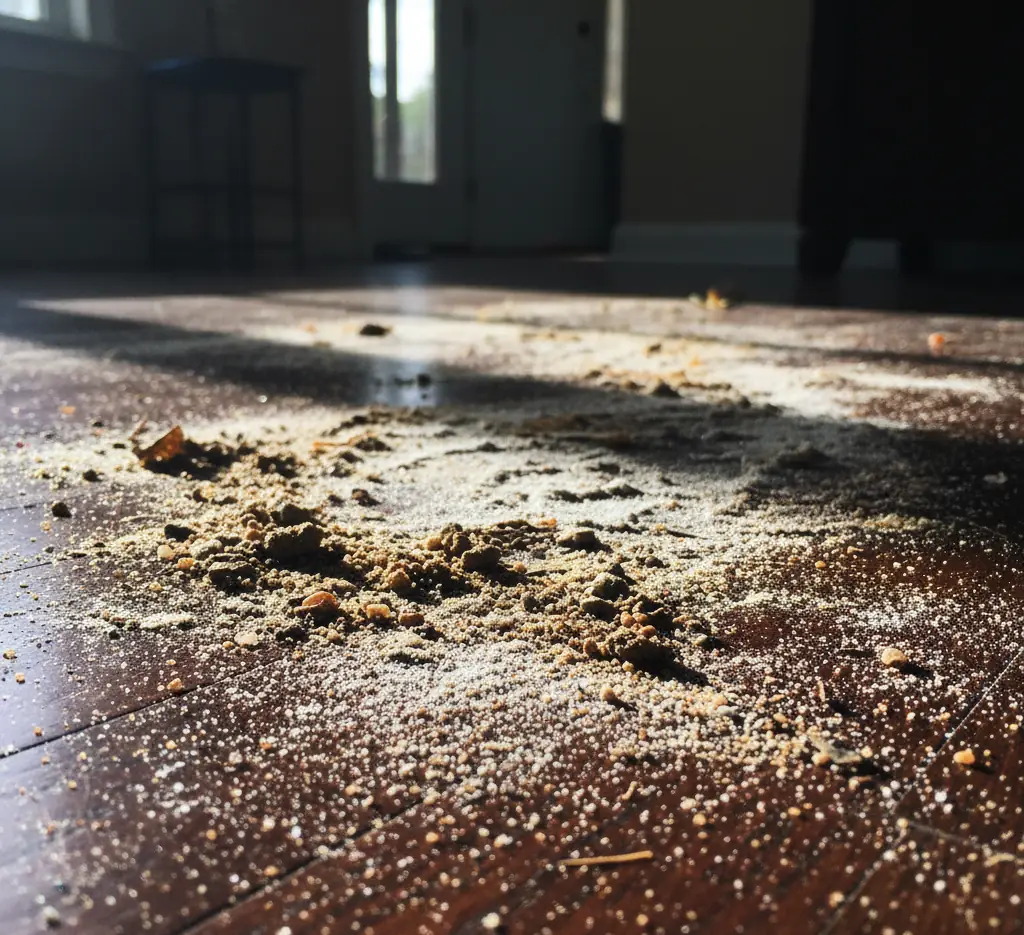
The most persistent, insidious enemy of this polyurethane finish is not the catastrophic spill or the heavy dropped object, but the invisible accumulation of dry grit. Every time a door opens, microscopic particles of silica, sand, dirt, and pavement dust are carried indoors by shoes, paws, and drafts. This debris settles onto the floorboards and acts with the exact same mechanical properties as low-grit sandpaper. When a foot presses down on a grain of sand and drags it even a fraction of an inch across the floor, it carves a microscopic trench into the finish. A single scratch is entirely invisible, but thousands of these micro-abrasions overlapping over months and years scatter the light that hits the floor. This light scattering is what creates the dull, cloudy appearance characteristic of high-traffic areas, transforming a glossy, luxurious floor into a matte, lifeless surface.
2. Brooms
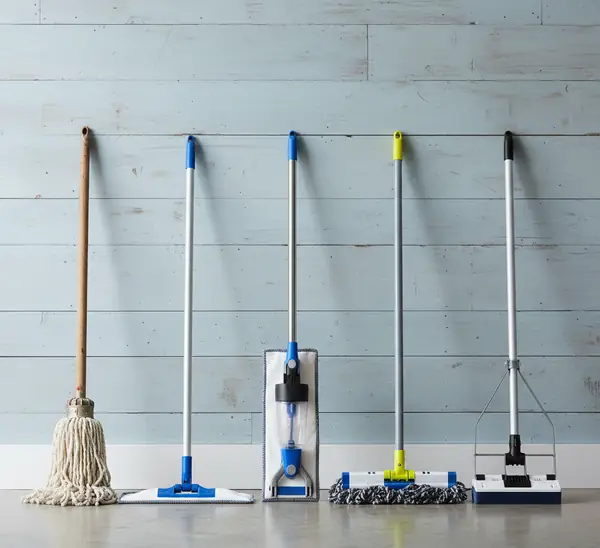
Therefore, the absolute foundation of hardwood maintenance is the relentless, daily removal of this dry, abrasive debris. Sweeping with a traditional bristle broom is highly inefficient for this specific task, as the stiff, thick bristles often flick the fine dust into the air, only for it to settle back onto the floor minutes later. A vacuum cleaner is far superior, but only if it is utilized correctly. The vacuum must be equipped with a specialized hard floor brush, and the rotating beater bar must be strictly disengaged. A spinning beater bar with stiff nylon bristles will continuously strike the floor, essentially beating the dirt into the finish and causing the exact mechanical scratching you are attempting to prevent. Alternatively, a wide, dry microfiber dust mop pushed in a continuous figure-eight motion traps the fine particulate matter using electrostatic attraction, lifting the grit safely away from the surface without requiring electricity or heavy machinery.
3. Water
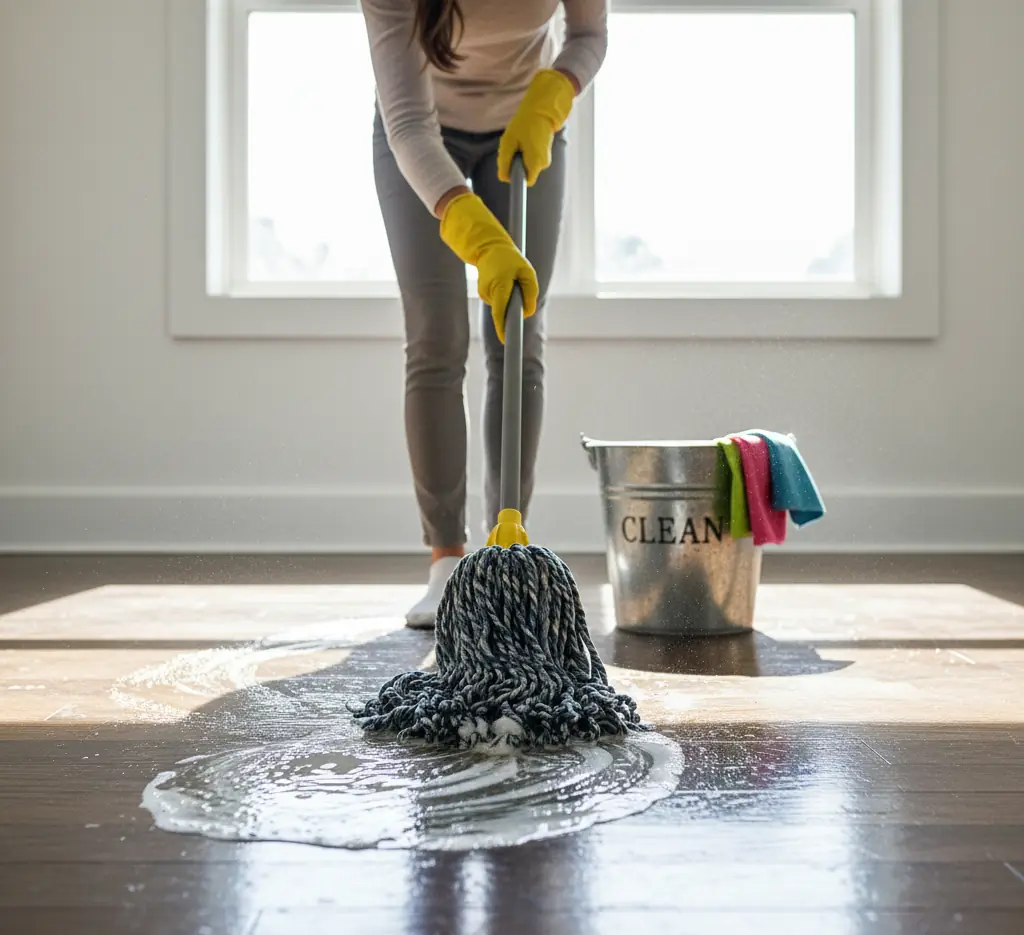
When dry removal is no longer sufficient and wet cleaning becomes necessary to address sticky spills, mud, or adhered biological matter, the homeowner faces the second major hazard: moisture. Wood is inherently hygroscopic. It possesses a cellular structure designed by nature to draw in and transport water. While the polyurethane finish provides a waterproof barrier on the top face of the planks, the microscopic seams between the boards, any deep scratches, and the unfinished undersides remain highly vulnerable entry points. Applying a traditional, saturated string mop to a hardwood floor is an unmitigated disaster. The excess water pools on the surface and inevitably seeps down into the joints through capillary action. Once the water breaches the surface, the wood fibers swell aggressively. Because the planks are installed tightly together, they have nowhere to expand but upward. The edges of the boards push against each other and buckle, creating a permanent, rippled distortion across the floor known as cupping. If the moisture intrusion is severe, the boards may crown in the center or buckle entirely, tearing free from the subfloor. Furthermore, trapped moisture sitting beneath the polyurethane layer breaks the chemical bond between the finish and the wood, causing the clear coat to peel, flake, and turn a milky white. Consequently, any wet cleaning must be executed as an exercise in extreme moderation.
Mops
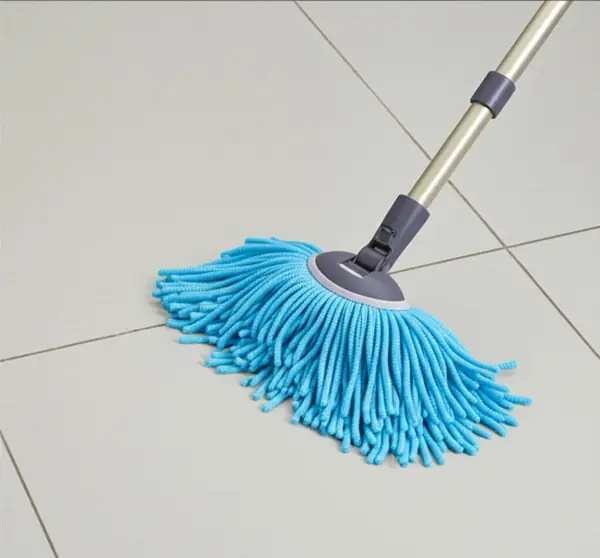
The correct implement for washing hardwood floors is a flat microfiber mop system. Microfiber technology is fundamentally different from traditional cotton loops. The microscopic synthetic fibers are split during the manufacturing process, creating an immense surface area that traps dirt and absorbs liquid with extraordinary efficiency. This means a microfiber pad requires only a fraction of the water needed by a traditional mop to clean the exact same square footage. The mop pad should be dampened and wrung out with intense pressure until it is practically dry to the touch before it ever makes contact with the floor. The methodology of applying the cleaning solution is equally critical. You must never pour liquid directly onto a hardwood floor or use a bucket that encourages soaking the mop head. Instead, the cleaning solution should be lightly misted onto the floor using a spray bottle, targeting small, manageable sections of about four square feet at a time, or sprayed directly onto the microfiber pad itself. The ultimate metric of success in wet cleaning hardwood is the evaporation rate. The moisture left behind by the mop must evaporate entirely within sixty seconds. If the floor remains visibly wet and reflective for several minutes, the volume of liquid applied was dangerously high, and the risk of permanent structural damage increases exponentially.
Cleaning Products
The chemical composition of the cleaning solution is just as important as the mechanical application, and this is an area fraught with persistent, damaging myths. Perhaps the most widespread fallacy is the recommendation of a mixture of white vinegar and water as a safe, natural cleaner for hardwood floors. Vinegar is an aqueous solution of acetic acid. While it is highly effective at cutting through kitchen grease and dissolving mineral deposits on glass or ceramic tile, its acidity is fundamentally incompatible with polyurethane resins. Repeated exposure to acetic acid chemically degrades the finish, stripping the protective sheen and gradually breaking down the structural integrity of the polymer. A floor regularly washed with vinegar will inevitably look permanently hazy and will lose its crucial ability to repel water and stains.
Equally detrimental are the traditional oil-based soaps, liquid waxes, and acrylic polishes that are heavily marketed to consumers. These heavy, viscous products were formulated decades ago for unsealed wood floors or those finished with natural carnauba paste wax, which required constant replenishment. On a modern, factory-sealed polyurethane floor, these oils and waxes cannot penetrate the wood. Instead, they cure on top of the seal, creating a sticky, opaque film. This residue acts as an adhesive trap for every particle of dust, pet hair, and dirt that floats through the room. Removing this built-up layer of acrylic polish or oil soap is an excruciating, labor-intensive process requiring heavy chemical strippers that carry their own severe risks to the underlying floor.
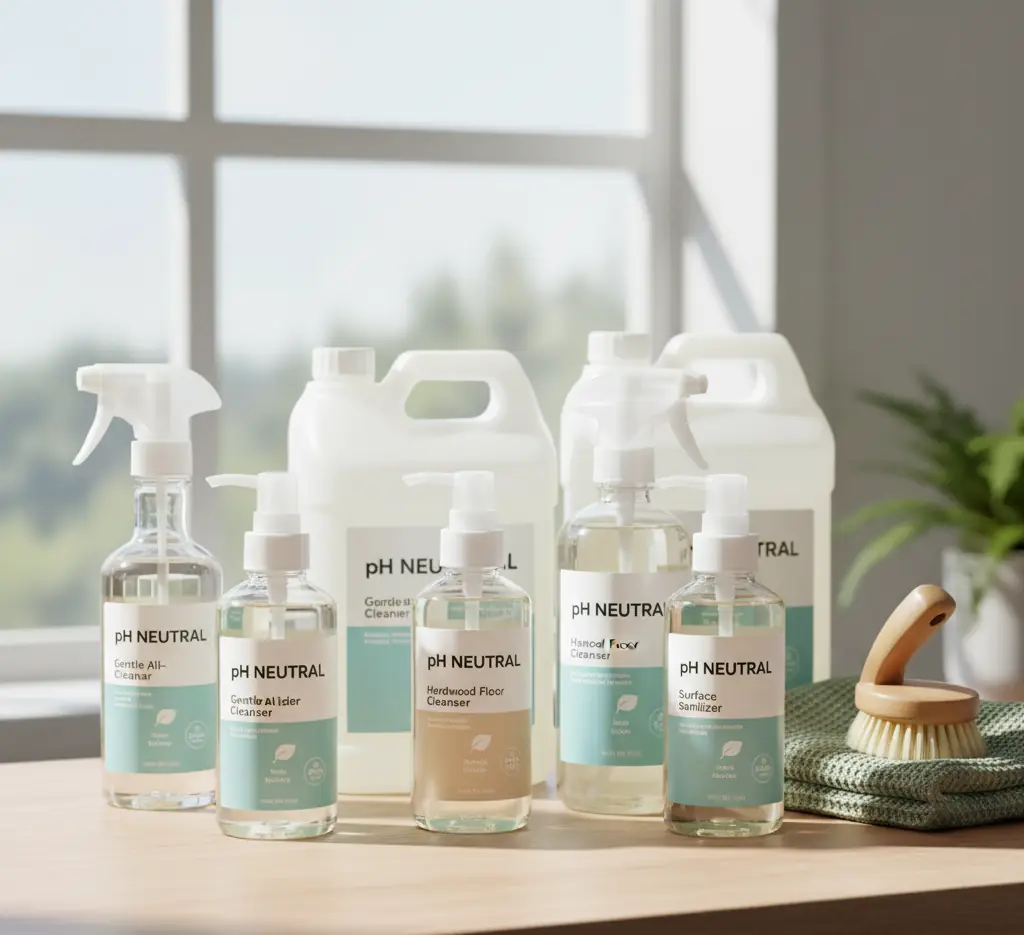
The only acceptable cleaning solution for a modern hardwood floor is a pH-neutral formula specifically engineered for polyurethane finishes. These specialized cleaners contain mild surfactants designed to break the surface tension of water, encapsulating dirt and grease so they can be lifted by the microfiber mop, without leaving any chemical footprint behind. They evaporate rapidly and cleanly, refusing to alter the chemical balance of the protective coating. It is vital to internalize the concept that the sole objective of mopping is to wipe away surface soil. If a modern hardwood floor requires a chemical product to artificially restore a glossy shine, it means the physical polyurethane finish has already been worn away by foot traffic and grit. No liquid product can replace missing polyurethane. Attempting to restore shine with a chemical gloss is a temporary, damaging illusion. The only true remedy for a dull floor is mechanical refinishing.
Preservation
The preservation of hardwood extends beyond the physical act of cleaning and requires a holistic, defensive strategy regarding the home’s environment, its inhabitants, and its furnishings. Pets, particularly large dogs, present a dynamic biological and mechanical threat. Unclipped claws act as carving tools, puncturing the finish every time the animal runs or scrambles for traction. Furthermore, pet accidents involving urine are highly acidic and, if not neutralized and extracted immediately, will burn through the finish and turn the tannin in the raw wood permanently black. Sunlight is another silent, slow-acting agent of change. The ultraviolet rays pouring through large windows interact with both the finish and the natural components in the wood, causing the floorboards to fade, bleach, or change color entirely over time. Area rugs placed over hardwood will often reveal a stark color contrast when moved years later. Managing this requires utilizing window treatments during peak sunlight hours to mitigate the UV exposure.
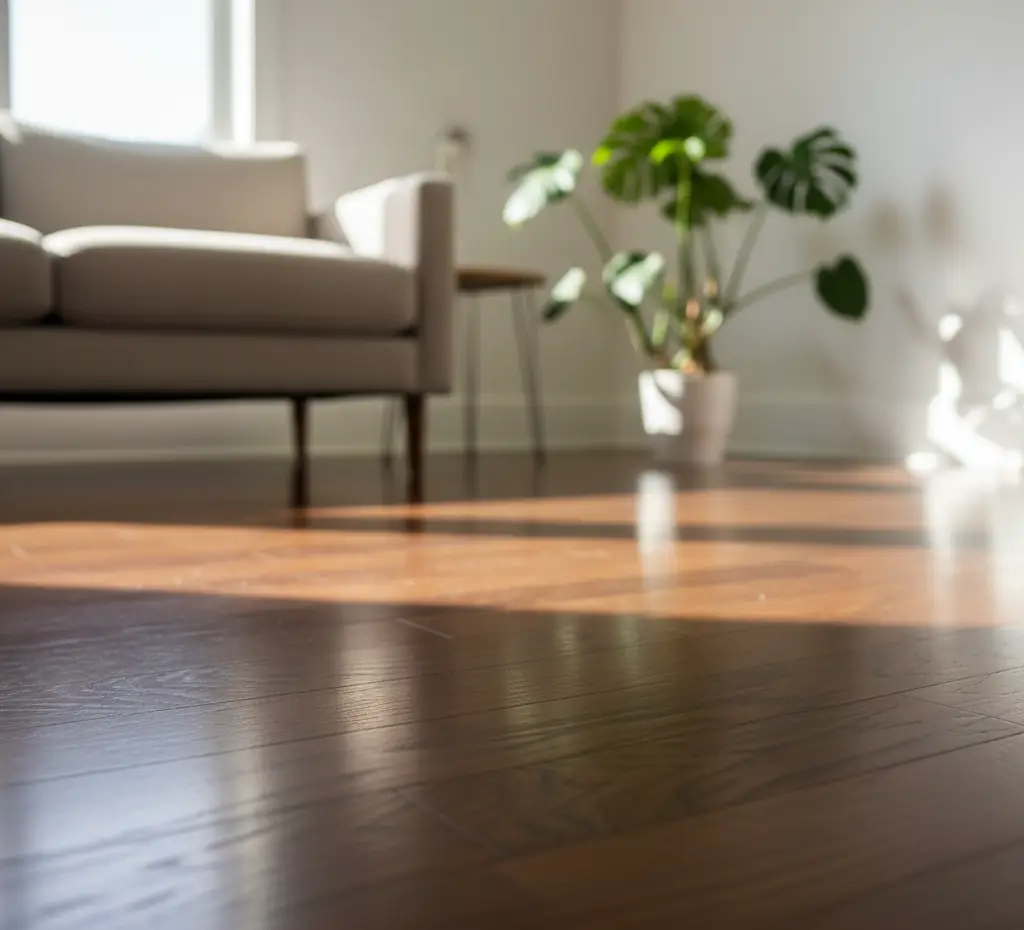
Similarly, the indoor climate dictates the physical dimensions of the wood. Winter heating systems drastically reduce indoor humidity, causing the wood cells to release moisture and shrink, which leads to unsightly gaps appearing between the floorboards. Conversely, the humid, stagnant air of summer causes the wood to absorb moisture and swell. Maintaining a consistent indoor relative humidity between thirty-five and fifty-five percent throughout the year via whole-home humidifiers and dehumidifiers is essential to minimize this continuous expansion and contraction, preventing structural failure and microscopic checking in the finish.
Furniture represents an acute, high-impact threat to the floor’s surface. A heavy dining chair with hard plastic or bare wooden feet acts as a gouging tool every time a guest pushes back from the table. The weight of the occupant concentrated onto four small points of contact is enough to instantly crush the wood fibers and tear through the polyurethane. Every single piece of furniture in the home, from the heaviest sofa to the lightest side table, must be fitted with thick, high-quality felt pads on the legs. These pads must be inspected and replaced regularly, as they eventually compress and collect their own embedded grit, turning from protectors into abrasives. For rolling office chairs, standard hard plastic casters must be replaced with soft polyurethane wheels specifically designed for hardwood, or a rigid protective mat must be utilized.
The architectural design of your entryway is the most critical defensive perimeter for your hardwood floors. Because the vast majority of the destructive grit that ruins the finish is tracked in from the outside, a robust entry mat system is mandatory. This requires a two-step approach: an aggressive, scraping mat positioned outside the exterior door to dislodge heavy soil and snow, followed immediately by a dense, highly absorbent mat inside the foyer to capture the remaining fine dust and moisture from the soles of shoes. Enforcing a strict policy of removing outdoor footwear at the threshold eliminates the primary vector of damage entirely.
Limited
Even with immaculate maintenance, a polyurethane finish has a finite lifespan. In a typical household, the finish will sustain enough micro-scratches and wear over a period of seven to ten years to require intervention. Recognizing the difference between a floor that is dirty and a floor that has a failing finish is crucial. If water dropped onto the floor no longer beads up but instead immediately soaks into the wood, turning it dark, the protective seal is gone. Catching this deterioration early allows for a process known as screening and recoating, where only the top layer of the existing finish is lightly abraded and a fresh coat of polyurethane is applied. This avoids the massive expense, dust, and disruption of a full sanding down to the bare timber. Regular, proper cleaning is the mechanism that delays this inevitable degradation, stretching the lifespan of the finish for as long as chemically and physically possible.
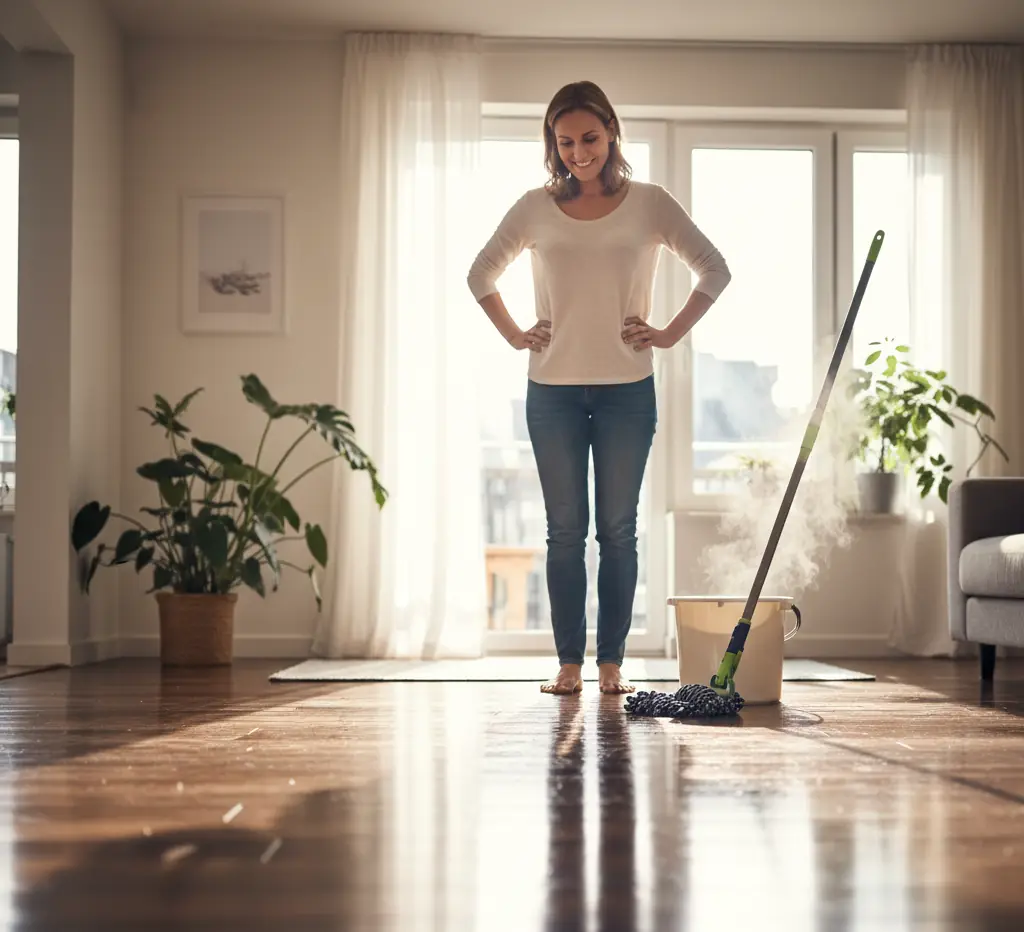
If you want help maintaining that floor-care routine, explore regular house cleaning and share the floor’s care requirements.
Maintaining the luster, structural integrity, and enduring beauty of hardwood floors is a demanding, continuous process of diligent dry dusting, meticulous moisture control, and strict adherence to specific chemical parameters. It requires a profound understanding of how this organic material and its synthetic protective coating react to friction, humidity, and varying pH levels. When the delicate balance of maintaining these vulnerable, elegant surfaces becomes too labor-intensive for your schedule, or when you want the absolute assurance that the immense investment in your flooring is being protected by professionals who understand the exact science of wood care, professional support is the only logical choice. Toronto Shine Cleaning provides the specialized, methodical care required to keep your hardwood floors and your entire living space in immaculate condition. By utilizing the correct pH-neutral solutions, maintaining precise moisture control, and executing non-abrasive techniques, our professional team safely removes the dulling layer of grime without ever compromising your finish. Let Toronto Shine Cleaning handle the rigorous demands of preserving your home’s most refined surfaces, ensuring your floors remain a shining, pristine foundation for your daily life.