Microfiber Mop Cleaning – 4 Tips You Should Know
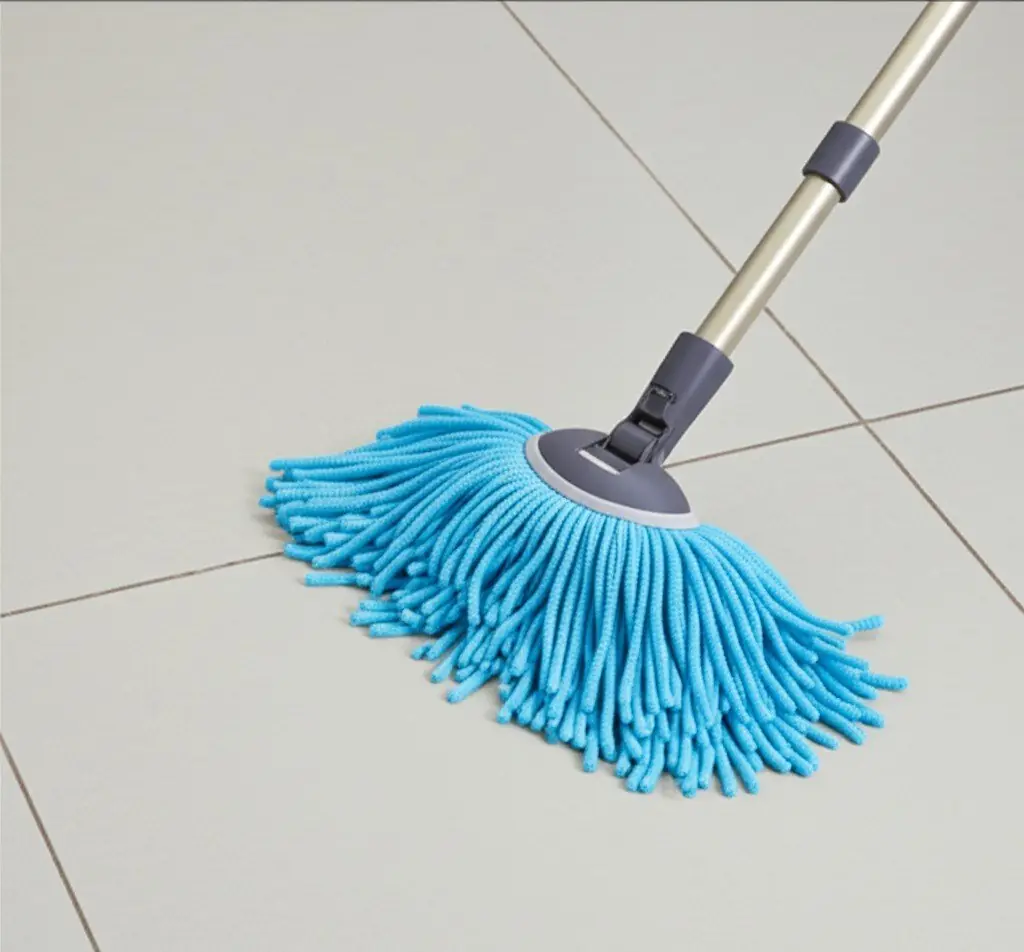
The microfiber mop itself is a marvel of household science, composed of synthetic fibers, typically a blend of polyester and polyamide (nylon), that are split into strands much finer than a human hair. This extreme fineness dramatically increases the surface area of the material. A single microfiber mop can contain hundreds of thousands of these tiny fibers, creating an intricate network that can interact with dirt, dust, and liquids on a microscopic level. Unlike traditional cotton fibers, which tend to push dirt around or require significant amounts of water and cleaning chemicals to break it down and absorb it, microfiber works through a combination of mechanical action and electrostatic attraction. The split fibers have a positive charge that naturally attracts negatively charged dust particles, effectively lifting and trapping them inside the mop rather than simply displacing them.
1. Microfiber Mop
When a microfiber mop glides over a surface, these numerous fine fibers act like tiny hooks and paddles. They reach into the microscopic pores and crevices of your floor, areas that thicker cotton loops or sponge surfaces often can’t reach. This allows them to physically dislodge and trap dust, dirt, allergens, pet dander, and even bacteria. The density of the fibers means that significantly more particles can be picked up and trapped by a microfiber pad compared to its conventional counterparts before it needs to be rinsed or replaced. This superior particle collection is one of the main reasons why microfiber mops are so effective at cleaning.
For dry cleaning or dusting, a microfiber mop is exceptionally effective. When used dry, the electrostatic properties of the fibers are maximized. As the mop head passes over the floor, it creates gentle friction that increases its ability to attract and trap fine dust and allergens. This makes it an ideal tool for daily maintenance of hard floors, quickly removing the layer of dust that can build up and tarnish the appearance of the floor or trigger allergies. It is far more efficient than a traditional broom, which often sends fine particles suspended in the air, only to have them settle back down later.
When it comes to wet cleaning, the microfiber mop continues to outperform. The material is highly absorbent, capable of holding many times its weight in water, but releases the liquid more evenly and requires less water overall to get a clean floor. For most cleaning tasks, a microfiber mop needs to be just damp, not soaking wet. This controlled application of moisture is crucial for water-sensitive floors such as hardwood and laminate, as it cleans effectively without the risk of water damage, warping or staining. The capillary action of the fibres helps to draw liquids and airborne dirt into the mat. Because less water is used, floors also dry significantly faster, reducing slipping hazards and the time until the room can be used again.
2. Hot Water
The implications for hygiene are substantial. Studies have shown that microfiber mops can remove a significantly higher percentage of bacteria from surfaces compared to cotton mops, even when used with water alone. The fine fibers are more effective at physically removing and capturing microbes. When used with a disinfectant, microfiber provides better contact with the surface and a more even distribution of the cleaning agent, further improving sanitation. This makes microfiber mops an excellent choice for homes with children, pets, allergy sufferers, or anyone concerned about maintaining a truly clean environment.
In addition to their cleaning power, using microfiber mops has a number of practical benefits. Reducing the reliance on harsh chemicals is a significant benefit for both indoor air quality and the environment. Hot water is often sufficient for effective cleaning with a microfiber mop, or a very dilute solution of a mild, pH-neutral cleaner can be used for tougher stains. This minimizes chemical residue on floors, which is safer for occupants and pets, and reduces the amount of chemicals that enter waterways.
Water conservation is another key environmental and economic consideration. Traditional cleaning methods with microfiber mops can consume large amounts of water, both for the cleaning solution and for rinsing the mop. Microfiber’s ability to clean effectively with minimal moisture dramatically reduces water usage. Not only does this conserve a precious resource, it can also lead to lower utility bills.
3. Cleaning Mop Head
Durability and reusability are hallmarks of quality microfiber mop pads. Unlike disposable mop sheets that contribute to landfill waste, or cotton mop heads that can degrade relatively quickly and harbor bacteria if not properly laundered and dried, microfiber pads are designed to withstand hundreds of washing cycles without losing their cleaning effectiveness. This longevity makes them a more economical choice in the long run, despite a potentially higher initial investment for a good quality system. Proper care, involving regular machine washing (without fabric softener or bleach) and air drying or low-heat tumble drying, will extend their lifespan considerably.
Ergonomically, microfiber mops are generally lighter and easier to maneuver than their bulkier, water-laden traditional counterparts. Flat microfiber mops, the most common type for floors, often feature swivel heads that allow for easy cleaning under furniture and around obstacles. The reduced effort required to push the mop and the lesser need to frequently change heavy buckets of water can significantly reduce physical strain for the user, making the cleaning process less arduous and more efficient.
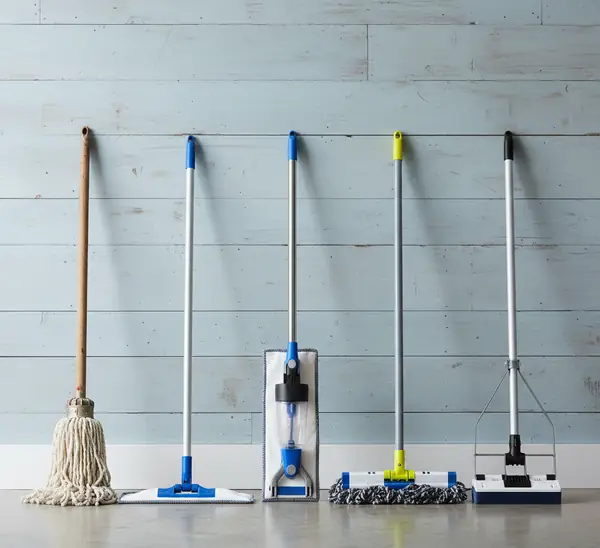
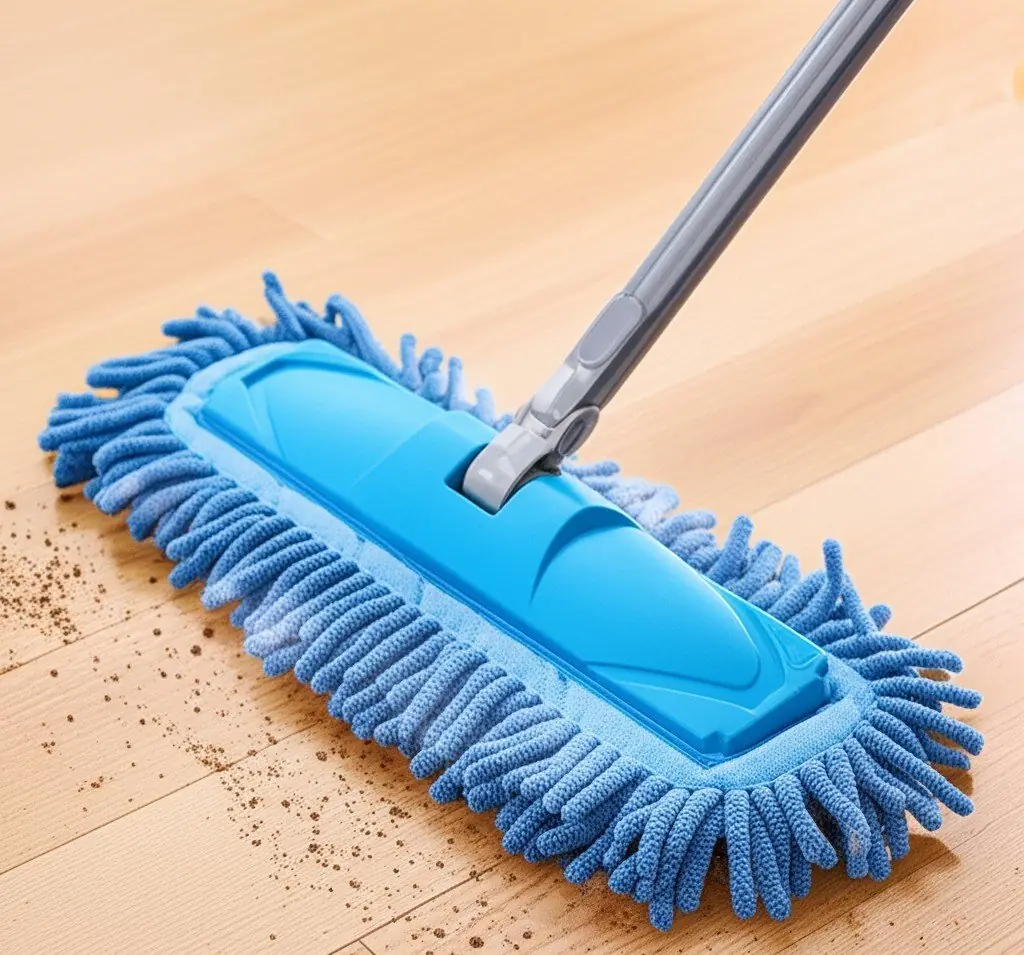
The versatility of microfiber extends to the variety of pads available. Different weaves and textures are designed for specific tasks. For instance, pads with a looped construction are excellent for general-purpose cleaning and dust mopping. Pads with denser, more aggressive scrubbing strips woven in are ideal for tackling sticky spills or more stubborn dirt on resilient flooring like tile or vinyl. Some pads have fringed edges that are particularly good at capturing larger debris and reaching into corners. This ability to switch out pads tailored to the cleaning challenge at hand, or for different floor types within a home, adds another layer of efficiency.
When selecting a microfiber mopping system, consider the mop head’s size in relation to the areas being cleaned; larger heads cover more ground quickly but may be less nimble in tight spaces. The handle should be sturdy and preferably adjustable to suit the user’s height. The mechanism for attaching and detaching pads is also important – Velcro-style fastenings are common and convenient, while pocket-style pads offer a very secure fit. Investing in high-quality, dense microfiber pads will yield better cleaning results and greater durability than thinner, cheaper alternatives.
4. Mop Care
Using a microfiber mop correctly maximizes its benefits. For dry dusting, simply attach a clean, dry pad and move the mop systematically across the floor, often in a figure-eight or “S” motion to gather debris effectively. For damp mopping, the pad should be wetted and then thoroughly wrung out until it is just damp to the touch. Too much water will negate some of microfiber’s benefits, potentially leaving streaks or over-wetting sensitive floors. Work in sections, and when the pad becomes visibly soiled or is no longer cleaning effectively, it should be rinsed or replaced with a clean one. For a typical room, having two or three pads on hand allows for continuous cleaning without having to stop and wash a single pad midway.
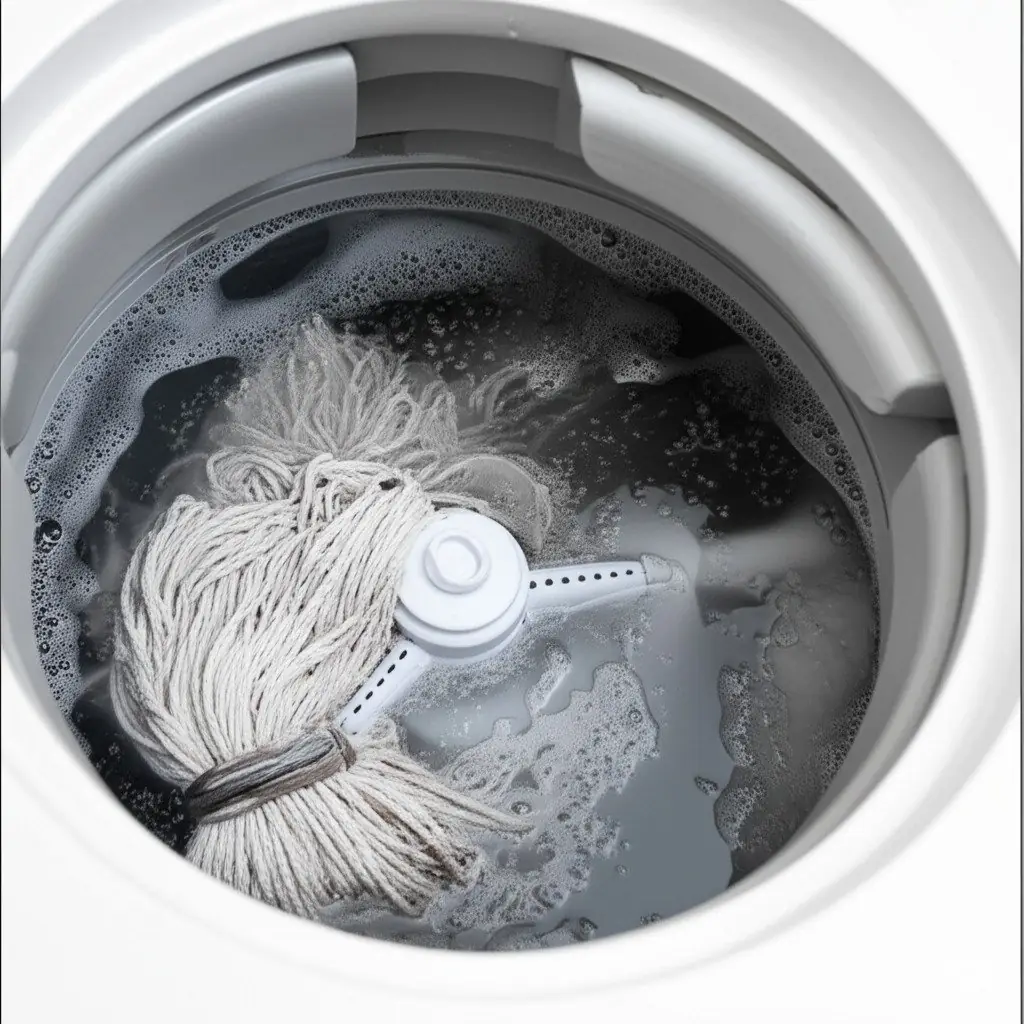
Care of the microfiber pads is paramount to maintaining their performance. After use, heavily soiled pads can be pre-rinsed to remove loose debris. They should then be machine washed. It is best to wash microfiber items separately or with other non-linting synthetic fabrics to prevent the fibers from becoming clogged with cotton lint, which would reduce their effectiveness. Use a mild detergent and avoid bleach, which can degrade the fibers, and fabric softener, which clogs the spaces between fibers and ruins their absorbency and electrostatic properties. Air drying is the gentlest method, but pads can often be tumble-dried on a low heat setting. High heat can damage or even melt the fine synthetic fibers. Once clean and dry, store them in a clean place, ready for their next use.
The transition from traditional mops to microfiber systems represents a significant step up in cleaning technology. The fine fibers offer a deeper clean, capturing more dirt, dust, and bacteria with less effort, less water, and fewer chemicals. They are suitable for a wide array of hard flooring surfaces, from delicate hardwood and laminate requiring minimal moisture, to robust tile and vinyl. The ability to use pads dry for dusting or damp for mopping provides a comprehensive floor care solution. The reusability of the pads makes them an environmentally conscious and economically sound choice over time. They are easier on the body, quicker in operation, and contribute to a healthier home environment by trapping allergens and reducing the need for harsh cleaning agents. The initial investment in a quality microfiber mop and a set of good pads pays dividends in cleaning performance, durability, and a more pleasant, efficient cleaning experience. The intricate design of each fiber, multiplied by the millions in a single mop pad, creates a powerful, effective, and intelligent approach to maintaining clean and beautiful floors.
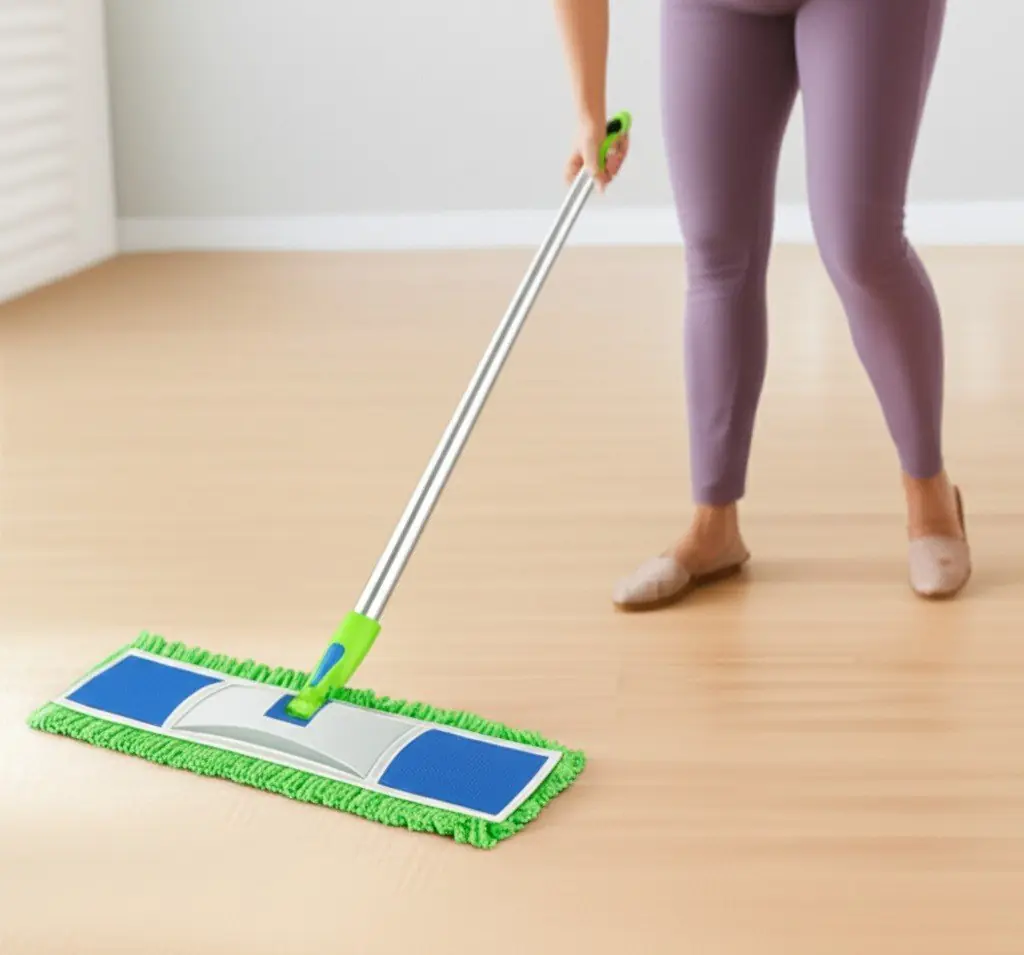
A good mop helps with technique; regular house cleaning offers support with keeping floor care on the calendar.
Achieving a truly clean floor, free of unseen particles and residues, is simplified with the advanced action of microfiber mops, which lift and trap dirt far more effectively than older methods, often using just water. For professional-grade cleanliness and attention to detail in every aspect of your home, Toronto Shine Cleaning offers services that harness effective tools and techniques to ensure your space is impeccably maintained.