How to Shine Laminate Floors: A Safe DIY Method

On this page
Laminate floors shine again with one part white vinegar to three parts warm water, a microfibre mop wrung out to damp, and immediate drying along the plank grain. The shine you are restoring is the factory wear layer itself: strip the film off it, never wax or polish over it.
Why do laminate floors lose their shine?
A dull laminate floor is nearly always telling you one of three things. Grit tracked in from outside grinds against the surface like fine sandpaper, leaving micro-scratches that scatter light instead of reflecting it. You will see this scratch haze first in hallways, at doorways and wherever shoes and pet claws do the most passing, while quieter corners stay glossier. Sunlight works on it too: planks near uncovered windows gradually fade and lose their depth, so a floor can look unevenly tired even when it is clean.
The second culprit is residue. Soap-based cleaners and products sold as shine boosters leave a film that builds up pass after pass until the floor looks grey and flat in good light. The third is water. A mop that is too wet dries unevenly into streaks, and worse, seeps into the seams between planks and swells the edges, damage that cannot be undone.
The key point for the fix: laminate’s shine lives in the wear layer applied in the factory. It cannot be waxed, polished or refinished like hardwood. You get the gloss back by cleaning film off the surface, not by adding a product on top of it.
Which DIY cleaner restores laminate shine?
The recipe is simple: mix one part white vinegar to three parts warm water in a spray bottle. Vinegar cuts everyday grime without the sticky residue that makes soap-based cleaners dull the finish over time. If your tap water is hard and leaves a mineral film on glasses and shower doors, use distilled or filtered water in the bottle instead, or the mix itself can deposit a faint haze. For faster, streak-free drying, a small splash of rubbing alcohol in the same mix does the trick.
One caution on vinegar itself: Lina DaSilva, our founder, tells people to be very careful using apple cider vinegar on hardwood floors, because over time the vinegar can strip the protective finish and leave the wood dull and vulnerable to damage, as she explained to AOL in an article on apple cider vinegar. Diluted as above and reserved for laminate, the mix stays gentle, but never reach for undiluted vinegar, ammonia or bleach. The Canadian Centre for Occupational Health and Safety warns that vinegar, an acid, must never be combined with bleach or ammonia when making homemade cleaners, so keep this spray to one product and one bottle.
A store-bought cleaner labelled for laminate also works, and makes more sense if the floor is new and still under warranty, since you can follow the manufacturer’s wording exactly. Read the label and follow it. What never makes sense on laminate is wax, polish, oil soap or a steam mop: each one either films over the wear layer or forces water and heat into the seams.
How to Clean Laminate Floors Without Streaks (5 Steps)
Read the video transcript
Shine is under the film. Laminate needs cleaning, not polish. White vinegar and warm water, one to three. A barely damp microfiber mop and a dry pad. No wax, polish, oil soap or steam mop. Never use undiluted vinegar, ammonia or bleach. Never combine vinegar with bleach or ammonia. Test the mix on a hidden plank. Let it dry before continuing. One. Sweep or vacuum with soft bristles, or use a dry microfiber pad to remove grit. Two. Keep cleaning solution and plain rinse water separate. Rinse the mop between sections. Three. Start in the far corner and work backward toward the doorway. Four. Mist a small section. Wipe along the plank grain with a well-wrung mop, damp rather than wet. Five. Dry each section within about a minute, using a dry cloth or mop head. Look along the dry planks toward a window. No streaks should show. Sweep or vacuum busy areas every few days. Mop weekly, and clean spills the day they happen. Regular house cleaning keeps floor care in the routine, alongside kitchens, bathrooms and reachable surfaces. Professional supplies come with your cleaner. Choose your clean. See your price, choose your time. We take it from there. Tell us how to get in and lock up. You'll love your clean, or we'll make it right. See your price at torontoshinecleaning.ca.
How do you shine laminate floors step by step?
Before any liquid touches the floor, test your mix on a hidden plank, inside a closet or behind a door, and let it dry. Once you are happy with it:
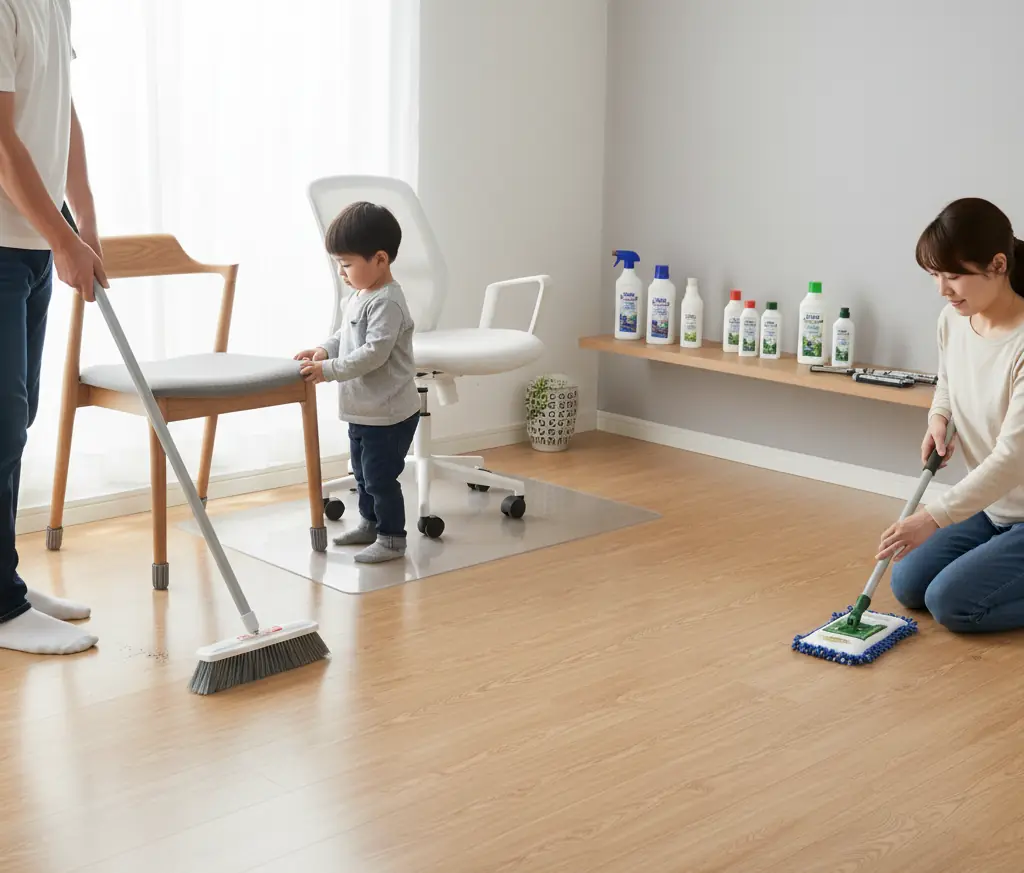
- Clear the grit first. Sweep or vacuum with a soft-bristle brush or a dry microfibre pad so the mop never drags grit across the room. This single step goes a long way to preventing fresh scratches.
- Set up two buckets. Keep your vinegar solution in one and plain rinse water in the other, rinsing the mop head in between so dirty water never goes back down onto the floor.
- Start at the far corner. Work backward toward the doorway so you never box yourself in over wet planks.
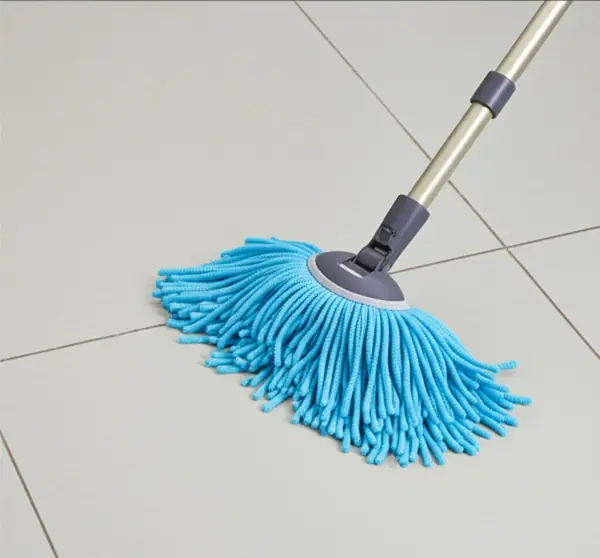
- Spray and wipe in small sections. Mist a small area, then wipe with a microfibre mop wrung out to damp, never wet, working along the plank grain to avoid streaks.
- Dry within about a minute. Go over each finished section with a dry microfibre cloth or dry mop head before moving on.
How to tell it worked: once the floor is dry, look along the planks toward a window. No streaks should show. If some remain, redo the area with a clean, freshly rinsed mop head rather than more liquid, since the usual cause is a dirty pad. On textured or handscraped planks, the film sits in the embossed grooves, so go over those areas with a soft brush to lift it out before your final dry pass. For a deeper look at pad care and technique, our primer on microfibre mop tips covers it well.
How do you bring dull or stained laminate back?
Diagnose before you treat. Press a damp cloth over a dull patch for a moment: if it looks glossier while wet, you are dealing with residue, and cleaning will fix it. If it stays flat, the dullness is fine scratches or a worn wear layer, and no cleaner will change that.
For old cleaner buildup, mop twice with the vinegar mix, drying between passes, so each pass strips more of the film rather than spreading it around. For spills and stains, spritz the spot, let it sit two to three minutes, then rub gently with a soft cloth or sponge, and do it the same day, before the stain sets. Scuff marks, black heel marks and crayon respond to a pencil eraser or a warm damp cloth, and crayon can be lifted with a gentle plastic scraper held nearly flat. Skip abrasive scouring pads and stiff brushes entirely: they scratch through the protective layer and do more harm than the stain ever would.
Dull patches that survive a proper clean are scratches or a worn wear layer. No product fixes that. Laminate manufacturers make repair kits for small chips, and a badly worn plank can be replaced individually if you kept spares, which is worth doing before the pattern is discontinued.
How do you keep laminate floors shiny between cleans?
Sweep or vacuum high-traffic areas every few days and mop weekly with the vinegar mix to lift the film ordinary traffic leaves behind. Mats at every entryway cut the tracked-in grit that causes dulling; Mirage, a Canadian hardwood flooring manufacturer, recommends mats outside and inside entrances, and advises avoiding mats with rubber or other dense backing, which trap abrasive dirt and moisture against the floor. In winter, slush and road salt leave a white film at entryways, so shake those mats out often and give the entry a quick damp wipe before the haze spreads down the hall.
Felt pads belong under every furniture leg, checked and replaced every few months, and furniture should be lifted rather than dragged. Trim pets’ nails, keep sharp heels off the floor, and use blinds or curtains in strong sun to slow fading. Spot-clean spills the day they happen. Finally, launder your mop pads without fabric softener: softener coats the microfibre and stops it absorbing, which leaves streaks behind.
When should you call a professional cleaner?
A floor still dull after two passes with the vinegar method usually means it’s time for a full deep clean with commercial equipment and laminate-safe products. Before you book any home cleaning service, ask what they use on hard floors: you want to hear about a wrung-out microfibre mop, a cleaner labelled safe for laminate, and a dry pass after each section, never a steam mop.
Dulling never happens in isolation, either. When the whole home needs the same steady care, regular house cleaning covers floor care as part of every visit across the areas we clean, along with the kitchen, bathrooms and every reachable surface. Call (647) 424-0355 to talk it through.
Frequently asked questions
Can I mop laminate with just water?
Yes, for a light dust film between real cleans. Use warm water, ideally distilled, and a microfibre mop wrung out until it is barely damp, then dry each section as you go. Water alone will not cut greasy residue or old cleaner buildup, so alternate it with the vinegar mix on busy floors.
Are robot vacuums safe on laminate floors?
Yes, as long as the floor is picked up first. Pick up stray cords, pet toys and pebbles of tracked-in dirt before you run it, and check the wheels and brush for trapped grit now and then. A robot vacuum handles the daily dust pass well, but it does not replace the weekly mop.
How do I move heavy furniture across laminate without scratching it?
Lift it whenever two people can manage. For pieces too heavy to lift, slide them on a mat turned upside down with a slightly smaller piece of plywood on top, so the furniture rides on the plywood instead of the floor. Once it is in place, fit fresh felt pads under every leg before it settles.
Does a humidifier or a dehumidifier matter for laminate floors?
Steady indoor humidity helps planks stay flat, and a hygrometer is the inexpensive way to keep an eye on it. Rather than chasing a perfect number, avoid extremes in either direction: air that stays far too dry or far too damp for long stretches is harder on the floor than the seasons themselves.