How to Clean With a Vacuum Cleaner in 6 Steps
On this page
Keeping your home clean and dust-free is a breeze when you know how to use your vacuum cleaner effectively. Whether you’re a cleaning pro or just getting started, these simple steps will help you get the most out of your vacuuming sessions. Let’s dive into the process and make your cleaning routine a whole lot easier!
Step 1: Choose the Right Vacuum Cleaner
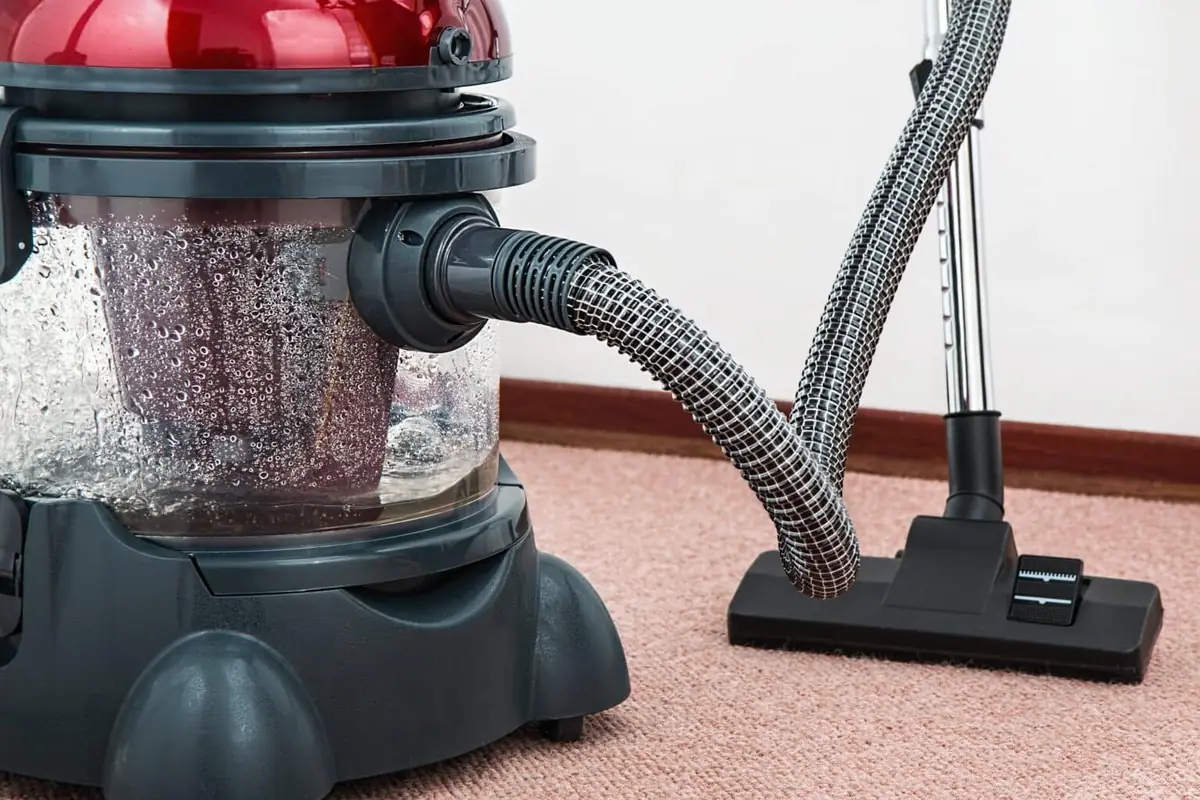
The first step to efficient cleaning is picking the right for your needs. Start by considering the type of flooring in your home. Do you have carpets, hardwood floors, or a mix of both? If you primarily have large carpeted areas, an upright vacuum cleaner is an excellent choice due to its powerful suction and wide cleaning path. For homes with a variety of surfaces and hard-to-reach spots, a canister vacuum cleaner offers versatility and maneuverability, making it easier to clean under furniture and along baseboards.
If you’re looking for something lightweight and perfect for quick clean-ups, a stick vacuum cleaner might be your best bet. These models are easy to handle and store, making them ideal for small apartments or quick touch-ups. Finally, for those who prefer a hands-off approach, robot vacuum cleaners provide an effortless way to maintain cleanliness. These smart devices can navigate your home, cleaning under furniture and around obstacles, allowing you to enjoy a clean house with minimal effort.
Choosing the right type of vacuum cleaner will ensure you get the best results with minimal effort. By selecting a vacuum that fits your specific cleaning needs and home layout, you’ll make your cleaning routine more efficient and effective. Whether you need the deep-cleaning power of an upright model, the versatility of a canister, the convenience of a stick, or the automation of a robot, there’s a perfect option out there to help keep your home spotless.
Step 2: Prepare the Area
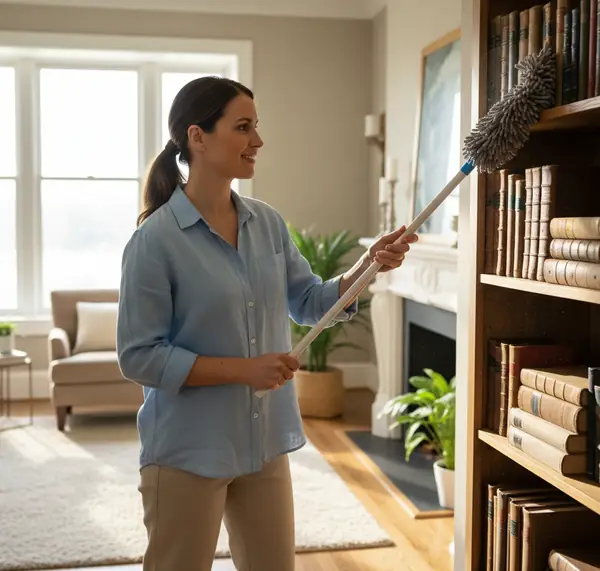
Before you start vacuuming, it’s important to prepare the area properly. Begin by removing small objects such as toys, clothes, and other items that could obstruct your vacuum cleaner. This prevents the vacuum from getting clogged and ensures a smooth cleaning process. Next, dust surfaces like shelves, tables, and other furniture. Dusting these areas first allows any fallen dust to be picked up by the vacuum cleaner, making the overall cleaning more thorough.
In addition, move light furniture around to access all areas of the room. Shifting items like chairs, small tables, and floor lamps will help you reach spots that are typically missed during a standard cleaning session. This step is crucial for ensuring that you don’t leave any hidden dirt or dust behind. Proper preparation makes the actual vacuuming process much smoother and more effective, as it allows your vacuum cleaner to do its job without unnecessary interruptions. By taking these steps, you set yourself up for a more efficient and comprehensive cleaning session.
Step 3: Check and Clean the Vacuum
A well-maintained vacuum cleaner works more efficiently, so it’s essential to keep it in good condition. Start by emptying the dust bag or canister, as a full bag significantly reduces the suction power of your vacuum cleaner. Regularly checking and cleaning or replacing the filters is also crucial to maintaining proper airflow. Clogged filters can hinder performance and reduce the lifespan of your vacuum cleaner.
Additionally, inspect the brush roll for any hair or debris tangled around it. This can affect the vacuum cleaner’s ability to pick up dirt and can even damage the motor if left unattended. By removing these obstructions, you ensure that your vacuum cleaner operates at its best, these quick maintenance steps are vital for optimal performance and longevity of your vacuum cleaner, making your cleaning sessions more effective and efficient. Regular upkeep enhances the vacuum cleaner’s functionality and extends its life, saving you money in the long run.
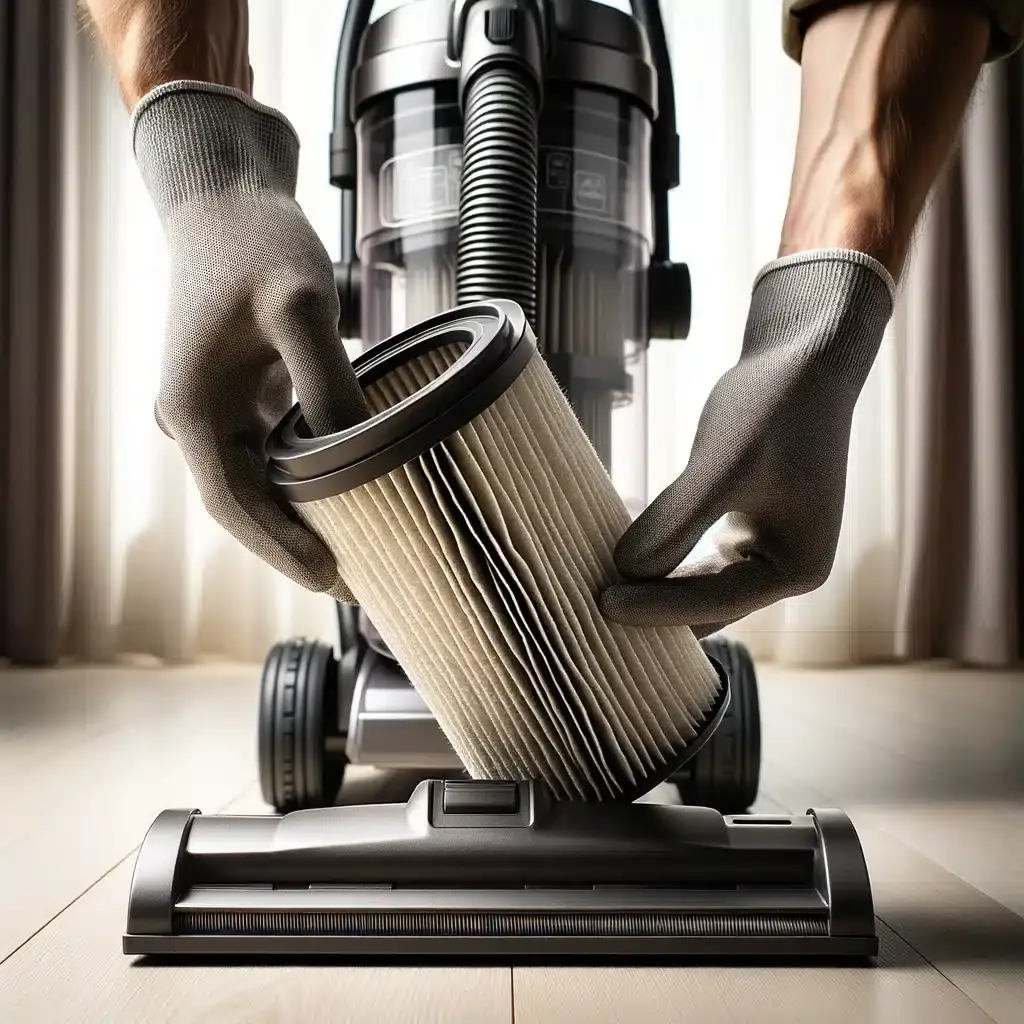
A quick reference for keeping the machine in shape:
| Vacuum part | The job | How often |
|---|---|---|
| Bag or canister | Empty it; replace a bag at about two-thirds full | Check before every use |
| Washable filters | Rinse in lukewarm water and let them air-dry fully | As your manual advises |
| Non-washable filters | Replace them, never rinse | Every three to six months |
| Brush roll | Snip away wrapped hair and string | Whenever tangles build up |
| Hose and attachments | Push out clogs; wash and dry the attachments | Whenever suction drops |
Step 4: Start Vacuuming Strategically
When you start vacuuming, it’s important to use a systematic approach to ensure thorough cleaning. Begin in the farthest corner of the room and gradually work your way back towards the exit. This method prevents you from walking over freshly vacuumed areas, keeping them clean and avoiding any extra work.
Using overlapping strokes is another key technique. Vacuum in straight lines, slightly overlapping each stroke to make sure you cover the entire area without leaving any spots untouched. This approach ensures that every inch of your floor gets cleaned, removing dust and dirt effectively.
Adjusting the settings on your vacuum cleaner is also crucial for optimal performance on different floor types. For example, you might need to change the height and suction settings when moving from carpet to hardwood. Tailoring these settings helps the vacuum cleaner perform more efficiently, providing the best results for each specific surface.
By following these strategic steps, you can ensure a comprehensive cleaning session. This methodical approach not only enhances the effectiveness of your vacuum cleaner but also makes the entire process more efficient and satisfying.
Step 5: Focus on High-Traffic Areas
High-traffic areas, such as hallways and living rooms, tend to collect the most dirt and debris. To tackle these spaces effectively with your vacuum cleaner, it’s important to adjust your approach. Begin by moving the vacuum cleaner slowly over these heavily soiled areas. This allows the vacuum more time to suction up the dirt and dust deeply embedded in the carpet fibers.
Additionally, vacuuming in different directions can significantly enhance the cleaning process. By moving the vacuum cleaner north-south and then east-west, you ensure that dirt is lifted from all angles, leaving the carpet thoroughly clean. This method helps in dislodging particles that might be missed when vacuuming in just one direction.
Paying extra attention to spots and stains in high-traffic areas is also crucial. Go over these spots multiple times with your vacuum cleaner to ensure they are thoroughly cleaned. Stubborn stains may require you to slow down and allow the vacuum more time to work its magic.
Concentrating on these high-traffic areas helps maintain overall cleanliness in your home. By taking the time to focus on the spots that see the most foot traffic, you can ensure that your living spaces remain clean and inviting.
Step 6: Finish Up and Store Properly
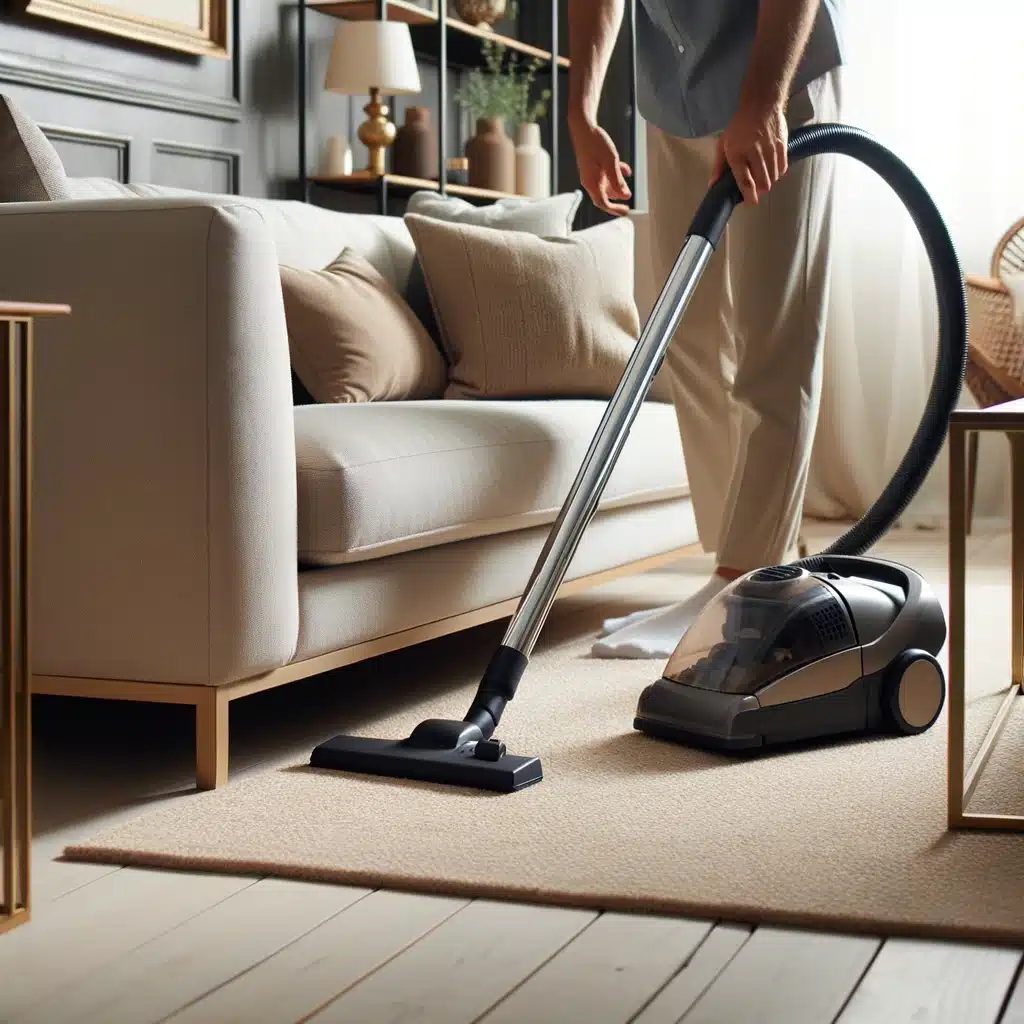
After vacuuming, it’s essential to wrap things up properly to ensure your vacuum cleaner stays in top condition. Start by inspecting the areas you’ve cleaned for any missed spots. If you find any, quickly go over them with your vacuum cleaner to ensure every inch is spotless.
Next, make sure to empty the dust bag or canister once again. Even if it’s not completely full, this step ensures that your vacuum cleaner maintains optimal suction power for the next use. Additionally, give your vacuum cleaner a quick clean. This might involve wiping down the exterior and checking the filters and brush roll for any lingering debris.
Finally, store your vacuum cleaner in a dry place. This helps prevent any potential damage from moisture. Ensure the cord is neatly wound to avoid any tangling or fraying. Proper storage not only keeps your vacuum cleaner in good condition but also makes it readily accessible and efficient for the next time you need it.
By following these steps, you ensure your vacuum cleaner remains effective and ready for use, making your cleaning routine as smooth and efficient as possible. Proper care and storage extend the life of your vacuum cleaner, keeping it in excellent working order and always ready to help you maintain a clean and healthy home.
Easy Clean Your Vacuum Cleaner With Toronto Shine Cleaning!
Cleaning with a vacuum cleaner doesn’t have to be a chore. By following these six easy steps, you can transform your cleaning routine into an efficient and straightforward process. Choosing the right vacuum cleaner tailored to your specific needs, whether for carpets, hardwood floors, or a combination of surfaces, sets the foundation for effective cleaning. Preparing your space by removing obstacles and dusting surfaces beforehand ensures that your vacuum cleaner can work at its maximum potential. Regular maintenance of your vacuum cleaner, including emptying the dust bag or canister and checking the filters and brush roll, guarantees optimal performance and longevity.
A strategic approach to vacuuming, starting from the farthest corner of the room and using overlapping strokes, ensures thorough coverage without missing any spots. Paying extra attention to high-traffic areas, such as hallways and living rooms, helps maintain overall cleanliness by tackling the regions that accumulate the most dirt and debris. Finally, wrapping up your vacuuming session by inspecting for missed areas, emptying the canister, and storing then properly in a dry place will keep it in excellent working condition and ready for the next use.
For those times when you need a little extra help or want to ensure your home is impeccably clean, consider the professional services offered by Toronto Shine Cleaning. Our team of experts provides a range of services, including maid services and deep-cleaning solutions, to keep your home spotless and inviting. If you have any questions or require professional assistance, don’t hesitate to contact us.
In the press Lina DaSilva, founder of Toronto Shine Cleaning, was quoted on this topic in Homes & Gardens (“How to get the most from your vacuum cleaner: Expert tips”).