How to Clean Upholstery: 5 Methods for Toronto Homes
On this page
- 1. Vacuum on a Schedule
- 2. Blot Spills Immediately, Then Spot Clean
- 3. Steam for a Deeper Refresh
- 4. Deodorize with Baking Soda
- 5. Bring in a Professional for Stubborn Cases
- Why a Sofa Looks Dull After Winter
- Everyday Habits That Protect the Fabric
- Cleaning Advice Worth Knowing
- Upholstery Care in Toronto
- Frequently Asked Questions
Sofas and armchairs take a beating that carpets rarely see. Skin oils, pet hair, crumbs in the seams, and months of closed-window dust all work into the weave, and road salt tracked in from a GTA winter does not help. The five methods below cover routine upkeep through to stubborn stains, and they suit most fabrics found in Toronto condos and family homes. Call (647) 424-0355 if you would rather hand the whole job to someone else.
1. Vacuum on a Schedule
Vacuuming is the least glamorous step and the one that protects the furniture most. Loose cushions first, so you can reach the deck and the frame underneath, then work the fabric with gentle overlapping strokes. Pay attention to seams, piping, and the crease where the back meets the seat, because that is where grit grinds against fibres over time.
- Upholstery attachment, not the bare floor head
- Crevice tool for seams and button tufting
- Low suction setting on delicate or loose weaves
- Both sides of every removable cushion
Weekly passes lift dust and allergens before they settle deep, and they noticeably extend how long the fabric looks new. On a large sectional, work in sections rather than trying to cover the whole frame in one pass.
2. Blot Spills Immediately, Then Spot Clean
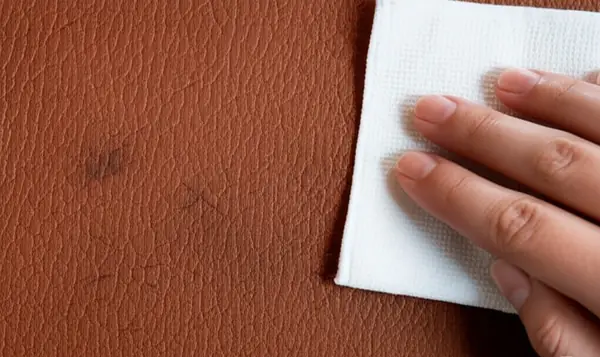
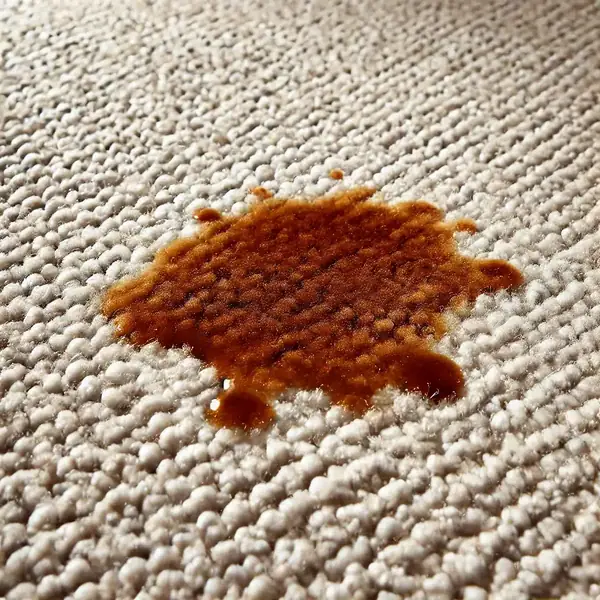
Speed decides whether a spill becomes a stain. Press a clean dry cloth onto the liquid and let it wick upward rather than scrubbing it sideways, which only drives pigment deeper into the weave. If residue remains, test a small amount of mild detergent solution on a hidden patch such as the rear of the frame, then dab the mark with a barely damp cloth and blot dry. A drop of dish soap in warm water lifts greasy marks better than a general-purpose spray. Rubbing is what sets marks permanently and roughens the pile.
3. Steam for a Deeper Refresh
Hot vapour lifts dirt and odour without harsh chemistry, which is why it suits households with children, cats, or dogs. Vacuum thoroughly first so the steam is not pushing loose grit around, then work in small sections and keep the head moving so no area gets soaked. Excess moisture is the enemy: damp padding invites mildew, and the smell is difficult to reverse. Leave the piece to air dry fully, with a window cracked if the room allows.
4. Deodorize with Baking Soda
Sprinkling a generous layer of baking soda across the fabric pulls stale odours out of the fibres. Leave it for at least fifteen to twenty minutes, longer for a couch that has hosted a wet dog, then vacuum it away completely, including along the seams. For a spot that still smells, blend baking soda with a little water into a paste, dab it on, let it sit about twenty minutes, and lift it off before vacuuming the residue.
5. Bring in a Professional for Stubborn Cases
Set-in stains, deep odours, and delicate covers such as cotton, wool, or antique silk are where home methods reach their limit. Professional crews carry hot water extraction equipment and cleaning agents matched to each fibre type, so the fabric is cleaned without colour loss or distortion. Ask which method will be used before the visit, so you can plan drying time and ventilation. That matters most for high-value pieces that cannot simply be replaced.
| Method | Best for | Caution |
|---|---|---|
| Vacuuming | Weekly upkeep, pet hair, dust | High suction on loose weaves |
| Spot cleaning | Fresh spills and small marks | Never rub, always blot |
| Steam | Odour, allergens, deep soil | Over-wetting invites mildew |
| Baking soda | Lingering smells | Vacuum out all residue |
| Pro cleaning | Set stains, delicate fibres | Identify the fabric first |
Why a Sofa Looks Dull After Winter
Months indoors leave body oils, sweat and hand and body lotions in the fabric. Those oils bind dust to the fibres, so the sofa looks heavy and dull even after you vacuum. Scrubbing one armrest with a spray and a cloth rarely fixes it: the detergent pushes the dirt deeper and leaves a sticky residue that attracts new dirt, and the spot ends up darker than the rest. Work on the whole surface evenly, rinse out any cleaner the care label allows, and let the fabric dry completely.
Everyday Habits That Protect the Fabric
Rotate cushions monthly so wear spreads evenly, and keep seating out of direct afternoon sun, which fades some dyes faster than any spill. A washable throw over the spot where the dog sleeps saves an hour of cleaning later, and fabric protector applied after a deep clean slows the next round of soiling. Watch for pens and sharp toys too, because a single puncture in a woven cover is far harder to hide than a stain.
Cleaning Advice Worth Knowing
Check the manufacturer’s care code before any liquid touches the fabric, and test every product on a hidden area first. Never mix cleaning chemicals, and if a bleach-based product is involved, follow published safety guidance such as the CDC instructions for disinfecting with bleach. Wash your hands afterwards, and wipe down remote controls and armrests that get handled daily, since the CDC handwashing pages note how easily germs move from fabric to hands and back.
Upholstery Care in Toronto
Keep specialist fabric care separate from the room’s everyday upkeep, which you can plan through regular house cleaning.
Toronto Shine Cleaning handles fabric furniture across Toronto and the GTA, including sofas, sectionals, dining chairs, and mattress tops, using extraction and steam rather than a surface wipe. A deep clean pairs upholstery work with floors, baseboards, and vents in one visit. Rates start at $194 before HST for a studio or one-bedroom, with two-bedroom homes from $257 and three-bedroom homes from $337 on the pricing page, and larger jobs are priced from the same list. Every cleaner is covered by our $5,000,000 liability insurance.
Frequently Asked Questions
How often should upholstery be cleaned?
Vacuum weekly, spot clean as spills happen, and book a deeper clean every six to twelve months. Homes with pets or allergy sufferers usually benefit from the shorter end of that range.
Can I use a carpet shampooer on my sofa?
Sometimes, but only on a fabric rated for wet cleaning. Water can shrink some covers and leave rings on others, so check the care code first.
Does steam cleaning damage fabric?
Not when it is used correctly. Keep the head moving, avoid soaking the padding, and let the piece dry thoroughly before anyone sits on it.
How do I remove pet odour from a couch?
Vacuum thoroughly, spread baking soda across the fabric, leave it twenty minutes or more, and vacuum again. Repeat rather than saturating the cushions with liquid.