5 Tips for Caring for Dry Leather That You Need to Know to Make It Last Longer
On this page
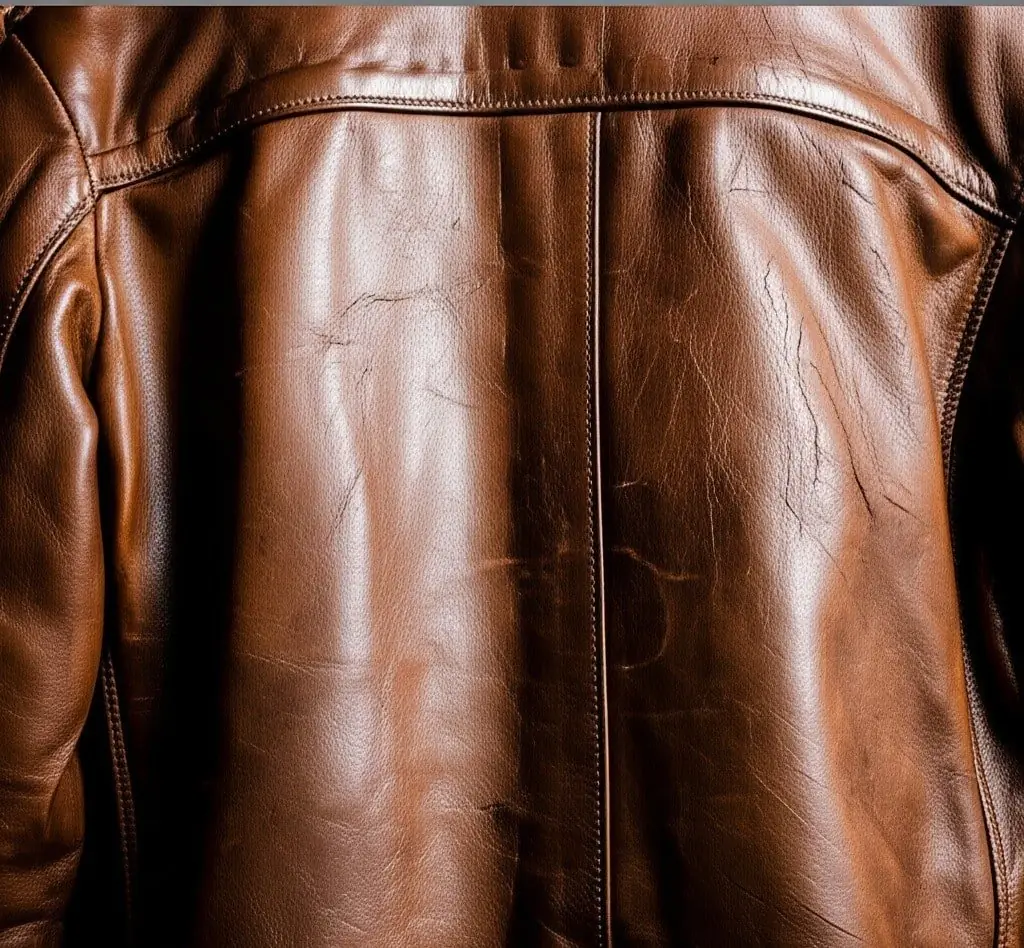
Dry Leather requires specific care to maintain its appearance and longevity. As a natural material derived from animal hides, its unique structure is sensitive to conventional cleaning methods. Different types of leather, such as full-grain, top-grain, suede, or nubuck, possess distinct characteristics that influence how they react to cleaning agents and processes. The porous nature of leather means it can readily absorb liquids, oils, and dirt, which can become embedded within its fibers. If not cleaned correctly, leather can suffer irreversible damage, becoming dry leather that is prone to cracking, discoloration, stiffness, or loss of its natural texture. Understanding these inherent properties is fundamental to appreciating why specialized cleaning approaches are necessary for its upkeep and to avoid the problems associated with dry leather.
1. Why does dry leather require care?
The primary reason leather often necessitates dry cleaning is its adverse reaction to water and common detergents. Water can strip leather of its essential natural oils. These oils are crucial for keeping the material supple, flexible, and resilient. When these oils are depleted, the material becomes dry leather, brittle, and prone to cracking. Furthermore, water can cause unsightly stains, spotting, and even color bleeding, particularly on leathers that are unfinished or have minimal protective coatings, often leading to adry leather appearance. Many detergents used in standard laundry practices are too alkaline or contain harsh chemicals that can damage the leather’s finish, strip its dyes, and further deplete its natural emollients, accelerating the transformation into dry leather. The physical agitation from a washing machine can also be detrimental, potentially distorting the shape of leather garments, causing stretching, or damaging seams and structural components. Dry cleaning, in contrast, utilizes solvents that clean effectively without the damaging effects of excessive moisture, offering a gentler yet thorough cleaning solution tailored to leather’s sensitivities and preventing the onset of dry leather.
The professional leather dry cleaning process is a multi-stage operation that requires expertise and specialized equipment. It begins with a thorough inspection. A trained cleaner examines the leather item meticulously, identifying the type of leather, its construction, any pre-existing damage including signs of dry leather, the nature of visible stains, and the presence of any embellishments like buttons, zippers, or decorative elements that might require special attention or removal. A crucial part of this initial assessment is a colorfastness test, typically performed on an inconspicuous area of the item to ensure the cleaning process will not cause adverse color changes. Specific stains, such as those from ink, oil, food, or beverages, are noted and may undergo pre-treatment. This involves the careful application of specialized spotting agents formulated for use on leather. The choice of agent and application technique is critical to lift the stain without harming the leather’s surface or color, or worsening any existing conditions like dry leather.
2. Hydrocarbon solvents
Following inspection and any necessary pre-spotting, the item moves to the cleaning phase. Leather dry cleaning utilizes specific solvents designed to dissolve and remove grease, oils, and general soiling. While traditional dry cleaning solvents like perchloroethylene (perc) have been used, the industry is increasingly shifting towards newer, more leather-friendly alternatives. Hydrocarbon solvents, for example, are generally considered gentler and pose less risk of causing color loss, shrinkage, or damage to the leather’s delicate finish, which is especially important for items already showing signs of becoming dry leather. These solvents clean effectively without relying on water, thus bypassing the issues associated with aqueous cleaning methods.
The actual cleaning takes place in specialized dry cleaning machines. These machines are distinct from domestic washing machines and are designed to handle delicate materials. The cleaning cycles are carefully controlled in terms of solvent temperature, mechanical action (tumbling), and duration. Settings are often optimized specifically for leather to minimize stress on the material. To prevent issues like dye transfer or abrasion from other garments, leather items are typically cleaned separately or with other similar leather pieces. The machine gently agitates the garments in the solvent, which lifts the dirt and oils. After the cleaning cycle, the solvent is drained, and the items go through an extraction phase to remove most of the residual solvent, followed by a carefully controlled drying process designed to avoid making the material dry leather.
3. Steam clean
Post-cleaning care is perhaps the most critical stage in professional leather dry cleaning and significantly differentiates it from standard fabric dry cleaning. The cleaning process, even with gentle solvents, can remove some of the leather’s natural oils. To counteract this, and to prevent the material from becoming dry leather, a re-oiling or “fatliquoring” step is essential. Specialized oils, conditioners, and fatliquors are applied to the leather. These products penetrate the fibers, replenishing lost moisture and emollients, thereby restoring the leather’s suppleness, flexibility, and characteristic feel. Without this step, the material becomes dry leather, which is stiff and more susceptible to cracking over time.
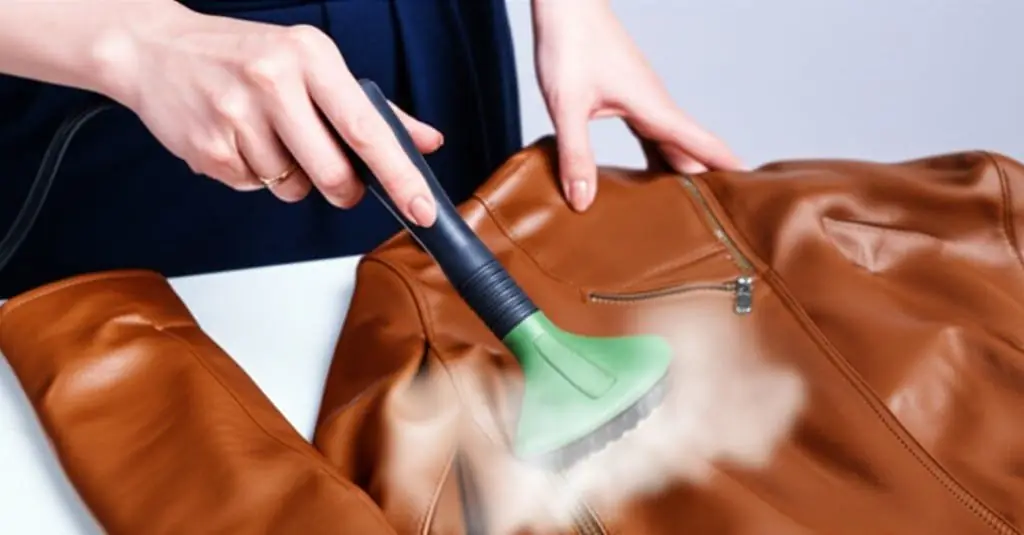
After re-oiling, further finishing processes may be undertaken. This can include measures to restore or even out color if any minor fading has occurred, though significant color restoration is a more specialized service. Protective finishes might be reapplied to enhance resistance to future soiling and moisture, further safeguarding against conditions that lead to dry leather. The item is then professionally pressed or steamed to restore its original shape, remove wrinkles, and improve its overall appearance. The techniques used for pressing leather are different from those for fabrics, often involving lower temperatures and specialized equipment to avoid damaging the surface, especially if it’s delicate or prone to becoming dry leather. For certain types of smooth leather, a glazing process might be employed to restore a high-gloss finish. The entire process ensures the leather is not only clean but also properly conditioned and finished to look its best and to prevent it from turning into dry leather.
4.Professional leather dry
A wide variety of leather items are suitable for professional dry cleaning. Common examples include leather jackets, coats, and vests, which are frequently exposed to the elements and daily wear that can lead to dry leather if not maintained. Leather trousers, skirts, and dresses also benefit from this specialized care. Suede and nubuck garments, known for their delicate, napped surfaces, almost exclusively require professional dry cleaning as they are particularly susceptible to water damage and staining, which can quickly result in a dry leather texture. Leather accessories such as gloves and hats can often be dry cleaned, though much depends on their construction. Some leather handbags can also be candidates for dry cleaning, but this is highly dependent on their materials, hardware, and structural integrity; cleaners will assess these on a case-by-case basis. Sheepskin items, including jackets and rugs, with their combination of leather and wool, also typically require this specialized cleaning method to avoid the leather component becoming dry leather. Before seeking cleaning, it is always advisable to check the item’s care label. If it specifies “Dry Clean Only” or “Professionally Leather Clean Only,” these instructions should be followed to prevent damage and the development of dry leather.
Opting for professional leather dry cleaning offers several distinct benefits. It provides highly effective stain removal, particularly for stubborn oil-based stains that are difficult to treat at home. The process is designed to preserve the leather’s natural oils, ensuring it remains soft and supple rather than becoming the brittle, easily damaged material characteristic of dry leather. Professional cleaning helps maintain the garment’s original shape, texture, and overall appearance, which can be compromised by improper cleaning methods that often lead to dry leather. It significantly reduces the risk of color loss, dye bleeding, or other damage that water-based cleaning can cause. Ultimately, this specialized care extends the lifespan of valuable leather items, allowing them to be enjoyed for many years without succumbing to the issues of dry leather. The expertise of professional leather cleaners in handling different leather types and their specific cleaning requirements is invaluable.
5. Out of sunlight
Despite the advantages, there are potential risks and considerations associated with leather dry cleaning. Due to the natural variability of leather, even with the utmost professional care, slight variations in color, feel, or texture can occasionally occur after cleaning. This is more common with older, heavily worn, or fragile leathers, including items that are already significantly dry leather. Sometimes, hidden defects in the leather itself or in the item’s manufacturing, such as weak adhesives used for bonded elements or existing weaknesses in the hide, may become apparent or exacerbated during the cleaning process. It is also important to have realistic expectations regarding stain removal; while professionals can remove many stains, some, particularly very old, deeply set, or certain types of ink or dye stains, may not be completely eradicable without risking damage to the leather, especially if it isdry leather. The cost of professional leather dry cleaning is generally higher than standard dry cleaning for fabrics. This reflects the specialized solvents, equipment, multi-step processes, and the higher level of expertise and labor involved in treating leather and preventing it from becoming dry leather. Choosing a reputable and experienced leather cleaner is paramount to minimize risks and achieve the best possible outcome.
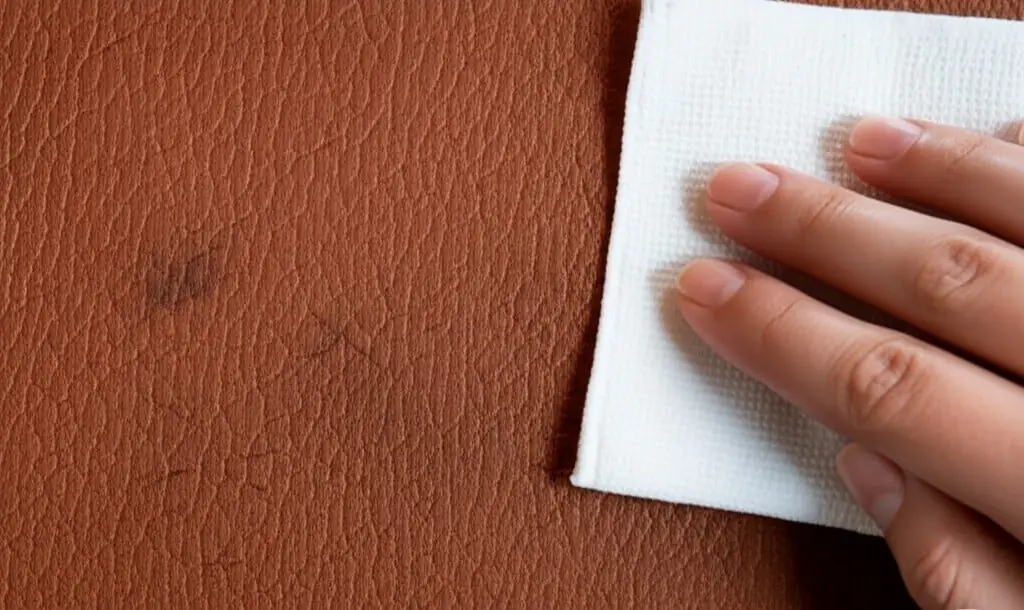
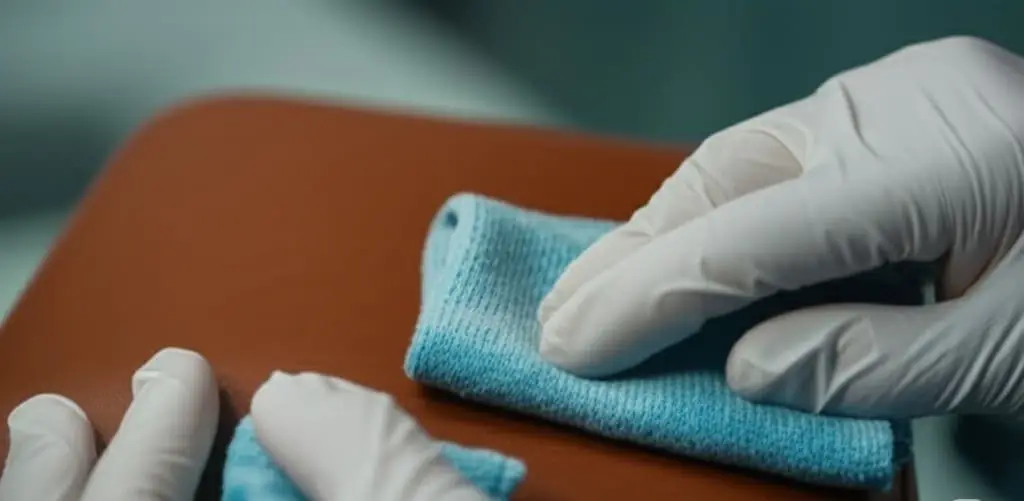
Maintaining leather items between professional cleanings can also contribute to their longevity and prevent them from becoming dry leather. Proper storage is beneficial for leather items. They should be kept in cool, dry, well-ventilated areas, away from direct sunlight and heat sources, which can cause fading and contribute to dry leather. Using broad, padded hangers for leather jackets and coats helps to maintain their shoulder shape and prevent distortion. Leather should be protected from prolonged exposure to excessive moisture. If a leather item does get wet, it should be allowed to air dry naturally, at room temperature, away from direct heat sources like radiators or hair dryers, as rapid drying can result in stiff, dry leather. For minor spills, immediate blotting with a clean, dry, absorbent cloth is advisable; rubbing the spill can spread it or damage the leather surface. Depending on the type of leather and manufacturer recommendations, periodic application of a good quality leather conditioner can help maintain its moisture balance and suppleness, crucial for avoiding dry leather, but it’s important to use products specifically designed for the type of leather in question. Regularly airing out leather garments can also help prevent the development of musty odors and keep the material from deteriorating into dry leather.

Leather dry cleaning is a specialized service that is often indispensable for the proper care and maintenance of leather goods. This careful, multi-step process addresses the unique challenges of cleaning a natural and sensitive material, ensuring that items are not only effectively cleaned, but also conditioned and finished to preserve their quality, appearance and lifespan, preventing the problem of dry leather. Entrusting leather goods to professionals who understand the nuances of different leather types and cleaning techniques is essential for their long-term preservation and to avoid the undesirable state of dry leather.
Leave leather conditioning on its own care schedule and consider regular house cleaning for the surrounding living space.
For expert care of your home and especially your wardrobe so that your leather jacket does not come into contact with any type of dirt, consider Toronto Shine Cleaning.