The Best Mop for Every Floor Type: A Complete Guide
On this page
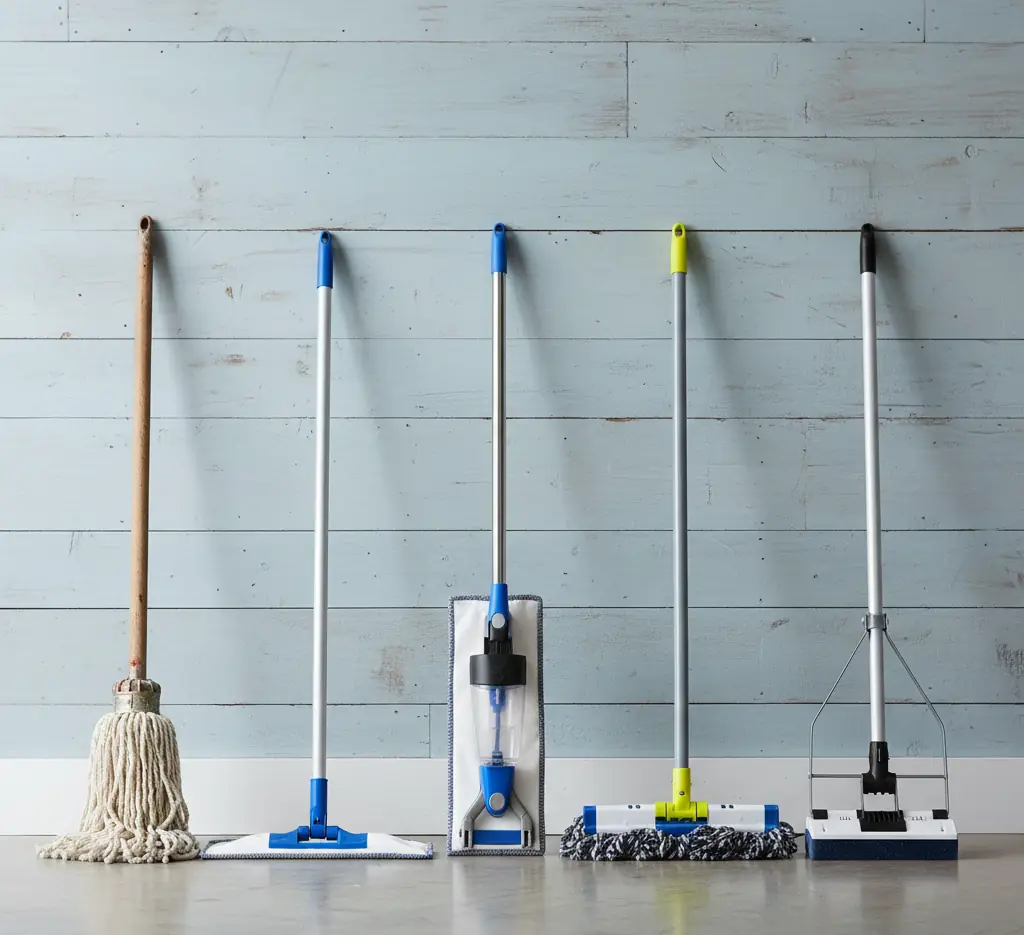
Choosing the right mop is one of the most fundamental yet frequently overlooked aspects of effective home cleaning. The modern home is a complex landscape of different floor types, each with its own unique needs and vulnerabilities. Using a one-size-fits-all approach—the same string mop for every surface—is an outdated strategy that can lead to frustration, subpar results, and even permanent damage to your flooring. The secret to achieving a truly deep and lasting clean lies in understanding that a mop is not just a mop; it is a specialized tool. Matching the right tool to the right surface transforms mopping from a dreaded chore into a satisfying and efficient process.
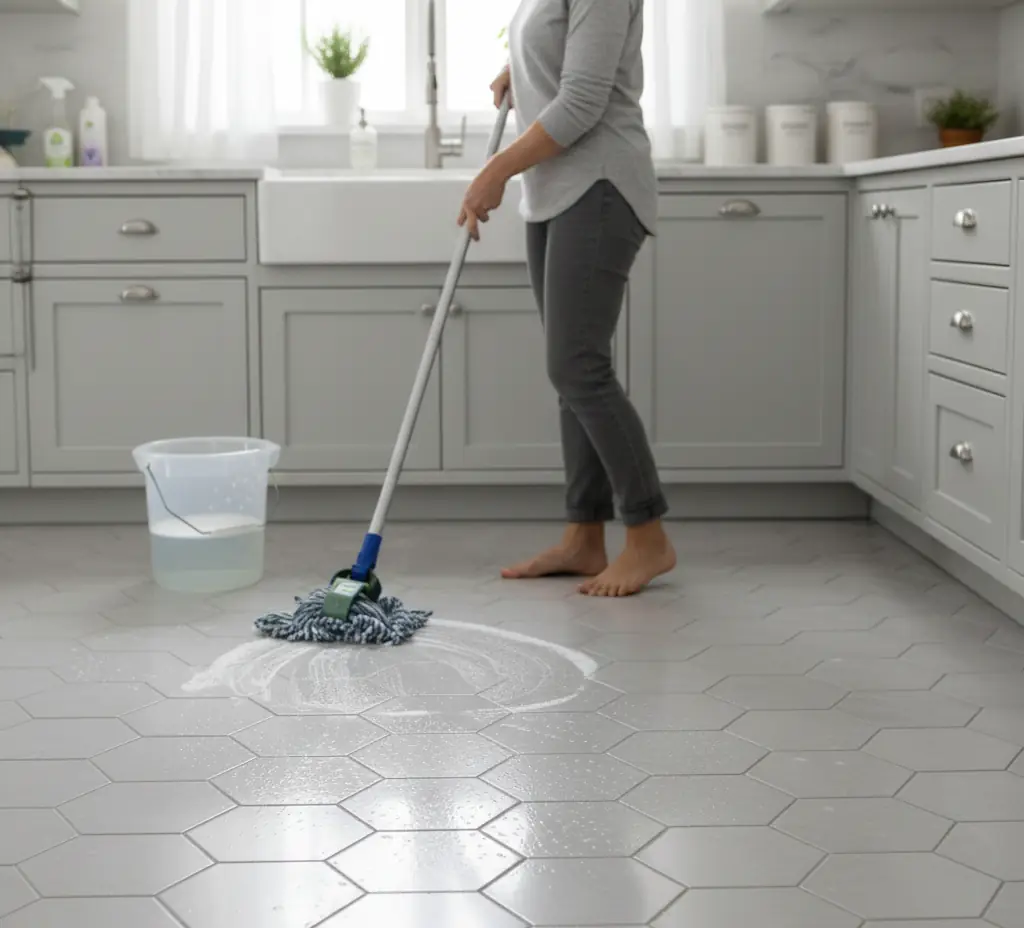
Ceramic, porcelain, vinyl and Linoleum
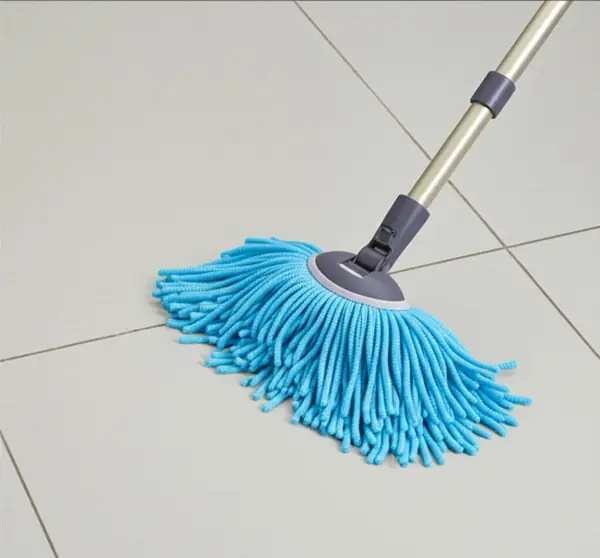
Let us begin in the most demanding areas of the home: the kitchen and the bathrooms. These high-traffic zones are subject to a unique and challenging combination of messes. The floors, typically durable and water-resistant materials like ceramic tile, porcelain, vinyl, or linoleum, must endure everything from greasy cooking splatters and sticky food spills to soap scum, water spots, and the need for thorough disinfection. For these environments, the spin mop is an unparalleled champion. Its genius lies in its two-part bucket system, which features a built-in spinning mechanism, often operated by a foot pedal. This system gives you absolute control over the moisture level of the mop head. For a tough, sticky mess on a tile floor, you can leave the microfiber head quite wet to dissolve the grime. For a quick daily clean or for a final pass, you can spin it until it is nearly dry, preventing excess water from sitting on grout lines. The fluffy, absorbent microfiber heads are excellent at lifting and trapping both dirt and grease, and the round shape is surprisingly adept at getting into corners and navigating around the base of a toilet. A spin provides the perfect balance of scrubbing power and moisture control needed for these resilient but demanding floors.
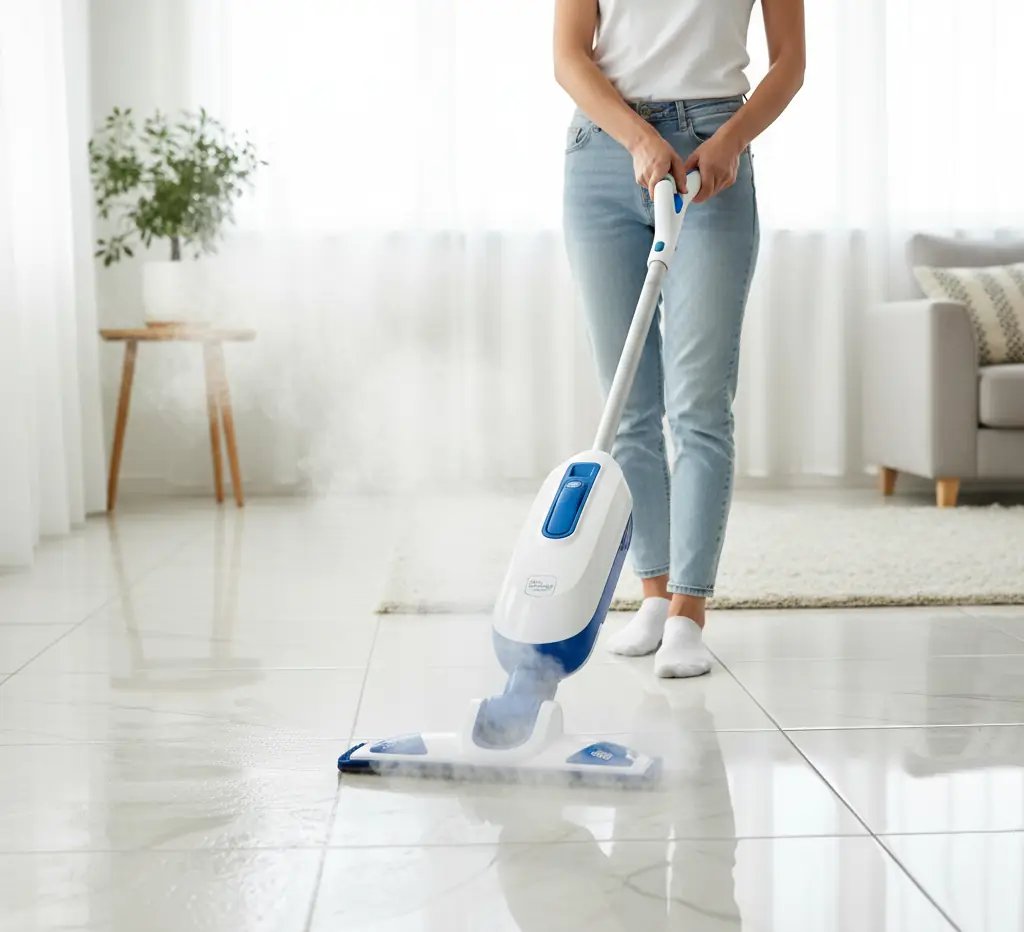
Steam
When the goal in the kitchen or bathroom shifts from simple cleaning to deep sanitation, the steam takes center stage. This tool is a chemical-free powerhouse, using high-temperature steam to kill 99.9% of germs and bacteria, including E. coli and Salmonella. It is incredibly effective at breaking down stubborn, stuck-on grime and can even loosen dirt from deep within textured tile and grout lines without any harsh chemicals. The intense heat dissolves greasy residue and sticky soap scum with ease. However, the steam comes with a critical caveat: it should only be used on completely sealed, durable hard floors. The high heat and moisture can be catastrophic for unsealed surfaces like natural stone, unsealed grout, and, most importantly, any type of wood or laminate flooring, as it can cause warping, swelling, and permanent damage to the finish. For the right surface, though, a steam mop provides a level of hygienic clean that is difficult to achieve otherwise.
Hardwood Floors
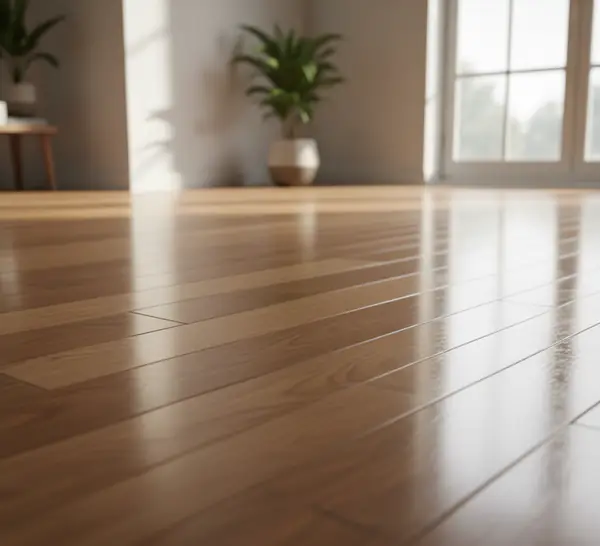
Moving into the main living areas and bedrooms, we often encounter the most beautiful and most delicate of floor types: hardwood. Wood is a natural, porous material, and its greatest enemy is water. Excessive moisture can cause the boards to swell, warp, cup, and can permanently damage the finish, leading to costly repairs. For hardwood floors, the cleaning philosophy must be one of minimal moisture and gentle care. The ideal tool for this task is the flat microfiber mop. This simple, elegant tool is arguably the most versatile mop in any cleaning arsenal. Its primary advantage for hardwood is its ability to be used almost dry. For daily maintenance, a dry microfiber mop pad is the best tool for dusting your floors, as its natural static charge acts like a magnet for dust, pet hair, and allergens, trapping them far more effectively than a traditional broom.
When it comes to wet cleaning hardwood, the key word is “damp.” You never want the floor to be visibly wet. The proper technique is to have two microfiber mop pads. Lightly dampen one pad by spritzing it with a pH-neutral wood floor cleaner—never spray the cleaner directly onto the floor itself. The pad should be just moist enough to wipe away smudges and dirt without leaving any significant moisture behind. Mop a small section of the floor, and then immediately go over it with the second, completely dry mop pad to buff the floor and pick up any residual moisture. This two-step, damp-then-dry method is the safest and most effective way to protect your investment and keep your hardwood floors gleaming.
A close cousin to the flat mop, and another excellent choice for hardwood, is the spray mop. This tool offers the ultimate in convenience and moisture control. It features a built-in reservoir for cleaning solution and a trigger on the handle that emits a fine, controlled mist directly onto the floor in front of the mop head. This ensures you are using the absolute minimum amount of liquid necessary to clean, preventing any risk of oversaturation. A spray mop is perfect for quick cleanups of spills and for routine maintenance, making it easy to keep hardwood floors looking their best without the hassle of a bucket.
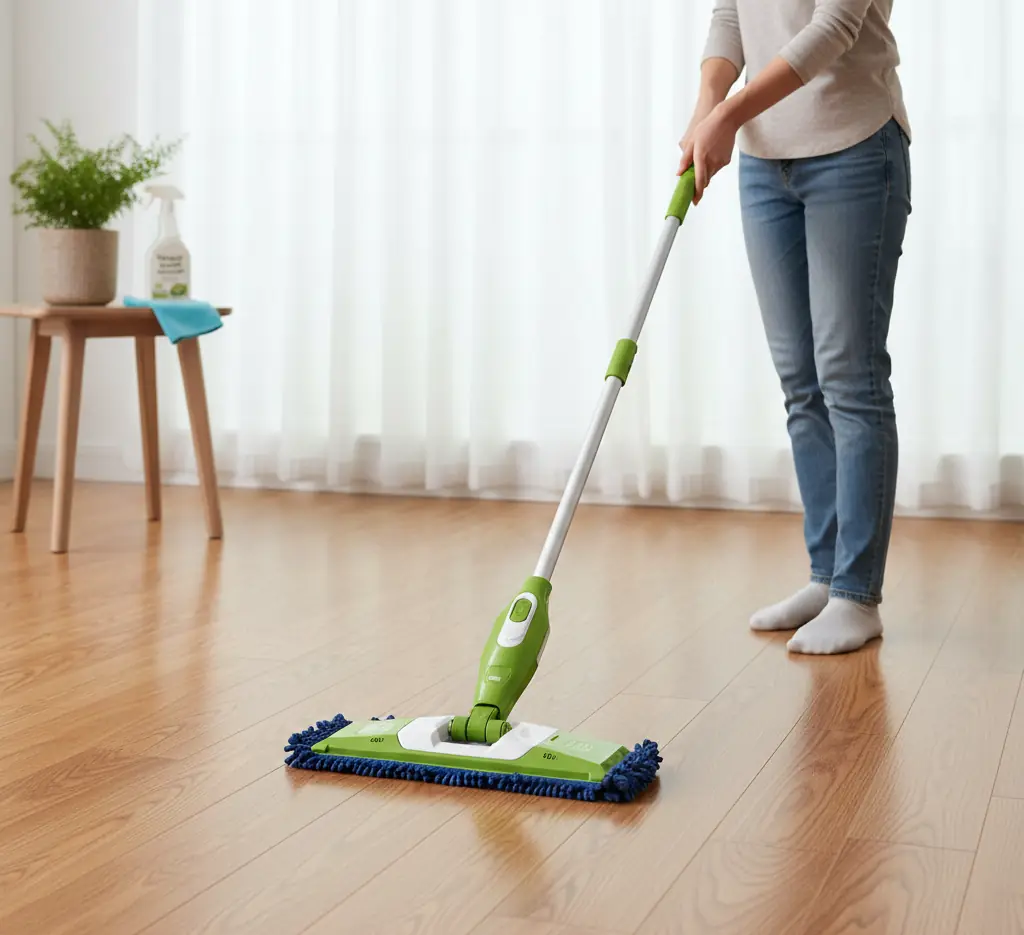
Cleaning Laminate and Luxury Vinyl
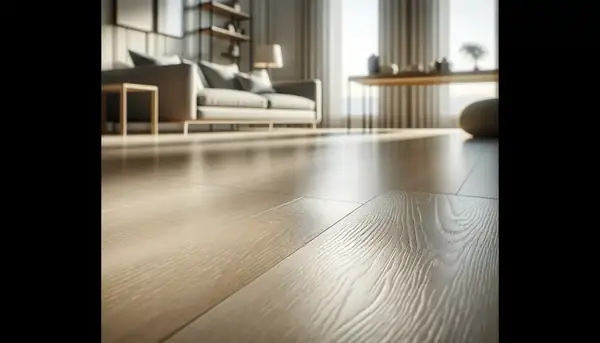
The challenges of cleaning laminate and luxury vinyl tile (LVT) floors are similar to those of hardwood, though these materials are generally more durable. The main vulnerability of laminate is its seams. If excess water is allowed to seep between the planks, it can cause the fiberboard core to swell and the edges to peel, resulting in irreversible damage. Luxury vinyl is more water-resistant but can still show streaks easily if too much cleaner or water is used. For both of these popular flooring types, the flat microfiber mop and the spray mop are once again the ideal choices. Their ability to clean effectively with minimal moisture is paramount. Using a clean, damp microfiber pad will lift dirt and grime without flooding the seams, and it is the key to achieving a beautiful, streak-free finish.
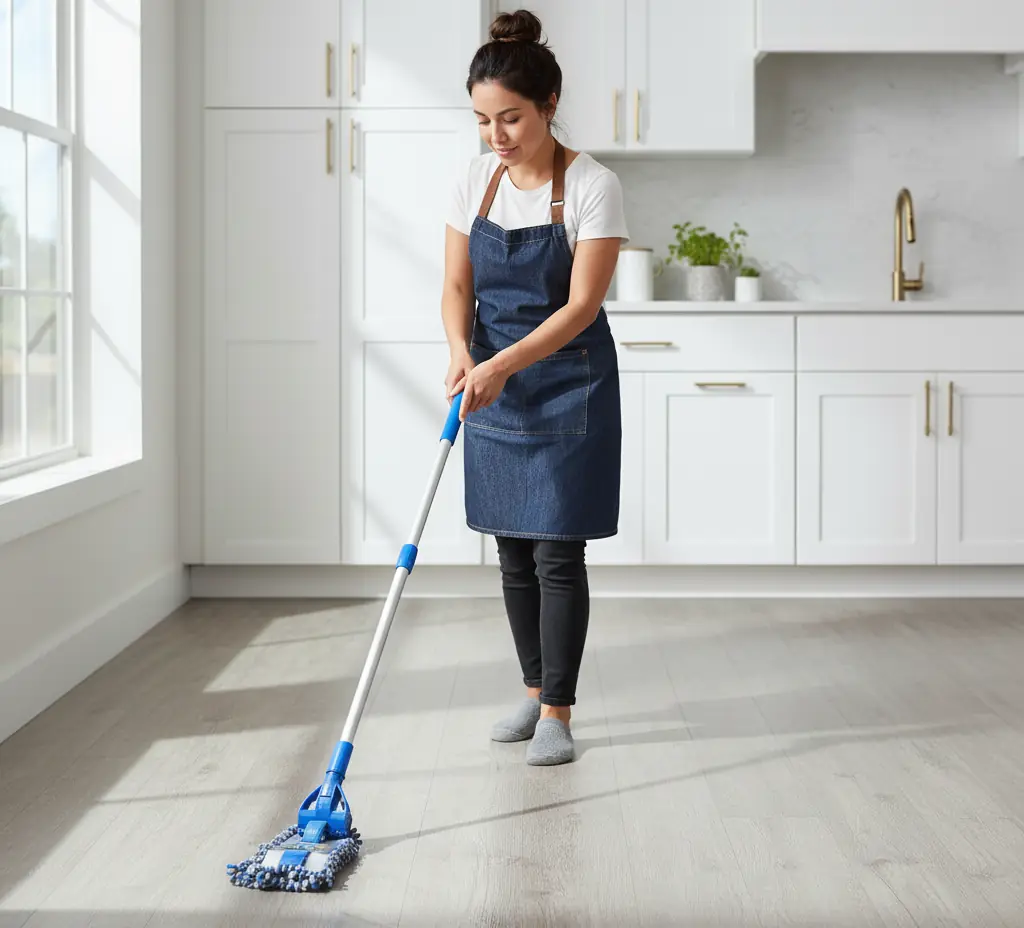
The versatility of the flat microfiber mop extends far beyond floors. With a telescoping handle, it becomes an invaluable tool for cleaning the often-neglected vertical surfaces of a home. Used dry, it is the perfect instrument for dusting walls and reaching high into corners to remove cobwebs. Used slightly damp, it is the most efficient and ergonomic way to wash baseboards and door frames. Instead of getting on your hands and knees with a rag, you can stand comfortably and wipe away scuffs and dust in a fraction of the time. This multi-functionality is what makes the flat mop a truly essential household item.
String and Sponge
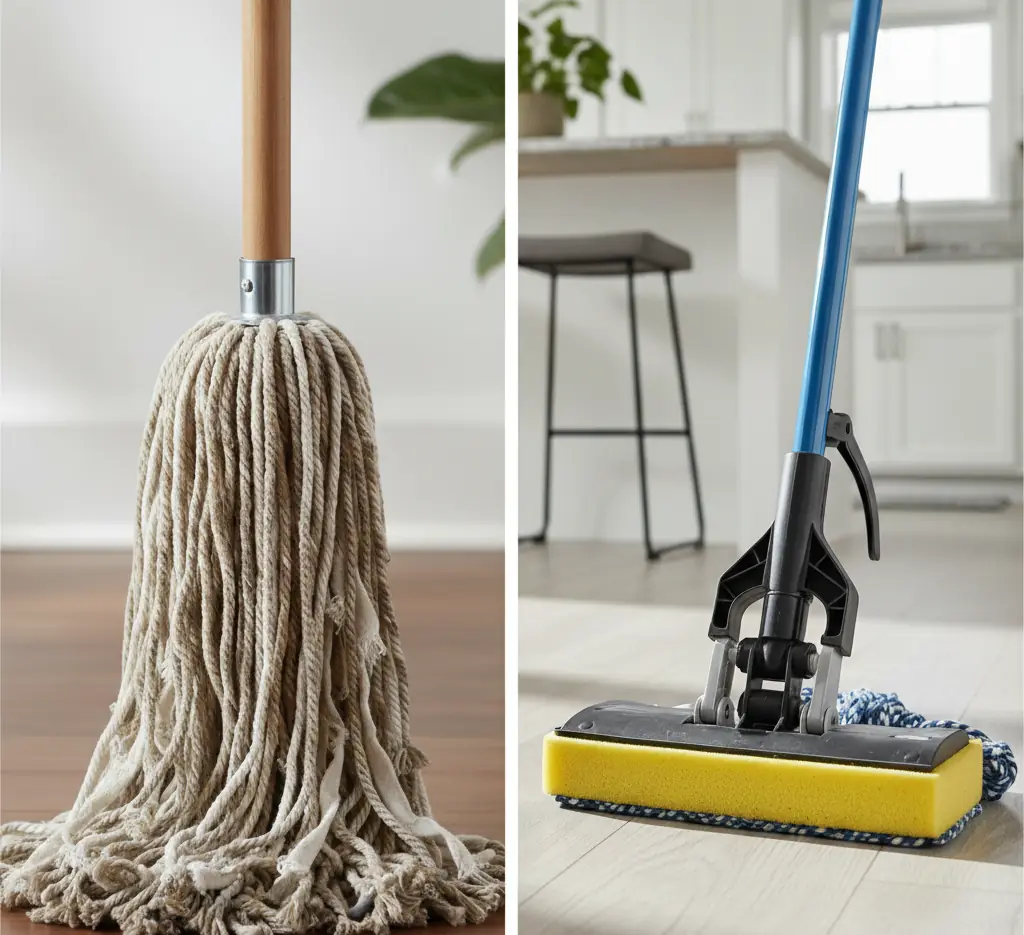
While modern mops have largely superseded them in residential settings, it is worth acknowledging the classic string mop and sponge mop. The traditional cotton string mop is an absorbent workhorse, excellent for tackling huge spills or for heavy-duty scrubbing on very durable, non-porous floors like concrete or commercial tile. However, for the average home with its variety of sensitive surfaces, a string mop is simply too difficult to wring out adequately, holding far too much water and making it unsuitable for wood, laminate, or even tile with delicate grout. The sponge mop, with its built-in wringer, can be handy for cleaning up liquid spills, but its flat surface has a tendency to push dirt around rather than lift it, often leaving grime behind in grout lines and textured floors.
Ultimately, building an effective mopping toolkit is about recognizing that different areas of your home have different needs. It is not about finding the one perfect mop, but about having a small, curated selection of the right mops. A spin or steam mop for the durable, high-grime areas, and a flat microfiber or spray mop for the delicate and water-sensitive surfaces, will equip you to handle any cleaning challenge with confidence, efficiency, and care.
Choosing the right mop is one part of floor care; a regular house cleaning service is an option for keeping that care on a schedule.
Choosing the right mop for each surface is key to an effective clean, but achieving a truly professional result requires more than just the right tools. Toronto Shine Cleaning brings the expert knowledge and equipment to ensure every floor and surface in your home is cleaned correctly and left immaculate, delivering a comprehensive clean that a single tool cannot match.