Allergy

cleaning basket

7 Key Areas to Focus on for a True Deep Clean

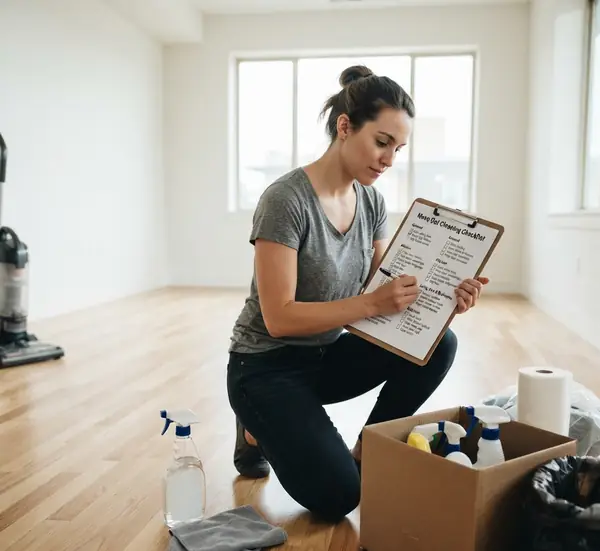
All areas of your well-maintained home are often perceived through the lens of their daily upkeep. We wipe the counters, sweep the floors, and tidy the living room, creating a surface-level impression of cleanliness. This routine is essential for staving off daily chaos, but it is not the same as a true, deep clean. A deep clean is a more methodical and far-reaching process, a restorative act that targets the accumulated grime in the forgotten, neglected, and hard-to-reach areas of a home. It is in these overlooked spaces that dust, grease, and germs build up over time, contributing to poor air quality, unpleasant odors, and a general sense of dinginess that a simple surface wipe cannot erase. The Kitchen The kitchen is the undisputed epicenter of this hidden grime. It is a high-traffic, high-use environment where the byproducts of cooking—grease, steam, and food particles—settle on every conceivable surface. A routine clean addresses the countertops and sink, but a deep clean starts from the top down. The space above your upper kitchen cabinets is a notorious trap for a sticky, greasy film of dust. Out of sight and out of mind, this area accumulates a thick layer of grime that can contribute to kitchen odors and circulate dust throughout the room. A deep clean involves carefully clearing this space and using a powerful degreasing solution to cut through this stubborn layer, restoring a clean surface that no longer sheds dust onto the rest of your kitchen. 1.Oven The appliances themselves are a collection of deep cleaning challenges. The oven, a workhorse of the kitchen, gradually develops a blackened, carbonized layer of burnt-on food and grease. This is not just unsightly; it can smoke during cooking and affect the taste of your food. A deep clean goes beyond wiping the door; it involves a full interior restoration, often using a paste of baking soda and water left to dwell overnight to soften the carbonized layers, followed by a thorough scraping and wiping to reveal the clean enamel beneath. Similarly, the refrigerator requires more than just wiping up a spill. A true deep clean means removing every single item, taking out all the shelves and drawers, and washing them separately in hot, soapy water. The interior walls of the fridge should be wiped down to remove sticky residues and bacteria. 2.Appliances The spaces behind and underneath your major kitchen appliances are some of the most shocking areas to address during a deep clean. Pulling the refrigerator out from the wall will often reveal a startling landscape of dust bunnies, lost food items, and a thick layer of grime on the floor and walls. The refrigerator’s condenser coils, usually located at the back or bottom, are magnets for dust and pet hair. When these coils are clogged, the refrigerator has to work harder to stay cool, wasting energy and shortening the lifespan of the appliance. A deep clean involves vacuuming these coils clear. The same principle applies to the stove. The floor underneath and the wall behind it are catch-alls for splattered grease and fallen food. A thorough degreasing of these hidden surfaces is a quintessential deep cleaning task, as are the often-forgotten kick plates or toe kicks at the very bottom of your cabinets. Bathroom 1.Grout Lines The bathroom is another area where a deep clean is essential for both aesthetics and hygiene. Routine cleaning focuses on the visible surfaces of the toilet, sink, and shower, but the deep-seated grime lies elsewhere. The grout lines between floor and wall tiles are porous and readily absorb soap scum, dirt, and mildew, leading to discoloration. A deep clean involves a meticulous, hands-on scrubbing of every grout line, often with a specialized cleaner and a stiff-bristled brush, to restore its original color. The showerhead itself is a prime target. Over time, mineral deposits from hard water clog the small nozzles, reducing water pressure and creating an ideal environment for bacteria to grow. A deep clean involves unscrewing the showerhead and soaking it in a vinegar solution or, for a simpler method, filling a plastic bag with vinegar and securing it over the showerhead to soak overnight, dissolving the mineral buildup. 2.Toilet The toilet, while a focus of regular cleaning, has its own hidden areas. The base of the toilet, where it meets the floor, and the wall directly behind it are notorious for accumulating dust and unpleasant organic matter. The plastic caps covering the floor bolts are another forgotten spot that needs to be removed and cleaned. The bathroom exhaust fan is a critical but almost universally neglected component. Its cover becomes caked with a thick layer of dust, which not only looks terrible but severely impairs its ability to vent moisture, leading to a higher risk of mold and mildew growth. A deep clean requires removing this cover, washing it thoroughly, and vacuuming the fan blades and housing itself. The overflow hole in the sink basin is another small but important detail, which can be cleaned with a small bottle brush to remove the slimy buildup that contributes to odors. Living Areas 1.Fabrics Moving into the living areas and bedrooms, the primary enemy is dust and the allergens it contains. A routine clean might involve a quick pass with a vacuum, but a deep clean goes much further, starting with the textiles. Curtains and drapes act as giant air filters, trapping an enormous amount of dust, pollen, and pet dander over the winter months. A deep clean involves taking them down and laundering or dry-cleaning them according to their care instructions. Upholstered furniture requires a similar approach. This means removing all the cushions and using a vacuum’s crevice tool to get deep into the seams and under the frame, where years of crumbs, dust, and lost items accumulate. 2.Mattress The mattress is perhaps the most important yet most neglected item to deep clean in a bedroom. We spend a third of our lives on it, shedding dead skin cells that feed a population of

7 Key Areas to Focus on for a True Deep Clean Read More »

Stain Remover Powder

7 Amazing Uses for Stain Remover Powder You Need to Know

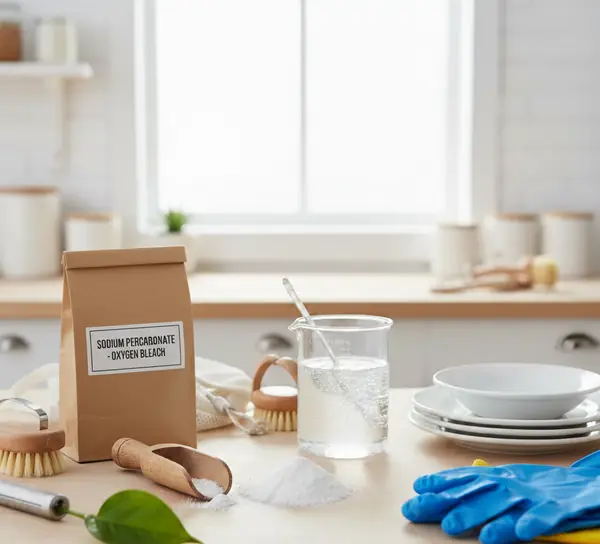
Where does Stain Remover Powder fit into the ongoing quest for a truly clean and stain-free home? The market is flooded with a dazzling array of specialized sprays, gels, and liquids, each promising miraculous results on a specific type of dirt. Yet, hidden among these is a simple, unassuming, and incredibly powerful tool that often gets overlooked: the stain remover powder. This is not just another detergent booster; it is a versatile cleaning agent whose power is rooted in basic, yet potent, chemistry. Often marketed as “oxygen bleach,” this granulated powder is a secret weapon that can whiten, brighten, and eliminate a vast range of stubborn organic stains from fabrics and surfaces throughout the home, all without the harsh, corrosive nature of traditional chlorine bleach. Sodium Percarbonate The magic of a quality stain remover powder lies almost entirely in one key ingredient: sodium percarbonate. In its dry, powdered form, this compound is a stable and inert adduct of sodium carbonate and hydrogen peroxide. The wonder begins when it is introduced to water, particularly hot water. The heat and moisture act as a catalyst, breaking the sodium percarbonate down into its two core components. The first, sodium carbonate, also known as washing soda, is a powerful cleaning agent in its own right, softening the water and helping to break down grease and oils. The second, hydrogen peroxide, is where the true stain-fighting power is unleashed. The hydrogen peroxide works as a powerful oxidizer. This means it chemically breaks down the chromophores—the parts of a molecule that give a stain its color. The oxidation process effectively dismantles the stain molecule, rendering it colorless and allowing it to be easily washed away. This is a fundamentally different and gentler process than that of chlorine bleach, which can be harsh on fabric fibers and is only safe for whites. Oxygen bleach, by contrast, is color-safe on most washable fabrics, making it an incredibly versatile tool. Laundry Room The most celebrated application for stain remover powder is, without a doubt, in the laundry room. It is a true champion for restoring dingy whites, brightening light-colored fabrics that have become dull, and removing a formidable list of stubborn organic stains. For a general whitening and brightening boost to a whole load, you can simply add one to two scoops of the powder directly to the drum of your washing machine along with your regular detergent. For this method to be most effective, you must use a warm or, preferably, a hot water cycle. The heat is essential for fully activating the compound and ensuring the maximum amount of oxygen is released to work on your laundry. This is an excellent way to maintain the brightness of bed sheets, bath towels, and white t-shirts. Pre-Soak Method However, to witness the true, transformative power of stain remover powder, the pre-soak method is unparalleled. This is where the quiet chemistry of oxygen bleach is given the time it needs to perform miracles. This method is the ultimate solution for deeply set-in stains from coffee, tea, red wine, grass, juice, and even old, yellowed stains on vintage linens. To create a pre-soak, dissolve two to four tablespoons of the powder for every gallon of the hottest water the fabric can safely tolerate. It is crucial to dissolve the powder completely in the hot water before adding the garment to ensure even distribution of the cleaning agent. Submerge the stained item entirely in this solution and let it soak. The required dwell time is the key to success. This is not a quick process. A soak can range from one hour for lighter stains to a full eight hours, or even overnight, for deeply set-in, stubborn stains. You will often see the water change color as the stain is literally lifted from the fabric fibers. After the soak, simply remove the garment, wring it out gently, and launder it as you normally would. This method is incredibly effective for rescuing stained baby clothes, yellowed pillowcases, and hopelessly grimy dish towels, restoring them to a brightness that regular washing alone cannot achieve. Ceramic Mugs, Teacups, and Coffee Carafes The wonders of stain remover powder extend far beyond the laundry room and into the kitchen, where it can tackle a host of stained and grimy surfaces. One of its most satisfying uses is on ceramic mugs, teacups, and coffee carafes that have developed a stubborn brown film from tannins. To restore them, place one to two teaspoons of the powder in the bottom of the stained vessel, then carefully fill it with boiling water. The solution will begin to fizz gently as the oxygen is released. Let it sit for at least thirty minutes. When you pour it out, the brown stains will have vanished, revealing a sparkling clean interior with absolutely no scrubbing required. Cutting Boards This same principle can be applied to other challenging kitchen items. Stained plastic cutting boards can be revived by making a thick paste of the powder and a little hot water. Scrub this paste into the surface, let it sit for twenty minutes, and then rinse it clean. It will lift stains from things like berries and tomato sauce while also deodorizing the board. For burnt-on food on stainless steel or ceramic bakeware, a long soak is the answer. Place the dish in a sink, sprinkle it liberally with the powder, and carefully fill it with boiling water. Let it soak for several hours, and the carbonized food that once required intense scraping will soften and lift away with ease. Bathroom In the bathroom, stain remover powder is an excellent tool for deep cleaning discolored tile grout. Grout, being porous, easily absorbs soap scum, dirt, and mildew. To clean it, create a thick paste of the powder and hot water. Apply this paste directly to the grout lines with an old toothbrush or a small brush. Let it sit and work its magic for at least thirty minutes, keeping it moist by occasionally spritzing it

7 Amazing Uses for Stain Remover Powder You Need to Know Read More »

Sodium Percarbonate

6 Genius Ways to Use Sodium Percarbonate in Your Cleaning Routine

What is Sodium Percarbonate? In the realm of household cleaning, there exists a quiet, unassuming white powder that possesses a truly remarkable power to whiten, brighten, and remove stubborn organic stains. It is not chlorine bleach, with its harsh, corrosive nature and toxic fumes. It is sodium percarbonate, a compound that, when introduced to water, performs a simple and elegant act of chemistry, releasing the cleaning and brightening power of oxygen. This is the ingredient behind the products often marketed as “oxygen bleach,” and understanding its properties unlocks a versatile, effective, and significantly safer way to tackle some of the most persistent cleaning challenges in a home. What is Sodium Percarbonate? At its core, sodium percarbonate is a solid, granulated form of hydrogen peroxide, stabilized with sodium carbonate, also known as soda ash or washing soda. In its dry, powdered state, it is completely inert. The magic begins when it is dissolved in water, particularly hot water. The heat and moisture act as a catalyst, breaking the compound down into its two components: hydrogen peroxide and sodium carbonate. The sodium carbonate is a powerful water softener and cleaning agent in its own right, helping to break down grease and oils. The hydrogen peroxide is where the “oxygen bleach” action comes from. It works as a powerful oxidizer. This means it chemically breaks down the molecules that give organic stains—like coffee, tea, red wine, grass, and blood—their color, effectively making them colorless and allowing them to be easily washed away. Unlike chlorine bleach, which can damage fabric fibers and cause yellowing over time, this process is far gentler on most textiles while being incredibly tough on stains. 1.Whitening The most common and celebrated application for sodium percarbonate is in the laundry room. It is a true champion for restoring dingy whites and brightening light-colored fabrics that have become dull and lifeless. For a general whitening and brightening boost, you can simply add two to three tablespoons of the powder directly to the drum of your washing machine along with your regular detergent. For this method to be most effective, you must use a warm or, preferably, hot water cycle. The heat is essential for fully activating the compound and releasing the maximum amount of oxygen. 2.Stubborn Stain For more targeted and stubborn stain removal, the pre-soak method is unparalleled. This is where the true power of oxygen bleach is revealed. To pre-soak a stained garment, dissolve one to two tablespoons of sodium percarbonate for every gallon of the hottest water the fabric can safely tolerate. It is crucial to dissolve the powder completely in the hot water before adding the garment. Submerge the stained item in this solution and let it soak. The required dwell time can range from one hour for lighter stains to a full eight hours, or even overnight, for deeply set-in, stubborn stains. You will often see the water change color as the stain is lifted from the fabric. After the soak, simply remove the garment, wring it out gently, and launder it as you normally would. This method is incredibly effective for rescuing stained baby clothes, yellowed pillowcases, and dingy dish towels, restoring them to a brightness that regular washing alone cannot achieve. 3.Ceramic and Teacups The wonders of sodium percarbonate extend far beyond the laundry room and into the kitchen, where it can tackle a host of stained and grimy surfaces. One of its most satisfying uses is on ceramic mugs and teacups that have developed a stubborn brown film from years of coffee and tea. To restore them, place one to two teaspoons of the powder in the bottom of the stained mug, then carefully fill it with boiling water. The solution will begin to fizz gently as the oxygen is released. Let it sit for at least thirty minutes. When you pour it out, the brown stains will have vanished, leaving the interior sparkling clean with no scrubbing required. 4.Kitchen Items This same principle can be applied to other kitchen items. Stained plastic cutting boards can be revived by making a paste of sodium percarbonate and a little hot water. Scrub this paste into the surface, let it sit for twenty minutes, and then rinse it clean. It will lift stains from things like berries and tomato sauce while also deodorizing the board. For burnt-on food on stainless steel or ceramic bakeware, a long soak is the answer. Place the dish in a sink, sprinkle it liberally with the powder, and carefully fill it with boiling water. Let it soak for several hours, and the carbonized food that once required intense scraping will soften and lift away with ease. It can also be used to clean and de-gunk the inside of a stained thermos or coffee carafe, following the same soak-and-rinse method as for mugs. 5.Tile Grout In the bathroom, sodium percarbonate is an excellent tool for deep cleaning tile grout. Grout, being porous, easily absorbs soap scum, dirt, and mildew, leading to discoloration. To clean it, create a thick paste of sodium percarbonate and hot water. Apply this paste directly to the grout lines with an old toothbrush or a small brush. Let it sit and work for at least thirty minutes, keeping it moist by occasionally spritzing it with a little water if needed. After the dwell time, scrub the grout lines vigorously with the brush and then rinse the entire area thoroughly with clean water. The oxidizing action will lift the grime from the pores of the grout, leaving it visibly lighter and cleaner. This method is also fantastic for cleaning and whitening shower curtains that have developed mildew spots. A long soak in a hot solution of sodium percarbonate in a tub or large basin can restore them completely. 6.Mildew, Moss, and Algae The power of this compound is not confined to the indoors. It is a highly effective and environmentally friendly cleaner for outdoor surfaces as well, particularly for removing mildew, moss, and algae from wooden decks,

6 Genius Ways to Use Sodium Percarbonate in Your Cleaning Routine Read More »

garage

The Garage Swap: How to Organize Your Space for the New Season

The garage, over the long winter months, inevitably devolves into a state of organized chaos. It becomes a messy, functional holding zone for the tools of the season: snow shovels lean in dusty corners, half-empty bags of salt and sand leave a gritty film on the floor, and the snowblower sits sentinel, waiting for a storm that has now passed. As spring finally asserts itself, the garage requires a fundamental reset. This is more than just a simple tidying; it is a strategic swap-out, a reclamation of space designed to transition the garage from a winter service station into an efficient launchpad for the warmer, more active months ahead. Total Empty-out The most effective, and admittedly most daunting, first step in this process is a total empty-out. To truly reclaim and reorganize the space, you must first see the space. On a clear, dry day, dedicate the time to pull every single item out of your garage and onto the driveway. Every tool, every bin, every bicycle must be removed. This may seem like an extreme measure, but it is the only way to get an honest assessment of what you own, what you need, and the true condition of the garage itself. It creates a blank canvas, a rare opportunity to deep clean and re-envision the layout from the ground up. With the garage completely empty, the second phase begins: the deep clean. The winter leaves behind a specific kind of mess, dominated by road salt, gravel, and sand that has dripped off your vehicle or been tracked in on boots. This gritty residue is not just unsightly; it is abrasive, can damage the concrete floor over time, and is easily tracked into your home, where it can scratch hardwood floors. Begin with a heavy-duty push broom, starting at the back wall and systematically sweeping all the loose debris towards the main garage door. A leaf blower can make short work of this initial pass. Once the loose grit is gone, it is time to address the fine, chalky film of salt. The best way to do this is to hose down the entire floor. Use a nozzle to create a firm spray and work from the back to the front, pushing all the dirty water out onto the driveway. A large floor squeegee is an invaluable tool here, making the process faster and more effective. While the floor dries, take the opportunity to knock down any cobwebs from the corners and ceiling, and wipe down any shelving, workbenches, or cabinets that have accumulated a layer of winter dust. Keep, Donate, Sell or Discard? Now, with a clean and empty space, turn your attention to the collection of items on your driveway. This is the time for a ruthless sort and purge. Create three distinct zones: one for items to keep, one for items to donate or sell, and one for items to discard. Be practical and honest. If a tool is broken beyond repair, get rid of it. If you have five of the same screwdriver, keep the best two and donate the rest. Be especially critical of old paint cans, expired chemicals, and miscellaneous hardware you have not used in years. Remember to check with your local municipality for the proper disposal procedures for hazardous materials like paint and automotive fluids. Reducing the sheer volume of stuff is the single most effective way to make organizing the remainder a manageable task. Storage With your inventory edited down, the next phase is the strategic storage of the winter gear. These are tools you will not need for at least six months, so they can be relegated to the less accessible, “deep storage” areas of your garage. First, clean the tools themselves. Wipe down your snow shovels to remove any salt residue that could cause corrosion. The same goes for your snowblower. Wiping down its metal and plastic surfaces will protect it from rust and degradation. It is also crucial to perform some basic end-of-season maintenance on the snowblower. This typically involves either running the engine until the gas tank is completely empty or adding a fuel stabilizer to the remaining gasoline. This prevents the gas from gumming up the engine components over the summer, ensuring it will start easily next winter. Once prepped, store the snowblower in a back corner or against a wall where it will not be in the way. Shovels, ice scrapers, and other long-handled winter tools are best stored off the floor. Simple wall-mounted hooks or a dedicated rack will keep them organized and out from underfoot. Finally, address the bags of salt and sand. Open bags are messy and can absorb moisture from the humid summer air, causing the salt to clump. Pour any remaining salt or sand into a heavy-duty plastic bin with a secure, airtight lid. This will keep it dry, contained, and ready for the first frost of next season. Spring Equipment Now, with the winter equipment safely stored, the final and most satisfying phase begins: organizing your spring and summer gear for maximum accessibility. The key here is to think in terms of zones and frequency of use. The items you will use most often—the lawnmower, a specific bicycle, your primary gardening tools—should be placed in the easiest-to-reach locations. Wall space is your most valuable asset in a garage. Get as much as you can off the floor. A wall-mounted rack for long-handled gardening tools like rakes, hoes, and shovels is a game-changer. It keeps them organized, visible, and prevents them from becoming a tangled mess in a corner. A pegboard system is perfect for smaller hand tools like trowels, cultivators, and pruning shears, giving every item a designated home. Your lawnmower is a bulky item that will be used weekly. Designate a clear, unobstructed spot for it close to the garage door so you can easily wheel it in and out. This is also a good time to perform its pre-season maintenance: sharpening the blade, changing the

The Garage Swap: How to Organize Your Space for the New Season Read More »

Remove Nail Polish from Any Surface

6 Tips How to Remove Nail Polish from Any Surface

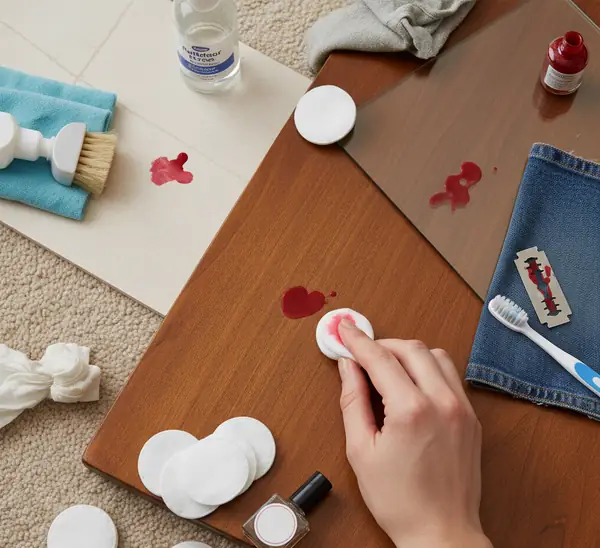
A spilled bottle of nail polish is a moment of pure, heart-stopping panic. That small bottle contains a viscous, intensely pigmented lacquer designed to be durable, hard, and resistant to chipping—all the properties that make it a formidable and terrifying opponent when it lands on your carpet, your wooden floor, or your favorite piece of clothing. Removing a nail polish stain is not like treating a simple food or drink spill; it is a delicate chemical operation that requires patience, precision, and a clear understanding of the interaction between the solvent and the surface. Acting rashly with the wrong product or technique can spread the stain, dissolve the material underneath, and turn a small accident into a permanent disaster. Be Quick Before attempting any removal, there are several golden rules that must be observed. The first and most critical is to act as quickly as is safely possible. Wet nail polish is significantly easier to deal with than polish that has dried and hardened, bonding to the fibers of a fabric or the finish of a floor. Second, your instinct will be to scrub, but you must resist. The correct technique is always to blot, not rub. Rubbing or wiping a wet spill will only smear the polish over a larger area, pushing it deeper into the material and making the problem exponentially worse. Third, regardless of the surface, you must always perform a spot test with your chosen cleaning agent on a hidden, inconspicuous area first. The solvents powerful enough to dissolve nail polish are also powerful enough to dissolve dyes, finishes, and even the fibers of the material itself. Testing on the inside of a hem, a patch of carpet inside a closet, or the underside of a piece of furniture is a non-negotiable step that can save you from irreversible damage. Finally, ensure you are working in a well-ventilated area. Nail polish removers, particularly those containing acetone, produce strong fumes that can be irritating and flammable. The primary weapon in this battle is nail polish remover itself, but it comes in two main forms: acetone-based and non-acetone. Acetone is a powerful, aggressive solvent that is highly effective at dissolving polish quickly. However, it is also highly destructive to many surfaces, including certain plastics, synthetic fabrics like acetate, and virtually all wood finishes. Non-acetone removers are gentler and safer for a wider range of materials, but they work more slowly and may not be powerful enough for a heavy, set-in stain. The wise approach is to always begin with the gentlest method—a non-acetone remover—and only escalate to acetone if necessary, and only after a successful spot test. Surfaces 1.Porous and Delicate Let us begin with the most challenging scenarios: porous and delicate surfaces. If you spill nail polish on a wooden floor or piece of furniture, your first instinct must be to keep the acetone bottle far away. Acetone will strip the lacquer, varnish, or polyurethane finish from wood almost instantly, leaving a permanent, cloudy scar that will require professional refinishing to repair. The correct approach here is a careful and methodical one. If the polish is still wet, gently dab at the very center of the spill with a paper towel to absorb the excess, being extremely careful not to spread the puddle. For dried polish, do not scrape with a metal tool, which will scratch the wood. Instead, try a gentler solvent. Denatured alcohol is a good option. Apply a small amount to a cotton swab and gently dab at the polish, working from the outside edges of the stain inward. You should see the polish begin to dissolve and transfer to the swab. A surprising but effective alternative is aerosol hairspray, which contains solvents that can break down the lacquer. Spray a small amount onto the stain, let it sit for twenty to thirty seconds, and then gently wipe it away with a soft cloth. After using any solvent, you must immediately clean the area with a cloth dampened with a mild soap and water solution to neutralize the solvent, then wipe it completely dry. 2.Carpets Carpet is another common victim of nail polish spills and requires a multi-step, patient approach. First, if the spill is wet, use a spoon or the dull edge of a butter knife to gently scoop up as much of the excess polish as possible. Then, blot the remaining stain with a clean, dry paper towel. Next, begin the solvent treatment. Start with a non-acetone remover. It is crucial that you never pour the remover directly onto the carpet, as this will soak through to the backing and can dissolve the latex that holds the carpet together. Instead, apply a small amount of the remover to a clean, white cloth. Dab the stain with this cloth, again, working from the outside in to prevent the stain from spreading. As the polish transfers to your cloth, continuously move to a clean section of the cloth to avoid redepositing the stain. You will need to repeat this blotting process many times. If the non-acetone remover is not working, you can escalate to acetone, but only after you have tested it on a hidden piece of carpet to ensure it does not cause discoloration or melt the fibers. Once the polish has been lifted, the job is not done. You must now remove the solvent from the carpet fibers. To do this, blot the area with a new cloth dampened with plain, cool water. At the end, clean the spot with a solution of a few drops of clear, non-bleach dish soap mixed in a cup of water to remove any lingering residue from both the polish and the remover. Finish with a final “rinse” by blotting with a water-dampened cloth, and then dry the area by piling a thick stack of clean, dry paper towels on the spot and weighing them down with something heavy for several hours to wick all the moisture out of the carpet and padding. 3.Upholstery The

6 Tips How to Remove Nail Polish from Any Surface Read More »

hot water for cleaning

A Water Temperature Guide: Never Wash These 7 Things in Hot Water

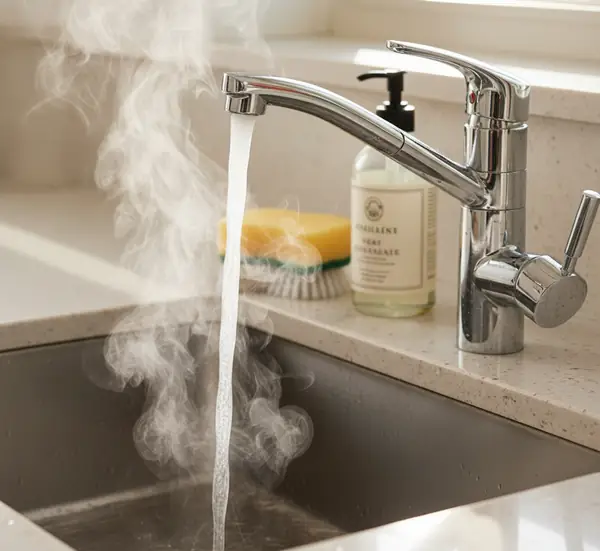
Water temperature is one of the most powerful variables in any cleaning process, acting as a silent catalyst that can either make a task infinitely easier or cause irreversible damage. In both laundry and household cleaning, the choice between hot, warm, and cold water is often made out of habit rather than a deliberate understanding of the science involved. Hot water is frequently associated with a superior clean, credited with the ability to dissolve grease, kill bacteria, and blast away stubborn grime. While this is true in many scenarios, heat is also a highly reactive force that can set stains permanently, shrink delicate fabrics, warp plastics, and ruin expensive flooring. Mastering the proper application of hot water requires understanding the chemical and physical properties of the materials you are cleaning, ensuring you harness the power of heat effectively without causing harm. Aggressive To understand what can and cannot be washed with hot water, it is helpful to look at the molecular level. Hot water possesses significantly more kinetic energy than cold water. Its molecules are moving faster and more aggressively, which allows it to more effectively agitate and break down the bonds holding dirt and oils to a surface. Heat acts as a solvent accelerator, increasing the rate at which detergents dissolve and chemical reactions take place. This increased energy is what makes so effective at melting fats and oils, which is a cornerstone of cleaning in the kitchen and on heavily soiled fabrics. However, this same energy can be too aggressive for materials with weaker structures or those that are sensitive to temperature shifts. Let us first examine the world of laundry, where the question of water temperature is most frequently asked and where the consequences of a mistake are most visible. There is a specific category of items and stains where hot water is not only safe but is the absolute best choice for achieving a hygienic, thorough clean. Heavily soiled white fabrics made from durable natural fibers like cotton and linen are the prime candidates for hot water washing. This includes bed sheets, bath towels, kitchen dishcloths, and durable white undergarments. These items are in constant contact with our bodies, absorbing sweat, dead skin cells, and body oils, or in the case of kitchen cloths, food residue and grease. Typically defined as sixty degrees Celsius or one hundred and forty degrees Fahrenheit, is necessary to effectively melt and wash away these heavy organic oils. Sanitization Furthermore, hot water at this temperature is required for sanitization. It is the only temperature high enough to effectively kill dust mites, which thrive in bedding, and to neutralize many common bacteria and viruses. If someone in your household has been sick, washing their bedding, towels, and clothing in hot water is a crucial step in preventing the spread of illness. The heat provides a level of disinfection that cold or even warm water simply cannot achieve, ensuring that these high-contact items are truly safe and hygienic to use again. However, the list of items that cannot, and should not, be washed with hot water in the laundry room is extensive and requires careful attention. The most notorious victim is wool. Wool fibers are made of protein and possess a microscopic structure of overlapping scales, similar to the scales on a human hair or a pinecone. When wool is subjected to hot water and the mechanical agitation of a washing machine, these scales open up and become interlocked with one another. This process, known as felting, causes the fabric to shrink dramatically and become dense, stiff, and coarse. Once a wool garment has felted and shrunk in hot water, the process is largely irreversible, and the garment is ruined. For this reason, wool, as well as other delicate animal fibers like cashmere and mohair, must always be washed in cool or cold water with minimal agitation. Silk is another delicate natural protein fiber that is highly sensitive to heat. Hot water can dull the natural sheen of silk, weaken the fibers making them prone to tearing, and cause the fabric to lose its soft, smooth texture. Silk should always be treated with the utmost gentleness, washed by hand or on a delicate cycle in cold water with a specialized, gentle detergent. Synthetic Fabrics Moving to synthetic fabrics, hot water poses a different set of problems. Many modern clothes contain elastic fibers like spandex or elastane to provide stretch and comfort, found in everything from athletic wear and leggings to the waistbands of underwear and socks. Heat is the ultimate enemy of elastic. Washing these items in hot water, or drying them on high heat, causes the elastic polymers to break down and become brittle. Over time, the garments will lose their stretch, become misshapen, and effectively wear out long before their time. To preserve the fit and longevity of your activewear and any garment with stretch, cold water is always the recommended choice. Similarly, many synthetic fabrics like polyester and nylon can be sensitive to high heat. While they are more durable than wool or silk, hot water can cause these fabrics to develop permanent wrinkles, can weaken the fibers, and can contribute to the accumulation of static electricity. More importantly, hot water is the primary cause of color bleeding in laundry. The heat opens up the fibers of the fabric, allowing the dyes to escape into the wash water, leading to faded clothes and the dreaded accidental dyeing of other items in the load. To keep your brights bright and your darks dark, washing in cold water is the most effective strategy, as it keeps the fabric fibers closed and the dyes locked inside. Protein-Based Stains The rules for hot water in the laundry are dictated not just by the fabric type, but also by the nature of the stain you are trying to remove. This is where the most common mistakes are made. Hot water is catastrophic for protein-based stains. This category includes some of the most common household

A Water Temperature Guide: Never Wash These 7 Things in Hot Water Read More »

The Best Mop for Every Floor Type: A Complete Guide

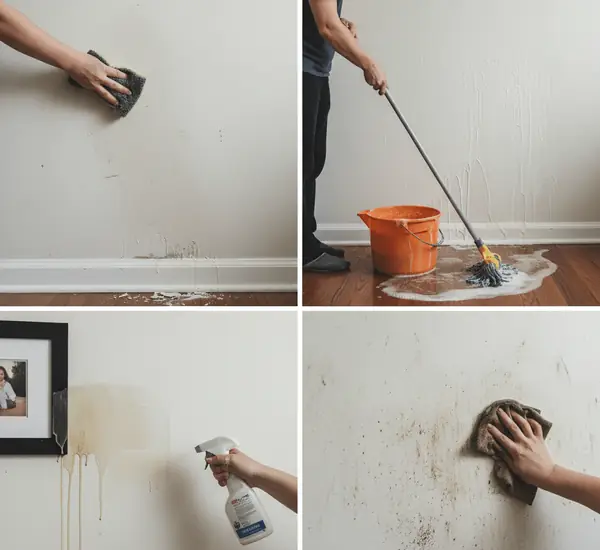
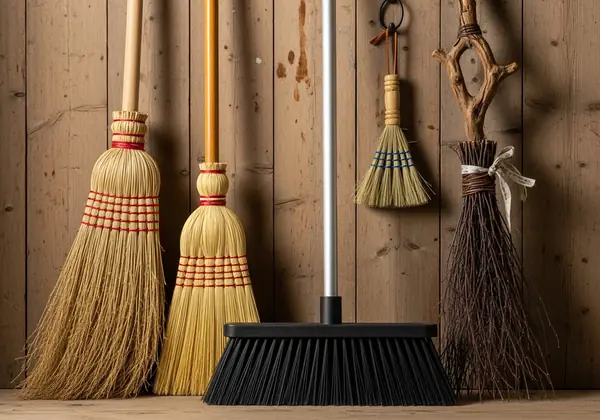
Choosing the right mop is one of the most fundamental yet frequently overlooked aspects of effective home cleaning. The modern home is a complex landscape of different floor types, each with its own unique needs and vulnerabilities. Using a one-size-fits-all approach—the same string mop for every surface—is an outdated strategy that can lead to frustration, subpar results, and even permanent damage to your flooring. The secret to achieving a truly deep and lasting clean lies in understanding that a mop is not just a mop; it is a specialized tool. Matching the right tool to the right surface transforms mopping from a dreaded chore into a satisfying and efficient process. Ceramic, porcelain, vinyl and Linoleum Let us begin in the most demanding areas of the home: the kitchen and the bathrooms. These high-traffic zones are subject to a unique and challenging combination of messes. The floors, typically durable and water-resistant materials like ceramic tile, porcelain, vinyl, or linoleum, must endure everything from greasy cooking splatters and sticky food spills to soap scum, water spots, and the need for thorough disinfection. For these environments, the spin mop is an unparalleled champion. Its genius lies in its two-part bucket system, which features a built-in spinning mechanism, often operated by a foot pedal. This system gives you absolute control over the moisture level of the mop head. For a tough, sticky mess on a tile floor, you can leave the microfiber head quite wet to dissolve the grime. For a quick daily clean or for a final pass, you can spin it until it is nearly dry, preventing excess water from sitting on grout lines. The fluffy, absorbent microfiber heads are excellent at lifting and trapping both dirt and grease, and the round shape is surprisingly adept at getting into corners and navigating around the base of a toilet. A spin provides the perfect balance of scrubbing power and moisture control needed for these resilient but demanding floors. Steam When the goal in the kitchen or bathroom shifts from simple cleaning to deep sanitation, the steam takes center stage. This tool is a chemical-free powerhouse, using high-temperature steam to kill 99.9% of germs and bacteria, including E. coli and Salmonella. It is incredibly effective at breaking down stubborn, stuck-on grime and can even loosen dirt from deep within textured tile and grout lines without any harsh chemicals. The intense heat dissolves greasy residue and sticky soap scum with ease. However, the steam comes with a critical caveat: it should only be used on completely sealed, durable hard floors. The high heat and moisture can be catastrophic for unsealed surfaces like natural stone, unsealed grout, and, most importantly, any type of wood or laminate flooring, as it can cause warping, swelling, and permanent damage to the finish. For the right surface, though, a steam mop provides a level of hygienic clean that is difficult to achieve otherwise. Hardwood Floors Moving into the main living areas and bedrooms, we often encounter the most beautiful and most delicate of floor types: hardwood. Wood is a natural, porous material, and its greatest enemy is water. Excessive moisture can cause the boards to swell, warp, cup, and can permanently damage the finish, leading to costly repairs. For hardwood floors, the cleaning philosophy must be one of minimal moisture and gentle care. The ideal tool for this task is the flat microfiber mop. This simple, elegant tool is arguably the most versatile mop in any cleaning arsenal. Its primary advantage for hardwood is its ability to be used almost dry. For daily maintenance, a dry microfiber mop pad is the best tool for dusting your floors, as its natural static charge acts like a magnet for dust, pet hair, and allergens, trapping them far more effectively than a traditional broom. When it comes to wet cleaning hardwood, the key word is “damp.” You never want the floor to be visibly wet. The proper technique is to have two microfiber mop pads. Lightly dampen one pad by spritzing it with a pH-neutral wood floor cleaner—never spray the cleaner directly onto the floor itself. The pad should be just moist enough to wipe away smudges and dirt without leaving any significant moisture behind. Mop a small section of the floor, and then immediately go over it with the second, completely dry mop pad to buff the floor and pick up any residual moisture. This two-step, damp-then-dry method is the safest and most effective way to protect your investment and keep your hardwood floors gleaming. A close cousin to the flat mop, and another excellent choice for hardwood, is the spray mop. This tool offers the ultimate in convenience and moisture control. It features a built-in reservoir for cleaning solution and a trigger on the handle that emits a fine, controlled mist directly onto the floor in front of the mop head. This ensures you are using the absolute minimum amount of liquid necessary to clean, preventing any risk of oversaturation. A spray mop is perfect for quick cleanups of spills and for routine maintenance, making it easy to keep hardwood floors looking their best without the hassle of a bucket. Cleaning Laminate and Luxury Vinyl The challenges of cleaning laminate and luxury vinyl tile (LVT) floors are similar to those of hardwood, though these materials are generally more durable. The main vulnerability of laminate is its seams. If excess water is allowed to seep between the planks, it can cause the fiberboard core to swell and the edges to peel, resulting in irreversible damage. Luxury vinyl is more water-resistant but can still show streaks easily if too much cleaner or water is used. For both of these popular flooring types, the flat microfiber mop and the spray mop are once again the ideal choices. Their ability to clean effectively with minimal moisture is paramount. Using a clean, damp microfiber pad will lift dirt and grime without flooding the seams, and it is the key to achieving a beautiful, streak-free finish.

The Best Mop for Every Floor Type: A Complete Guide Read More »

Woman unsure whether to use caustic soda for cleaning.

Caustic Soda 101: The Dangers and Safe Handling of Lye

How does caustic soda work, in the world of cleaning, there is a clear hierarchy of chemical power. At the bottom are the gentle, pH-neutral soaps designed for daily maintenance. Further up the scale are the acids, like vinegar and citric acid, which dissolve mineral deposits. At the very top, reigning supreme as one of the most potent and aggressive substances available to the public, sits sodium hydroxide. More commonly known as caustic soda or lye, this chemical is not a cleaner in the traditional sense. It does not lift dirt; it chemically dismantles it. It is an industrial-strength weapon that has found its way into household products, particularly oven cleaners and drain openers. Its efficacy is undeniable, but so are its dangers. To handle caustic soda is to handle a controlled chemical reaction. Understanding its properties, its limitations, and the absolute necessity of safety protocols is the non-negotiable prerequisite for anyone considering its use. Alkaline Substances To appreciate the power of caustic soda, one must understand its chemistry. It is a highly alkaline substance, sitting at the extreme end of the pH scale. When it comes into contact with organic matter, it initiates a process called saponification. In simple terms, it turns fats and grease into soap. The sodium hydroxide breaks down the triglycerides in the fat, creating glycerol and a water-soluble fatty acid salt (soap). This reaction is exothermic, meaning it generates a significant amount of heat. It is this combination of chemical transformation and thermal energy that makes caustic soda so effective at clearing a drain clogged with hair and grease. The heat melts the solid fats, and the chemical reaction turns the entire mess into a liquid that can be flushed away. The most common household application of caustic soda is in heavy-duty oven cleaners. Over time, the spills and splatters in an oven undergo polymerization. The oils bake onto the enamel surface, turning into a rock-hard, black carbonized layer that is impervious to standard scrubbing. When you spray an oven cleaner containing caustic soda onto this surface, the chemical begins to dissolve this polymer. It breaks down the long-chain molecules of the baked-on grease, softening the carbon into a gummy, brown sludge. After allowing the chemical to dwell for several hours, this sludge can be wiped away, revealing the clean enamel underneath. Without caustic soda, removing this layer would require hours of aggressive scraping with a razor blade. The chemical does the physical work for you. Corrosive However, this immense power comes with an equally immense risk profile. Caustic soda is indiscriminately corrosive. While it targets fats and proteins, it will also attack living tissue with the same ferocity. Skin contact with a concentrated lye solution can cause severe chemical burns within seconds. The chemical not only burns the surface layer but continues to eat through the tissue underneath. Splash-back into the eyes can result in permanent blindness. This is why the safety warnings on these products are not suggestions; they are absolute mandates. Protective gear is not optional. Heavy-duty rubber gloves that extend up the forearm, along with splash-proof goggles, are the minimum requirement for handling any product containing this chemical. Inhalation is another significant danger. Many caustic soda products, particularly drain openers, are sold in a granular or flake form. When these solids are mixed with water, the exothermic reaction can create a cloud of hot, corrosive steam. Inhaling this vapor can cause severe damage to the delicate tissues of the respiratory tract. Furthermore, if the reaction is uncontrolled—such as by pouring water into a container of lye instead of the other way around—the mixture can erupt violently, splashing the caustic solution across the room. All work with caustic soda must be done in a well-ventilated area, with windows open and fans running to disperse the fumes. The reactivity of caustic soda extends beyond biological tissue. It is highly corrosive to certain metals, most notably aluminum. If a lye-based drain cleaner is used in pipes made of aluminum or certain alloys, it will eat through the metal, causing catastrophic leaks. This is why it is crucial to know the composition of your plumbing before using these products. It is generally safe for PVC and stainless steel, but older homes with mixed metal plumbing present a significant risk. The same caution applies to cookware. Never use an oven cleaner containing caustic soda on an aluminum baking pan or a grill grate made of aluminum. It will pit and discolor the metal permanently. Drain Plunger The use of caustic soda as a drain opener also carries a mechanical risk. If the chemical fails to clear the clog, you are left with a pipe filled with a highly toxic, corrosive liquid. At this point, you cannot use a mechanical snake or a plunger, as the back-splash could be life-threatening. You are forced to call a plumber and inform them that the drain is “live” with chemicals, a situation that significantly increases the cost and complexity of the repair. For this reason, many plumbers advocate for enzymatic drain cleaners or mechanical removal as the first line of defense, reserving caustic soda for professional use only. Despite these dangers, the effectiveness of caustic soda for specific, targeted tasks is undeniable when used correctly. For restoring old, cast iron cookware that has been caked with decades of carbon buildup, a lye bath is the gold standard for restorers. This involves creating a diluted solution of caustic soda and water in a plastic bin and submerging the pan for several days. The lye slowly but surely strips everything off the pan—old seasoning, rust, and carbon—down to the bare grey iron, without the physical labor of sanding. This process must be done outdoors with extreme care, but it yields a perfectly clean slate for re-seasoning. The key to safely using caustic soda is neutralization. As a strong base, it is neutralized by a strong acid. After cleaning an oven or a piece of cast iron, the surface must be thoroughly

Caustic Soda 101: The Dangers and Safe Handling of Lye Read More »

Spring Wardrobe

Spring Wardrobe: 5 Simple Steps to a Perfectly Organized Spring Wardrobe

The transition from winter to spring is more than just a change in the calendar or wardrobe; it’s a shift in energy, a collective sigh as the world sheds its heavy layers. This same instinct to lighten and refresh should extend to the most personal of our spaces: the wardrobe. For months, it has served as a dark, crowded barracks for bulky sweaters, heavy coats, and thick fabrics. Now, as the days lengthen and the air warms, it is time to perform the essential ritual of the seasonal wardrobe switch. This is not merely a matter of tidying; it is a strategic reorganization that streamlines your daily routine, protects your clothing, and brings a sense of clarity and ease to the act of getting dressed. Emptying the Wardrobe The first and most crucial step in this transformation is the total empty-out. This is a non-negotiable act that sets the stage for all the work to come. You cannot truly assess or organize what you cannot see. Begin by taking every single item out of your wardrobe and drawers. Every shirt, every pair of trousers, every scarf must be removed and placed onto your bed. This may seem like a daunting and chaotic task, but it is the only way to begin with a truly clean slate and to get an honest, unfiltered look at the sheer volume of what you own. As you empty the wardrobe, take a moment to give the now-vacant space a thorough cleaning. Vacuum out the corners to remove dust bunnies and lint, wipe down every shelf and hanging rod with a damp cloth, and clean any mirrors. Starting with a pristine, empty space is a powerful psychological reset. Clothing Selection With your entire wardrobe laid bare, the most difficult and most liberating phase begins: the edit. This is where you must be practical, honest, and sometimes ruthless. The goal is to create a curated collection of clothes that you actually wear and love, rather than a museum of items from your past. As you pick up each individual piece, ask yourself a series of direct questions. Does this fit me properly right now? Have I worn this in the last year? Do I feel confident and comfortable when I wear it? Is it damaged, stained, or worn beyond repair? Based on your answers, sort every item into one of four distinct piles: keep, store for next season, donate, or discard. The “keep” pile is for spring-appropriate items that you genuinely love and will wear. The “store” pile is for your heavy winter essentials—the wool coats, cashmere sweaters, and flannel shirts that have served you well but have no place in the warmer months. The “donate” pile is for items that are still in good condition but no longer serve you, while the “discard” pile is for anything that is irreparably damaged. Be particularly wary of the “maybe” items. If you find yourself agonizing over a piece, place it in a box and seal it. If you have not felt the need to open that box in six months, you have your answer: it is time to donate it. Before you address the winter items destined for storage, focus on the clothes you are keeping for the current season. This is where the strategic organization begins. The fundamental principle is to group like with like. All of your shirts should be together, all of your trousers together, all of your dresses together. This simple act of categorization immediately creates a sense of order and makes finding specific items infinitely easier. You can then take this a step further by sub-categorizing within these groups. For example, within your shirt category, you can group all the t-shirts together, then the blouses, then the button-down shirts. Once your clothes are categorized, the next layer of organization is to arrange them by color. Working from light to dark within each category creates a visually calming and incredibly functional system. When you are looking for a specific white blouse, you will know exactly where to look instead of hunting through a jumble of different patterns and colors. This visual harmony reduces the mental effort of choosing an outfit and transforms your wardrobe from a source of stress into a space of serene order. Hang up the Clothes The tools you use for organization are as important as the system itself. This is the time to invest in a set of matching, high-quality hangers. A mismatched collection of wire hangers from the dry cleaner, chunky plastic hangers, and old wooden ones creates visual chaos and can damage your clothes. Wire hangers can stretch out the shoulders of garments, while bulky hangers eat up valuable rod space. Opt for slim, velvet-flocked hangers. Their slender profile can nearly double your hanging space, and their non-slip surface ensures that wide-necked blouses and silky fabrics stay put instead of sliding onto the floor. As you begin to reintroduce your spring clothes into the clean wardrobe, be strategic about placement. Your wardrobe has prime real estate—the areas at eye level and within easy reach—and less valuable space, like the high top shelves and the low-to-the-ground areas. Your most frequently worn items, such as your go-to jeans, simple t-shirts, and work blouses, should occupy this prime real estate. Items you wear less often, like formal dresses or special occasion jackets, can be placed in less accessible spots. Not everything should be hung. A general rule of thumb is to hang anything that is delicate, prone to wrinkling, or has a structured shape, such as blouses, dresses, jackets, and trousers. Sturdy items and anything that can stretch out under its own weight should be folded. This includes all of your knitwear, t-shirts, and jeans. For drawers, the most effective folding method is file-folding. Instead of stacking folded items on top of one another, you fold them into neat rectangles and “file” them vertically in the drawer, like papers in a filing cabinet. This allows you to see every

Spring Wardrobe: 5 Simple Steps to a Perfectly Organized Spring Wardrobe Read More »

5 Toxic Cleaning Products You Should Stop Buying Today

Do you know which products are toxic? In the quest for a clean and healthy home, a paradox often arises. We scrub, spray, and sanitize with the intention of creating a safe environment, yet the very products we use can introduce a host of hazardous chemicals into our living spaces. The brightly colored liquids lining the supermarket aisles often contain aggressive, industrial-strength compounds that, while effective at removing grime, can pose significant risks to our respiratory systems, our skin, and the overall air quality of our homes. Making informed choices about what we bring across our thresholds is not about succumbing to fear, but about embracing a more mindful and effective approach to cleaning, one where true cleanliness is not achieved at the expense of our well-being. Bleach One of the most ubiquitous and misunderstood products in the conventional cleaning arsenal is chlorine bleach. Marketed as the ultimate disinfectant and whitener, its power comes from its highly reactive nature. This reactivity is precisely what makes it so dangerous. The most immediate risk lies in its potential for accidental mixture. When chlorine bleach is combined with ammonia—a common ingredient in many glass and all-purpose cleaners—it creates toxic chloramine gas, which can cause severe respiratory distress. When mixed with an acid, such as a toilet bowl cleaner or even vinegar, it produces chlorine gas, a chemical weapon infamous for its devastating effects on the lungs. Even when used on its own in a poorly ventilated area, the fumes from bleach can be a powerful irritant to the eyes, throat, and lungs, particularly for individuals with asthma or other respiratory sensitivities. For a safer approach to disinfecting, a solution of white vinegar and water can handle most household germs. For whitening laundry and treating stubborn stains on white surfaces, hydrogen peroxide or oxygen-based bleach powders are excellent alternatives that break down into harmless water and oxygen. Ammonia Ammonia itself, even when not mixed with bleach, is another chemical to handle with extreme caution. It is the active ingredient in many popular window and glass cleaners, prized for its streak-free finish. However, ammonia is a potent respiratory irritant. Its sharp, pungent odor is a clear warning sign from our bodies that we are inhaling something harmful. The fumes can cause coughing and irritation in the throat and lungs, and can be particularly aggravating for people with chronic respiratory conditions. A far safer, cheaper, and equally effective alternative for cleaning glass and mirrors is a simple solution of equal parts white vinegar and water in a spray bottle. The mild acidity of the vinegar cuts through smudges and films effortlessly, and wiping with a clean microfiber cloth ensures a perfectly clear, streak-free shine without any toxic fumes. Caustic Soda Perhaps the most aggressive and overtly dangerous products found under our sinks are conventional drain cleaners. These products are designed to solve a stubborn problem by dissolving dense clogs of hair and grease deep within our plumbing. To achieve this, they rely on extremely caustic chemicals like sodium hydroxide, also known as lye. These substances are highly corrosive, designed to burn through organic matter. While they may burn through the clog, they can also cause severe chemical burns to the skin and eyes upon contact and can permanently damage older plumbing pipes. The risk is magnified when the cleaner fails to dislodge the clog, leaving a pipe full of highly toxic, standing liquid that is incredibly dangerous to deal with. A much safer approach to drain maintenance is preventative. A weekly flush with a kettle of boiling water can dissolve grease buildup before it becomes a problem. For minor clogs and odors, the classic combination of baking soda and vinegar, with its fizzing mechanical action, can loosen debris. For a true blockage, the most effective and safest solution is not chemical, but physical: a simple plastic drain snake can physically pull out the clog without any risk to your pipes or your health. Similarly caustic ingredients are found in most aerosol oven cleaners. These products are formulated to cut through thick layers of baked-on, carbonized grease, and they often contain the same lye found in drain cleaners. The aerosol spray format is particularly hazardous as it atomizes these caustic chemicals, making them easy to inhale. The fumes can cause immediate and severe respiratory irritation. The safer alternative requires a bit more time but is completely non-toxic and remarkably effective. Create a thick paste of baking soda and water and spread it liberally all over the cool interior surfaces of your oven, avoiding the heating elements. Let this paste sit overnight. The baking soda will work to soften and break down the carbonized grease. The next day, using a plastic scraper and a damp cloth, you can wipe and scrub away the paste, and the grime will come with it, all without a single toxic fume. Synthetic air Fresheners One of the most subtle but pervasive categories of harmful products is synthetic air fresheners. This includes aerosol sprays, plug-in diffusers, and scented candles made with fragrance oils. The goal of these products is not to clean, but to mask odors by releasing a continuous stream of chemicals into the air. The term “fragrance” on an ingredient list is a legal loophole that can hide a proprietary blend of hundreds of different chemicals, including phthalates and a host of volatile organic compounds (VOCs). Phthalates are endocrine disruptors that can interfere with the body’s hormonal systems, while VOCs can contribute to a wide range of health issues, from headaches and dizziness to long-term respiratory problems. True freshness comes not from masking odors, but from eliminating them. Open your windows to allow for natural ventilation. Place a small bowl of baking soda or activated charcoal in a room to absorb ambient smells. For a pleasant scent, simmer a pot of water on the stove with natural ingredients like cinnamon sticks, cloves, and citrus peels, or use a diffuser with pure, high-quality essential oils. Triclosan At the end, be wary

5 Toxic Cleaning Products You Should Stop Buying Today Read More »