Laundry

The 20 Spots You’re Forgetting on Your Spring Cleaning Checklist

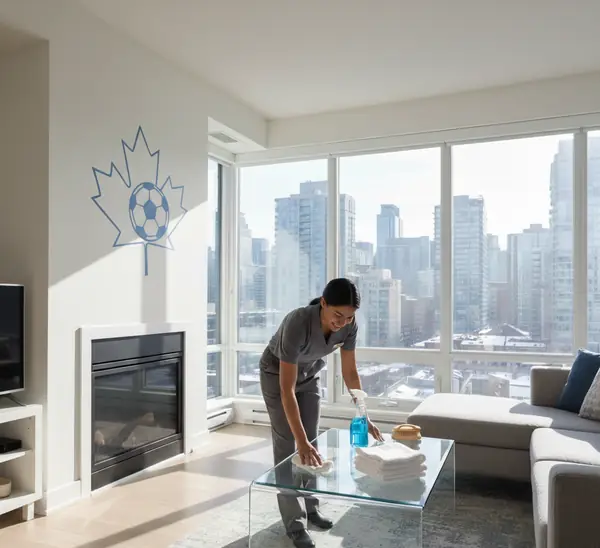
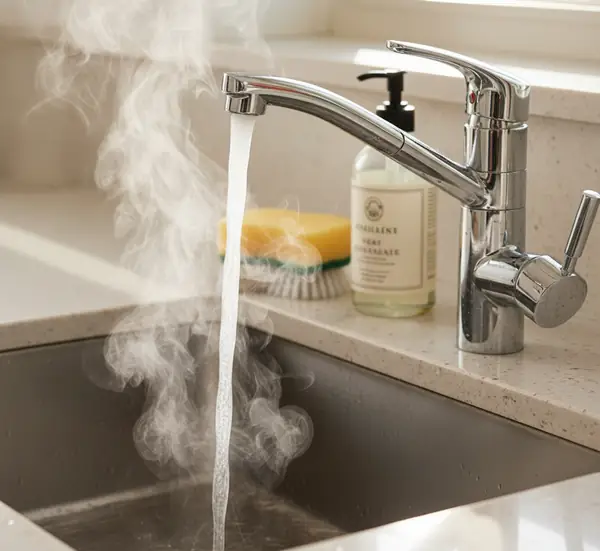
The term “spring cleaning checklist” evokes a powerful and almost instinctual urge to refresh our living spaces after a long, stagnant winter. It is more than just a routine tidying; it is a full-scale, top-to-bottom reset, a chance to clear away the accumulated dust, clutter, and grime of the colder months. However, the sheer scale of this task can be overwhelming, often leading to a paralysis of inaction. Where do you even begin? The secret to transforming this monumental project into a manageable and even satisfying endeavor lies in a single, indispensable tool: the checklist. A well-structured checklist is not just a list of chores; it is a strategic roadmap, a system that breaks down an overwhelming goal into a series of clear, achievable steps, ensuring that no forgotten corner is left untouched. The most effective way to approach a spring cleaning checklist is to organize it by room, transforming the daunting task of cleaning an entire house into a series of smaller, more focused projects. This allows you to concentrate your energy on one space at a time, providing a clear sense of accomplishment as you physically check off each room and move on to the next. The Kitchen The kitchen is the most intensive room to deep clean and should be a top priority. It is where grease, food particles, and daily traffic converge. Tops of Cabinets and Refrigerator: Begin at the highest point. This out-of-sight area is a notorious trap for a sticky, greasy film of dust. Carefully wipe this surface with a powerful degreasing solution. Cabinet Fronts: Wipe down the exterior of all cabinets and drawers to remove fingerprints and splatters. Pay special attention to the areas around the handles. The Refrigerator Deep Clean: This is a major project in itself. Empty the entire fridge, discard expired food, and wash all removable shelves and drawers in warm, soapy water. Wipe down the entire interior shell. Pull the refrigerator away from the wall to vacuum the dusty condenser coils and clean the floor beneath. The Oven and Stovetop: A true deep clean involves more than just wiping the surface. For the oven, this means tackling the baked-on interior, either with the self-cleaning function or a non-toxic baking soda paste left to sit overnight. For the stovetop, remove the grates and burner caps and soak them in hot, soapy water before scrubbing. Clean every crevice of the cooktop itself. The Sink and Drain: Descale the faucet to remove mineral buildup. Thoroughly scrub and sanitize the sink basin. Crucially, clean and deodorize the garbage disposal and sink drain by flushing with boiling water and using a baking soda and vinegar solution. Small Appliances: Do not forget the microwave, coffee maker, and toaster. Clean the interior of the microwave, descale the coffee maker, and empty and wipe out the crumb tray of the toaster. Backsplash and Countertops: Clear everything off the countertops and give them a deep clean and polish, paying special attention to scrubbing the grout lines of the backsplash. Final Pass: Wipe down all baseboards, light switches, and finish with a thorough mopping of the floor. The Bathrooms Bathrooms require a deep focus on sanitation and the removal of soap scum and mineral deposits. Exhaust Fan: The cover of the bathroom fan is a magnet for dust. Remove it, wash it thoroughly, and vacuum the fan blades and housing. Shower and Tub: This is a multi-step process. First, descale the showerhead by soaking it in vinegar to restore water flow. Scrub the walls, tub, and shower doors with a cleaner designed to cut through soap scum. Meticulously scrub every grout line with a stiff brush to remove mildew and discoloration. The Toilet: A deep clean goes beyond the bowl. Clean the entire exterior, including the tank, the base, and the often-neglected area where the toilet meets the floor. The Vanity and Sink: Clear the countertop completely. Clean and polish the faucet and fixtures. Scrub the sink basin and clean out the overflow hole. Organize the medicine cabinet, discarding expired products, and wipe down all shelves. Washing Textiles: Launder the shower curtain and any bath mats. Final Pass: As with the kitchen, finish by wiping down baseboards, light switches, and mopping the floor. The Bedrooms Bedrooms are often less about grime and more about dust and allergens. The goal is to create a fresh, restful environment. The Mattress: This is a crucial spring cleaning task. Strip the bed completely and vacuum the entire mattress surface with an upholstery attachment. Spot-clean any stains and deodorize it by sprinkling it with baking soda, letting it sit, and then vacuuming it up. Laundering Bedding: While the mattress is airing out, wash all of your bedding, including the items that are often overlooked: the duvet or comforter, pillows, and the mattress protector. Closet Reorganization: This is the perfect time for a seasonal wardrobe switch. Empty the closet, wipe down the shelves, and sort through your clothes, storing heavy winter items and bringing spring and summer clothes to the forefront. Dusting from Top to Bottom: Dust all surfaces, starting with the highest points like ceiling fan blades, light fixtures, and the tops of dressers and bookcases, working your way down. Windows: Clean the interior of the windows, wash the curtains, and dust the blinds. Final Pass: Wipe down all baseboards and furniture legs, and finish with a thorough vacuuming of the entire floor, including deep under the bed. The Living and Common Areas These high-traffic areas require a focus on deep dusting and restoring order. Upholstered Furniture: A deep clean involves more than just fluffing pillows. Remove all cushions and use a vacuum’s crevice tool to get deep into the seams and under the frame to remove years of crumbs and dust. Carpets and Rugs: Move furniture to vacuum areas that are normally covered. For a true deep clean, consider a professional carpet cleaning to remove the embedded dirt and allergens of winter. Walls and Baseboards: Wipe down all baseboards. For walls, this is a good time to spot-clean any scuffs or marks. The High and Lows of Dusting: As in the bedroom, a systematic, top-to-bottom dusting

The 20 Spots You’re Forgetting on Your Spring Cleaning Checklist Read More »

The Solution to Your Mother’s Day Gift Dilemma: A Professional Clean

The annual search for the perfect Mother’s Day gift is a familiar ritual, a quest to find something that adequately expresses a lifetime of gratitude and love. We often gravitate towards the traditional tokens of appreciation: a beautiful bouquet of flowers, a decadent box of chocolates, a piece of jewelry, or a gift certificate for a spa day. These are wonderful gestures, thoughtful and well-intentioned, but they share a common trait: they are fleeting. The flowers wilt, the chocolates are consumed, and the spa day, while lovely, is a brief escape that ends with a return to the realities and responsibilities of daily life. For the woman who has given so much of her time and energy to creating a comfortable and orderly home, there is a gift that transcends the temporary, a gift that offers something she can never have enough of, something more precious than any object: the gift of time. Time Machine A professional house cleaning service is, at its core, a time machine. It is the tangible act of buying back the hours that would otherwise be spent on the physically demanding and often thankless tasks of deep cleaning. Consider the typical weekend. For many mothers, it is not a period of pure rest and recreation, but a race to catch up on the household chores that accumulate during a busy week. It is the Saturday morning spent scrubbing floors on hands and knees, the Sunday afternoon dedicated to deep cleaning bathrooms, the constant, low-level hum of a to-do list that never seems to get any shorter. A professional cleaning service intercepts this relentless cycle. It takes the five, six, or even more hours of intensive labor required for a true deep clean and removes them from her schedule completely, handing them back as a block of pure, unencumbered free time. This reclaimed time is the true substance and beauty of the gift. It is a Saturday morning she can spend reading a book in the garden with a cup of coffee, a Sunday afternoon she can use to visit with friends she has not seen in months, a weekend she can dedicate to a long-neglected hobby, or simply a day she can enjoy with her family without the nagging, ever-present feeling that she should be cleaning. It is a gift that says, “Your time is the most valuable thing you have, and you deserve to spend it on yourself, not on scrubbing grout.” In a world where so many mothers feel time-poor, constantly juggling the demands of family, work, and the endless logistics of household management, giving back a significant portion of that time is one of the most practical and profound expressions of love and appreciation imaginable. It acknowledges the sheer volume of her labor and provides a real, tangible respite from it. Beyond the quantifiable gift of hours, there is the invaluable and often overlooked gift of reduced mental load. The responsibility of maintaining a home is not just about the physical labor; it is about the constant, invisible work of management. It is the mental checklist of what needs to be cleaned, the planning of when it will get done, the worry about the state of the guest bathroom before visitors arrive, and the low-grade, persistent stress that comes from living in a space that feels perpetually in need of attention. A professional deep clean is a powerful circuit-breaker for this heavy mental burden. It is a full reset, a moment where the entire home is brought to a baseline of pristine cleanliness all at once. This single act can wipe the slate clean, quieting the constant internal monologue about chores and replacing it with a sense of peace, completion, and order. It allows her to simply exist in her home, to enjoy it as a sanctuary rather than viewing it as a project that is never quite finished. Luxury Service Furthermore, it is crucial to reframe this gift as what it truly is: a luxury service, not a critique. Presenting a cleaning service is not an insinuation that her home is not clean enough; it is an acknowledgment that she deserves a break from the hard work required to keep it that way. It should be positioned as a “spa day for the home,” an experience of being pampered and cared for within her own environment. A professional cleaning is fundamentally different from a routine weekly tidy-up. Professionals arrive with a systematic approach, specialized tools, and an expert understanding of how to tackle the most stubborn and neglected areas of a home. They have the knowledge and equipment to perform tasks that are often put off indefinitely due to their difficulty or unpleasantness. They are the ones who will pull the refrigerator out from the wall to clean the floor and vacuum the dusty condenser coils that impact its efficiency. They will meticulously wash the baseboards throughout the house, erasing the scuffs and dust of an entire season. They will clean the sticky, greasy film from the tops of the kitchen cabinets and wash the light fixtures and ceiling fan blades that are just out of reach. They will scrub the soap scum and hard water stains from the shower doors until they are crystal clear. The result is a level of deep, foundational cleanliness that is difficult for a single person to achieve on their own without dedicating an entire weekend to the exhaustive task. The feeling of walking into a home that has been professionally cleaned is a unique and wonderful experience. The air feels lighter, every surface gleams, and there is a sense of order and freshness that permeates every room. It is a gift of environment, a transformation of her daily space into a place of true rest and relaxation. In an age where many people are actively trying to reduce the amount of “stuff” in their lives, an experiential gift is often far more meaningful than a physical one. A professional cleaning does not add to the

The Solution to Your Mother’s Day Gift Dilemma: A Professional Clean Read More »

clothes different types of fabrics

Warning: Are You Washing These 5 Fabrics Completely Wrong?

Do you know how to wash different types of fabrics? The laundry room is a constant and cyclical workspace, a place where the science of cleaning is put to the test every day. The simple act of washing clothes, however, is far from simple. It is a nuanced process where a few small choices—water temperature, detergent type, and cycle selection—can mean the difference between a perfectly restored garment and a shrunken, faded, or permanently damaged one. The key to mastering the laundry is to move beyond a one-size-fits-all approach and to develop an understanding of the fabrics themselves. Each material, from durable cotton to delicate silk, possesses a unique set of properties that dictates exactly how it should be treated. Washing Labels Before delving into specific fabrics, the foundational skill for any laundry-doer is the ability to read and understand the care label. These small tags, with their cryptic collection of symbols, are the manufacturer’s direct instructions for preserving the garment. The wash tub symbol indicates the recommended water temperature and cycle, a triangle dictates whether bleach is safe, a square provides drying instructions, and a circle gives information for professional dry cleaning. Learning to decipher these symbols is the most important first step, as it removes the guesswork and provides a clear roadmap for proper care. When a label is missing or unreadable, a knowledge of fabric types becomes your essential guide. Cotton Let us begin with the most common and forgiving of all fabrics: cotton. Found in everything from t-shirts and jeans to bed sheets and bath towels, cotton is a natural plant fiber known for its durability, breathability, and absorbency. For most cotton items, especially whites and light-colored basics that are heavily soiled, warm or even hot water is the ideal choice. The heat helps to effectively dissolve and remove body oils, sweat, and heavy soil. For items like sheets and towels, hot water is essential for sanitization, as it is the only temperature high enough to effectively kill bacteria and dust mites, which thrive in bedding. A standard detergent and a regular wash cycle are perfectly sufficient for these durable items. However, the rules change for brightly colored or dark cotton garments. For these, cold water is the far superior choice. Hot water can cause the dyes in cotton to bleed, leading to a faded appearance and potential color transfer onto other items in the load. Cotton is also prone to shrinking, especially on its first wash and when exposed to high heat. To minimize shrinkage, it is always best to dry cotton items on a medium or low heat setting, or better yet, to hang them to dry or tumble dry until they are just slightly damp and then hang them. Linen Another durable natural fiber is linen, prized for its exceptional breathability, strength, and relaxed, elegant drape. Like cotton, linen is made from a plant fiber (flax) and can generally withstand a fair amount of agitation. However, linen is also famously prone to wrinkling and can lose its shape if treated too harshly. For this reason, linen garments should be washed on a gentle cycle with cool or lukewarm water to minimize stress on the fibers. Using a mild detergent will help to preserve the fabric’s integrity. The most critical step in caring for linen is the drying process. Linen should never be put in a dryer on a high heat setting, as this can cause it to shrink and can set in deep, stubborn wrinkles that are difficult to iron out. The best method is to either tumble dry on a very low, gentle setting and remove the garment while it is still slightly damp, or to hang it to dry on a padded hanger. This minimizes wrinkling and preserves the natural, slightly crisp texture of the fabric. Wool Moving from plant fibers to animal fibers, we encounter a category of textiles that demands a significant increase in care and gentleness. Wool is the most famous and most frequently mishandled of these. Wool fibers are made of protein and possess a microscopic structure of overlapping scales. When wool is subjected to the combination of hot water and aggressive agitation, these scales open up and become permanently interlocked with one another. This process, known as felting, causes the fabric to shrink dramatically, becoming dense, stiff, and coarse. Once a wool garment has been felted and shrunk in hot water, the damage is irreversible. For this reason, wool garments must always be washed in cold water, either by hand or on a designated “wool” or “delicate” cycle in the washing machine that uses minimal agitation. You must use a specialized, pH-neutral wool-safe detergent, as standard detergents can be too alkaline and can strip the natural lanolin from the fibers, making them brittle. After washing, never wring or twist a wool garment. Instead, gently squeeze out the excess water and lay the item flat on a clean, dry towel. Roll the towel up with the garment inside to absorb more moisture, then unroll it and lay the sweater flat on a fresh towel or a mesh drying rack, reshaping it as needed. Never hang a wet wool sweater, as the weight of the water will stretch it out of shape permanently. Silk Silk, another protein-based fiber, is the epitome of luxury and delicacy. Its long, smooth fibers give it its characteristic sheen and softness, but they are also incredibly vulnerable to damage. Hot water can dull the sheen, weaken the fibers, and cause the fabric to lose its beautiful drape. Silk should always be hand-washed in cool water with a very gentle, specialized silk detergent. Submerge the garment, gently swish it around for a few minutes, and then rinse it thoroughly in cool, clean water. Like wool, you must never wring out silk. Gently squeeze out the excess water and either roll it in a towel or hang it on a padded, non-slip hanger to air dry. Silk should always be dried away from direct

Warning: Are You Washing These 5 Fabrics Completely Wrong? Read More »

Get a Perfect Spring Clean Without Sacrificing Your Weekends

The arrival of April represents a powerful and welcome change for spring. The days grow longer, the sun feels warmer, and a deep, instinctual urge to refresh our homes takes hold. We want to throw open the windows, clear away the dust and stagnant gloom of a long winter, and create a space that feels as bright and new as the season itself. Yet, for many, this wholesome ambition is met with a daunting and often paralyzing reality. The sheer scale of a proper spring clean is immense. The very sunlight that we have craved for months now acts as an unforgiving inspector, illuminating a winter’s worth of dust on every surface, a grimy film on the inside of every window, and the chalky, abrasive residue of road salt on our floors and entranceways. The task feels monumental, a mountain of chores that threatens to consume the very weekends we had hoped to spend enjoying the first beautiful days of the year. Fresh Start This is where the idea of a “fresh start” becomes more than just a pleasant concept; it becomes a practical and intelligent strategy. A professional cleaning service is not an all-or-nothing proposition; it is a powerful tool to kick-start your season, to reclaim your time, and to achieve a level of foundational cleanliness that makes all subsequent maintenance feel effortless. By delegating the most physically demanding, time-consuming, and least enjoyable tasks to a team of experts, you transform an overwhelming project into a manageable and even enjoyable one. It is about tackling the deep, foundational grime of winter head-on, creating a truly clean slate from which you can easily maintain and perfect your home throughout the spring and summer. 1.The Interior The interior of a home after a long, sealed-up winter requires a far more intensive approach than a simple surface wipe. A professional deep clean is the essential first step, addressing the unseen buildup that contributes to stale air and a general sense of dinginess. This process is methodical, starting from the top and working down, going beyond the routine to target the high and low zones of neglect. It is the meticulous process of wiping down every single baseboard, removing the scuffs and dust that have accumulated out of sight. It is reaching the tops of tall kitchen cabinets and bookcases to remove the sticky, greasy film of dust that has settled there, preventing it from circulating into the air you breathe. It is the careful washing of light fixtures and ceiling fan blades, which have become magnets for airborne dust over the months. This foundational clean removes the deep-seated layer of winter, providing a baseline of pristine that is simply not achievable when you are forced to clean around clutter and everyday life. The home does not just look clean; it feels lighter, fresher, and healthier. 2.Windows With the interior deeply cleaned and reset, the focus can turn to the most impactful spring-specific services, starting with the windows. Dirty windows, coated in a winter’s film of dust, grime, and moisture streaks, can make an otherwise clean room feel dull and gloomy. A professional window washing service goes far beyond a simple spray and wipe with a paper towel, a method that often results in frustrating streaks. It is a detailed process that addresses not just the glass but the entire window unit. Using professional-grade tools like squeegees and specialized solutions, every pane of glass is left perfectly clear and streak-free. This allows the maximum amount of precious spring sunlight to flood into your home, instantly making every room feel brighter, larger, and more vibrant. This service also includes a thorough cleaning of the window sills and the often-forgotten window tracks, clearing out the accumulated dirt, condensation grime, and dead insects that have been trapped all winter. The difference is not subtle; it is a brilliant transformation that signals the true arrival of spring and dramatically enhances your view of the budding world outside. 3.Floors The floors, particularly those with carpets and area rugs, have also endured a harsh season. They have acted as a giant filter, trapping road salt, sand, melting snow, and a host of allergens tracked in on boots and paws. A standard vacuum, even a powerful one, can only remove the surface-level debris. A professional carpet cleaning service is a restorative process, using specialized equipment to deep clean the fibers from the base up. High-temperature water extraction penetrates deep into the carpet pile, dissolving and extracting the embedded grit that wears down and damages carpet fibers over time. This process lifts stubborn stains, eliminates the trapped allergens and dust mites that can impact your home’s air quality, and neutralizes any lingering odors. Reviving your carpets is a foundational step in freshening your home, removing the last vestiges of winter underfoot and restoring a sense of softness, vibrant color, and true cleanliness to your living spaces. Outdoor Area The fresh start extends beyond the walls of your home to your outdoor living areas, which are often the most dramatic showcase of winter’s toll. Your deck, patio, and walkways have been subjected to the full force of a Canadian winter, leaving them stained with salt residue, caked with grime and mud, and often showing the first signs of green mildew or algae growth. A professional power washing service is the most effective and visually satisfying way to reclaim these spaces. The high-pressure water scours away the accumulated winter dirt from wood, concrete, and stone, instantly stripping away the dull, grimy layer to reveal the clean, bright surface beneath. It is a deeply satisfying transformation that prepares your outdoor areas for the season of barbecues and relaxation, creating a clean, welcoming environment for you, your family, and your guests. It is the definitive way to wash away the last of winter. Make The Most of Your Days By strategically employing a professional service to handle this heavy lifting, you are making a direct investment in your own time and well-being. Instead of

Get a Perfect Spring Clean Without Sacrificing Your Weekends Read More »

Stain Remover Powder

7 Amazing Uses for Stain Remover Powder You Need to Know

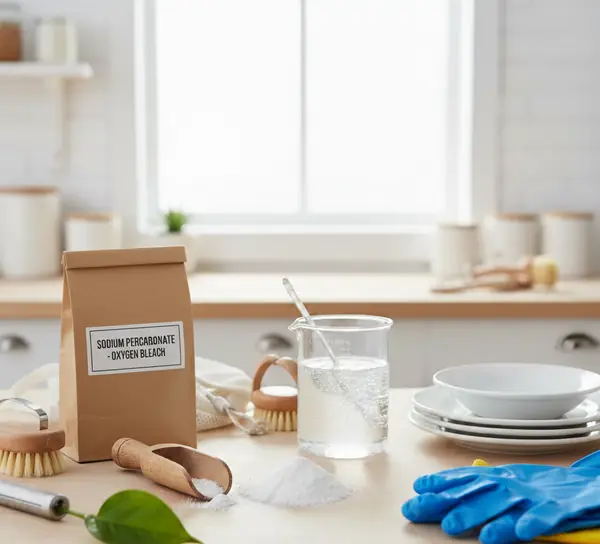
Where does Stain Remover Powder fit into the ongoing quest for a truly clean and stain-free home? The market is flooded with a dazzling array of specialized sprays, gels, and liquids, each promising miraculous results on a specific type of dirt. Yet, hidden among these is a simple, unassuming, and incredibly powerful tool that often gets overlooked: the stain remover powder. This is not just another detergent booster; it is a versatile cleaning agent whose power is rooted in basic, yet potent, chemistry. Often marketed as “oxygen bleach,” this granulated powder is a secret weapon that can whiten, brighten, and eliminate a vast range of stubborn organic stains from fabrics and surfaces throughout the home, all without the harsh, corrosive nature of traditional chlorine bleach. Sodium Percarbonate The magic of a quality stain remover powder lies almost entirely in one key ingredient: sodium percarbonate. In its dry, powdered form, this compound is a stable and inert adduct of sodium carbonate and hydrogen peroxide. The wonder begins when it is introduced to water, particularly hot water. The heat and moisture act as a catalyst, breaking the sodium percarbonate down into its two core components. The first, sodium carbonate, also known as washing soda, is a powerful cleaning agent in its own right, softening the water and helping to break down grease and oils. The second, hydrogen peroxide, is where the true stain-fighting power is unleashed. The hydrogen peroxide works as a powerful oxidizer. This means it chemically breaks down the chromophores—the parts of a molecule that give a stain its color. The oxidation process effectively dismantles the stain molecule, rendering it colorless and allowing it to be easily washed away. This is a fundamentally different and gentler process than that of chlorine bleach, which can be harsh on fabric fibers and is only safe for whites. Oxygen bleach, by contrast, is color-safe on most washable fabrics, making it an incredibly versatile tool. Laundry Room The most celebrated application for stain remover powder is, without a doubt, in the laundry room. It is a true champion for restoring dingy whites, brightening light-colored fabrics that have become dull, and removing a formidable list of stubborn organic stains. For a general whitening and brightening boost to a whole load, you can simply add one to two scoops of the powder directly to the drum of your washing machine along with your regular detergent. For this method to be most effective, you must use a warm or, preferably, a hot water cycle. The heat is essential for fully activating the compound and ensuring the maximum amount of oxygen is released to work on your laundry. This is an excellent way to maintain the brightness of bed sheets, bath towels, and white t-shirts. Pre-Soak Method However, to witness the true, transformative power of stain remover powder, the pre-soak method is unparalleled. This is where the quiet chemistry of oxygen bleach is given the time it needs to perform miracles. This method is the ultimate solution for deeply set-in stains from coffee, tea, red wine, grass, juice, and even old, yellowed stains on vintage linens. To create a pre-soak, dissolve two to four tablespoons of the powder for every gallon of the hottest water the fabric can safely tolerate. It is crucial to dissolve the powder completely in the hot water before adding the garment to ensure even distribution of the cleaning agent. Submerge the stained item entirely in this solution and let it soak. The required dwell time is the key to success. This is not a quick process. A soak can range from one hour for lighter stains to a full eight hours, or even overnight, for deeply set-in, stubborn stains. You will often see the water change color as the stain is literally lifted from the fabric fibers. After the soak, simply remove the garment, wring it out gently, and launder it as you normally would. This method is incredibly effective for rescuing stained baby clothes, yellowed pillowcases, and hopelessly grimy dish towels, restoring them to a brightness that regular washing alone cannot achieve. Ceramic Mugs, Teacups, and Coffee Carafes The wonders of stain remover powder extend far beyond the laundry room and into the kitchen, where it can tackle a host of stained and grimy surfaces. One of its most satisfying uses is on ceramic mugs, teacups, and coffee carafes that have developed a stubborn brown film from tannins. To restore them, place one to two teaspoons of the powder in the bottom of the stained vessel, then carefully fill it with boiling water. The solution will begin to fizz gently as the oxygen is released. Let it sit for at least thirty minutes. When you pour it out, the brown stains will have vanished, revealing a sparkling clean interior with absolutely no scrubbing required. Cutting Boards This same principle can be applied to other challenging kitchen items. Stained plastic cutting boards can be revived by making a thick paste of the powder and a little hot water. Scrub this paste into the surface, let it sit for twenty minutes, and then rinse it clean. It will lift stains from things like berries and tomato sauce while also deodorizing the board. For burnt-on food on stainless steel or ceramic bakeware, a long soak is the answer. Place the dish in a sink, sprinkle it liberally with the powder, and carefully fill it with boiling water. Let it soak for several hours, and the carbonized food that once required intense scraping will soften and lift away with ease. Bathroom In the bathroom, stain remover powder is an excellent tool for deep cleaning discolored tile grout. Grout, being porous, easily absorbs soap scum, dirt, and mildew. To clean it, create a thick paste of the powder and hot water. Apply this paste directly to the grout lines with an old toothbrush or a small brush. Let it sit and work its magic for at least thirty minutes, keeping it moist by occasionally spritzing it

7 Amazing Uses for Stain Remover Powder You Need to Know Read More »

White Sneakers, Suede and Leather Shoes

White Sneakers, Suede and Leather Shoes: A Comprehensive Cleaning Guide

Suede shoes, white sneakers, and leather shoes are more than just a functional item; they are a style statement, an investment, and a piece of equipment that withstands the daily battle against the elements. Over time, that box-fresh brilliance inevitably fades, replaced by a grimy film of road dust, mud splatters, and the general wear and tear of life. Cleaning your shoes is not just about restoring their cosmetic appeal; it is a crucial act of maintenance that preserves the integrity of the materials, extends their lifespan, and ensures they remain comfortable and hygienic. However, shoes are complex objects, constructed from a variety of delicate and durable materials. A one-size-fits-all approach to cleaning is a recipe for disaster, as a method that restores a pair of leather loafers could permanently ruin a pair of suede boots. White Sneakers The undisputed champion of high-maintenance footwear is the classic white sneaker. Whether crafted from canvas or synthetic leather, white sneakers are magnets for every speck of dirt, grass stain, and scuff mark. The first and most damaging mistake people make is tossing them into the washing machine. This aggressive method can deform the shoe’s supportive structure, weaken the delicate uppers, and, most critically, damage the specialized foam midsoles and the adhesives that hold the shoe together. The correct approach is a patient, hands-on, multi-step process. 1. Separate the Components Before any water is introduced, you must deconstruct and dry-prep the shoe. Remove the laces and the insoles completely. These components must be cleaned separately. Using a dry, soft-bristled brush, thoroughly brush the entire shoe to remove any loose, caked-on dirt and dust. This dry-brushing phase is essential, as it prevents you from turning loose dirt into mud when you start the wet cleaning. 2. Insoles Next, address the components. The insoles are a primary source of odor, as they absorb the most sweat. Scrub them on both sides with a brush and a mild solution of warm water and a few drops of gentle dish soap. Rinse them thoroughly and set them aside to air dry completely. For the laces, submerge them in the same soapy solution and let them soak. After a while, you can rub them between your hands or scrub them with a brush to work out the grime before rinsing them clean. 3.Canvas or Synthetic Leather Now, turn to the shoe itself. For the uppers, the technique depends on the material. If they are canvas, use a soft brush or a cloth dipped in your mild soapy solution to gently scrub the fabric in small, circular motions. For synthetic leather, a soft cloth is preferable to a brush to avoid scratching the surface. For stubborn scuffs on the smooth, non-fabric parts of the upper and especially on the white rubber or foam midsole, a melamine foam eraser is a true miracle worker. When lightly dampened, it can gently abrade away scuff marks and grass stains with minimal effort. This is often the secret to restoring the brilliant white of the soles. Use a stiffer brush for the durable rubber outsoles to scrub the dirt from the treads. 4.White Canvas For exceptionally dirty white canvas, you can create a more powerful cleaning paste. Mix equal parts baking soda and a gentle detergent with a little water to form a thick paste. Scrub this into the canvas with a toothbrush, let it sit for about twenty minutes, and then rinse it clean by blotting with a damp cloth. Another effective whitening technique for canvas is to create a paste of baking soda and hydrogen peroxide. Apply this to the shoes, and then place them in direct sunlight for a few hours. The combination of the peroxide and the sun’s UV rays has a powerful natural bleaching effect. 5. Drying The final and most critical phase is drying. Never place your sneakers in a clothes dryer or near a direct heat source like a radiator. The intense heat will warp the shoe, shrink the materials, and melt the glue. The proper method is to let them air dry slowly in a well-ventilated area, away from direct sunlight which can cause yellowing on some materials. To speed up the process and, crucially, to help the shoes maintain their shape, stuff them tightly with crumpled-up newspaper or absorbent paper towels. This will wick the moisture out from the inside. Replace the paper every few hours until the shoes are completely dry, which can take up to 24 hours. Suede and Nubuck Moving from the durable to the delicate, we encounter suede and nubuck. These materials are famous for their soft, velvety texture, and infamous for their vulnerability to water. Water is the primary enemy of suede. It can flatten the delicate nap of the material and leave permanent, dark water spots. Therefore, the cleaning process for suede must be almost entirely dry. The essential tools are a dedicated suede brush, which typically has soft nylon or brass bristles on one side and a rubber crepe on the other, and a suede eraser. 1. Brush Begin by using the bristled side of the suede brush to gently brush the entire surface of the shoe. It is crucial to brush in a single, consistent direction. This will lift away the surface-level dirt and dust and begin to restore the nap. For more specific scuffs and stains, use the suede eraser. Rub the eraser firmly over the mark, and its crumbly, grippy texture will grab onto the embedded dirt and lift it out of the suede’s fibers. After using the eraser, brush the area again to remove the eraser residue and even out the nap. 2. Grease or Oil For tougher stains, such as a grease or oil spot, do not apply water. Instead, your tool is an absorbent powder like cornstarch or talcum powder. Liberally cover the fresh stain with the powder and let it sit for several hours, or even overnight. The powder will slowly draw the oil out of the suede. After

White Sneakers, Suede and Leather Shoes: A Comprehensive Cleaning Guide Read More »

Sodium Percarbonate

6 Genius Ways to Use Sodium Percarbonate in Your Cleaning Routine

What is Sodium Percarbonate? In the realm of household cleaning, there exists a quiet, unassuming white powder that possesses a truly remarkable power to whiten, brighten, and remove stubborn organic stains. It is not chlorine bleach, with its harsh, corrosive nature and toxic fumes. It is sodium percarbonate, a compound that, when introduced to water, performs a simple and elegant act of chemistry, releasing the cleaning and brightening power of oxygen. This is the ingredient behind the products often marketed as “oxygen bleach,” and understanding its properties unlocks a versatile, effective, and significantly safer way to tackle some of the most persistent cleaning challenges in a home. What is Sodium Percarbonate? At its core, sodium percarbonate is a solid, granulated form of hydrogen peroxide, stabilized with sodium carbonate, also known as soda ash or washing soda. In its dry, powdered state, it is completely inert. The magic begins when it is dissolved in water, particularly hot water. The heat and moisture act as a catalyst, breaking the compound down into its two components: hydrogen peroxide and sodium carbonate. The sodium carbonate is a powerful water softener and cleaning agent in its own right, helping to break down grease and oils. The hydrogen peroxide is where the “oxygen bleach” action comes from. It works as a powerful oxidizer. This means it chemically breaks down the molecules that give organic stains—like coffee, tea, red wine, grass, and blood—their color, effectively making them colorless and allowing them to be easily washed away. Unlike chlorine bleach, which can damage fabric fibers and cause yellowing over time, this process is far gentler on most textiles while being incredibly tough on stains. 1.Whitening The most common and celebrated application for sodium percarbonate is in the laundry room. It is a true champion for restoring dingy whites and brightening light-colored fabrics that have become dull and lifeless. For a general whitening and brightening boost, you can simply add two to three tablespoons of the powder directly to the drum of your washing machine along with your regular detergent. For this method to be most effective, you must use a warm or, preferably, hot water cycle. The heat is essential for fully activating the compound and releasing the maximum amount of oxygen. 2.Stubborn Stain For more targeted and stubborn stain removal, the pre-soak method is unparalleled. This is where the true power of oxygen bleach is revealed. To pre-soak a stained garment, dissolve one to two tablespoons of sodium percarbonate for every gallon of the hottest water the fabric can safely tolerate. It is crucial to dissolve the powder completely in the hot water before adding the garment. Submerge the stained item in this solution and let it soak. The required dwell time can range from one hour for lighter stains to a full eight hours, or even overnight, for deeply set-in, stubborn stains. You will often see the water change color as the stain is lifted from the fabric. After the soak, simply remove the garment, wring it out gently, and launder it as you normally would. This method is incredibly effective for rescuing stained baby clothes, yellowed pillowcases, and dingy dish towels, restoring them to a brightness that regular washing alone cannot achieve. 3.Ceramic and Teacups The wonders of sodium percarbonate extend far beyond the laundry room and into the kitchen, where it can tackle a host of stained and grimy surfaces. One of its most satisfying uses is on ceramic mugs and teacups that have developed a stubborn brown film from years of coffee and tea. To restore them, place one to two teaspoons of the powder in the bottom of the stained mug, then carefully fill it with boiling water. The solution will begin to fizz gently as the oxygen is released. Let it sit for at least thirty minutes. When you pour it out, the brown stains will have vanished, leaving the interior sparkling clean with no scrubbing required. 4.Kitchen Items This same principle can be applied to other kitchen items. Stained plastic cutting boards can be revived by making a paste of sodium percarbonate and a little hot water. Scrub this paste into the surface, let it sit for twenty minutes, and then rinse it clean. It will lift stains from things like berries and tomato sauce while also deodorizing the board. For burnt-on food on stainless steel or ceramic bakeware, a long soak is the answer. Place the dish in a sink, sprinkle it liberally with the powder, and carefully fill it with boiling water. Let it soak for several hours, and the carbonized food that once required intense scraping will soften and lift away with ease. It can also be used to clean and de-gunk the inside of a stained thermos or coffee carafe, following the same soak-and-rinse method as for mugs. 5.Tile Grout In the bathroom, sodium percarbonate is an excellent tool for deep cleaning tile grout. Grout, being porous, easily absorbs soap scum, dirt, and mildew, leading to discoloration. To clean it, create a thick paste of sodium percarbonate and hot water. Apply this paste directly to the grout lines with an old toothbrush or a small brush. Let it sit and work for at least thirty minutes, keeping it moist by occasionally spritzing it with a little water if needed. After the dwell time, scrub the grout lines vigorously with the brush and then rinse the entire area thoroughly with clean water. The oxidizing action will lift the grime from the pores of the grout, leaving it visibly lighter and cleaner. This method is also fantastic for cleaning and whitening shower curtains that have developed mildew spots. A long soak in a hot solution of sodium percarbonate in a tub or large basin can restore them completely. 6.Mildew, Moss, and Algae The power of this compound is not confined to the indoors. It is a highly effective and environmentally friendly cleaner for outdoor surfaces as well, particularly for removing mildew, moss, and algae from wooden decks,

6 Genius Ways to Use Sodium Percarbonate in Your Cleaning Routine Read More »

hot water for cleaning

A Water Temperature Guide: Never Wash These 7 Things in Hot Water

Water temperature is one of the most powerful variables in any cleaning process, acting as a silent catalyst that can either make a task infinitely easier or cause irreversible damage. In both laundry and household cleaning, the choice between hot, warm, and cold water is often made out of habit rather than a deliberate understanding of the science involved. Hot water is frequently associated with a superior clean, credited with the ability to dissolve grease, kill bacteria, and blast away stubborn grime. While this is true in many scenarios, heat is also a highly reactive force that can set stains permanently, shrink delicate fabrics, warp plastics, and ruin expensive flooring. Mastering the proper application of hot water requires understanding the chemical and physical properties of the materials you are cleaning, ensuring you harness the power of heat effectively without causing harm. Aggressive To understand what can and cannot be washed with hot water, it is helpful to look at the molecular level. Hot water possesses significantly more kinetic energy than cold water. Its molecules are moving faster and more aggressively, which allows it to more effectively agitate and break down the bonds holding dirt and oils to a surface. Heat acts as a solvent accelerator, increasing the rate at which detergents dissolve and chemical reactions take place. This increased energy is what makes so effective at melting fats and oils, which is a cornerstone of cleaning in the kitchen and on heavily soiled fabrics. However, this same energy can be too aggressive for materials with weaker structures or those that are sensitive to temperature shifts. Let us first examine the world of laundry, where the question of water temperature is most frequently asked and where the consequences of a mistake are most visible. There is a specific category of items and stains where hot water is not only safe but is the absolute best choice for achieving a hygienic, thorough clean. Heavily soiled white fabrics made from durable natural fibers like cotton and linen are the prime candidates for hot water washing. This includes bed sheets, bath towels, kitchen dishcloths, and durable white undergarments. These items are in constant contact with our bodies, absorbing sweat, dead skin cells, and body oils, or in the case of kitchen cloths, food residue and grease. Typically defined as sixty degrees Celsius or one hundred and forty degrees Fahrenheit, is necessary to effectively melt and wash away these heavy organic oils. Sanitization Furthermore, hot water at this temperature is required for sanitization. It is the only temperature high enough to effectively kill dust mites, which thrive in bedding, and to neutralize many common bacteria and viruses. If someone in your household has been sick, washing their bedding, towels, and clothing in hot water is a crucial step in preventing the spread of illness. The heat provides a level of disinfection that cold or even warm water simply cannot achieve, ensuring that these high-contact items are truly safe and hygienic to use again. However, the list of items that cannot, and should not, be washed with hot water in the laundry room is extensive and requires careful attention. The most notorious victim is wool. Wool fibers are made of protein and possess a microscopic structure of overlapping scales, similar to the scales on a human hair or a pinecone. When wool is subjected to hot water and the mechanical agitation of a washing machine, these scales open up and become interlocked with one another. This process, known as felting, causes the fabric to shrink dramatically and become dense, stiff, and coarse. Once a wool garment has felted and shrunk in hot water, the process is largely irreversible, and the garment is ruined. For this reason, wool, as well as other delicate animal fibers like cashmere and mohair, must always be washed in cool or cold water with minimal agitation. Silk is another delicate natural protein fiber that is highly sensitive to heat. Hot water can dull the natural sheen of silk, weaken the fibers making them prone to tearing, and cause the fabric to lose its soft, smooth texture. Silk should always be treated with the utmost gentleness, washed by hand or on a delicate cycle in cold water with a specialized, gentle detergent. Synthetic Fabrics Moving to synthetic fabrics, hot water poses a different set of problems. Many modern clothes contain elastic fibers like spandex or elastane to provide stretch and comfort, found in everything from athletic wear and leggings to the waistbands of underwear and socks. Heat is the ultimate enemy of elastic. Washing these items in hot water, or drying them on high heat, causes the elastic polymers to break down and become brittle. Over time, the garments will lose their stretch, become misshapen, and effectively wear out long before their time. To preserve the fit and longevity of your activewear and any garment with stretch, cold water is always the recommended choice. Similarly, many synthetic fabrics like polyester and nylon can be sensitive to high heat. While they are more durable than wool or silk, hot water can cause these fabrics to develop permanent wrinkles, can weaken the fibers, and can contribute to the accumulation of static electricity. More importantly, hot water is the primary cause of color bleeding in laundry. The heat opens up the fibers of the fabric, allowing the dyes to escape into the wash water, leading to faded clothes and the dreaded accidental dyeing of other items in the load. To keep your brights bright and your darks dark, washing in cold water is the most effective strategy, as it keeps the fabric fibers closed and the dyes locked inside. Protein-Based Stains The rules for hot water in the laundry are dictated not just by the fabric type, but also by the nature of the stain you are trying to remove. This is where the most common mistakes are made. Hot water is catastrophic for protein-based stains. This category includes some of the most common household

A Water Temperature Guide: Never Wash These 7 Things in Hot Water Read More »

different types of erasers

Erasers in Cleaning: 7 Genius Tricks for Cleaning Your Home with an Eraser

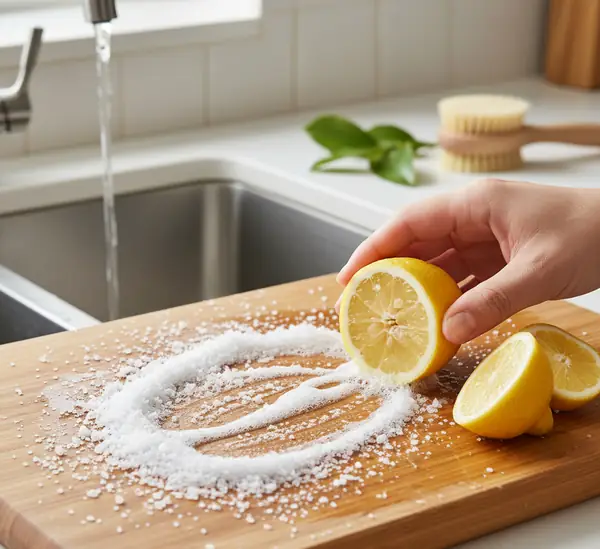
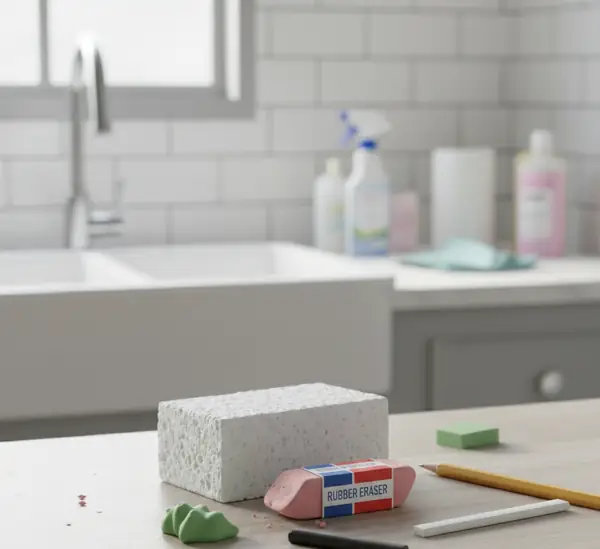
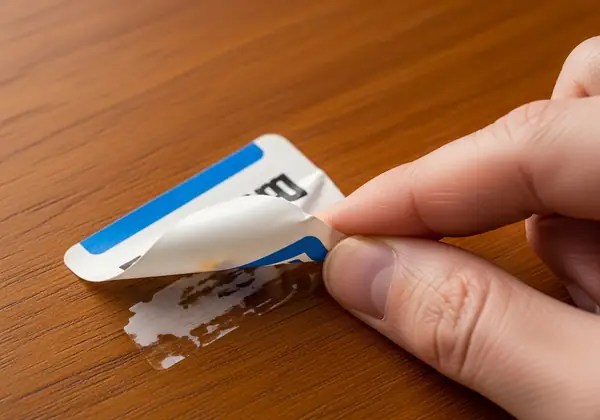
Where does eraser fit into this? In the vast world of cleaning materials, filled with specialized sprays, powerful scrubs, and high-tech gadgets, one of the most effective and precise tools is often overlooked, relegated to the pencil case or a dusty desk drawer: the simple eraser. This humble instrument, designed to lift graphite from paper, possesses a unique set of properties that make it a surprisingly versatile and powerful secret weapon for tackling some of the most frustratingly stubborn messes around the home. The wonder of the eraser lies not in brute force, but in its gentle, targeted friction, allowing for a level of control and precision that larger tools simply cannot match. Melamine Foam Eraser The most famous and transformative of these tools is, of course, the melamine foam eraser, more commonly known by its brand name, the Magic Eraser. While it shares a name and function with its rubber counterparts, it is a completely different entity. A melamine foam eraser is not a chemical cleaner; it is a micro-abrasive. The foam itself is a unique, open-cell structure that, when wet, becomes as hard as glass on a microscopic level. It acts like an incredibly fine-grained sandpaper, gently abrading and lifting away surface-level grime and stains. This is the secret to its seemingly magical ability to remove marks that soaps and sprays cannot touch. Its most celebrated use is on painted walls and baseboards. The inevitable scuff marks from shoes, furniture, and daily traffic can make an otherwise clean room look tired and worn. Instead of resorting to touch-up paint, a dampened melamine foam eraser can lift these marks with astonishing ease. The process is simple: lightly wet the eraser and squeeze out all the excess water. The eraser should be damp, not dripping. Then, with very gentle pressure, rub the scuff mark. The mark will literally disappear as the micro-abrasive action lifts the transferred color from the surface of the paint. It is crucial to use light pressure, as scrubbing too hard can begin to remove the paint finish itself, leaving a burnished or dulled patch, especially on glossy or satin paints. This tool is also a parent’s best friend, capable of removing crayon, pencil, and some types of ink marker from walls with the same gentle rubbing motion. The power of melamine foam extends far beyond walls. In the kitchen, it can cut through the thin, sticky film of aerosolized cooking grease that builds up on stovetops and range hoods. It is incredibly effective at removing stubborn, baked-on tea and coffee stains from the inside of ceramic mugs, restoring them to their original pristine white. It can even be used to lift burnt-on food residue from glass bakeware and oven doors. In the bathroom, it is a champion against soap scum, scrubbing away the waxy, cloudy buildup from glass shower doors, tile, and fiberglass tubs where other cleaners have failed. It can even be used to restore the white grout between tiles, lifting the embedded grime with targeted scrubbing. The eraser’s ability to conform to surfaces and get into corners makes it a more effective tool than a simple cloth or sponge for these specific tasks. However, because it is an abrasive, it is critical to know where not to use a melamine foam eraser. You should never use it on delicate, high-gloss surfaces like a car’s paint finish, polished wood furniture, or natural stone countertops like marble and granite, as it can create microscopic scratches that will permanently dull the finish. Always test it on a small, inconspicuous area first if you are unsure. Traditional Rubber While melamine foam is the superstar, the traditional rubber or vinyl eraser—specifically a high-quality white vinyl one—has its own unique and surprising set of cleaning superpowers. Its magic lies not in abrasion, but in its “grippy,” slightly tacky texture. This property makes it the perfect tool for removing one of the most annoying household messes: sticky adhesive residue. After peeling a price tag or label off a new piece of glassware, a book cover, or a plastic item, you are often left with a stubborn, gummy residue that smears when you try to wipe it. A white vinyl eraser works wonders here. By rubbing the eraser over the adhesive, its rubbery texture grabs onto the sticky residue, causing it to ball up and lift cleanly from the surface. Keep rubbing, and the adhesive will roll itself into little clumps that can be brushed away, leaving a clean, non-sticky surface behind without the need for oily solvents. This same principle allows a classic eraser to clean other delicate surfaces. It can be used to lift dirt and scuffs from patent leather shoes and handbags without scratching the high-gloss finish. For suede and nubuck, a special suede eraser or a clean art gum eraser is a classic shoe care tool. Its crumbly texture gently lifts dirt out of the fine nap of the material without the use of water, which would stain and flatten the suede. An eraser can even be used for light cleaning on non-precious metals, lifting grime from the surface of hardware or decorative items. The friction and the grabbing power of the rubber can remove surface-level dirt and smudges from things like brass doorknobs or silver-plated picture frames. The Small Eraser At the end, we must not forget the most precise tool of all: the small eraser on the end of a pencil. Its tiny size makes it perfect for detailed cleaning in areas that are otherwise impossible to reach. It can be used to clean the accumulated grime from the crevices of intricate jewelry or around the clasps of a watch band. It is the perfect shape for getting into the tight corners of window tracks or for cleaning the gunk that builds up around the base of a kitchen or bathroom faucet. The pencil tip provides a level of targeted control that allows you to apply pressure to a very specific, small point, lifting a

Erasers in Cleaning: 7 Genius Tricks for Cleaning Your Home with an Eraser Read More »

The Best Mop for Every Floor Type: A Complete Guide

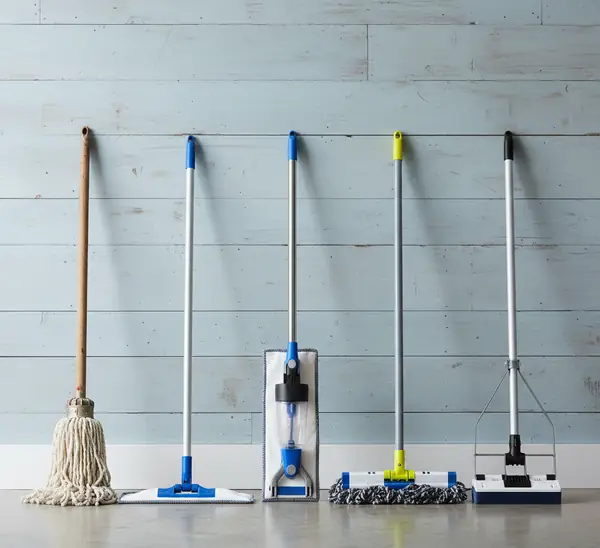
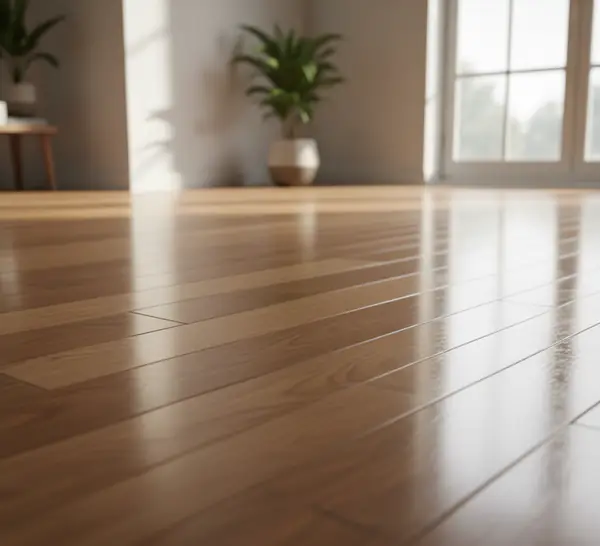
Choosing the right mop is one of the most fundamental yet frequently overlooked aspects of effective home cleaning. The modern home is a complex landscape of different floor types, each with its own unique needs and vulnerabilities. Using a one-size-fits-all approach—the same string mop for every surface—is an outdated strategy that can lead to frustration, subpar results, and even permanent damage to your flooring. The secret to achieving a truly deep and lasting clean lies in understanding that a mop is not just a mop; it is a specialized tool. Matching the right tool to the right surface transforms mopping from a dreaded chore into a satisfying and efficient process. Ceramic, porcelain, vinyl and Linoleum Let us begin in the most demanding areas of the home: the kitchen and the bathrooms. These high-traffic zones are subject to a unique and challenging combination of messes. The floors, typically durable and water-resistant materials like ceramic tile, porcelain, vinyl, or linoleum, must endure everything from greasy cooking splatters and sticky food spills to soap scum, water spots, and the need for thorough disinfection. For these environments, the spin mop is an unparalleled champion. Its genius lies in its two-part bucket system, which features a built-in spinning mechanism, often operated by a foot pedal. This system gives you absolute control over the moisture level of the mop head. For a tough, sticky mess on a tile floor, you can leave the microfiber head quite wet to dissolve the grime. For a quick daily clean or for a final pass, you can spin it until it is nearly dry, preventing excess water from sitting on grout lines. The fluffy, absorbent microfiber heads are excellent at lifting and trapping both dirt and grease, and the round shape is surprisingly adept at getting into corners and navigating around the base of a toilet. A spin provides the perfect balance of scrubbing power and moisture control needed for these resilient but demanding floors. Steam When the goal in the kitchen or bathroom shifts from simple cleaning to deep sanitation, the steam takes center stage. This tool is a chemical-free powerhouse, using high-temperature steam to kill 99.9% of germs and bacteria, including E. coli and Salmonella. It is incredibly effective at breaking down stubborn, stuck-on grime and can even loosen dirt from deep within textured tile and grout lines without any harsh chemicals. The intense heat dissolves greasy residue and sticky soap scum with ease. However, the steam comes with a critical caveat: it should only be used on completely sealed, durable hard floors. The high heat and moisture can be catastrophic for unsealed surfaces like natural stone, unsealed grout, and, most importantly, any type of wood or laminate flooring, as it can cause warping, swelling, and permanent damage to the finish. For the right surface, though, a steam mop provides a level of hygienic clean that is difficult to achieve otherwise. Hardwood Floors Moving into the main living areas and bedrooms, we often encounter the most beautiful and most delicate of floor types: hardwood. Wood is a natural, porous material, and its greatest enemy is water. Excessive moisture can cause the boards to swell, warp, cup, and can permanently damage the finish, leading to costly repairs. For hardwood floors, the cleaning philosophy must be one of minimal moisture and gentle care. The ideal tool for this task is the flat microfiber mop. This simple, elegant tool is arguably the most versatile mop in any cleaning arsenal. Its primary advantage for hardwood is its ability to be used almost dry. For daily maintenance, a dry microfiber mop pad is the best tool for dusting your floors, as its natural static charge acts like a magnet for dust, pet hair, and allergens, trapping them far more effectively than a traditional broom. When it comes to wet cleaning hardwood, the key word is “damp.” You never want the floor to be visibly wet. The proper technique is to have two microfiber mop pads. Lightly dampen one pad by spritzing it with a pH-neutral wood floor cleaner—never spray the cleaner directly onto the floor itself. The pad should be just moist enough to wipe away smudges and dirt without leaving any significant moisture behind. Mop a small section of the floor, and then immediately go over it with the second, completely dry mop pad to buff the floor and pick up any residual moisture. This two-step, damp-then-dry method is the safest and most effective way to protect your investment and keep your hardwood floors gleaming. A close cousin to the flat mop, and another excellent choice for hardwood, is the spray mop. This tool offers the ultimate in convenience and moisture control. It features a built-in reservoir for cleaning solution and a trigger on the handle that emits a fine, controlled mist directly onto the floor in front of the mop head. This ensures you are using the absolute minimum amount of liquid necessary to clean, preventing any risk of oversaturation. A spray mop is perfect for quick cleanups of spills and for routine maintenance, making it easy to keep hardwood floors looking their best without the hassle of a bucket. Cleaning Laminate and Luxury Vinyl The challenges of cleaning laminate and luxury vinyl tile (LVT) floors are similar to those of hardwood, though these materials are generally more durable. The main vulnerability of laminate is its seams. If excess water is allowed to seep between the planks, it can cause the fiberboard core to swell and the edges to peel, resulting in irreversible damage. Luxury vinyl is more water-resistant but can still show streaks easily if too much cleaner or water is used. For both of these popular flooring types, the flat microfiber mop and the spray mop are once again the ideal choices. Their ability to clean effectively with minimal moisture is paramount. Using a clean, damp microfiber pad will lift dirt and grime without flooding the seams, and it is the key to achieving a beautiful, streak-free finish.

The Best Mop for Every Floor Type: A Complete Guide Read More »