Laundry

How to Clean a Front-Loading Washing Machine: A Step-by-Step Guide

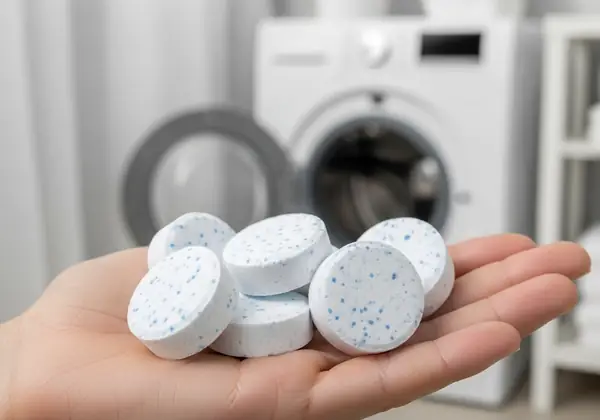
A front-loading washing machine is a marvel of efficiency, using less water and energy to deliver a superior clean. However, this same high-efficiency design creates a unique and persistent challenge: the tendency to develop a musty, mildewy odor. The airtight seal of the door, while essential for preventing leaks during a cycle, also traps moisture inside the machine, creating the perfect dark, damp environment for mold and bacteria to thrive. Keeping your front-loader smelling fresh and performing at its best requires a regular, methodical cleaning routine that addresses the hidden areas where this grime accumulates. The Most Critical Area The most critical area, and the primary source of odors, is the thick rubber gasket that forms the seal around the door. After every wash, water, soap residue, lint, and hair become trapped in its deep folds. Over time, this mixture congeals into a slimy, often black, buildup of mildew. The first step in any deep clean is to confront this gasket. Begin by gently pulling back the gray rubber seal to expose the crevice between it and the drum. Using a cloth or sponge dampened with a solution of equal parts white vinegar and water, thoroughly wipe out the entire interior of the gasket. You will likely be appalled at the amount of black gunk that comes away. For stubborn, set-in mildew spots, you may need to use a more potent cleaner. A cloth dipped in a diluted bleach solution (one part bleach to ten parts water) or hydrogen peroxide will be more effective at killing the mold spores. Use an old toothbrush to scrub deep into the crevices and under the lip of the seal where grime loves to hide. Once you have scrubbed the entire gasket clean, it is essential to wipe it completely dry with a clean cloth. Leaving it wet will only invite the mildew to return immediately. With the gasket clean, the next target is the wash drum itself. Even though it is constantly sloshed with soap and water, the drum can develop a buildup of soap scum and hard water mineral deposits. This film can trap bacteria and contribute to odors, and can even redeposit grime onto your “clean” clothes. The easiest way to clean the drum is to use the dedicated “Tub Clean” or “Self Clean” cycle that most modern machines feature. If your machine has this option, simply follow the manufacturer’s instructions, which may involve adding a specific cleaning tablet or liquid. Manual Cleaning If your machine lacks a self-cleaning cycle, you can perform a highly effective manual version using simple household products. This is a two-step process. The first step uses vinegar to dissolve mineral buildup and soap scum. Pour two full cups of plain white vinegar directly into the detergent dispenser drawer. Do not add any laundry or detergent. Select the longest, hottest wash cycle available on your machine and let it run to completion. The hot water and the mild acidity of the vinegar will work to strip away the scale and residue from the drum and the internal hoses. Disinfection The second step is for disinfection. It is crucial to note that you must never mix vinegar and bleach, as this creates toxic chlorine gas. After the hot vinegar cycle is completely finished and the machine is empty, you can proceed. For a deep sanitization that will kill any lingering mold or mildew spores, pour two cups of chlorine bleach into the dispenser drawer. Again, run the longest, hottest cycle available. This will thoroughly disinfect the interior of your machine, eliminating any remaining bacteria. If you are hesitant to use bleach, a half-cup of baking soda can be used as a gentler alternative, which will help to scrub the drum and neutralize odors. Once this second cycle is finished, open the door and let the drum air dry completely. The detergent dispenser drawer is another often-overlooked source of buildup. Over time, powdered detergent can cake into a solid mass, and liquid fabric softener can congeal into a thick, blue sludge that can harbor mold. Most front-loader dispenser drawers are designed to be removed for cleaning. Look for a small tab or button, often labeled “Push,” in the softener compartment. Pressing this will release the drawer, allowing you to slide it out completely. Take the drawer to a sink and soak it in hot, soapy water to loosen the residue. Use a bottle brush or an old toothbrush to scrub out every compartment, ensuring you remove all the caked-on gunk. While the drawer is soaking, take a damp cloth and wipe out the empty cavity in the machine where the drawer sits, as this area is also prone to mold growth. Rinse the drawer thoroughly and let it dry completely before reinserting it into the machine. Filter Cleaning One of the most important but least-known maintenance tasks for a front-loader is cleaning the drain pump filter. This small trap is designed to catch foreign objects like coins, buttons, hairpins, and excess lint before they can reach and damage the machine’s pump. If this filter becomes clogged, it can cause the machine to drain slowly, leave clothes excessively wet, and create foul odors from the stagnant, trapped water. The filter is typically located behind a small hinged door on the bottom front corner of the machine. Before you open it, be prepared. There will be water. Place a shallow pan or a thick towel directly under the access door. Slowly unscrew the filter plug, turning it counter-clockwise. Water will begin to trickle out. Once it has drained, you can fully remove the filter. You will likely find a surprising and unpleasant collection of debris. Rinse the filter thoroughly under running water, removing all the lint and any foreign objects. Before screwing it back in, use a paper towel to wipe out the filter housing. Reinsert the filter and screw it back in tightly to prevent leaks. With the interior components addressed, the final step is to clean the exterior.

How to Clean a Front-Loading Washing Machine: A Step-by-Step Guide Read More »

How to Clean a Sink Drain Without Using Harsh Chemicals

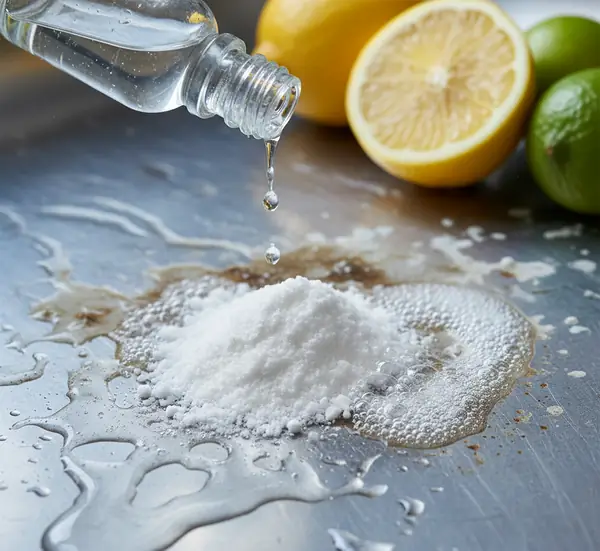
A sink drain is one of the hardest-working and least-appreciated fixtures in a home. Day after day, it dutifully swallows everything we send its way: soap scum, toothpaste, shaving cream, grease from cooking, and countless tiny food particles. Over time, this constant barrage takes its toll. The first sign of trouble is often subtle, a slight gurgle as the water slowly spirals away. Soon, you notice a persistent, unpleasant odor wafting up from the depths, a smell of decay and stagnant water. Eventually, the drain becomes fully clogged, turning your sink into a basin of murky, standing water. Cleaning a sink drain is not just a reactive task for when a clog occurs; it is a crucial act of preventative maintenance that preserves the health of your plumbing and the freshness of your home. Effective Ways 1. Hot Water The most effective approach to drain care begins with simple, regular maintenance designed to prevent major blockups. One of the easiest and most powerful preventative measures is a regular boiling water flush. At least once a week, boil a full kettle of water and pour it directly down the drain. The intense heat of the boiling water is incredibly effective at melting and dissolving the congealed grease, soap scum, and other fatty substances that are the primary culprits in building up slow-moving clogs. This simple act keeps the interior of your pipes clear, flushing away the sticky buildup before it has a chance to solidify and trap other debris. It is a thirty-second task that can save you from a major headache down the line. 2. Baking Soda and White Vinegar To address the common issue of drain odors, the classic combination of baking soda and white vinegar is a safe and remarkably effective solution. This method works through a simple acid-base chemical reaction that fizzes and scrubs the inside of the drain pipe, while also neutralizing the odor-causing bacteria that thrive in the dark, damp environment. Start by pouring about half a cup of dry baking soda directly into the drain opening. Follow this with an equal amount of plain white vinegar. The mixture will immediately begin to foam and bubble vigorously. This fizzing action is not just for show; it is actively working to dislodge small particles of grime and hair from the pipe walls. Place a drain stopper or a small cloth over the opening to contain the reaction within the pipe. Let this mixture work its magic for fifteen to thirty minutes. To finish, flush the drain thoroughly with another kettle of boiling water to wash away all the loosened debris and any remaining vinegar and baking soda. This process not only combats odors but also serves as a gentle cleaning that helps to keep drains flowing freely. Manual Removal When you are faced with a slow-moving drain that regular maintenance cannot resolve, it is time to escalate to a physical removal of the blockage. More often than not, the primary obstruction is located very close to the drain opening, caught on the mechanism of the stopper. Before reaching for any tools, you must first address this gatekeeper. For a bathroom sink with a pop-up stopper, look for the small metal rod that extends from the back of the drainpipe just below the sink. This is the pivot rod, and it is held in place by a retaining nut. Unscrew this nut, pull the rod out slightly, and you will be able to lift the stopper straight out of the drain opening. For kitchen sinks or other drains with lift-and-turn or push-and-pull stoppers, they can often be removed by unscrewing them counter-clockwise while holding the main body in place. Once the stopper is removed, you will likely be greeted by a disgusting but satisfying sight: a clump of hair, soap scum, and other gunk that was the main cause of your slow drain. Clean the stopper thoroughly before setting it aside. With the stopper removed, you can now access the top section of the drainpipe. A simple, inexpensive plastic tool known as a drain snake or zip-it tool is incredibly effective here. This is a long, thin, flexible strip of plastic with barbed, tooth-like edges. Simply feed the tool down into the drain as far as it will go, then slowly pull it back up. The barbs will snag onto the hair and grime, allowing you to pull up the blockage. You will likely need to repeat this process several times, wiping the tool clean after each pass. This physical removal of the clog is far more effective and safer for your pipes than any chemical solution. For the most stubborn clogs or as a part of a deep annual cleaning, you may need to address the P-trap. This is the U-shaped section of pipe located directly beneath your sink. Its clever design serves two critical functions: it holds a small amount of water at all times to create a seal that blocks unpleasant sewer gases from entering your home, and its curved shape makes it an effective trap for larger debris (or dropped rings), preventing clogs from forming deeper in your plumbing system. While cleaning the P-trap may seem intimidating, it is a straightforward task that most homeowners can handle. Before you begin, prepare the area. Place a bucket directly underneath the P-trap to catch the water and debris that will spill out. It is also wise to lay down some old towels to protect your cabinet floor. Wearing rubber gloves is highly recommended. The P-trap is connected to the vertical and horizontal pipes by two large slip nuts. These are often made of plastic and can usually be loosened by hand by turning them counter-clockwise. If they are too tight, a pair of channel-lock pliers can be used, but be careful not to apply too much force and crack the plastic. Loosen the nut on the vertical pipe first, then the one on the horizontal pipe. As you loosen the second nut, be prepared

How to Clean a Sink Drain Without Using Harsh Chemicals Read More »

beatiful wooden floor

Cleaning Hardwood Floors: Stop Scratching Your Wood Floors with These Essential Cleaning Habits

Hardwood floors represent a significant architectural and financial investment within a home. They provide an organic warmth and a timeless visual anchor that synthetic materials simply cannot replicate. However, this beauty is intrinsically tied to the biological reality of the material. Wood is a cellular, once-living entity that continues to respond dynamically to its environment long after it has been milled and installed. Furthermore, the surface that you walk on, clean, and interact with daily is rarely the raw wood itself. In contemporary flooring, it is almost exclusively a microscopic, transparent layer of polyurethane resin. This finish serves as a sacrificial shield, meticulously designed to absorb the intense friction of daily life and protect the highly vulnerable timber underneath. Understanding that your cleaning efforts are primarily directed at preserving this thin layer of plastic resin, rather than the wood itself, completely shifts the paradigm of floor maintenance. When the finish is preserved, the wood remains pristine; when the finish is compromised, the wood degrades rapidly and irreversibly. The Enemy 1. Silica, Sand, Dirt The most persistent, insidious enemy of this polyurethane finish is not the catastrophic spill or the heavy dropped object, but the invisible accumulation of dry grit. Every time a door opens, microscopic particles of silica, sand, dirt, and pavement dust are carried indoors by shoes, paws, and drafts. This debris settles onto the floorboards and acts with the exact same mechanical properties as low-grit sandpaper. When a foot presses down on a grain of sand and drags it even a fraction of an inch across the floor, it carves a microscopic trench into the finish. A single scratch is entirely invisible, but thousands of these micro-abrasions overlapping over months and years scatter the light that hits the floor. This light scattering is what creates the dull, cloudy appearance characteristic of high-traffic areas, transforming a glossy, luxurious floor into a matte, lifeless surface. 2.Brooms Therefore, the absolute foundation of hardwood maintenance is the relentless, daily removal of this dry, abrasive debris. Sweeping with a traditional bristle broom is highly inefficient for this specific task, as the stiff, thick bristles often flick the fine dust into the air, only for it to settle back onto the floor minutes later. A vacuum cleaner is far superior, but only if it is utilized correctly. The vacuum must be equipped with a specialized hard floor brush, and the rotating beater bar must be strictly disengaged. A spinning beater bar with stiff nylon bristles will continuously strike the floor, essentially beating the dirt into the finish and causing the exact mechanical scratching you are attempting to prevent. Alternatively, a wide, dry microfiber dust mop pushed in a continuous figure-eight motion traps the fine particulate matter using electrostatic attraction, lifting the grit safely away from the surface without requiring electricity or heavy machinery. 3.Water When dry removal is no longer sufficient and wet cleaning becomes necessary to address sticky spills, mud, or adhered biological matter, the homeowner faces the second major hazard: moisture. Wood is inherently hygroscopic. It possesses a cellular structure designed by nature to draw in and transport water. While the polyurethane finish provides a waterproof barrier on the top face of the planks, the microscopic seams between the boards, any deep scratches, and the unfinished undersides remain highly vulnerable entry points. Applying a traditional, saturated string mop to a hardwood floor is an unmitigated disaster. The excess water pools on the surface and inevitably seeps down into the joints through capillary action. Once the water breaches the surface, the wood fibers swell aggressively. Because the planks are installed tightly together, they have nowhere to expand but upward. The edges of the boards push against each other and buckle, creating a permanent, rippled distortion across the floor known as cupping. If the moisture intrusion is severe, the boards may crown in the center or buckle entirely, tearing free from the subfloor. Furthermore, trapped moisture sitting beneath the polyurethane layer breaks the chemical bond between the finish and the wood, causing the clear coat to peel, flake, and turn a milky white. Consequently, any wet cleaning must be executed as an exercise in extreme moderation. Mops The correct implement for washing hardwood floors is a flat microfiber mop system. Microfiber technology is fundamentally different from traditional cotton loops. The microscopic synthetic fibers are split during the manufacturing process, creating an immense surface area that traps dirt and absorbs liquid with extraordinary efficiency. This means a microfiber pad requires only a fraction of the water needed by a traditional mop to clean the exact same square footage. The mop pad should be dampened and wrung out with intense pressure until it is practically dry to the touch before it ever makes contact with the floor. The methodology of applying the cleaning solution is equally critical. You must never pour liquid directly onto a hardwood floor or use a bucket that encourages soaking the mop head. Instead, the cleaning solution should be lightly misted onto the floor using a spray bottle, targeting small, manageable sections of about four square feet at a time, or sprayed directly onto the microfiber pad itself. The ultimate metric of success in wet cleaning hardwood is the evaporation rate. The moisture left behind by the mop must evaporate entirely within sixty seconds. If the floor remains visibly wet and reflective for several minutes, the volume of liquid applied was dangerously high, and the risk of permanent structural damage increases exponentially. Cleaning Products The chemical composition of the cleaning solution is just as important as the mechanical application, and this is an area fraught with persistent, damaging myths. Perhaps the most widespread fallacy is the recommendation of a mixture of white vinegar and water as a safe, natural cleaner for hardwood floors. Vinegar is an aqueous solution of acetic acid. While it is highly effective at cutting through kitchen grease and dissolving mineral deposits on glass or ceramic tile, its acidity is fundamentally incompatible with polyurethane resins. Repeated exposure to

Cleaning Hardwood Floors: Stop Scratching Your Wood Floors with These Essential Cleaning Habits Read More »

Basic Things You Should Get Rid of at Home This Spring

Spring Declutter Checklist: 7 Basic Things You Should Get Rid of at Home This Spring

Spring Declutter Checklist to get you ready for this season, spring arrives with a specific, undeniable energy. It is a season defined by the return of light and the thawing of the earth, a biological signal for renewal that extends into our domestic lives. During the winter, our homes function as bunkers. We stockpile food, we layer ourselves in heavy textiles, and we accumulate items in a subconscious effort to create warmth and security against the cold. However, as the days lengthen and the sun begins to stream through the windows, that accumulated density shifts from being comforting to being suffocating. The light exposes the dust, the piles, and the excess. Spring cleaning is a time-honored tradition, but true restoration cannot begin with a mop or a vacuum. It must begin with subtraction. You cannot clean clutter. Trying to organize excess is a futile exercise in shuffling items from one pile to another. To truly embrace the season, one must engage in a ruthless, systematic purge of the items that have served their purpose and are now merely occupying valuable square footage and mental bandwidth. Entryway The most logical starting point for this seasonal excavation is the entryway, the transitional zone that has likely borne the brunt of winter’s logistical chaos. For months, this space has been a holding cell for bulky parkas, wool scarves, heavy boots, and the grit of road salt. As the temperature rises, the heavy winter gear becomes obsolete, yet it often lingers on hooks and racks well into May, creating a visual bottleneck every time you enter the house. The spring declutter demands a strict audit of this gear before it is packed away. Inspect every coat and pair of boots. If a zipper is broken, a sole is cracked, or a glove is missing its mate, it should not be stored. Storing broken items is simply deferring a decision until next November. Furthermore, the entryway often accumulates a sediment of “homeless” items—flyers, batteries, keys to unknown locks, and dried-out lip balms. Clearing these flat surfaces restores the flow of the home, allowing the energy of the new season to enter without obstruction. Wardrobe Moving from the door to the bedroom, the wardrobe presents the most significant psychological challenge. The “seasonal switch” is not just about moving wool sweaters to the top shelf and bringing linen shirts down; it is an opportunity to confront the reality of your lifestyle. We often hold onto clothes for the person we used to be or the person we aspire to be, rather than the person we are. As you handle each heavy winter garment, ask yourself if you actually wore it this season. If a sweater remained folded in the drawer through the coldest months of January and February, it is highly unlikely to be worn next year. It has become dead weight. Similarly, inspect your spring and summer wardrobe as you unpack it. Elastic degrades over time, and white fabrics often yellow in storage. There is no virtue in keeping a sundress that doesn’t fit or a t-shirt that is permanently stained. By culling the wardrobe now, you reduce the friction of getting dressed every morning, starting each day with a sense of abundance rather than scarcity. The Kitchen The kitchen, the engine room of the home, requires a forensic approach to decluttering, particularly within the pantry and the refrigerator. Winter is the season of comfort cooking and baking. We buy specific spices for holiday meals, bags of specialty flour for cookies, and jars of heavy sauces. By spring, many of these items are stale, expired, or simply forgotten in the dark recesses of the cupboards. An open bag of brown sugar that has turned into a rock, a jar of dried herbs that has lost all scent, or a bottle of festive sprinkles from three years ago are not assets; they are trash. They occupy space that could be used for fresh, seasonal ingredients. The refrigerator door is another common offender, often crowded with the dregs of condiments used for winter roasts. Clearing this space allows for better airflow and makes room for the lighter, fresher produce of spring. The plastic container drawer also demands attention. If a container has no matching lid, or if a lid has no matching bottom, it should be recycled immediately. The daily frustration of searching for a matching set is a micro-stressor that can be completely eliminated in ten minutes of sorting. Bathroom The bathroom medicine cabinet and vanity often escape scrutiny, yet they are repositories for expired chemistry. We tend to accumulate products in a linear fashion, buying new ones before finishing the old. Over the winter, you may have gathered half-empty bottles of heavy moisturizers, cold flu remedies, and chapsticks. Check the expiration dates on everything. Sunscreen from last summer has likely lost its efficacy and should be replaced. Mascara and liquid makeup harbor bacteria and have a short shelf life. Medications that have expired lose potency and can become chemically unstable. Disposing of these items safely clears the visual noise from your morning routine. A streamlined bathroom counter, free of dusty bottles and half-used products, creates a spa-like atmosphere that aligns with the refreshing nature of spring. Living Areas In the living areas, the clutter is often paper and technology. Winter is a time of hibernation, which often leads to the accumulation of “doom piles”—stacks of mail, catalogs, and school papers that we intend to deal with later. Spring, often coinciding with tax season, is the natural deadline for these piles. Be ruthless with paper. Most manuals, bills, and statements are available digitally. Shredding the physical copies liberates physical space and reduces dust, as paper piles are magnets for allergens. Technology clutter is the modern equivalent of the junk drawer. We hold onto cables for devices we no longer own, broken headphones, and old remote controls “just in case.” If you cannot identify what device a cable charges, or if you haven’t used a piece of

Spring Declutter Checklist: 7 Basic Things You Should Get Rid of at Home This Spring Read More »

Shower Curtain Cleaning: Amazing Tips on how to Efficiently Clean All Types of Shower Curtains

The shower curtain is the largest textile in the bathroom, acting as a massive, damp wall that defines the hygiene of the space. While we meticulously scrub the toilet porcelain and polish the chrome fixtures, the curtain often suffers from a form of selective blindness. We pull it shut to hide the tub, or we push it open to enter the shower, rarely stopping to inspect the hem. However, this sheet of fabric or vinyl is biologically active. It resides in a zone of constant humidity, subjected to splashes of body oils, dead skin cells, and soap residue. This combination creates a nutrient-rich environment for the proliferation of bacteria and fungi. The pinkish slime that climbs up the bottom edge and the black speckles of mold that colonize the folds are not merely aesthetic failures; they are colonies of living organisms that degrade the air quality of the room and the cleanliness of your bathing experience. Restoring a shower curtain is a necessary protocol that extends the life of the item and ensures your shower remains a sanctuary rather than a swamp. Exterior and Interior Curtains To clean a shower curtain effectively, one must first distinguish between the two components often present: the decorative outer curtain and the functional inner liner. The outer curtain, usually made of cotton, polyester, or linen, sits outside the tub. It collects dust, hairspray residue, and humidity but rarely suffers from direct soap scum buildup. Cleaning this is largely a laundry task. The inner liner, typically made of vinyl (PVC), PEVA, or treated polyester, bears the brunt of the biological assault. It sits inside the tub, constantly wet and coated in mineral deposits. Treating these two very different materials with the same method often results in a melted liner or a shrunken curtain. The most common and effective method for cleaning a plastic or vinyl liner is, surprisingly, the washing machine. There is a persistent myth that plastic cannot go in the washer, but with the correct mechanics, it is the most efficient way to remove biofilm. The secret to success lies in agitation and temperature control. Plastic liners are non-porous and smooth; they do not rub against themselves effectively enough to scrub away grime. To compensate for this, you must add “scrubbers” to the load. Placing the liner in the machine with two or three clean bath towels provides the necessary friction. The terry cloth loops of the towels act like thousands of tiny brushes, scouring the surface of the plastic as the drum spins. Without the towels, the liner simply glides around in the water, emerging wet but still dirty. Hot Water or Cold Water? Temperature is the critical variable when machine washing plastic. Hot water will soften the vinyl to the point of deformation or melting, ruining the structural integrity of the curtain. Cold water, while safe, may not be effective enough to dissolve the waxy buildup of soap scum. The ideal setting is warm water. It makes the plastic pliable enough to be scrubbed by the towels but not soft enough to stretch. Furthermore, the choice of detergent matters. Standard laundry detergent is designed for fabrics. For a plastic liner coated in minerals and mold, you need chemistry that targets those specific issues. Adding a half-cup of baking soda to the wash cycle provides a gentle abrasion that helps lift the black mold spots without scratching the plastic. For the rinse cycle, adding a half-cup of white vinegar is essential. The acetic acid in the vinegar cuts through the residual detergent and dissolves the calcium carbonate (hard water minerals) that leaves the liner looking cloudy. If the liner is heavily infested with black mold—distinct from the pink bacteria—chlorine bleach is often the only remedy that will kill the root structure of the fungus. However, bleach creates a chemical reaction with some plastics that can cause yellowing or brittleness over time. It should be used sparingly and only on white or clear liners. If you choose to use bleach, do not mix it with vinegar, as this creates toxic chlorine gas. You must choose your chemical weapon: acid (vinegar) for scale and soap scum, or oxidizer (bleach) for mold.   Bathtub Soak For those who prefer not to use a machine, or for liners that are too fragile, the bathtub soak is the manual alternative. Fill the tub with warm water and dissolve a cup of oxygen-based bleach (sodium percarbonate) or a specialized mold remover. Submerge the curtain fully. You may need to weigh it down with a heavy shampoo bottle to keep it underwater. Let it dwell for at least an hour. This soaking period allows the chemical agents to penetrate the biofilm and loosen the bond of the dirt. After the soak, mechanical action is still required. Using a soft-bristled brush or a microfiber cloth, scrub the bottom hem vigorously. This is where the “pink slime”—Serratia marcescens—congregates. This bacterium feeds on fatty deposits from soap and shampoo, and it forms a tenacious grip on the textured hem of the curtain. The drying process is where many homeowners ruin their liners. Never, under any circumstances, put a plastic or vinyl shower curtain in the tumble dryer. The heat, even on a low setting, is often sufficient to melt the plastic, fusing it to itself or, worse, to the drum of your expensive dryer. The proper method is gravity drying. Immediately after the wash cycle finishes, take the liner out and hang it back up on the shower rod. The warm, pliable plastic will drip dry, and the weight of the water will naturally pull any wrinkles out. Spread the curtain fully across the rod to ensure airflow reaches every fold. If you bunch it up while damp, the mold will return within twenty-four hours. Fabric curtains require a different approach. While they can usually be washed on a standard warm or cool cycle, the risk is shrinkage. Cotton and linen are prone to shrinking when exposed to heat and agitation.

Shower Curtain Cleaning: Amazing Tips on how to Efficiently Clean All Types of Shower Curtains Read More »

March Checklist: 8 Safety Checks to Do When You Change the Clocks

March is the month of muddy optimism. It occupies a liminal space in the calendar, acting as the volatile bridge between the bitter endurance of winter and the true renewal of spring. In many northern regions, the landscape is a chaotic mix of melting snow, exposing the grime of the past four months, and the first tentative buds of life. Psychologically, homeowners are ready to throw open the windows; physically, the weather often forces them to keep them shut a little longer. This tension makes March the critical month for preparation. It is not yet time for the full-blown “Spring Clean”—the ground is too wet, the air too cold—but it is the time for the “Pre-Spring Assessment.” The March checklist is about transitioning the home from defense mode, where the goal was keeping heat in and snow out, to operational mode, where the goal is airflow, light, and efficiency. Executing a strategic checklist now ensures that when the first true warm day arrives, you are free to enjoy it rather than being bogged down by a winter’s worth of deferred maintenance. 1. Safety Protocol The second Sunday in March usually marks the beginning of Daylight Saving Time. While we grumble about the lost hour of sleep, this date serves as the universal trigger for home safety maintenance. The mnemonic “change your clocks, change your batteries” is a life-saving habit. Smoke detectors and carbon monoxide detectors rely on fresh batteries to function. Even if they are hardwired into your electrical system, they almost certainly have a battery backup for power outages. Testing these units and replacing the batteries now is non-negotiable. However, the safety check should extend beyond batteries. Check the manufacturing date on the back of the detectors. Smoke alarms typically have a lifespan of ten years, and CO detectors often expire after seven. If they are out of date, the sensors may have degraded, rendering them useless. Furthermore, take a vacuum hose to the units. Over the winter, dust can accumulate inside the sensing chamber, leading to false alarms or delayed reactions. This simple act of maintenance ensures your family is protected as you head into the new season. 2. Mudroom March is the muddiest month of the year. The frozen ground thaws, turning the perimeter of your home into a swamp. Consequently, the entryway becomes a high-conflict zone. The heavy-duty winter strategy—thick rubber mats and boot trays—needs to be cleaned and potentially reconfigured. The boot trays are likely filled with a crusty, dried residue of road salt and gravel. Take them to a laundry tub or outside on a mild day and scrub them out. If you leave this salt sitting, it will eventually turn into airborne dust that settles on your furniture. This is also the time to audit the footwear. The heavy, rated-for-Arctic-tundra boots can likely be cleaned, conditioned, and moved to the back of the closet or down to the basement. In their place, bring out the rain boots and the “mud shoes.” Rotating the wardrobe now prevents the entryway from becoming overcrowded. Inspect the floor itself; the salt tracked in during February has likely created a haze on the hardwood or tile. A neutralizing wash with a vinegar solution removes this alkaline buildup before the humidity of spring sets in and makes the salt sticky. 3. Furnace Filter and Vent Reset Your HVAC system has been the MVP of the winter, running almost non-stop to combat the freeze. By March, the furnace filter is exhausted. It is choked with three months of dead skin, pet dander, and fabric lint. A clogged filter in March is dangerous because the fluctuating temperatures mean the furnace is cycling on and off frequently; restricted airflow can cause the heat exchanger to overheat. Changing the filter now lowers your energy bills immediately and improves the air quality for the remaining weeks of heating. Simultaneously, look at the cold air return vents. These grilles, usually located near the floor, act as vacuums, pulling dust and hair into the ductwork. Over the winter, they accumulate a thick felt-like layer of debris. Vacuuming these grilles allows the system to breathe. If you have floor registers, lift them out and vacuum as far down the duct as your hose will reach. You want to remove the winter dust before you eventually switch the system over to air conditioning, which would otherwise blow that dust back into the room. 4. Interior Glass While cleaning the exterior windows might still be a gamble due to sudden freezes or rain, March is the month to perfect the interior glass. The angle of the sun changes in March, shining directly into rooms that were dim in winter. This “truth lighting” reveals the haze of candle soot, cooking grease, and condensation marks on the inside of the panes. Cleaning the interior glass now maximizes the light intake, which is crucial for mental health and waking up the home. More importantly, tackle the window tracks. During winter, condensation often runs down the glass and pools in the tracks, mixing with dust to form a black sludge that promotes mold growth. Use an old toothbrush and a vacuum crevice tool to dig this gunk out. If you wait until you want to open the windows for fresh air, you will be blowing mold spores into your home. Cleaning the tracks now ensures that your windows glide open smoothly when the temperature finally breaks. 5. Refrigerator Coils and Kitchen Zone The kitchen is about to undergo a shift. We move from the heavy stews of winter to lighter fare. Prepare the appliances for this shift. The most critical, yet ignored, task is vacuuming the refrigerator coils. Located either behind or beneath the fridge, these coils release the heat removed from the interior. In a house full of winter dust and pet hair, these coils get blanketed in fuzz. This insulation forces the compressor to run longer and hotter to keep your food cold. Cleaning them takes ten minutes and can

March Checklist: 8 Safety Checks to Do When You Change the Clocks Read More »

Best Steam Cleaner: 5 Tips for Choosing the Ideal Steam Cleaner for Your Home

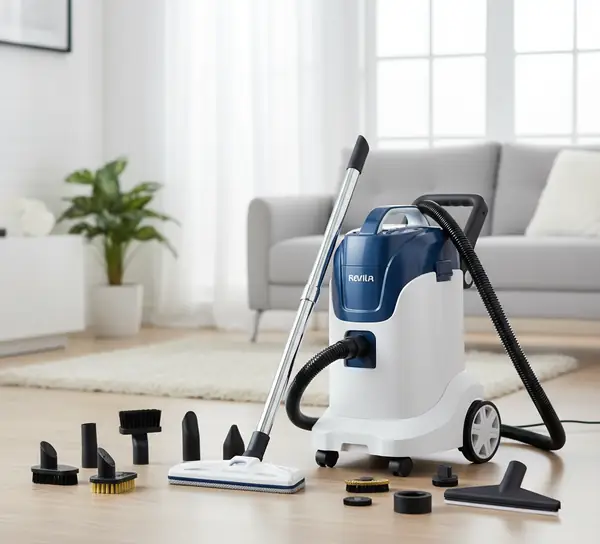
The search for the “best” steam cleaner is not merely a hunt for a new household gadget; it is a search for a fundamental shift in how we approach hygiene. In a world increasingly wary of harsh chemicals, volatile organic compounds, and the residue left behind by traditional detergents, the steam cleaner represents a return to the most elemental cleaning agent available: water. However, this water is superheated and pressurized to a point where it transforms into a powerful solvent and a lethal disinfectant. The efficacy of a steam cleaner lies in its ability to force thermal energy into microscopic crevices, exploding dirt from the inside out and denaturing the proteins of bacteria and viruses upon contact. To determine which machine deserves the title of “best,” one must look beyond the marketing of sleek plastic shells and understand the thermodynamics of the boiler, the pressure of the output, and the specific engineering required to tackle different surfaces within the home. Details That Make all the Difference To evaluate these machines, we must first categorize them by their mechanical architecture, as the “best” cleaner for a tiled mudroom is rarely the best cleaner for detailed kitchen degreasing. The market is broadly divided into handheld units, steam mops, and canister systems. The handheld unit is the scalpel of the steam world. It is portable, heats rapidly, and is designed for targeted strikes against specific enemies: the grease around a faucet handle, the grime in a window track, or the bacteria on a doorknob. However, its small water tank limits its run time, and its lower pressure often struggles with large surface areas. The steam mop is the specialist, engineered almost exclusively for sealed hard floors. It excels at sanitizing tile and stone without the bucket-and-mop cross-contamination, but it lacks the versatility to clean vertical surfaces or upholstery. The true heavyweight, and the category where the “best” all-around performers are found, is the canister or cylinder steam cleaner. Resembling a canister vacuum, these machines separate the heavy boiler from the cleaning wand, allowing for a much larger water capacity and a more powerful heating element. A superior canister steamer is defined by its ability to produce “dry” steam. This creates a linguistic paradox—how can steam be dry? In this context, dry steam refers to vapor that has been heated significantly above the boiling point, often reaching temperatures of 240 to 300 degrees Fahrenheit, containing less than five percent liquid water volume. The best cleaners produce this low-moisture vapor, which is critical for cleaning delicate surfaces like mattresses, upholstery, and carpets. Wet steam leaves fabrics sodden and prone to mold; dry steam cleans and evaporates almost instantly, leaving the surface sanitized and dry within minutes. Pressure Pressure is the second metric that separates the professional-grade machines from the toys. Measured in bars or PSI (pounds per square inch), pressure dictates the mechanical force with which the steam exits the nozzle. A low-pressure steamer simply billows hot fog; it might kill surface bacteria, but it will not dislodge the black gunk from grout lines. The best steam cleaners operate at a minimum of four to five bars of pressure. This force turns the steam into a kinetic weapon. When directed into a grout line or the crevices of a radiator, the pressurized vapor blasts the debris out physically while simultaneously dissolving the bonds of grease and dirt chemically. This combination of heat and force is what allows for “touchless” cleaning in the hardest-to-reach areas. The heating system itself is a point of divergence in quality. Lower-end models often use a flash-heating system that drips water onto a hot plate. While fast, this often results in inconsistent temperature and wetter steam. The best steamers utilize a pressurized boiler tank, essentially a miniature pressure cooker inside the machine. This ensures that the water is maintained at a constant high temperature and pressure, providing a steady, powerful stream rather than sputtering bursts. Furthermore, the premier models feature a continuous refill system. In a standard pressurized boiler, once the water runs out, you must turn the machine off, wait for it to cool down (to release the pressure safely), refill it, and wait for it to heat up again. This downtime kills momentum. A continuous refill system utilizes a secondary non-pressurized reservoir that pumps water into the boiler as needed, allowing for indefinite cleaning sessions without interruption. Accessories The versatility of the attachments is what truly unlocks the potential of the machine. The best steam cleaner is a transformer. It should come with a robust floor head for mopping, but also a triangular brush for corners, a jet nozzle for high-pressure blasting, and small nylon or brass brushes for detailed scrubbing. The brass brushes are particularly effective for oven racks and grill grates, where the steam softens the carbonized food and the brass bristles scour it away. A window squeegee attachment turns the machine into a glass cleaning powerhouse, melting away seasonal grime and leaving a streak-free finish without a drop of blue chemical spray. The quality of these accessories matters; flimsy bristles that melt under high heat render the machine useless. One of the most profound applications for a high-quality steamer is in the realm of pest control, specifically dust mites and bed bugs. These organisms are resilient against many poisons but cannot survive thermal shock. A steam cleaner that can maintain a tip temperature above 160 degrees Fahrenheit is lethal to these pests and their eggs on contact. For allergy sufferers, the best steam cleaner is a medical device. It allows for the sanitization of pillows, mattresses, and plush toys, denaturing the proteins in dust mite waste that trigger respiratory reactions. This deep sanitization, achieved without introducing potential allergens found in chemical sprays, is a primary reason why investing in a higher-end canister model is justified. Where Not to Use However, the power of steam comes with the responsibility of usage. The “best” machine in the hands of an uneducated user can cause damage. Steam is

Best Steam Cleaner: 5 Tips for Choosing the Ideal Steam Cleaner for Your Home Read More »

Detergent and Warm Water: 3 Amazing Tips on how to Clean Your Entire House With this Simple Mixture

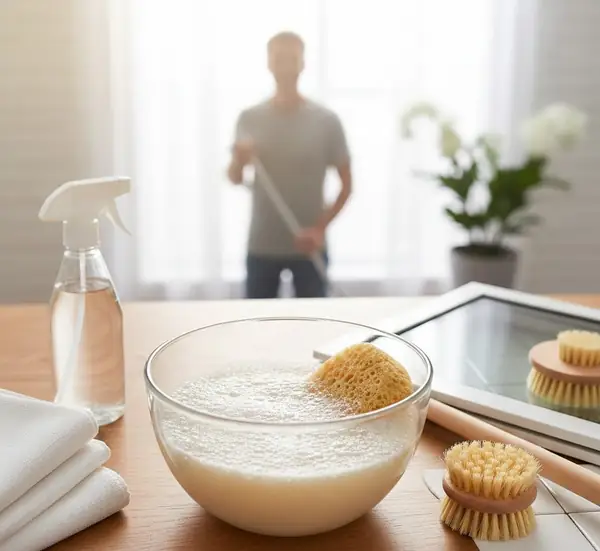
We cannot ignore the mixture of detergent and warm water. In a world saturated with specialized cleaning products, each promising to be the ultimate solution for a specific mess, it is easy to overlook the profound and versatile power of the most fundamental combination in our cleaning arsenal: simple detergent and warm water. This humble duo is not merely a fallback option; it is the cornerstone of effective cleaning, a time-tested partnership whose efficacy is rooted in basic, yet brilliant, chemistry. It is a quiet miracle of science that takes place in our kitchen sinks and buckets every day, capable of tackling an astonishing range of household grime with unparalleled reliability and safety. Understanding how this simple solution works elevates it from a mere habit to a deliberate, powerful tool. Warm Water The magic begins with the water itself. Water is often called the universal solvent for its ability to dissolve more substances than any other liquid. When we add heat, we dramatically enhance this natural ability. Warm water possesses more kinetic energy than cold water; its molecules are moving faster and more erratically. This increased energy allows it to more effectively agitate and break down the bonds of many common messes, like sugar crystals from a spilled drink or the salt ring from a pot of boiled pasta water. The warmth also helps to soften and loosen tougher, more stubborn substances, particularly fats and oils. Think of trying to wash a greasy plate in cold water versus warm water. The cold water causes the grease to congeal and smear, while the warm water begins to melt it, making it far easier to remove. In essence, warm water is the catalyst that prepares the grime for the main event. The true genius of the partnership, however, lies in the detergent. A drop of dish soap seems unassuming, but it contains a masterful piece of chemical engineering known as a surfactant. Surfactant molecules are unique because they are two-sided, or amphiphilic. One end of the molecule is hydrophilic, meaning it is attracted to water. The other end is lipophilic (or hydrophobic), meaning it is attracted to oils and grease. These two opposing desires are what allow oil and water, two substances that famously refuse to mix, to be brought together and washed away. When you add detergent to greasy water, the lipophilic tails of the surfactant molecules immediately seek out and attach themselves to the droplets of grease. The hydrophilic heads, meanwhile, remain facing outwards, happily interacting with the water. As you agitate the water by scrubbing with a sponge or cloth, these surfactants completely surround the grease droplets, forming tiny spheres called micelles. The grease is now trapped inside a cage of surfactant molecules whose water-loving heads are facing out, allowing the entire package—grease and all—to be suspended in the water and effortlessly rinsed away down the drain. This is the fundamental mechanism that allows us to clean greasy dishes, oily stovetops, and grimy hands. Furthermore, surfactants dramatically reduce the surface tension of water. Water molecules naturally cling to one another very tightly, which is why water beads up on many surfaces. Detergent breaks these bonds, allowing the water to spread out, “become wetter,” and penetrate more effectively into the microscopic nooks and crannies of a surface, lifting and removing dirt that water alone would simply flow over. This combined action—the warm water providing the energy to loosen dirt and the detergent providing the chemical mechanism to lift and trap grease—creates a solution that is far more powerful than the sum of its parts. Practical Applications 1.Surfaces The practical applications of this simple solution are nearly endless, extending far beyond the kitchen sink. For daily cleaning of kitchen countertops, a cloth dampened with a weak solution of dish soap and warm water is often superior to harsh chemical sprays. It effectively cuts through food residue, light grease spatters, and sticky fingerprints on laminate, quartz, and sealed stone surfaces without leaving behind a chemical odor or a streaky film. For the stubborn, sticky film of aerosolized cooking grease that builds up on kitchen cabinet fronts, this solution is a true hero. Wiping the cabinets with a cloth soaked in warm, soapy water and wrung out well will dissolve this grimy layer far more effectively than most all-purpose cleaners. 2.Floors This same principle applies beautifully to floors. For vinyl, linoleum, and ceramic tile floors, mopping with a bucket of warm water and a small amount of detergent is an excellent way to lift dirt and footprints without creating the sticky residue that some specialized floor cleaners can leave behind. The key is to use the detergent sparingly—too much will require extensive rinsing—and to wring the mop out thoroughly to prevent excess water from damaging grout or seeping into seams. The same gentle solution is also perfect for washing walls, baseboards, and door frames to remove scuffs, fingerprints, and accumulated dust without damaging the paint. 3.Fabrics The miracle extends to textiles as well. For many common food and drink spills on carpets or upholstery, a highly diluted solution of clear dish soap and warm water can be a first line of defense. By gently blotting the stain with a clean cloth dipped in the soapy water, you can often lift the spill without resorting to harsh carpet-stain removers. It is essential, of course, to test this method on an inconspicuous area first and to follow up by blotting with a cloth dampened with plain water to “rinse” the area and remove any soap residue. Inadequate However, recognizing the limitations of this duo is as important as understanding its strengths. The very properties that make it so effective also mean it is unsuitable for certain surfaces. Unsealed wood floors or furniture should never be cleaned with water, as it can cause the wood to swell, warp, and stain. Similarly, natural, unsealed stone like marble or travertine can be porous, and the soap and water can seep in, potentially darkening or staining the stone.

Detergent and Warm Water: 3 Amazing Tips on how to Clean Your Entire House With this Simple Mixture Read More »

curtains and blinds

Cleaning of Blinds and Curtains: Removing the Dust Trapped in Your Curtains and Blinds Before Spring

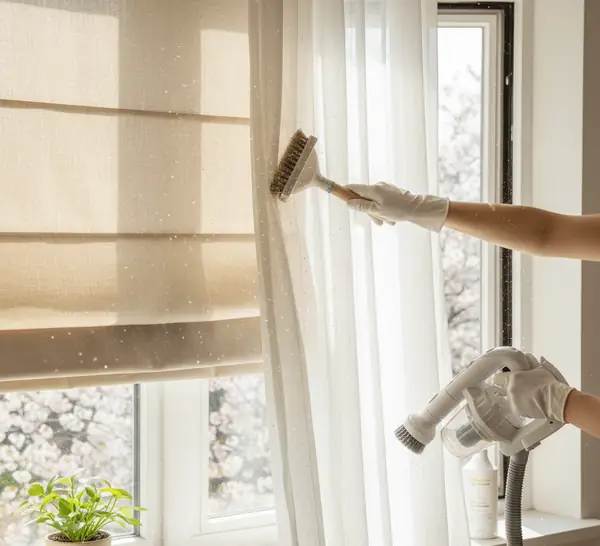
The transition from the depths of winter to the early promise of spring is heralded not by the temperature, which often remains stubbornly freezing, but by the light. In late February and early March, the angle of the sun shifts. The daylight hours extend, and the sun hangs lower in the sky, casting beams that penetrate deeper into our homes than at any other time of year. This returning light is welcome, but it is also unforgiving. It acts as a spotlight, illuminating the layers of grime that have accumulated unnoticed during the dark, cozy months of hibernation. Suddenly, the windows that seemed passable in the dim grey of December are revealed to be coated in a hazy film, the sills are dusty, and the tracks are harboring a grim ecosystem of their own. While it is physically unsafe and logically premature to drag a ladder outside into the slush to wash the exterior glass, this pre-spring period is the ideal window of opportunity to tackle the interior. Internal window maintenance is a critical, yet often neglected, facet of home hygiene that prepares the stage for the warmer days ahead. Indoor Film To understand the necessity of this task, one must first analyze the composition of the “indoor film” that coats the glass. Unlike the exterior dirt, which consists of mud, mineral dust, and bird droppings, the interior grime is a complex chemical cocktail. It is formed by the convergence of daily life in a sealed environment. Every time you cook, microscopic particles of grease and steam become airborne. Every time you light a scented candle or use a fireplace, soot and volatile organic compounds are released. Even the simple act of breathing contributes moisture and biological matter to the air. Over months of closed-window living, these particulates migrate toward the cold surface of the glass, where they condense and bond. This creates a semi-opaque, greasy haze that diffuses light and dulls the view. Standard glass cleaners often fail to cut through this specific type of buildup, simply smearing the oil around and leaving streaks. Removing it requires a degreasing agent—often a solution of water, vinegar, and a drop of dish soap—and the mechanical action of a squeegee or a microfiber cloth to physically lift the residue rather than wipe it back and forth. However, the glass is merely the cosmetic surface of the problem. The true structural and hygienic challenge lies in the window tracks. The horizontal channels that allow your windows to slide open and closed are, effectively, gutters for your home’s interior. Throughout the winter, two things happen in these tracks. First, gravity pulls dust, dead skin cells, and pet dander down from the curtains and the air, where it settles in the grooves. Second, the thermal difference between the cold outdoors and the warm indoors causes condensation to form on the glass. This water runs down the pane and pools in the dust-filled tracks. When dust mixes with stagnant water, it creates a nutrient-rich sludge that is perfect for mold growth. Window Tracks If you look closely at your window tracks in late February, you will likely see a black, crusty substance in the corners. This is a combination of decomposed organic matter—often including dead insects that sought shelter in the fall—and active fungal colonies. Leaving this sludge in place is a health risk. As the sun warms the window, it dries out this mixture, turning it into airborne spores that circulate in the room every time a draft blows through. Cleaning the tracks is a tedious, detailed excavation. It requires a vacuum with a crevice tool to remove the loose debris, followed by the application of a cleaning solution to soften the hardened grime. An old toothbrush or a steam cleaner is often the only tool capable of agitating the dirt out of the tight corners and weep holes. This is not a quick wipe; it is a restoration of the window’s mechanical function and sanitation. Framing this view are the window treatments—the blinds, shades, and curtains—which act as the lungs of the window assembly. Because windows are often the coldest part of the wall, they create convection currents. Warm air rises, hits the cold glass, cools down, and falls. This constant air movement cycles dust through the fibers of your curtains and over the slats of your blinds day and night. Synthetic blinds, in particular, generate a static charge that actively attracts dust particles, coating them in a tenacious grey fuzz that resists simple feather dusting. Curtains act as filters, trapping allergens, cooking odors, and smoke. By the end of winter, they are heavy with this invisible load. Ignoring the window treatments while cleaning the glass is a futile exercise. As soon as you disturb the curtains to open the clean window, you will release a cloud of dust that settles right back onto the pristine glass. The pre-spring protocol demands that textiles be taken down and laundered or professionally dry-cleaned according to their fabric requirements. For blinds, the process is more manual. Each slat must be wiped individually with a damp cloth or a microfiber wand to break the static bond and remove the dust. This is labor-intensive, repetitive work, but the result is a measurable improvement in indoor air quality. Window Sills and Casings The window sills and casings also require inspection and care. In older homes or homes with high humidity, winter condensation can do significant damage to the woodwork. Water that pools on the sill can seep into the paint or the wood grain, leading to rotting, bubbling, or the growth of mildew on the surface. During your cleaning, you must check for soft spots or discoloration. Scrubbing the sills with a mild fungicide or a vinegar solution not only cleans them but also kills the mold spores that thrive in the damp wood. If the paint has cracked, this is the time to sand and touch it up, sealing the wood before the humid air of spring arrives.

Cleaning of Blinds and Curtains: Removing the Dust Trapped in Your Curtains and Blinds Before Spring Read More »

A woman is at peace while her house is clean and organized during the winter.

Winter Organization: 5 Amazing Daily Habits to Keep Your House Organized During a Snowstorm

Organization is essential during winter to prevent us from going crazy. During the warmer months, the boundaries between the interior and exterior are fluid; windows are open, traffic flows freely, and the gear required to leave the house is minimal. As the temperature drops and the snow begins to accumulate, however, the home undergoes a functional contraction. We seal ourselves in against the elements, and in doing so, we trap a significant amount of life inside a finite square footage. The result is often a rapid accumulation of clutter. Heavy coats, salt-stained boots, layers of wool, and the general debris of hibernation mode can quickly overwhelm a household that does not have a robust organizational strategy in place. Keeping a house organized in winter is not merely about tidiness; it is a logistical operation designed to manage the heavy influx of gear and the increased occupancy hours that define the season. Sturdy Coat Stand The epicenter of the winter organization battle is, without question, the entryway. In summer, this space is a breezeway; in winter, it is a decontamination zone. The primary challenge is the bulk. Winter clothing occupies three times the volume of summer clothing. A closet that comfortably holds ten windbreakers will be bursting at the seams with ten down parkas. The first step in organizing this space is recognizing that the standard coat closet is rarely sufficient for active daily use. Opening a door and fighting with hangers while wearing thick gloves is a friction point that leads to coats being thrown on the nearest chair or banister. To maintain order, you need an accessible, external expansion of your storage. A heavy-duty wall-mounted rack or a sturdy coat stand is essential for the items currently in rotation. This separates the “active” gear from the “storage” gear, preventing the closet from becoming a black hole. Boot Tray Beneath the coats lies the issue of footwear. Winter boots are substantial, wet, and often coated in a slurry of road salt and grit. If these are left on the bare floor, they create puddles that damage the flooring and spread dirt throughout the house. The organizational solution is the boot tray. This is not optional equipment. A high-walled rubber or copper tray creates a designated boundary for wet items. It signals exactly where the shoes stop. To elevate this system, consider filling the tray with river stones. This allows the melting snow to drain away from the soles of the boots, helping them dry faster and preventing them from sitting in a puddle of dirty water. This simple addition preserves the lifespan of the leather and keeps the entryway looking intentional rather than accidental. Baskets or Storage Box Accessories present a unique micro-clutter problem. Winter requires a multitude of small, separable items: left mittens, right mittens, scarves, thick hats, and liners. These items have a tendency to migrate. They end up under the sofa, in the kitchen, or lost in the depths of a jacket pocket. The most effective way to corral this chaos is through a dedicated basket or bin system. Ideally, each member of the family should have their own designated bin on a shelf or under a bench. When you walk in the door, the hat and gloves go immediately into the bin. This “drop zone” philosophy eliminates the frantic morning search for a matching pair of gloves. It compartmentalizes the mess, keeping the visual noise of the entryway to a minimum. Moving inward, the living areas require a shift in strategy. Winter is the season of “cocooning.” We bring out heavy throws, extra pillows, and thick duvets to create warmth. While these items increase comfort, they also increase visual density. A living room covered in draped blankets looks chaotic. To maintain organization without sacrificing comfort, you need designated storage for these soft goods. A large wicker basket, a storage ottoman, or a blanket ladder provides a home for these items when they are not in use. The rule must be that when you leave the room, the blanket goes back to its station. This resets the room, maintaining the balance between cozy and cluttered. The kitchen, too, faces specific winter pressures. We tend to cook differently in the cold months. The salad spinner is retired in favor of the slow cooker, the roasting pan, and the Dutch oven. These are large, heavy appliances and vessels. Organizing the kitchen for winter means rotating your stock. Move the barbecue tools and the picnic ware to the high, hard-to-reach shelves or the basement. Bring the heavy pots and the appliances you use for soups and stews to the prime real estate at waist level. This rotation reduces the friction of cooking. Furthermore, winter is often a time of stocking up. The pantry can easily become overcrowded with canned goods and comfort foods. Using tiered shelf risers and clear bins to categorize these items prevents the “pantry burial” where food is pushed to the back and forgotten until it expires. Clean Surfaces There is also a psychological component to winter organization. The lack of natural light and the grey skies can contribute to a sense of lethargy and low mood. A cluttered environment exacerbates this. Visual noise—piles of paper, scattered toys, disorganized shelves—increases cortisol levels. In winter, when we cannot easily escape outdoors, we are forced to stare at our clutter. Therefore, keeping surfaces clear is a mental health intervention. Adopting a “clean surfaces” policy, where countertops, dining tables, and desks are cleared off every evening, maximizes the reflection of the limited natural light available. It makes the rooms feel larger and airier, counteracting the claustrophobia of the season. Closet The closet requires a ruthless audit. We often hang onto winter clothes that we do not wear because they are expensive or “might be useful” in a blizzard. However, a crammed closet leads to wrinkled clothes and frustration. If a coat has not been worn in two winters, it is taking up valuable space. If a sweater is itchy

Winter Organization: 5 Amazing Daily Habits to Keep Your House Organized During a Snowstorm Read More »