









One Powder, Dozens of Jobs
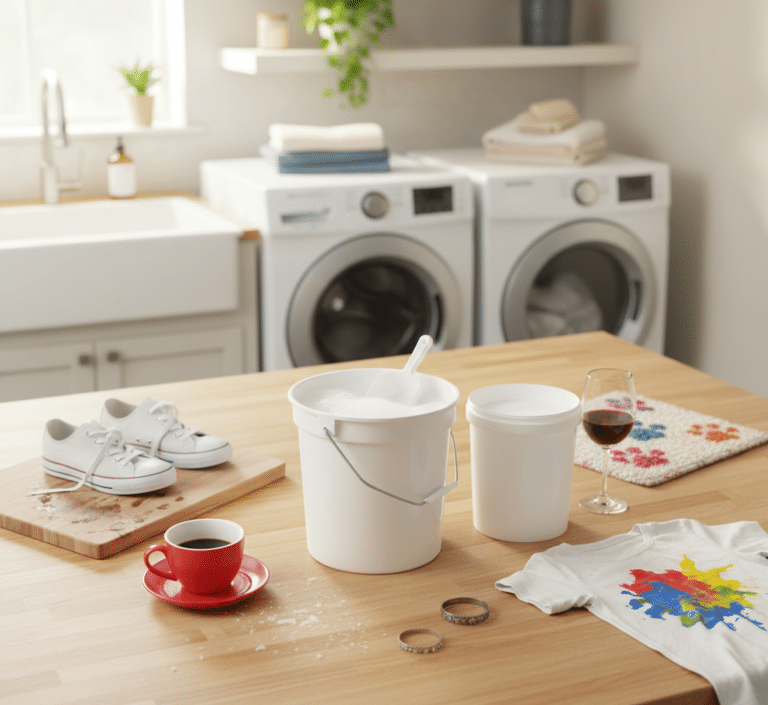
Shopping aisles overflow with sprays, gels, and liquids that each promise to fix one specific mess. Meanwhile, an unassuming granulated powder often sits overlooked, even though it can whiten laundry, erase food stains, and scrub away grime across the whole house. Stain remover powder, usually sold as oxygen bleach, is a sodium percarbonate compound that releases the cleaning power of oxygen in hot water, without the harsh, corrosive effects of traditional chlorine bleach. It is color-safe on most washable fabrics, which makes it one of the most versatile tools in any cleaning cupboard.
How Stain Remover Powder Works
Sodium percarbonate is a stable combination of sodium carbonate and hydrogen peroxide. The moment it meets water, especially hot water, it splits into those two components. The sodium carbonate, also known as washing soda, softens water and helps break down grease and oils. The hydrogen peroxide then goes to work as an oxidizer: it breaks apart the molecules that give organic stains their color, turning them colorless so they rinse away easily. Heat starts the reaction, and time lets it finish, which is why the two golden rules are always hot water and patience.
In the Laundry Room: Whitening and Rescue Soaks
1. Brighten a whole load. Add one to two scoops of powder to the washing machine drum along with your regular detergent, and run a warm or hot cycle. The heat fully activates the compound so dingy white shirts, bed sheets, and bath towels come out noticeably brighter.
2. Pre-soak set-in stains. Dissolve two to four tablespoons of powder per gallon of the hottest water the fabric can safely tolerate, making sure every grain dissolves before you add the garment. Submerge the item and let it soak for one hour for light stains, up to eight hours or overnight for coffee, tea, red wine, grass, juice, or yellowed vintage linens. You will often see the water change color as the stain lifts out of the fibers, then launder as usual.
In the Kitchen: From Mugs to Bakeware
3. Restore mugs, teacups, and carafes. The brown tannin film that builds up inside ceramic vessels vanishes without scrubbing. Put one to two teaspoons of powder in the bottom of the stained item, carefully fill it with boiling water, and let it sit for at least 30 minutes while the gentle fizz releases oxygen. Pour it out to reveal a sparkling interior.
4. Revive stained cutting boards. Make a thick paste with the powder and a little hot water, scrub it into a plastic cutting board, wait 20 minutes, and rinse. The paste lifts berry and tomato stains while deodorizing the board.
5. Soak away burnt-on food. For stainless steel or ceramic bakeware, place the dish in a sink, sprinkle it liberally with powder, and carefully fill it with boiling water. After several hours, carbonized food that once demanded intense scraping softens and lifts away with ease.
In the Bathroom: Grout That Looks New Again
6. Whiten grout lines. Porous grout soaks up soap scum, dirt, and mildew, turning dingy over time. Mix the powder with hot water into a thick paste and apply it along the grout lines using an old toothbrush or a similar small brush. Let it work for at least 30 minutes, spritzing with water occasionally to keep the paste moist, then scrub and rinse thoroughly. The oxidizing action pulls the grime out of the pores and leaves the grout visibly lighter.
Outside: Decks, Patios, and Outdoor Furniture
7. Clear mildew, moss, and algae. Dissolve about one cup of powder in a gallon of hot water, apply it to wooden decks, patios, and outdoor furniture with a deck brush or mop, and keep the surface wet for about 30 minutes. Scrub and rinse with a garden hose. The oxygen bleach kills organic growth and lifts grime without the damage chlorine bleach can cause to wood fibers. Where mold and mildew keep returning, the CDC’s mold cleanup guidance is a useful reference for treating the growth and the moisture behind it.
Using Stain Remover Powder Safely
Oxygen bleach is gentler than chlorine bleach, but it still deserves respect. Do not use it on delicate protein fibers such as wool or silk, on aluminum, or on finished, painted, or varnished wood. Always spot test vibrant or delicate fabrics on a hidden seam first. Never mix the powder with other chemicals, particularly chlorine bleach or acids, because the combination can create hazardous reactions; the CDC’s bleach safety guidance stresses that bleach and other cleaners should never be combined. Keep all cleaning products out of children’s reach and follow the household chemical safety advice from Health Canada when buying, using, and storing them.
- Wear gloves for long soaks, since concentrated solutions can irritate skin.
- Dissolve the powder completely in hot water before adding fabric or submerging items.
- Rinse every surface that touches food thoroughly after cleaning.
| Use | Amount | Dwell Time |
|---|---|---|
| Laundry brightener | 1-2 scoops per load | Full wash cycle |
| Stain pre-soak | 2-4 tbsp per gallon | 1 hour to overnight |
| Mugs and carafes | 1-2 tsp plus boiling water | 30 minutes |
| Cutting boards | Thick paste | 20 minutes |
| Burnt-on bakeware | Liberal sprinkle plus boiling water | Several hours |
| Grout | Thick paste | 30 minutes |
| Decks and patios | 1 cup per gallon | 30 minutes |
Frequently Asked Questions
Is stain remover powder the same as chlorine bleach? No. Chlorine bleach whitens through a harsh chemical reaction and is only safe for whites, while oxygen bleach releases hydrogen peroxide in water and is color-safe on most washable fabrics. Both are powerful, but they work very differently.
Why do instructions always call for hot water? Heat is the catalyst that activates sodium percarbonate. In cold water the reaction is sluggish and far less effective, so always use the hottest water your fabric or surface can safely handle.
Can I use it on wool or silk? No. Oxygen bleach can damage delicate protein-based fibers. Reserve it for cotton, linen, and other durable fabrics, and always spot test anything colorful or delicate first.
How long should I soak a badly stained garment? Plan for one hour on light stains and up to eight hours or overnight on deeply set-in stains. The longer dwell time lets the oxygen fully break down the stain molecules so they wash away.
Whether you are rescuing a stained shirt or restoring a whole room, the same principle applies: the right chemistry, the right dwell time, and a thorough finish. Toronto Shine Cleaning brings that methodical approach to every home with deep cleaning services and regular cleaning that keep laundry rooms, kitchens, and bathrooms spotless. Check our pricing, then call (647) 424-0355 to book your clean.