White Sneakers, Suede and Leather Shoes: A Comprehensive Cleaning Guide
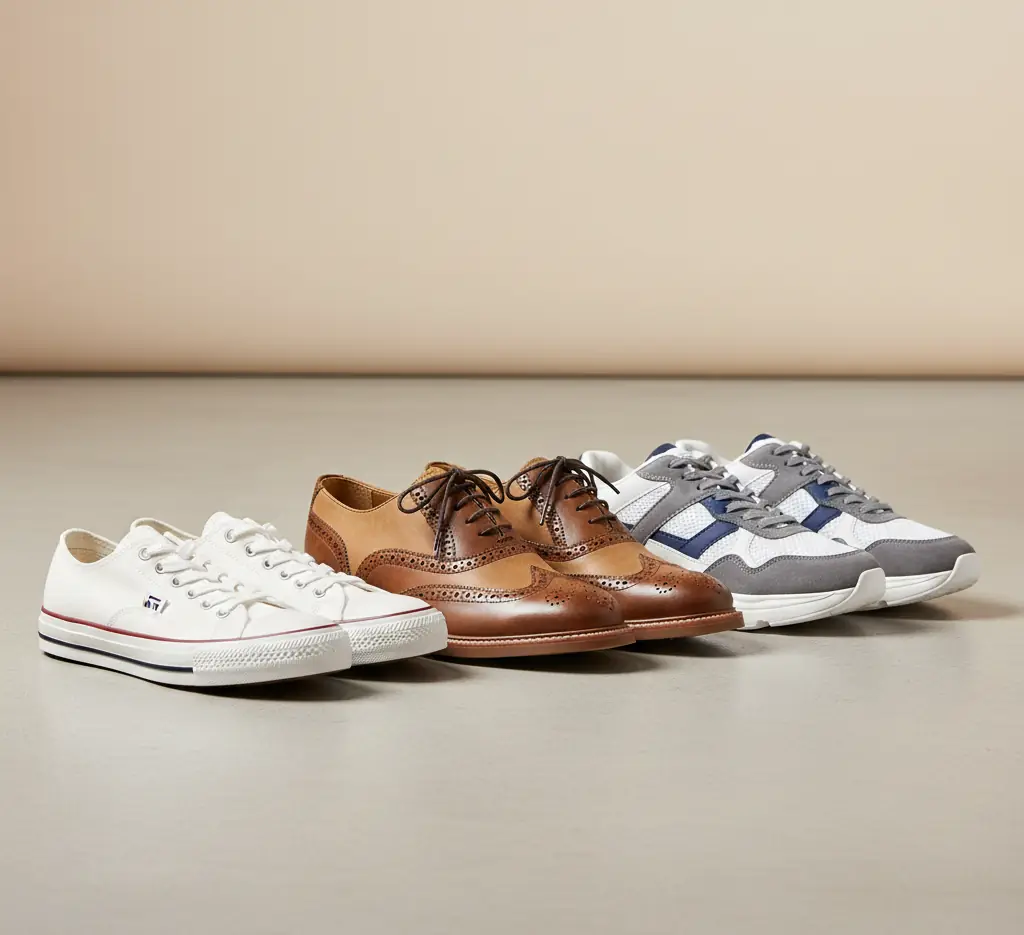
Suede shoes, white sneakers, and leather shoes are more than just a functional item; they are a style statement, an investment, and a piece of equipment that withstands the daily battle against the elements. Over time, that box-fresh brilliance inevitably fades, replaced by a grimy film of road dust, mud splatters, and the general wear and tear of life. Cleaning your shoes is not just about restoring their cosmetic appeal; it is a crucial act of maintenance that preserves the integrity of the materials, extends their lifespan, and ensures they remain comfortable and hygienic. However, shoes are complex objects, constructed from a variety of delicate and durable materials. A one-size-fits-all approach to cleaning is a recipe for disaster, as a method that restores a pair of leather loafers could permanently ruin a pair of suede boots.
White Sneakers
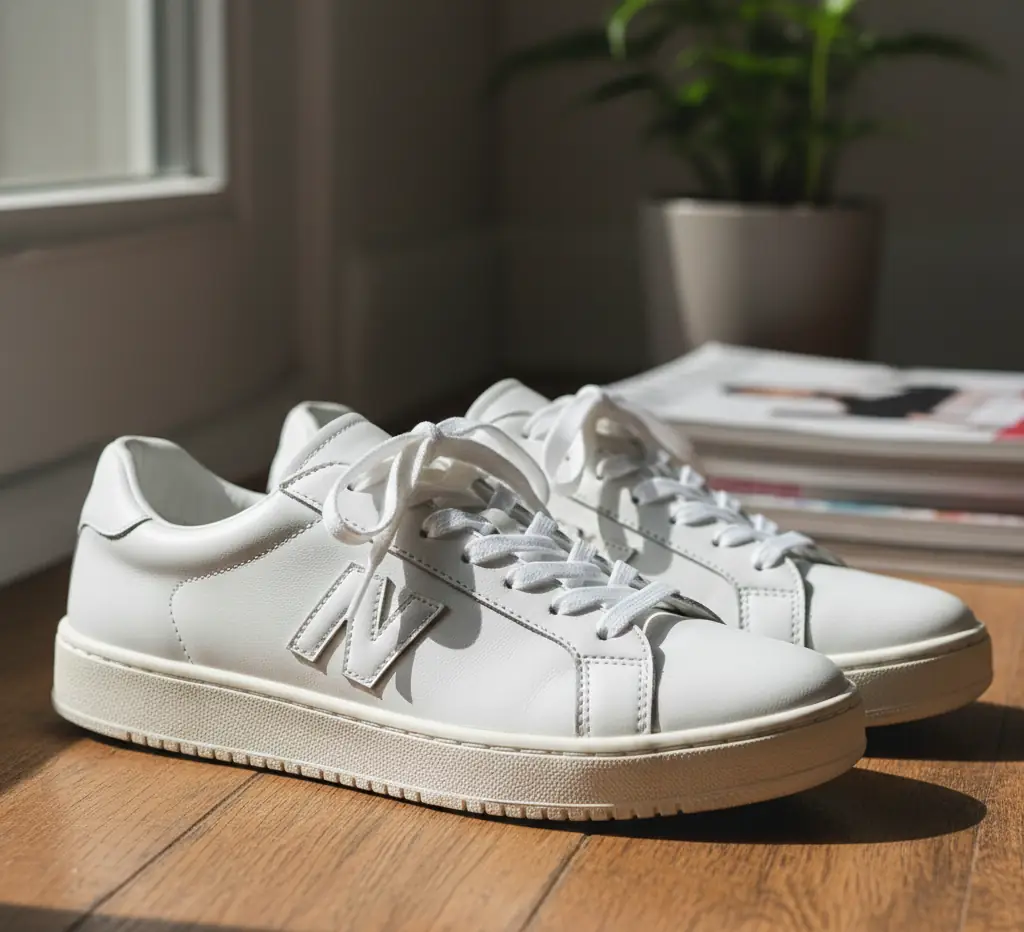
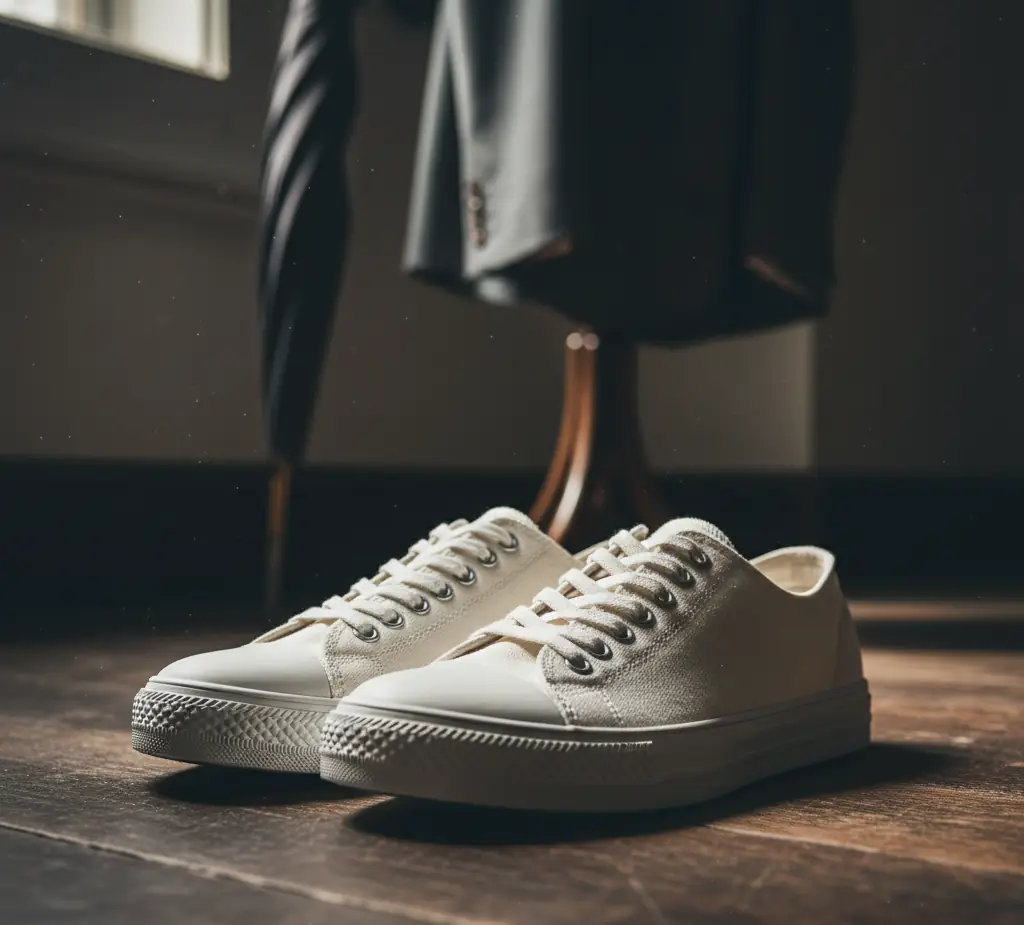
The undisputed champion of high-maintenance footwear is the classic white sneaker. Whether crafted from canvas or synthetic leather, white sneakers are magnets for every speck of dirt, grass stain, and scuff mark. The first and most damaging mistake people make is tossing them into the washing machine. This aggressive method can deform the shoe’s supportive structure, weaken the delicate uppers, and, most critically, damage the specialized foam midsoles and the adhesives that hold the shoe together. The correct approach is a patient, hands-on, multi-step process.
1. Separate the Components
Before any water is introduced, you must deconstruct and dry-prep the shoe. Remove the laces and the insoles completely. These components must be cleaned separately. Using a dry, soft-bristled brush, thoroughly brush the entire shoe to remove any loose, caked-on dirt and dust. This dry-brushing phase is essential, as it prevents you from turning loose dirt into mud when you start the wet cleaning.
2. Insoles
Next, address the components. The insoles are a primary source of odor, as they absorb the most sweat. Scrub them on both sides with a brush and a mild solution of warm water and a few drops of gentle dish soap. Rinse them thoroughly and set them aside to air dry completely. For the laces, submerge them in the same soapy solution and let them soak. After a while, you can rub them between your hands or scrub them with a brush to work out the grime before rinsing them clean.
3. Canvas or Synthetic Leather
Now, turn to the shoe itself. For the uppers, the technique depends on the material. If they are canvas, use a soft brush or a cloth dipped in your mild soapy solution to gently scrub the fabric in small, circular motions. For synthetic leather, a soft cloth is preferable to a brush to avoid scratching the surface. For stubborn scuffs on the smooth, non-fabric parts of the upper and especially on the white rubber or foam midsole, a melamine foam eraser is a true miracle worker. When lightly dampened, it can gently abrade away scuff marks and grass stains with minimal effort. This is often the secret to restoring the brilliant white of the soles. Use a stiffer brush for the durable rubber outsoles to scrub the dirt from the treads.
4. White Canvas
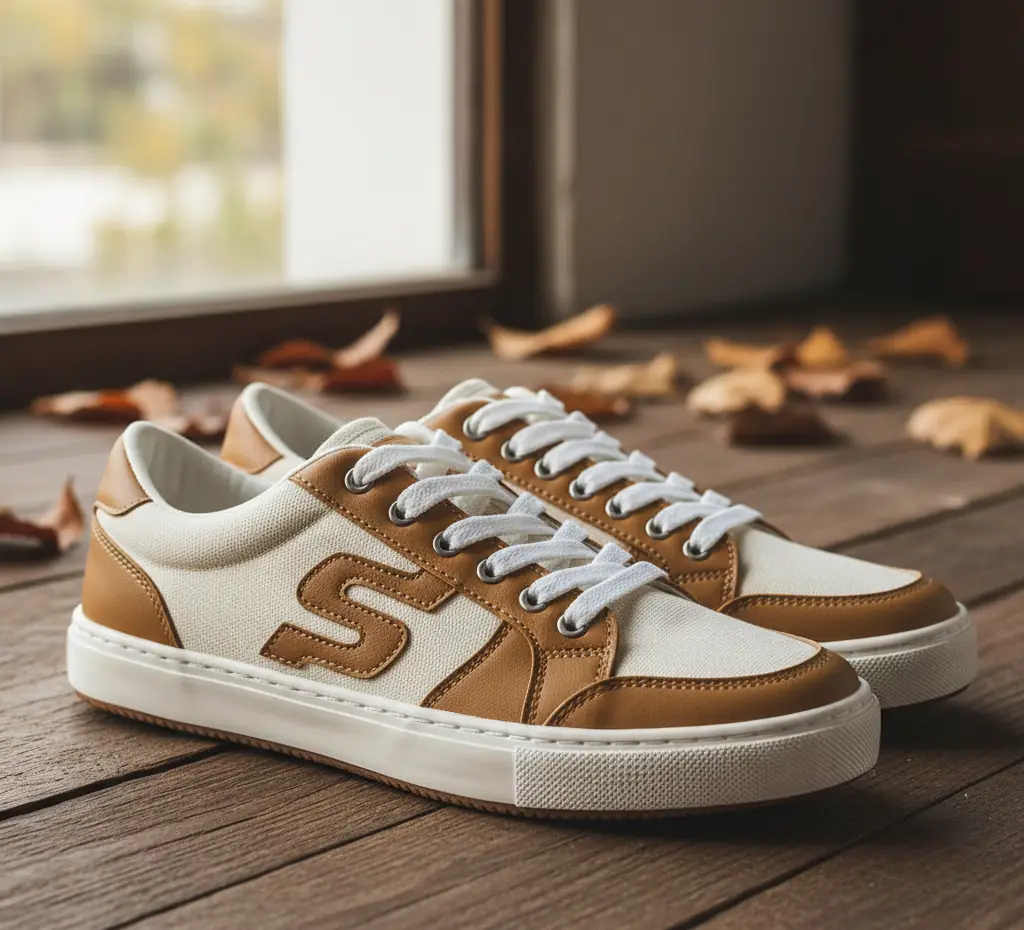
For exceptionally dirty white canvas, you can create a more powerful cleaning paste. Mix equal parts baking soda and a gentle detergent with a little water to form a thick paste. Scrub this into the canvas with a toothbrush, let it sit for about twenty minutes, and then rinse it clean by blotting with a damp cloth. Another effective whitening technique for canvas is to create a paste of baking soda and hydrogen peroxide. Apply this to the shoes, and then place them in direct sunlight for a few hours. The combination of the peroxide and the sun’s UV rays has a powerful natural bleaching effect.
5. Drying
The final and most critical phase is drying. Never place your sneakers in a clothes dryer or near a direct heat source like a radiator. The intense heat will warp the shoe, shrink the materials, and melt the glue. The proper method is to let them air dry slowly in a well-ventilated area, away from direct sunlight which can cause yellowing on some materials. To speed up the process and, crucially, to help the shoes maintain their shape, stuff them tightly with crumpled-up newspaper or absorbent paper towels. This will wick the moisture out from the inside. Replace the paper every few hours until the shoes are completely dry, which can take up to 24 hours.
Suede and Nubuck
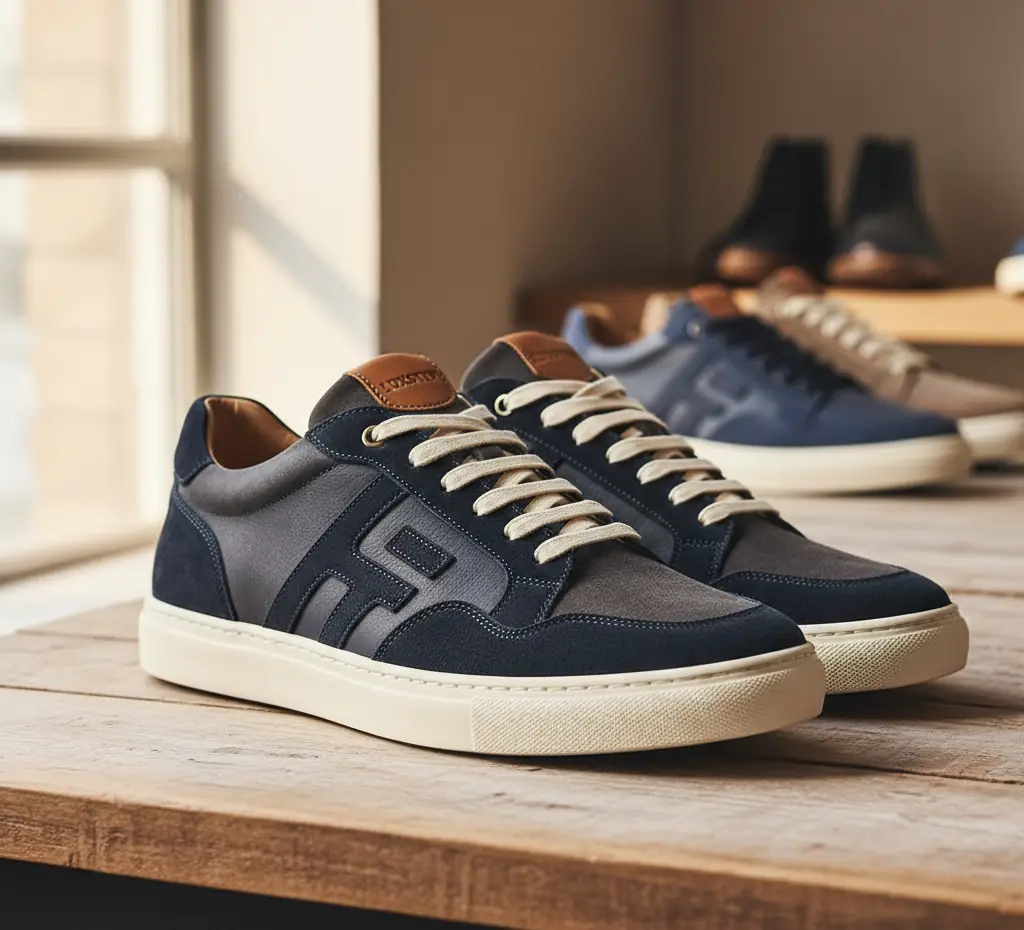
Moving from the durable to the delicate, we encounter suede and nubuck. These materials are famous for their soft, velvety texture, and infamous for their vulnerability to water. Water is the primary enemy of suede. It can flatten the delicate nap of the material and leave permanent, dark water spots. Therefore, the cleaning process for suede must be almost entirely dry. The essential tools are a dedicated suede brush, which typically has soft nylon or brass bristles on one side and a rubber crepe on the other, and a suede eraser.
1. Brush
Begin by using the bristled side of the suede brush to gently brush the entire surface of the shoe. It is crucial to brush in a single, consistent direction. This will lift away the surface-level dirt and dust and begin to restore the nap. For more specific scuffs and stains, use the suede eraser. Rub the eraser firmly over the mark, and its crumbly, grippy texture will grab onto the embedded dirt and lift it out of the suede’s fibers. After using the eraser, brush the area again to remove the eraser residue and even out the nap.
2. Grease or Oil
For tougher stains, such as a grease or oil spot, do not apply water. Instead, your tool is an absorbent powder like cornstarch or talcum powder. Liberally cover the fresh stain with the powder and let it sit for several hours, or even overnight. The powder will slowly draw the oil out of the suede. After the waiting period, gently brush the powder away, and the stain should be significantly lighter or gone completely. If you do get caught in the rain and end up with water spots, the paradoxical solution is to treat them with a tiny amount of water. Lightly dab the entire shoe with a barely damp cloth to create a uniform dampness, then let it dry completely. Once dry, use your suede brush to vigorously brush the shoe and bring the nap back to life.
Leather Shoes
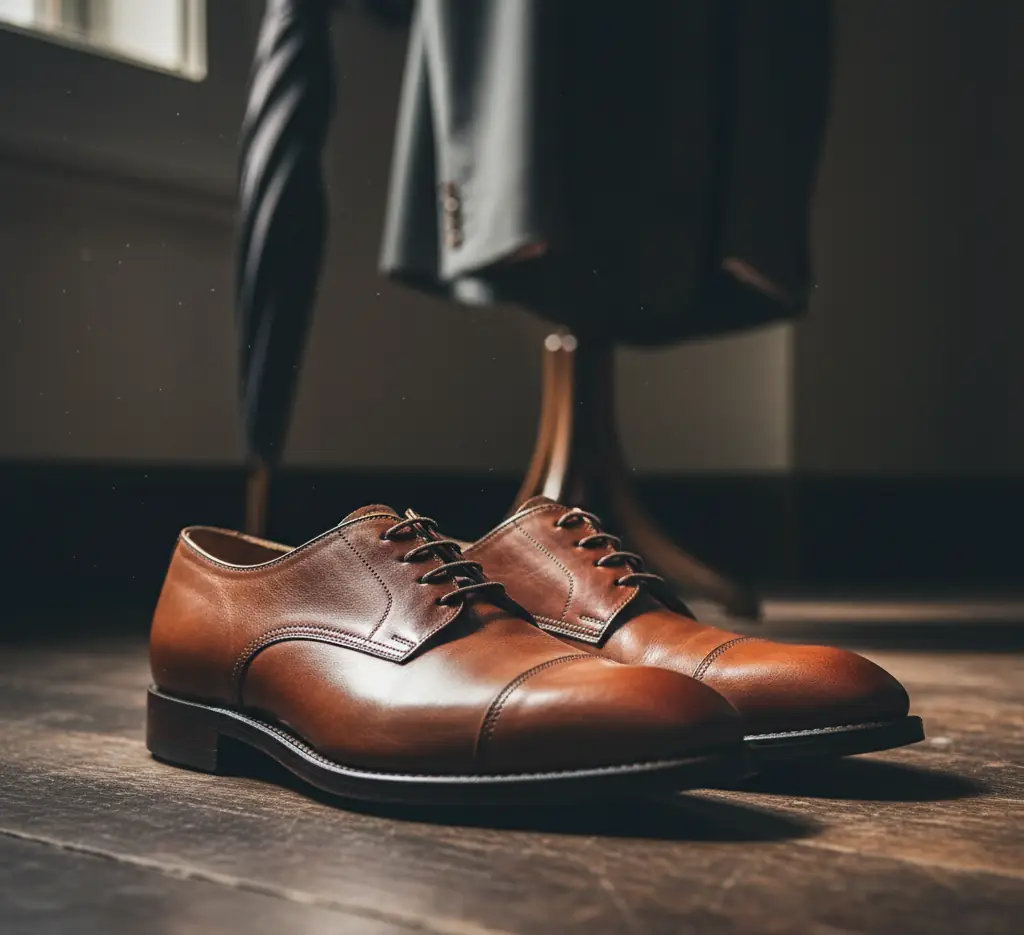
For classic leather shoes, the cleaning process is about both cleaning and conditioning. Start by removing the laces and using a horsehair brush to dust off the entire shoe. For cleaning, you can use a cloth lightly dampened with a solution of water and a mild, pH-neutral soap, like saddle soap. It is essential that the cloth is only damp, not wet. Gently wipe down the entire surface of the leather to remove dirt and grime. For the welt, the seam where the upper connects to the sole, use a toothbrush to get into the crevices. After cleaning, wipe the shoe down with a clean, dry cloth. The most important step for leather is conditioning. Leather is a skin, and it can dry out and crack over time. Apply a small amount of a quality leather conditioner with a soft cloth, rubbing it into the leather in small, circular motions. Let the conditioner soak in, then buff the shoe with a clean brush or cloth to a soft shine. This restores moisture and flexibility to the leather, preventing cracks and extending the life of the shoe.
Canvas Shoes
For non-white canvas shoes, the process is similar to that of white canvas sneakers, but with a critical focus on preserving color. Always use cold water instead of warm water, as hot water can cause dyes to bleed and fade. It is absolutely essential to do a spot test with your mild soap solution on an inconspicuous area, like the inside of the tongue, to ensure it does not cause any discoloration. When drying colored canvas, it is best to keep them out of direct sunlight, as the sun’s rays can be very effective at fading vibrant colors.
By understanding the unique properties of each material, you can transform the task of cleaning your shoes from a risky chore into a rewarding act of restoration. It is a process that requires patience and the right technique, but the result is a collection of footwear that not only looks its best but is also well-preserved and ready for many more adventures.
The meticulous, material-specific care required to restore a pair of shoes is a testament to the power of proper technique. For a similarly detailed and restorative clean that respects the unique surfaces of your entire home—from delicate hardwood floors to durable tile—Toronto Shine Cleaning applies expert knowledge to leave your living space immaculate.