Clothes Cleaning

wet cleaning wipes

Wet Wipes: 5 Why Wipes Aren’t the Best Solution

The convenience wet wipes is undeniable. It sits on the counter, in the car, in a handbag, a small, sealed packet promising a swift and simple solution to life’s messes. It is the wet wipe, and in the space of a few short decades, it has become one of the most ubiquitous and relied-upon products in modern life. From wiping a baby’s bottom to removing stubborn makeup, from sanitizing a shopping cart handle to a quick clean of a dusty dashboard, the wet wipe presents itself as the ultimate tool of immediate, portable cleanliness. But this convenience comes at a steep, and often hidden, price. The very qualities that make the wet wipe so appealing—its strength, its moisture, its disposability—are the same qualities that contribute to a cascade of environmental, infrastructural, and even personal health problems. The story of the wet wipe is a classic tale of a modern convenience with profound and unintended consequences. To truly understand its impact, we must look beyond the clean surface it leaves behind and examine the journey it takes after its single, fleeting use. What Are Wet Wipes Actually Made Of? The most significant misconception about wet wipes is what they are made of. We use them much like paper towels or toilet paper, and so we assume they are, in fact, a form of paper. This could not be further from the truth. If you have ever tried to tear a wet wipe, you know it has a surprising, fabric-like strength. This is because the vast majority of wet wipes are not made from paper at all, but from non-woven fabrics composed of plastic resins like polyester and polypropylene. These are the same materials used to make clothing, ropes, and plastic bottles. They are chosen for their durability and their ability to remain strong when saturated with liquid. This is precisely why they are so effective at scrubbing. However, it is also why they are an environmental disaster. Unlike paper, which is made from wood pulp and biodegrades relatively quickly, these plastic fibers do not break down in any meaningful timeframe. A single wet wipe can persist in the environment for hundreds of years, slowly breaking apart not into organic matter, but into smaller and smaller plastic fragments known as microplastics. The “Flushable” Myth This brings us to the most damaging myth perpetuated by the industry: the “flushable” wipe. Many brands market their wipes as safe to flush, creating the impression that they will simply disintegrate like toilet paper once they enter the plumbing system. This is a catastrophic falsehood. Toilet paper is specifically designed to have very short fibers that lose all their structural integrity almost immediately upon contact with water. Wet wipes are designed to do the exact opposite. When flushed, they do not break down. They travel through the pipes intact, where they snag on imperfections, catch on other debris, and begin to form the foundation of clogs. In the municipal sewer systems, this problem scales up to a monstrous degree. Here, the flushed wipes combine with the fats, oils, and grease (FOG) that are improperly poured down drains from household kitchens. The strong plastic fibers of the wipes act as a durable net, binding with the congealing fats to create colossal, rock-hard masses known as “fatbergs.” These blockages, which can grow to be the size of a bus and weigh several tons, are a plague on modern cities. They cause raw sewage to back up into streets and homes, require enormous and expensive efforts to break apart with high-pressure water jets and manual labor, and place an incredible strain on our aging water infrastructure. Every single time a “flushable” wipe is flushed, it becomes a potential building block for the next fatberg. The problem is not just contained to the sewers. During periods of heavy rainfall, sewer systems can overflow, discharging this toxic slurry directly into our rivers and oceans. Here, the wet wipes emerge, carpeting riverbeds and washing up on beaches in what is now grimly referred to as a “wet wipe reef.” They are frequently mistaken for food by marine animals and birds, leading to internal blockages and death. The Problem with the Bin Even when disposed of correctly in a trash can, the problems do not disappear. Because they are made of plastic, they end up in landfills where they will sit for centuries without biodegrading. They contribute to the ever-growing mountain of single-use plastic waste that is a hallmark of our disposable culture. Furthermore, the cleaning solutions and preservatives they are soaked in can leach into the soil and groundwater over time. The Cost to Our Health and Skin The convenience of a wet wipe can also come at a cost to our skin. In order to keep the wipes moist and free of mold and bacteria within their packaging, they are saturated in a solution that often contains a cocktail of chemicals, including preservatives, fragrances, and surfactants. Preservatives like parabens and methylisothiazolinone are necessary to prevent the growth of microbes, but they are also known skin irritants and allergens for many people. The “fragrance” listed on a package is often a proprietary blend of dozens of chemicals that do not have to be disclosed individually, and these are common triggers for dermatitis and allergic reactions. For personal hygiene, particularly on sensitive areas, the constant use of wet wipes can disrupt the skin’s natural microbiome, the community of beneficial bacteria that protects our skin. The chemical and physical action of wiping can strip away the skin’s natural protective oils, leading to dryness, irritation, and a compromised moisture barrier. From a cleaning perspective, wipes often provide an illusion of clean rather than a true removal of dirt and germs. Without a rinsing action, they often just smear bacteria and grime across a surface rather than lifting it away. A proper cleaning process involves a cleaning agent to loosen dirt and a cloth or sponge that can be rinsed out, physically removing the contaminants from

Wet Wipes: 5 Why Wipes Aren’t the Best Solution Read More »

Distilled Water: 5 Simple Secrets on How to Use Distilled Water

The secret to a perfect, streak-free clean is not found in a bottle of expensive, high-tech cleaning solution. It is not achieved through a special microfiber cloth woven with miraculous fibers, nor is it the result of a secret scrubbing technique passed down through generations. The real secret to a flawless, residue-free finish is something far more fundamental and surprisingly simple. It is the water itself. More specifically, it is the absence of minerals in that water. The single most transformative, yet overlooked, tool in any advanced cleaning arsenal is a simple jug of distilled water. We are conditioned to see water as a simple cleaning agent, but the water that flows from our taps is far from pure. It is a complex liquid, carrying a dissolved cargo of minerals and trace elements from its journey through the ground and pipes. The most common of these are calcium and magnesium, the primary culprits behind “hard water.” When you clean a surface with tap water and it evaporates, it leaves these microscopic mineral deposits behind. This is the root cause of nearly every common cleaning frustration: the hazy film on your hardwood floors, the stubborn white spots on your shower door, the frustrating streaks on your windows, and the cloudy residue on your stainless steel appliances. You can scrub and polish for hours, but if you are using tap water, you are fighting a battle against an invisible enemy that you are simultaneously reapplying with every wipe. Distilled water is the elegant solution to this problem. It is water that has been purified back to its most basic, elemental state: pure H₂O. By understanding what it is and how it works, you can elevate your cleaning from a chore of constant frustration to a science of predictable, perfect results. What Exactly Is Distilled Water, and Why Does It Matter? The process of distillation is a simple act of separation. Regular water is boiled into steam. As the water turns into a gas, it leaves behind everything that is not water: minerals, salts, heavy metals, and other contaminants. This pure water vapor is then collected and condensed back into its liquid form. The result is water that is stripped of all its baggage, a true “blank slate.” This purity is precisely what makes it a secret weapon for cleaning. Because distilled water contains no dissolved solids, when it evaporates, it leaves absolutely nothing behind. There are no minerals to create spots, no salts to leave a film. It dries completely clean. This unique property gives it two significant advantages in a cleaning context: It Prevents Residue: As mentioned, it eliminates the source of spots and streaks. This is its most obvious and celebrated benefit. It Is a More Effective Cleaner: Because distilled water is free of dissolved minerals, it is chemically “hungry.” It has a greater capacity to dissolve and absorb other substances, like dirt and soap, making it a more effective solvent than tap water. This means you often need less cleaning solution to achieve the same result. Key Applications for Distilled Water in Your Home Switching to distilled water for specific tasks is a small change that yields disproportionately large results. Here are the most impactful ways to incorporate it into your cleaning routine. 1. The Ultimate Streak-Free Window and Mirror Cleaner This is the classic and most transformative use. For a truly professional, invisible finish on glass, distilled water is non-negotiable. The Problem: The minerals in tap water are the primary cause of streaks on windows and mirrors. No matter how well you squeegee, as the last microscopic droplets of water dry, they leave mineral deposits behind, creating a faint but frustrating haze. The Solution: Create your own professional-grade glass cleaner. In a clean spray bottle, mix a solution of 50% distilled water and 50% distilled white vinegar. The vinegar acts as a powerful cleaning agent, cutting through grease and grime, while the distilled water ensures that once you wipe or squeegee it away, the surface will dry to a perfectly clear, spot-free shine. This simple, cheap solution will outperform almost any commercial glass cleaner on the market. 2. Flawless Stainless Steel and Chrome Stainless steel appliances are notorious for showing every fingerprint and water spot. Distilled water is the key to winning this battle. The Problem: Wiping down stainless steel with a cloth dampened with tap water is a recipe for frustration. As the water dries, it leaves behind a constellation of mineral spots that mar the finish. The Solution: For routine cleaning, simply dampen a clean microfiber cloth with distilled water and wipe the appliance, always following the direction of the grain. For a final polish, use a second, completely dry microfiber cloth to buff the surface. The absence of minerals means no spots will form as it dries. For greasy fingerprints, you can add a single drop of dish soap to your damp cloth, then “rinse” with a separate cloth dampened with only distilled water before buffing dry. The same principle applies to chrome faucets and fixtures in the kitchen and bathroom. 3. A Haze-Free Finish for Hardwood and Laminate Floors If your hard-surface floors look dull and cloudy even after mopping, the culprit is likely a buildup of mineral residue from your tap water. The Problem: Over time, mopping with tap water (even with a floor cleaner) can leave behind a cumulative, hazy film that dulls your floor’s natural shine. The Solution: This is especially effective with a spray mop system. Fill the mop’s reservoir with mostly distilled water and a small splash (a few tablespoons) of white vinegar. The vinegar helps to break down any existing film, while the distilled water ensures no new film is created. The result is a floor that is truly clean, without the dulling residue that compromises its appearance. 4. Spot-Cleaning Carpets and Upholstery Without Leaving a Ring Have you ever cleaned a small spot on your carpet, only to be left with a noticeable ring or outline after it dries? That ring is often caused

Distilled Water: 5 Simple Secrets on How to Use Distilled Water Read More »

5 Rust Removal Tips: The Ultimate Solution for Stubborn Rust Stains

It is a slow, silent, and relentless process of decay. Rust creeps into the corners of our homes, staining our fixtures, seizing our tools, and weakening the structures we rely on. It is a familiar reddish-brown stain, the universal sign of iron’s surrender to the elements. While it may seem like a simple cosmetic issue, this form of corrosion, known as rust, is a chemical reaction that actively eats away at metal, compromising its integrity and leaving a trail of stubborn, unsightly marks in its wake. Dealing with rust is a fundamental aspect of home maintenance. It is not a battle that can be won with a single, miraculous cleaning product. It requires a deeper understanding of what it is, why and where it forms, and a strategic, two-pronged approach of prevention and removal. To control this type of corrosion is to control the very environment that allows it to thrive. What is This Corrosion? In the simplest terms, rust is the common name for iron oxide. It is the result of a chemical reaction called oxidation, which occurs when iron or its alloys, like steel, are exposed to oxygen and moisture for a prolonged period. The simple formula is: Iron + Oxygen + Water = Hydrated Iron (III) Oxide (the substance we call rust) This explains why it is so pervasive in certain areas of a home. The bathroom, with its constant humidity and water splashes, is a perfect breeding ground. The kitchen sink, the outdoor patio furniture left in the rain, the damp basement, any environment where iron-based metals meet air and water is a potential site for rust to form. The presence of salt can dramatically accelerate this process, which is why cars in regions with snowy, salted roads degrade so much faster. The key takeaway from this simple science is that if you can eliminate one of the three components, iron, oxygen, or water, you can prevent the problem. Since we cannot eliminate the metal itself or the oxygen in the air, the entire strategy of rust prevention revolves around one single, critical goal: moisture control. The Common Culprits Before you can fight it, you must know where to find it. It often appears in predictable places where moisture is a constant companion. The Bathroom: This is the epicenter of household corrosion. Stains in the toilet bowl are often caused by high iron content in the water or from the degradation of old cast-iron plumbing pipes. The metal components in the tank can also corrode and stain the bowl. Metal shower caddies, the bottoms of shaving cream cans, and bobby pins left on the ledge are common sources of these stains on porcelain and fiberglass. The drain, showerhead, and faucet fixtures can also develop issues over time. The Kitchen: Stainless steel sinks are resistant, not immune. If wet cast iron pans, steel wool, or other iron objects are left in the sink, they can cause rust stains to form on the surface. Cast iron cookware is a special case. It requires a protective layer of polymerized oil, called seasoning, to prevent it from oxidizing instantly. The racks in your dishwasher, especially if their vinyl coating becomes chipped, can expose the metal underneath, leading to spots that can stain your dishes. The Laundry Room: Metal buttons, zippers, or rivets on clothing can leave marks on other garments during a wash cycle. A forgotten nail or screw in a pocket can do the same. The Garage, Basement, and Outdoors: Hand tools made of steel are highly susceptible to corrosion if stored in a damp or humid environment. Wrought iron or steel patio furniture will corrode quickly if its protective paint coating is scratched or chipped, leading to flaky rust. The grates and body of a grill are constantly exposed to moisture and heat, making them prime candidates for the problem. 1.Prevention The easiest way to deal with corrosion is to stop it from ever starting. Prevention is about diligent moisture control and creating protective barriers. Keep Surfaces Dry: This is the most fundamental rule. Wipe down your kitchen sink after doing dishes. Squeegee the walls of your shower after use. Dry your tools before putting them away. Improve Ventilation: In moisture-prone areas like the bathroom, always use the exhaust fan during and after a shower to pull humid air out. A dehumidifier in a damp basement can make a world of difference for preventing issues on tools and stored items. Use Protective Coatings: For outdoor metal furniture, railings, and grills, a coat of corrosion-inhibiting paint is essential. Inspect these items annually and touch up any chips or scratches immediately to prevent moisture from reaching the metal. For tools, a light coating of a machine oil can create a barrier against moisture. For cast iron cookware, maintain a good layer of seasoning. Avoid Prolonged Contact: Do not leave wet metal items sitting on susceptible surfaces. This means no wet cans on the bathtub ledge, no wet cast iron pans in the sink, and no wet steel wool on the countertop. Address High-Iron Water: If the stains in your toilet and sinks are from the water itself, consider installing a water softener or an iron filter for your home’s water supply. 2.Effective Removal When rust does appear, you need the right technique for the specific surface you are cleaning. The methods range from gentle, natural solutions to more aggressive chemical and abrasive approaches. The Natural Acidic Approach (For Light to Moderate Corrosion) The principle here is simple: a mild acid can dissolve iron oxide. White Vinegar: The acetic acid in vinegar is a fantastic remover. For small items like tools, nuts, or bolts, you can submerge them in a bath of white vinegar and let them soak for several hours, or even overnight. The rust will dissolve and can be scrubbed away with a brush. Lemon Juice and Salt: For stains on less-durable surfaces, like clothing or countertops, a paste of lemon juice and salt is a great option. The salt acts as a gentle abrasive, and the citric acid in the lemon juice dissolves the unwanted buildup. Baking Soda: For a more gentle approach, a

5 Rust Removal Tips: The Ultimate Solution for Stubborn Rust Stains Read More »

Washing Machine Cycles: 4 Tips Everyone Should Know For Spotless Fabrics

The modern washing machine cycles is a marvel of household convenience, yet its control panel, adorned with a cryptic array of dials, buttons, and symbols, can be as intimidating as an airplane’s cockpit. Faced with this complexity, many of us default to the “Normal” cycle for nearly every load, hoping for the best. This one-size-fits-all approach, however, is a disservice to our clothes, our utility bills, and the machine itself. Each cycle is a carefully calibrated recipe of water temperature, agitation speed, and time, designed for specific fabrics and soil levels. Understanding these washing machine cycles is the key to transforming laundry from a chore of guesswork into a science of fabric care. It is the difference between clothes that last for years and clothes that fade, shrink, or wear out prematurely. 1.The Three Core Variables Before diving into the specific named cycles, it’s essential to understand the three fundamental elements that every wash cycle manipulates. Every button and dial on your machine is designed to adjust one of these three variables. Water Temperature: This is perhaps the most critical variable for both cleaning effectiveness and fabric preservation. Hot: Typically ranging from 130°F (54°C) and above, hot water is the most powerful for cleaning. It is excellent at removing heavy grime, killing germs and dust mites, and lifting stubborn stains from oil and grease. However, this power comes at a cost. Hot water is the most energy-intensive, can cause vibrant colors to fade, and can lead to significant shrinkage in natural fibers like cotton and wool. It is best reserved for durable, colorfast whites, such as cotton underwear, socks, bed linens, and heavily soiled work clothes. Warm: Sitting in the middle ground, around 90°F (32°C), warm water offers a good balance of cleaning power and fabric care. It is effective at cleaning most everyday soils and is less likely to cause significant fading or shrinking than hot water. This makes it a versatile choice for colored garments, synthetics, and moderately dirty loads. Cold: Ranging from 60°F to 80°F (15-27°C), cold water is the gentlest on fabrics and the most energy-efficient. It is the ideal choice for dark and bright colors that are prone to bleeding, as well as for delicate fabrics like silk, lace, and anything that you fear might shrink. While modern cold-water detergents have improved its cleaning power, it is not as effective on heavy grease or oil stains. Spin Speed: This determines how fast the drum rotates at the end of the wash and rinse cycles to extract water from the clothes. The spin speed is measured in revolutions per minute (RPM). High/Fast Spin: A high spin speed (1000-1400 RPM or higher) removes the maximum amount of water from a load. This significantly reduces drying time, saving both time and energy. It is best suited for sturdy fabrics like cotton and denim. The downside is that the high speed can be harsh on clothes, setting in deep wrinkles and potentially damaging more delicate items. Medium Spin: This is a good all-purpose setting that balances water extraction with fabric care. It is often paired with the Permanent Press cycle to help prevent wrinkles in synthetic fabrics. Low/Slow Spin (or No Spin): A slow spin is the gentlest option. It leaves clothes quite damp but is essential for preventing damage to delicate, hand-washable items, and loosely woven sweaters. The “No Spin” option is for the most fragile garments that should not be subjected to any centrifugal force at all. Agitation/Tumble Speed: This is the “scrubbing” action of the machine. In a top-loading machine, it refers to the speed and intensity of the agitator’s movements. In a front-loading machine, it refers to the speed and pattern of the drum’s tumbling. A high agitation level provides more friction and cleaning power for durable fabrics, while a low agitation level gently swishes clothes to protect delicate fibers. 2.The Most Common Washing Machine Cycles With the core variables understood, we can now translate the names on the dial into their specific recipes. Normal Cycle (or Cotton/Regular): This is the workhorse cycle, the default for a reason. It is designed for most everyday clothing made of cotton, linen, and durable synthetics. It typically combines a high agitation speed with a high spin speed. The default water temperature is often warm, but this is usually adjustable. It provides a robust clean for average soil levels. Use for: T-shirts, jeans, socks, underwear, towels, sheets. Avoid for: Delicate fabrics, items prone to shrinking or wrinkling. Heavy Duty Cycle: When the Normal cycle isn’t enough, Heavy Duty steps in. This cycle is designed for sturdy fabrics that are heavily soiled. It uses a longer wash time, a higher level of agitation, and typically defaults to hot water to break down serious grime. Use for: Muddy work clothes, heavily stained towels, children’s play clothes, durable bedding. Avoid for: Any fabrics that cannot withstand high heat and vigorous movement. Using this cycle unnecessarily will cause premature wear and tear on your clothes. Delicates Cycle (or Hand Wash): This cycle is the machine’s attempt to replicate the gentleness of hand washing. It uses a low agitation or tumbling speed, a short wash time, and a slow spin to protect fragile fabrics. It almost always defaults to cold water to prevent shrinking and damage. Use for: Lingerie, silk, lace, sheer fabrics, loosely woven sweaters. Always place these items in a mesh laundry bag for extra protection. Avoid for: Anything that is heavily soiled, as the gentle action may not be sufficient to clean it thoroughly. Permanent Press Cycle (or Wrinkle Control/Casual): This is one of the most useful and misunderstood cycles. It is specifically designed for synthetic and blended fabrics that are prone to wrinkling, such as polyester, rayon, and knits. The magic of this cycle is in its temperature change: it washes the clothes in warm water to relax the fibers and release wrinkles, then uses a cool rinse and a slower spin speed to prevent new wrinkles from being set in. Use for: Dress shirts, blouses, slacks, and any synthetic clothing you want to minimize ironing on. Avoid for: Heavy-duty

Washing Machine Cycles: 4 Tips Everyone Should Know For Spotless Fabrics Read More »

child with a sense of responsibility and organizing the house

Discover Why Involving Your Child In Daily Cleaning Is More Important Than You Think

The question many parents have is how do I teach my child to be more responsible? In the bustling rhythm of modern family life, the daily upkeep of a home can often feel like a relentless and overwhelming task, a never-ending cycle of tidying, wiping, and washing that falls heavily on the shoulders of the parents. In this constant battle against clutter and mess, one of the most powerful yet frequently underutilized resources is sitting right at the dinner table: the children. Involving children in daily cleaning is not about offloading parental responsibility or achieving a flawlessly pristine home. It is a profound and deliberate act of teaching, a foundational lesson in responsibility, respect, life skills, and the intrinsic value of contributing to a shared environment. Building Character Transforming chores from a dreaded obligation into a natural and expected part of the daily routine is a process that builds character and strengthens family bonds. It shifts the household dynamic from one where parents are the service providers and children are the consumers, to one of a collaborative team working towards a common goal. When a child learns to wipe up their own spills, put away their own toys, or help set the table, they are internalizing a powerful message: “I am a capable and valuable member of this family. My actions matter, and I have a role to play in the well-being of our home.” This sense of belonging and competence is a cornerstone of healthy self-esteem. The benefits of integrating children into daily cleaning routines extend far beyond the immediate advantage of having an extra pair of hands. Cultivating Responsibility and Accountability: Consistently performing a chore, no matter how small, teaches a child to be responsible for their own space and their own belongings. It instills a sense of ownership and accountability. They learn that a clean room or a tidy living area is not something that magically happens, but is the result of conscious effort. This understanding of cause and effect is a critical life lesson that translates into academic, social, and eventually, professional success. Developing Essential Life Skills: The ability to maintain a clean and organized living space is a fundamental life skill that many young adults find themselves lacking when they first leave home. By teaching children how to properly sweep a floor, load a dishwasher, or do a load of laundry, you are equipping them with the practical knowledge they will need to live independently. These are not just chores; they are lessons in self-sufficiency. Fostering Respect for Property and People: When children are actively involved in the effort it takes to clean and maintain a home, they develop a greater appreciation for it. A child who has just spent time vacuuming the living room carpet is far less likely to carelessly track mud across it. They begin to understand the work that goes into creating a pleasant environment and, by extension, develop more respect for the efforts of others. Building a Strong Work Ethic: The discipline of completing a task, even when it’s not particularly fun, is the foundation of a strong work ethic. Learning to see a job through to completion and taking pride in the result is a value that will serve a child throughout their entire life. Enhancing Motor Skills and Coordination: For younger children, many cleaning tasks are excellent for developing both fine and gross motor skills. Scrubbing a surface, using a spray bottle, sorting laundry, or sweeping with a small broom all help to improve coordination, strength, and dexterity. Strengthening Family Bonds: Working together on household tasks can be a valuable opportunity for connection. It’s a time to talk, to teach, and to work side-by-side. Turning on some music and tackling the after-dinner cleanup as a family can transform a mundane chore into a positive, shared experience. It reinforces the idea that the family is a team. The key to successfully involving children in cleaning is to start early and to make the tasks age-appropriate. The goal is not perfection, but participation and learning. Toddlers (Ages 2-3) At this age, children are naturally inclined to imitate their parents and are often enthusiastic about “helping.” The focus should be on simple, game-like tasks that are within their physical capabilities. Putting Toys Away: This is the most fundamental chore. Make it a game by singing a “clean-up song” or timing how quickly they can fill the toy box. Clear, labeled bins with pictures can help them learn where everything goes. Wiping Up Spills: Keep a small, designated cloth or sponge accessible for them. When a small spill occurs, encourage them to wipe it up themselves. It won’t be a perfect job, but it teaches immediate responsibility. Placing Clothes in the Hamper: This simple task teaches them where dirty clothes belong. “Dusting” with a Cloth: Give them a small microfiber cloth and let them wipe down low, safe surfaces like baseboards or the legs of a coffee table while you do the real dusting. Preschoolers (Ages 4-5) Preschoolers can handle more complex, multi-step tasks. They are developing more coordination and can follow simple instructions. Setting the Table: They can be responsible for putting out napkins, placemats, and silverware. Clearing Their Own Plate: Teach them to carry their own plate to the sink or countertop after a meal. Making Their Bed: It won’t be hotel-perfect, but they can learn to pull up the duvet or comforter. Keep bedding simple to make this task easier for them. Feeding Pets: Filling a pet’s food or water bowl (with supervision) is an excellent way to teach responsibility and empathy for another living being. Helping with Groceries: They can help unload groceries, putting away non-breakable items in low cupboards. Early Elementary (Ages 6-8) At this age, children can take on more responsibility and begin to perform chores independently. Sweeping or Using a Small Handheld Vacuum: They can be responsible for sweeping the kitchen floor after meals or vacuuming up small messes. Loading and Unloading the Dishwasher: They can learn how to place dishes in the dishwasher (with guidance on sharp items) and can

Discover Why Involving Your Child In Daily Cleaning Is More Important Than You Think Read More »

cleaning front-laod washing machine

Cleaning Front-Load Washing Machine: Detailed Guide to a Sanitized Machine

A front-load washing machine is a marvel of modern engineering. It uses less water, is gentler on clothes, and its high-speed spin cycle extracts more moisture, reducing drying time. For all its benefits, however, it possesses a significant flaw that many owners discover too late: the tendency to develop a persistent, musty odor that can transfer to clean laundry. This smell is not a sign that your machine is broken; it is a sign that it needs a thorough cleaning. The very design that makes it so efficient, the airtight door seal and lower water usage, creates a perfect breeding ground for mold, mildew, and bacteria fed by soap scum and body soil. Understanding how to properly clean your front-load washer is not just about eliminating odors; it’s about maintaining the machine’s performance, ensuring the hygiene of your clothes, and extending the appliance’s lifespan. A regular, deep cleaning routine is a non-negotiable part of owning a front-loader. Understanding the Problem Areas Before diving into the cleaning process, it’s essential to identify the key components that harbor grime and odor. Unlike top-loaders that are constantly exposed to air, front-loaders trap moisture in several key places. The Gasket (The Rubber Door Seal): This is the primary culprit. The flexible rubber seal, with its deep folds, traps water, lint, hair, and detergent residue after every cycle. This dark, damp, and nutrient-rich environment is an ideal incubator for mold and mildew, which manifests as black spots and a sour smell. The Drum and Tub: While the stainless-steel drum itself is resistant to buildup, the outer, unseen tub that holds the water can accumulate a slimy film of soap scum and biofilm. This residue can break off in flakes and redeposit onto your clothes. The Detergent Dispenser Drawer: Over time, undissolved detergent, fabric softener, and bleach can build up in the dispenser drawer and its housing. This sticky residue can also become a food source for mold. The Filter/Drain Pump Trap: At the bottom of every front-load washer is a small trap designed to catch foreign objects like coins, buttons, lint, and hair before they reach the drain pump. If this filter is not cleaned regularly, the trapped, decomposing debris and stagnant water will create a powerful, unpleasant odor. The Comprehensive Cleaning Process To thoroughly clean your machine, you need to address each of these problem areas individually. Set aside about an hour of active time for this process, plus the time for the machine to run its cleaning cycles. 1. Clean the Gasket This is the most hands-on part of the job and provides the most immediate results. Preparation: Mix a solution of either equal parts white vinegar and water, or a solution of one gallon of water with a half-cup of chlorine bleach. Never mix vinegar and bleach. Vinegar is excellent for dissolving soap scum and killing mold, while bleach is a powerful disinfectant for stubborn mildew. For general maintenance, vinegar is often sufficient. If you see visible black mold, bleach is more effective. Wear rubber gloves to protect your hands. Application: Dip a clean cloth or sponge into your chosen solution. Gently pull back the rubber gasket, exposing the area between the seal and the drum. You will likely find a surprising amount of gunk. Meticulously wipe down the entire surface of the gasket, both inside and out. Pay close attention to the deep folds and the underside. Scrubbing: For stubborn mold spots or caked-on residue, use a soft-bristled brush (an old toothbrush works perfectly) dipped in the solution to scrub the affected areas. Be firm but not so aggressive as to damage the rubber. Rinsing and Drying: Once the gasket is clean, use a separate cloth dampened with plain water to wipe away any remaining cleaning solution. Finally, and this is a crucial step, dry the gasket completely with a clean, dry towel. Removing all moisture is key to preventing immediate regrowth of mildew. 2. Clean the Drum and Tub This two-cycle process will clean the parts of your machine you can’t see. Cycle 1 (The Sanitizing Cycle): Start with an empty machine. Pour one cup of chlorine bleach directly into the detergent dispenser’s bleach compartment. Do not add any detergent. Run the washing machine on the hottest, longest cycle available. Many modern machines have a dedicated “Tub Clean” or “Clean Washer” cycle; use this if available. If not, a “Heavy Duty” or “Sanitary” cycle with the highest temperature setting will work. The bleach will kill any mold, mildew, and bacteria lurking in the drum and the outer tub. Cycle 2 (The Descaling Cycle): After the bleach cycle is complete, it’s time to remove soap scum and mineral deposits. Pour one cup of distilled white vinegar directly into the drum or into the detergent dispenser. Again, run the machine on the hottest, longest cycle. The vinegar’s acidity will dissolve any lingering residue, deodorize the machine, and help to clear out any remaining traces of bleach. This two-step process ensures you are sanitizing and descaling without creating dangerous chemical reactions. 3. Clean the Detergent Dispenser Drawer This component is often overlooked but can be a significant source of buildup. Removal: Pull the dispenser drawer out as far as it will go. There is usually a release tab or button (often marked “Push”) on the back of the drawer that you can press to remove it completely from the machine. Soaking: Take the drawer to a sink and soak it in hot water and white vinegar for about 30 minutes. This will help to loosen any caked-on detergent and fabric softener. Scrubbing: Use a small brush to scrub all the compartments of the drawer, removing any residue. Pay attention to the small channels and the underside of the components. Cleaning the Housing: While the drawer is soaking, use your brush and cleaning solution to scrub inside the drawer housing on the machine itself. Mold can often grow on the “ceiling” of this cavity. Rinsing and Drying: Rinse the drawer thoroughly with warm water, dry it completely, and slide it back into place until it clicks. 4. Clean the Filter/Drain

Cleaning Front-Load Washing Machine: Detailed Guide to a Sanitized Machine Read More »

How to Tackle Tough Stains on Clothes: 5 Proven Methods

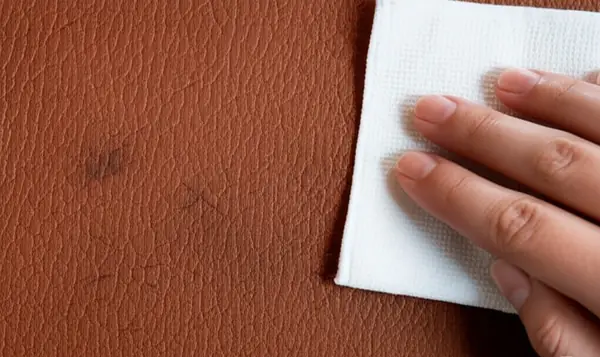
An inevitable part of life is stains on clothes. A drop of coffee on a crisp white shirt, a splash of red wine at a party, or a grass stain after a day at the park: these incidents are universal. The panic that follows, however, doesn’t have to be. Understanding the nature of stains on clothes and knowing the correct approach to treat them can transform a potential wardrobe disaster into a minor inconvenience. The key to successfully removing stains on clothes is not a single magic product, but a combination of swift action, correct technique, and knowledge of how different substances interact with fabric. The first and most critical rule of stain removal is to act as quickly as possible. A fresh stain is a temporary problem; a set-in stain is a long-term challenge. The longer a staining agent has to penetrate and bond with the fabric fibers, the more difficult it will be to remove. The moment a spill occurs, your goal is to remove as much of the excess substance as possible without making the situation worse. This leads to the second rule: blot, don’t rub. Rubbing stains on clothes grinds the particles deeper into the fabric and can spread the stain over a larger area, weakening or fraying the fibers in the process. Use a clean white cloth or a paper towel to gently blot the stain, working from the outside edges inward to prevent it from spreading. Before applying any cleaning solution, always test it on an inconspicuous area of the garment, such as an inside seam or hem. This ensures the solution won’t cause discoloration or damage to the fabric itself. Finally, and perhaps most importantly, never put a garment with stains on clothes in the dryer. The high heat of a dryer will permanently set most stains, making them nearly impossible to remove. Always check to ensure a stain is completely gone after washing and before drying. If a faint trace remains, repeat the treatment and wash it again. Air-drying is the safest option until you are certain the stain has vanished. To effectively tackle any stains on clothes that come your way, it’s wise to have a basic stain removal toolkit on hand. You don’t need a cabinet full of expensive, specialized products. Most common stains on clothes can be treated with a few simple household items: Cold Water: Your first line of defense for many stains, especially unknown ones and those that are protein-based. Dish Soap (Clear, without bleach): An excellent degreaser that is gentle on most fabrics. It’s the go-to for oil-based stains. White Vinegar: A mild acid that works well to break down tannin stains like coffee, tea, and juice. It also helps to remove odors. Baking Soda: A gentle abrasive and natural deodorizer. It can be made into a paste with water to lift stains. Hydrogen Peroxide (3% Solution): A mild oxygen bleach that is great for whitening and removing organic stains like blood and grass. Always test on colored fabrics first. Rubbing Alcohol: A solvent that is effective on ink and some dye stains. Enzyme Cleaner: A product specifically designed to break down protein-based stains on clothes like blood, sweat, and dairy. These are often sold as pet stain removers. Clean White Cloths and a Soft-Bristled Brush (like an old toothbrush): For blotting and gently scrubbing. Stains can be broadly categorized by their origin, and each category requires a different approach to deal with stains on clothes. Tannin Stains (Plant-Based)  These stains come from plant-based compounds and include some of the most common culprits: coffee, tea, red wine, fruit juice, berries, and grass. They are essentially dyes from plants. Coffee and Tea: Immediately blot the stain and flush with cold water from the back of the fabric to push the stain out. Mix a solution of equal parts white vinegar and water. Apply it to the stain and let it sit for 10-15 minutes. If the stain persists, create a paste of baking soda and a few drops of water, apply it, and gently scrub with a soft brush. Launder as usual. Red Wine: This stain requires immediate action. Blot thoroughly. One of the most effective methods is to cover the fresh stain completely with salt. The salt will draw the wine out of the fabric fibers. Let it sit for at least an hour, then scrape off the salt and rinse with cold water. For any remaining discoloration, treat with a paste of hydrogen peroxide and a small amount of dish soap. Apply, let it sit for 30 minutes, then rinse and wash. Grass Stains: These are a combination of tannin and protein. Start by treating with a small amount of dish soap or an enzyme cleaner, working it into the stain. Let it sit for 15 minutes. For stubborn grass stains on clothes, rubbing alcohol can be effective. Dab it onto the stain with a clean cloth, then rinse thoroughly before laundering. Oil-Based Stains (Greasy)   These stains come from fats and oils and include cooking oil, butter, salad dressing, grease, and many types of makeup (like foundation and lipstick). Water alone will not remove these stains on clothes; they need a substance that can break down the oil. Cooking Oil and Grease: First, cover the stain with an absorbent powder like baking soda, cornstarch, or talcum powder. This will help draw the oil out of the fabric. Let it sit for at least 30 minutes, then scrape it off. Apply a generous amount of clear dish soap directly to the stain and work it in with your fingers or a soft brush. Let it sit for 10-15 minutes to allow the soap to break down the grease. Wash the garment in the hottest water the fabric can safely tolerate. Makeup: For liquid foundation or lipstick, gently scrape off any excess. Apply a few drops of dish soap or an oil-free makeup remover to the stain. Work it in and let it sit. For tougher stains, dabbing with rubbing alcohol can help break down the waxy components. Rinse and launder. Protein-Based Stains (Organic)  These stains come from animal or human sources and include

How to Tackle Tough Stains on Clothes: 5 Proven Methods Read More »

Back to School and Home Clean

Back to School: 7 Effective Ways to Keep Your Home From Turning Into Chaos

September in Canada is a vibrant month of energy and back to school time. The leaves begin to change color, the air grows crisp, and the country prepares for the autumn season. At the heart of every home, the most significant transition is the much-anticipated Back to School period. Mornings become more hurried, evenings are filled with homework and extracurricular activities, and the constant flow of backpacks, lunchboxes, and outdoor shoes can quickly transform an organized house into chaos. For Canadian families, this Back to School period demands more than just buying school supplies; it requires an adaptation of household routines, especially in cleaning and organizing, to ensure that the home remains a sanctuary of peace and order amidst the bustle of the new Back to School season. A well-managed home during this time is not only more pleasant to live in but also a fundamental pillar for the well-being and productivity of all its members. The Chaos of the Back to School Period The end of summer and the start of the academic year bring with them a host of new challenges for home organization and hygiene. Suddenly, the spaces that once housed summer play now need to accommodate school uniforms, books, art supplies, and gear for countless after-school activities. The increased traffic of children and teenagers entering and leaving the house means more dirt, more germs, and often, more clutter. Backpacks dropped by the entrance, papers scattered across the kitchen table, damp gym clothes on the bedroom floor, these are familiar scenarios for many Canadian families as the Back to School rush begins in September. Furthermore, the school environment is a fertile ground for the spread of germs. Children bring home not only new knowledge but also the viruses and bacteria circulating in classrooms, elevating the importance of cleaning focused on disinfection. Adapting cleaning strategies to face this new rhythm is essential for maintaining health and sanity at home during the Back to School transition. 1.Key Areas of Focus for Back to School Clean-up To combat the chaos of the Back to School season, it’s crucial to concentrate cleaning and organizing efforts in areas most impacted by the school routine: Entrances and Mudrooms: These are the first lines of defense against outdoor dirt. In many Canadian homes, the mudroom or entry area quickly becomes a repository for dirty shoes, coats, backpacks, and lunchboxes as everyone rushes for Back to School. To prevent dirt from spreading throughout the house and to maintain order: Create Designated Zones: Install hooks for coats and backpacks, and trays or shelves for shoes. This prevents items from piling up on the floor. Daily Cleaning: Sweep or vacuum this area daily. In Calgary and other Canadian cities, shoes track in a lot of dirt, especially as the weather begins to change. Regular Disinfection: Wipe down doorknobs and surfaces that hands frequently touch with a disinfectant, vital during Back to School germ season. The Kitchen: The kitchen shifts from a place of relaxed summer meals to a headquarters for lunchbox prep and quick meals, a core part of the Back to School routine. Lunchbox Organization: Dedicate a cupboard or shelf for lunchboxes and water bottles. Wash them immediately after use and allow them to dry. Countertop Cleaning: Wipe and disinfect countertops after each food and snack preparation. Crumbs and spills are inevitable. Refrigerator Organization: With more food being prepared and stored, keep the refrigerator organized and clean up spills immediately. Spotless Sink: Encourage immediate washing of dishes or loading the dishwasher to prevent accumulation. Study Areas and Desks: With homework in full swing, these areas can quickly become disorganized as part of the Back to School workload. Keep It Simple: Encourage a clean and minimalist study space to reduce distractions. Material Storage: Use desk organizers, drawers, and shelves to store pens, papers, books, and school supplies. Regular Cleaning: Dust and wipe down desk surfaces regularly. Encourage children to put away their materials after each study session. Bedrooms: Bedrooms can easily become clutter zones with clothes and personal items, especially with the morning Back to School rush. Make the Bed: The habit of making the bed every day creates a foundation of order for the room. Laundry Hampers: Ensure each bedroom has a laundry hamper to prevent clothes from ending up on the floor. Quick Tidy-Up Routine: Teach children to spend 5-10 minutes before bedtime tidying their rooms, putting away clothes and toys. Bathrooms: With increased exposure to germs at school, bathrooms need extra attention during the Back to School period. Daily Wipe-Down: Quickly wipe down the sink and toilet to remove visible dirt. Frequent Disinfection: Use a disinfectant on doorknobs, faucets, toilets, and light switches several times a week. Clean Towels: Encourage the use of clean face and hand towels daily or every other day. 2.Implementing New Routines The secret to maintaining order during the Back to School season is establishing routines that become habits: Daily Power Clean (15-20 Minutes): At the end of the day, just before the family settles down, do a collective 15-20 minute “power clean.” Each family member can have a task: one tidies the living room, another puts away dishes, another wipes kitchen countertops. This ensures you wake up to a relatively organized home, setting a positive tone for the next day as the Back to School routine begins again. Weekly Zone Cleaning: Instead of trying to clean the entire house in one day, divide the house into “zones” and dedicate one day of the week to each. This approach is highly effective for managing cleaning tasks alongside Back to School schedules. Envolve the Children: Cleaning should not solely be the parents’ responsibility. Assign age-appropriate chores to children. Making cleaning a family effort not only distributes the load but also teaches responsibility and the value of a clean environment, crucial lessons during the Back to School transition. 3.Fighting Back-to-School Germs With increased social interaction at schools, disease prevention becomes a priority. High-Touch Surfaces: Focus on regularly disinfecting doorknobs, light switches, remote controls, cell phones, and other frequently touched surfaces, especially important as children bring home germs during Back to School. Hand Hygiene: Reinforce the habit of frequent handwashing, especially upon returning home from school, before meals, and after using the bathroom. Keep hand sanitizer available in strategic areas. Lunchboxes and Water Bottles: Wash lunchboxes and water

Back to School: 7 Effective Ways to Keep Your Home From Turning Into Chaos Read More »

liquid detergent being poured

Complete Laundry Detergent Guide: Understand Your Formula And How To Use It

The fundamental purpose of laundry detergent is to cleanse textiles. It is a highly engineered blend of chemical compounds designed to perform the complex task of removing soil, oils, and stains from fabrics and suspending them in water to be rinsed away. While simple soap can clean, modern laundry detergent is scientifically formulated to overcome the limitations of soap, particularly its poor performance in hard water. Soap reacts with calcium and magnesium ions present in hard water to form an insoluble lime soap, or soap scum, which clings to fabrics, leaving them dingy, stiff, and trapping dirt. A quality laundry detergent contains ingredients called builders that specifically counteract these minerals, allowing the cleaning agents to function at their full potential in any water condition. Formulation The heart of every laundry detergent formulation is its surfactant system. Surfactants (surface-active agents) are the primary cleaning agents. These molecules have a dual personality: a water-loving (hydrophilic) head and an oil-and-dirt-loving (hydrophobic) tail. During the agitation of a wash cycle, the hydrophobic tails attach themselves to soil particles on clothing, prying them loose from the fabric fibers. The hydrophilic heads remain in the wash water, pulling the entire molecule—now carrying the dirt—away from the garment and keeping it suspended in the water so it cannot redeposit onto other clothes before being flushed out during the rinse cycle. Most formulations use a blend of surfactant types for comprehensive cleaning. Anionic surfactants are the workhorses, excellent at lifting and suspending particulate dirt. Nonionic surfactants, which have no electrical charge, are particularly effective at emulsifying and removing oily soils, and they perform very well in cooler water temperatures. This synergistic blend is a hallmark of a powerful laundry detergent.   Liquid, Powder, Pods or Sheets? Consumers can choose from several physical forms of laundry detergent: liquid, powder, pods, and sheets. Liquid laundry detergent dominates the market due to its convenience and effectiveness. It dissolves completely at any wash temperature, making it a reliable choice for cold-water washing to conserve energy and protect delicate fabrics. Liquids are stain-fighting powerhouses, especially on greasy spots like salad dressing or body oil, because they can be applied directly to the stain as a pre-treatment, allowing the surfactants to begin working immediately. The downsides are related to its composition and packaging. Being mostly water, it is heavy and bulky, increasing transportation costs and carbon emissions. Overdosing is also a common user error, leading to soap residue, machine malfunctions, and waste. Powder laundry detergent, the original modern format, remains a highly effective and economical option. Powders are generally less expensive per wash load and are exceptionally skilled at removing ground-in particulate stains like mud, clay, and grass. The very slight abrasive quality of the granules can help dislodge stubborn dirt. Furthermore, powder formulas can incorporate oxygen-based bleaching agents like sodium percarbonate more stably than liquids can, providing superior whitening and brightening action. The main challenge with powder laundry detergent is its potential for incomplete dissolution in very cold water, which can leave a white residue on dark clothes. It must also be stored in a completely dry environment to prevent clumping. Single-dose pods, or packs, represent the peak of convenience in the world of laundry detergent. These pre-measured, water-soluble packets contain highly concentrated liquid, and sometimes powder, often in separate chambers to keep ingredients stable until they are released in the wash. This design eliminates measuring and spillage, ensuring a perfect dose every time and preventing the problems associated with overuse. However, they are the most expensive option per load and offer no flexibility for adjusting the amount of laundry detergent for smaller or less soiled loads. Their small, candy-like appearance has also made them a safety risk in homes with small children, demanding vigilant storage. Laundry Detergent Sheets The newest format, laundry detergent sheets, addresses environmental concerns head-on. These are dehydrated, compressed sheets of detergent that dissolve in the wash. Their primary advantage is their eco-friendly profile: they are ultra-lightweight, compact, and typically packaged in plastic-free, recyclable cardboard. This drastically reduces packaging waste and the carbon footprint of shipping. They are mess-free and simple to use. While their cleaning power is sufficient for most day-to-day laundry, some heavy-duty stains might require the targeted power of a concentrated liquid or robust powder laundry detergent. Beyond the surfactants, an advanced laundry detergent contains a host of other critical ingredients. Builders, as mentioned, soften water. Historically, phosphates were the builder of choice due to their incredible effectiveness, but their use in laundry detergent was largely banned because they caused severe environmental damage by promoting algal blooms that depleted oxygen in lakes and rivers, a process known as eutrophication. Modern builders include substances like sodium citrate and zeolites, which sequester hard water minerals effectively without harming aquatic ecosystems. Stain Removers Enzymes are the specialized stain removers in a modern laundry detergent. These biological proteins are catalysts that target and break down specific types of stains into smaller, more easily removable particles. Protease dismantles protein-based stains (blood, grass, dairy). Amylase targets starch-based stains (gravy, potato). Lipase works on fats and oils (grease, lipstick). Cellulase works on cotton and cotton-blend fabrics, not only helping to release particulate soil but also snipping off the fuzzy microfibrils that cause pilling, which helps keep fabrics looking smooth and new. A laundry detergent without a multi-enzyme blend simply cannot compete on stain removal. Polymers are another unsung hero. Anti-redeposition polymers are added to keep the loosened dirt suspended in the wash water, preventing it from settling back onto cleaner clothes and causing dinginess. Soil-release polymers are even more advanced; they deposit a protective, invisible shield on fabrics (especially synthetics like polyester) that makes it harder for future stains to set in, ensuring easier cleaning in subsequent washes. pH modifiers, or alkalinity agents like sodium carbonate, are also included to raise the pH of the wash water. An alkaline environment helps to break down fats and oils and generally improves cleaning performance. Homemade Laundry Detergent A common question is about the viability of homemade laundry detergent. While the recipes seem simple—typically a mix of washing soda, borax, and grated bar soap—they are a significant step backward. These concoctions create soap, not a

Complete Laundry Detergent Guide: Understand Your Formula And How To Use It Read More »

Natural Cleaning Products

Amazing Natural Cleaning Products To Add To Your Daily Routine

The adoption of natural cleaning is a deliberate shift from chemical dependency to a fundamental understanding of household chemistry. It’s the recognition that the most pervasive messes in our homes, grease, mineral deposits, organic stains, and soap scum, are simply chemical compounds that can be broken down, dissolved, or lifted by other, simpler compounds. This isn’t a return to an antiquated past; it’s a sophisticated application of basic science. The core of this effective natural cleaning philosophy rests on the interplay between acids and alkalis, the power of gentle abrasion, and the surfactant properties of true soap. By mastering these principles, you can replace an entire arsenal of specialized, synthetic products with a handful of powerful, safe, and inexpensive staples. 1.White Vinegar The acid-alkali dynamic is the primary engine of natural cleaning. Most cleaning tasks involve using an acid to dissolve an alkaline mess, or vice versa. The undisputed champion on the acidic side is distilled white vinegar. Its power comes from its roughly 5% concentration of acetic acid, which gives it a pH of around 2.5. This acidity is perfect for dissolving alkaline mineral deposits like the calcium and magnesium that constitute hard water stains and limescale. This is why a vinegar solution is so brilliantly effective at making glassware, faucets, and shower doors sparkle. A simple soak in vinegar can de-scale a coffee maker or a showerhead, restoring its function. In the laundry, a cup of vinegar in the rinse cycle acts as a fabric softener by dissolving leftover alkaline detergent residue, leaving fabrics softer without a chemical coating. The foundational rule of this natural cleaning agent is its limitation: its acidity will react with and etch acid-sensitive stones like marble, granite, and travertine, which are made of calcium carbonate. 2.Baking Soda On the opposite end of the pH spectrum is baking soda, or sodium bicarbonate, a mild alkali. Its gentle but consistent abrasive texture makes it the ideal scouring agent for surfaces that could be scratched by harsher powders. It safely scrubs sinks, fiberglass tubs, and stovetops. For a more intensive natural cleaning scrub, its more potent cousin, washing soda (sodium carbonate), can be used. Washing soda is significantly more alkaline (a pH of around 11) and is a phenomenal degreaser and water softener, making it a key ingredient in homemade laundry detergents. When dealing with an acidic mess, like the sour smell from a garbage disposal, an alkaline substance like baking soda neutralizes it. This is the essence of its deodorizing power—it doesn’t mask odors, it chemically balances them. The explosive reaction between vinegar and baking soda is often misunderstood in natural cleaning. When they combine, they create an unstable carbonic acid, which immediately decomposes into carbon dioxide gas and water. The cleaning power here is not in the resulting liquid, which is mostly just salty water, but in the physical agitation of the fizzing gas. This mechanical scrubbing action is fantastic for loosening grime in drains or toilet bowls. The correct technique is to apply the baking soda first, then add the vinegar to trigger the reaction directly on the surface you intend to clean, harnessing the immediate power of that fizzy release. 3.Liquid Castile Soap Beyond the acid-alkali duo, a true soap is essential. Liquid castile soap, made from saponified vegetable oils, is fundamentally different from synthetic detergents. Soap molecules are surfactants, meaning they have a water-loving (hydrophilic) head and an oil-loving (hydrophobic) tail. The tail attaches to grease and dirt, and the head attaches to water, allowing the grime to be encapsulated and washed away. This simple mechanism is incredibly effective. The versatility of castile soap is a cornerstone of natural cleaning; dilution is key. A few drops in a spray bottle of water creates a general surface cleaner. A tablespoon in a bucket of hot water is a perfect floor mopping solution. A one-to-three ratio of soap to water in a foaming pump creates an excellent hand soap. 4.Hydrogen Peroxide For disinfection and whitening, hydrogen peroxide is the natural cleaning alternative to chlorine bleach. The 3% solution is an oxidizer, meaning it works by breaking down organic materials like bacteria, viruses, and mold spores. It’s a powerful disinfectant for kitchen and bathroom surfaces. For a stubborn stain on a white countertop or a discolored grout line, a paste of hydrogen peroxide and baking soda can work wonders. Left to sit for 10-15 minutes, it will bubble as it oxidizes the stain, lifting it from the surface. This combination also creates a potent, non-chlorine “oxygen bleach” that is excellent for whitening and brightening laundry without the harsh fumes and fabric damage associated with chlorine. To elevate these basic ingredients, essential oils add both aromatic and functional properties. Their use transforms natural cleaning from a purely functional task into a sensory experience. The properties vary: Tea Tree Oil: A powerful antiseptic, antifungal, and antibacterial agent. Ideal for adding to sprays for bathrooms or any area prone to mildew. Citrus Oils (Lemon, Orange, Grapefruit): Excellent degreasers due to their d-limonene content. They also have an uplifting, fresh scent. Eucalyptus Oil: A natural disinfectant and decongestant. Mopping the floor with a eucalyptus-infused solution when someone in the house is sick can help freshen the air. Peppermint Oil: A known deterrent for pests like ants and spiders. A few drops on cotton balls placed in corners or entry points can help keep them at bay. Clove Oil: One of the most potent essential oils for inhibiting mold growth. Applying these principles allows for a comprehensive approach to natural cleaning throughout the home. In the kitchen, an oven can be deep-cleaned by making a thick paste of baking soda and water, slathering it on the interior surfaces (avoiding the heating elements), and letting it sit overnight. The next day, the softened, baked-on grease can be easily scraped and wiped away, followed by a final wipe-down with a vinegar spray to neutralize any remaining soda residue. Stainless steel appliances can be cleaned with a vinegar spray and then polished to a streak-free shine

Amazing Natural Cleaning Products To Add To Your Daily Routine Read More »