Fabric Softener vs. Vinegar: Which is Better for Your Laundry?
On this page
Fabric softener has become synonymous with the concept of “clean” for millions of households. We are conditioned to believe that clothes are not truly finished until they are perfumed with “ocean breeze” or “lavender fields” and feel silky to the touch. However, this staple of the laundry room is currently the subject of a significant debate in the world of textile care and appliance maintenance. While the immediate sensory benefits of fabric softener are undeniable, the long-term chemical effects on your wardrobe and your washing machine tell a more complicated story. To make an informed decision about whether to use these products, one must understand that fabric softener is not a cleaning agent; it is a conditioning agent that operates by coating fibers in a specific type of chemical residue.
How Does Fabric Softener Work?
To understand the pros and cons, we must first understand the mechanism of action. When you wash clothes, the agitation and the detergents strip away oils and dirt, leaving the fibers clean but often stripped of their natural lubricity. Furthermore, the mechanical action of the wash can leave natural fibers like cotton feeling rough or stiff, especially in areas with hard water where mineral deposits settle on the fabric. Fabric softeners are composed primarily of cationic surfactants. These are positively charged chemical molecules. Wet fabric fibers are generally negatively charged. Due to electrostatic attraction, the softener molecules bind tightly to the surface of the fabric, creating a thin, lubricating layer of fatty acids or silicones. It is essentially a layer of wax that stays on your clothes after the rinse cycle.
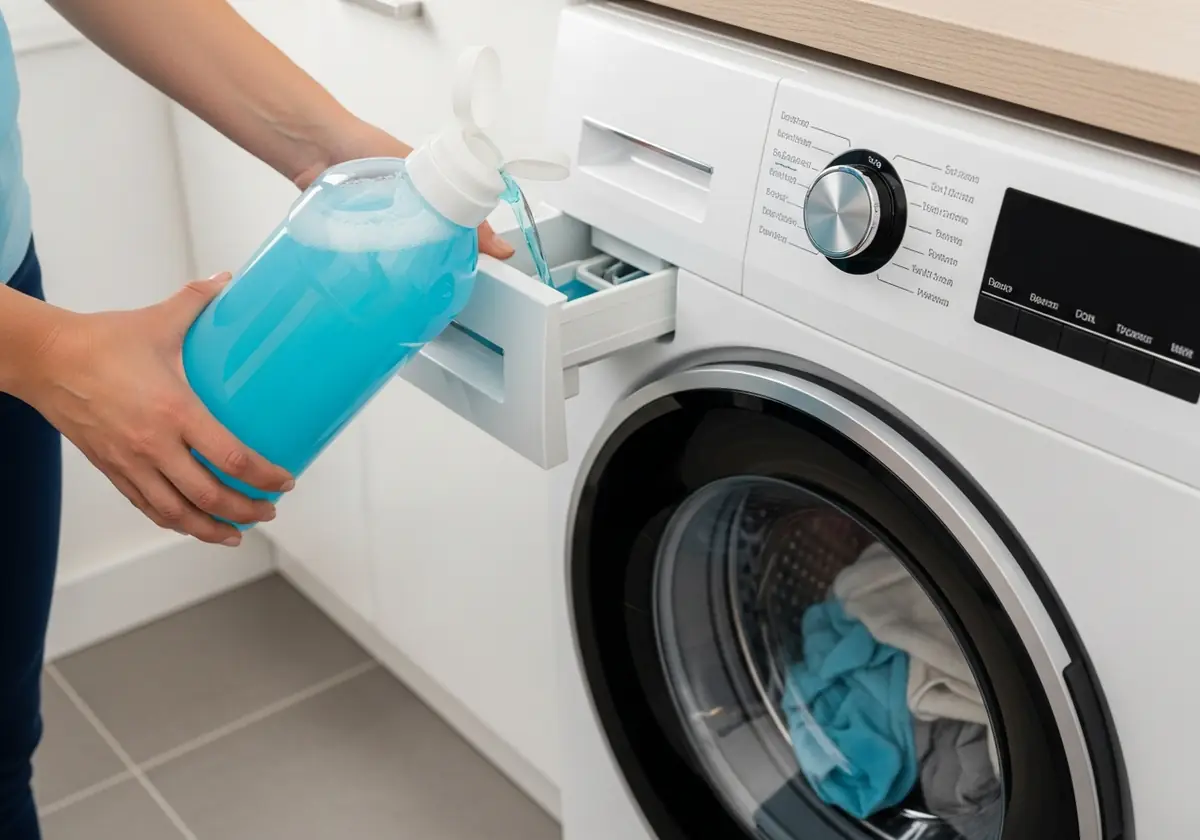
The primary argument for the use of fabric softener is, naturally, the tactile improvement. For natural fibers like cotton and linen, which can become harsh and scratchy after repeated washing, softener restores a feeling of plushness. This is particularly noticeable with bedsheets and everyday clothing like t-shirts. The lubricating layer reduces friction between the individual fibers within the thread, allowing them to move against each other more freely. This results in a fabric that drapes better and feels smoother against the skin. For individuals with sensitive skin that is easily irritated by rough textures, this softening effect can make the difference between a comfortable garment and an unwearable one.
Static Electricity
Beyond the feel, there is the issue of static electricity. Static cling is a common annoyance, particularly in the winter months when the air is dry. Synthetic fabrics like polyester and nylon are prone to building up electrical charges as they tumble against each other in the dryer. The coating provided by fabric softeners and dryer sheets is conductive, which helps to neutralize these charges and prevent the fabrics from sticking together or sparking. If you live in a dry climate or wear a lot of synthetics, the anti-static properties of softener are a significant functional benefit that saves you from the embarrassment of a skirt clinging to your legs.
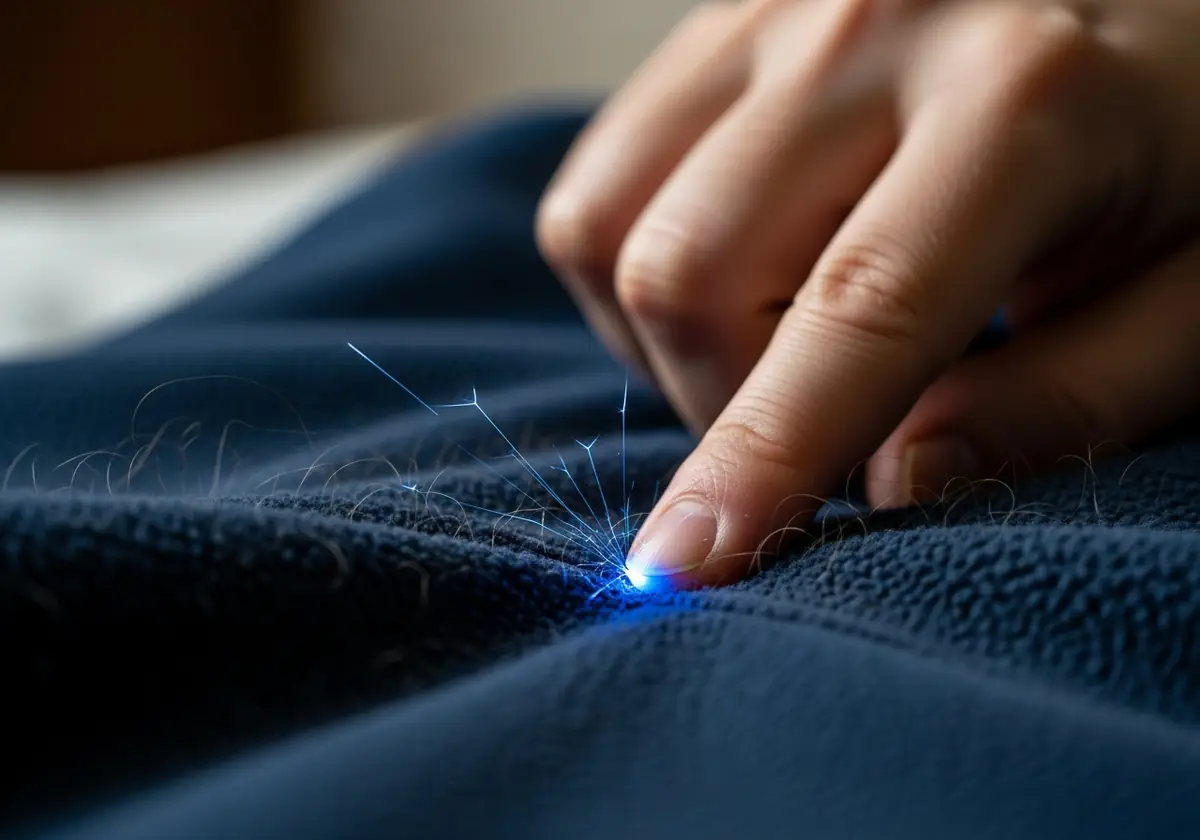
The aesthetic appeal of fragrance is another massive driver of softener use. Laundry detergents often have scents that wash away or fade quickly. Fabric softeners are engineered with encapsulation technology, where fragrance molecules are trapped in microscopic bubbles that burst when the fabric is rubbed or moved. This ensures that the scent lingers for days or even weeks after the wash. For many, this lingering scent is the primary indicator of hygiene. A home that smells like fresh laundry is perceived as a clean home, and softener is the easiest way to achieve that olfactory standard. Additionally, the lubricating effect of the softener can help reduce wrinkling, making ironing easier or, in some cases, unnecessary for casual clothing.
Absorption
However, the very mechanism that provides these benefits—the coating of the fibers—is the source of the product’s significant downsides. The most detrimental effect of fabric softener is on absorbency. The waxy layer that makes a towel feel soft also makes it hydrophobic, meaning it repels water. When you use softener on bath towels, you are essentially waterproofing them. Over time, the buildup of these fatty acids coats the loops of the terry cloth. You end up with a towel that feels plush to the touch but merely pushes water around on your skin rather than soaking it up. This defeat of the towel’s primary function is a major drawback. To restore a towel’s absorbency, one often has to strip the fabric using vinegar and hot water to melt away the accumulated softener.
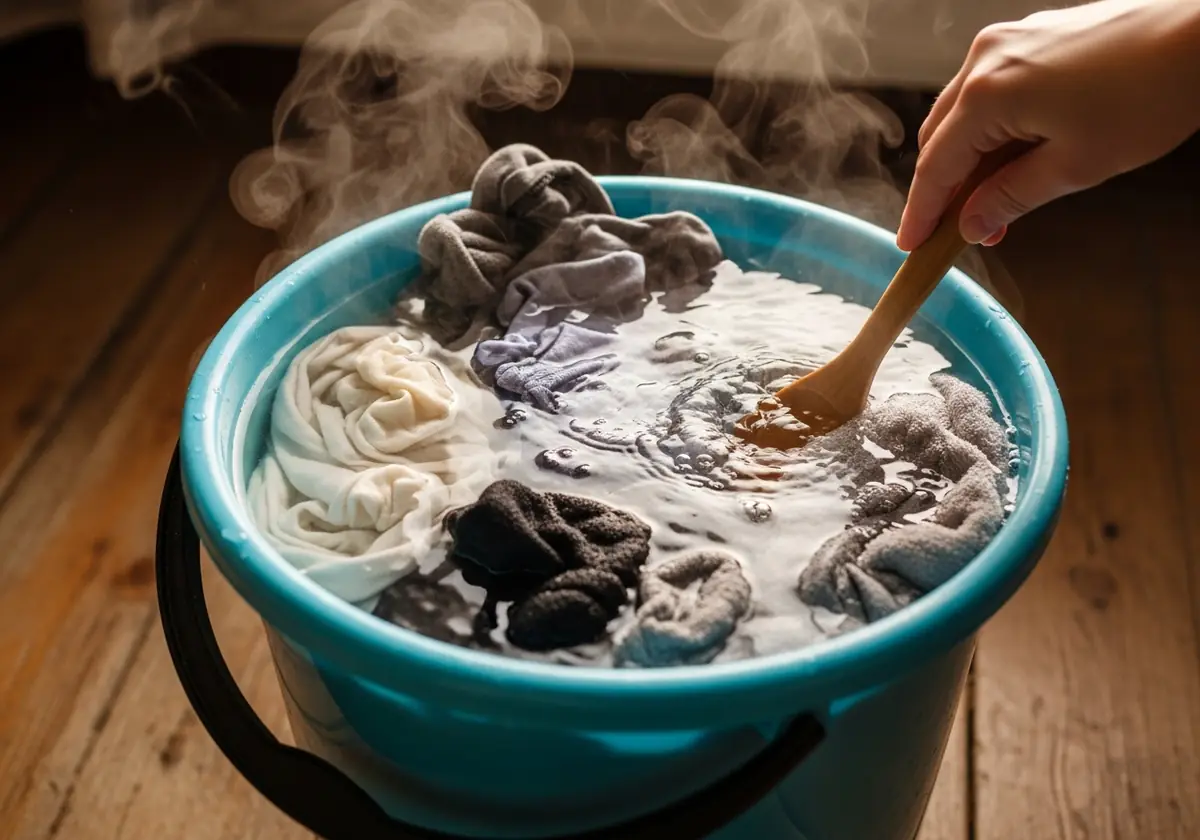
This blocking of the fiber’s pores is even more catastrophic for modern athletic wear. Performance fabrics are engineered with a specific weave designed to wick moisture away from the body and allow it to evaporate quickly. This is a mechanical function of the textile. When you wash yoga pants or running shirts with fabric softener, the residue fills the micropores of the fabric. This traps sweat, dead skin cells, and bacteria inside the weave. The result is twofold: first, the garment loses its ability to wick sweat, leaving you clammy during a workout; second, it develops a “perma-stink.” Because the bacteria are trapped under a layer of silicone or wax, the detergent cannot reach them in the next wash. The clothes begin to smell musty even when they are technically clean. Manufacturers of high-end athletic gear almost universally advise against the use of softeners for this reason.
Children’s Clothing
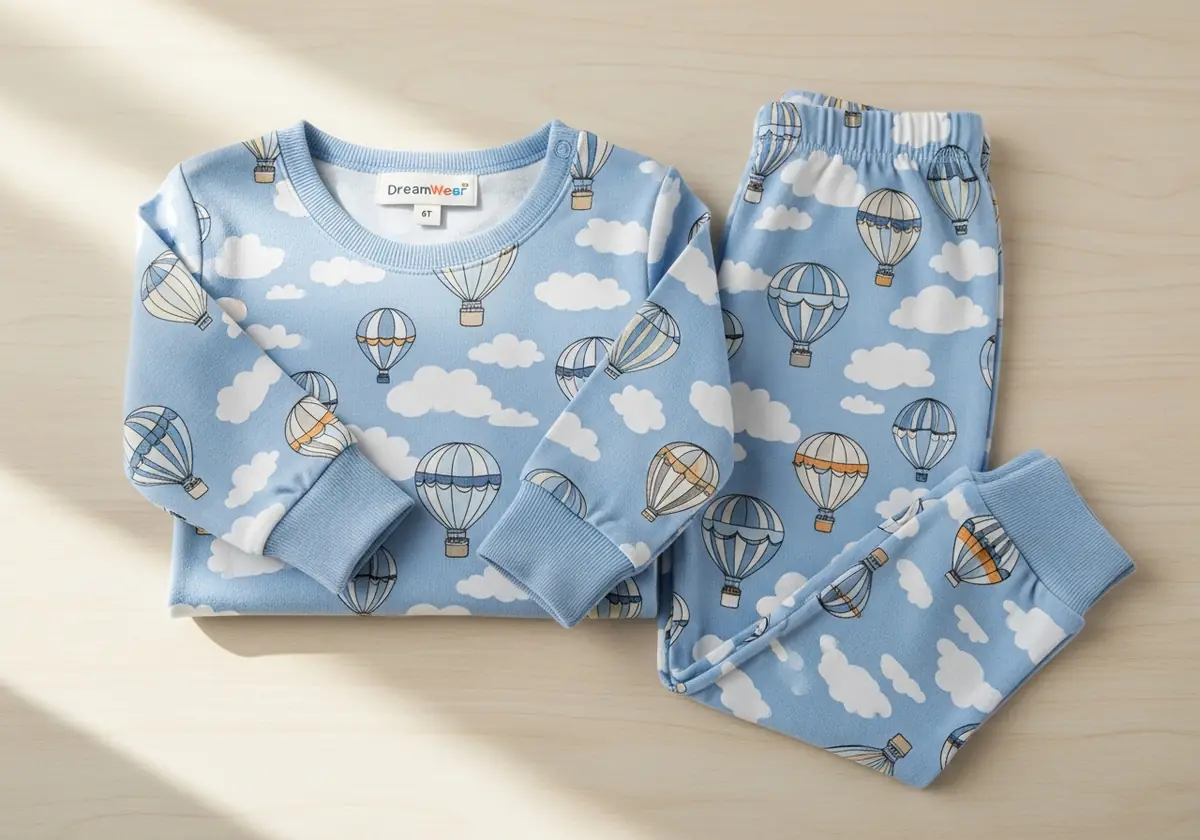
The flammability of textiles is another serious safety concern that is often overlooked. Children’s sleepwear is legally required to be flame-resistant. This is achieved either through the use of specific synthetic fabrics or chemical treatments. Fabric softener, being derived from emulsified fats and oils, is inherently flammable. Coating flame-resistant pajamas in a layer of flammable residue reduces their resistance to fire. Most fabric softener bottles carry a warning label advising against use on children’s sleepwear or garments labeled as flame-resistant, yet many consumers pour it into every load indiscriminately, unknowingly compromising the safety features of the clothing.
The impact on the washing machine itself is a “hidden cost” of fabric softener usage. In the cool, damp environment of the washer, the animal fats and silicones in the softener do not always wash away completely. They tend to congeal in the outer tub of the machine and in the drain lines. This sludge, often referred to in the repair industry as “scrud,” becomes a breeding ground for black mold and mildew. It coats the sensors, leading to electronic errors, and can restrict the water flow in the drain pump. Front-loading machines are particularly susceptible to this. If you notice black flakes appearing on your clean clothes or a persistent sewage-like smell coming from your laundry room, it is highly likely that fabric softener buildup is the culprit. Using softener requires a much more rigorous machine cleaning schedule to prevent this biological growth.
Allergy
Environmental and dermatological concerns also weigh heavily on the “con” side of the argument. The fragrances and preservatives used in softeners are among the leading causes of contact dermatitis. For those with eczema or highly sensitive skin, the chemical residue left on the clothes can cause itching and rashes, creating a paradox where the product meant to make clothes feel better actually makes them feel worse. Environmentally, many softeners contain quaternary ammonium compounds (quats), which are not easily biodegradable and can be toxic to marine life when flushed into the water system. The single-use nature of dryer sheets also contributes a significant amount of non-recyclable waste to landfills, as they are often made of non-woven polyester mesh coated in stearic acid.

There is also the matter of color dulling. While softener can keep fabrics feeling new, the buildup can eventually cast a grey or yellow haze over white clothing. The sticky surface of the coated fiber attracts more lint and dust than an uncoated fiber. Over time, this microscopic debris gets stuck in the waxy layer, making bright colors look dingy and muted. This is particularly problematic for microfiber cloths used for cleaning. If you wash your cleaning cloths with softener, the fibers become coated and lose their electrostatic ability to grab dust. You essentially turn a high-tech cleaning tool into a rag that simply smears dirt around.
Strategies for Washing
Given these stark pros and cons, the modern approach to laundry requires a more nuanced strategy than simply using softener in every load. It is about choosing the right tool for the right fabric. For a load of cotton sheets or casual denim, the softening benefits might outweigh the risks. For a load of towels, sportswear, or microfiber, softener should be strictly prohibited.
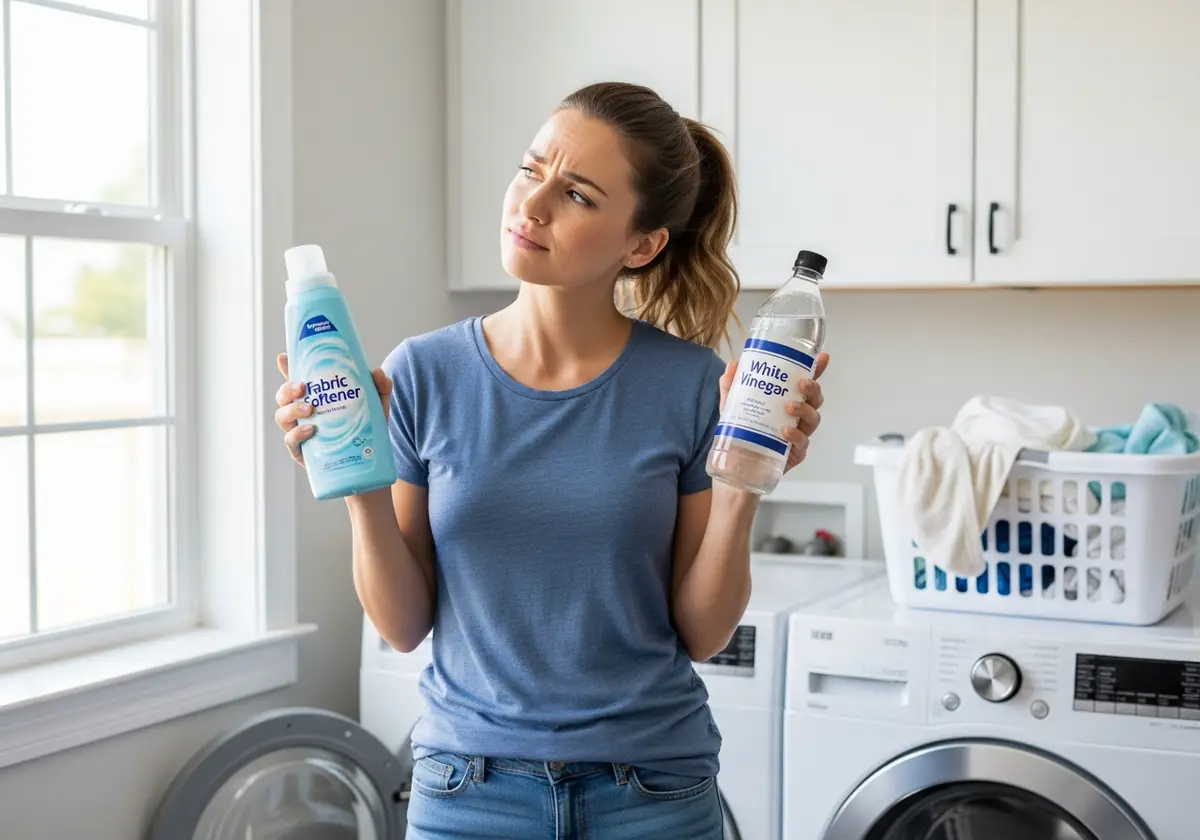
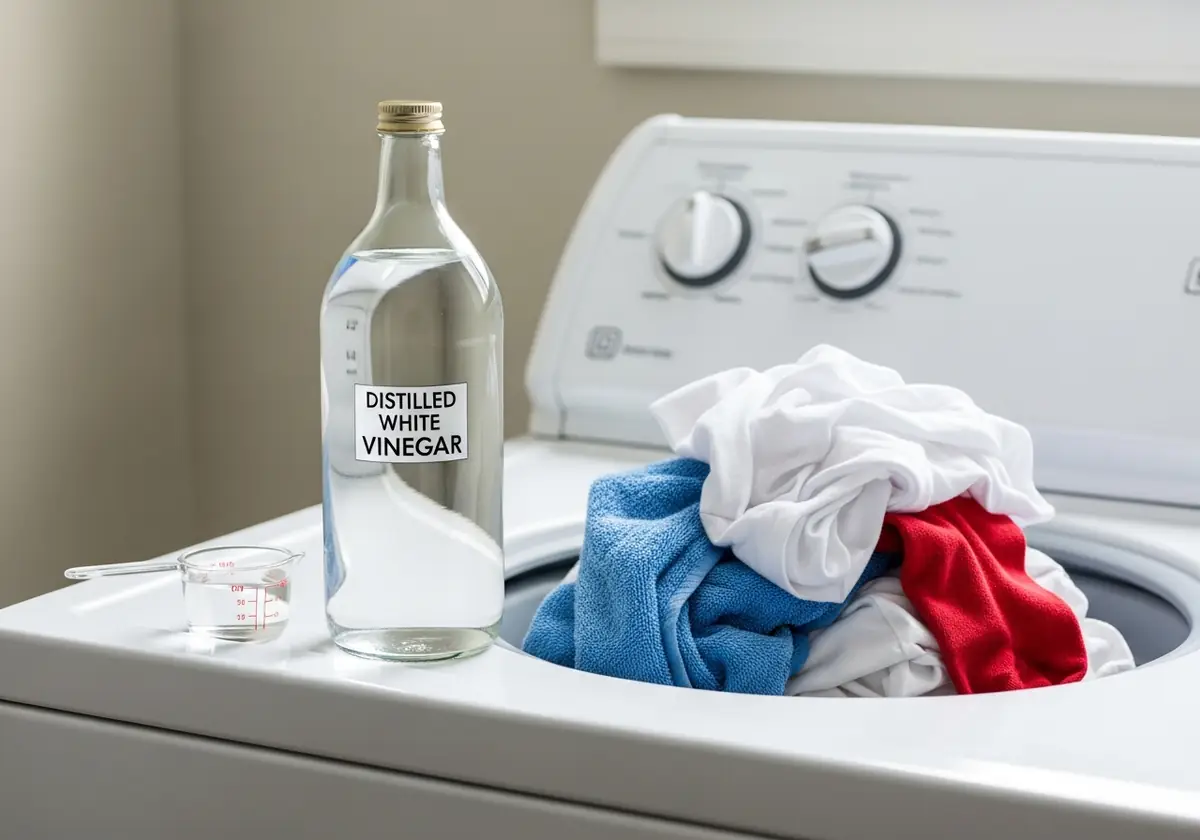
Fortunately, there are alternatives that offer a middle ground. White distilled vinegar is a celebrated natural substitute. When added to the rinse cycle, the mild acidity of vinegar helps to strip away detergent residue and mineral deposits from hard water. This relaxes the fibers naturally, leaving them softer without coating them in wax. While it does not provide the same slippery, plush feel as commercial softener, it restores the natural texture of the fabric and aids in absorbency rather than hindering it. The vinegar smell evaporates completely upon drying.
For the dryer, wool dryer balls have surged in popularity as a mechanical alternative to chemical sheets. These dense balls of felted wool bounce around the dryer drum, physically beating the clothes to soften them and separating the items to allow for better airflow. This reduces drying time and static without adding any chemicals to the surface of the clothing. They are reusable for years and pose no risk to the absorbency of towels or the flammability of sleepwear.
Final Analyses
In conclusion, fabric softener is a luxury product that provides a specific sensory experience at a functional cost. It is a trade-off. You are trading the absorbency, breathability, and long-term hygiene of your textiles for immediate softness and fragrance. Understanding this exchange allows you to be a smarter consumer. It is not necessarily a villain to be banished from the home, but it is certainly not a universal necessity. By restricting its use to specific loads and employing natural alternatives for others, you can protect your expensive athletic wear, keep your towels thirsty, and ensure your washing machine remains mold-free, while still enjoying the occasional comfort of a lavender-scented sheet. Laundry is chemistry, and like all chemistry, the result depends entirely on the ingredients you choose to mix.
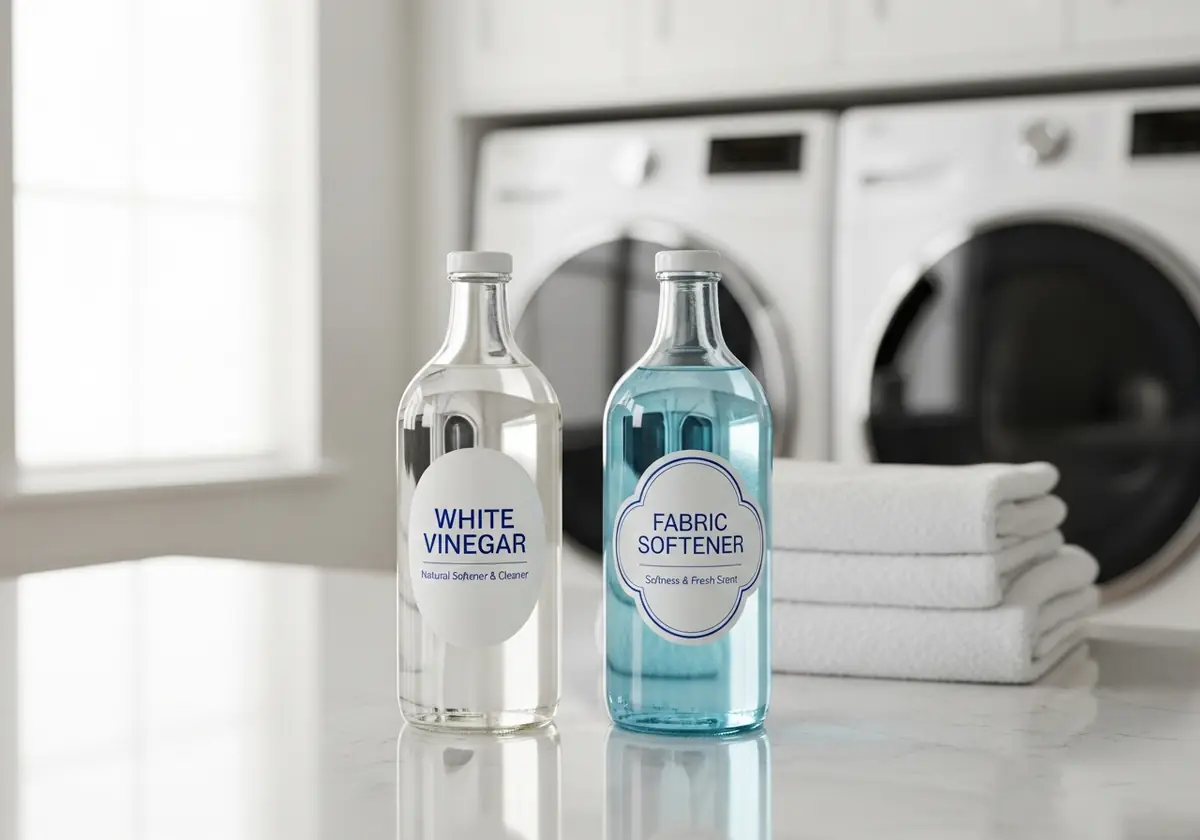
Laundry has its own care rules; regular house cleaning is an option for the rooms beyond the laundry basket.
Maintaining a home involves navigating a thousand small choices like this one, balancing comfort with functionality and chemical safety. From the way you wash your clothes to the way you scrub your floors, every decision impacts the longevity of your possessions and the health of your environment. When the complexity of deep cleaning and home maintenance becomes overwhelming, or when you simply want to ensure your home is cared for with professional expertise that understands these nuances, Toronto Shine Cleaning is the solution. Our team is trained to treat every surface and textile with the appropriate care, ensuring that your home is not just surface clean, but fundamentally healthy. Whether you need a seasonal reset or regular maintenance, Toronto Shine Cleaning brings the knowledge and the elbow grease to keep your living space pristine, protecting your investment in your home and your wardrobe.
In the press Lina DaSilva, founder of Toronto Shine Cleaning, was quoted on this topic in Apartment Therapy (“8 Fabric Softener Alternatives for Static-Free Laundry”).