Different Types of Cleaning Cloths: Clean Your Home Without Damaging it
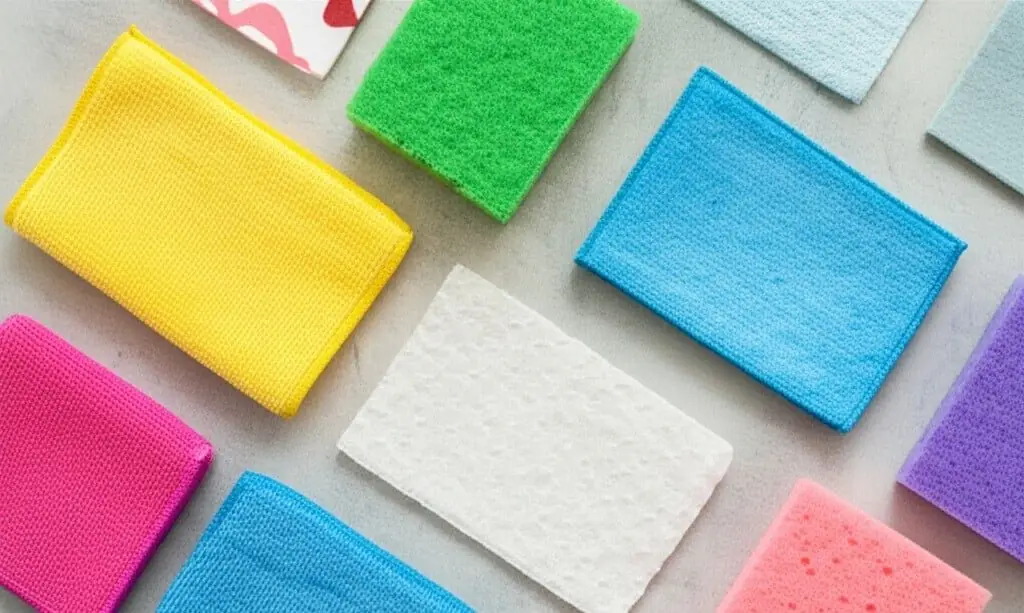
The cleaning cloths is the single most fundamental tool in the arsenal of both the professional and the homeowner. Its importance is often overlooked in favor of powerful chemical solutions or advanced machinery, yet the success of any cleaning task hinges on the material used to wipe, scrub, and polish a surface. The wrong cloth can leave behind lint, create streaks, fail to absorb liquid, or, in the worst-case scenario, scratch and permanently damage the very surface it is meant to clean. A deep understanding of the different types of cleaning cloths is not a minor detail; it is the foundation of effective and efficient cleaning. The market is filled with various cleaning cloths, each designed with a specific purpose in mind.
Microfiber
Microfiber has revolutionized the cleaning industry over the past few decades, and for good reason. It is not a single type of cloth but a category of textiles made from incredibly fine synthetic fibers, typically a blend of polyester and polyamide. For a fiber to be classified as a microfiber, it must be finer than one denier, which is approximately the diameter of a silk strand. Most cleaning-grade microfibers are significantly finer than that.
The true genius of microfiber lies in its manufacturing process. The fibers are split into a star-like or wedge-shaped cross-section. This creates an enormous amount of surface area within the cloth and a network of microscopic hooks that are exceptionally effective at trapping dust, dirt, grime, and microbes. Unlike traditional cotton cleaning cloths, which tend to push larger particles around, a microfiber cloth actively grabs and holds onto debris. Furthermore, the material possesses a natural positive electrostatic charge when dry, which acts like a magnet for negatively charged dust particles. This makes it an unparalleled tool for dusting without the need for chemical sprays.
When used damp, microfiber’s effectiveness shifts to its capillary action. The vast network of fibers can absorb between seven and eight times its own weight in liquid. This incredible absorbency allows it to lift and remove dirt and grease with minimal water, often eliminating the need for harsh cleaning chemicals. The fine fibers can penetrate microscopic pores and irregularities on a surface that other cloths simply skim over. However, not all microfiber is created equal; the weave and pile of the cloth dictate its best use, making the selection of specific microfiber cleaning cloths a crucial decision for achieving optimal results.
All-Purpose Microfiber: This is the most common and versatile type. It has a looped pile, similar to a traditional terry cloth towel but much finer. This texture is excellent for scrubbing and trapping larger particles of dirt and grime. It’s the workhorse for general cleaning tasks like wiping down countertops, cleaning spills, scrubbing bathrooms, and washing general household surfaces. Its high absorbency makes it effective for both wet and dry applications.
Waffle Weave Microfiber: Characterized by a distinctive grid-like pattern of recessed squares, this weave significantly increases the cloth’s surface area. This design is engineered for maximum absorbency and quick drying. Waffle weave cloths are the superior choice for drying tasks. They can absorb large amounts of water without becoming oversaturated quickly, making them perfect for drying dishes, glassware, and especially for automotive detailing, where leaving a streak-free finish on a car’s body is paramount.
Glass and Polishing Microfiber: These cloths have a very tight, flat, suede-like weave with no pile. This smooth surface is designed to glide effortlessly over reflective surfaces. Because it lacks the looped fibers of a terry weave, it is virtually lint-free. Its primary purpose is to clean and polish glass, mirrors, windows, stainless steel appliances, and chrome fixtures without leaving behind streaks, smudges, or fibers. For best results, one of these flat-weave cleaning cloths is often used slightly damp to clean, followed by a second, dry one to polish to a perfect shine.
High-Pile or Plush Microfiber: These cloths feature long, soft, fluffy fibers. The primary advantage of this design is its ability to trap and hold large quantities of dust deep within its pile, preventing it from being released back into the air. This makes it the ultimate reusable dusting tool, far superior to disposable static cloths. The plushness also makes it ideal for delicate tasks like buffing car wax without scratching the paint or for applying polish to fine furniture.
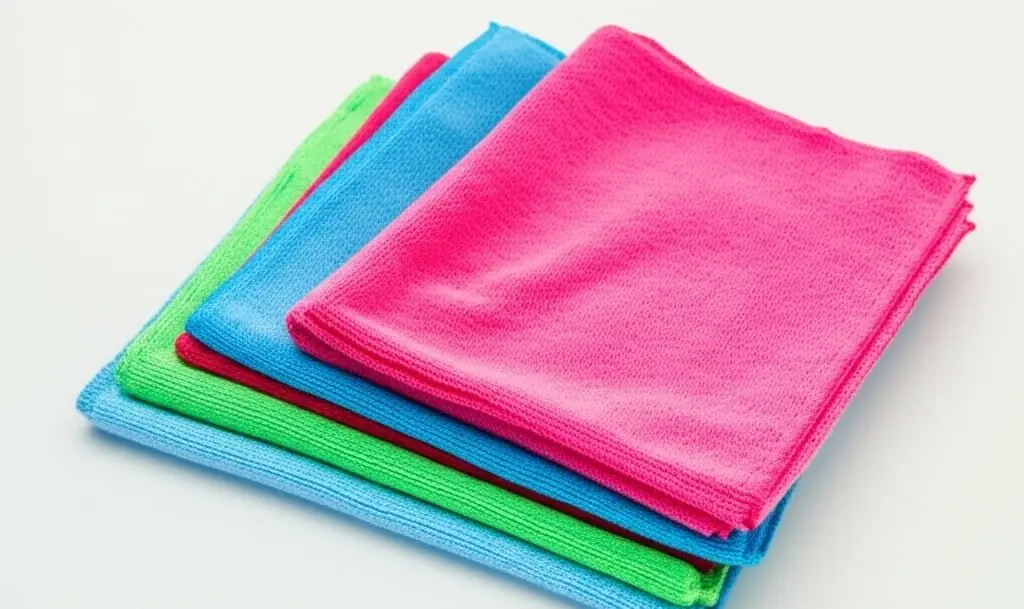
Proper care is essential to maintain microfiber’s unique properties. They should be washed only with other microfiber or non-linting synthetic materials. Washing them with cotton will cause lint to become embedded in the fibers, ruining their effectiveness. Crucially, fabric softener and bleach must never be used. Fabric softener clogs the microscopic gaps in the fibers, destroying their ability to absorb and trap dirt. Bleach degrades the synthetic fibers, causing them to break down. Washing these cleaning cloths correctly ensures they last for hundreds of uses while maintaining their superior cleaning power.
Cotton
Before the advent of microfiber, cotton was the undisputed king of cleaning cloths. Derived from a natural plant fiber, cotton is known for its softness and high absorbency. It is durable and can withstand harsh chemicals like bleach and high washing temperatures, which can be useful for sanitization when dealing with heavy contamination.
Cotton Terry Cloth:These are the familiar towels found in bathrooms and kitchens. Their looped pile is designed for absorbing large volumes of water. While effective for mopping up significant spills or for heavy-duty scrubbing where potential linting is not a concern, these cotton cleaning cloths are not ideal for fine cleaning. They tend to smear dirt more than lift it and often leave behind noticeable lint, especially on glass and dark surfaces.
Flour Sack Towels: These are thin, tightly woven cotton cloths, historically made from the sacks used for flour. Their key advantage is that they are virtually lint-free. This makes them an excellent, classic choice for drying glassware and polishing silverware to a brilliant shine. They are less absorbent than terry cloth, but their smooth surface makes them superior finishing cleaning cloths for specific tasks where a perfect, clear finish is required.
Cotton Rags: The most economical option is often a repurposed old cotton t-shirt or sheet. These are soft, absorbent, and perfect for the messiest of jobs, applying wood stain, polishing shoes, cleaning up grease in a garage, or any task where the cloth is likely to be discarded afterward. Their utility lies in their disposability.
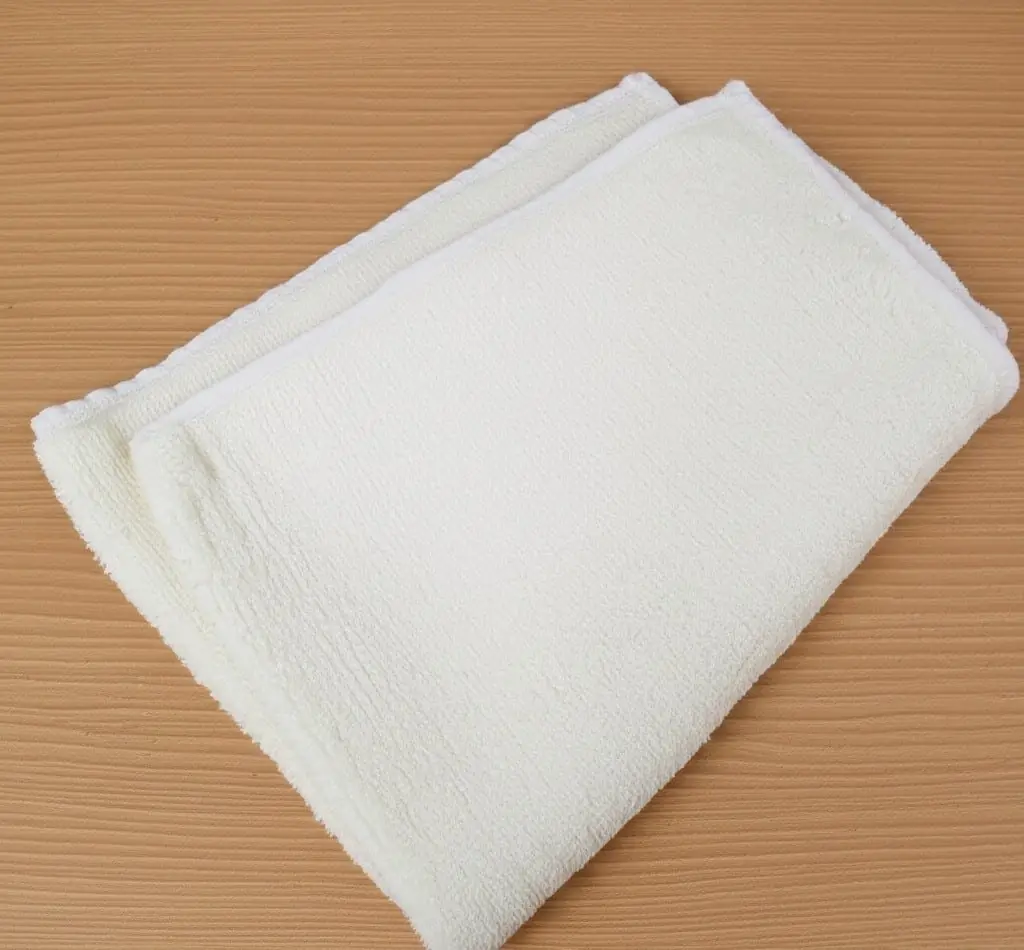
The main drawback of cotton cleaning cloths compared to microfiber is their tendency to harbor bacteria and develop mildew odors if left damp, as it dries much more slowly. It also requires more cleaning solution and water to be effective, as it doesn’t have the same “grabbing” power as microfiber.
Cellulose Sponge Cloths
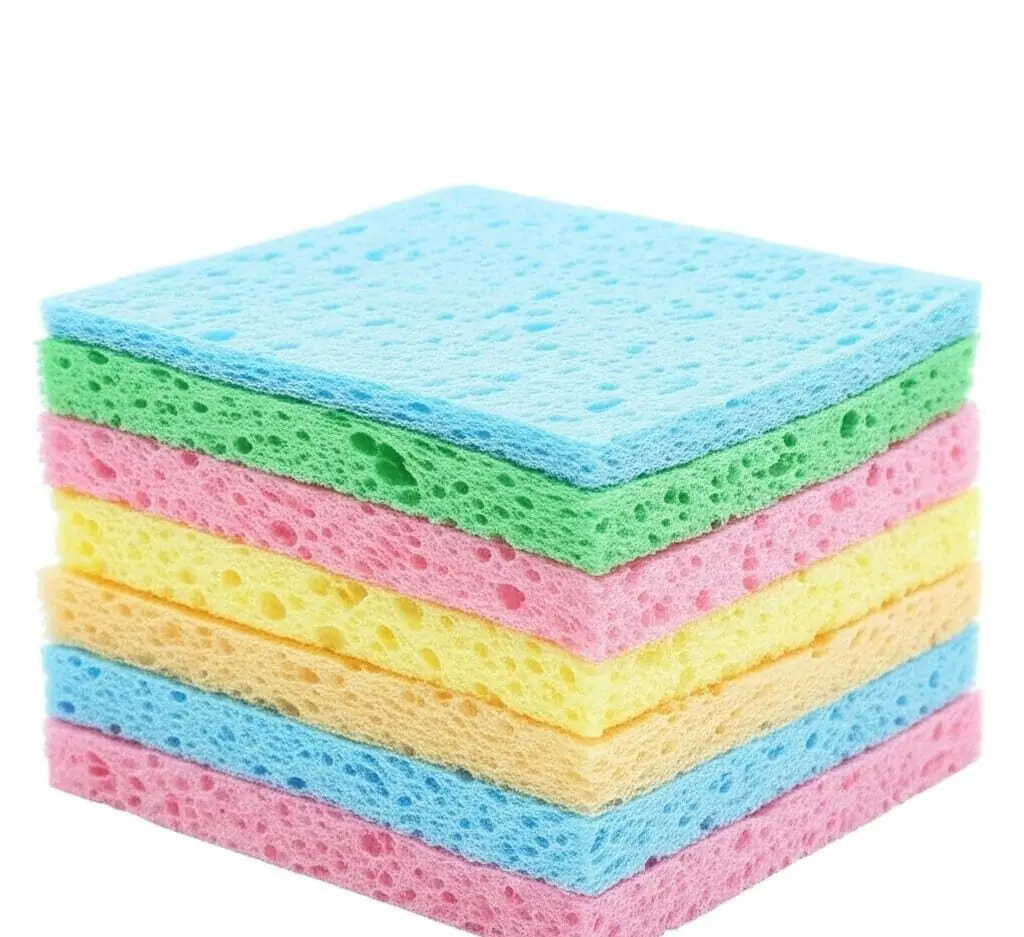
Popular in Europe for decades, cellulose sponge cloths are a brilliant hybrid of a sponge and a cloth. They are typically made from a blend of natural wood pulp (cellulose) and cotton. When dry, they are stiff and rigid. When wet, they become soft, pliable, and incredibly absorbent, capable of holding up to 20 times their weight in water.
Their primary benefit is for kitchen use. They are perfect for wiping down countertops, cleaning up spills, and washing dishes. They leave a streak-free finish on most surfaces and are more effective than paper towels while being reusable. A significant advantage is their quick-drying nature. Because they become rigid when dry, they are less prone to developing the bacteria and unpleasant odors that can plague traditional sponges and cotton dishcloths. Furthermore, being made from natural materials, they are biodegradable and compostable at the end of their life, making them excellent eco-friendly cleaning cloths. Their main limitation is a lack of scrubbing power for tough, baked-on food, but for general wiping, they are fantastic alternatives to other cleaning cloths.
Chamois
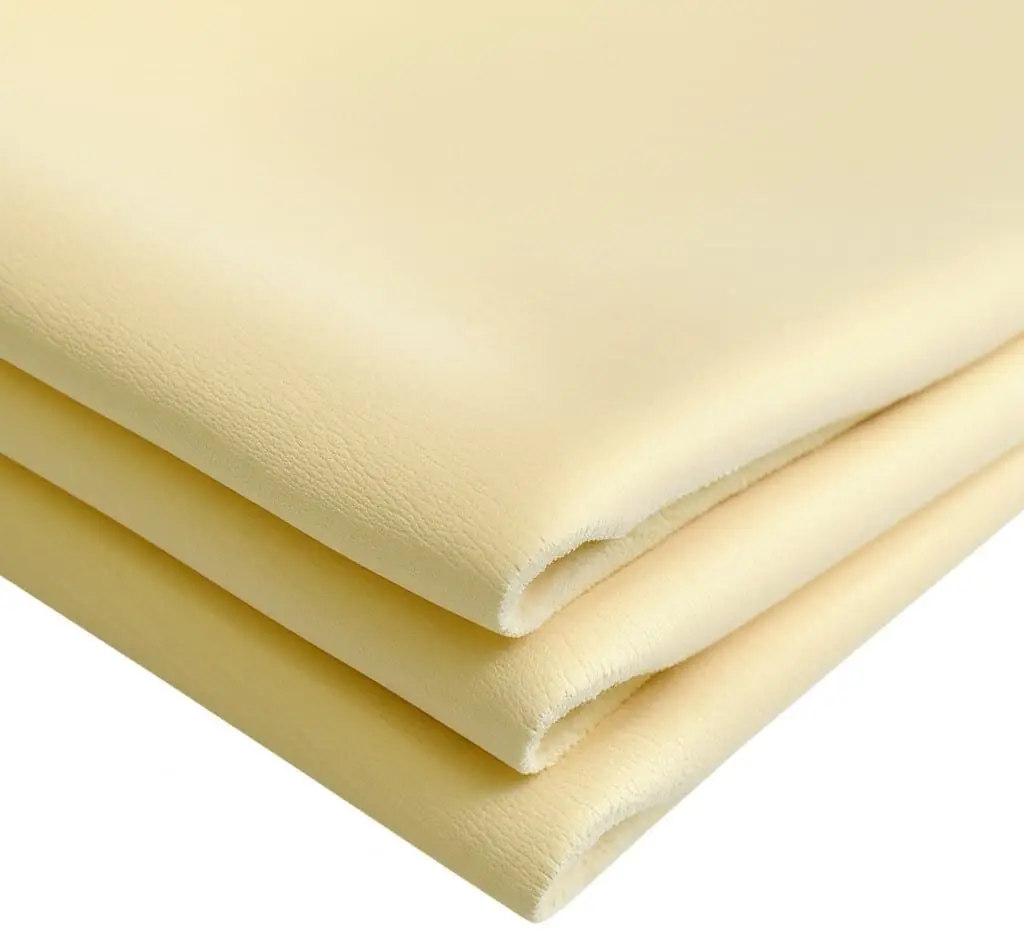
A true chamois (or “shammy”) is made from the tanned hide of a sheep, not a chamois goat as the name might suggest. It has a unique, non-abrasive, and incredibly absorbent structure. Its performance is unlike any other cloth. It must be wet thoroughly and then wrung out until it is just damp before use. In this state, it can absorb a tremendous amount of water while leaving behind a completely streak-free and spot-free surface. Its primary application has always been in automotive care, for drying a washed vehicle to perfection without leaving water spots. It is also excellent for drying windows and polishing fine silver or jewelry. It is the gold standard of cleaning cloths for a perfect dry finish. A real chamois is expensive and requires specific care.
A modern, more affordable alternative is the synthetic PVA (Polyvinyl Alcohol) chamois. These synthetic cleaning cloths mimic the performance of a real chamois, offering high absorbency and a streak-free finish. They are more durable and easier to care for than their natural counterparts and are often sold in plastic tubes to keep them perpetually damp and ready for use. When a perfect, spot-free dry is the absolute priority, these are the cleaning cloths to reach for.
Scrubbing Cloths and Sponges
For tasks that require more abrasive power, specialized scrubbing cleaning cloths are necessary. These are often dual-sided. One side might be a standard microfiber or sponge for general wiping, while the other features a material designed for scrubbing. It is critical to distinguish between non-scratch and abrasive scrubbers.
Non-Scratch Scrubbers: These typically feature a scrubbing surface made of a coarse plastic mesh or a specially textured nylon. They provide enough friction to remove stuck-on food from pots and pans, soap scum from shower doors, and grime from countertops without scratching delicate surfaces like non-stick cookware, ceramic cooktops, or acrylic.
Abrasive Scrubbers: These are for heavy-duty use only. They may incorporate steel wool or other highly abrasive materials. They are effective for cleaning oven racks, barbecue grills, or untreated cast iron, but will quickly and irreparably damage most kitchen and bathroom surfaces. Using these aggressive cleaning cloths on the wrong surface can be a costly mistake. Their use should be reserved for only the most durable materials. Choosing the wrong type from this category of cleaning cloths can turn a cleaning task into a repair job.
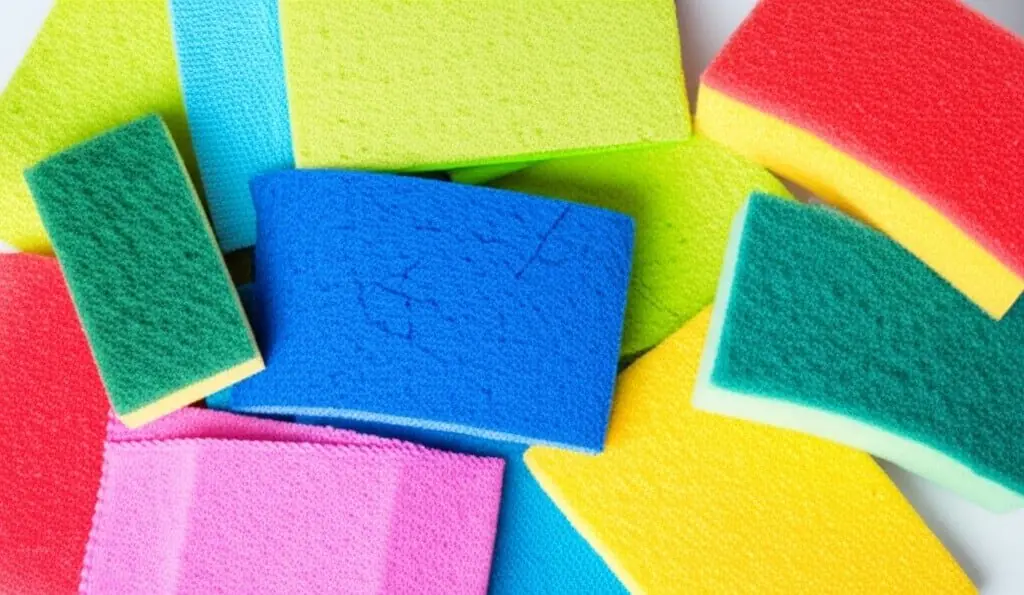
The selection of a cleaning cloth is a deliberate choice that dictates the outcome of the work. It is an exercise in matching the right material properties, absorbency, texture, fiber type, and abrasiveness, to the specific surface and soil being addressed. The vast world of cleaning cloths offers a specific tool for every possible job, and using the right one is the secret to a professional result.
For help putting those room-by-room habits into practice, consider a regular home cleaning service.
The effectiveness of any cleaning task is fundamentally tied to using the correct tool, and the cleaning cloth is often the most critical. Understanding the difference between a waffle weave for drying and a flat weave for polishing is what elevates a simple wipe-down to a professional-grade clean. Toronto Shine Cleaning brings this expertise to every job. Our professionals are equipped with a full range of precise cleaning cloths for every surface, delivering an efficient, flawless, and superior result for your home.
In the press Lina DaSilva, founder of Toronto Shine Cleaning, was quoted on this topic in Homes & Gardens (“Color-coded cleaning: 4 reasons it's better for your home”).