Understanding pH-Neutral Cleaners: The Complete Guide
On this page
In the world of cleaning products, there is soap with a neutral pH. Its name may sound technical, something best left to a chemistry lab, but the principle behind it is the single most important concept for anyone looking to clean their home effectively while preserving its surfaces. Understanding the power of a balanced pH is the key to moving from a cycle of aggressive cleaning and potential damage to a routine of gentle, sustainable maintenance that protects your investment and keeps your home looking its best for years to come.
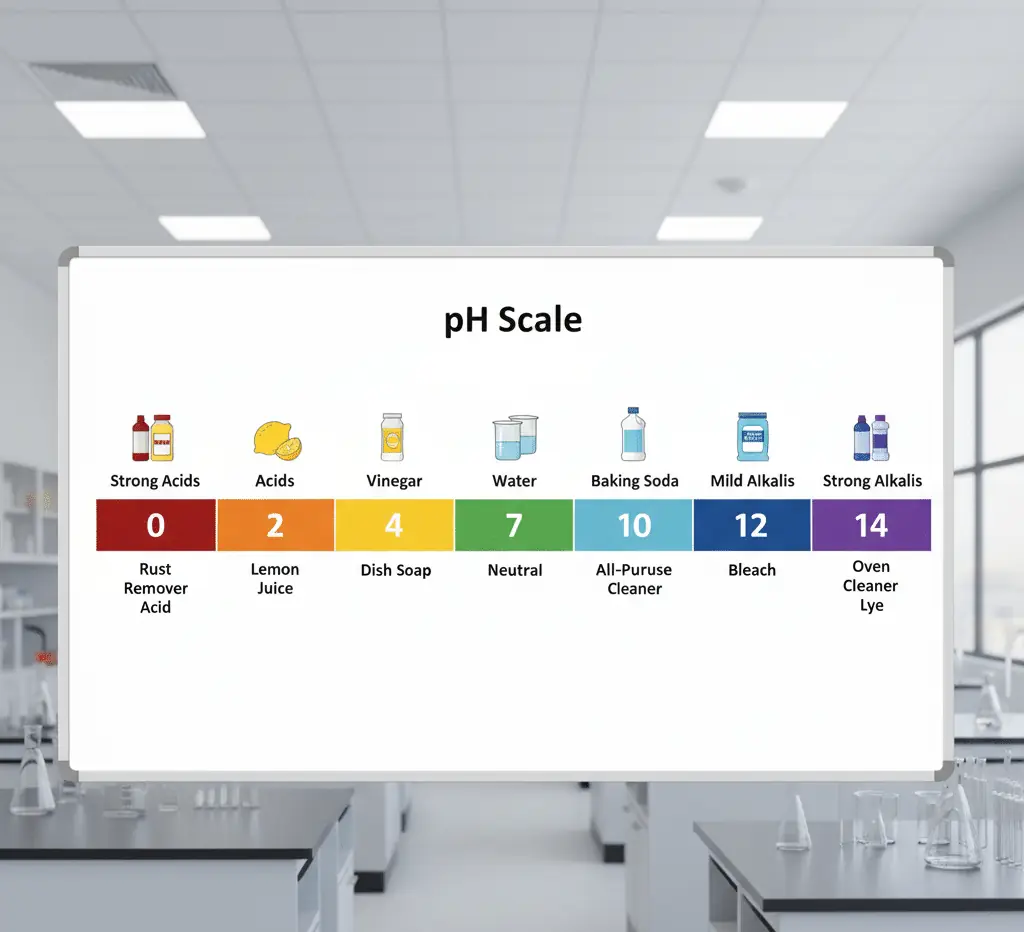
pH Scale
To grasp the importance of a pH-neutral cleaner, one must first understand the pH scale itself. It is a simple spectrum that measures the acidity or alkalinity of a water-based solution, ranging from 0 to 14. A pH of 7, the very middle of the scale, is considered neutral. Pure water is the perfect example of a neutral substance. Anything below 7 is acidic, with common household examples being vinegar and lemon juice. Anything above 7 is alkaline (or basic), a category that includes powerful cleaners like bleach, ammonia, and many oven degreasers. The further a substance is from the neutral 7, the more chemically reactive and potentially caustic it becomes. This reactivity is precisely what makes strong acidic or alkaline cleaners effective at certain tasks, like dissolving hard water stains or cutting through heavy grease, but it is also what makes them incredibly dangerous to a wide variety of common household surfaces.
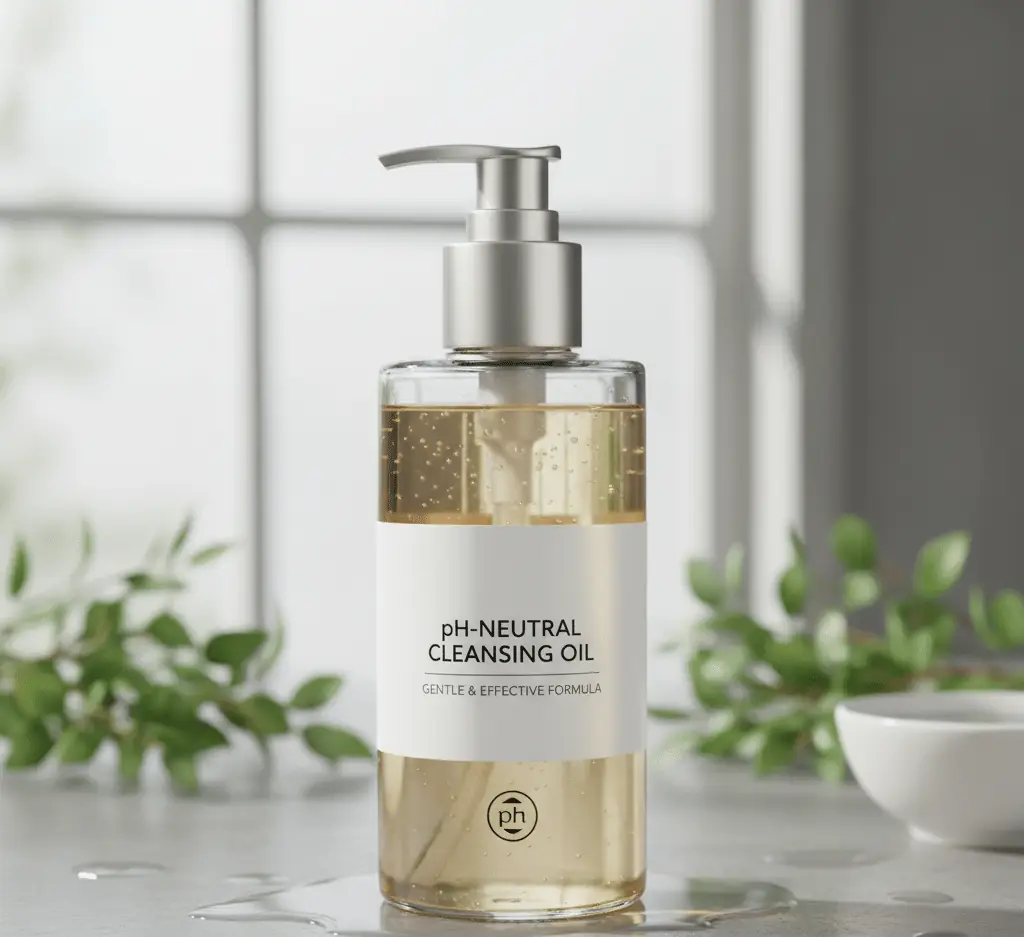
A pH-neutral soap is a cleaning agent, or surfactant, that has been carefully formulated to have a pH level at or very near 7. It is designed to perform its primary function—lifting and suspending dirt, oils, and grime so they can be wiped away, without being chemically aggressive. It does not seek to dissolve, etch, or strip the surface it is cleaning. Instead, it works on a mechanical level, breaking the bond between the soil and the surface. This gentle nature is its greatest strength. It is the “do no harm” principle of the cleaning world, a safe and reliable option for routine cleaning on materials that would be irreversibly damaged by the harshness of a cleaner at either extreme of the pH scale.
Natural Stones
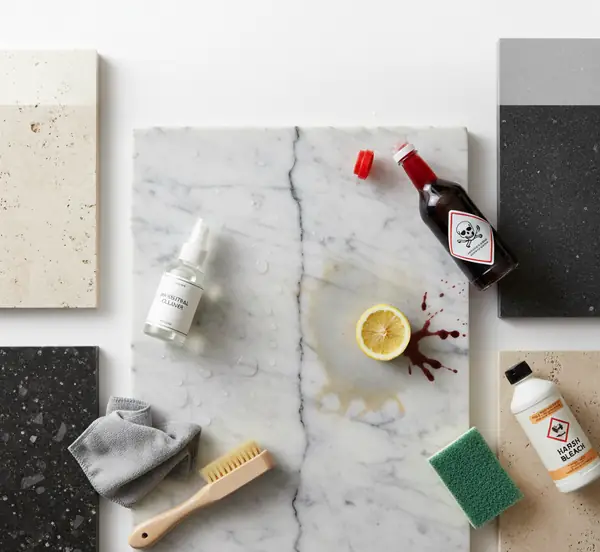
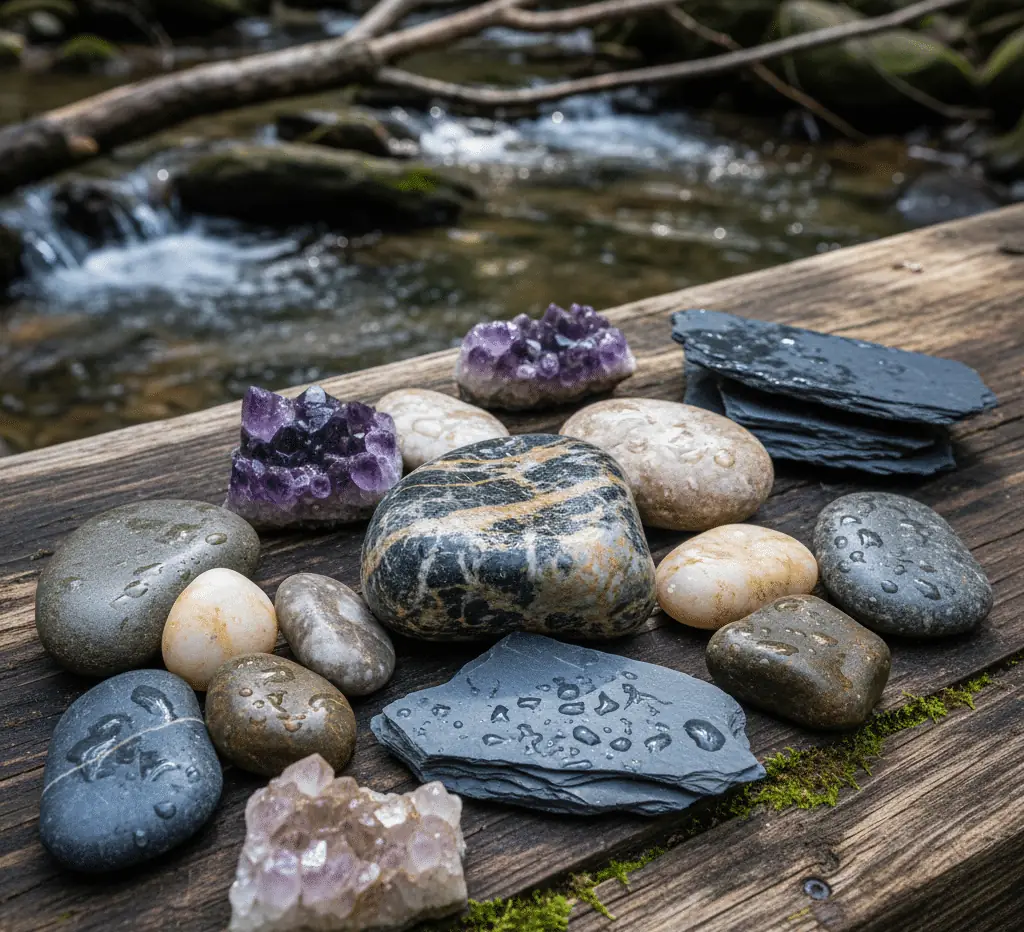
Perhaps the most critical application for pH-neutral soap is in the care of natural stone surfaces. Marble, limestone, travertine, and onyx are stunningly beautiful materials that lend an air of luxury and permanence to a home. They are also incredibly vulnerable. These stones are primarily composed of calcium carbonate, a mineral that has a violent reaction with acid. When an acidic cleaner—even a seemingly harmless, “natural” one like vinegar—is used on a marble countertop or floor, it initiates a chemical reaction that literally dissolves a microscopic layer of the stone. This process is called etching, and it leaves a dull, whitish mark that looks like a stain but is, in fact, physical damage to the stone’s surface. It cannot be wiped away; it must be professionally re-honed and polished to be removed. An alkaline cleaner, while less immediately dramatic, can also dull the stone’s finish and seep into its porous structure over time. A pH-neutral cleaner is the only recommended product for the routine cleaning of these calcium-based stones, as it removes daily grime without altering the stone’s delicate chemical makeup, preserving its natural luster and integrity. Even for more durable stones like granite, which is less susceptible to etching, long-term use of harsh chemicals can degrade the sealant that protects it from staining, making a pH-neutral soap the wisest choice for daily maintenance.
This principle of preservation extends directly to flooring, particularly sealed hardwood and modern luxury vinyl tile (LVT). A sealed hardwood floor is protected not by the wood itself, but by the layers of polyurethane or other sealant applied on top of it. This finish is what gives the floor its shine and protects the wood from moisture and scratches. While it is a durable layer, it is not impervious. Aggressive, high-alkaline cleaners can, over time, chemically strip away this protective finish. The floor may look clean at first, but with each cleaning, the finish becomes duller and thinner, leaving the wood itself more vulnerable to damage. A pH-neutral floor cleaner, properly diluted, will lift dirt from the surface of the polyurethane without harming it, prolonging the life of the floor’s finish and keeping it looking vibrant. The same logic applies to LVT and laminate flooring. These products have a factory-applied top wear layer that protects the printed design beneath. The manufacturers of these floors almost universally recommend only pH-neutral cleaners, as harsh chemicals can cause the wear layer to become cloudy or brittle, permanently marring the floor’s appearance and often voiding its warranty.
Delicate Materials
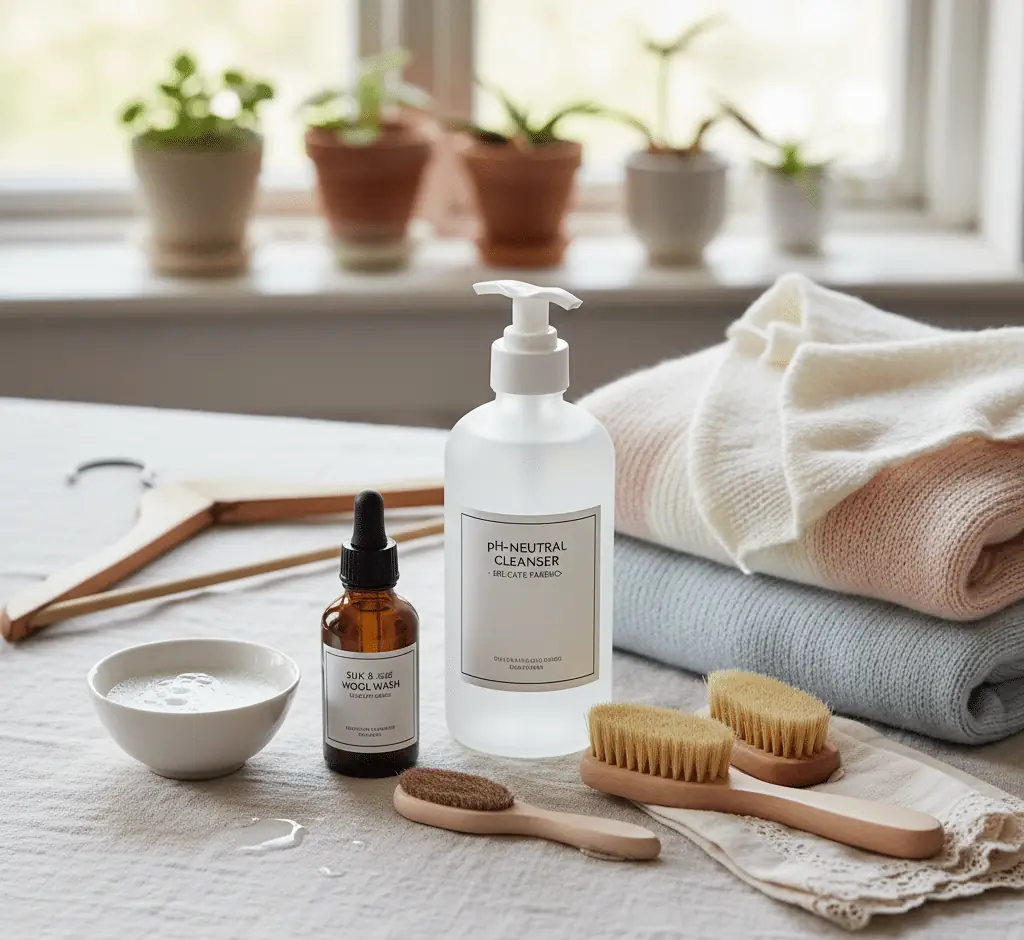
The gentle touch of a pH-neutral soap is also invaluable when caring for more delicate materials like leather upholstery and certain textiles. Leather is a natural skin that contains oils to keep it supple and prevent it from cracking. Cleaners with a high alkaline content can strip these essential oils, leading to dryness, brittleness, and a faded appearance. A pH-neutral leather cleaner, by contrast, removes surface dirt without disrupting the material’s natural balance. When spot-cleaning upholstery or even delicate clothing, a pH-neutral solution is the safest starting point. It is far less likely to cause discoloration or damage to the fibers than a more chemically reactive product. It embodies the professional approach: always start with the least aggressive method possible.
However, it is equally important to understand the limitations of pH-neutral soaps. Their gentle nature means they are not the right tool for every single cleaning challenge. They are masters of maintenance, not miracle workers for extreme situations. For example, in a bathroom plagued by hard water stains and soap scum, a pH-neutral cleaner will struggle. Soap scum is a combination of soap residue and mineral deposits (calcium and magnesium), which are alkaline. To dissolve them effectively, an acidic cleaner is required to break down the mineral bonds. Similarly, when faced with a thick layer of baked-on grease on a stovetop or in an oven, a pH-neutral soap will not have the chemical power to break down and lift the polymerized oils. This is a job that calls for a moderately alkaline degreaser. Furthermore, while pH-neutral soaps clean, they do not inherently disinfect. For sanitizing surfaces where germs are a primary concern, such as a kitchen counter after preparing raw meat or a bathroom during flu season, a dedicated disinfectant is necessary.
Daily Tasks
The intelligent approach to home cleaning, therefore, involves creating a small, curated arsenal of products and understanding when to deploy each one. The pH-neutral cleaner should be the workhorse, the default choice for the vast majority of daily and weekly tasks: mopping sealed floors, wiping down stone countertops, and general surface cleaning. The more aggressive acidic and alkaline cleaners should be treated as specialists, brought out only for specific problems in specific areas where their chemical power is truly needed. This strategy not only protects your home’s surfaces from cumulative damage but also creates a safer indoor environment by minimizing the use of harsh chemicals. Using a pH-neutral cleaner is a proactive measure, a commitment to consistent care that prevents the buildup of dirt to the point where aggressive intervention becomes necessary.
Understanding the “what” and “why” of pH-neutral cleaning is essential, but so is understanding the “how.” Proper technique maximizes its effectiveness. Most neutral cleaners are concentrated and should be diluted with water according to the manufacturer’s instructions. Using too much product can leave behind a sticky residue that ironically attracts more dirt. When mopping floors, the two-bucket method—one bucket with the cleaning solution and a second with clean rinse water—is highly recommended to avoid spreading dirty water around. For countertops and other surfaces, pairing the cleaner with a high-quality microfiber cloth, which traps dirt in its fibers, yields the best results. The goal is simple: lift the dirt, remove it, and leave behind nothing but a clean, undamaged surface.
Just as a pH-neutral cleaner is the professional’s choice for safely maintaining delicate and valuable surfaces, a professional cleaning service applies this same principle of using the right tool for every task. Understanding how to protect your home with gentle yet effective methods is key to its long-term care. For a comprehensive clean that respects the integrity of every material in your home, from stone to hardwood, trust the expertise of Toronto Shine Cleaning.