
10 Items You Should Never Put in the Dishwasher
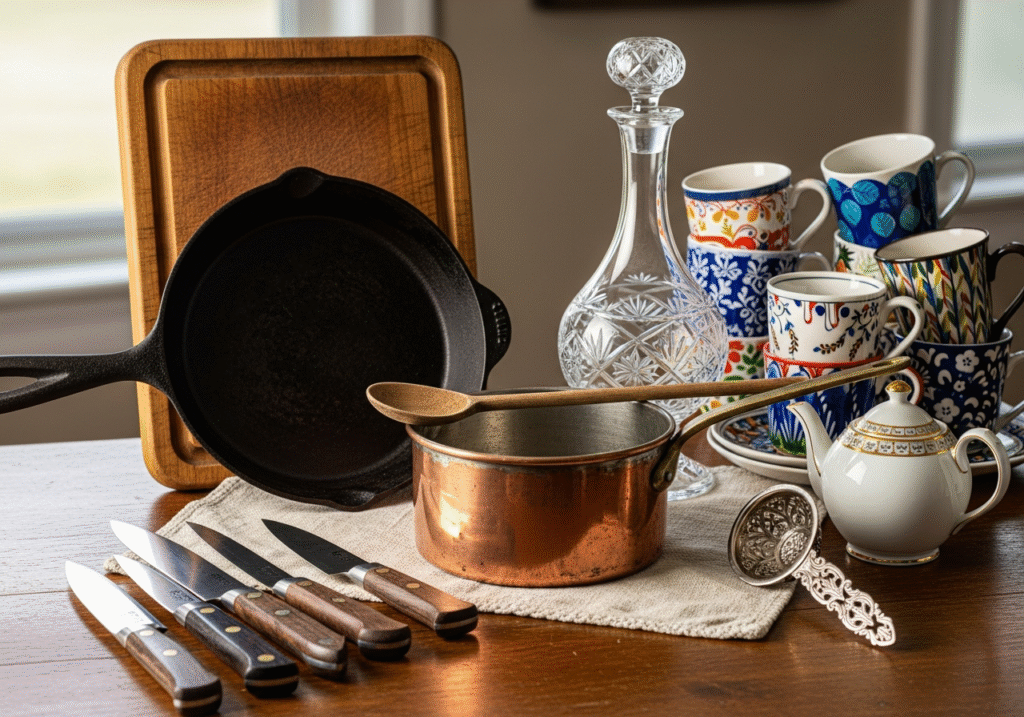
The dishwasher is arguably the greatest labor-saving device in the modern kitchen. It transforms a pile of greasy, tomato-stained chaos into sparkling order with the push of a button. It is a mechanical servant that saves us hundreds of hours a year, allowing us to retreat to the living room while the dirty work happens behind a sealed door. However, this convenience often breeds a dangerous complacency. We begin to view the dishwasher as a magical box capable of sanitizing anything that fits between the tines of the rack. This assumption is the primary cause of ruined heirlooms, dulled blades, and destroyed finishes. To understand what cannot go into the dishwasher, one must first understand the environment inside that machine. It is not a gentle bath; it is a violent, caustic storm. The water jets strike dishes with significant force to dislodge food. The water temperature is often scalding, far hotter than human hands can tolerate, designed to melt fat. Most critically, the detergent is not soap; it is an abrasive, high-alkaline chemical cocktail designed to scour and dissolve biological matter. When you subject delicate or incompatible materials to this combination of high heat, hydraulic force, and chemical abrasion, you are essentially subjecting them to accelerated aging and structural failure. There are strict rules of engagement when loading the dishwasher, and ignoring them is a surefire way to destroy your kitchen investments. 1.Wooden Wood is an organic, cellular material. It was once alive, and even shaped into a spoon or a cutting board, it remains reactive to its environment. Wood is hygroscopic, meaning it absorbs moisture. When you place a wooden cutting board, a salad bowl, or a spoon into the dishwasher, you are subjecting it to a cycle of extreme saturation followed by extreme heat drying. During the wash cycle, the wood fibers swell as they absorb the hot, soapy water. Then, during the drying cycle, the intense heat forces that moisture out rapidly, causing the fibers to contract. This expansion and contraction creates stress fractures in the grain. Over time, a smooth cutting board will warp, cup, and eventually crack down the middle. Furthermore, the harsh detergents strip the natural oils from the wood, leaving it grey, furry, and brittle. Composite bamboo items or laminated wood boards are at even greater risk. These are held together by food-safe glues. The heat of the dishwasher dissolves these adhesives, causing the board to delaminate and fall apart into its component strips. Once a crack forms in wood, it becomes a sanctuary for bacteria—specifically E. coli and Salmonella from raw meats—that the dishwasher cannot reach. To preserve wood, it must always be hand-washed, dried immediately, and periodically treated with mineral oil. 2.Knives There is perhaps no greater sin in the culinary world than putting a high-quality chef’s knife in the dishwasher. A good knife is a precision instrument, often made of high-carbon steel or specialized stainless alloys tempered to hold a razor-edge. The dishwasher dulls this edge through two mechanisms: physical trauma and chemical corrosion. During the cycle, water pressure can rattle the knife against the plastic basket or, worse, against other cutlery. Every time the blade hits a ceramic plate or a metal spoon, microscopic dings are created along the edge. This rolls the steel, turning a sharp blade into a dull saw that crushes tomatoes rather than slicing them. Chemically, the harsh detergents are corrosive to high-carbon steel. They can cause pitting and rust spots on the blade. The damage extends to the handle as well. If the knife has a wooden handle, the issues mentioned above apply. If it has a riveted handle (where metal pins hold the handle scales to the tang), the heat causes the handle material to expand at a different rate than the metal steel. This eventually causes the handle to crack around the rivets, creating a gap where bacteria from raw chicken can hide and fester. A chef’s knife should be washed by hand with mild soap and dried immediately to prevent oxidation. 3.Cast Iron Cast iron skillets are prized for their durability and their “seasoning”—a layer of polymerized oil that creates a natural non-stick surface. This seasoning is the result of hours of cooking and careful maintenance. Placing a cast iron skillet in the dishwasher is the fastest way to strip years of hard work down to bare, grey metal. The combination of caustic detergent and long exposure to hot water breaks down the oil bonds of the seasoning. When the cycle finishes, you will not only have a pan that food sticks to, but you will almost certainly have a pan covered in bright orange rust. Cast iron is essentially a sponge for oxidation; without its protective oil barrier, it rusts within minutes of being wet. While a rusted pan can be restored, it requires aggressive scouring and re-seasoning, a laborious process that is entirely avoidable. Cast iron should be cleaned with hot water, a stiff brush, and perhaps a little coarse salt, but never the dishwasher. 4.Non-Stick Non-stick pans (Teflon, PTFE) are often marketed as dishwasher safe, but this is a half-truth. While the pan won’t melt, the dishwasher significantly shortens its lifespan. The non-stick coating is a chemical layer applied to the metal. The high heat of the drying cycle and the abrasive nature of the detergent eventually dry out this coating. It begins to flake, peel, and lose its slick properties. Once the coating is compromised, the pan is effectively garbage. Cooking with a flaking non-stick pan can release toxic particles into your food. Furthermore, many aluminum non-stick pans have an exposed metal base. The dishwasher detergent reacts with the aluminum, causing it to oxidize and turn a dark, charcoal grey that rubs off on your hands and dishtowels. To get the full three-to-five-year lifespan out of a non-stick pan, it needs the gentle touch of a soft sponge. 5.Copper and Aluminum Copper pots and pans are the jewels of the kitchen, prized for their thermal conductivity