
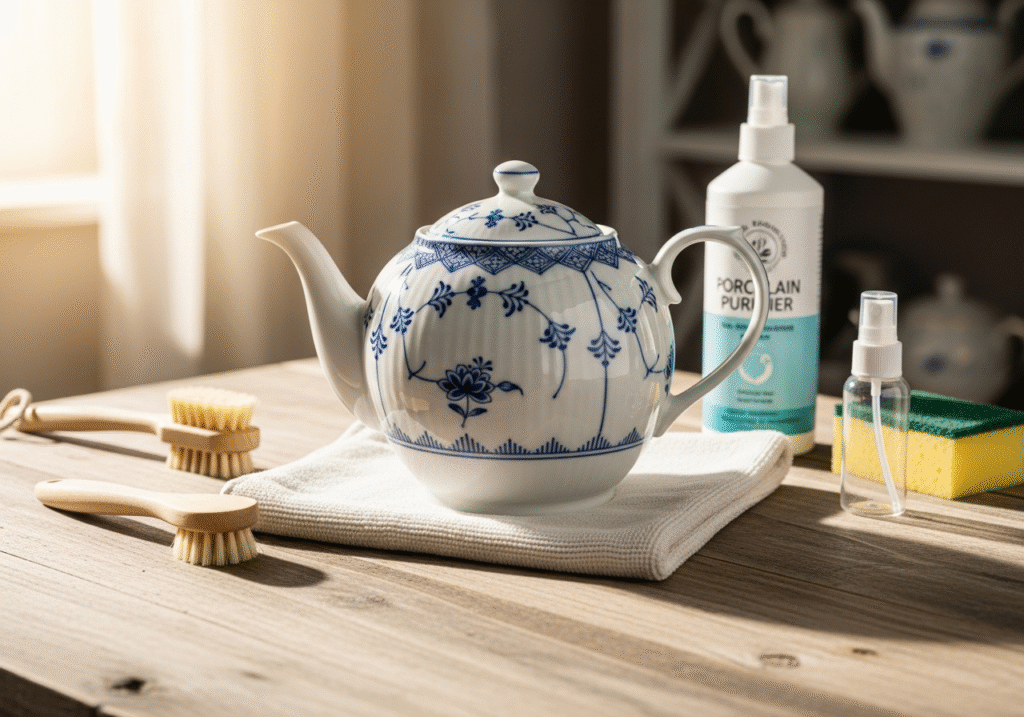
Porcelain Enamel vs. Vitreous China: 3 Amazing Tips on How to Clean Your Porcelain Pieces Safely and Efficiently
Porcelain is a material of contradictions. It is renowned for its delicate, translucent beauty when fashioned into a tea set, yet it is also the material of choice for the most utilitarian and abused fixtures in the home, specifically the toilet and the bathtub. This duality—the intersection of fragility and supreme durability—is what makes porcelain unique. It is a ceramic material made by heating clays, primarily kaolin, to temperatures so high that they vitrify, effectively turning into a glass-like substance. This process creates a surface that is non-porous, incredibly hard, and chemically inert. However, maintaining that brilliant, white sheen requires a specific understanding of what threatens it. While porcelain is resistant to staining, the glaze that protects it is not invincible. Cleaning porcelain is less about scrubbing dirt off a surface and more about preserving the integrity of that glass-like glaze against minerals, metal transfer, and abrasive damage. Porcelain Enamel vs. Vitreous China To properly care for porcelain, one must first distinguish between the two main types found in the home: vitreous china and porcelain enamel. Vitreous china is what most toilets and bathroom sinks are made of. It is ceramic through and through, fired to be glass-hard. Porcelain enamel, often found on older bathtubs, kitchen sinks, or vintage stoves, is a glass coating fused onto a metal base, usually cast iron or steel. While they look similar, enamel is significantly softer and more prone to chipping and scratching than vitreous china. Treating a vintage enamel tub with the same aggression used on a modern toilet can strip the finish, leaving it dull, porous, and impossible to keep clean. Therefore, the first rule of porcelain maintenance is diagnosis: know the substrate you are working on. In the bathroom, the primary adversary of porcelain is water itself. Hard water contains calcium, magnesium, and iron. When this water evaporates, it leaves behind mineral deposits known as limescale or rust stains. These deposits bond to the porcelain on a molecular level. The common mistake is to attack these stains with scouring pads or coarse powders. While this might remove the stain, it creates a microscopic network of scratches in the glaze. These scratches act as traps for future dirt and bacteria, causing the fixture to stain faster and deeper the next time. The cycle of abrasion leads to a toilet or sink that always looks grey, no matter how much it is bleached. White Vinegar The correct approach to mineral deposits is chemical, not mechanical. You need an acid to dissolve the alkaline minerals. White distilled vinegar is the safest and most effective tool for this. For a toilet bowl with a stubborn hard water ring, turning off the water valve and flushing to empty the bowl allows you to target the stain directly. Laying paper towels soaked in vinegar over the ring and letting them sit for an hour allows the acid to break down the calcium bonds without any scrubbing. For rust stains, which are often immune to vinegar, a paste of lemon juice and cream of tartar creates a gentle reducing agent that lifts the iron oxide without etching the glaze. The goal is to let the chemistry do the work so that the physical force required is minimal. A specific phenomenon that plagues porcelain kitchen sinks is “metal transfer.” This appears as grey or black scuff marks that look like scratches or cracks. In reality, the porcelain is harder than the metal of your pots, pans, and silverware. When a metal pan rubs against the sink, it leaves a trail of metal atoms behind, much like a pencil leaves graphite on paper. These are not scratches in the porcelain; they are deposits on top of it. Standard dish soap will not remove them. To erase these marks, you need a mild abrasive or a chemical solvent. A paste of baking soda and water offers just enough grit to lift the metal without harming the glaze. For faster results, commercial powders containing oxalic acid are the gold standard. The acid reacts with the metal deposit, dissolving it instantly, restoring the bright white surface underneath. Hot Water Porcelain tile flooring presents a different challenge. Porcelain tiles are denser and more water-resistant than standard ceramic tiles, making them ideal for high-traffic areas. However, they can develop a haze if cleaned with the wrong product. Many floor cleaners contain oils or soaps that leave a residue. Because porcelain is non-porous, this residue sits on top of the tile, trapping dirt and creating a dull film. The best cleaner for porcelain tile is often just hot water or a pH-neutral cleaner that evaporates completely. The real issue with tile floors is rarely the porcelain itself, but the grout. Grout is porous cement. If dirty water is mopped into the grout lines, the floor will always look dirty. Cleaning porcelain floors requires a two-step process: lifting the dirt from the tile and extracting it from the grout, often requiring a wet-vacuum or frequent water changes to prevent redistribution of the soil. When dealing with vintage porcelain—heirloom figurines, fine china, or antique vases—the rules change entirely. These items are often decorated with overglaze enamels or gold leaf which are far more fragile than the porcelain body. The heat and aggression of a dishwasher will strip gold rims and fade hand-painted flowers. These items must be hand-washed in lukewarm water with a pH-neutral detergent. A common danger with antique porcelain is “crazing,” a network of fine cracks in the glaze caused by the ceramic body and the glaze expanding at different rates over decades. If a crazed item is soaked in water, moisture can seep through the cracks into the porous clay body beneath. This can cause staining under the glaze that is impossible to remove, or worse, cause the item to rot or mold from the inside out. Vintage porcelain should never be submerged for long periods; it should be wiped gently and dried immediately. Bleach The use of bleach on porcelain