
Air Dry: You are Drying These 3 Fabrics Completely Wrong
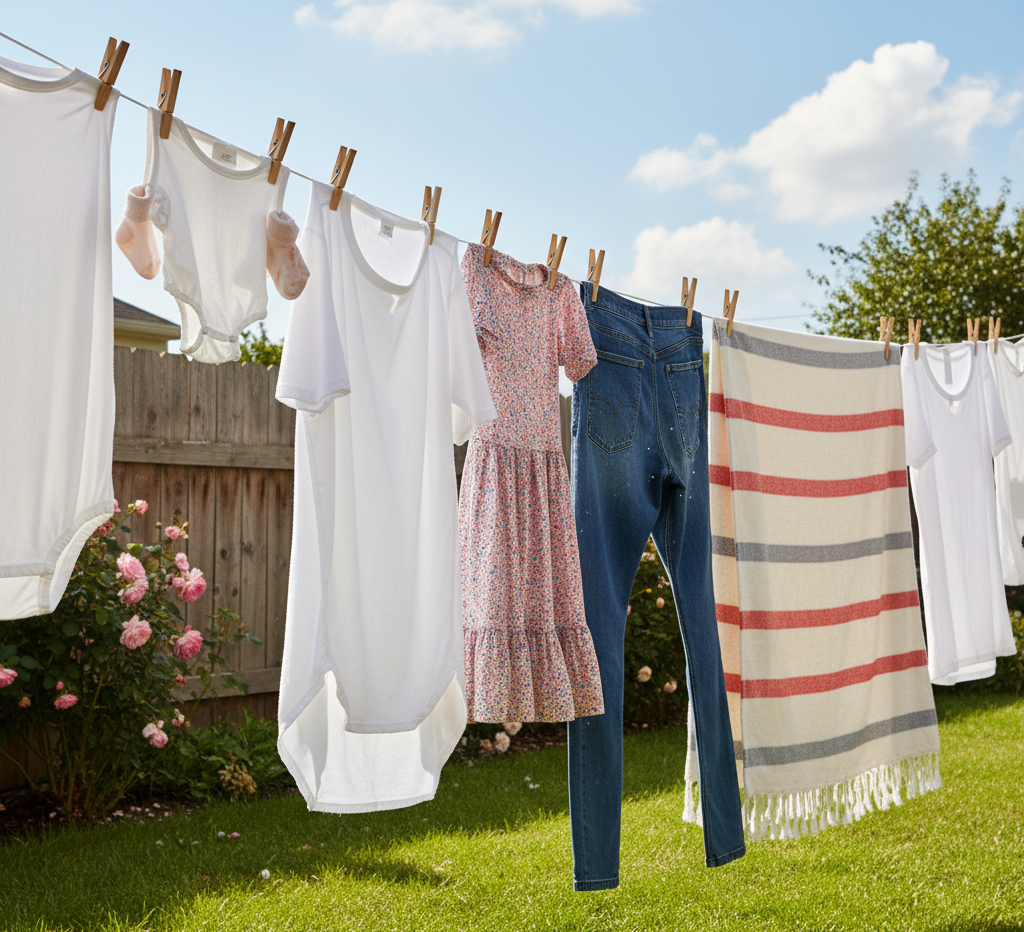
How important is air drying? The laundry process is a fundamental part of household management, a washing and drying cycle that directly impacts the durability, appearance, and texture of our clothes and home textiles. While the modern tumble dryer offers undeniable speed and convenience, its high heat, constant friction, and aggressive tumbling action can be incredibly destructive to many fabrics. This heat can cause fibers to constrict and shrink, while the friction slowly wears away the surface of the material, which is why we find lint in the dryer trap—lint is literally the slowly disintegrating fibers of our clothes. To combat this wear and tear, many turn to air drying, which is one of the oldest, gentlest, and most energy-efficient methods of garment care. However, air drying is not a universal solution. Some items thrive on the clothesline or drying rack, preserving their shape, color, and strength for years, while others can be warped, stretched, or ruined if left to air dry, or may simply develop a musty, mildewy odor. Mastering laundry care requires a clear, practical understanding of what you can and cannot safely air dry, and the specific techniques needed to achieve the best results. It can be air-dried 1.Delicate Fabrics Let us first examine the extensive category of items that can, and should, be air dried. The primary candidates for this gentle treatment are delicate fabrics, synthetic activewear, and anything containing elastic fibers. Silk is a natural protein fiber known for its beautiful sheen and soft, fluid drape, but it is highly sensitive to heat and friction. Tumble drying silk can dull its luster, weaken the fibers, and cause the fabric to shrink or tear. Silk garments, such as blouses and pillowcases, should always be air dried, ideally by hanging them on padded, non-slip hangers away from direct sunlight. Fine lace, sheer fabrics, and garments with delicate embellishments like sequins, beads, or embroidery also belong on the drying rack. The tumbling action of a machine can easily snag lace, rip delicate sheer panels, and shake loose embellishments, rendering a beautiful garment unwearable. 2.Sportswear Synthetic performance wear and activewear are another category where air drying is absolutely essential. Modern athletic clothing, including leggings, sports bras, swimsuits, and running shirts, is engineered from high-tech synthetic fibers like polyester, nylon, and spandex to provide stretch, support, and moisture-wicking capabilities. Spandex, also known as elastane, is a polymer with incredible elastic memory, allowing it to stretch and return to its original shape. However, heat is the ultimate enemy of elastic. Subjecting these garments to the hot air of a tumble dryer causes the elastic polymers to break down, melt, and become brittle. Over time, your activewear will lose its stretch, become saggy and misshapen, and lose its supportive properties. To preserve the fit and performance of your workout gear, always wash it in cold water and hang or lay it flat to air dry. Because these synthetic materials are designed to be quick-drying, they will often dry on a rack within a few hours. 3.Jeans Denim is another fabric that benefits significantly from air drying. Heavy cotton denim is highly durable, but the high heat of a dryer can shrink the fabric, warp the waistband, and wear out the seams and edges prematurely. Hanging your jeans to air dry keeps the denim strong and preserves the dark or vibrant indigo dyes, which can fade quickly under the hot air of a dryer. A common complaint about air-dried denim is that the fabric can feel incredibly stiff, almost like cardboard, once dry. This stiffness is caused by the lack of movement during the drying process, which allows the water molecules to form rigid hydrogen bonds between the cotton fibers as they evaporate. This stiffness is temporary and will soften within a few minutes of wearing the jeans as your body heat and movement break those bonds. To minimize this initial stiffness, give your jeans a vigorous shake before hanging them, and avoid drying them in direct, hot sunlight. 4.Light and Dark Clothes Bright and dark colored garments also thrive on the drying rack, provided they are dried correctly. Direct sunlight has a powerful, natural bleaching effect due to ultraviolet radiation. While this is fantastic for keeping white cotton sheets and towels bright, it is highly detrimental to colored clothes, causing them to fade and develop unsightly streaks. To protect your colored items, always hang them to air dry inside-out, or place your drying rack in a shaded, well-ventilated area. This simple practice keeps your blacks dark and your colors vibrant, extending the life of your wardrobe. 5.Woolen Clothes Moving on, we must address the category of items that require a specific, flat-surface air drying technique. This includes all knitwear made of wool, cashmere, cotton, or synthetic blends. Heavy sweaters, cardigans, and knit dresses are highly susceptible to stretching out of shape due to the weight of the water trapped in the fibers after washing. If you hang a wet wool or cotton sweater on a hanger or a clothesline, gravity will pull the wet fibers downward, permanently stretching out the sleeves, distorting the shoulders, and leaving you with an ill-fitting, misshapen garment. To prevent this, these items must be flat dried. After gently pressing out excess water—never wringing or twisting—lay the garment flat on a clean, dry towel or a mesh drying rack. Reshape the item with your hands, ensuring the sleeves, cuffs, and hem are aligned correctly, and let it dry flat. This preserves the structural integrity and the original fit of your knitwear. What Cannot air dry 1.Heavy Clothes Now, we must confront the category of items that cannot, or should not, be air dried, as doing so can lead to structural damage, musty odors, or a severe loss of comfort. The most prominent members of this category are items filled with down or feathers, such as heavy winter coats, duvets, and pillows. Down is a highly effective insulator because of its loft—the thousands of tiny, fluffy fibers
Air Dry: You are Drying These 3 Fabrics Completely Wrong Read More »