Rubbing Alcohol for Cleaning: Uses, Dilution and Safety
On this page
- Can you clean with rubbing alcohol?
- Does isopropyl alcohol leave a residue?
- How do you clean windows with isopropyl alcohol?
- How do you get rid of sharpie, ink and sticker residue?
- How do you disinfect high-touch surfaces with it?
- Where shouldn’t you use it, and how do you handle it safely?
- When does it make sense to call a professional cleaner?
- Frequently asked questions
Yes. Rubbing alcohol for cleaning is simply isopropyl alcohol: a solvent that evaporates as you wipe, dissolving grease, oil, wax, ink and adhesive on most hard surfaces, and dries streak-free because there is almost nothing left behind.
How to Clean Stainless Steel Fingerprints With Alcohol (3 Steps)
Read the video transcript
Fingerprints on stainless steel? Follow the grain, not a circle. Plain, unscented alcohol and a clean microfiber cloth lift oily film. There is no waiting step. Open a window. Keep flames and burners away. Cap the bottle. Never mix with bleach or other cleaners. One. Lightly dampen the cloth. Keep alcohol off finished wood and leather. Two. Wipe the stainless steel with the grain to lift greasy fingerprints. Three. Buff dry. If film remains, change to a fresh cloth rather than adding more alcohol. The oily marks lift, leaving the brushed finish visible again. Use it for oily spots. Soap and water suit everyday grime better. Regular cleaning maintains kitchens, bathrooms and reachable surfaces, with vetted, background-checked cleaners and professional supplies. Choose your clean. See your price, choose your time. We take it from there. Add entry instructions. You’ll love your clean, or we’ll make it right. See your price at torontoshinecleaning.ca.
Can you clean with rubbing alcohol?
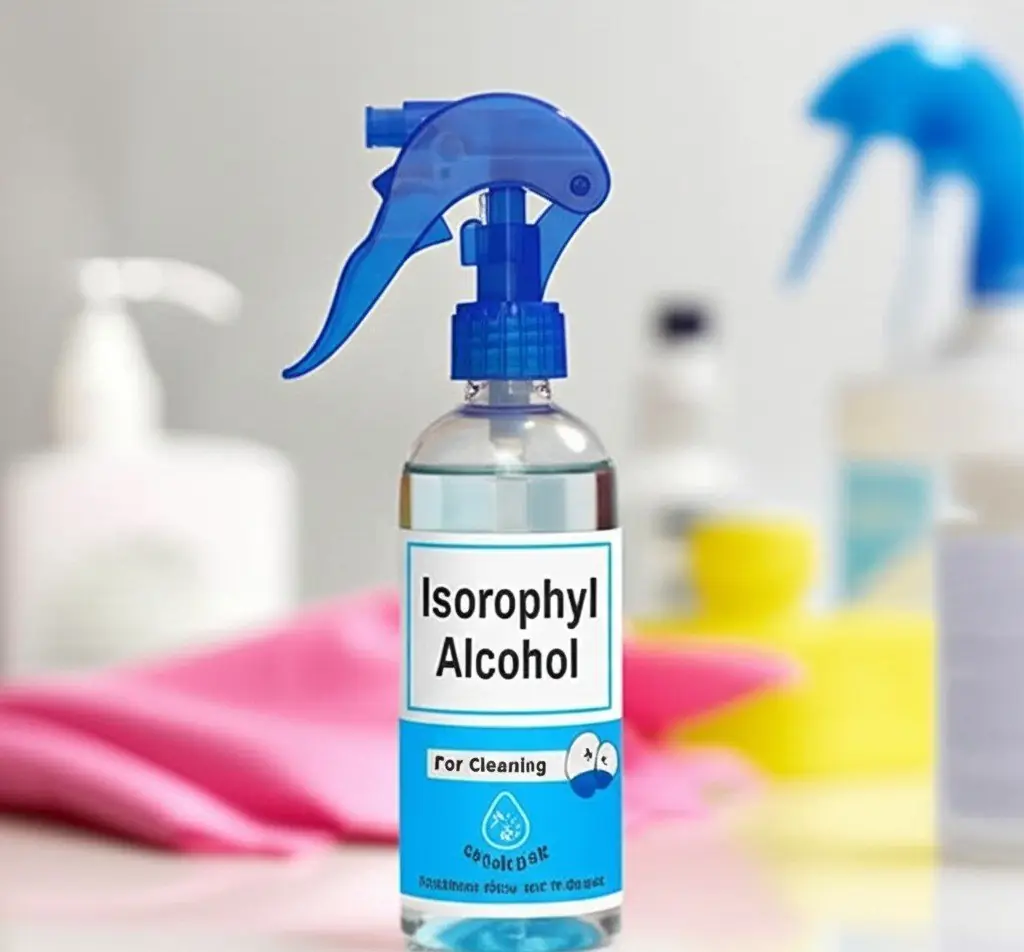
Rubbing alcohol and isopropyl alcohol are the same product under two names. Methylated spirits, or denatured alcohol, is a close cousin that behaves much the same way on grease and glass, so the methods below work for it too. Buy the plain, unscented isopropyl alcohol for cleaning: added dyes and wintergreen oil in some drugstore bottles can smear across a surface you just wiped.
Where it beats typical sprays is on oily, filmy messes. Dampen a microfibre cloth lightly and wipe greasy fingerprints and smudges off stainless steel, always working with the grain, then take the same cloth across the stovetop, range hood and cabinet doors after cooking. On chrome, it polishes faucets, towel bars and flush handles, and a brief buff with the dry side of the cloth brings the shine back without a film. Because it evaporates as you work, there is no waiting step.
A few smaller jobs it handles well:
- Makeup brushes and combs: dip or wipe the bristles, reshape them, and let them air dry flat.
- Smelly shoes: spritz lightly inside the shoes and on the insoles, then let them dry completely before wearing them.
Know its limits, though. This is a spot cleaner and a glass cleaner, not an everyday all-purpose product: for dirty floors, tubs and everyday grime, soap and water still do the job better.
Does isopropyl alcohol leave a residue?
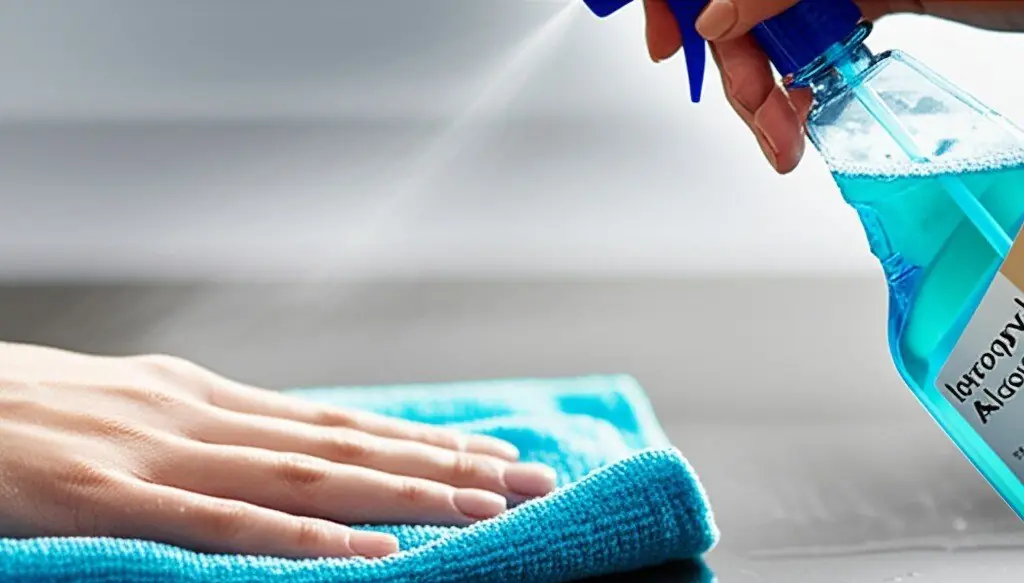
Short answer: the alcohol itself evaporates completely and leaves nothing behind. When a streak does appear, look for one of three causes: additives in scented rubbing alcohol, dirt the alcohol lifted and left sitting on the surface, or minerals from the tap water used in the mix.
The concentration you buy matters less for strength than for drying speed and water content:
- 70% for general wipe-downs, including switches and doorknobs. The water in it keeps the surface wet a few seconds longer, which is what you want on high-touch spots.
- 91% or 99% when water is the problem: electronics and detail work like contacts and old thermal paste, glass that needs near-instant evaporation, and stubborn sticky goo.
- A higher number is not a stronger clean. Choose by how soon you need it dry and whether the surface tolerates water.
For a truly residue-free finish, use plain unscented alcohol, a clean microfibre cloth, and buff dry. If anything stays behind, go over the spot again with a fresh cloth rather than adding more product. For more ideas along these lines, see these smart ways to clean with alcohol.
How do you clean windows with isopropyl alcohol?
Mix one part rubbing alcohol with one part water in a spray bottle, one cup of each is a good batch, and add a single drop of dish soap if the windows are in a kitchen and carry a greasy film. Label the bottle clearly so it is never mistaken for plain water.
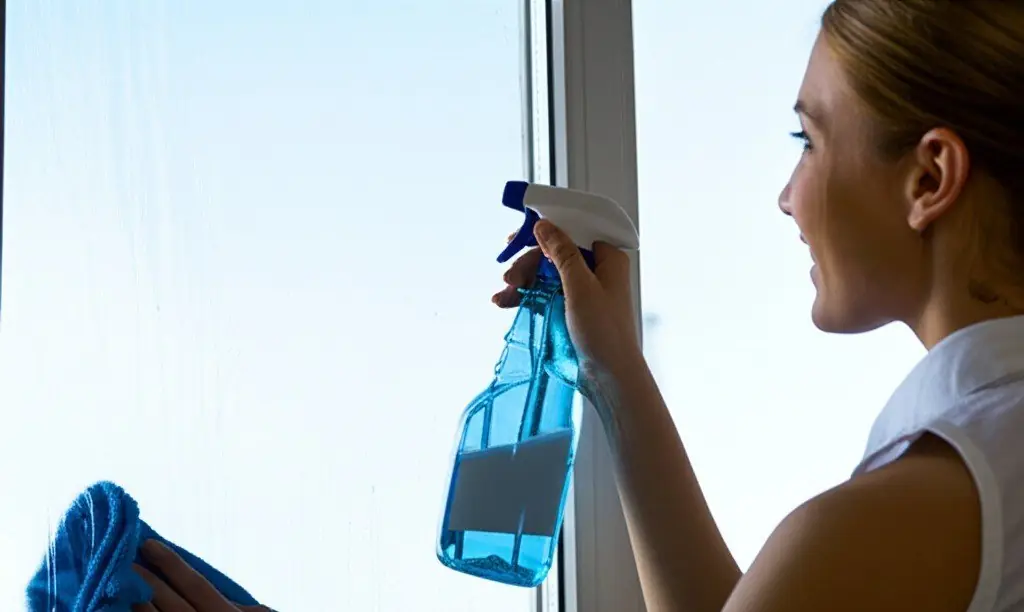
Spray lightly, wipe with a lint-free microfibre cloth, then buff with the dry side. The mix dries almost as soon as you have wiped it, with no streaks and no water spots. The same routine handles bathroom mirrors with hairspray haze and toothpaste specks, chrome taps with water spots, and shower doors with soap film: give soap scum about 30 seconds to soften before wiping, and it lifts without scrubbing.
You will know it worked because the glass dries completely clear. If you see marks, you are using too much product or a cloth that has picked up grease: switch to less spray and a fresh dry cloth rather than pressing harder.
How do you get rid of sharpie, ink and sticker residue?
On hard surfaces, patience beats scrubbing. Dampen a cotton ball with alcohol, hold it on the marker for 10 to 30 seconds, then wipe. Repeat on stubborn marks rather than bearing down. The same soak-and-wipe approach clears crayon and scuffs on walls and trim, but check flat paint in a hidden corner first, since flat finishes can rub up shiny.
- Sticker and tape goo: hold an alcohol-soaked paper towel on it for 2 to 5 minutes, then scrape with a plastic card and wipe clean.
- Whiteboards: trace over permanent marker with a dry-erase marker, then wipe; the solvent in the dry-erase ink re-liquefies the old marks.
- Ink on clothing or sturdy upholstery: always test a hidden seam for colourfastness before you dab at any stain. Press a dampened white cloth against the seam, let it dry, and if the colour holds, blot the stain, never rub, moving to a clean patch of cloth as the ink lifts.
- Microfibre couches: mist lightly, scrub gently with a soft brush, let it dry, then brush the nap back up. No water rings.
- Mattresses: dab the stain rather than soaking it, and let the spot air dry fully before remaking the bed.
Never pour it straight onto a stain, and skip anything labelled dry clean only unless the hidden spot test comes out clean.
How do you disinfect high-touch surfaces with it?
Use 70% isopropyl alcohol on light switches, doorknobs, remotes, keyboards, faucets and flush handles. Dampen a cloth, wipe, and this time do not buff: let the surface air dry so the alcohol has time to work before it evaporates.
The electronics rule matters here: never spray a device. Dampen and wring out a microfibre cloth, wipe the surface, then dry it, and check the maker’s guidance for coated TV and phone screens before touching them at all. It is also handy for swirling makeup brushes clean and drying them flat, and for wiping lotion film off metal jewellery, though never on opals, pearls or glued pieces.
A weekly wipe of grout lines and shower corners helps slow mildew between deep cleans. For mould itself, Health Canada’s mould guidance says small and medium areas can be cleaned with water and dish detergent, with no need for bleach, and suggests considering a professional for mould that keeps coming back or a large amount of it.
Where shouldn’t you use it, and how do you handle it safely?
Keep it off finished, shellacked, lacquered or varnished wood, and off leather: it can strip or dull the finish. Some plastics, including acrylic and polycarbonate, can cloud, and dyed or synthetic fabrics can discolour, so spot test a hidden spot and wait until it dries before judging.
It is highly flammable. No flames, lit candles, stovetop burners or pilot lights nearby; open a window while you work; cap the bottle between uses. Wear gloves for long jobs because it dries skin out. And never mix it with bleach or other cleaners: the CCOHS guide to working safely with cleaning products says different cleaning products must never be mixed, and that vinegar, bleach and ammonia should not be combined in homemade cleaners. One product at a time.
Store the bottle tightly capped, away from heat and flames and out of kids’ reach, and keep children and pets off treated surfaces until they are fully dry. When you are done with the bottle, the City of Toronto’s household hazardous waste page explains that solvents and household cleaning products must not go in the garbage or down the drain: the City’s free Toxic Taxi, booked through 311, picks up 10 to 50 litres, or you can take them to a Drop-Off Depot.
When does it make sense to call a professional cleaner?
If the same soap scum, stains or mildew keep coming back faster than you can wipe them down, or you are unsure about a surface like natural stone, fine wood or delicate upholstery and want products matched to it, that is the moment to hand it over. A regular house cleaning visit keeps kitchens, bathrooms, mirrors and every reachable surface ahead of the buildup, and the cleaners bring all the supplies. We clean homes throughout Toronto and the GTA, and you can reach us at (647) 424-0355.
Frequently asked questions
Can I pour leftover rubbing alcohol down the drain?
No. The City of Toronto counts household cleaning products and solvents as household hazardous waste: they must not go down the drain, toilet or sewer, or into the garbage, Blue Bin or Green Bin. Book the City’s free Toxic Taxi through 311 to collect 10 to 50 litres, or take up to 50 litres at a time to a Drop-Off Depot or a Community Environment Day.
Can I mix rubbing alcohol with vinegar to make a stronger cleaner?
No. Health Canada warns that bleach reacts with any cleaning product containing ammonia or an acid such as vinegar, and that mixing it with glass cleaners or toilet bowl cleaners can create toxic gases such as chloramine. If you want to switch from one product to another on the same surface, wipe or rinse with water in between.
Will the window mix work on the inside of my car windows?
Yes, the same one-to-one alcohol and water mix works on interior glass, and it leaves no hazy film of the kind foaming cleaners can leave behind. If your windows have tinted film, test a corner first, since coatings vary in what they tolerate, and keep the cloth damp rather than wet around the edges of the film.
Does the alcohol in a homemade mix lose strength over time?
It can. If the cap is loose, the alcohol evaporates first and the mix becomes mostly water, which streaks. Mix small batches, label the bottle with what is inside and when you made it, and keep it capped and away from heat between uses.