Gutter Cleaning: Why Gutter Cleaning is the Most Critical Winter Prep Task
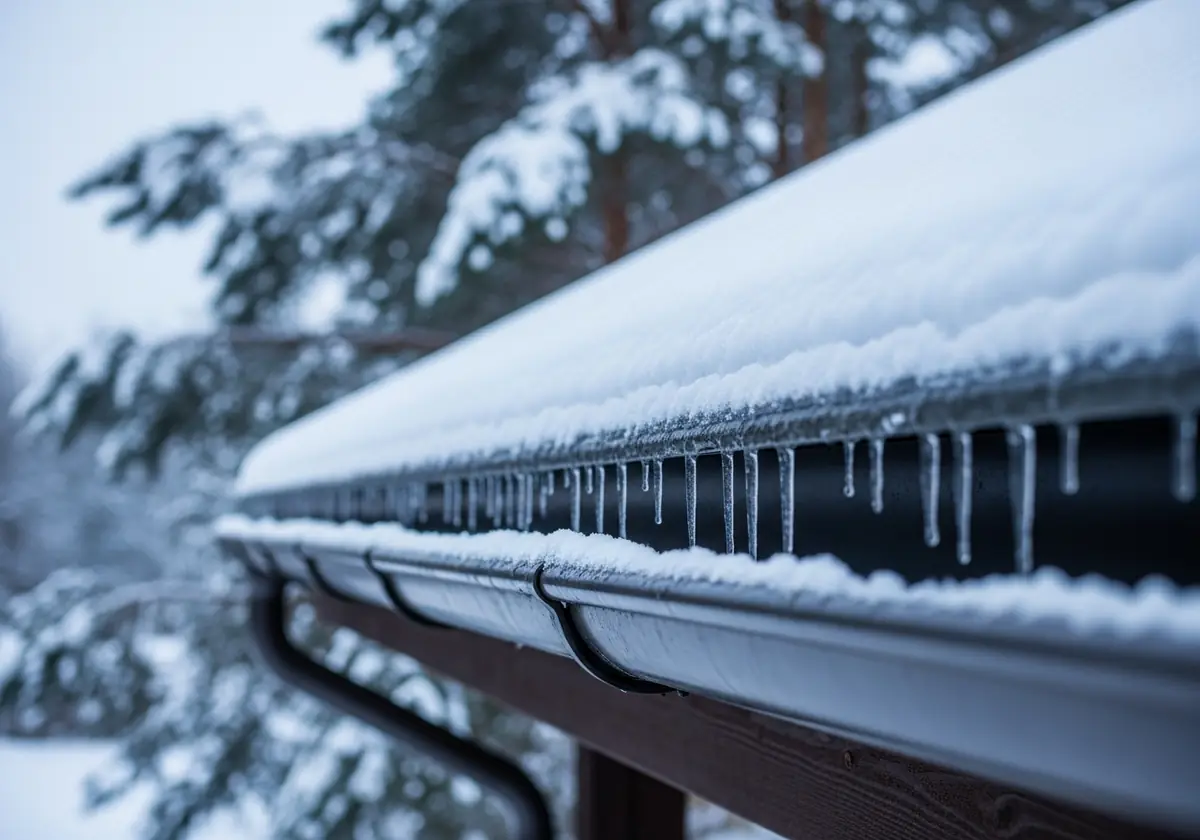
The structural integrity of a house is often determined by how effectively it manages water. Gutter cleaning and preventative maintenance are essential. While the roof acts as the primary protection against precipitation, the gutter system functions as the fundamental drainage network that directs this water away from vulnerable parts of the building. However, this critical system is frequently neglected until a visible problem arises, such as a waterfall cascading over the front door or a damp spot appearing in the basement. This negligence creates a cascade of mechanical and structural failures that can cost thousands of dollars to repair. The simple, periodic act of gutter cleaning is the single most effective maintenance task a homeowner can perform to prevent water damage, yet it remains one of the most procrastinated chores due to the difficulty and danger involved in reaching the roofline.
Blockage
To understand why gutter cleaning is non-negotiable, one must understand the physics of a clogged trough. When leaves, twigs, and organic debris accumulate in a gutter, they create a dam. During a rainstorm, the water running off the roof carries granules from the shingles and fine dust, which mixes with the decomposing leaves to form a heavy, dense sludge. This muck does not dry out easily. It sits in the metal channel, adding immense weight to the fascia boards that hold the gutters in place. Over time, this weight causes the gutters to pull away from the house, ruining the pitch—the slight angle necessary for water to flow toward the downspout. Once the pitch is ruined, water pools even when the debris is removed, creating a permanent mosquito breeding ground and a rust accelerant for steel gutters. Regular gutter cleaning removes this weight before it can alter the geometry of the drainage system.
The most severe consequence of failing to perform gutter cleaning occurs at the foundation of the home. The primary purpose of a gutter is to transport roof water at least six to ten feet away from the perimeter of the house. When gutters are clogged, water overflows the sides and falls directly down against the foundation walls. This soil saturation creates hydrostatic pressure, a force where the weight of the water pushes against the concrete or stone of the basement walls. Eventually, this water finds a crack or a porous section and enters the home. A wet basement is rarely caused by a rising water table; it is almost always caused by surface water that was not properly diverted. The cost of waterproofing a basement is astronomical compared to the cost of routine gutter cleaning, making the latter an essential investment in the longevity of the concrete footing and slab.
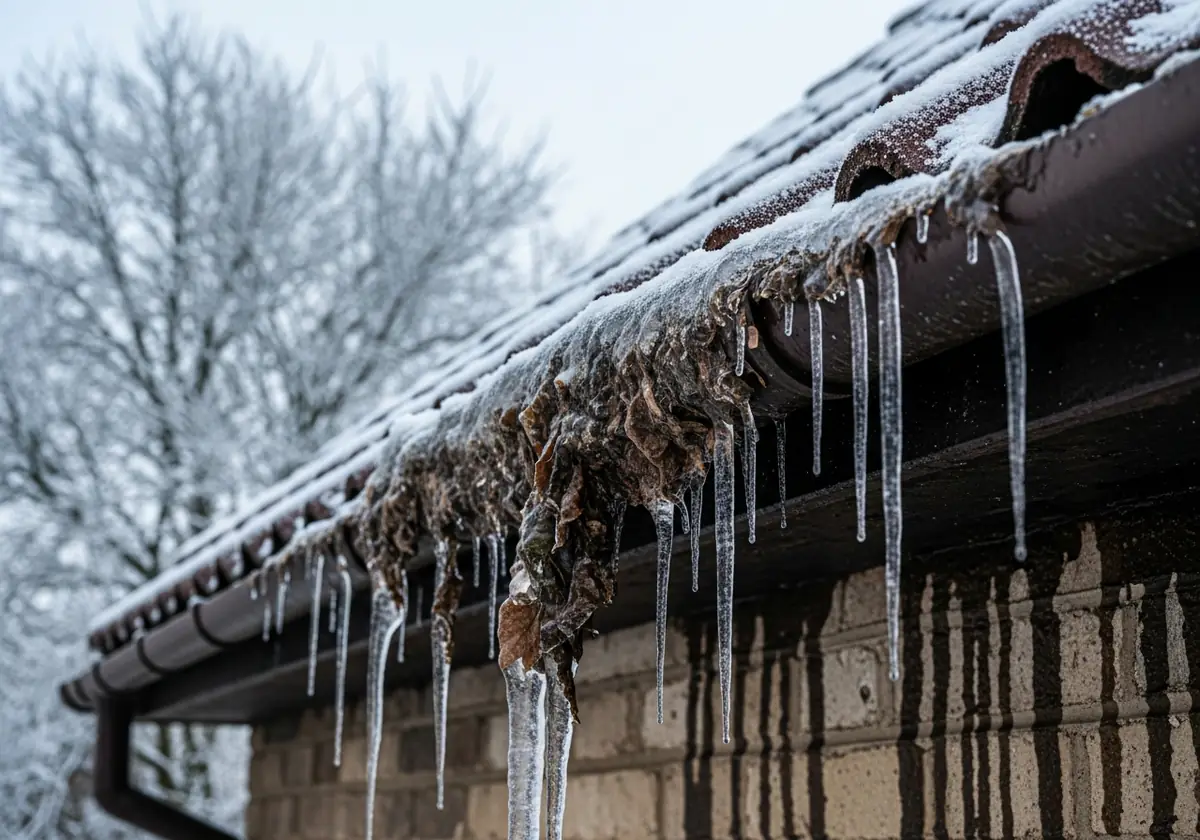
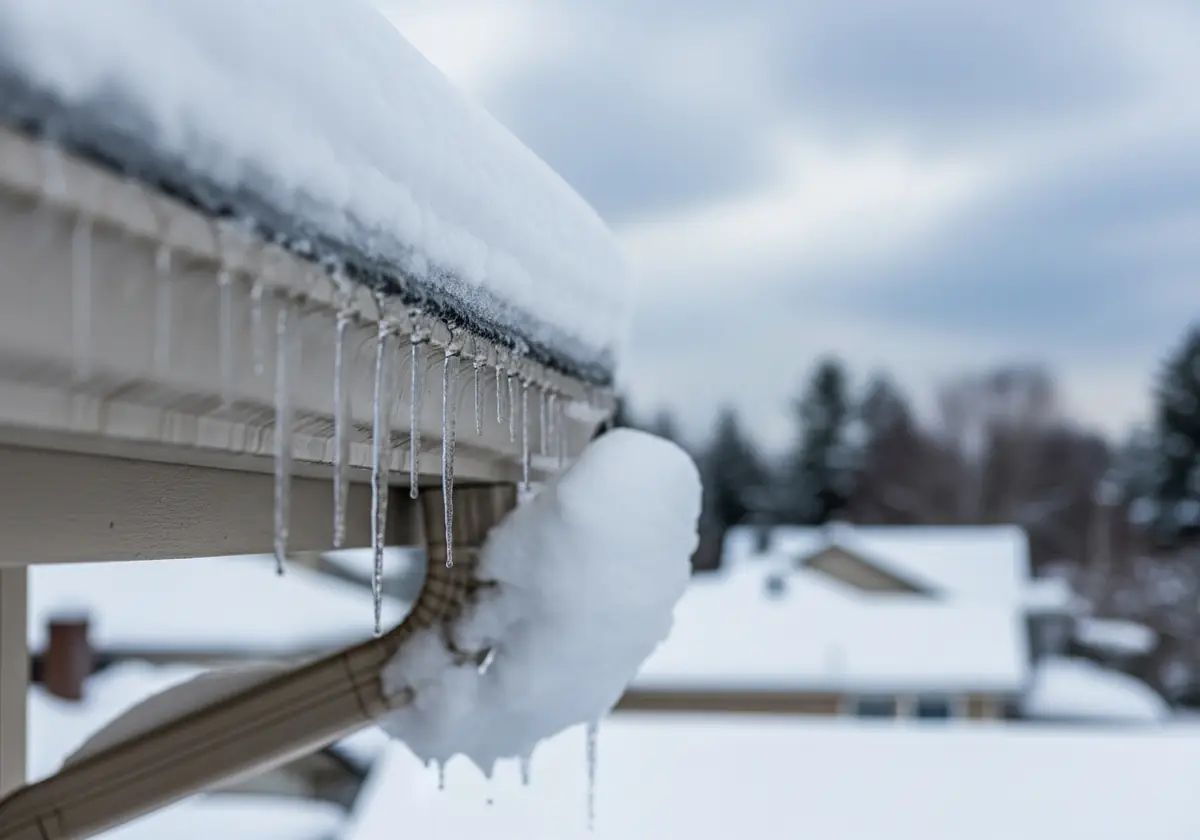
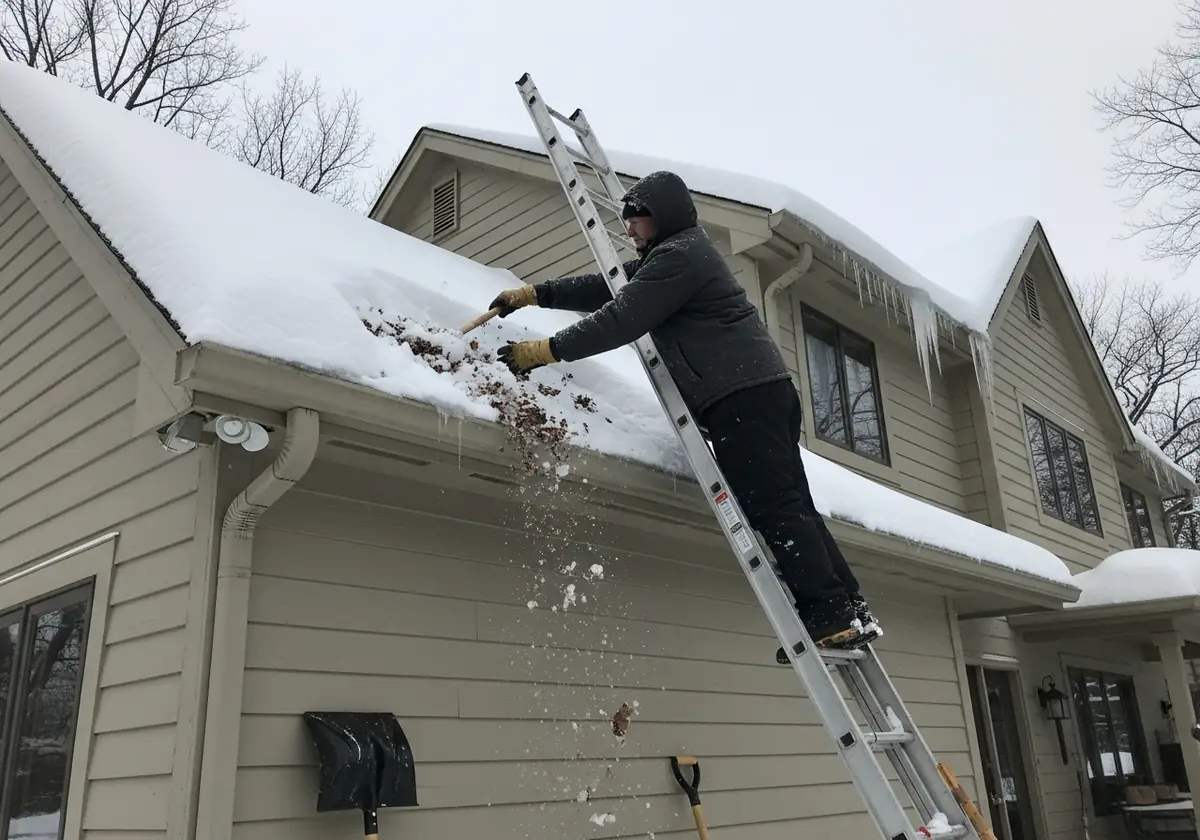
Furthermore, the damage extends upward to the roof itself. In colder climates, a clogged gutter is the primary architect of the ice dam. When snow melts on the upper, warmer parts of the roof, it runs down toward the eaves. If the gutter is full of frozen debris, the meltwater cannot escape. It freezes, building a wall of ice. Subsequent meltwater pools behind this ice wall and backs up under the shingles. As this water sits against the roof deck, it seeps through nail holes and seams, destroying the insulation in the attic and rotting the plywood sheathing. This can lead to interior leaks that ruin drywall and paint inside the living quarters. Performing gutter cleaning in the late autumn, after the leaves have fallen but before the first freeze, is the only way to ensure the channel remains clear for meltwater to pass through safely.
Compost Bin
Biology also plays a significant role in the necessity of this chore. A gutter filled with rotting organic matter is essentially a compost bin elevated twenty feet in the air. This environment is attractive to a host of pests. Carpenter ants, mosquitoes, and even rodents find shelter and moisture in the debris. Birds often build nests in the corners of gutters, which completely block water flow. As these animals establish themselves, they often look for ways to enter the attic warmth, chewing through fascia boards or soffit vents. Regular gutter cleaning disrupts these habitats and removes the food sources and nesting materials that invite vermin into the structure of the house. It turns the gutter back into a cold, metal channel rather than a warm, organic ecosystem.
The timing of gutter cleaning is dictated by the flora surrounding the property. For most homes, a twice-yearly schedule is the minimum requirement. The spring clean is necessary to remove the seeds, buds, and “helicopters” (maple keys) that fall as trees wake up. These small particles are particularly dangerous because they pack tightly into the downspouts, creating dense plugs that are difficult to dislodge. The autumn clean is the heavy lifting phase, dealing with the bulk volume of deciduous leaves. However, homes surrounded by pine trees face a year-round battle. Pine needles are insidious; they mat together and resist the flow of water, often bypassing gutter guards. For these properties, gutter cleaning may be required quarterly to prevent the needles from turning into a hardened acidic mat that corrodes aluminum and copper.
Protection
The process of gutter cleaning itself is physically demanding and fraught with risk. Ladder safety is the most critical component. Thousands of emergency room visits every year are attributed to falls from ladders during home maintenance. The ladder must be placed on firm, level ground, often difficult to find in garden beds or on sloped driveways. It must be set at the correct angle—the one-to-four rule—to prevent it from sliding out at the base or tipping backward. Furthermore, leaning a ladder against a metal gutter can dent the thin aluminum, compromising the aesthetic and function of the system. Professionals use standoff arms or stabilizers that rest on the roof surface or the wall, protecting the gutter lip. For the average homeowner, the physical act of climbing up and down, moving the ladder every four feet, creates fatigue that increases the likelihood of an accident. This danger is a primary reason why gutter cleaning is often outsourced to experts who have the equipment and training to work at heights.
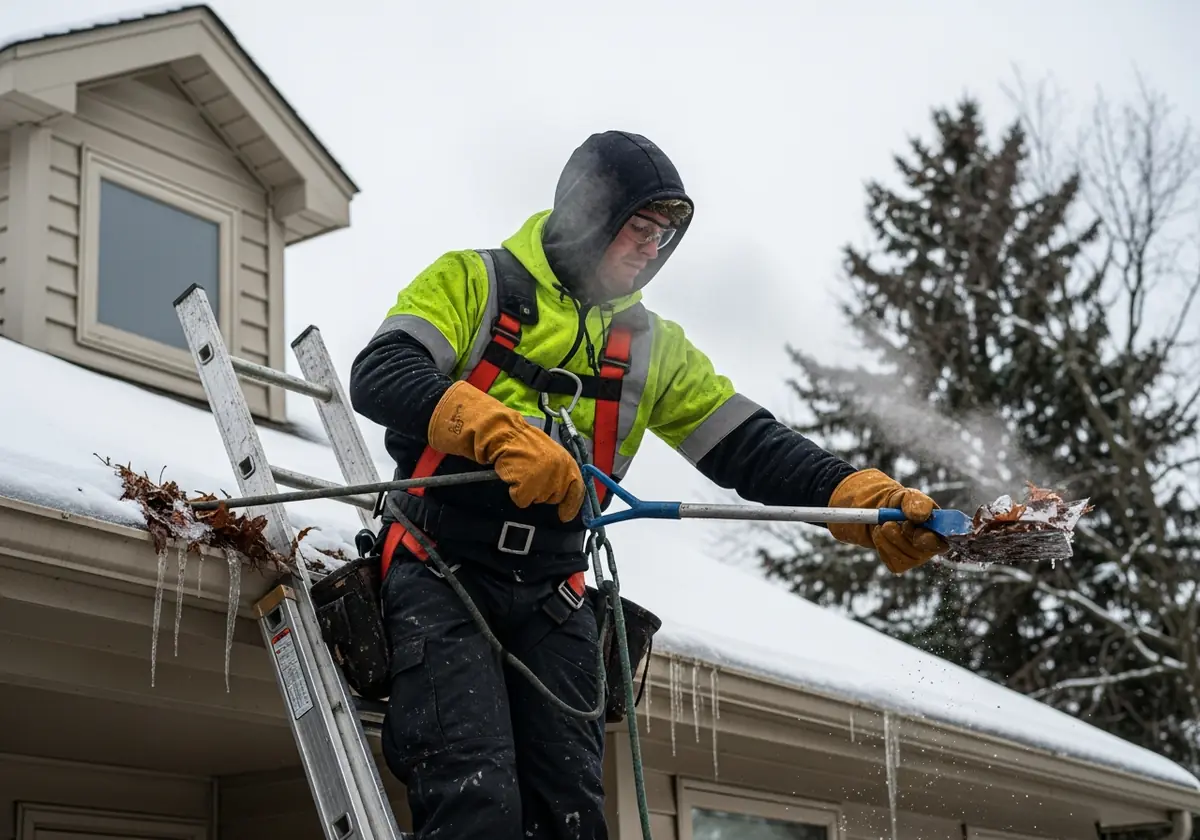
Once at the roofline, the technique involves more than just grabbing handfuls of leaves. The sludge at the bottom of the gutter contains bacteria and mold spores, making heavy gloves essential. Scooping the debris requires patience to avoid splashing the black, smelling muck onto the siding or the patio furniture below. A common mistake during DIY gutter cleaning is neglecting the downspouts. A clean horizontal trough is useless if the vertical exit is blocked. Testing the flow is a mandatory step. This involves running a hose into the downspout and listening for the water to exit freely at the bottom. If the water backs up, the clog is internal. Dislodging a downspout clog often requires feeding a plumber’s snake or a high-pressure nozzle down the pipe to break up the compaction of leaves and twigs.
Gutter Guards
There is also a prevalent myth that installing gutter guards or screens eliminates the need for gutter cleaning. This is false. While high-quality guards can reduce the frequency of cleaning and prevent large leaves from entering, they are not maintenance-free. Small sediment, roof grit, and pine needles can still penetrate the mesh or sit on top of the screen, creating a layer that water skips over like a ski jump. Eventually, the sludge builds up inside the covered gutter, and cleaning it becomes significantly more difficult because the guards must be removed and reinstalled. Gutter guards are a filtration system, and like any filter, they eventually clog. Therefore, even protected homes require inspection and gutter cleaning, albeit potentially less often than unprotected ones.
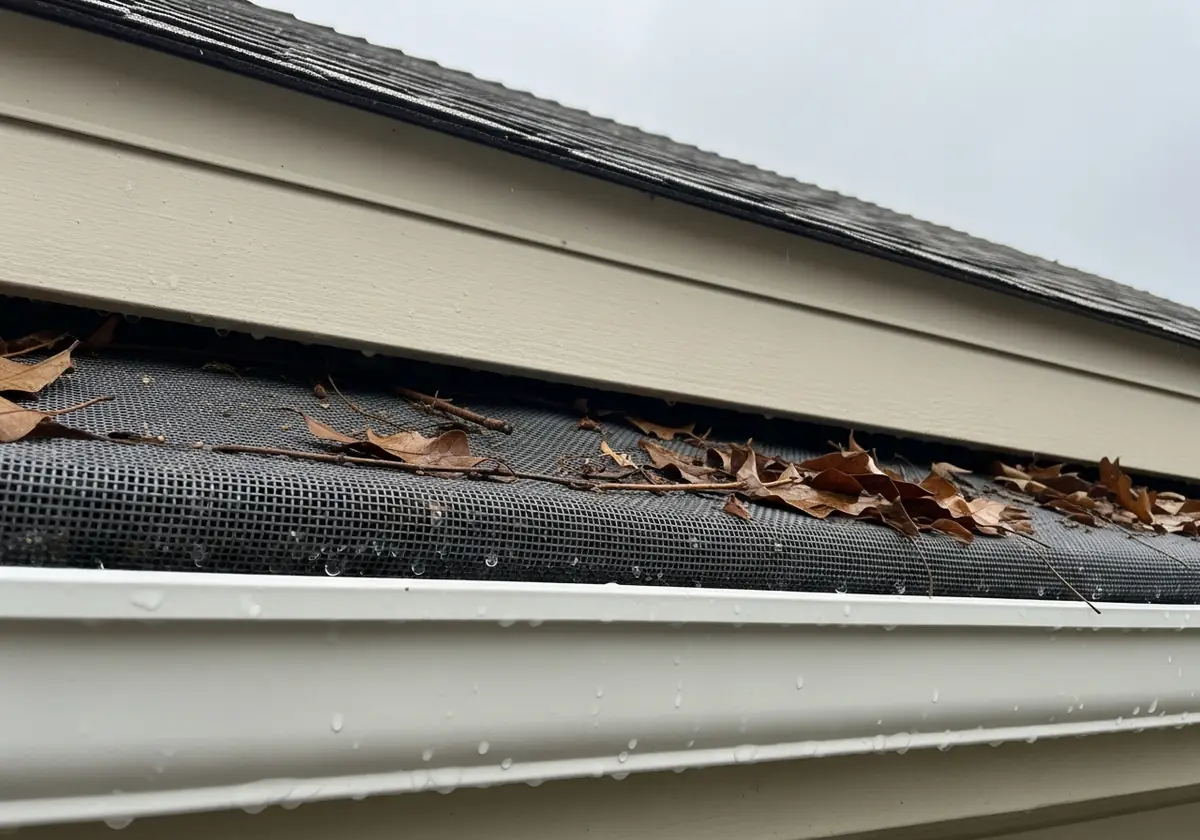
The condition of the fascia board—the wood trim behind the gutter—is directly tied to the cleanliness of the trough. When a gutter overflows, water often wicks backward, running behind the metal and onto the wood. Over time, this constant moisture causes the fascia to rot. Since the fascia is the structural anchor for the gutter spikes or hangers, rotting wood leads to the entire system falling off the house. During the process of gutter cleaning, it is important to inspect these attachment points. If a spike is pulling out, it can be hammered back in or replaced with a threaded screw hanger, but only if the wood is solid. Ignoring the debris leads to the rot that eventually necessitates expensive carpentry repairs combined with gutter replacement.
Aesthetics
Aesthetics also come into play. A clogged gutter is often visible from the street. You can see the dark line of organic matter peeking over the edge, and in severe cases, small saplings can be seen growing out of the decomposed leaf matter. This signals to neighbors and potential buyers that the home is not being maintained. Dirty gutters also lead to “tiger striping,” which are black vertical streaks on the exterior of the gutter caused by overflowing water carrying asphalt chemicals and dirt down the face of the metal. These stains are incredibly difficult to remove once they bake into the paint. Regular gutter cleaning prevents the overflow that causes this staining, keeping the roofline crisp and clean, which preserves the curb appeal of the property.
The tools required for effective gutter cleaning extend beyond a simple ladder. A sturdy bucket hook is needed to hold the trash receptacle, keeping hands free for climbing and working. Gutter scoops, made of flexible plastic, are designed to fit the profile of the trough, allowing for the efficient removal of sludge without scratching the paint, which could lead to rust. Safety glasses are necessary, as dried debris can shatter and fly into the eyes, and curious insects often fly out when disturbed. For two-story homes, the logistics of reaching the second level often exceed the capacity of a standard extension ladder, requiring scaffolding or specialized harnessing. This logistical complexity is why gutter cleaning is a distinct professional trade, separate from general landscaping or roofing.
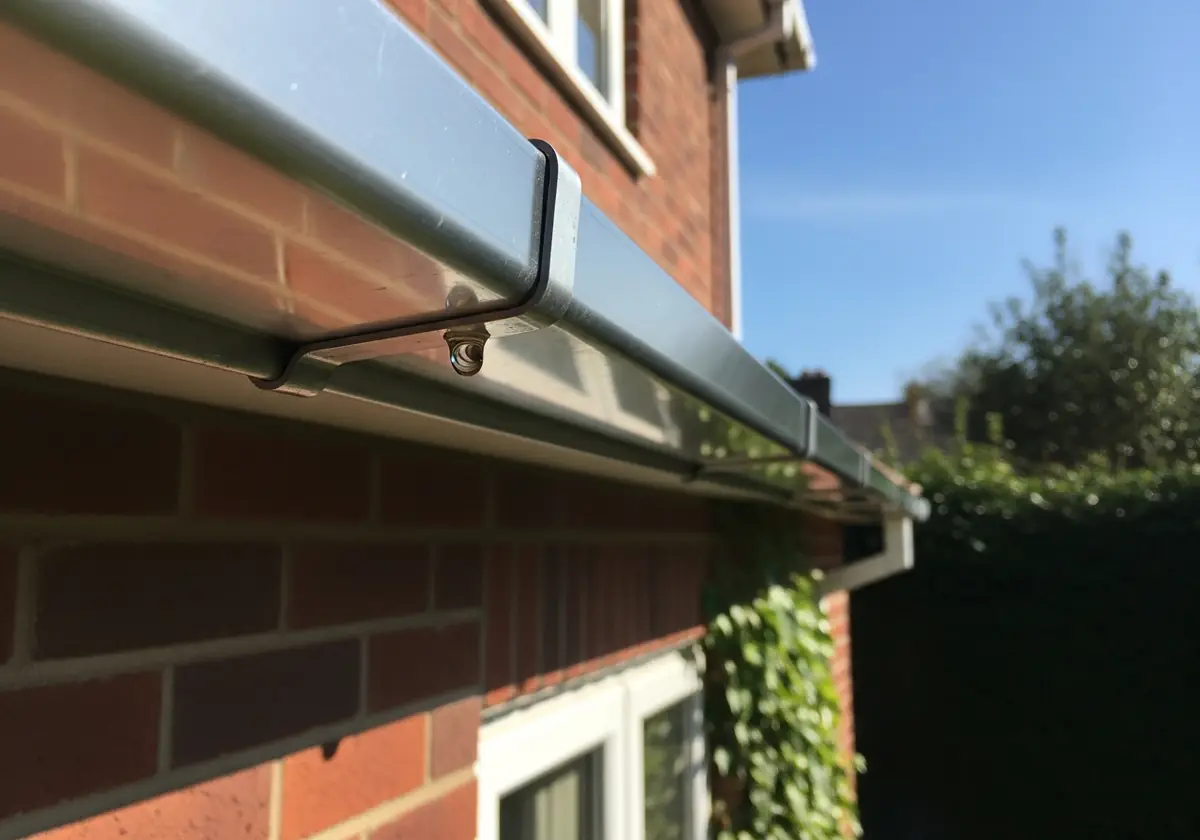
In the context of the overall home ecosystem, the gutters are the kidneys, filtering and directing waste water away to maintain the health of the body. When they fail, the system becomes toxic. The soil around the house becomes swamp-like, drowning expensive landscaping plants and destabilizing the ground. Concrete driveways and walkways can crack and settle unevenly due to the erosion caused by uncontrolled water runoff. Every aspect of the home’s exterior is tested by the failure to perform gutter cleaning. It is a preventative measure that ripples outward, protecting the roof, the walls, the foundation, and the landscaping.
Final Analysis
Ultimately, the decision to clean gutters is a decision to protect the value of the asset. The cost of neglect is always higher than the cost of maintenance. Whether done by a brave homeowner with a reliable ladder or a hired professional team, the removal of debris must happen. The seasons will continue to turn, trees will continue to shed, and rain will continue to fall. The house must be ready to receive it. By prioritizing gutter cleaning as a non-negotiable part of the seasonal calendar, one ensures that the home remains a dry, secure shelter rather than a water-damaged liability.
Maintaining a home involves a thousand small details, and navigating the dangers of rooflines and ladders is not for everyone. When the leaves pile up and the task of clearing the drainage system feels overwhelming or unsafe, it is time to call in professionals who understand the rigors of exterior maintenance. Toronto Shine Cleaning offers exceptional cleaning services that cover the essential interior cleaning needs of your home. Just as we have discussed the vital importance of gutter cleaning for the structural health of your property, Toronto Shine Cleaning applies that same level of diligence and care to the services they provide. Whether you need a seasonal overhaul to protect your foundation from the coming rains or a routine maintenance schedule to keep your home looking its best, their professional team has the equipment and the expertise to handle the heavy lifting.
How Gutter Cleaning Works (3 Steps)
Read the video transcript
Make room for rain. Gutters guide roof water away from your home. Leaves and sludge interrupt that route. A gutter professional brings a flexible scoop, a hooked bucket and a hose for the flow test. Leave heights to a trained gutter professional. Firm, level ground, the one-to-four ladder angle, standoff arms, heavy gloves and safety glasses matter. One. Scoop leaves and sludge into the bucket, carefully keeping the siding below clean. Two. Run a hose into the downspout. Listen for water flowing freely from the bottom. Three. Check the whole route: an open trough and a freely draining outlet. Plan spring and autumn cleaning. Pine needles may call for quarterly visits. For the rooms inside, Toronto Shine Cleaning offers regular house cleaning, with vetted cleaners and professional supplies. Choose your clean. See your price, choose your time. We take it from there. Include entry and lock-up instructions. You'll love your clean, or we'll make it right. See your price at torontoshinecleaning.ca.