
How to Make Your Old Stainless Steel Look Brand New Again
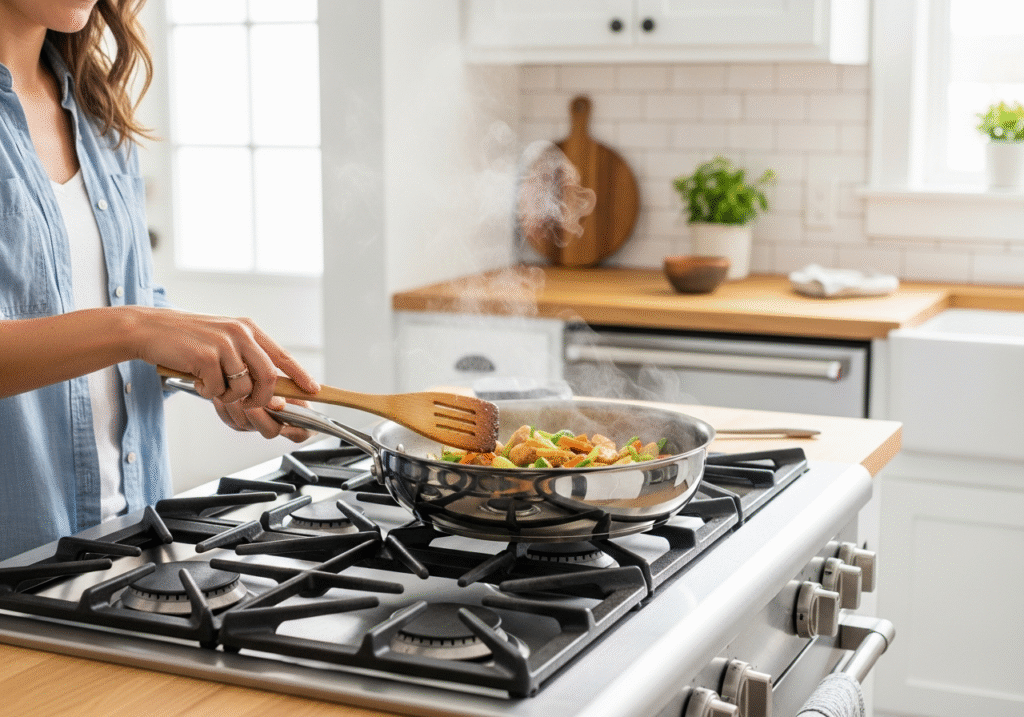
The stainless steel pan is the undisputed monarch of the professional kitchen. Walk into any Michelin-starred establishment or a bustling neighborhood bistro, and you will not see stacks of non-stick cookware. Instead, you will see a gleaming wall of silver, a testament to the durability and performance of stainless steel. Yet, for the average home cook, this material is often a source of immense frustration. It is viewed as sticky, unforgiving, and difficult to clean. Many aspiring chefs invest in a high-quality stainless steel set only to relegate it to the back of the cupboard after one disastrous attempt at cooking eggs or a delicate piece of fish. The tragedy here is that the pan is not broken; the technique is simply misunderstood. Stainless steel is not merely a vessel; it is a precision instrument that requires a basic understanding of thermodynamics and physics to operate correctly. Once mastered, it becomes the most versatile and low-maintenance tool in your culinary arsenal, capable of producing results that coated pans simply cannot match. Why Does Food Stick? The primary grievance against stainless steel is that food sticks to it. To solve this, one must understand why adhesion happens on a microscopic level. To the naked eye, the surface of a stainless steel pan looks perfectly smooth. Under a microscope, however, it is a landscape of peaks and valleys. When you place a piece of cold food, specifically protein, onto a cold or lukewarm metal surface, the proteins sink into these microscopic fissures. As the heat rises, the metal contracts and expands, essentially locking the food into the surface. The bond becomes mechanical. The secret to preventing this lies in temperature control and the proper use of fat. This is often summarized by the mantra: “hot pan, cold oil.” Preheating is the non-negotiable first step. Unlike aluminum or non-stick pans, stainless steel is a relatively poor conductor of heat on its own, which is why it is usually clad with a core of aluminum or copper. It takes time for the heat to distribute evenly across the surface. If you rush this process, you create hot spots where food burns and cold spots where it sticks. To test if the pan is ready, you utilize the Leidenfrost effect. Sprinkle a few drops of water onto the dry pan. If the water sizzles and evaporates immediately, the pan is not hot enough. If the water forms a cohesive bead that glides across the surface like a ball of mercury, the metal has reached the optimal temperature. At this specific heat level, the moisture in the food turns to steam instantly upon contact, creating a microscopic cushion of gas that prevents the food from settling into the pores of the metal. Ideal Temperature Once the pan passes the water test, you add the fat. The oil should be added right before the food. As the oil heats, it becomes less viscous, shimmering and coating the microscopic valleys of the steel. This creates a temporary, slick surface. When the food hits the pan, you must listen for a sharp, aggressive sizzle. Silence is the enemy. Furthermore, patience is a physical ingredient in stainless steel cooking. When you place a chicken breast or a steak in the pan, it will stick initially. This is normal. As the Maillard reaction occurs—the browning process that creates flavor—the crust forms and releases itself from the metal. If you try to flip the meat and it resists, it is telling you it is not ready. Forcing it will tear the fibers and leave the best part of the meal stuck to the cookware. Waiting that extra minute allows the food to release naturally. Cleaning a stainless steel pan is often feared as much as cooking in it, but this fear is misplaced. Unlike cast iron, which requires a delicate maintenance of seasoning, or non-stick, which scratches if you look at it wrong, stainless steel is virtually indestructible. It is an alloy of iron, chromium, and nickel designed to resist corrosion and endure abuse. You can scrub it, scour it, and soak it. The most effective cleaning method actually begins while the pan is still hot, through a process called deglazing. After removing the food, pour a cup of water, wine, or stock into the hot pan. The liquid will boil violently, lifting the fond—the caramelized brown bits stuck to the bottom—into the solution. In cooking, this is the base of a pan sauce; in cleaning, it is the removal of the hardest mess without any scrubbing. Correct Way to Clean If the pan has cooled and there is stuck-on food, thermal shock is the only real danger to avoid. Plunging a scorching hot pan into a sink of ice-cold water can cause the metal to warp, ruining the flat base essential for contact with the burner. Let the pan cool until it is warm to the touch. For general washing, warm soapy water and a sponge are sufficient. Modern dish soaps are surfactants that break down grease effectively. If you have stubborn, burnt-on carbon deposits, you need a mild abrasive. Baking soda is a kitchen staple that works wonders. Make a paste with water and scrub. For a more industrial approach, powdered cleansers containing oxalic acid are the gold standard for stainless steel. The acid breaks down the molecular bonds of the stain, while the fine powder polishes the metal without scratching it deep enough to dull the shine. A common visual issue that plagues stainless steel owners is the appearance of a rainbow-like discoloration on the interior of the pan after washing. This “heat tint” is not a chemical residue or a sign of damage. It is a thickening of the chromium oxide layer that naturally protects the steel from rusting. When heated to high temperatures, this oxidized layer interacts with light to create interference patterns, resulting in blue, gold, and purple hues. While completely harmless and safe to cook on, some cooks find it unsightly. The fix is
How to Make Your Old Stainless Steel Look Brand New Again Read More »