How to Get Desitin Out of Clothes
On this page
- The dish soap method for diaper cream
- How do you remove chapstick, deodorant and other greasy marks?
- Hydrogen peroxide or rubbing alcohol: which removes what?
- How do you get turmeric, mustard and juice stains out of white clothes?
- Can you remove a stain that already went through the dryer?
- When does a stain need a professional?
- Frequently asked questions
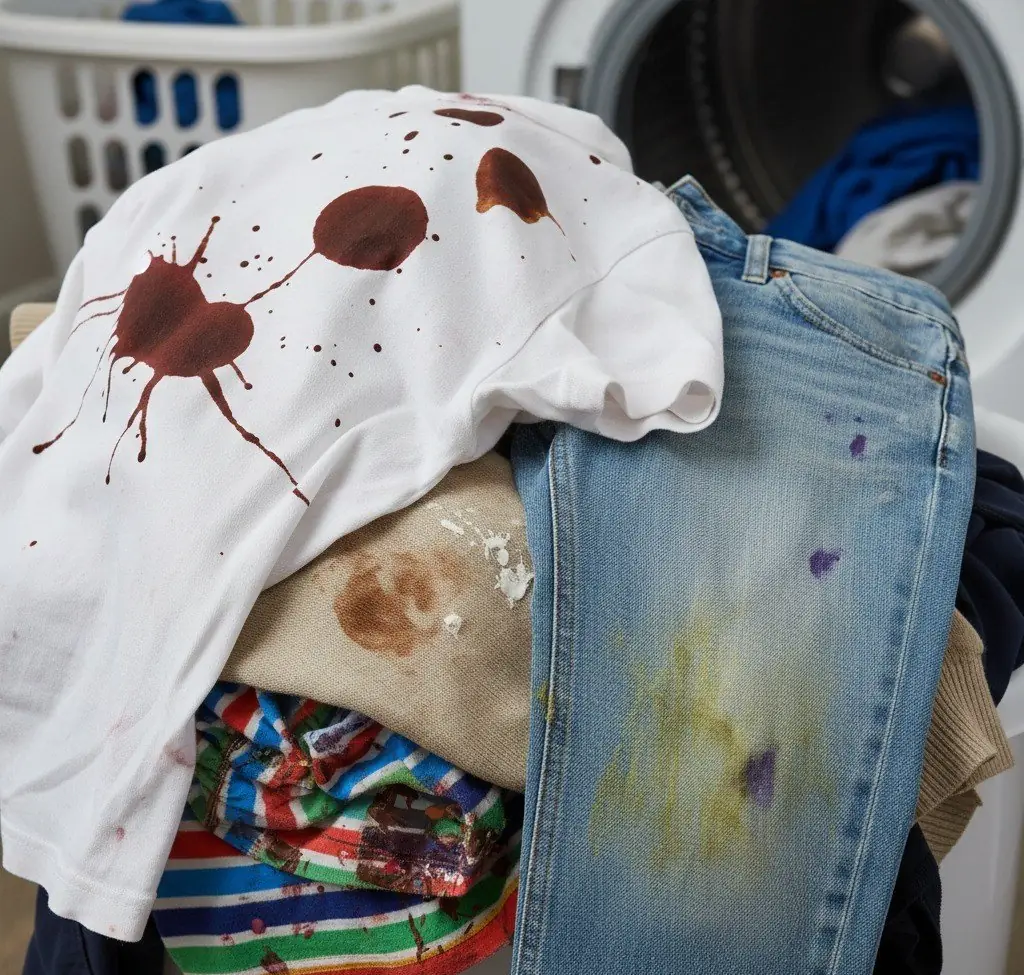
Getting Desitin out of clothes takes three things: scraping off every bit of excess paste before wetting anything, working clear dish soap into the spot for 10 to 15 minutes, and rinsing from behind the fabric with the hottest water the care label allows, repeated until the greasy film is gone.
The dish soap method for diaper cream
If you are searching how to get Desitin out of clothes, start here: the paste resists a normal wash cycle because it is zinc-oxide carried in a petroleum grease base, and that grease clings to fabric fibres instead of dissolving in water and detergent alone. So you break the grease first, then wash. Gather your supplies before you start: a dull scraper such as a spoon or the edge of a card, a few clean white cloths, a soft-bristled brush, and a bottle of clear dish soap.
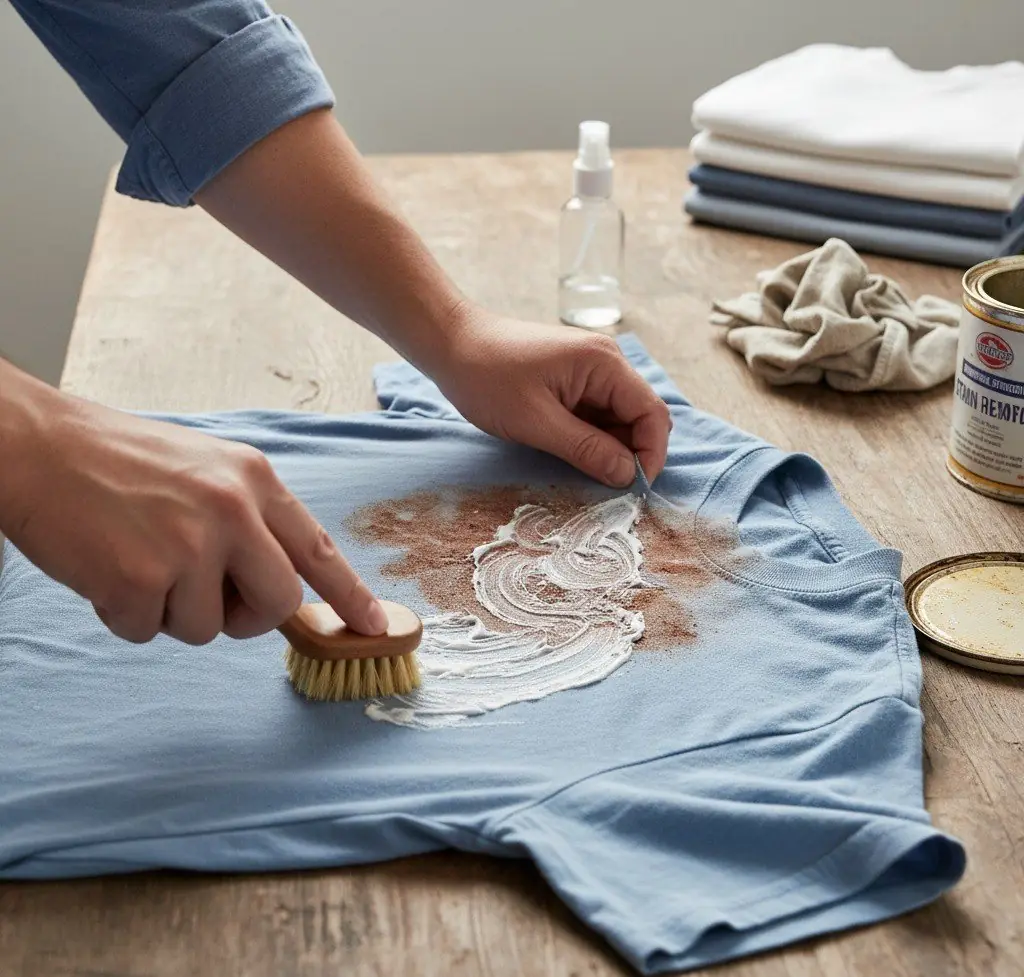
- Scrape off all the excess paste with the spoon or card, and throw it away. Do this before wetting anything: wiping or rinsing first only grinds the zinc-oxide grease deeper into the weave.
- Work a few drops of the dish soap into the spot with your fingers or the soft brush, and let it sit 10 to 15 minutes. Dish soap is the degreaser that breaks down the oily base holding the paste together.
- Rinse from behind the fabric with the hottest water the care label allows, so the grease is pushed out of the fibres rather than through them. Whenever you dab, blot from the outside edge of the spot inward so the ring does not spread onto clean fabric.
- Repeat the soap-and-rinse cycle while any greasy film persists.
- If a white zinc film remains, dab the spot with rubbing alcohol on a clean white cloth, turning to a clean section of the cloth as it lifts, then rinse thoroughly.
- Air-dry and inspect before the dryer. If any shadow remains, run the treatment again instead of applying heat, which sets whatever is left.
For baby loads, run an extra rinse cycle so no soap or lifted grease lingers in the fabric, and skip chlorine bleach entirely, especially on baby sleepwear and stretchy blends.
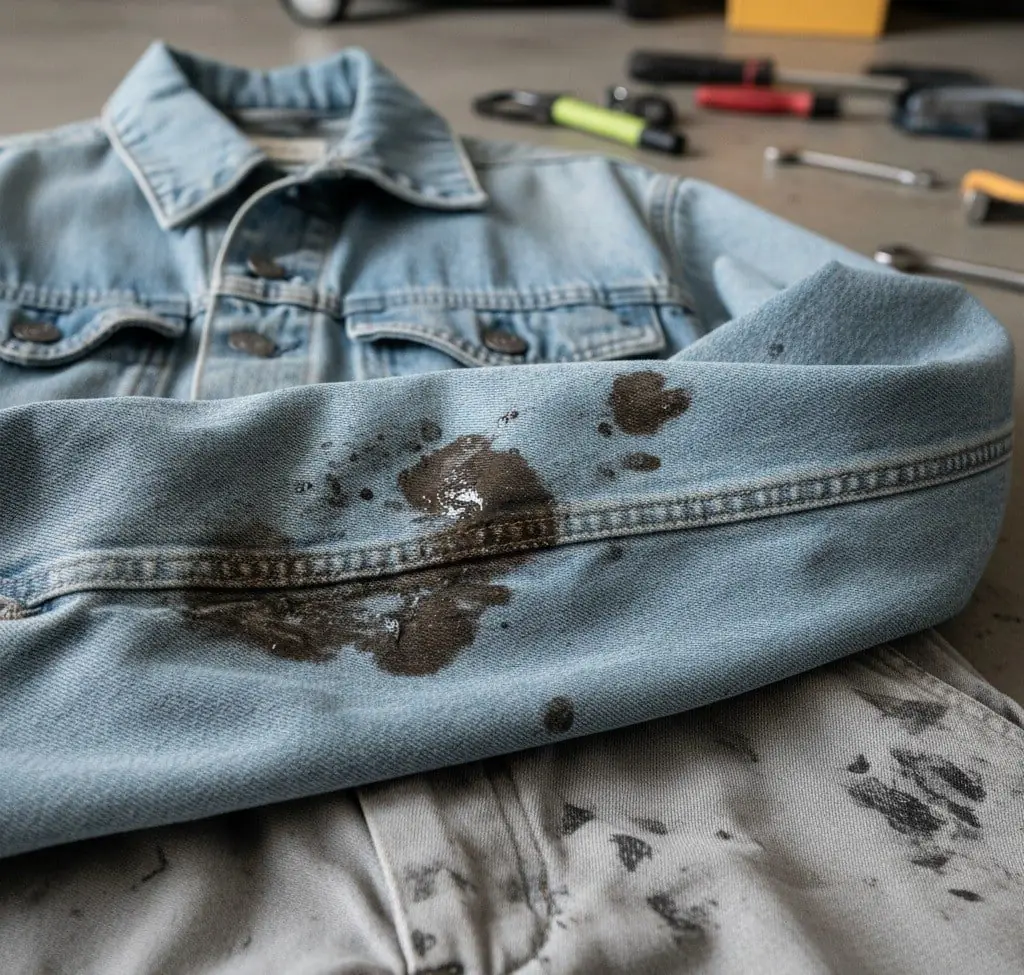
Dish soap earns its place well beyond the laundry room. Lina DaSilva, founder of Toronto Shine Cleaning, told Real Homes she cleans a glass shower screen with a ball of crumpled aluminum foil dampened with water and a drop of vinegar or dish soap, scrubbing in circular motions, because the foil’s texture works as an abrasive that removes soap scum while avoiding scratches.
How do you remove chapstick, deodorant and other greasy marks?
The same grease-first logic solves the stains that travel with diaper cream through family life.
- Chapstick: scrape the wax off, rub in dish soap, rinse hot. If a chapstick went through a whole dryer cycle, treat every greasy dot the same way and expect it to take two rounds.
- Tinted chapstick needs two steps: lift the wax first with the scrape-and-soap method, then treat the colour ring left behind with rubbing alcohol on a white cloth, since the dye sits on top of the grease.
- Fresh deodorant marks on black shirts: dry-buff the residue off with a dry cloth or the garment’s own fabric before any liquid touches it, then wash. Letting deodorant dry before dressing prevents the marks in the first place.
- Yellow underarm staining: mix one part dish soap with two parts 3% hydrogen peroxide, scrub with a soft brush, wait an hour, then wash. On black fabric skip the peroxide or test an inside seam first, because it can lift dark dye.
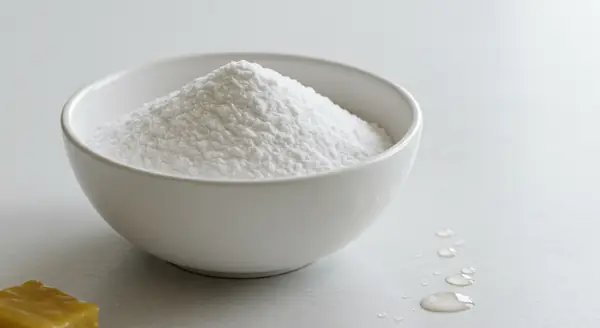
- Cooking oil on a dress: cover the spot with baking soda or cornstarch for 30 minutes, scrape the powder off, then dish soap for 10 to 15 minutes and a wash in the hottest safe water.
After a chapstick meltdown, wipe the dryer drum clean before the next load, or the leftover wax will redeposit on everything you dry afterwards. In a shared laundry room, the rules lean your way too: under RentSafeTO, City of Toronto rules require building owners to post a cleaning plan listing common areas such as the laundry room and how often they will be cleaned.
A few habits prevent most of these marks: check pockets before every wash, let deodorant dry before dressing, and wash dark shirts inside-out so deodorant and fabric wear have less contact. For deeper background on temperature choices, see water temperature for greasy stains.
Hydrogen peroxide or rubbing alcohol: which removes what?
These two bottles solve different problems, and knowing which reaches for what is what separates a saved shirt from a bleached one.
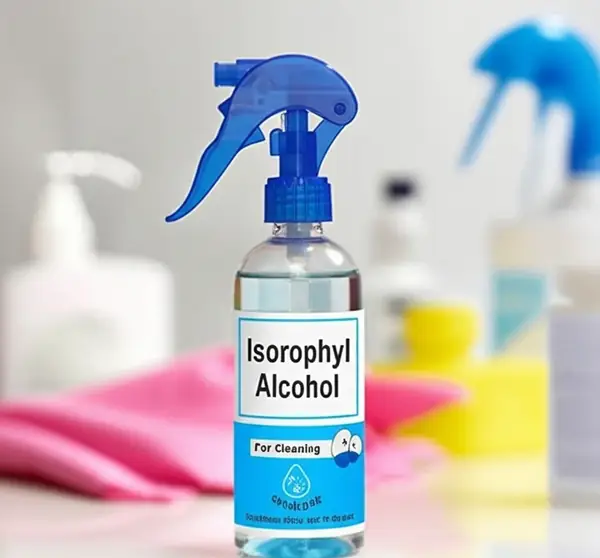
3% hydrogen peroxide is a mild oxygen bleach. Reach for it on whites and colourfast cotton for blood, grass, sweat yellowing and turmeric. It may fizz on contact, which is normal. Rubbing alcohol is a solvent: use it for ink and ballpoint pen, wax, chapstick and petroleum-based ointment residue. Dab it on with a white cloth and watch for dye transferring onto the cloth, which is your signal to stop.
Before either one, spot-test any treatment on a hidden seam for a minute before working the whole spot. Peroxide can bleach dark colours, and alcohol can damage acetate and rayon, so delicates and synthetic blends get a pass unless the test comes through clean. More on handling it safely is in our guide to rubbing alcohol uses and safety.
Two rules finish the job safely: use one product at a time and rinse between steps, and never mix either with chlorine bleach or with each other. A sequential soap, rinse, treat, rinse gives you control; a combined mixture gives you a reaction you did not plan for.
One more temperature note while we are mixing rules: protein stains like blood and dairy get cold water only, because heat sets protein into the fibre.
How do you get turmeric, mustard and juice stains out of white clothes?
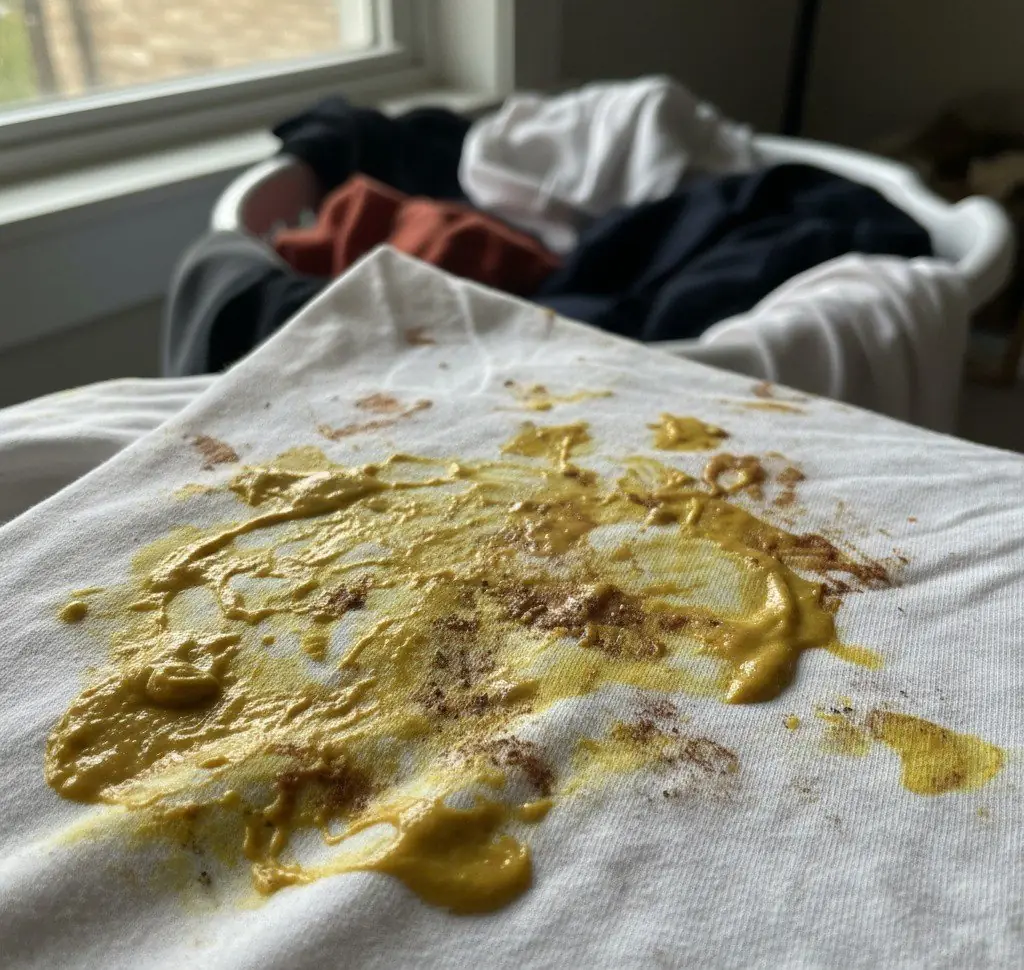
Mustard and turmeric are dyes, not grease, so they need a different order of operations: rinse first, soap second.
- Scrape off the excess, then flush fresh spills with cold water from the reverse side of the fabric, pushing the dye out rather than driving it in. This cold back-rinse comes before anything else.
- Apply white vinegar and let it sit 10 to 15 minutes to help loosen the pigment.
- Work dish soap into the yellow dye ring that remains, then follow with a mix of dish soap and 3% hydrogen peroxide, leave it 30 minutes, rinse and wash hot, since whites tolerate the heat that helps the final lift.
- Dry the treated item in a few hours of direct sunlight: daylight fades lingering yellow shadows on whites, so skip the dryer until the spot has had its time in the sun.
Pomegranate and berry juice follow the rinse-first rule too: blot, never rub, then flush cold water from behind and soak the garment in equal parts white vinegar and water for 10 to 15 minutes before washing. Red wine starts the same way: blot up everything you can, cover the wet stain with salt for about an hour, scrape the salt off and rinse cold. On whites, finish with hydrogen peroxide and dish soap for 30 minutes before the wash.
Can you remove a stain that already went through the dryer?
Yes, on white clothes especially. The dryer sets stains because its heat drives the leftover residue deeper into the fabric fibres, which is exactly why the check-before-drying rule in the first section matters. Once a stain has been heated, it will not respond to a short soap-and-rinse, but a long soak can still reach what the heat pushed in.
Start by identifying what kind of set-in stain you have. A stiff, greasy ghost means oil or wax, which needs a degreaser. A yellow dye shadow means tannins or pigment, which needs peroxide and time. The treatment that follows depends on which one you are looking at.
Dissolve an oxygen-based bleach such as OxiClean per the package directions in the warmest water the fabric tolerates, and submerge the garment for several hours or overnight. After soaking, re-treat whatever is left with the method for that stain type, wash, and keep the item away from any heat until the spot is fully gone.
Know when to stop. After two soak-and-treat rounds on anything delicate or coloured, further home attempts risk wearing the fabric out faster than the stain does, and a second look at the care label is cheaper than a ruined garment.
When does a stain need a professional?
Silk, wool, lined dresses and anything with a dry-clean-only label should go straight to the dry cleaner instead of risking home solvents: the hot water, alcohol and peroxide steps above can shrink, fade or spot these delicate pieces. The same goes for a set-in stain that has already survived two oxygen-bleach soaks.
While you handle the laundry emergencies, our regular house cleaning keeps the rest of the home on schedule. See house cleaning across the GTA for your area, or call (647) 424-0355.
Frequently asked questions
Will this dish soap method work on zinc-based sunscreen stains too?
Yes. Zinc-based sunscreens use the same mineral-and-oil combination as diaper cream, so the same order applies: scrape off the excess before wetting, work clear dish soap into the spot, rinse from behind with the hottest water the care label allows, and repeat until the greasy film is gone. Air-dry between rounds so you can see what is really left.
Can I use rubbing alcohol on my baby’s clothes?
Yes, on cotton and sturdy blends, as the final step for the waxy white film that survives soap and rinsing. Dab it on with a white cloth rather than soaking the fabric, rinse the spot thoroughly afterwards, and wash the item as usual. Skip alcohol on stretchy synthetics and anything with a printed design, and wash it separately from the rest of the baby laundry.
How do I get diaper cream out of upholstery or a car seat?
Use the same logic without soaking the cushion. Scrape off the paste, then work a little dish soap into the spot with a damp cloth and blot, from the outside edges inward, until the film lifts. Rinse by blotting with a clean damp cloth, and let it air-dry fully. Never pour water over foam padding, since trapped moisture takes far longer to dry than fabric does.
Does the extra rinse cycle really matter for baby clothes?
Yes. Diaper-cream treatment leaves soap and lifted grease in the water, and an extra rinse cycle clears both out of the fabric before it can settle back in. Onesies and sleepers matter most here, because their fabric sits against a baby’s skin all night while a t-shirt gets an undershirt beneath it.
How to Remove a Cooking-Oil Stain From Clothes (4 Steps)
Read the video transcript
Oil spot? Start dry. For cooking oil, gather baking soda, clear dish soap without bleach, and a soft brush. Water alone will not lift grease. Test any solution on an inside seam first. Never put a still-stained garment in the dryer. One. Cover the oil spot with baking soda. Let the absorbent powder sit for at least thirty minutes. Two. Scrape off the powder after it has had time to draw oil from the fabric. Three. Apply clear dish soap directly to the stain. Work it in gently with a soft brush. Leave the soap for ten to fifteen minutes so it can break down the grease. Four. Wash in the hottest water that this fabric can safely tolerate. Check before drying. If a trace remains, repeat the treatment and wash again. Air dry until certain. A clearer shirt, ready to wear again. Treat fresh spills quickly rather than letting them settle in. While you handle laundry, let regular house cleaning take care of floors, bathrooms and kitchen surfaces, with vetted, background-checked cleaners and professional supplies. Choose your clean. See your price, choose your time. We take it from there. Add your access details. No contracts. No upfront payment. You'll love your clean, or we'll make it right. See your price at torontoshinecleaning.ca.