
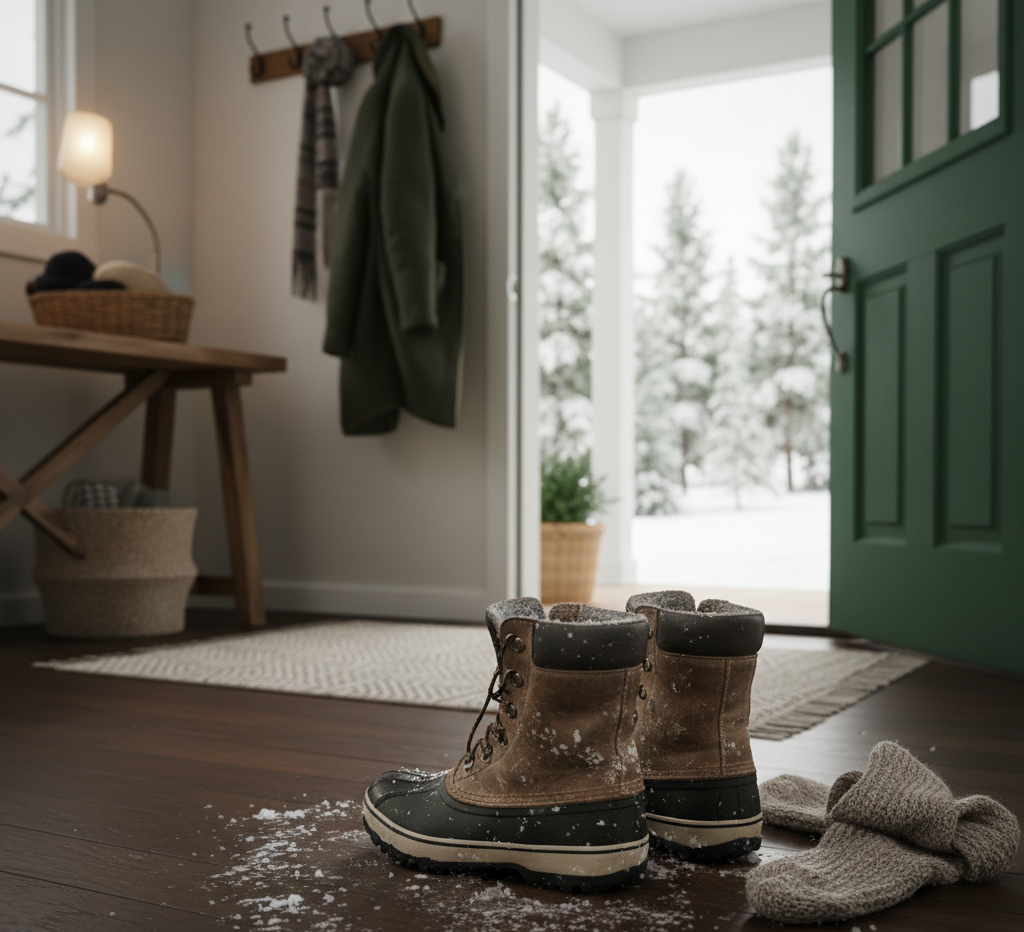
Cleaning Boots: A Step-by-Step Guide to Deep Cleaning Winter Shoes
February in Canada is the month where winter loses its charm. The picturesque, fluffy snowflakes of December have long since been trampled into a grey, gritty slurry that lines every sidewalk and driveway. The romance of the season is replaced by the harsh reality of logistics. We are no longer walking in a winter wonderland; we are wading through a chemical bath of road salt, calcium chloride, sand, and freezing slush. In this hostile environment, your footwear is the first line of defense. Your boots are subjected to a daily assault that is both physical and chemical. Neglecting them in February is not just an aesthetic oversight; it is a financial error. The corrosive nature of winter road treatments can destroy expensive leather, ruin the waterproof seals of synthetic hikers, and turn stylish suede into a stiff, stained tragedy within weeks. Keeping your footwear clean during the deep freeze is a discipline that requires specific knowledge of materials and chemistry. Road Salt To win the war against February, one must understand the enemy: road salt. Municipalities use a variety of de-icing agents to keep roads safe, but these compounds are highly alkaline. When dissolved in melting snow, they create a brine that soaks into the pores of leather and fabric. As the water evaporates, the salt recrystallizes inside the material. This physical expansion can break fibers, but the chemical reaction is worse. The alkalinity dries out natural oils in leather, leading to the characteristic “salt line”—a white, jagged ridge that forms near the toe box. If left untreated, this line becomes a permanent scar where the leather will eventually crack and split. Therefore, the cleaning process is not just about removing dirt; it is about neutralization. The most effective weapon in your arsenal is likely already in your kitchen pantry: white vinegar. Because salt stains are alkaline, they require an acid to dissolve them. A mixture of one part water to one part white vinegar creates the perfect pH-balanced solution. When you come home and see that white haze forming on your leather boots, dip a soft cloth into this solution and gently wipe the surface. You are not scrubbing; you are wiping. The vinegar dissolves the salt bonds, allowing you to lift the mineral deposits away. It is crucial to do this while the boots are still damp or immediately after they dry. Once the salt has sat for weeks, the damage to the collagen fibers of the leather is often irreversible. Leather Conditioner However, vinegar is a stripping agent. While it removes the salt, it can also remove some of the leather’s natural moisture. This leads to the second, often skipped, step of the February protocol: conditioning. Winter air is incredibly dry, and when combined with the chemical assault of salt, leather becomes thirsty. After cleaning salt stains, you must replenish the oils. Using a high-quality leather conditioner, mink oil, or a beeswax-based balm is essential. This does two things: it keeps the leather supple, preventing cracking at the flex points (where your toes bend), and it creates a hydrophobic barrier that repels the next onslaught of slush. Think of it as moisturizing your hands after washing them; the skin of the boot needs the same care. Suede and nubuck footwear present a more delicate challenge. These materials are essentially leather that has been sanded to create a nap. They act like a sponge for slush. The “vinegar trick” can still be used on suede, but it must be applied with extreme caution to avoid matting the fibers. A better approach for suede in February is mechanical cleaning. A suede eraser (or a standard white pencil eraser) can be used to rub away dried dirt and salt crusts. Following this, a stiff suede brush is mandatory to fluff the nap back up. If suede gets soaked, stuffing the boots with newspaper immediately is critical to help them retain their shape as they dry. Never, under any circumstances, place suede (or leather) boots near a radiator or heat vent to speed up the drying process. The intense, direct heat will cause the material to shrink and harden rapidly, destroying the fit and the finish. Technical Winter Boots For those wearing synthetic, technical winter boots—the heavy-duty “pac boots” with rubber lowers and nylon uppers—the maintenance is different. The rubber shells are impervious to salt damage but can develop a white, chalky film that looks unsightly. A simple scrub with dish soap and warm water is usually sufficient here. The real issue with technical boots is the nylon or fabric upper. These are often treated with a Durable Water Repellent (DWR) coating. Over time, salt and dirt mask this coating, causing the fabric to “wet out” (absorb water) rather than shed it. If you notice your nylon boots getting dark and heavy with moisture, they need to be cleaned and then re-sprayed with a waterproofing spray designed for synthetic fabrics. This restores the beading effect and keeps your feet dry. We must also address the interior of the boot. In February, we wear thick wool socks and traverse freezing streets, only to enter heated offices or malls. This temperature fluctuation causes feet to sweat. The interior of a winter boot is a dark, damp, warm environment—the perfect incubator for bacteria and fungi. A boot that looks clean on the outside but smells like a locker room on the inside is a failure of maintenance. If your boots have removable liners (felt or foam), pull them out every Friday evening. Let them air dry completely over the weekend. If they are washable, launder them. If not, a spray of fabric disinfectant or a sprinkle of baking soda can neutralize the odors. A boot dryer—a device that gently circulates slightly warm air into the boot—is a worthwhile investment for any Canadian household, ensuring you start every morning with dry, warm feet. Boot Tray The logistics of the entryway play a massive role in keeping footwear clean. You cannot keep your boots clean
Cleaning Boots: A Step-by-Step Guide to Deep Cleaning Winter Shoes Read More »