Natural Fragrance: How to Scent Your Home Using Only Natural Products
On this page
The olfactory experience of a home is arguably its most defining characteristic. While we often obsess over the visual elements of interior design—the color of the walls, the texture of the rugs, the arrangement of furniture—it is the scent of a space that hits us first and lingers longest in our memory. For decades, the standard approach to managing home fragrance has been chemical warfare. We plug in synthetic warmers that promise “Ocean Breeze” or “Linen Fresh,” we spray aerosols that mask odors with heavy, artificial perfumes, and we burn candles made of paraffin wax that release soot into the air we breathe. While these products might effectively cover up the smell of last night’s dinner or a damp dog, they often do so at the cost of indoor air quality. They coat the nasal passages with volatile organic compounds and create a flat, one-dimensional scent profile that feels sterile and manufactured. A truly inviting home, however, smells alive. Shifting to natural room fragrances is not just a health-conscious decision; it is an aesthetic upgrade that introduces complexity, freshness, and a genuine connection to the botanical world into your living space.

Synthetic Fragrances
To understand the superiority of natural fragrance, one must first appreciate the biological connection between scent and the brain. The olfactory bulb is directly linked to the limbic system, the ancient part of the brain responsible for emotion and memory. This is why the smell of pine can instantly transport you to a winter forest, or the scent of lavender can induce a physical sensation of relaxation. Synthetic fragrances attempt to mimic these molecules, but they often lack the subtle chemical nuances of the real thing. A real lemon contains hundreds of different chemical compounds that create its zest; a synthetic lemon scent might contain only a handful. The brain registers the difference. Natural fragrances, derived from essential oils, herbs, fruits, and spices, interact with our biology in a way that feels grounding rather than overpowering. They evolve in the air, changing slightly as they evaporate, creating a dynamic atmosphere that feels fresh and clean rather than perfumed and heavy.
Steam
One of the most accessible and effective methods of natural scenting is the stovetop simmer pot. This technique relies on the basic physics of evaporation and steam. By simmering water filled with aromatic ingredients, you release their essential oils into the air, carried by the humidity of the steam. This method is particularly powerful because it addresses two winter problems at once: dry air and stale odors. The beauty of the simmer pot lies in its versatility and its use of kitchen scraps. You do not need to buy expensive ingredients; the peels of an orange or a lemon, which would otherwise be composted, are packed with limonene, a potent aromatic compound. Combine these citrus peels with a cinnamon stick, a few whole cloves, and a sprig of rosemary in a small saucepan of water. As the water gently bubbles, it breaks down the cellular structure of the plants, releasing a warm, spicy, and clean scent that permeates even large open-concept spaces. Unlike a candle, which burns locally, the steam from a simmer pot travels with the airflow of the house, reaching into corners and upper floors. It is a ritualistic act of cooking that results in a home that smells welcoming and seasoned.

Reed Diffusers
For a more passive, constant fragrance, the reed diffuser is a staple, yet the commercial versions are often filled with mineral oils and synthetic solvents. Creating a natural version at home allows you to control the intensity and the purity of the ingredients. The mechanics of a reed diffuser rely on capillary action. The reeds are porous; they draw the liquid up through microscopic channels to the top, where it evaporates into the room. To make this work naturally, you need a carrier oil that is thin enough to travel up the reed. Safflower oil or sweet almond oil are excellent choices as they are light and odorless. You mix this base oil with a high concentration of essential oils—perhaps a blend of eucalyptus and peppermint for a bathroom, or bergamot and cedarwood for a living area. A splash of high-proof alcohol, like vodka, acts as a binding agent that thins the oil slightly and aids in evaporation. The result is a subtle, background scent that doesn’t assault the nose but simply exists in the space, lending it a signature character.
Alcohol
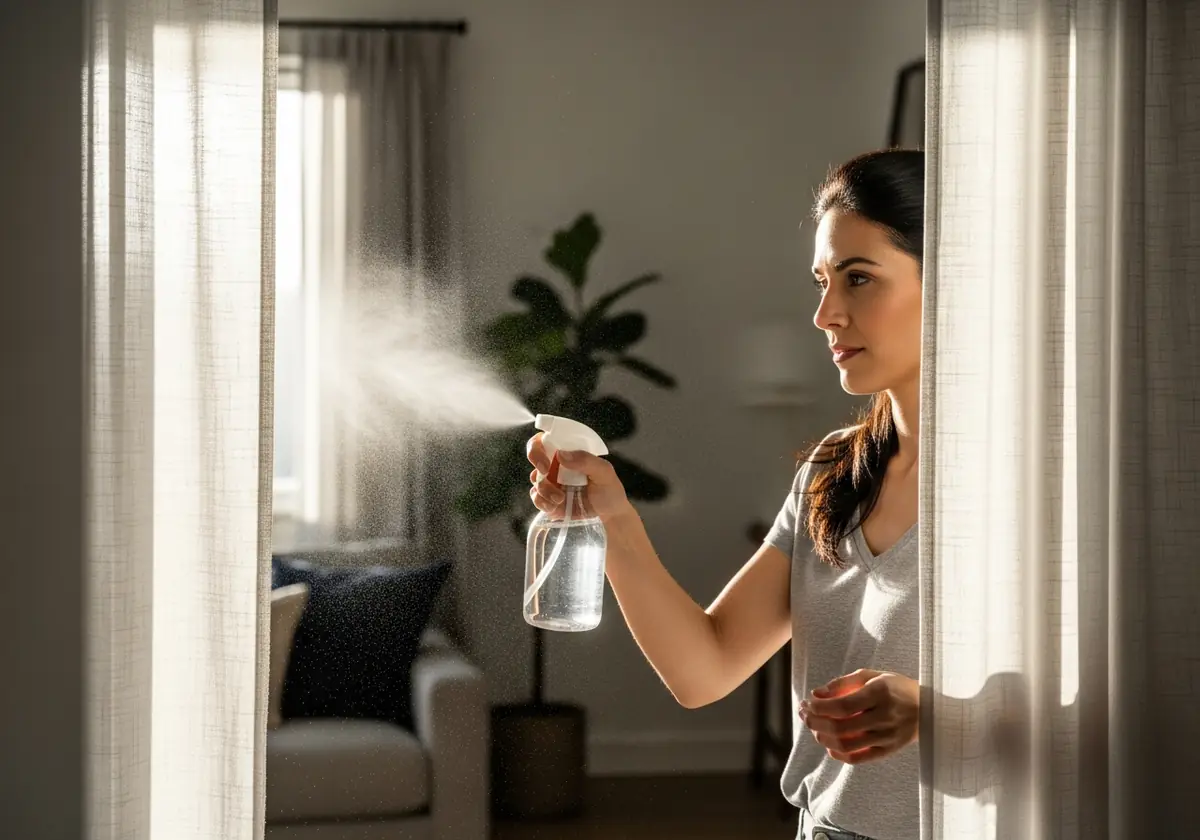
The fabric of our homes—the curtains, the sofas, the rugs—often traps odors that are difficult to remove with air fresheners alone. For these surfaces, a natural linen spray is the solution. Water and oil do not mix, so simply dropping essential oils into a spray bottle of water results in the oil floating on top and clogging the nozzle. To create a stable emulsion without synthetic chemicals, you again turn to high-proof alcohol or witch hazel. These solvents disperse the oil into tiny droplets that remain suspended in the mixture. When sprayed onto linen or upholstery, the alcohol evaporates almost instantly, leaving the essential oil molecules clinging to the fabric fibers. A spray made with lavender and chamomile is perfect for misting pillows before bed, creating a sensory cue for sleep. A blend of lemon and tea tree oil, both known for their antibacterial properties, works wonders on a sofa that has seen too much pet traffic, neutralizing the odor at the source rather than masking it.
Baking Soda
However, adding scent is only half the battle. A truly fresh-smelling home requires the neutralization of bad odors. This is where the chemistry of baking soda becomes invaluable. Bad smells, such as those from garbage, compost, or sweat, are often acidic in nature. Baking soda (sodium bicarbonate) is a base. When it comes into contact with these acidic odors, it neutralizes them chemically, turning them into inert, odorless salts. A small jar of baking soda mixed with a few drops of lemon essential oil, placed at the bottom of a trash can or in the back of a musty closet, acts as a continuous odor sponge. For carpets, which act as giant filters trapping dust and smells, a mixture of baking soda and dried herbs—like crushed rosemary or lavender buds—can be sprinkled over the fibers. Let it sit for twenty minutes to absorb the oils and moisture from the rug, and then vacuum it up. The vacuuming process itself releases the scent of the herbs, leaving the room smelling earthy and clean.
Houseplants
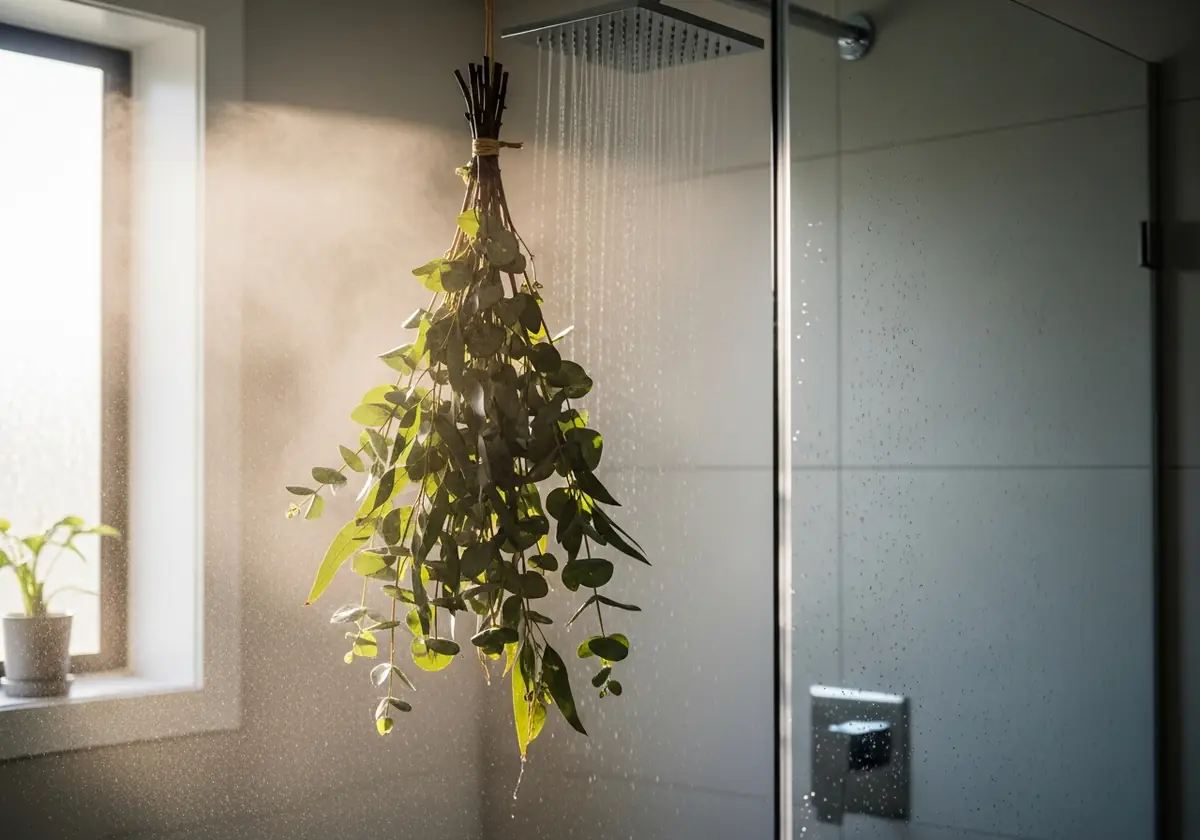
We must also look to the living world for fragrance. Houseplants are the original air fresheners. While many plants are praised for their air-purifying qualities—filtering out toxins like formaldehyde and benzene—some are potent natural perfumers. Jasmine is a prime example. A healthy jasmine plant, particularly when it blooms, releases a sweet, heady fragrance that intensifies in the evening. It is a complex, floral scent that no candle can replicate. Similarly, herbs like mint, basil, and lemon balm, when grown on a kitchen windowsill, release bursts of scent whenever their leaves are brushed against or disturbed. This is tactile fragrance; it requires interaction. Bringing dried elements into the bathroom is another way to utilize plant power. Hanging a bundle of fresh eucalyptus branches from the showerhead is a spa trick that works on the principle of steam activation. The heat and moisture from the shower release the eucalyptus oil, filling the small room with a mentholated, clearing scent that opens the airways and invigorates the mind.
Fresh Air
The transition to natural fragrances also involves a re-evaluation of what “clean” smells like. We have been conditioned by marketing to believe that clean smells like bleach, pine chemicals, or strong artificial florals. In reality, clean has no smell. It is the absence of dust, mold, and decay. Natural fragrances should be the top note over a base of neutrality. The most effective natural air freshener is simply fresh air. Opening the windows, even for ten minutes in the middle of winter, creates a full air exchange that flushes out the buildup of carbon dioxide and indoor pollutants. This blast of oxygen resets the home’s olfactory palate. Any natural scent introduced after this air exchange will smell crisper and more distinct because it isn’t fighting against a background of stale air.
Scents That Match The Seasons
Furthermore, there is a seasonal rhythm to natural scents that connects the home to the time of year. Using synthetic pumpkin spice spray in April feels jarring and out of place. Natural scents follow the calendar intuitively. In the spring, light florals and green scents like geranium and vetiver mirror the awakening earth. In the summer, bright citrus and cooling peppermint combat the heat. Autumn calls for woodsy scents like cedar, sandalwood, and patchouli, which provide a sense of grounding. Winter is the time for warming spices—clove, cinnamon, ginger—and resinous scents like frankincense or pine. By aligning your home fragrance with the season, you create a harmonious environment that feels like an extension of the natural world outside your door.
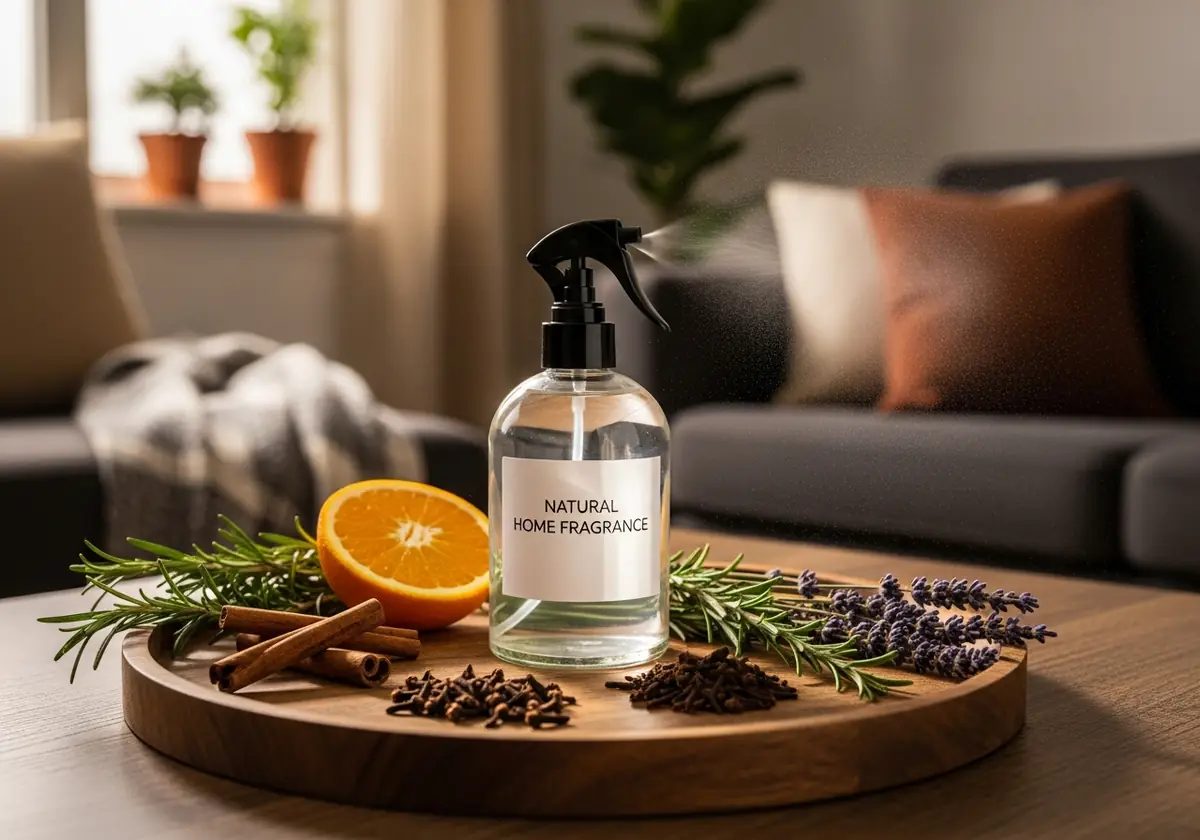
The vessel for these scents also contributes to the aesthetic of the home. A plastic plug-in is an eyesore. A ceramic bowl filled with pinecones and cinnamon sticks (a natural potpourri) adds texture and visual warmth. A glass amber bottle with a simple label looks like an apothecary item rather than a cleaning product. The visual beauty of the ingredients—the star anise floating in the simmer pot, the lavender sprigs in the vase—enhances the experience. It turns the act of scenting the home into an intentional display of beauty.

Essential Oils
It is important to exercise caution and knowledge when working with essential oils. “Natural” does not always mean harmless. Essential oils are highly concentrated plant extracts. Some, like tea tree or wintergreen, can be toxic to pets if ingested or if dispersed in high concentrations. Others, like cinnamon bark or clove, can be irritating to the skin if handled directly. Understanding the potency of these ingredients is key. A little goes a very long way. The goal of natural fragrance is subtlety—a hint of scent that you notice when you enter the room but that fades into the background of your awareness, not a wall of smell that hits you in the face.
Ultimately, choosing natural fragrances is an act of care for your home and the people who live in it. It rejects the notion that a home must be sterilized and perfumed with chemicals to be acceptable. It embraces the complexity of the botanical world, inviting the therapeutic benefits of plants into our daily routines. It turns the mundane task of managing household odors into a creative and sensory ritual. Whether it is the steam rising from a pot of simmering lemons or the subtle drift of cedarwood from a reed diffuser, natural scents make a house feel lived-in, loved, and authentically fresh.
Important
However, the most beautiful fragrance in the world cannot mask a dirty home. Scent is the final touch, the polish on the diamond, but it cannot replace the fundamental need for cleanliness. If there is dust on the baseboards, grime in the kitchen grout, or stale air trapped in the carpets, adding fragrance simply adds a layer of noise to the chaos. The foundation of a great-smelling home is a deep, restorative clean that removes the sources of odor rather than covering them up.
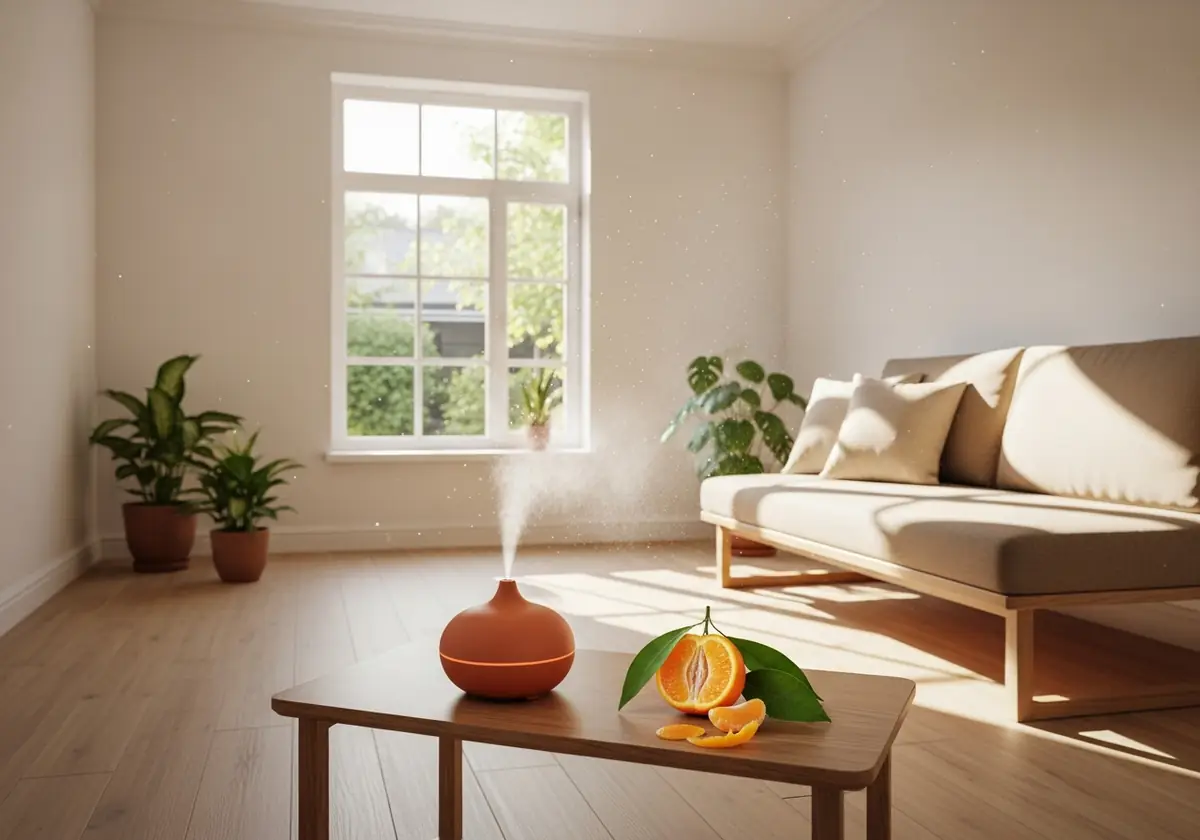
Before choosing a fragrance, make room in your schedule for regular house cleaning to address everyday dirt.
This is where Toronto Shine Cleaning becomes the essential partner in your home’s atmosphere. We understand that true freshness starts with a pristine environment. Our professional team provides the rigorous, detailed cleaning that clears the canvas for your natural fragrances to shine. We remove the dust that traps stale odors, degrease the surfaces that hold onto cooking smells, and sanitize the areas that contribute to background funk. Toronto Shine Cleaning prepares your home so that when you finally set that simmer pot on the stove or spray your lavender linen mist, you are smelling the pure, unadulterated beauty of the scent, unsupported by the ghost of past messes.