How to Remove Cobwebs From Your Home
On this page
Cobwebs show up in the corners nobody checks until a guest does: above door frames, behind bookcases, along ceiling lines, and around light fixtures. Removing them takes only a few minutes once you own the right tools and work in the right order. This guide explains what cobwebs are, which tools reach them, how to clean each area without spreading dust, and how to stop them from coming back.
What Cobwebs Are and Why They Form
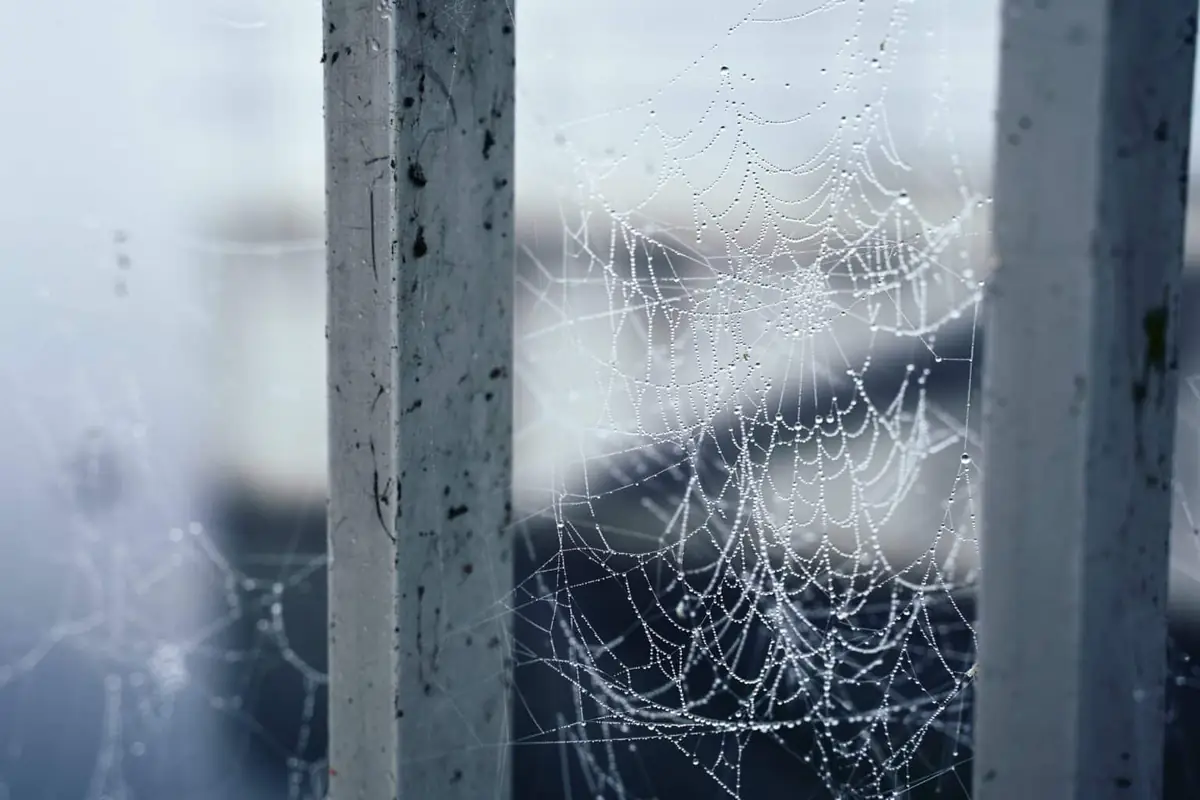
A cobweb is not the same thing as a spider web. Cobwebs are the irregular, tangled webs built by house spiders, usually species from the Theridiidae family, in corners and other undisturbed spots. The spider often abandons the structure after a while, and the empty web then collects dust, pollen, and airborne debris, which gives it that grey and fluffy look.
Two useful things follow from that. First, cobwebs mark low traffic zones, so they gather in basements, attics, stairwells, closets, and spare rooms. Second, because they trap dust and other particles, they add to the allergen load in a home. Clearing them is part of indoor air care, and it fits neatly with the routine cleaning and disinfection guidance published by the CDC.
Tools That Make Cobweb Removal Easy
You do not need a cupboard full of gadgets. Four items cover almost every situation.
- Extendable duster: a telescoping handle with a bendable head reaches high corners and ceiling fan blades without a ladder.
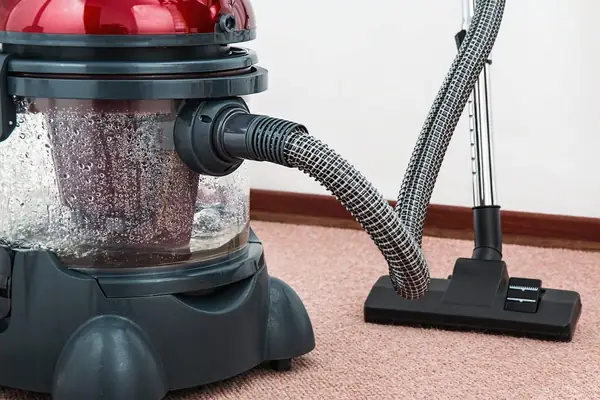
- Vacuum with attachments: a crevice tool handles tight corners, while a soft brush attachment is safer on textured ceilings and baseboards.
- Microfiber cloth: dampened slightly, it lifts the fine residue a duster leaves behind, and it can be washed and reused.
- Soft bristled brush: the right pick for indoor plants, artwork, and delicate light fittings.
A Step by Step Cobweb Removal Routine
Always work from the top of the room downwards. Dust and web strands you loosen above will settle on anything you have already wiped, so the order matters as much as the tool.
Step 1, start at the ceiling. Sweep the corners where ceilings meet walls, then move across ceiling fan blades, light fixtures, and the tops of tall furniture. Shake the duster out outdoors afterwards.
Step 2, work down the walls. Follow the wall and window frame line with the vacuum and soft brush attachment, paying attention to picture rails and curtain rods.
Step 3, clear the hidden spots. Pull furniture slightly away from the wall, then use the crevice tool behind large appliances, under beds, and inside closets.
Step 4, finish with a damp wipe. Run a lightly dampened microfiber cloth over skirting boards, shelves, and window sills to remove the dust the web was holding.
Which Method Suits Which Area
| Area | Best method | How often |
|---|---|---|
| Ceiling corners and cornices | Extendable duster | Weekly in living areas |
| Ceiling fans and light fixtures | Extendable duster, then microfiber | Every two weeks |
| Baseboards and window frames | Vacuum with soft brush and crevice tool | Weekly |
| Behind appliances and under beds | Vacuum crevice tool and soft bristled brush | Monthly |
| Basements, attics, and garages | Duster plus a moisture check | Monthly |
How to Stop Cobwebs From Coming Back
Prevention is mostly about removing the conditions spiders like: undisturbed corners, moisture, and easy entry points.
- Reduce clutter. Boxes, bags, and stacked storage create the quiet corners spiders prefer, so keep storage areas tidy and inspect them as you organize.
- Seal the gaps. Caulk cracks around window frames, doors, and utility pipe entries, and repair worn weather stripping and torn window screens.
- Control moisture. A dehumidifier in a damp basement or crawl space makes those rooms far less attractive, and it helps keep mould in check as well.
- Use natural deterrents. A spray of peppermint oil diluted in water, reapplied weekly around sills and doorways, is a popular home remedy, and vinegar mixed with water works in a similar way.
- Trim the outside. Keep shrubs and tree branches clear of exterior walls, and choose outdoor lighting that attracts fewer insects.
When a Professional Clean Is Worth It
Most cobwebs come down with a duster and ten minutes of your time. A few situations are better handed over: vaulted ceilings, unfinished basements, homes that have sat empty for months, and seasonal resets before or after a move. A professional team arrives with extendable poles, HEPA vacuums, and products chosen for the surfaces in your home, and it can take the same top to bottom pass through the areas you would rather not reach.
Toronto Shine Cleaning is insured, with $5,000,000 liability insurance. If you want the high ceilings and hidden corners handled properly, the team can fold the work into a deep cleaning visit, or you can add a cobweb pass to a regular cleaning plan. Rates are listed on the pricing page, and service areas cover Toronto and the wider GTA. To book, call (647) 424-0355.
Frequently Asked Questions About Cobwebs
Are cobwebs a sign of a spider infestation?
Usually not. Most cobwebs are abandoned webs built by common house spiders, and finding one or two in a high corner or a basement does not mean you have an infestation. Repeated webs in the same spot simply mean that corner stays undisturbed and possibly damp. Removing the web, reducing clutter, and sealing entry points is normally enough. If you see spiders regularly in living areas or find egg sacs, a pest control professional is the right call.
How often should I remove cobwebs?
Add a quick sweep of ceiling corners to your weekly clean in busy rooms, then inspect basements, closets, and behind furniture once a month. Homes that sit empty or have high ceilings may need a seasonal deep pass instead. Consistency matters more than effort: a fast weekly pass keeps webs from collecting the dust that makes them so obvious.
Can cobwebs affect allergies or air quality?
They can. An abandoned web collects dust, pollen, and other airborne particles, so it holds allergens in place and releases them when disturbed. If anyone in the home has asthma or seasonal allergies, clearing webs along with regular dusting and vacuuming makes a measurable difference to how the space feels. Fixing damp conditions also matters, since damp indoor environments can support mould growth.
What is the fastest way to clear a high ceiling?
Use an extendable duster with a bendable head, or a vacuum with a long reach attachment. Work in one direction along the ceiling line rather than stabbing at individual webs, and keep a damp microfiber cloth handy for the dust that falls onto ledges below. If the ceiling is very high, or you would be standing on a chair to reach it, leave it to a professional team.