
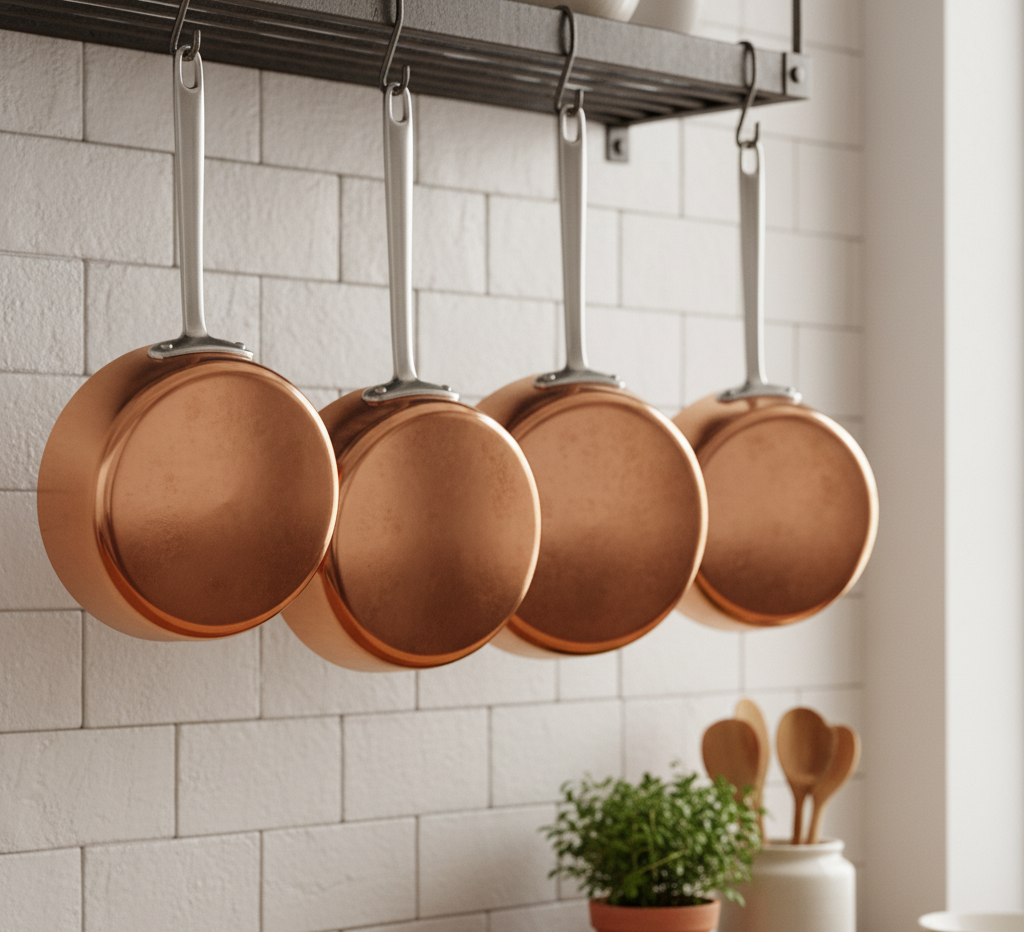
How to Clean Copper Pans and Remove Tarnish for a Brilliant Shine
Copper pans is the jewel of the kitchen, prized by professional chefs and passionate home cooks alike for its exceptional performance and stunning, undeniable beauty. Its ability to conduct heat with unparalleled speed and precision makes it a responsive and intuitive tool, allowing for nuanced control that is simply unattainable with other materials. Beyond its remarkable function, a set of gleaming copper pans hanging from a pot rack is a statement piece, an aesthetic centerpiece that lends a warm, fiery glow to any kitchen. Yet, this beauty and performance come with a responsibility. Copper is a reactive metal, and its brilliant, rose-gold luster is susceptible to the natural process of oxidation, which results in a dull, sometimes greenish-brown film known as tarnish. Cleaning copper is therefore not just a matter of hygiene, but a rewarding ritual of restoration, a process of bringing a magnificent tool back to its original, brilliant glory. Copper Pans A crucial aspect to understand before beginning any cleaning process is that a copper pan is often two distinct entities that require separate care. The stunning exterior is, of course, the signature copper. The interior cooking surface, however, is almost always lined with a non-reactive metal, most commonly stainless steel or, in more traditional and vintage pans, tin. This lining is essential because copper itself can react with acidic foods like tomatoes or vinegar, potentially leaching into your meal and affecting its taste. Therefore, you must approach the cleaning as two separate jobs: one for the durable interior and another for the delicate, reactive exterior. 1.Interior Cooking Surface Let us first address the interior cooking surface. If your pan is lined with stainless steel, which is the most common and durable option in modern copper cookware, the cleaning process is straightforward and robust. For daily washing after cooking, simple dish soap and warm water applied with a non-abrasive sponge or cloth are all that is needed. If you have stubborn, burnt-on food particles, resist the urge to attack them with steel wool. Instead, fill the pan with an inch of water, add a single drop of dish soap, and gently heat it on the stove for a few minutes. This will soften and loosen the residue, allowing it to be scrubbed away with minimal effort. Stainless steel can also develop a rainbow-like, iridescent discoloration known as heat tint. While harmless, it can be unsightly. To remove it, a paste made from a powdered cleanser like Bar Keepers Friend and a little water is remarkably effective. Apply the paste, scrub gently with a soft sponge, and rinse thoroughly to restore the steel’s brilliant silver shine. If your pan has a tin lining, much greater care must be taken. Tin is a very soft metal and can be easily scratched, which will compromise the surface. For tin-lined pans, only use soft cloths, warm water, and mild soap. Never use abrasive cleaners or scouring pads, and avoid overly aggressive scrubbing. 2.Copper Exterior With the interior handled, the focus shifts to the main event: restoring the copper exterior. This is fundamentally a chemical process, one that requires a mild acid to react with and dissolve the copper oxide that forms the tarnish. This chemical action is often combined with a very gentle abrasive to help lift the dissolved tarnish away from the surface. Fortunately, some of the most effective and safest cleaners for this task can be created from simple, inexpensive ingredients found right in your kitchen. The most classic and widely used method involves the powerful combination of lemon and salt. The citric acid in the lemon is the chemical powerhouse that breaks down the tarnish, while the fine crystals of salt act as a gentle but effective scrubbing agent. The application is beautifully simple. Slice a fresh lemon in half and dip the cut, fleshy side into a small bowl of kosher or table salt, ensuring it is well-coated. Then, simply take this salted lemon half and begin scrubbing the exterior of the copper pan in a firm, circular motion. You will see the tarnish begin to disappear almost instantly, a satisfying transformation that reveals the bright, clean copper underneath. For more control or for larger pans, you can squeeze the juice of a lemon into a bowl, mix it with a few tablespoons of salt to form a paste, and apply this paste with a soft cloth. Continue scrubbing until the entire surface is clean, then rinse the pan thoroughly with warm water. The final step, which is absolutely critical for a perfect, lasting finish, is to dry the pan immediately and completely with a soft, clean cloth, like a microfiber towel. Any water droplets left to air dry will create new spots and begin the tarnishing process anew, undoing all of your hard work. 3.Ketchup Another surprisingly effective and readily available acidic cleaner is ketchup. While it may seem like an unlikely candidate, ketchup contains both vinegar (acetic acid) and tomato concentrate (which also has a degree of acidity), providing the mild chemical action needed to break down light tarnish. This method is best for maintenance cleaning or for pans that are only slightly dulled rather than heavily oxidized. Simply smear a thin layer of ketchup all over the copper surface, ensuring complete coverage. Let it sit for ten to thirty minutes, allowing the acids time to work. Then, simply wipe it off with a soft cloth and rinse well with warm water. The tarnish should be gone, and the pan will be noticeably brighter and warmer in tone. 4.Vinegar, Salt and Flour For more heavy-duty, set-in tarnish that has built up over time, a more potent paste made from white vinegar, salt, and flour is an excellent solution. The flour in this mixture plays a crucial role; it acts as a thickener, creating a paste that allows the acidic vinegar and abrasive salt to cling to the vertical surfaces of the pan for an extended period, giving them more time to work their magic. In
How to Clean Copper Pans and Remove Tarnish for a Brilliant Shine Read More »