
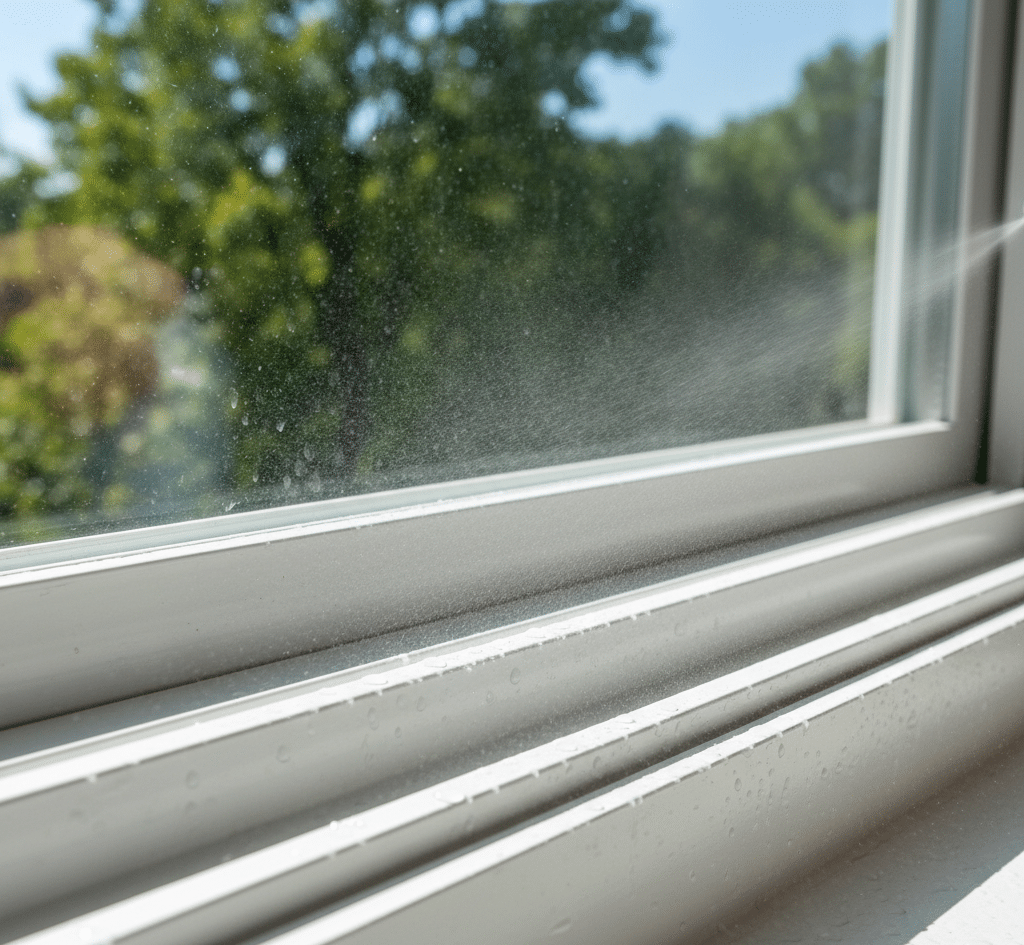
Window Tracks Cleaning: The Secret to Cleaning Stubborn Dirt from Sliding Window Tracks
Window tracks are the unsung, hardworking components of a home’s connection to the outside world. They are engineered to allow massive panels of glass to glide smoothly, to seal out drafts and rain, and to provide a secure barrier against the elements. Yet, for all their functional importance, they are one of the most chronically neglected areas in routine house cleaning. Tucked away at the bottom of the frame, they become the unseen dumping ground for an unpleasant collection of grime. Over time, they accumulate a dense mixture of airborne dust, pollen, rain-soaked dirt, dead insects, and condensation, all of which congeals into a thick, stubborn sludge that is as unsightly as it is unsanitary. Cleaning these tracks is not just an aesthetic endeavor; it is a crucial act of home maintenance that improves the functionality of your windows, enhances indoor air quality, and restores a sense of deep, thorough cleanliness to a room. Right Tools 1. Vacuum Cleaner With Nozzle Before embarking on the cleaning process, it is essential to gather the right tools for the job. This is a task that requires a specific, multi-pronged approach, and having your arsenal ready will make the process infinitely more efficient and effective. You will need a vacuum cleaner with a crevice tool and a brush attachment. You will also need a small, stiff-bristled brush; an old toothbrush is the perfect candidate for this role. A spray bottle will be needed for precise application of your cleaning solution. The primary cleaning agents themselves are simple household staples: baking soda and plain white vinegar. A roll of paper towels will be used for removing the bulk of the grime, while a few clean microfiber cloths are essential for the final, detailed wipe-down. Finally, for the surgical precision required to clean deep into the corners, a butter knife or a flathead screwdriver will serve as an invaluable tool. It is also wise to lay an old towel on the floor beneath the window to catch any drips or debris. The first and most critical phase of cleaning window tracks is the dry removal of all loose debris. This step is non-negotiable. Introducing liquid cleaners to a track full of loose dirt, dust, and dead bugs will instantly create a thick, muddy paste that is far more difficult to remove than the original dry mess. Begin by opening the window as wide as possible to give you full access to the entire length of the track. Arm your vacuum cleaner with its crevice tool attachment, the long, narrow nozzle designed for exactly this kind of surgical extraction. Methodically work the crevice tool back and forth along every groove and channel of the track, sucking up all the loose dirt, dust, and larger pieces of debris. Pay close attention to the corners, where grime tends to accumulate most densely. 2. Toothbrush Once the initial vacuuming is complete, switch to your dry, stiff-bristled brush. Use the toothbrush to vigorously scrub the entire track. This will agitate and dislodge the more compacted, caked-on dirt that the vacuum’s suction could not lift. As you brush, you will break up these stubborn patches into a fine, gritty powder. Use the vacuum one more time to suck up all of this newly loosened debris. This thorough dry-cleaning phase prepares the surface for the next, more intensive step. 3. Baking Soda and Vinegar Now that the loose solids are gone, it is time to tackle the stubborn, sticky film of grime that remains. This is where the simple but powerful chemistry of baking soda and vinegar comes into play. Liberally sprinkle a generous layer of baking soda over the entire surface of the window track, ensuring you get it into all the channels and corners. Do not be shy with the amount; it should form a visible white layer. Baking soda acts as a fantastic, gentle abrasive and a natural deodorizer. Next, fill your spray bottle with white vinegar and adjust the nozzle to a direct stream. Spray the vinegar directly onto the baking soda. The mixture will immediately begin to hiss and fizz in a satisfying chemical reaction. This effervescent action is actively working for you, bubbling up and dislodging the grime from the surface of the track. Allow this bubbling mixture to sit and work its magic for ten to fifteen minutes. 4. Microfiber Cloth or Papel Towel After the chemical reaction has done its heavy lifting, it is time for the manual scrub. Take your toothbrush again and begin to scrub the gritty, vinegar-soaked paste into every part of the track. The combination of the vinegar dissolving the grime, the baking soda providing a gentle scrubbing action, and the mechanical force of the brush will create a powerful cleaning slurry that lifts away even the most stubborn, set-in dirt. This is where you will address the notoriously difficult corners. Take your butter knife or flathead screwdriver and wrap the tip with a small piece of a microfiber cloth or a sturdy paper towel. Use this makeshift detail tool to scrape and dig into the tight corners and the narrowest grooves, pushing out the gunk that the brush could not reach. With all the grime dislodged and suspended in the slurry, the removal process begins. This will be messy, but immensely satisfying. Take several sheets of paper towel and use them to scoop and wipe out the bulk of the dark, dirty paste. You will be shocked at the amount of filth that comes out of such a small area. Continue wiping with paper towels until you have removed most of the visible mess. Extra Tip The final stage is the detailed rinsing and drying. Take a clean microfiber cloth, dampen it with plain warm water, and wring it out thoroughly. Meticulously wipe down the entire window track, rinsing the cloth frequently in clean water as you go. This will remove any remaining dirt and any residue from the baking soda and vinegar. Use your cloth-wrapped tool again
Window Tracks Cleaning: The Secret to Cleaning Stubborn Dirt from Sliding Window Tracks Read More »